
Back pain is a common issue that many people experience, often due to poor posture or weak muscles. As a chiropractor, I believe that addressing these underlying causes through natural methods is essential for achieving optimal health. One of the best ways to combat back pain is through specific exercises that focus on strengthening your core and improving flexibility.
It’s not just about relieving discomfort; it’s about building resilience and enhancing your daily movements. By incorporating essential exercises into your routine, you can significantly improve your overall well-being and maintain a pain-free lifestyle. Here are some key exercises to consider:
- Core Strengthening: Engaging your abdominal and back muscles will help support your spine. Exercises like planks and bridges are great for building core strength.
- Stretching: Incorporate stretches that target your back, hips, and legs. Simple stretches like the cat-cow stretch or gentle side bends can improve flexibility and reduce tension.
- Posture Awareness: Practice standing and sitting with good posture. Keeping your shoulders back and your spine aligned can prevent unnecessary strain on your back.
- Regular Movement: Avoid staying in one position for too long. Take breaks to stand, walk, or stretch throughout the day.
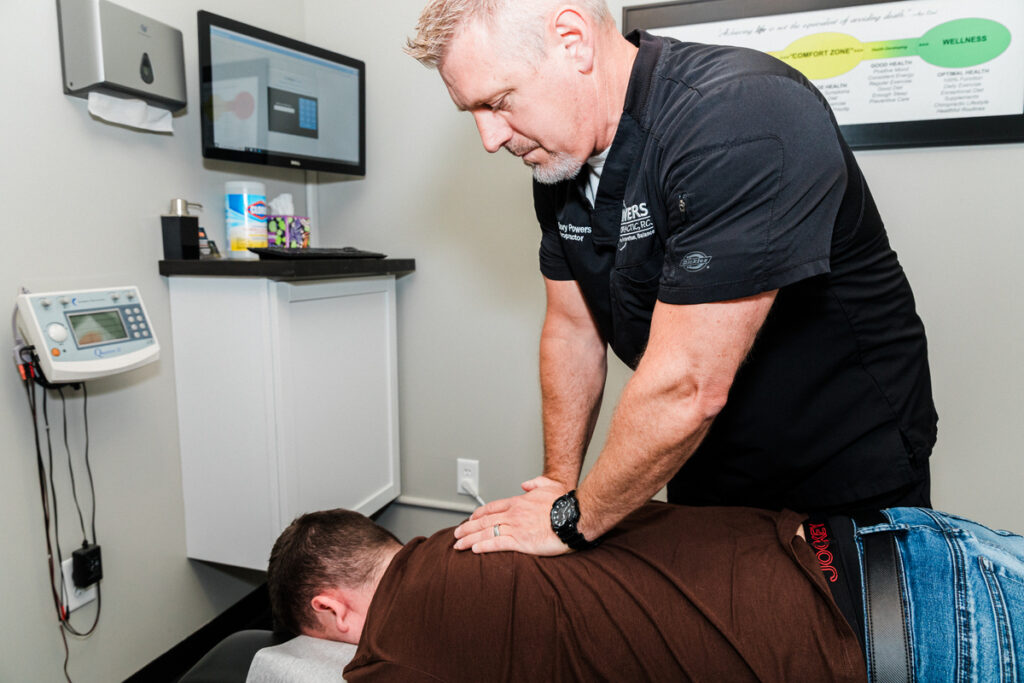
- Chiropractic Care: Regular visits to your chiropractor can help align your spine and ensure that your body is functioning optimally. Chiropractic adjustments can relieve pain and improve mobility, allowing you to perform exercises more effectively.
Remember, the goal is to create a balanced approach to your health. By focusing on these exercises and incorporating chiropractic care into your routine, you can take proactive steps toward a healthier, pain-free life. If you’re unsure where to start, consider scheduling an appointment to discuss a personalized plan tailored to your needs.
Key Takeaways
Essential Exercises to Prevent Back Pain
As a local chiropractor, I want to share some simple yet effective exercises that can help you maintain a healthy spine and prevent back pain. Remember, while these exercises are beneficial, regular chiropractic care is essential for optimal health and wellness.
- Pelvic Tilts: This exercise helps engage your lower back and core muscles, which stabilize your spine and can prevent discomfort. Simply lie on your back with your knees bent, flatten your lower back against the floor by tilting your pelvis upward, and hold for a few seconds before relaxing. Repeat this several times to strengthen your core support.
- Bird-Dogs: This movement enhances stability, coordination, and balance, all essential for reducing the risk of back pain. Start on your hands and knees. Extend one arm forward while simultaneously extending the opposite leg back. Hold for a few seconds, then switch sides. This exercise promotes a strong connection between your upper and lower body.
- Planks: Strengthening your core is vital for back support. To perform a plank, lie face down, then lift your body off the ground, resting on your forearms and toes. Keep your body in a straight line from head to heels. Hold this position for as long as you can, building endurance over time.
- Bridges: Strengthening your lower back and glutes can promote better posture and spinal alignment. Lie on your back with your knees bent and feet flat on the floor. Lift your hips towards the ceiling, squeezing your glutes at the top. Lower back down and repeat. This exercise is fantastic for building strength in your posterior chain.
- Hamstring Stretches: Regularly stretching your hamstrings can improve flexibility in your lower back and legs, alleviating tension that might contribute to discomfort. Sit on the floor with one leg extended and the other bent. Reach towards your toes on the extended leg, feeling the stretch in the back of your thigh. Hold for a few seconds and switch sides.
Incorporating these exercises into your routine can be a great way to support your back health. However, remember that chiropractic care is the best choice for natural pain relief and maintaining spinal health. My goal is to help you live a healthier, pain-free life, and I encourage you to reach out for personalized advice and care tailored to your needs. Your spine will thank you!
Understanding Back Pain and Its Causes
Understanding back pain begins with recognizing its numerous causes, many of which can be addressed through chiropractic care. Often, discomfort arises from poor posture, which places unnecessary stress on your spine. By maintaining proper alignment and posture, you can significantly reduce the strain on your back.
Improper lifting techniques can also lead to injuries, straining muscles or ligaments. It’s essential to lift heavy objects correctly—using your legs instead of your back—to prevent injury. Incorporating regular movement into your daily routine can strengthen your back muscles, making you less prone to pain when you engage in physical activity.
Certain conditions, like herniated discs or arthritis, may cause significant discomfort, but chiropractic adjustments can help alleviate these issues by promoting better spinal alignment and function.
Emotional stress and anxiety can contribute to muscle tension in your back, which can amplify pain sensations. When stressed, we often unconsciously tighten our muscles. Practicing relaxation techniques, such as deep breathing or gentle stretching, can help ease this tension.
Age can also play a role in back pain, as the natural wear and tear on your spine can lead to discomfort. Regular chiropractic visits can help maintain spinal health and mobility, making a positive impact on your overall well-being.
By identifying the specific causes of your back pain and seeking chiropractic care, you can take targeted steps toward relief. This understanding is key to finding effective solutions and preventing future issues.
Remember, a healthy spine is essential for a healthy life, so prioritize your spine health with chiropractic care. Here are a few quick tips to keep in mind:
- Maintain good posture: Sit and stand tall to reduce strain on your spine.
- Lift correctly: Bend your knees and keep your back straight when lifting heavy items.
- Stay active: Incorporate regular movement and exercises to strengthen your back.
- Manage stress: Use relaxation techniques to help reduce muscle tension.
- Schedule regular chiropractic check-ups: Keep your spine aligned and functioning optimally.
Embrace the natural healing power of chiropractic care for a pain-free, healthier life!
The Importance of Core Strength
Core strength is fundamental for maintaining stability and balance, serving as the backbone of effective movement. When you cultivate strong core muscles, you not only shield your back from injury but also enhance your performance in everyday activities and workouts. A robust core provides essential support, helping you maintain proper posture and minimizing the risk of discomfort and injury.
Here are some important reasons why core strength is vital for your health:
- Stabilizes Your Spine and Pelvis: A strong core helps keep your spine aligned, reducing the strain on your back and improving overall body mechanics. This is where chiropractic care plays a crucial role, as it focuses on spinal alignment and core stability.
- Improves Balance and Coordination: Enhanced core strength leads to better balance, which is essential for preventing falls and maintaining mobility. As a chiropractor, I can work with you to develop a personalized plan that includes exercises to strengthen your core.
- Enhances Athletic Performance: Whether you’re an athlete or just enjoy recreational activities, a strong core can elevate your performance. Chiropractic adjustments can help optimize your body’s function, allowing you to move more efficiently.
- Reduces the Risk of Lower Back Pain: Many people experience lower back pain due to weak core muscles. By focusing on core strength, you can help alleviate pain and discomfort. Regular chiropractic care can also address any misalignments that contribute to back issues.
- Supports Proper Body Mechanics During Exercises: Good core strength ensures that you use your body effectively during workouts, reducing the risk of injury. Incorporating chiropractic adjustments can further enhance your body’s ability to perform movements safely.
To support your core strength and overall wellness, consider these simple tips:
- Incorporate Core Exercises: Engage in exercises like planks, bridges, and abdominal crunches to strengthen your core muscles. Start slowly and gradually increase intensity.
- Maintain Good Posture: Pay attention to your posture throughout the day. Whether sitting or standing, keeping your spine aligned helps support core strength.
- Stay Active: Regular physical activity is essential for overall health. Even simple activities like walking or stretching can contribute to a stronger core.
- Consider Chiropractic Care: Regular visits to your chiropractor can provide you with tailored exercises and adjustments that support your core strength and overall health.
Stretching Exercises for Flexibility
Stretching is a vital component for improving flexibility and alleviating back pain, which is why it’s often emphasized in chiropractic care. By integrating effective stretching techniques into your daily routine, you can significantly enhance your mobility and overall well-being.
Let’s delve into some valuable stretching routines that can positively impact your spinal health and overall comfort.
As a chiropractor, I encourage you to consider the powerful benefits of regular stretching. Not only does it help increase your flexibility, but it also aids in relieving tension and preventing injuries.
Here are some simple tips and stretches you can easily incorporate into your day:
- Gentle Neck Stretch: Sit or stand comfortably. Slowly tilt your head to one side, bringing your ear towards your shoulder. Hold for 15-30 seconds, then switch sides. This helps release tension in your neck and upper back.
- Cat-Cow Stretch: Get on your hands and knees. Arch your back upward (like a cat) and then dip it down while lifting your head (like a cow). Repeat this sequence 5-10 times to promote spinal flexibility and relieve stiffness.
- Child’s Pose: Kneel on the floor and sit back on your heels. Reach your arms forward and lower your torso towards the ground. This stretch is excellent for relaxing your back and promoting a sense of calm.
- Hamstring Stretch: While sitting on the floor, extend one leg out and keep the other bent. Reach towards your toes of the extended leg, feeling a gentle stretch in your hamstring and lower back. Hold for 15-30 seconds and switch legs.
- Hip Flexor Stretch: Stand up and take a step back with one foot, bending the front knee. Keep your back leg straight and feel the stretch in your hip. This is essential for maintaining lower back health.
Remember, the key to effective stretching is to listen to your body. Don’t push yourself too hard; gentle stretches are more beneficial and safer. Regularly incorporating these stretches can help maintain your spinal alignment and enhance your overall flexibility.
While stretching is beneficial, it should complement regular chiropractic care. A chiropractor can provide tailored adjustments and recommendations that can lead to better posture, reduced pain, and improved functionality.
Embracing a holistic approach to your health and wellness can truly help you achieve optimal living. If you’re experiencing persistent discomfort, don’t hesitate to reach out to your local chiropractor for personalized guidance and support. Together, we can work towards a healthier, pain-free life!
Importance of Stretching
While many individuals prioritize strengthening their backs to relieve pain, it’s important to recognize that incorporating flexibility through stretching plays a crucial role in your overall spinal health. Stretching helps maintain a healthy range of motion, reduces stiffness, and can prevent potential injuries. By making stretching a regular part of your routine, you not only enhance your physical performance but also promote better posture, which is vital for a healthy spine.
Here are some key benefits of stretching that align with chiropractic principles:
- Increases Blood Flow to Your Muscles: Improved circulation helps nourish your muscles and spinal structures, promoting healing and recovery.
- Improves Flexibility and Mobility: Enhanced flexibility can help your spine move more freely, reducing the risk of discomfort and injury.
- Reduces Muscle Tension and Soreness: Regular stretching can alleviate tension in your back muscles, making it easier to maintain a healthy posture.
- Enhances Your Body’s Alignment and Posture: Proper alignment is fundamental in chiropractic care, and stretching can support this by keeping your muscles balanced.
- Boosts Your Overall Sense of Well-Being: Engaging in stretching routines can reduce stress and improve your mood, contributing to your overall health.
Integrating these stretching routines into your daily activities not only helps in preventing back pain but also supports a healthier, more active lifestyle.
Remember, chiropractic care is an excellent option for achieving optimal health and function. It can help address any underlying issues that might contribute to discomfort, while stretching complements this care by keeping your muscles flexible and your spine aligned.
So, make stretching a priority alongside regular chiropractic visits for a stronger, pain-free back!
Here are a few simple stretching tips to get you started:
- Start Slow: If you’re new to stretching, begin with gentle stretches and gradually increase intensity.
- Focus on Your Breathing: Inhale deeply as you stretch and exhale as you release tension.
- Hold Each Stretch: Aim to hold each stretch for 15-30 seconds to reap the full benefits.
- Stretch Daily: Incorporate stretching into your daily routine, perhaps in the morning or before bed.
- Listen to Your Body: Never push yourself into pain; stretching should feel good and relieve tension, not create discomfort.
Key Stretching Techniques
Incorporating effective stretching techniques into your daily routine can significantly enhance your flexibility and promote overall spinal health, which is essential for a pain-free life.
As a chiropractor, I believe that maintaining a healthy spine is crucial for your well-being, and these stretches can help you achieve that without the need for medications or surgeries.
Start with the cat-cow stretch. This simple yet effective movement helps to mobilize your spine and relieve built-up tension, making it a perfect addition to your morning routine.
Transition into the seated forward bend, where you gently reach for your toes. This stretch not only targets your hamstrings but also provides relief to your lower back, enhancing your overall comfort.
Next, try the child’s pose. This gentle stretch encourages relaxation while effectively targeting your spine, allowing it to decompress and release any tightness.
Don’t overlook the standing quadriceps stretch, which not only opens up your hips but also strengthens your back, contributing to better posture and spinal alignment.
Finally, incorporate the spinal twist into your routine. This stretch is fantastic for improving spinal mobility and can help alleviate discomfort in your back and neck.
Regular practice of these key stretches can significantly improve your flexibility, prevent future back pain, and keep you active and comfortable in your daily life.
Remember, a healthy spine is the foundation of overall wellness. By embracing these stretching techniques and prioritizing chiropractic care, you can naturally enhance your health and enjoy a more vibrant, pain-free lifestyle.
If you’re looking for personalized guidance or have specific concerns, don’t hesitate to reach out to your local chiropractor for expert advice tailored to your needs.
Recommended Stretching Routines
As a local chiropractor dedicated to your health and wellness, I believe that a tailored stretching routine can greatly enhance your flexibility while supporting your spine’s health. By incorporating these stretches into your daily life, you can alleviate tension and improve your mobility, all of which contribute to a healthier back:
- Cat-Cow Stretch: This gentle movement warms up your spine and encourages flexibility, making it a great start to your routine.
- Child’s Pose: A restorative stretch that allows your back to relax while gently lengthening the spine.
- Seated Forward Bend: This stretch not only lengthens your spine but also helps to loosen your hamstrings, promoting better posture.
- Kneeling Hip Flexor Stretch: This is particularly beneficial for opening up tight hips, which can reduce strain on your lower back.
- Standing Side Stretch: This stretch promotes lateral flexibility, helping to release tightness along your sides and back.
Incorporating these stretches into your daily routine can lead to noticeable improvements in your flexibility and overall comfort.
Remember, consistency is essential for achieving the best results.
Moreover, alongside these stretches, consider regular chiropractic care as an effective way to enhance your spinal health and overall wellness.
Chiropractic adjustments can help realign your spine, relieve pain, and improve your body’s natural ability to heal.
Strengthening Your Lower Back
Strengthening your lower back is essential for achieving overall core stability and can play a significant role in preventing pain. As a chiropractor, I believe that focusing on your spinal health is one of the best ways to enhance your overall well-being.
By incorporating specific exercises that target the lower back, you can’t only strengthen this crucial area but also support your spine’s natural alignment.
Remember, using proper form during these exercises is key to maximizing benefits and avoiding injury. I encourage you to listen to your body and avoid pushing through pain, as this can lead to further issues.
Here are some simple tips to help you strengthen your lower back safely:
- Start Gradually: Begin with gentle stretches and low-impact exercises. This helps your body acclimate and reduces the risk of strain.
- Focus on Core Engagement: Strengthening your core muscles supports your lower back. Incorporate exercises that engage your abdominal muscles, such as planks or gentle bridges.
- Incorporate Flexibility: Stretching is just as important as strengthening. Regularly include stretches that target your lower back, hips, and legs to improve flexibility and reduce stiffness.
- Maintain Good Posture: Whether sitting, standing, or lifting, be mindful of your posture. Proper alignment can significantly reduce pressure on your lower back.
- Stay Active: Regular physical activity is crucial for maintaining a healthy spine. Aim for activities that you enjoy, such as walking, swimming, or yoga, to keep your body moving without strain.
- Consider Chiropractic Care: Regular visits to your chiropractor can help keep your spine aligned and functioning optimally. Chiropractic adjustments can relieve tension, improve mobility, and promote natural healing in your lower back.
By focusing on these practices, you can strengthen your lower back effectively while also supporting your overall spinal health.
Importance of Core Stability
Core stability plays a crucial role in maintaining a healthy lower back and preventing discomfort. By strengthening your core, you provide essential support to your spine, which can significantly reduce stress on your lower back. A stable core not only helps you perform everyday activities with ease but also minimizes the risk of injury, allowing you to enjoy a more active lifestyle.
As a chiropractor, I want to emphasize how vital core stability is for your overall health. Here are some key benefits that come from having a strong core:
- Enhances Balance and Coordination: A well-developed core helps improve your balance, making everyday movements safer and easier.
- Improves Posture and Alignment: Strengthening your core can lead to better posture, which is essential for spinal health and can help alleviate pain.
- Reduces Strain on the Lower Back: A stable core helps distribute weight and reduces unnecessary strain on your lower back, decreasing the chances of pain or injury.
- Increases Overall Strength and Endurance: A strong core supports your entire body, leading to improved strength and endurance in all activities, whether it’s playing with your kids or enjoying a hobby.
- Supports Functional Movements in Daily Life: Core stability is vital for everyday tasks, from lifting groceries to bending down to tie your shoes.
To enhance your core stability, consider incorporating these simple tips into your daily routine:
- Practice Good Posture: Be mindful of your posture when sitting, standing, or walking. Keeping your spine aligned can help support your core and reduce strain.
- Engage Your Core: When performing activities, make a habit of consciously engaging your core muscles. This simple action can provide support and stability.
- Incorporate Core Exercises: Include exercises like planks, bridges, and abdominal crunches into your fitness routine. Start slow and focus on form to avoid injury.
- Stay Active: Regular physical activity, such as walking, yoga, or swimming, can help keep your core strong and your back healthy.
- Consider Chiropractic Care: Regular chiropractic adjustments can enhance your core strength and improve your overall spinal health, helping you achieve optimal wellness naturally.
By focusing on core stability and prioritizing chiropractic care, you can take proactive steps toward maintaining a healthy back and living a pain-free life.
Key Strengthening Exercises
To effectively combat back pain and promote overall wellness, incorporating key strengthening exercises into your routine is essential. While chiropractic care is a highly effective way to address spinal health and alleviate pain, these exercises can complement your treatment and enhance your recovery.
Start with pelvic tilts. This gentle exercise engages your lower back and core, helping to stabilize your spine. Simply lie on your back with your knees bent and gently tilt your pelvis upward. This movement can help relieve tension in your lower back.
Next, try bird-dogs. While on all fours, extend one arm and the opposite leg, then switch sides. This exercise promotes stability, coordination, and balance, all of which are vital for maintaining a healthy spine.
Planks are another fantastic option. They work your entire core, which is crucial for supporting your back. To perform a plank, hold yourself up on your elbows and toes, keeping your body in a straight line, and focus on engaging your abdominal muscles.
Lastly, consider doing bridges. Lie on your back with your knees bent and lift your hips toward the ceiling while squeezing your glutes. This exercise strengthens your lower back and glutes, which are key players in maintaining proper posture and spinal alignment.
Incorporating these exercises into your daily routine can build resilience in your lower back, reduce pain, and enhance your overall well-being.
Tips for Proper Form
When it comes to strengthening your lower back, maintaining proper form is crucial not just for effectiveness but also for preventing injuries. As a chiropractor, I want to share some straightforward tips to help you achieve the best results while keeping your spine healthy:
- Keep Your Spine Neutral: Imagine a straight line running from your head to your tailbone. Avoid excessive arching or rounding of your back, as this can lead to discomfort and long-term issues.
- Engage Your Core Muscles: Your core acts as a natural support system for your spine. Engaging these muscles can provide stability, helping to protect your lower back during exercises.
- Distribute Your Weight Evenly: When standing or performing exercises, make sure your weight is balanced on both feet. This promotes better posture and reduces unnecessary strain on your back.
- Use Slow, Controlled Movements: Take your time with each exercise. Quick, jerky movements can compromise your form and increase the risk of injury. Focus on smooth, deliberate actions to ensure you’re targeting the right muscles effectively.
- Breathe Steadily: Remember to breathe! Exhaling during exertion helps maintain tension in your core, which supports your lower back. Steady breathing can enhance your performance and keep you relaxed.
By following these tips, you can help protect your spine and support your journey toward optimal health.
Chiropractic care can play a vital role in your wellness routine, offering natural solutions for pain relief and promoting a healthier lifestyle. Always listen to your body, and don’t hesitate to consult a chiropractor for personalized advice on maintaining your spinal health.
Exercises for Upper Back and Shoulders
Strengthening your upper back and shoulders is essential for alleviating tension and discomfort, and it’s a great complement to chiropractic care, which focuses on natural healing and overall wellness. Here are some effective exercises you can incorporate into your routine:
- Seated Row: This exercise is fantastic for engaging your upper back. Using a resistance band or cable machine, pull the handles towards your torso while squeezing your shoulder blades together. This motion not only strengthens your muscles but also encourages better posture. Aim for three sets of 10-15 repetitions. Remember, maintaining proper form is crucial to avoid strain.
- Wall Angel: This exercise helps promote spinal health and shoulder mobility. Stand with your back against a wall and raise your arms in a “W” position. Slowly slide your arms up to form a “Y,” ensuring your back and arms stay in contact with the wall throughout the movement. This exercise can help improve your posture and is beneficial for those who spend long hours sitting. Try performing 10-12 repetitions.
- Shoulder Shrugs: Simple yet effective, shoulder shrugs can relieve built-up tension in your shoulders. Stand tall and raise your shoulders towards your ears, then release them back down. This action can help loosen tight muscles and improve circulation. Aim for three sets of 15 repetitions.
Incorporating these exercises into your daily routine not only strengthens your upper back and shoulders but can also enhance your posture and reduce the risk of back pain.
Remember, consistency is key! Regularly practicing these movements can lead to significant improvements over time.
Additionally, it’s important to remember that chiropractic care is an excellent choice for achieving optimal health. Regular adjustments can enhance your overall well-being, alleviate pain, and support your body’s natural healing processes.
Incorporating Mobility Work
Incorporating mobility work into your routine can greatly enhance your overall back health and flexibility. As a chiropractor, I often emphasize the importance of maintaining a healthy spine to promote natural healing and prevent pain.
By focusing on specific movements, you not only improve your range of motion but also reduce the risk of injury, allowing your body to function at its best. Here are some effective mobility exercises to consider adding to your weekly routine:
- Cat-Cow Stretch: This gentle movement warms up your spine and helps to increase flexibility. It’s a great way to start your day or to relieve tension throughout the day.
- Thoracic Rotations: This exercise is excellent for improving upper back mobility. Better upper body movement can help you maintain a healthy posture, which is essential for spinal health.
- Hip Openers: Tight hips can significantly affect your lower back. Incorporating these stretches into your routine can help alleviate discomfort and enhance your mobility overall.
- Child’s Pose: This gentle stretch promotes relaxation and helps lengthen the spine. It’s a wonderful way to unwind and release tension after a long day.
- Lateral Side Bends: These stretches not only improve side flexibility but also help relieve tension in your back, contributing to overall well-being.
By regularly practicing these exercises, you’re likely to notice a significant improvement in your back health and flexibility.
Tips for Maintaining Good Posture
Maintaining good posture is crucial for preventing back pain and enhancing your overall health, especially if you spend long hours sitting or standing. As a chiropractor, I want to emphasize that proper posture not only alleviates discomfort but also supports your spine’s natural alignment, which is essential for optimal well-being.
Start by keeping your feet flat on the ground and your knees at a right angle when sitting. Choose a chair that offers support for your lower back—this can make a significant difference in your comfort. Also, adjust your computer screen to eye level to avoid straining your neck. This simple adjustment can help maintain the natural curve of your spine.
When standing, distribute your weight evenly between both feet and keep your shoulders relaxed. Picture a string gently pulling you up from the top of your head; this mental image can help align your spine and improve your posture.
It’s important to take regular breaks to stretch and move around. These short intervals can relieve tension and prevent stiffness. Be mindful of your posture throughout the day, whether you’re at your desk, walking, or engaging in daily activities. Small adjustments, like being aware of your alignment, can lead to significant improvements in how your back feels.
Prioritizing your posture is essential for your health, and chiropractic care can play a vital role in achieving and maintaining optimal posture. By addressing underlying spinal issues, chiropractic adjustments can help restore balance and function to your body.
If you’re experiencing discomfort or want to enhance your posture, consider consulting with a chiropractor. Your back will thank you for it!
Creating a Balanced Exercise Routine
While it might be tempting to ignore exercise when you’re struggling with back pain, creating a balanced exercise routine can truly transform your recovery and overall well-being. A well-rounded plan not only strengthens your back but also enhances flexibility and promotes better posture—all of which are crucial for a healthy spine.
As a chiropractor, I encourage you to incorporate the following elements into your exercise routine:
- Strength Training: Focus on exercises that strengthen your core muscles, which provide essential support for your spine. Think of simple moves like planks and bridges, which can be done safely at home.
- Flexibility Exercises: Incorporate gentle stretches to improve your mobility and ease tension. Simple stretches for your back and legs can make a big difference in how you feel.
- Aerobic Activities: Engage in low-impact exercises, such as walking or swimming, which are excellent for your cardiovascular health without putting too much strain on your back.
- Balance Training: Consider adding activities like yoga or tai chi to your routine. These practices not only enhance stability and coordination but also promote relaxation and mindfulness.
- Rest and Recovery: Remember, it’s important to give your body time to heal and adapt. Listen to your body and don’t push through pain; rest is a vital part of any effective recovery plan.
By incorporating these elements into your daily life, you can support your spine’s health and promote natural healing.
Chiropractic care can further enhance these efforts, providing you with personalized guidance and adjustments to keep your spine aligned. If you’re looking for a holistic approach to pain relief and wellness, consider making chiropractic care a part of your journey to optimal health.
Conclusion
Incorporating essential exercises into your daily routine can play a crucial role in preventing back pain and promoting overall spinal health. By focusing on core strength, flexibility, and mobility, you’ll not only improve your posture but also support the natural mechanics of your body. Remember to listen to your body and adjust your routine as needed; this is key to preventing injury.
As a chiropractor, I emphasize the importance of maintaining a strong core, as it acts as a natural support system for your spine. Simple exercises like planks, bridges, and gentle stretches can help you build this strength over time. Additionally, incorporating flexibility exercises—such as yoga or basic stretches—can keep your muscles supple and reduce tension, which is often a precursor to back pain.
It’s important to engage in movements that promote mobility, such as gentle twists and hip openers. These not only enhance your range of motion but also encourage the spinal joints to move freely, reducing the risk of stiffness and discomfort.
With consistent practice of these exercises, you’ll build resilience against back pain, making everyday activities more manageable and enjoyable. By making these exercises a habit, you’re taking proactive steps towards better back health and overall wellness. Remember, chiropractic care is also an excellent way to support your journey towards a pain-free lifestyle. Start today, and take control of your back health naturally!