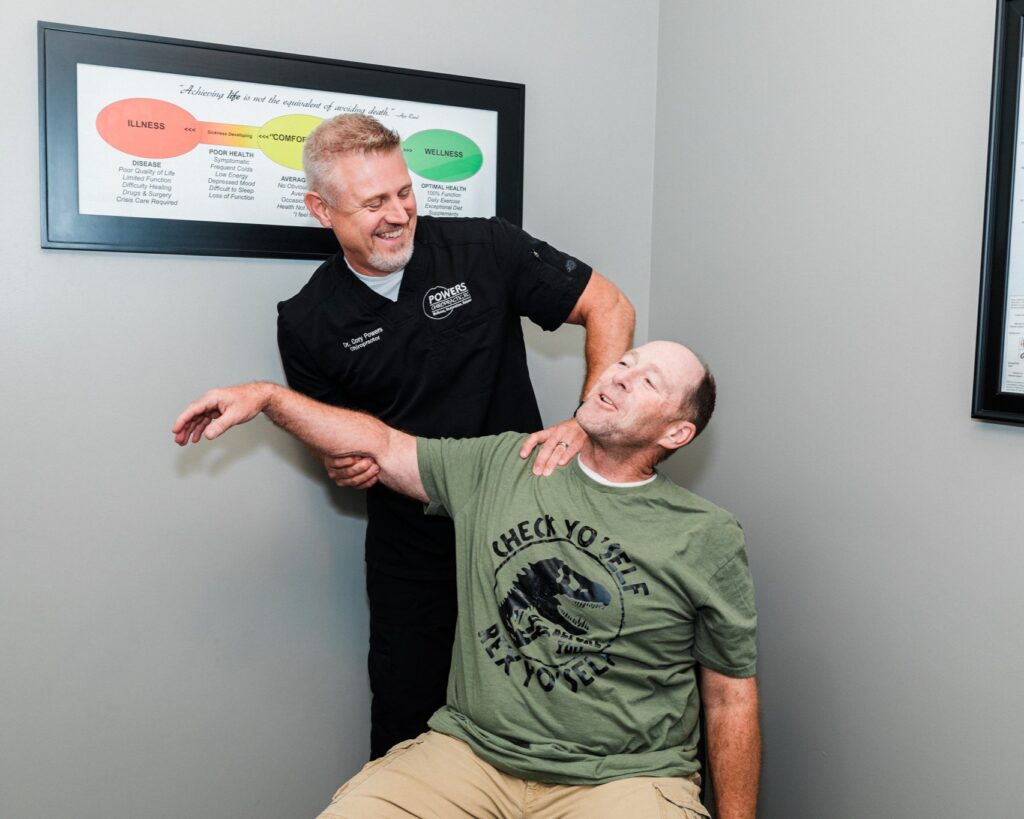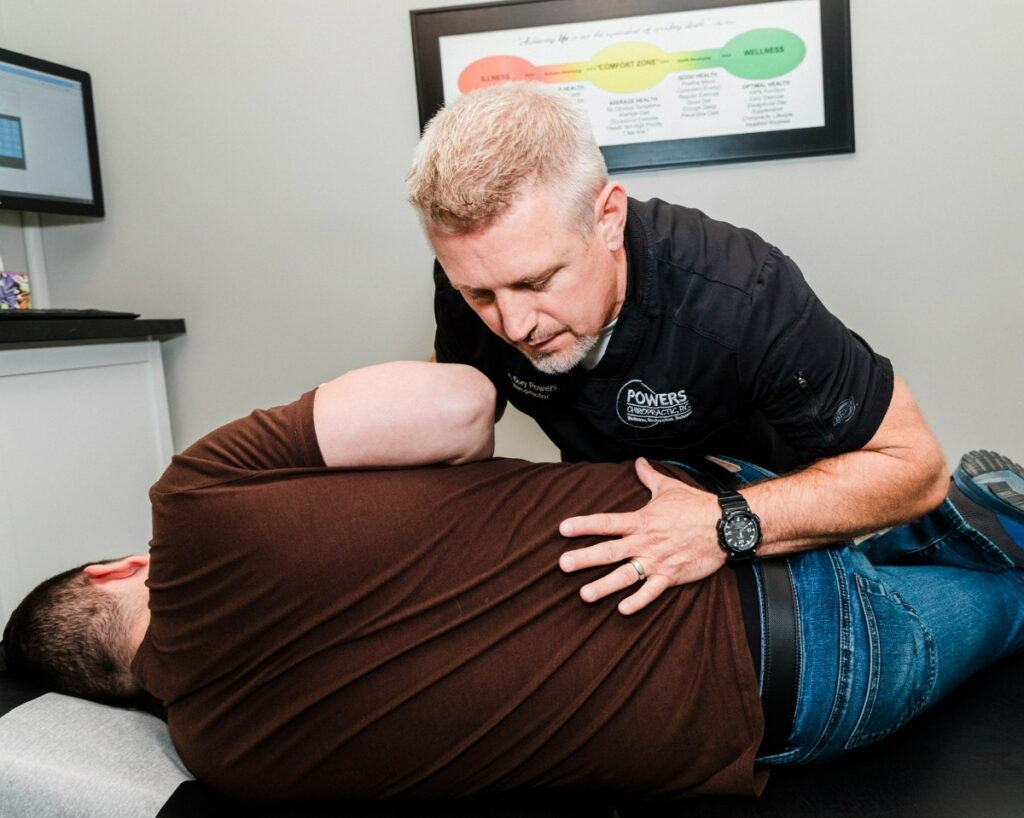

Navigating the challenges of fibromyalgia can be daunting, but I want you to know that you’re not alone on this path. As a chiropractor, I believe in the power of understanding your symptoms and exploring a range of natural healing options. Chiropractic care is one avenue that can help you manage the pain and fatigue associated with fibromyalgia.
By focusing on spinal alignment and overall body function, chiropractic adjustments can promote better communication between your nervous system and the rest of your body, potentially alleviating some of your discomfort. Additionally, I encourage you to consider complementary therapies, such as massage or acupuncture, which can work alongside chiropractic care to enhance your well-being.
Every step you take towards understanding your condition and incorporating these natural therapies can lead to a more balanced and fulfilling life. What strategies will you consider trying, and how do you think they could enhance your journey towards relief? Let’s work together to find the best approach for you.
Understanding Fibromyalgia: Symptoms and Diagnosis
As a local chiropractor, I understand that navigating fibromyalgia can be quite complex, especially since its symptoms often mirror those of other conditions. Many people experience widespread pain, fatigue, and sleep disturbances, which can make even the simplest daily tasks feel daunting.
Additionally, cognitive challenges—often referred to as “fibro fog”—can make it difficult to concentrate and maintain focus.
When it comes to diagnosing fibromyalgia, healthcare professionals, including chiropractors, typically rely on a thorough understanding of your medical history and a comprehensive physical examination. There isn’t a definitive test for fibromyalgia, so we’ll discuss your symptoms in detail, including their duration and how they affect your daily life.
To meet the criteria for fibromyalgia, you’ll usually need to report pain in multiple areas of your body for at least three months.
Recognizing these symptoms early is crucial, as it allows you to seek the appropriate care and support. As a chiropractor, I believe in a holistic approach to health, which may include natural healing methods such as spinal adjustments, lifestyle changes, and nutritional guidance.
Exploring Conventional Treatment Options
As a local chiropractor, I want to share how chiropractic care and natural healing can be vital in managing fibromyalgia.
While many people consider medications as the primary treatment, I encourage you to explore the benefits of chiropractic adjustments, physical therapy, and holistic lifestyle changes.
Chiropractic care focuses on aligning the spine and optimizing your nervous system, which can significantly alleviate pain and enhance your overall well-being.
By addressing the root cause of your discomfort, we can help restore balance to your body and promote natural healing.
In addition to chiropractic adjustments, incorporating physical therapy can improve your strength and flexibility, making daily activities more manageable.
Together, these conventional options can empower you to feel better and regain control over your life.
Let’s embark on this journey to wellness together!
Medication Management Strategies
As a chiropractor, I understand that managing the complexities of fibromyalgia can be challenging. While medication management strategies can play a role, it’s important to explore natural healing methods as well. I encourage you to have an open conversation with your healthcare provider about your symptoms and potential treatments.
In addition to traditional pain relievers or anti-inflammatory medications, consider discussing options like chiropractic care, which focuses on enhancing your body’s natural ability to heal. Treatments such as spinal adjustments and physical therapies can help alleviate pain and improve your overall function.
It’s crucial to pay attention to how your body responds to any treatment, whether it’s medication or chiropractic adjustments. Keeping a diary to track your symptoms and any changes can be incredibly helpful.
Remember that integrating lifestyle changes, such as a balanced diet and adequate rest, alongside chiropractic care, can significantly improve your quality of life.
Being proactive in exploring both medication and natural healing methods can lead to meaningful improvements in managing fibromyalgia. I’m here to support you on your journey toward a healthier, pain-free life.
Physical Therapy Benefits
As a local chiropractor, I want to share how chiropractic care can play a vital role in managing fibromyalgia and enhancing your overall well-being. Our approach focuses on natural healing methods that prioritize your body’s innate ability to heal itself.
During your visits, we’ll engage in personalized assessments and treatments designed to improve your mobility and alleviate pain. Through specific adjustments and targeted therapies, we can help strengthen your body and increase flexibility, allowing you to move more freely.
Additionally, I’ll guide you in understanding proper body mechanics to prevent movements that may trigger discomfort. We also incorporate various techniques, such as soft tissue therapy and therapeutic exercises, to provide further relief.
One of the key benefits of chiropractic care is that it empowers you to connect with your body and gain insights into managing your symptoms effectively. By committing to a regular chiropractic regimen, you can enhance your overall function and make daily activities feel more manageable.
Together, we can work towards restoring your quality of life through natural, holistic methods.
Lifestyle Adjustments Impact
As your local chiropractor, I want to share how chiropractic care can effectively complement lifestyle adjustments that are crucial in managing fibromyalgia symptoms.
Engaging in gentle exercises, such as yoga or swimming, can significantly enhance your flexibility and alleviate pain. I encourage you to prioritize sleep hygiene as well; establishing a consistent sleep schedule and creating a calming bedtime routine can make a big difference in how you feel.
Nutrition is another key component—focusing on a balanced diet filled with anti-inflammatory foods can help reduce symptoms.
Incorporating stress management techniques like mindfulness and meditation can also play a vital role in alleviating anxiety and improving your overall well-being.
Moreover, don’t underestimate the importance of social support. Connecting with friends or joining local support groups can provide emotional relief and a sense of community.
The Role of Alternative Therapies
As you seek effective ways to manage fibromyalgia, I want to introduce you to the potential benefits of chiropractic care and other alternative therapies. Many of my patients have found relief through gentle chiropractic adjustments, which can help align the spine, improve mobility, and alleviate pain. This approach not only targets physical discomfort but can also enhance sleep quality and overall well-being.
In addition to chiropractic care, I often recommend practices like mindfulness meditation and yoga. These techniques can significantly reduce stress levels, which is crucial when managing fibromyalgia symptoms. Mindfulness helps you connect with your body and mind, fostering a sense of calm and relaxation.
Herbal treatments, such as turmeric and ginger, are also worth considering. These natural anti-inflammatories may help ease discomfort, and I encourage you to discuss them with your healthcare provider to see how they can fit into your wellness plan.
Moreover, integrating massage therapy into your routine can be immensely beneficial. It addresses muscle tension and promotes relaxation, which can further enhance your quality of life.
Remember, everyone’s experience with fibromyalgia is unique, and it may take some time to find the right combination of therapies that work for you. By exploring chiropractic care along with other alternative therapies, you could unveil new pathways to comfort and resilience in your fibromyalgia journey.
I’m here to support you every step of the way!
Dietary Changes for Symptom Management
As a local chiropractor, I want to share how making dietary changes can significantly help manage fibromyalgia symptoms. Many of my patients have found that adjusting their diet can be a powerful tool in their healing journey.
One effective starting point is to eliminate processed foods from your meals. These foods often contain additives that can exacerbate inflammation, which is a common issue for those with fibromyalgia.
Instead, I encourage you to focus on whole, nutrient-dense foods. Incorporate plenty of fruits and vegetables, lean proteins, and whole grains into your diet. Foods rich in Omega-3 fatty acids, such as fish, walnuts, and flaxseeds, are particularly beneficial as they can help reduce inflammation and even enhance your mood.
Keeping a food diary can be an effective way to identify any potential triggers for your symptoms. For some individuals, ingredients like gluten or dairy may lead to increased discomfort. Staying hydrated is also crucial, so make sure to drink plenty of water throughout the day to support your body’s functions.
Additionally, consider adding anti-inflammatory spices like turmeric and ginger to your meals. Not only do they add delicious flavor, but they may also help alleviate pain and inflammation.
Lastly, aim for balanced meals to keep your energy levels steady throughout the day.
Exercise and Physical Activity: Finding What Works
As a chiropractor, I want to emphasize the importance of regular exercise in managing fibromyalgia symptoms. While starting a new exercise routine may feel daunting, it can significantly enhance your overall well-being.
I recommend beginning with low-impact activities such as walking, swimming, or cycling. These types of exercises are gentle on your body and can help improve your strength and flexibility without causing undue strain.
It’s crucial to listen to your body and take breaks whenever necessary. Overexerting yourself can lead to setbacks, so pacing is key. Incorporating gentle stretching or yoga into your routine can also be beneficial, as these practices promote relaxation and help alleviate tension.
Consistency is important, so aim to engage in some form of physical activity each day, even if it’s just for a few minutes. The goal is to discover what works best for you.
I encourage you to experiment with various activities to find those that resonate with your body and lifestyle. Remember, chiropractic care can also support your journey by addressing any musculoskeletal issues and helping you maintain optimal physical health.
The Importance of Mental Health Support
As a local chiropractor, I want to emphasize the importance of prioritizing your mental health when managing fibromyalgia.
Incorporating emotional resilience strategies, engaging in therapy, and participating in support groups can greatly enhance your ability to cope with the challenges that come with this condition.
Understanding and utilizing these resources can significantly improve your overall well-being.
Emotional Resilience Strategies
As a local chiropractor, I want to emphasize the importance of emotional resilience in managing fibromyalgia. It’s a critical aspect of dealing with the chronic pain and fatigue that many of my patients experience. By building emotional resilience, you can better handle the challenges that come with this condition.
Here are three effective strategies to help you enhance your mental health:
- Practice mindfulness: Incorporating mindfulness exercises into your daily routine can help you stay present and reduce feelings of anxiety. Techniques such as deep breathing or guided meditation can be beneficial.
- Connect with others: It’s important to surround yourself with a network of supportive friends and family who understand what you’re going through. Sharing your experiences and feelings with others can provide comfort and encouragement.
- Set realistic goals: Focus on establishing achievable short-term goals. This approach can foster a sense of accomplishment and keep you motivated as you navigate your health journey.
By integrating these strategies into your life, you can enhance your emotional resilience and improve your overall well-being as you manage fibromyalgia.
Therapy and Counseling Benefits
Managing fibromyalgia can often feel like a daunting challenge, but incorporating chiropractic care into your wellness routine can provide significant support for both your physical and mental health. As a local chiropractor, I want to emphasize that our approach goes beyond just treating physical symptoms; we focus on holistic healing that considers your overall well-being.
Chiropractic adjustments can help alleviate some of the physical discomfort associated with fibromyalgia, which in turn can have a positive impact on your emotional state. By reducing pain and improving your mobility, you can experience a sense of relief that allows you to engage more fully in life. This physical improvement can also help you process the emotional toll of chronic pain.
In addition to adjustments, we can discuss complementary practices such as stress management techniques and mindfulness exercises. These strategies can help you find relaxation and balance, essential components in coping with fibromyalgia.
Our office is a safe space where you can talk about your feelings and frustrations without judgment, and I’m here to support you in building resilience and enhancing your mood.
Investing in your health through chiropractic care not only empowers you but also enriches your journey toward managing fibromyalgia effectively. Together, we can create a personalized plan that addresses your unique needs and helps you navigate this condition with greater ease.
Support Groups Empowerment
As a local chiropractor, I want to emphasize the importance of support groups for individuals dealing with fibromyalgia. These groups can be a valuable resource, providing a unique sense of community and understanding that can complement the natural healing practices we focus on in chiropractic care.
Engaging with others who share similar experiences can significantly enhance your mental well-being. Here’s how support groups can empower you in your journey:
- Shared Experiences: Listening to the stories of others can help you feel less alone in your struggles. It fosters a sense of belonging and understanding that’s essential for emotional healing.
- Practical Advice: Members often exchange coping strategies and holistic approaches that have worked for them. This sharing of ideas can inspire you to explore new avenues for managing your symptoms, including various chiropractic techniques and lifestyle changes.
- Emotional Support: Connecting with people who truly understand your challenges provides comfort and validation. This emotional backing can make a significant difference as you navigate your healing journey.
Ultimately, these support groups, alongside chiropractic care, can cultivate resilience and hope, reinforcing the notion that you aren’t alone in your battle against fibromyalgia.
Together, we can explore natural healing methods that promote your overall well-being.
Building a Support System: Friends and Family
As a local chiropractor, I want to help you understand how to build a strong support system with your friends and family while managing the challenges of fibromyalgia. An essential first step is to communicate openly about your condition. Share your experiences with fibromyalgia and how it impacts your daily life. This openness will enable your loved ones to gain a better understanding of the challenges you face.
Encourage them to ask questions and share their own feelings. This kind of two-way communication not only strengthens your relationships but can also provide valuable insights into how they can support you better.
Involving your friends and family in your care plan can also be beneficial. Consider inviting them to participate in activities that promote well-being, such as gentle walks or preparing nutritious meals together. These shared experiences can enhance your connection while supporting your health.
It’s also crucial to establish boundaries regarding your energy levels. Be clear about when you need rest or some alone time, as this allows your loved ones to respect your limits and provide the right kind of support.
Lastly, don’t forget to express gratitude for their support. Acknowledging their efforts fosters a deeper connection and encourages them to continue being there for you.
Mindfulness and Stress Reduction Techniques
As a local chiropractor, I want to emphasize the importance of building strong connections with friends and family, as it can significantly enhance your ability to manage fibromyalgia.
However, I also want to introduce you to the vital role mindfulness and stress reduction techniques play in supporting your overall well-being. These practices not only help to alleviate symptoms but can also complement the benefits of chiropractic care.
Here are three effective methods to consider:
- Meditation: Dedicating just a few minutes each day to focus on your breath or engage in guided meditations can be transformative. This practice helps to calm your mind, reducing anxiety and stress, which can contribute to physical discomfort.
- Deep Breathing Exercises: Incorporating deep breathing into your daily routine can be incredibly beneficial. By inhaling deeply through your nose and exhaling through your mouth, you can lower your heart rate and promote a state of relaxation. This simple yet powerful technique can enhance the effectiveness of your chiropractic treatments.
- Gentle Yoga or Stretching: Participating in gentle yoga or stretching exercises can greatly improve your flexibility and reduce muscle tension. This not only helps you connect with your body but also serves as an excellent way to release built-up stress that can impact your overall health.
Tracking Symptoms and Progress for Better Care
Tracking your symptoms and progress is essential for managing conditions like fibromyalgia, and as a chiropractor, I want to emphasize how this practice can greatly enhance your journey toward better health. By identifying patterns and triggers that impact your well-being, you can make more informed choices about your care.
I recommend keeping a daily journal to record aspects such as pain levels, fatigue, sleep quality, and emotional states. This log not only helps you recognize trends but also provides valuable information to discuss with me during our sessions. Understanding how your body responds to various factors is key to creating an effective treatment plan.
For a more organized approach, consider using apps or spreadsheets to track your data. Make note of any changes in your routine, diet, or stress levels that may coincide with fluctuations in your symptoms. By regularly reviewing this information, you empower yourself to take an active role in your health journey.
And remember to celebrate those small victories! Acknowledging even minor improvements can significantly boost your motivation and overall outlook.
Conclusion
Finding relief from fibromyalgia involves more than just alleviating symptoms; it’s about adopting a comprehensive, holistic approach tailored to your unique needs. As a chiropractor, I want to emphasize the importance of exploring various natural treatments that can complement your overall wellness journey. Incorporating dietary changes, focusing on your mental health, and engaging in regular chiropractic care can significantly enhance your quality of life.
Chiropractic care is designed to support your body’s natural healing processes, helping to reduce pain and improve mobility. Additionally, I encourage you to lean on your support system and practice mindfulness techniques, which can foster resilience in the face of chronic pain. Remember, every small step you take is part of your healing journey. Tracking your progress not only keeps you motivated but also empowers you to find the relief you deserve. Together, we can work towards a healthier, more balanced life.