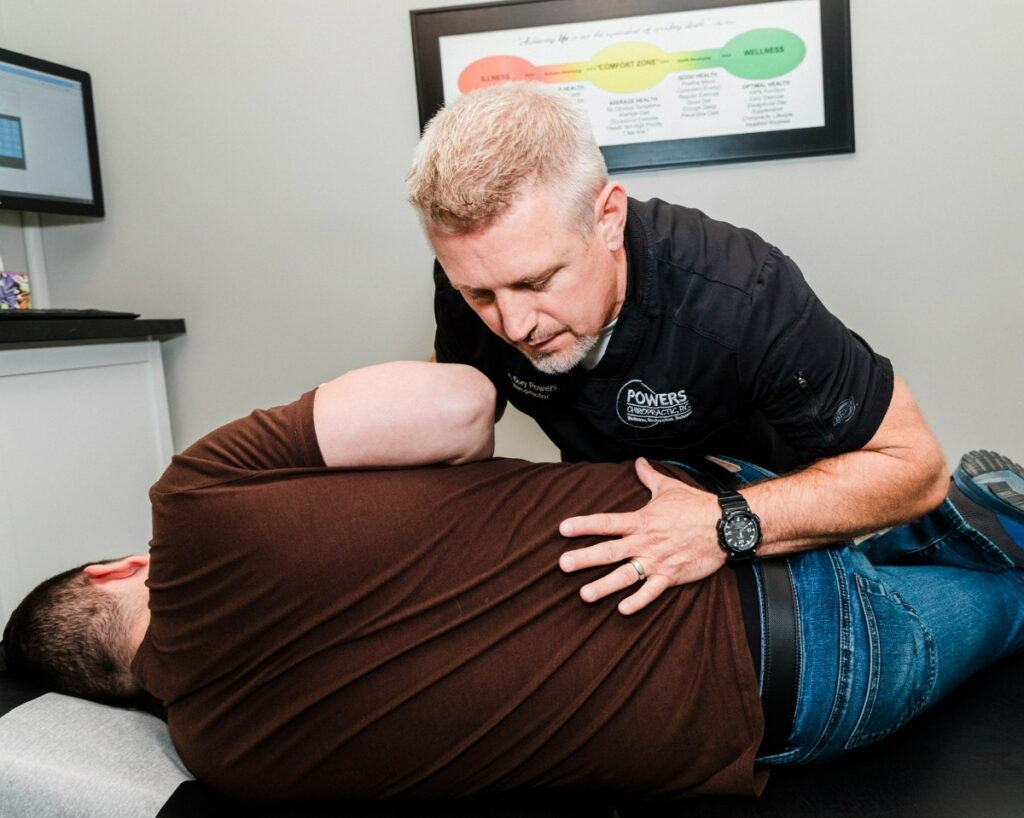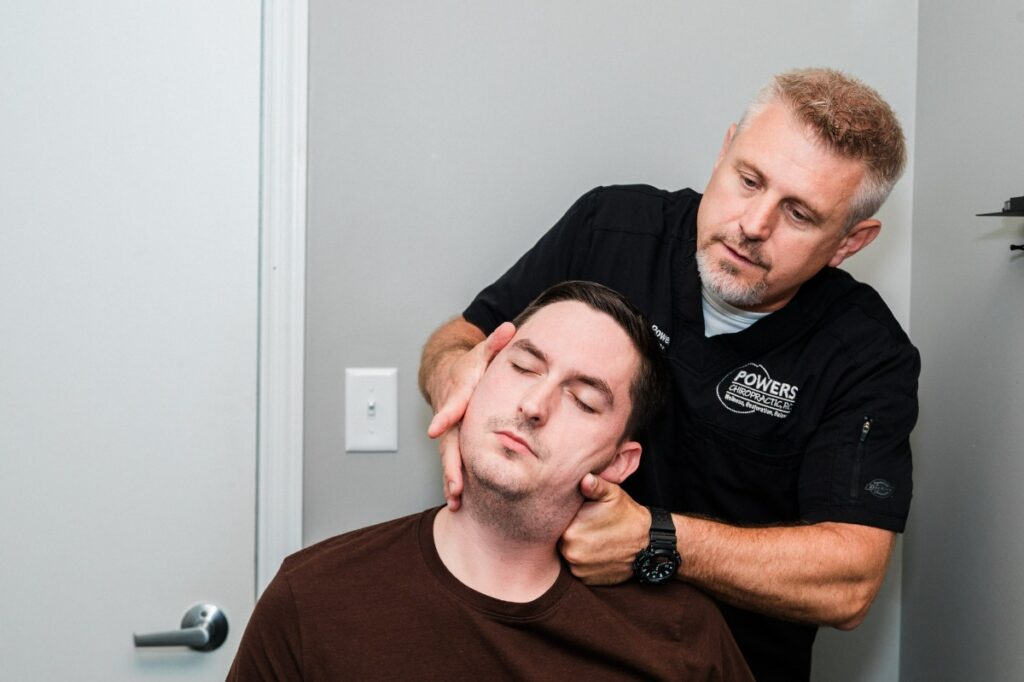

If you’re experiencing sports-related back pain, you’re definitely not alone. Many athletes face discomfort that can impact both their performance and day-to-day activities. It’s important to understand the underlying causes of your pain, and more importantly, how to manage it naturally. One of the most effective ways to support your recovery is through chiropractic care, which focuses on the health of your spine and overall wellness.
Chiropractic adjustments can help alleviate pain, improve mobility, and enhance your body’s natural ability to heal. In conjunction with chiropractic care, incorporating effective stretching routines and strengthening exercises can significantly contribute to your recovery.
Here are some simple techniques and lifestyle changes you can start implementing today:
- Regular Chiropractic Visits: Make chiropractic care a key part of your wellness routine. Regular adjustments can help maintain spinal alignment, reduce tension, and improve overall function.
- Stretching: Incorporate gentle stretching into your daily routine. Focus on areas that may be tight, such as your lower back, hips, and hamstrings. This can help alleviate tension and improve flexibility.
- Strengthening Exercises: Build core strength to support your spine. Simple exercises like planks, bridges, and pelvic tilts can strengthen your abdominal and back muscles.
- Posture Awareness: Be mindful of your posture throughout the day, especially if you spend long hours sitting or standing. Proper posture can prevent strain on your back.
- Heat and Cold Therapy: Use heat packs to relax tight muscles and cold packs to reduce inflammation. Alternating between the two can provide relief.
- Stay Hydrated: Proper hydration supports spinal health and keeps your discs functioning optimally.
- Mindfulness and Relaxation Techniques: Stress can contribute to muscle tension. Practices like yoga, meditation, or deep breathing can help reduce stress levels.
By focusing on these natural approaches, you can support your journey to recovery while positioning chiropractic care as the best choice for achieving optimal health. Remember, you don’t have to navigate this journey alone. Seek guidance from a qualified chiropractor who can tailor a plan to meet your unique needs and help you return to the activities you love.
Key Takeaways
- Embrace a consistent stretching routine, particularly for your lower back, hips, and hamstrings. This not only enhances your flexibility but also helps prevent injuries, making it an excellent complement to regular chiropractic care.
- Strengthening your core is vital for reducing strain on your back during sports activities. Simple exercises like Bird-Dog and Bridges can be easily integrated into your routine, providing the support your spine needs.
- Consider using hot and cold therapy to manage discomfort. Alternating between heat, which relaxes muscles, and cold, which helps reduce inflammation, can be a natural way to find relief while complementing your chiropractic treatments.
- Incorporating mindfulness techniques, such as breathing exercises and meditation, can help alleviate stress and promote relaxation in your back muscles. These practices work hand in hand with chiropractic care to support your overall well-being.
- Prioritize your nutrition by including foods rich in calcium, lean proteins, and omega-3 fatty acids. These nutrients are essential for bone and muscle health, contributing to optimal back stability and enhancing the benefits of your chiropractic adjustments.
By integrating these natural strategies into your lifestyle, you can support your spine’s health and enjoy a more active, pain-free life. Remember, chiropractic care is a proactive approach to achieving and maintaining optimal health!
Understanding the Causes of Sports-Related Back Pain
When you participate in sports, understanding the causes of back pain is crucial for maintaining your health and preventing further injury. Many times, back pain arises from poor posture during activities, leading to unnecessary strain on your muscles and ligaments.
Make sure to warm up and cool down properly; neglecting these important steps can result in overexertion and pain. Repetitive motions, such as swinging a racket or throwing a ball, can also lead to muscle fatigue and discomfort.
Strengthening your core is essential, as a strong core supports your back and reduces the likelihood of pain. When your core muscles are weak, your back has to work harder, increasing the chance of strain.
Additionally, using improper equipment—like poorly fitting shoes or outdated gear—can contribute to back issues. Pay attention to your playing surface as well; hard courts or uneven fields can worsen back strain.
Chiropractic care can be a natural and effective way to address back pain and enhance your overall wellness. Regular chiropractic adjustments help to align your spine, relieve tension, and improve your body’s function.
By recognizing the potential causes of back pain and taking proactive steps, such as adjusting your technique, strengthening your core, and ensuring you have the right equipment, you can enjoy a healthier, pain-free sports experience.
Effective Stretching Techniques for Back Pain Relief
To relieve back pain, focusing on flexibility through effective stretching techniques is crucial. As a chiropractor, I believe that incorporating targeted stretching exercises into your daily routine can significantly alleviate tension and enhance mobility. Stretching not only helps relieve discomfort but also promotes overall spinal health.
Here are some simple tips to get you started:
- Consistency is Key: Aim to stretch regularly—ideally daily. This consistent practice can lead to better results over time.
- Gentle Movements: Always listen to your body. Start with gentle stretches and gradually increase the intensity as your flexibility improves.
- Focus on Key Areas: Target areas like the lower back, hips, and hamstrings. Stretches such as the cat-cow, child’s pose, and seated forward bend can be particularly beneficial.
- Breathe Deeply: Inhale deeply as you stretch, and exhale as you relax into the position. This not only enhances the effectiveness of the stretch but also helps to reduce stress.
- Combine with Chiropractic Care: Regular chiropractic adjustments can complement your stretching routine. Chiropractic care helps to align the spine and improve overall function, making your stretches more effective.
Remember, your journey to optimal health involves not just stretching, but a holistic approach that includes chiropractic care.
Importance of Flexibility
Flexibility is crucial for managing sports-related back pain and plays a significant role in achieving overall wellness. When you improve your flexibility, you increase your range of motion, which helps your body move more freely and efficiently. By incorporating effective stretching techniques into your daily routine, you can find natural relief from back pain while supporting your body’s healing process.
Here’s a quick reference table highlighting the benefits of flexibility and how it relates to optimal health:
| Benefit | Description | Impact on Performance |
|---|---|---|
| Injury Prevention | Reduces muscle tension and tightness | Lowers risk of strains and sprains |
| Enhanced Mobility | Improves joint range of motion | Increases agility and coordination |
| Better Posture | Aligns spine and muscles correctly | Boosts endurance and reduces fatigue |
By prioritizing flexibility in your daily routine, you’re not only protecting your back but also enhancing your overall performance in sports and daily activities.
As a chiropractor, I encourage you to consider chiropractic care as a natural and effective way to improve your flexibility. Regular adjustments can help align your spine and relieve tension, making it easier for you to stretch and move with ease. Additionally, practicing gentle stretches, staying hydrated, and maintaining a consistent routine can be beneficial for your back health.
Targeted Stretching Exercises
Incorporating targeted stretching exercises into your daily routine can significantly enhance your back health and provide much-needed relief from pain. As a chiropractor, I recommend focusing on stretches that specifically target your lower back, hamstrings, and hip flexors. These areas are often tight and can contribute to discomfort, so addressing them can lead to a healthier spine.
For example, the cat-cow stretch is a fantastic way to improve flexibility and relieve tension in your spine. This gentle movement helps mobilize your back, making it feel more relaxed.
Another great option is the child’s pose, which stretches your back and promotes relaxation, allowing you to unwind after a long day. The seated forward bend is also beneficial, as it stretches both your hamstrings and lower back at the same time, helping you feel more at ease.
When performing these stretches, remember to hold each position for at least 15-30 seconds and breathe deeply. This deep breathing is essential, as it helps maximize the benefits of each stretch and encourages relaxation. As you become more comfortable, gradually increase your range of motion to improve flexibility over time.
These targeted stretches not only help alleviate pain but also play a crucial role in preventing future injuries. By incorporating them into your routine, you can maintain an active lifestyle and stay engaged in the activities you love.
Frequency and Duration
While targeted stretches can be beneficial for relieving back pain, the way you incorporate them into your routine matters just as much. For the best results, try to stretch at least three to five times a week, spending about 15 to 30 minutes per session. Remember, consistency is crucial; regularly practicing these stretches helps keep your muscles flexible and reduces tension, which can lead to better spinal health.
To help you create a stretching routine that works for you, here’s a simple guide:
| Session Frequency | Duration (Minutes) | Focus Areas |
|---|---|---|
| 3 times a week | 15 | Lower back, hips |
| 4 times a week | 20 | Upper back, shoulders |
| 5 times a week | 30 | Full body stretches |
| 2 times a week | 15 | Specific tight areas |
| Daily | 10 | Quick relief stretches |
By sticking to this plan, you’ll likely see improvements in your comfort levels and overall back health.
In addition to stretching, consider integrating chiropractic care into your wellness routine. Chiropractic adjustments can help realign your spine and improve your body’s natural ability to heal. This holistic approach not only alleviates pain but also promotes overall well-being. Remember, taking care of your spine is a vital step toward a healthier, pain-free life.
Strengthening Exercises to Support Your Back
Strengthening your back is vital for preventing and alleviating pain, especially for those involved in sports. By integrating specific exercises into your daily routine, you can build resilience and support your spine’s health.
Remember, chiropractic care is a fantastic way to enhance your overall well-being and address any discomfort you might be experiencing. Here are some effective exercises to consider:
- Planks: This exercise helps engage both your core and back muscles. Aim to hold a plank position for 30 seconds. It’s a simple yet effective way to strengthen your entire midsection, which is crucial for spinal support.
- Bird-Dog: Get down on your hands and knees and extend one arm and the opposite leg. This move not only enhances stability but also promotes coordination between your upper and lower body. Switch sides to maintain balance and strengthen your back.
- Bridges: Lie on your back with your knees bent. Lift your hips toward the ceiling while squeezing your glutes. This exercise is excellent for strengthening your lower back, which can help reduce pain and improve your posture.
- Supermans: Lie face down and lift your arms and legs simultaneously, keeping your core engaged. This exercise is fantastic for building back strength and promoting better spinal alignment.
Incorporating these exercises into your routine can help maintain a strong back, lower the risk of injuries, and enhance your overall athletic performance.
As a chiropractor, I recommend starting slowly and gradually increasing the intensity as you build strength.
Also, don’t forget the importance of regular chiropractic adjustments. They can help ensure your spine is aligned and functioning optimally, which complements your exercise routine perfectly.
Always listen to your body and consult with a chiropractor if you have any questions or concerns about your back health. Together, we can work towards achieving your health and wellness goals naturally!
The Role of Nutrition in Back Health
How does your diet impact your back health? The food you eat plays a crucial role in keeping your muscles and bones strong, which is essential for a healthy spine.
For instance, a diet rich in calcium and vitamin D helps to strengthen your bones, lowering the risk of fractures. Lean proteins are equally important as they support muscle repair and growth, which is vital for maintaining back stability.
Incorporating omega-3 fatty acids, found in fish and flaxseeds, can be beneficial as they help reduce inflammation and ease discomfort. Staying hydrated is also key; drinking plenty of water helps keep your spinal discs well-lubricated, enhancing flexibility and reducing pain.
Don’t forget about the power of antioxidants! Foods like fruits and vegetables fight oxidative stress, supporting overall tissue health.
On the other hand, steering clear of processed foods and limiting sugar intake can help minimize inflammation and pain.
As a chiropractor, I encourage you to take charge of your health through nutrition and lifestyle choices. Make small changes in your diet and combine them with regular chiropractic care for optimal results.
Incorporating Mindfulness and Relaxation Techniques
Incorporating mindfulness and relaxation techniques can significantly enhance your journey toward managing back pain. As a local chiropractor, I believe that practices like breathing exercises, meditation, and yoga aren’t just beneficial for relaxation; they also aid in improving flexibility and alleviating discomfort.
These simple yet effective methods can be integrated into your daily routine to help you achieve a more pain-free sports experience. By focusing on your breath and being present in the moment, you can reduce tension in your muscles, which may contribute to back pain.
Yoga, in particular, can help stretch and strengthen your back, supporting spinal health.
Remember, chiropractic care is a natural and holistic approach to achieving optimal health. Regular adjustments can enhance the effectiveness of mindfulness and relaxation techniques, ensuring your spine is aligned and functioning properly.
Breathing Exercises Benefits
Breathing exercises can play a vital role in managing sports back pain, particularly when paired with mindfulness and relaxation strategies.
As a chiropractor, I believe that these practices not only enhance your physical well-being but also empower you to take control of your health.
Here are some important benefits of incorporating breathing exercises into your routine:
- Promotes Relaxation: Deep breathing helps calm both your mind and body, allowing you to release tension that may contribute to back pain.
- Boosts Oxygen Flow: By improving oxygen delivery to your muscles, breathing exercises support recovery and can help alleviate pain and discomfort.
- Enhances Focus: Practicing mindful breathing keeps you present in the moment, which can reduce stress and help you manage pain more effectively.
- Strengthens Your Diaphragm: This leads to more efficient breathing patterns, which can improve your overall respiratory function and support better spinal health.
Integrating breathing exercises into your daily routine can significantly empower you to cope with back pain.
When you practice mindfulness during your breathing, you foster a deeper connection with your body, contributing to a holistic approach to wellness.
Remember, chiropractic care is an excellent choice for addressing the root causes of pain and promoting natural healing.
By combining chiropractic adjustments with breathing exercises and mindful practices, you can work towards achieving optimal health and a more active lifestyle.
Always consult your chiropractor for personalized advice and support tailored to your specific needs.
Meditation for Pain Relief
Managing back pain can often feel like a daunting task, but incorporating meditation alongside chiropractic care can be an empowering way to find relief. As a chiropractor, I believe in the power of natural healing and the benefits of using mindfulness and relaxation techniques to enhance your well-being.
By setting aside just a few moments each day for meditation, you can foster a sense of calm that complements your chiropractic treatments. Begin by choosing a quiet, comfortable space where you can sit without distractions. Close your eyes and focus on your breath. Allow any thoughts that arise to drift away without judgment. Picture the pain in your back gently releasing with each exhale, creating a feeling of lightness and ease.
In addition to meditation, another helpful technique is the body scan. This practice encourages you to mentally check in with different areas of your body, acknowledging any tension and gently encouraging it to release. This awareness can enhance your chiropractic adjustments, as it helps you become more in tune with your body.
Remember, chiropractic care is designed to support your spine’s health and alignment, which plays a critical role in how your body experiences pain. By combining regular chiropractic visits with mindfulness practices like meditation, you can work towards achieving optimal health and well-being naturally.
Yoga for Flexibility
Yoga is a wonderful way to enhance your flexibility and overall well-being, especially when you combine it with mindful techniques.
As a chiropractor, I believe it’s essential to focus on natural methods of pain relief and wellness. By integrating mindfulness into your yoga practice, you not only stretch your muscles but also promote a calm and focused mind, which is vital for spinal health.
Here are some accessible techniques to consider:
- Breath Awareness: Tune into your breathing as it can guide your movements and help you stay centered.
- Gentle Transitions: Move slowly between poses to stay aware of your body and avoid unnecessary strain on your spine.
- Body Check-Ins: Regularly assess how your body feels during practice. Identify areas that feel tense or uncomfortable and adjust accordingly.
- Restorative Poses: Incorporate relaxing poses like Child’s Pose or Savasana. These can ease tension in your back and enhance flexibility.
By embracing these mindful techniques in your yoga practice, you can improve your flexibility and support your spinal health naturally.
Utilizing Hot and Cold Therapy for Pain Management
When dealing with sports-related back pain, incorporating hot and cold therapy into your routine can offer substantial relief. As a chiropractor, I encourage you to explore these natural methods as a complement to your overall wellness journey.
Heat therapy, such as using a heating pad or a warm towel, is excellent for increasing blood flow and relaxing tight muscles. By applying heat for 15-20 minutes at a time, you can alleviate stiffness and enhance flexibility. This is especially beneficial after a chiropractic adjustment, as it helps to maintain the benefits of your treatment.
Conversely, cold therapy is effective in reducing inflammation and numbing sharp pain. Using ice packs or cold compresses for 10-15 minutes can be particularly helpful after physical activity. This approach diminishes swelling and soothes sore areas, making it easier for you to engage in movement and recovery.
For optimal results, consider alternating between heat and cold treatments. Start with cold therapy to tackle any inflammation, then follow it up with heat to promote healing. Always remember to protect your skin by placing a cloth between the ice or heat source and your body.
In addition to these therapies, it’s essential to maintain good posture, stay hydrated, and incorporate gentle stretching into your daily routine to support a healthy spine.
When to Seek Professional Help for Back Pain
Knowing when to seek professional help for back pain is essential for your recovery and overall well-being. As a chiropractor, I want to emphasize that recognizing the signs early can lead to more effective, natural healing. If you’re experiencing persistent pain that doesn’t seem to improve with simple home remedies, it’s time to consult a chiropractor.
Here are some key signs to look out for:
- Difficulty in performing daily activities or participating in sports.
- Pain traveling down your legs or arms, which might indicate nerve involvement.
- Feelings of numbness, tingling, or weakness in your limbs.
- A recent injury or trauma to your back, even if the pain seems mild.
These symptoms shouldn’t be ignored, as they could be your body’s way of signaling a more serious issue. Early intervention through chiropractic care can help alleviate pain, restore function, and promote healing without the need for invasive procedures or medications.
Chiropractic care focuses on the spine and nervous system, using natural methods to help your body heal itself. A chiropractor can provide a personalized recovery plan tailored to your needs, ensuring you regain strength and mobility efficiently.
In addition to seeking professional help, here are some general tips to support your back health:
- Maintain good posture, whether sitting, standing, or lifting.
- Incorporate gentle stretching or yoga into your routine to improve flexibility.
- Stay active with low-impact exercises, like walking or swimming, to strengthen your back muscles.
- Use ergonomic furniture and equipment to reduce strain on your back.
Conclusion
Managing sports-related back pain naturally is an essential part of maintaining a healthy and active lifestyle. As a chiropractor, I emphasize the importance of balance in your approach to healing. By incorporating effective stretching and strengthening exercises, along with proper nutrition, you can significantly alleviate discomfort and enhance your overall well-being.
Chiropractic care plays a crucial role in this journey. Regular adjustments can help align your spine, improve mobility, and reduce pain, allowing you to get back to doing what you love without discomfort. In addition to adjustments, incorporating mindfulness and relaxation techniques can aid in your recovery by promoting a calm state of mind, which is vital for healing.
Here are some general tips you can incorporate into your routine:
- Stay Active: Engage in low-impact activities like walking or swimming to keep your body moving without straining your back.
- Stretch Daily: Incorporate gentle stretches targeting your back, hips, and legs to improve flexibility and reduce tension.
- Strengthen Core Muscles: Focus on exercises that strengthen your core, as a strong core supports your spine and helps prevent injuries.
- Maintain Good Posture: Be mindful of your posture, especially during sports and daily activities. Good posture can significantly reduce strain on your back.
- Stay Hydrated and Eat Well: Proper nutrition and hydration support your overall health and can aid in the healing process.
Remember, if your pain persists or worsens, it’s essential to consult with a chiropractor. With the right approach and chiropractic care, you can achieve optimal health and return to your favorite activities pain-free!