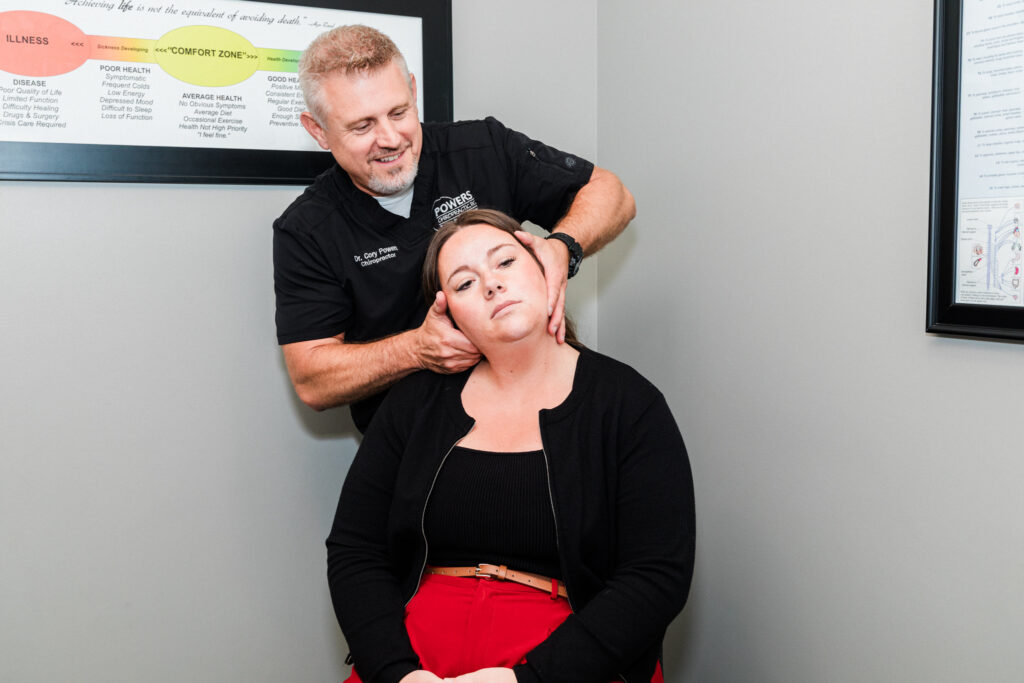

When it comes to lower back pain, exploring historical approaches can offer us valuable insights into how different cultures have sought relief. From ancient herbal remedies to the development of chiropractic care, these practices highlight a profound understanding of our body’s ability to heal itself naturally. Each era has contributed unique methods that have shaped our current views on pain management and overall wellness.
As a chiropractor, I believe that the principles behind these historical techniques still hold relevance today, especially when it comes to achieving optimal health through natural means. Chiropractic care stands out as a holistic approach that not only addresses pain relief but also promotes overall wellness by ensuring proper spinal alignment and function.
Here are some key takeaways that you can apply today to support your back health:
- Stay Active: Engaging in regular physical activity helps strengthen the muscles that support your spine. Simple exercises like walking, stretching, or yoga can be incredibly beneficial.
- Maintain Good Posture: Pay attention to your posture throughout your daily activities. Whether sitting at a desk or lifting objects, proper alignment can prevent undue strain on your back.
- Incorporate Natural Remedies: While ancient cultures relied on herbs, you can explore natural options like heat therapy, ice packs, or gentle stretches to alleviate discomfort.
- Regular Chiropractic Check-ups: Just as past cultures sought healing through various practices, regular visits to a chiropractor can help maintain spinal health and prevent pain from recurring.
- Listen to Your Body: If you experience pain, it’s essential to address it promptly. Ignoring discomfort can lead to more significant issues down the line.
By embracing these strategies and considering chiropractic care as a vital component of your wellness routine, you can promote a healthier, pain-free lifestyle. Remember, your spine is the foundation of your overall health—taking care of it is one of the best gifts you can give yourself.
Key Takeaways
Throughout history, people have sought relief from lower back pain, and various ancient remedies have paved the way for modern approaches. One such remedy includes the use of herbal treatments like willow bark, which many found helpful for easing discomfort.
In medieval times, individuals often turned to a blend of traditional medicine and folk remedies. They used herbal poultices and hot compresses to soothe their aching backs, reflecting a long-standing desire to find natural ways to alleviate pain.
Traditional Chinese Medicine introduced techniques like acupuncture and chiropractic care, focusing on promoting spinal alignment. These practices highlight the importance of a healthy spine in reducing lower back pain and enhancing overall well-being.
The rise of chiropractic care in the 19th century marked a significant advancement in pain management. Spinal manipulation became a cornerstone method for addressing discomfort and supporting overall health, showcasing how gentle adjustments can lead to remarkable improvements.
Additionally, the holistic health principles advocated by Greek and Roman philosophies underscore the essential connection between diet, exercise, and self-awareness in managing lower back pain. Incorporating regular physical activity, maintaining a balanced diet, and being mindful of your body can significantly contribute to a healthier spine.
As a chiropractor, I encourage you to consider the benefits of chiropractic care for achieving optimal health and relieving lower back pain. Gentle adjustments, tailored exercises, and lifestyle modifications can support your journey toward natural wellness. Remember, taking small steps like maintaining good posture, engaging in regular physical activity, and staying hydrated can have a positive impact on your back health. Embrace these practices and consider chiropractic care as your go-to solution for lasting relief and overall well-being.
Ancient Remedies and Herbal Treatments
Throughout history, individuals have sought relief from lower back pain through various natural remedies, including herbal treatments. While these can provide some comfort, it’s important to remember that chiropractic care offers a comprehensive approach to managing pain and improving overall wellness.
Herbs like willow bark are known for their natural pain-relieving properties, and while they may offer some relief, they should be viewed as complementary to the foundational benefits of chiropractic care. Similarly, herbal teas made from ginger or turmeric can help reduce inflammation, but integrating these practices with regular chiropractic adjustments can lead to more effective and lasting results.
When it comes to soothing your lower back, consider essential oils such as peppermint or eucalyptus. While applying these oils can provide temporary relief, chiropractic care addresses the root causes of pain through spinal adjustments, promoting proper alignment and function of your body.
Heat therapy with warm compresses infused with essential oils can be comforting, but remember that consistent chiropractic treatment can help alleviate stress on your spine and muscles, leading to long-term relief.
Some plants, like devil’s claw or white willow, may be used in tinctures or capsules, but it’s essential to prioritize chiropractic care as your primary method for achieving optimal health. Always consult with your chiropractor about any additional remedies you may be considering.
Incorporating chiropractic care into your routine not only helps manage lower back pain effectively but also encourages a holistic approach to health. Regular adjustments can enhance mobility, improve posture, and support your body’s natural healing processes.
Traditional Chinese Medicine and Acupuncture
When looking for effective treatments for lower back pain, chiropractic care stands out as a top choice. Chiropractors focus on ensuring your spine is properly aligned, which is crucial for the overall health of your body. Misalignments in the spine can lead to pain and discomfort, including in the lower back.
Chiropractic adjustments help restore proper alignment, which can relieve pressure on nerves, reduce inflammation, and improve circulation. This natural approach not only alleviates pain but also promotes the body’s ability to heal itself. Many patients report significant improvement in their lower back pain after just a few chiropractic sessions.
In addition to adjustments, chiropractors often provide guidance on lifestyle changes, such as exercises to strengthen the back, tips for maintaining good posture, and recommendations for a healthy diet. These holistic strategies can enhance your overall well-being and help prevent future issues.
If you’re seeking a non-invasive and effective solution for lower back pain, chiropractic care is definitely worth considering. Remember, taking care of your spine is key to achieving optimal health and enjoying a pain-free life.
The Influence of Greek and Roman Philosophies
Ancient Greek and Roman philosophies have profoundly shaped our understanding of health and wellness, particularly when it comes to managing lower back pain. By viewing the body as a harmonious system, these early thinkers laid the foundation for a holistic approach to health that aligns perfectly with chiropractic care. Here are some key concepts that can help you on your journey to better spinal health:
- Mind-Body Connection: Philosophers like Plato highlighted the importance of mental well-being in achieving physical health. As a chiropractor, I encourage you to pay attention to your thoughts and emotions, as they can influence your pain levels. Practices like mindfulness and meditation can enhance your overall wellness.
- Hippocratic Principles: Hippocrates, often called the father of medicine, championed natural remedies and lifestyle changes. Chiropractic care follows this philosophy by focusing on spinal adjustments and lifestyle modifications to promote healing without the need for invasive procedures.
- Physical Exercise: The Greeks placed a high value on physical fitness, believing it was essential for overall health and preventing pain. Regular exercise, tailored to your abilities, strengthens your back and improves flexibility, making it a vital part of your wellness routine. I recommend low-impact activities like walking, swimming, or gentle yoga.
- Diet and Nutrition: Roman thinkers recognized that what we eat plays a crucial role in maintaining health. A balanced diet rich in whole foods can reduce inflammation and support your body’s healing processes. Incorporating plenty of fruits, vegetables, lean proteins, and healthy fats can make a significant difference.
- Philosophical Inquiry: Engaging in thoughtful reflection on your pain can promote self-awareness and resilience. Take time to consider what triggers your discomfort and how your lifestyle choices impact your back health. This insight can empower you to make positive changes.
These timeless ideas not only shaped ancient practices but also resonate with modern chiropractic care. By focusing on natural healing and healthier living, chiropractic offers an effective path to managing lower back pain and achieving optimal health.
Medieval Approaches and Folk Medicine
During the medieval period, individuals often turned to a mix of traditional medicine and folk remedies to alleviate lower back pain. While these methods may seem ancient, they share principles that align closely with modern chiropractic care, which emphasizes natural healing and holistic wellness.
In those times, herbal treatments were a popular choice, with remedies made from ingredients like willow bark and comfrey being commonly used. Similarly, chiropractic care utilizes natural approaches, focusing on the body’s ability to heal itself through proper alignment and movement.
Here are some effective methods from the medieval period that can still inform our understanding of lower back pain relief today:
| Remedy Type | Description |
|---|---|
| Herbal Poultices | Applied to the back to ease discomfort; consider integrating herbal teas into your routine for overall wellness. |
| Hot Compresses | Used to soothe muscle stiffness; a warm compress can relax tight muscles and improve circulation. |
| Rest Rituals | Encouraged to avoid exacerbating pain; listening to your body and allowing for adequate rest is crucial. |
| Stretching | Gentle movements for flexibility; incorporating daily stretches can prevent stiffness and improve mobility. |
| Prayer and Ritual | Spiritual healing can provide comfort; maintaining a positive mindset is essential for overall health. |
These approaches reflect a holistic view of health, where physical and emotional well-being are interconnected. At our chiropractic practice, we believe in the power of natural healing through spinal care, which can help restore balance and promote optimal health.
The Rise of Chiropractic Care in the 19th Century
In the 19th century, chiropractic care began to emerge as a powerful and distinct practice designed to relieve back pain and other ailments through natural methods. Pioneering figures in this movement introduced innovative techniques that not only shaped the profession but also highlighted the importance of spinal health in overall wellness. As public perception evolved, more and more people began to recognize chiropractic care as a safe and effective option for pain relief.
Understanding the origins of chiropractic care can deepen your appreciation for its role in promoting optimal health today. By focusing on the spine and its connection to the nervous system, chiropractic care addresses the root causes of discomfort rather than just treating symptoms. This holistic approach supports the body’s natural ability to heal itself, making it a preferred choice for those seeking non-invasive solutions.
To help you incorporate chiropractic principles into your daily life, consider these tips:
- Maintain Good Posture: Whether sitting at a desk or standing, be mindful of your posture. Keeping your spine aligned can prevent unnecessary strain and discomfort.
- Stay Active: Regular physical activity can strengthen your muscles and improve flexibility, which supports spinal health. Aim for at least 30 minutes of moderate exercise most days.
- Practice Stress Management: Stress can lead to tension in the body, particularly in the neck and shoulders. Techniques such as deep breathing, meditation, or gentle yoga can be beneficial.
- Invest in a Good Mattress: A supportive mattress promotes proper spinal alignment during sleep. Ensure your mattress suits your sleeping style for the best rest.
- Stay Hydrated: Proper hydration is essential for maintaining the elasticity of spinal discs. Aim to drink enough water throughout the day.
By embracing these simple yet effective practices, you can promote a healthier lifestyle and enhance your overall well-being.
Origins of Chiropractic Practice
As the 19th century progressed, a groundbreaking approach to health care emerged, laying the foundation for chiropractic practice.
It’s truly remarkable how this field developed from a focus on the spine and its vital role in overall health. Early pioneers recognized that misalignments in the spine could lead to a variety of health issues, highlighting the importance of spinal health.
Here are some key insights that may inspire you to consider chiropractic care for your health and wellness journey:
- Natural Healing: Chiropractic care is built on the belief that your body has an innate ability to heal itself. By addressing spinal misalignments, we help your body function optimally.
- Spinal Manipulation: This hands-on approach is the cornerstone of chiropractic treatment. Gentle adjustments can relieve pain and improve your body’s overall function.
- Holistic Health: Chiropractic care takes a comprehensive view of your well-being. We don’t just treat symptoms; we look at how your spine and nervous system influence your overall health.
- Alternative to Traditional Medicine: Many people are seeking alternatives to conventional medicine. Chiropractic care offers a safe, non-invasive approach to pain relief and wellness without the need for medications or surgeries.
- Non-Invasive Treatment: Our techniques focus on natural healing methods, which means you can avoid the side effects associated with pharmaceuticals and invasive procedures.
By understanding the origins and principles of chiropractic care, you can see how it has become a vital part of the health industry.
Here are a few practical tips you can incorporate into your daily life to support your spinal health and overall wellness:
- Maintain Good Posture: Whether sitting at a desk or standing, keeping your spine aligned can help prevent discomfort.
- Stay Active: Regular movement and exercise are essential for keeping your spine flexible and strong.
- Practice Stress-Relief Techniques: Stress can impact your spine and overall health. Consider practices like yoga or meditation to help manage stress.
- Stay Hydrated: Drinking plenty of water supports the health of your discs and spinal joints.
- Schedule Regular Check-Ups: Just like a car needs regular maintenance, so does your spine. Regular chiropractic visits can help keep your body in balance.
Chiropractic care is a powerful tool for achieving optimal health and wellness. By choosing this natural healing path, you can take proactive steps toward a healthier, pain-free life.
Key Figures and Innovations
The journey of chiropractic care throughout the 19th century is a fascinating story of innovation and dedication to health that continues to benefit us today. It all began with D.D. Palmer, who in 1895 discovered the fundamental principles of spinal manipulation. He recognized that the spine plays a crucial role in our overall health and well-being. This insight laid the foundation for what we now know as chiropractic care.
D.D. Palmer’s son, B.J. Palmer, took these ideas further, helping to establish chiropractic as a respected healthcare profession. With advancements in techniques like diversified adjustments and spinal analysis, chiropractors became equipped to address a broader range of health issues. This means that, whether you’re dealing with chronic lower back pain or other musculoskeletal concerns, chiropractic care offers a natural and effective solution without the need for surgeries or medications.
The establishment of chiropractic schools, such as Palmer College, was another significant step, ensuring that practitioners received formal training and guidance. This commitment to education has helped chiropractic care gain legitimacy as a vital approach to health.
Today, chiropractic care is recognized as an essential way to promote wellness and alleviate pain. If you’re looking for natural ways to enhance your health, consider incorporating these tips into your routine:
- Stay Active: Regular physical activity can help keep your spine healthy. Simple exercises like walking, stretching, or yoga can make a big difference.
- Practice Good Posture: Be mindful of your posture while sitting, standing, or lifting. Proper alignment can prevent unnecessary strain on your spine.
- Stay Hydrated: Drinking plenty of water helps maintain the health of your spinal discs and supports overall bodily functions.
- Get Regular Adjustments: Regular chiropractic adjustments can help keep your spine aligned and functioning optimally, reducing the risk of pain or discomfort.
- Listen to Your Body: Pay attention to what your body is telling you. If you’re experiencing discomfort, it’s important to seek care early.
Public Perception and Acceptance
In the 19th century, many individuals were uncertain about new healthcare methods, yet chiropractic care steadily gained traction as people began to realize its remarkable benefits.
As we delve into this transformation, you’ll discover several essential factors that contributed to the rise of chiropractic care as a premier choice for health and wellness:
- Inspiring success stories of patients who found relief from chronic pain through chiropractic adjustments.
- Growing interest in safe, non-invasive treatment options that focus on the body’s natural ability to heal itself.
- Passionate advocacy from early practitioners who effectively shared the principles of chiropractic care and its holistic approach to health.
- A shift in perspective as more people sought alternatives to conventional medicine, exploring the natural healing benefits of chiropractic.
- Engagement in community discussions, where families and friends shared their positive experiences with chiropractic care, further normalizing its practice.
These factors played a crucial role in fostering a welcoming attitude toward chiropractic care, ultimately establishing it as a trusted and effective healthcare choice by the end of the century.
For those seeking optimal health and wellness, chiropractic care stands out as a natural solution.
Here are some simple tips to enhance your well-being:
- Stay Active: Regular physical activity can improve your overall health and help keep your spine aligned. Aim for at least 30 minutes of moderate exercise most days.
- Maintain Good Posture: Pay attention to your posture when sitting, standing, or using your phone. Keeping your spine aligned reduces strain and discomfort.
- Stay Hydrated: Drinking plenty of water supports spinal health by keeping your discs hydrated and functioning optimally.
- Prioritize Sleep: Ensure you have a good sleeping position to support your spine. Using a supportive mattress and pillow can make a big difference.
- Regular Chiropractic Visits: Consistent check-ups with your chiropractor can help maintain spinal health, prevent pain, and promote overall well-being.
Modern Medical Advances and Evidence-Based Practices
Modern chiropractic care has transformed the way we manage lower back pain, providing natural and effective solutions tailored to your individual needs. As a chiropractor, I believe in the power of spinal health and its integral role in overall well-being.
One of the key elements in addressing lower back pain is through spinal adjustments. These gentle, hands-on techniques help realign the spine, allowing your body to heal naturally and reducing discomfort without the need for invasive procedures or medications.
Alongside adjustments, I emphasize the importance of exercise. Simple, targeted movements can strengthen your core and improve flexibility, which are essential for maintaining a healthy spine.
In addition to spinal adjustments and exercise, I also encourage the use of proper posture and ergonomic practices in your daily life. Whether sitting at a desk or lifting heavy objects, being mindful of your body mechanics can prevent strain and promote spinal health.
Furthermore, I advocate for holistic approaches, such as stress management techniques and healthy lifestyle choices, to support your body’s healing process. Understanding the connection between your mind and body can enhance your pain relief journey.
By embracing chiropractic care as your primary choice for managing lower back pain, you aren’t only alleviating discomfort but also taking an active role in your health.
Together, we can create a personalized plan that empowers you to live a pain-free, vibrant life. Remember, your spine is the foundation of your health—taking care of it is a crucial step towards overall wellness.
Conclusion
In exploring the historical approaches to alleviating lower back pain, we can see how our understanding has evolved over time. From ancient herbal remedies to the emergence of chiropractic care, each method highlights our inherent connection to the body’s natural healing abilities. Chiropractic care, in particular, stands out as a holistic approach that emphasizes spinal health as the foundation for overall wellness.
As we journey through history, you’ll notice that many practices aim to align the body and restore balance, much like what we promote in chiropractic care today. Modern advancements in our understanding of the spine and nervous system have helped us refine techniques that not only relieve pain but also enhance overall health and vitality.
By embracing chiropractic care, you are choosing a natural path to wellness that avoids the need for surgeries or medications. Here are some practical tips to support your spinal health and alleviate lower back pain:
- Maintain Good Posture: Be mindful of your posture while sitting, standing, and lifting. Proper alignment can significantly reduce strain on your back.
- Stay Active: Regular gentle exercise, such as walking, stretching, or yoga, promotes flexibility and strengthens the muscles that support your spine.
- Listen to Your Body: Pay attention to any discomfort or pain signals. Early intervention through chiropractic care can prevent more serious issues from developing.
- Create a Comfortable Work Environment: If you sit for long periods, ensure your workspace is ergonomically designed to support your spine.
- Hydrate and Nourish: Drinking enough water and consuming a balanced diet rich in nutrients supports spinal health and overall wellness.
By recognizing the value of chiropractic care and integrating these simple lifestyle tips into your daily routine, you can take proactive steps toward achieving optimal health and lasting relief from lower back pain. Remember, your spine is the lifeline of your body—let’s take care of it together!