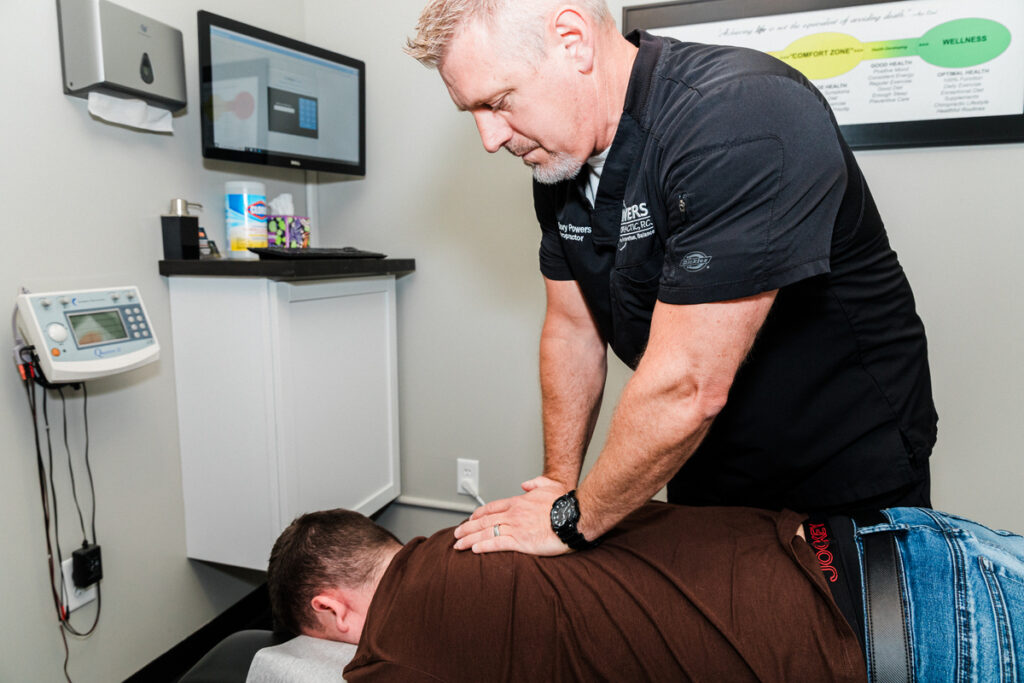

As a local chiropractor, I understand that managing anxiety can often feel overwhelming. However, I want to share with you how small adjustments—both in your daily habits and in your physical health—can lead to a significant improvement in your mental well-being.
Establishing regular routines, practicing mindfulness, and focusing on proper nutrition are foundational elements that can enhance your emotional resilience and reduce stress. In addition to these lifestyle changes, chiropractic care can also play a vital role in supporting your overall mental health. By addressing physical imbalances in your body, we can help alleviate tension and promote a sense of calm.
Are you curious about how these simple changes, combined with chiropractic adjustments, can transform your daily life? Let’s delve into the key strategies that can guide you towards a more balanced and stress-free existence. Together, we can work on creating a holistic approach to your well-being that encompasses both your mind and body.
The Importance of Routine in Managing Anxiety
When you incorporate a consistent routine into your daily life, you create a sense of stability that can significantly alleviate anxiety. As a chiropractor, I’ve seen how establishing predictable patterns can help my patients manage their stress levels. By outlining specific times for meals, exercise, and relaxation, you provide your mind with a structure to lean on.
This predictability fosters a comforting rhythm in your life, which is essential for overall well-being. Routines also promote healthy habits, which are crucial for maintaining physical and mental health. Engaging regularly in activities like physical exercise or even simple stretches can enhance your posture and boost your mood.
When you have a clear plan, it becomes easier to manage anxiety compared to feeling overwhelmed by the chaos of everyday life. Additionally, adhering to a routine can enhance your self-discipline. By sticking to your schedule, you reinforce your confidence in your ability to face challenges, both physically and emotionally.
This sense of control can significantly ease anxiety, allowing you to approach your day with a clearer mind and a stronger body. Embracing a routine not only supports your chiropractic care but also contributes to your overall journey towards natural healing and wellness.
Mindfulness Practices to Reduce Stress
As a local chiropractor, I want to emphasize the importance of establishing a routine that includes mindfulness practices to help reduce stress. One simple yet effective method is to dedicate a few minutes each day to focusing on your breath. Find a comfortable seat, close your eyes, and take deep breaths. This practice can help calm your mind and create a sense of grounding, especially when life gets hectic.
Incorporating mindful walking into your daily activities is another beneficial practice. As you walk, pay attention to each step, the feeling of your feet connecting with the ground, and the natural rhythm of your breath. This not only promotes physical activity but also integrates mindfulness into your movement, which is vital for overall well-being.
I also recommend exploring guided meditation through apps or online videos. These resources can provide valuable structure and guidance as you embark on your mindfulness journey.
Additionally, consider keeping a journal where you can express your thoughts and feelings. Writing can facilitate emotional processing and cultivate gratitude, both of which are essential for enhancing your mental health.
Creating a Calming Environment
Creating a calming environment is essential for your overall well-being, especially when considering the impact it can have on your mental health and physical wellness. As a chiropractor, I often emphasize the connection between our surroundings and our body’s stress levels. One effective first step is to declutter your space. A tidy room can significantly reduce feelings of anxiety, which may also help alleviate tension in your muscles.
Incorporating elements of nature, like plants or fresh flowers, can further elevate your mood and promote relaxation. The presence of greenery has been shown to have calming effects, which is beneficial for both your mind and body.
Additionally, pay attention to your lighting; opting for soft, warm lights can create a soothing atmosphere that helps reduce stress, unlike harsh fluorescent lighting, which may increase it.
Choosing calming colors for your environment, such as soft blues or gentle greens, can foster a sense of tranquility. Sound is another important aspect; consider playing gentle music or nature sounds to create a peaceful ambiance that complements your healing journey.
Make your space comfortable with cozy furniture and textured fabrics that invite you to unwind. It’s important to feel physically at ease, as this contributes to a balanced state of mind.
Lastly, eliminate distractions by turning off notifications on your devices or creating a designated quiet zone where you can focus on relaxation and self-care.
The Role of Nutrition in Mental Health
As a local chiropractor dedicated to your holistic health, I want to emphasize the significant impact your diet has on your mental well-being. The foods you choose to nourish your body play a crucial role in shaping your mood and managing anxiety levels.
By understanding the gut-brain connection, you can make informed food choices that promote not only your physical health but also your emotional stability.
Incorporating nutrient-rich foods into your diet can greatly enhance your overall mental health and bolster your resilience against stress and anxiety.
Nutrient-Rich Foods Impact
As a local chiropractor, I want to emphasize the importance of nutrition in maintaining not just physical health but also mental well-being, particularly for those experiencing anxiety.
The foods you consume can have a profound impact on your mood and overall health. Integrating nutrient-rich foods into your daily meals can truly enhance your mental clarity and emotional stability.
Here are four foods that I encourage you to consider:
- Leafy Greens – These are loaded with essential vitamins and minerals that have been shown to help alleviate symptoms of anxiety and promote overall mental wellness.
- Fatty Fish – Rich in omega-3 fatty acids, fatty fish like salmon and mackerel are excellent for supporting brain health and enhancing mood stability.
- Berries – These vibrant fruits are high in antioxidants, which can help combat inflammation and improve cognitive function, making them a great addition to your diet for mental clarity.
- Nuts and Seeds – Foods like almonds, walnuts, and flaxseeds are packed with vital nutrients such as magnesium, which can help soothe your nervous system and promote relaxation.
By focusing on these nutrient-rich foods, you can support not only your physical health through chiropractic care but also nurture your mental health naturally.
Gut-Brain Connection Explained
As a local chiropractor, I want to share with you the fascinating connection between your gut and brain, which plays a significant role in your overall mental health. This relationship is known as the gut-brain axis. Essentially, the beneficial bacteria in your gut communicate with your brain through various pathways, influencing how you feel.
When you nourish your body with nutritious foods, you’re not only giving yourself energy but also supporting the healthy bacteria that reside in your gut. These bacteria are important because they produce neurotransmitters like serotonin, which can greatly affect your mood and levels of anxiety.
On the flip side, if your diet lacks essential nutrients, it can throw this balance off, potentially leading to increased feelings of anxiety or depression.
By prioritizing a balanced diet filled with whole foods, you’re not just enhancing your gut health; you’re also supporting your mental well-being. As a chiropractor, I believe in the power of natural healing, and focusing on your diet is an essential part of that process.
Physical Activity as a Natural Anxiety Reliever
As a local chiropractor, I’m here to share how physical activity can serve as a powerful ally in managing anxiety naturally. Many people experience overwhelming feelings of anxiety, but incorporating physical movement into your daily routine can provide significant relief.
When you engage in exercise, you not only distract your mind, but you also stimulate the release of endorphins, which are your body’s natural mood elevators.
Here are some key benefits of regular physical activity that I encourage you to consider:
- Reduces stress: Engaging in physical activity helps lower cortisol levels, which can lead to a more relaxed state of mind.
- Improves sleep: Regular movement can enhance your sleep quality, making it easier to cope with anxiety during the day.
- Boosts self-esteem: Reaching fitness goals, even small ones, fosters a sense of accomplishment and can greatly improve your self-image.
- Enhances social connections: Participating in group activities can help you build relationships, alleviating feelings of loneliness and isolation.
Remember, incorporating physical activity into your life doesn’t need to be a daunting task.
Whether it’s a brisk walk, dancing, or practicing yoga, the key is to find activities that you genuinely enjoy.
Doing so won’t only empower you to manage anxiety but will also complement the natural healing principles we discuss in chiropractic care.
Let’s work together to find the right approach for you!
Establishing Healthy Sleep Habits
As your local chiropractor, I want to emphasize the importance of establishing healthy sleep habits for your mental well-being. One of the first steps is to optimize your sleep environment—this means creating a comfortable, quiet, and dark space that supports restful sleep.
Alongside this, maintaining a consistent sleep schedule is crucial; going to bed and waking up at the same time each day can help regulate your body’s internal clock.
Incorporating relaxation techniques before bed, such as deep breathing or gentle stretching, can further enhance your ability to unwind and prepare for sleep. These simple adjustments can significantly reduce anxiety levels and improve your overall mood, contributing to better mental health.
Remember, chiropractic care can also support your sleep and relaxation by addressing any physical discomfort that may be affecting your ability to rest.
Let’s work together to create a holistic approach to your sleep health!
Sleep Environment Optimization
As a local chiropractor, I understand the profound connection between a well-optimized sleep environment and your overall mental and physical well-being.
Especially for those who experience anxiety, creating a space that fosters relaxation can make a significant difference. A peaceful sleeping area signals to both your mind and body that it’s time to unwind.
Here are four key strategies to enhance your sleep environment:
- Comfortable Bedding: Ensure you have a quality mattress and supportive pillows. Good sleep is essential for your spine’s health, and the right bedding can significantly improve your quality of rest.
- Dim Lighting: Soft, warm lights or blackout curtains can help establish a calming atmosphere. Reducing harsh light exposure before bed supports your body’s natural circadian rhythm, which is vital for restorative sleep.
- Noise Control: Disruptive sounds can interfere with your ability to relax. Consider using white noise machines or earplugs to create a peaceful auditory environment, allowing your body to enter a deeper state of rest.
- Declutter Space: A tidy bedroom contributes to a more tranquil mind. Reducing clutter not only enhances the visual appeal of your space but also minimizes stress, promoting a sense of peace as you prepare for sleep.
By optimizing your sleep environment, you’re taking an important step towards better health and well-being.
Consistent Sleep Schedule
As a local Chiropractor, I want to emphasize the importance of a consistent sleep schedule for not only your overall well-being but also for managing anxiety and enhancing your mental health. When you make it a point to go to bed and wake up at the same time every day, you help stabilize your body’s internal clock. This can lead to better sleep quality, which is crucial for both physical and mental health.
A regular sleep routine can significantly reduce feelings of anxiety by providing a sense of control over your daily life. Ideally, aim for 7-9 hours of restorative sleep each night. It’s also wise to avoid late-night activities that might disrupt your sleep rhythm. Even on weekends, try to stick to your established schedule to maintain that balance.
If you struggle to fall asleep, consider limiting screen time at least an hour before bed. The blue light emitted by screens can interfere with your natural sleep cycle, making it harder to drift off.
Relaxation Techniques Before Bed
As a chiropractor dedicated to promoting natural healing and overall wellness, I understand the importance of a good night’s sleep for your health. Even if you already maintain a consistent sleep schedule, incorporating relaxation techniques before bed can significantly enhance your sleep quality and alleviate anxiety.
These simple practices not only calm your mind but also prepare your body for restorative sleep. Here are four techniques I encourage you to try tonight:
- Deep Breathing: Focus on your breath by inhaling deeply through your nose and exhaling slowly. This practice can help release built-up tension in your body, which may improve your overall comfort and readiness for sleep.
- Progressive Muscle Relaxation: This technique involves tensing and then relaxing each muscle group, starting from your toes and moving up to your head. It’s a great way to alleviate physical tension and promote relaxation throughout your body.
- Guided Imagery: Visualize a peaceful scene, such as a serene beach or a tranquil forest. This mental escape can shift your focus away from daily stressors and create a calming environment for sleep.
- Gentle Yoga: Simple stretches can help release any physical tension and promote relaxation. Incorporating gentle movements can also support spinal health, enhancing your overall well-being.
By incorporating these techniques into your bedtime routine, you can cultivate a peaceful environment that supports both your physical and mental health.
Prioritizing relaxation can lead to improved sleep, which is essential for your body’s healing processes.
Connecting With Supportive Communities
When you connect with supportive communities, especially in the realm of natural healing and wellness, you unlock a valuable resource for managing stress and anxiety.
As a chiropractor, I’ve seen firsthand how surrounding yourself with individuals who understand your journey can foster a sense of belonging and acceptance. Sharing your experiences with others who’ve faced similar challenges can provide comfort and insights that may not be readily available through traditional methods.
These supportive communities can take various forms, such as local wellness groups, workshops, or online platforms focused on holistic health. Engaging in discussions about anxiety and stress management can help you realize you’re not alone; many people are navigating similar paths toward well-being.
Within these communities, you can discover encouragement, practical advice, and coping strategies that align with your personal experiences. Additionally, forming relationships with like-minded individuals can enhance your self-esteem and resilience.
Conclusion
As a local chiropractor, I want to share how incorporating certain adjustments into your daily routine can significantly improve your mental well-being and help manage anxiety. Establishing a consistent routine is essential; it provides structure and predictability, which can be calming for your mind. Practicing mindfulness techniques, such as deep breathing or meditation, can also be beneficial as they promote relaxation and help reduce stress.
Creating a calming environment in your home or workspace is crucial; a serene space can significantly enhance your ability to cope with daily pressures. Don’t forget the importance of nutrition and physical activity; these elements are vital for boosting your mood and overall mental health. Regular chiropractic adjustments can also support your physical well-being, which in turn positively impacts your mental state.
Prioritizing healthy sleep habits is another key factor; a well-rested body contributes to a clearer mind. Additionally, connecting with supportive communities, whether it’s friends, family, or local wellness groups, can empower you on your journey. Embrace these holistic changes alongside chiropractic care, and you’ll find yourself leading a more balanced and fulfilling life. Remember, your mental health is just as important as your physical health, and together we can work towards achieving both.