
As a local chiropractor, I want to emphasize how crucial it is to improve your joint flexibility for better mobility and comfort in your everyday activities. There are various therapy techniques we can use, such as foam rolling and manual therapy, that effectively target muscle tightness. It’s important to understand how both static and dynamic stretching play a role in enhancing your flexibility. However, flexibility goes beyond just stretching. By exploring a holistic combination of techniques tailored to your individual needs, we can unlock your potential for greater ease and agility in your movements. Let’s work together to discover what methods work best for you in achieving optimal joint health.
Understanding Joint Flexibility
As a local chiropractor, I want to help you understand the importance of joint flexibility and its impact on your overall health and well-being.
Joint flexibility refers to the range of motion your joints can achieve, and it’s crucial for everyday movements and physical performance. When your joints are flexible, simple tasks like reaching for an item on a shelf or bending down to tie your shoes become much easier and more comfortable.
Several factors can influence your joint flexibility, including age, genetics, and your level of physical activity. If you’ve noticed stiffness or restricted movement in certain joints, you’re not alone, and there are ways to improve this.
Incorporating activities like yoga or specific stretching exercises into your routine can significantly enhance your flexibility. As you move, it’s important to pay attention to how your body feels; this awareness can help you identify areas that may need extra care and attention.
Moreover, maintaining a healthy weight and staying active is vital for optimal joint flexibility. By understanding your own range of motion, you can take proactive steps to enhance it. This not only leads to improved mobility but also promotes a more active and fulfilling lifestyle.
As a chiropractor, I’m here to guide you on this journey to better joint health through natural healing approaches that can complement your flexibility goals.
Together, we can work on a tailored plan that addresses your unique needs and helps you achieve the movement and comfort you desire.
The Importance of Stretching
As a local chiropractor, I want to emphasize the vital role that stretching plays in enhancing your joint flexibility and overall mobility. Many people are unaware of the profound benefits that stretching can bring, not only to their physical performance but also to their overall well-being and injury prevention.
- Increased range of motion: When you incorporate regular stretching into your routine, you allow your joints to move through their full range. This can make everyday activities—like bending, reaching, and lifting—much easier and more efficient.
- Improved circulation: Stretching is fantastic for boosting blood flow to your muscles and joints. This increased circulation helps promote faster recovery from workouts and reduces muscle soreness, making it an essential component of your self-care routine.
- Enhanced muscle coordination: By engaging in stretching, you improve the connections between your muscles and nervous system. This leads to better control and balance during all your movements, which is vital for maintaining a healthy lifestyle.
Prioritizing stretching isn’t just about enhancing flexibility; it’s an investment in your body’s overall health and functionality.
When you make stretching a daily habit, you can experience significant improvements in how you move throughout your day.
Static vs. Dynamic Stretching
As a local chiropractor, I want to help you better understand how to improve your joint flexibility through the use of stretching techniques.
It’s essential to know the difference between static and dynamic stretching, as each serves a unique purpose in your overall wellness journey.
Static stretching is a great way to enhance your flexibility by gently lengthening your muscles. This type of stretching is typically done while at rest and can help alleviate tension and improve your range of motion over time.
It’s particularly beneficial after a workout or during your cool-down routine.
On the other hand, dynamic stretching is all about preparing your body for movement. This technique involves active movements that increase blood flow to your muscles and joints, helping to warm them up for physical activity.
Incorporating dynamic stretches into your routine can enhance your performance and reduce the risk of injury.
Both static and dynamic stretching have their unique benefits, and understanding when to use each can greatly improve your overall physical health.
If you have any questions about how to safely incorporate these techniques into your routine, feel free to reach out during your next visit!
Benefits of Static Stretching
As a local chiropractor, I want to share some important insights about static stretching and the significant benefits it can offer for your health and well-being.
While dynamic stretching is often recommended for warming up, static stretching holds its own unique advantages that can greatly enhance your flexibility and overall physical performance.
- Improves muscle elasticity: When you hold a stretch for a certain duration, it helps your muscles gradually lengthen. This increased elasticity is essential for maintaining flexibility, which is vital for daily activities and overall physical health.
- Reduces injury risk: Static stretching encourages muscle relaxation, which can significantly decrease the likelihood of strains and tears during physical activities. This is particularly important for anyone looking to stay active and prevent injuries.
- Enhances recovery: Adding static stretching to your post-workout routine can be incredibly beneficial for muscle recovery. It can help alleviate soreness after exercise, allowing you to feel better and get back to your activities more quickly.
Incorporating static stretching into your regular routine can be a simple yet powerful way to support your body’s natural healing processes and improve your overall quality of life.
As always, if you have any questions about how to integrate stretching or other natural healing techniques into your lifestyle, feel free to reach out for guidance!
Advantages of Dynamic Stretching
As a local chiropractor dedicated to promoting natural healing and overall wellness, I want to emphasize the significant benefits of dynamic stretching, especially before you engage in any physical activity.
Unlike static stretching, which involves holding specific positions, dynamic stretching incorporates movement. This method effectively warms up your muscles and increases blood flow, preparing your body for action and significantly reducing the risk of injury.
Dynamic stretching is particularly beneficial as it enhances your range of motion, allowing your joints to move more freely during workouts. By activating the muscles you’ll use, dynamic stretches can also boost your athletic performance, improve coordination, and enhance balance.
Incorporating dynamic stretches into your routine isn’t just a good idea; it’s essential for achieving better overall results in your physical activities.
As you consider your warm-up before exercising, remember that dynamic stretching can play a vital role in your journey towards improved health and wellness. So, let’s make sure you don’t skip this important step!
Foam Rolling for Flexibility
As a chiropractor dedicated to your health and well-being, I want to introduce you to an effective technique that can significantly enhance your joint flexibility and promote muscle recovery: foam rolling. This simple yet powerful practice allows you to target tight muscles and fascia, helping to release tension and improve your overall range of motion.
Here’s what you can expect when you incorporate foam rolling into your wellness routine:
- Increased blood flow: Foam rolling stimulates circulation, which is essential for delivering vital nutrients to your muscles. This enhanced blood flow aids in recovery and can help reduce soreness after physical activities.
- Improved muscle elasticity: By addressing adhesions and trigger points in your muscles, foam rolling helps them become more pliable. This increased elasticity allows for smoother and more efficient movements in your daily activities and workouts.
- Pain relief: Many of my patients experience discomfort due to muscle tightness. Regularly incorporating foam rolling into your routine can alleviate this discomfort, making it easier for you to enjoy a pain-free lifestyle.
To get started with foam rolling, I recommend focusing on key areas such as your quads, hamstrings, and calves. Spend a few minutes on each muscle group, rolling slowly and deliberately to maximize the benefits.
With consistent practice, you’ll likely notice improvements in your flexibility and overall comfort, which can complement the chiropractic care you receive.
Manual Therapy Techniques
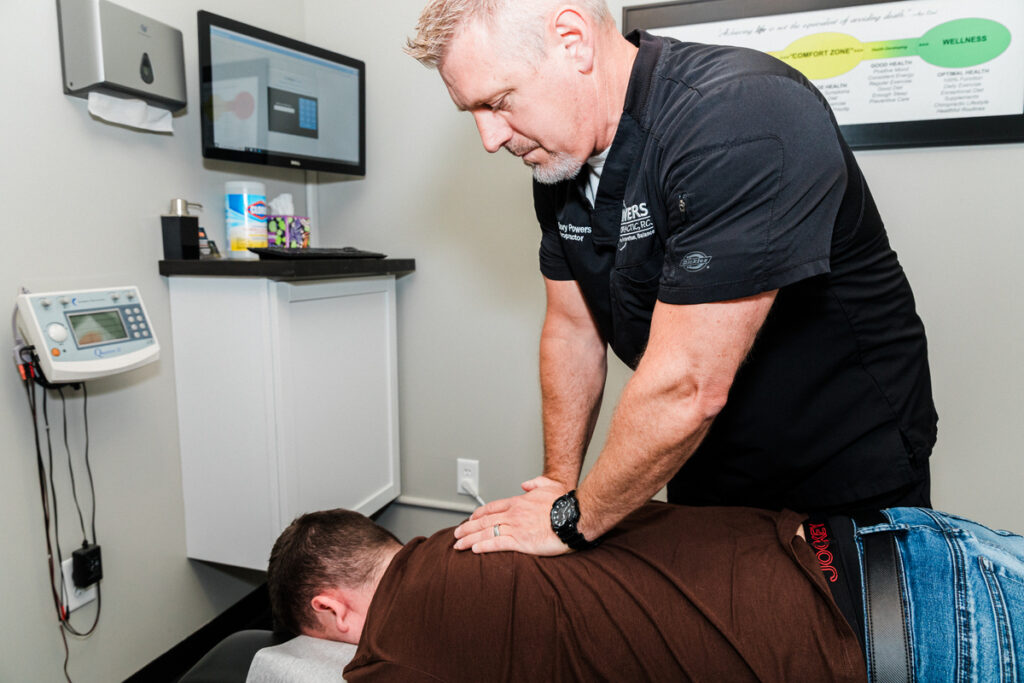
As a local chiropractor, I want to share how manual therapy techniques can significantly enhance your joint flexibility and overall mobility, complementing the benefits of foam rolling.
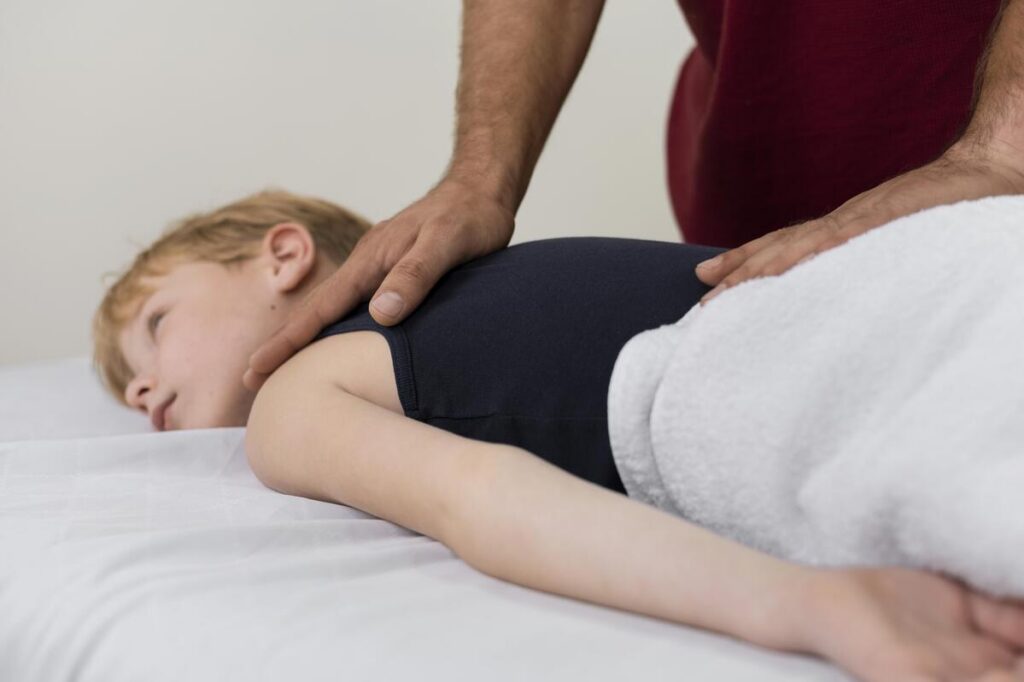
These hands-on methods involve carefully manipulating your soft tissues and joints, which helps to release tension and improve circulation throughout your body.
During a manual therapy session, I can target specific areas of tightness that foam rolling mightn’t fully address. For instance, techniques like myofascial release work to soften the fascia that surrounds your muscles, while deep tissue massage focuses on deeper muscle layers.
Both approaches can help increase your range of motion and alleviate discomfort, making daily movements easier and more enjoyable.
Incorporating manual therapy into your wellness routine can lead to remarkable improvements in your flexibility and overall joint health.
I encourage you to consider scheduling regular sessions with a qualified chiropractor like myself. Together, we can work to maximize your mobility and keep your joints functioning optimally.
Your body will truly appreciate the care!
Proprioceptive Neuromuscular Facilitation (PNF)
As your local chiropractor, I’d like to introduce you to an effective technique known as Proprioceptive Neuromuscular Facilitation, or PNF for short.
This method can significantly enhance your joint flexibility, which is vital for overall mobility and health.
In this discussion, we’ll delve into the fundamental techniques of PNF, explore the numerous benefits it can provide, and share practical strategies to implement it into your daily routine.
Understanding these components will empower you to incorporate PNF into your wellness practices, leading to improved flexibility and greater overall results in your chiropractic care.
PNF Techniques Overview
As a local chiropractor dedicated to educating my patients about natural healing methods, I want to introduce you to a highly effective stretching technique known as Proprioceptive Neuromuscular Facilitation, or PNF for short. This method is particularly beneficial for improving joint flexibility and enhancing your overall range of motion.
Let me explain how PNF techniques work in a straightforward way:
- Hold-Relax Technique: First, you’ll gently stretch a muscle. Then, you’ll engage that muscle by contracting it for a few seconds. After relaxing, you can stretch the muscle a bit deeper, which promotes greater flexibility.
- Contract-Relax Technique: Here, you’ll contract the targeted muscle against some resistance. Once you relax, you can then stretch that muscle further, allowing for improved flexibility.
- Hold-Relax with Agonist Contraction: This method builds on the previous techniques by not only contracting the target muscle but also engaging its opposing muscle after the contraction. This helps facilitate a deeper stretch.
Incorporating these PNF techniques into your routine can significantly enhance your muscle coordination and flexibility over time.
As your chiropractor, I’m here to support you in exploring these natural methods to improve your mobility and overall well-being.
Benefits of PNF
As a local chiropractor, I want to share with you the incredible benefits of incorporating Proprioceptive Neuromuscular Facilitation (PNF) techniques into your wellness routine. Many people may not be familiar with PNF, but it can greatly enhance your flexibility and overall physical performance in ways you mightn’t expect.
One of the key advantages of PNF is its ability to improve muscle elasticity. This means that with proper technique, your body can stretch further and with less risk of injury. This is particularly beneficial not only for athletes but for anyone looking to enhance their daily activities.
Additionally, utilizing PNF can significantly increase your range of motion, which can lead to better performance in sports and even make everyday movements easier.
Another important aspect of PNF is that it promotes better neuromuscular control. This means your muscles can respond more effectively when you move, leading to improved coordination and stability.
After an intense workout, many individuals experience soreness and stiffness; PNF can aid in muscle recovery, helping to reduce these uncomfortable feelings and get you back to your routine faster.
Engaging in PNF also fosters greater body awareness, which is essential for efficient movement patterns. When you understand how your body moves and responds, you can perform activities with more ease and less strain.
Implementation Strategies
As a local chiropractor, I want to help you understand the importance of incorporating Proprioceptive Neuromuscular Facilitation (PNF) techniques into your wellness routine.
It’s not just about knowing the benefits; it’s about effectively implementing these techniques to enhance your overall health. Let’s break it down:
- Start with the Right Muscle Group: Focus on a specific muscle group you want to stretch. Make sure you’re in a comfortable position to avoid any strain.
- Contract-Relax Method: Here’s a simple approach: contract the targeted muscle for about 5-10 seconds, then take a moment to relax and gently stretch it for 15-30 seconds. This method promotes relaxation and flexibility.
- Hold-Relax Technique: This is similar to the contract-relax method but with an added step. After you contract the muscle, hold it for a brief moment before stretching. This allows for optimal tension release and can enhance your flexibility.
- Agonist-Antagonist Contracting: While you’re stretching one muscle, engage the opposing muscle. This technique can significantly improve flexibility by ensuring a balanced approach to muscle engagement.
With regular practice of these techniques, you’ll likely notice an improvement in your range of motion and joint flexibility over time.
Yoga and Pilates for Joint Health
As a local chiropractor dedicated to your health, I want to share how yoga and Pilates can be invaluable for enhancing joint health. These practices aren’t only beneficial for improving flexibility and strength, but they also align perfectly with the principles of chiropractic care.
Both yoga and Pilates emphasize controlled movements and mindful breathing, which can significantly boost your body awareness. As you engage in various poses and exercises, you can expect to experience improved circulation and reduced stiffness in your joints, which is essential for maintaining overall joint health.
In yoga, poses such as Downward Dog and Warrior stretches help to lengthen your muscles while promoting stability in your joints. This stability is crucial for preventing injuries and ensuring your body functions optimally.
Pilates, on the other hand, places a strong emphasis on core strength, which is essential for supporting your joints and encouraging proper alignment—something we prioritize in chiropractic care.
Practicing these techniques regularly can help you develop a balanced body that moves with ease. Furthermore, both yoga and Pilates foster mindfulness, encouraging you to tune into your body’s signals.
It’s vital to listen to your joints and modify your practice as needed to prevent any discomfort or injury.
Integrating yoga and Pilates into your routine not only supports your joint health but also enhances your overall well-being. You may find yourself feeling more agile and resilient in your daily activities, which is a key goal of chiropractic care.
Together, we can create a holistic approach to your health that empowers you to thrive.
Strength Training and Flexibility
As a chiropractor, I want to emphasize that strength training isn’t solely focused on building muscle mass; it also plays a crucial role in enhancing your flexibility.
When you incorporate flexibility exercises into your strength training routine, you’ll likely experience improved joint mobility and overall performance in your daily activities.
This combination is essential for achieving a well-rounded fitness regimen that supports your body’s strength and flexibility, ultimately promoting better alignment and function.
Benefits of Strength Training
As a local chiropractor, I often emphasize that flexibility goes beyond simply being able to touch your toes; it’s closely connected to the benefits of strength training. When you engage in strength training, you not only build muscle but also enhance your body’s ability to stretch and move through its full range of motion, which is vital for overall health.
Let me share some key benefits of incorporating strength training into your wellness routine:
- Enhanced Muscle Control: Stronger muscles play a crucial role in stabilizing your joints. This stabilization leads to better control during everyday movements, reducing the risk of strain.
- Greater Range of Motion: By strengthening the muscles surrounding your joints, you encourage flexibility. This improvement makes it easier to achieve and maintain various positions, which can be particularly beneficial for those of you seeking to enhance your physical activities or prevent discomfort.
- Injury Prevention: Well-developed muscles and connective tissues are better equipped to absorb impact. This means that by strengthening your body, you can significantly reduce the risk of injuries during physical activities, allowing you to stay active and healthy.
Incorporating strength training into your lifestyle can provide these invaluable benefits, making it a key component of your overall health and well-being.
If you’re interested in learning more about how strength training can complement your chiropractic care, I’m here to guide you on your journey to better health.
Flexibility Exercises Integration
As a local chiropractor, I want to share with you the importance of integrating flexibility exercises into your strength training routine. This practice can significantly enhance your overall performance and well-being.
When you combine strength training with flexibility work, you help your muscles lengthen and recover properly, which is crucial in reducing the risk of injuries.
To get started, I recommend incorporating dynamic stretches into your warm-up before your workouts. Simple movements like leg swings or arm circles can effectively prepare your muscles for the strain ahead.
After you complete your strength training session, it’s essential not to skip static stretches—focus on areas like your hamstrings or quadriceps. These stretches can improve your range of motion and help maintain joint health.
I suggest dedicating at least 10-15 minutes to flexibility exercises after every workout. This integration of flexibility into your routine not only boosts your strength gains but also supports your overall joint health, making you more resilient as you pursue your fitness goals.
Incorporating Mobility Exercises
As a chiropractor, I often emphasize the importance of maintaining joint flexibility for overall mobility and wellness. Incorporating specific mobility exercises into your daily routine can have a profound impact on your health.
These exercises not only enhance your range of motion but also play a crucial role in preventing injuries. Here are three simple yet effective mobility exercises that I recommend for my patients:
- Dynamic stretches: Begin by incorporating movements such as leg swings or arm circles. These dynamic stretches help to warm up your muscles and joints, preparing your body for physical activity and reducing the risk of strain.
- Joint rotations: Focus on rotational movements for key areas such as your shoulders, hips, and ankles. These joint rotations improve flexibility and increase blood flow, which can alleviate stiffness and enhance your overall movement quality.
- Movement patterns: It’s beneficial to engage in exercises that mimic everyday activities. Exercises like squats and lunges not only promote functional flexibility but also help your body adapt to the movements you perform in your daily life, making you less prone to injuries.
By incorporating these mobility exercises into your routine, you can enhance your overall well-being and support a healthier, more active lifestyle.
If you have any questions about these exercises or how chiropractic care can support your mobility, feel free to ask during your next visit!
Creating a Personalized Flexibility Routine
As your local chiropractor, I want to help you create a personalized flexibility routine that aligns with your unique needs and promotes natural healing.
To start, it’s important to assess your current range of motion and identify any areas where you may feel tightness or discomfort. Pay attention to how your joints respond during different activities, and take note of any sensations that may indicate stiffness.
Once you have a better understanding of your body, we can select flexibility exercises that specifically target those tight areas. I recommend incorporating dynamic stretches as part of your warm-up to prepare your muscles for movement, and static stretches during your cooldown to promote relaxation and recovery.
A well-rounded routine should include stretches for all major muscle groups to ensure balanced flexibility throughout your body.
For optimal results, aim to schedule these flexibility sessions consistently—ideally three to five times a week. It’s crucial to listen to your body; if you experience any pain, it’s important to adjust your routine accordingly to prevent injury.
Lastly, tracking your progress is key. Consider keeping a journal to record your flexibility improvements and how your body feels over time. This will allow us to modify your routine as needed, ensuring it continues to meet your evolving goals and enhances your overall joint flexibility.
Conclusion
As a local chiropractor, I want to emphasize the importance of improving your joint flexibility for enhancing your overall mobility and reducing your risk of injury. Many people are unaware that incorporating techniques such as stretching, foam rolling, and manual therapy into your routine can significantly relieve tightness and promote a greater range of motion in your joints.
To get started, it’s essential to include both dynamic and static stretches in your flexibility regimen. Activities like yoga or Pilates can also be incredibly beneficial for improving flexibility while promoting relaxation and mindfulness.
By creating a personalized flexibility routine tailored to your specific needs, you can empower yourself to remain active and agile in your daily life. I encourage you to explore these natural healing techniques as part of your journey to better health. If you have any questions or would like assistance in developing a plan that works for you, feel free to reach out. Your journey to improved flexibility and mobility is just a step away!