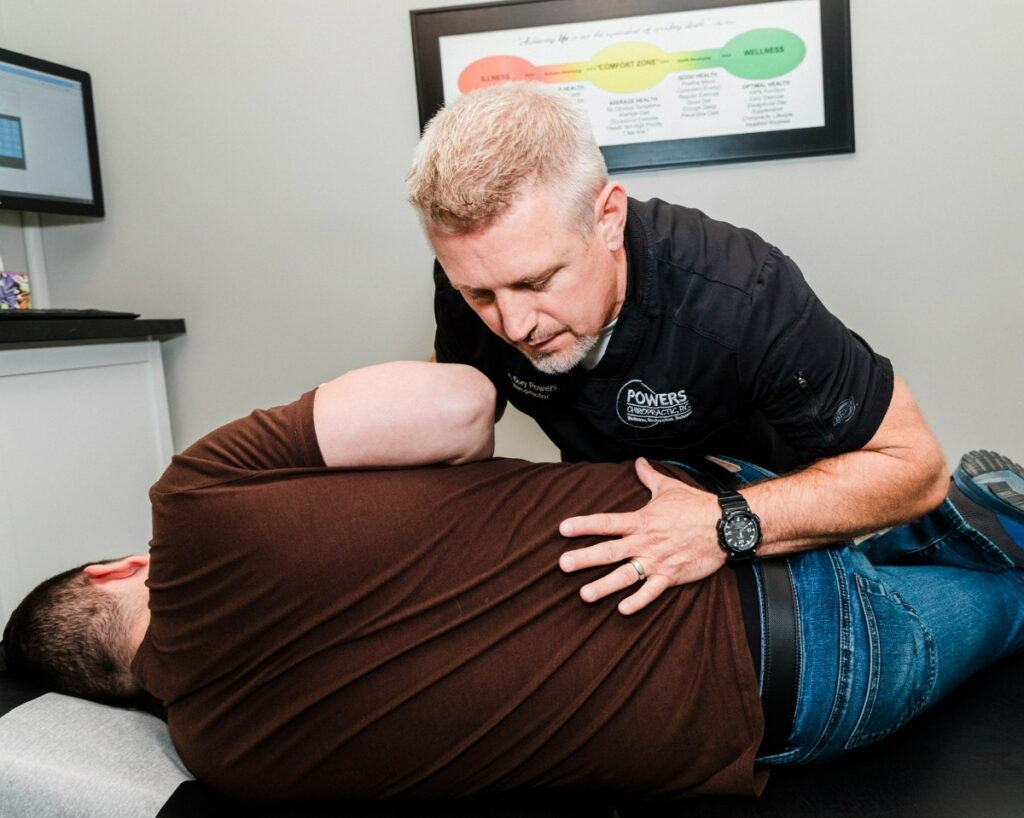

If you’re dealing with back pain, you may have noticed that relying on a single treatment often falls short of providing lasting relief. That’s where chiropractic care shines as a cornerstone of a well-rounded approach to healing. When combined with complementary therapies like acupuncture and massage, chiropractic adjustments can address various aspects of pain and tension, making a significant difference in your recovery journey.
Chiropractic care focuses on aligning the spine and improving overall function, which is essential for long-term wellness. By ensuring your spine is in proper alignment, you can alleviate pressure on nerves, reduce inflammation, and enhance mobility. This natural, holistic approach not only targets pain but also promotes your body’s innate ability to heal itself.
To determine the best combination of therapies for your individual needs, consider the following tips:
- Start with a Chiropractic Assessment: A thorough evaluation by a chiropractor can help identify the root cause of your back pain and guide you toward the most effective treatment plan.
- Communicate Openly: Share your symptoms and any previous treatments with your chiropractor. This information can help tailor the approach to suit your specific situation.
- Explore Complementary Therapies: While chiropractic care is foundational, integrating therapies like massage can relieve muscle tension, and acupuncture can help reduce inflammation. Working together, these methods can enhance your overall experience and outcomes.
- Practice Good Posture: Being mindful of your posture during daily activities can prevent further strain on your back. Whether sitting at a desk or lifting objects, maintaining proper alignment can make a big difference.
- Stay Active: Gentle exercises and stretching can support your recovery. Your chiropractor can recommend specific movements that promote spinal health and flexibility.
- Listen to Your Body: Pay attention to how different therapies affect you. If something doesn’t feel right, communicate this with your chiropractor to adjust your treatment plan accordingly.
Remember, achieving optimal health is a journey, and chiropractic care is a powerful ally on that path. By focusing on natural healing and integrating supportive therapies, you can find the relief you’re looking for and enjoy a healthier, more active life.
Key Takeaways
As a local chiropractor dedicated to your health and wellness, I want to share some effective strategies for relieving back pain naturally and promoting overall spinal health.
First and foremost, combining chiropractic care with personalized exercise plans is a powerful way to enhance spinal alignment and support your body’s natural healing process. Regular chiropractic adjustments can help restore proper function to your spine, while targeted exercises strengthen the muscles that support it, leading to significant pain relief.
Another beneficial approach is acupuncture. This ancient practice can stimulate specific points in the body, helping to alleviate discomfort and reduce inflammation. While I focus on chiropractic care, many patients find that integrating acupuncture alongside their treatment enhances their healing journey.
Massage therapy is also an excellent complement to chiropractic care. It improves circulation, relaxes tight muscles, and releases endorphins—your body’s natural painkillers. Regular massages can be a soothing addition to your routine, helping you feel more relaxed and less tense, which is essential for back health.
Incorporating mind-body techniques, like yoga and mindfulness practices, can further support your recovery. These practices foster emotional resilience, promote relaxation, and improve your posture, all of which contribute to long-term back health. Start with simple stretches or relaxation techniques that you can easily fit into your day.
Don’t forget the importance of a balanced diet! Eating foods rich in anti-inflammatory properties and staying properly hydrated can significantly support your recovery and overall spinal health. Think leafy greens, berries, nuts, and plenty of water.
Remember, chiropractic care is a holistic approach that can guide you toward optimal health. By integrating these practices into your routine, you’re taking proactive steps toward a pain-free life. If you have any questions or need guidance on how to get started, don’t hesitate to reach out!
Understanding Back Pain: Causes and Symptoms
Back pain can strike unexpectedly, leaving you searching for answers regarding its causes and symptoms. Often, it arises from muscle strains, poor posture, or injuries. You may experience a sharp pain after lifting something heavy or a dull ache that persists throughout the day. These discomforts often stem from everyday activities, such as sitting for long periods or sleeping in an awkward position.
It’s important to remember that back pain can also indicate more serious conditions, like herniated discs, sciatica, or arthritis. You might experience additional symptoms, such as stiffness, numbness, or tingling in your legs. Emotional factors, like stress and anxiety, can amplify your discomfort, making it crucial to address both the physical and emotional aspects of your pain.
As a chiropractor, I encourage you to recognize these causes and symptoms as the first step toward finding effective relief. Chiropractic care focuses on natural healing and wellness, helping to restore balance and function to your spine. Regular adjustments can alleviate back pain, improve your posture, and enhance your overall health.
To support your back health, here are some practical tips you can incorporate into your daily routine:
- Practice Good Posture: Ensure your workspace is ergonomically designed, and be mindful of your posture when sitting or standing.
- Stay Active: Engage in regular physical activity, such as walking or stretching, to strengthen your back muscles and improve flexibility.
- Use Proper Lifting Techniques: Bend your knees, keep your back straight, and lift with your legs to avoid strain on your back.
- Get Adequate Sleep: Invest in a comfortable mattress and pillows to support your spine while you sleep.
- Manage Stress: Practice relaxation techniques like deep breathing or yoga to reduce tension that can contribute to back pain.
The Role of Chiropractic Care in Back Pain Relief
When it comes to finding relief from back pain, chiropractic care stands out as a natural and effective choice. Our approach focuses on restoring proper spinal alignment and function, which is essential for your overall health. By using gentle hands-on techniques to adjust your spine, we can relieve pressure on your nerves and significantly reduce pain. This not only helps alleviate discomfort but also improves your mobility and flexibility, allowing you to enjoy life without limitations.
In addition to spinal adjustments, we tailor exercise recommendations and lifestyle advice specifically for you. These personalized strategies encourage you to take an active role in your healing journey. Incorporating simple stretches and strengthening exercises into your daily routine can make a big difference. For instance, gentle yoga or core-strengthening workouts can support your spine and enhance your overall well-being.
You may also find relief through complementary techniques like massage or spinal manipulation, which can improve circulation and promote relaxation—key factors in easing pain.
Regular chiropractic visits are crucial for maintaining your spinal health and preventing future episodes of back pain. By making chiropractic care a part of your wellness routine, you’re not just treating pain; you’re investing in long-term health and vitality.
Benefits of Acupuncture for Managing Back Pain
As a local chiropractor, I believe in a holistic approach to managing back pain that aligns with the body’s natural healing processes. One popular method people often explore is acupuncture, which involves using fine needles to stimulate specific points on the body. While acupuncture can offer some benefits, I want to emphasize the importance of chiropractic care as a primary solution for achieving optimal health and pain relief.
Chiropractic care focuses on restoring proper alignment to the spine and enhancing overall body function. This approach can alleviate discomfort and reduce inflammation, promoting better blood circulation—key components for healing your back effectively. Many of my patients have experienced significant pain reduction and improved mobility through regular chiropractic adjustments.
Additionally, chiropractic care can support your mental well-being by helping to manage stress and anxiety, which often contribute to back pain. By prioritizing spinal health, you can enhance your overall quality of life without relying on invasive procedures or medications.
To support your journey towards a pain-free life, I recommend incorporating some simple practices into your daily routine:
- Maintain Good Posture: Pay attention to your posture while sitting, standing, and moving. Proper alignment reduces strain on your back.
- Stay Active: Engage in gentle exercises or stretches that promote mobility and strengthen your core muscles. This can provide support to your spine.
- Use Heat or Ice: Applying heat can soothe tight muscles, while ice can reduce inflammation. Experiment to see which works best for you.
- Stay Hydrated: Drinking plenty of water can help keep your discs hydrated and functioning well.
If you’re looking for a safe and effective way to manage your back pain and improve your overall health, consider scheduling a chiropractic consultation. Together, we can create a personalized plan that aligns with your health goals and helps you achieve lasting relief.
How Massage Therapy Alleviates Muscle Tension
Massage therapy is a valuable tool for alleviating muscle tension, particularly when paired with chiropractic care. As a chiropractor, I believe that addressing muscle tightness is essential for overall wellness.
When you receive a massage, skilled therapists utilize techniques that specifically target tight muscle groups, enhancing circulation and promoting relaxation throughout your body.
During a massage, you may experience reduced stiffness and improved mobility, especially in your back. The pressure applied can stimulate the release of endorphins—your body’s natural pain relievers—which can help ease discomfort.
By effectively reducing muscle tension, massage therapy not only provides immediate relief but also serves as a preventive measure against future pain episodes.
Incorporating regular massage sessions into your health routine can significantly boost your overall well-being. The stress relief and enhanced muscle function you gain will contribute to your recovery and daily comfort.
To maximize the benefits of both massage and chiropractic care, consider the following tips:
- Stay Hydrated: Drink plenty of water before and after your massage to help flush out toxins released during the session.
- Stretch Regularly: Incorporate gentle stretching exercises into your daily routine to maintain flexibility and prevent muscle tightness.
- Listen to Your Body: Pay attention to areas of tension and communicate these with your therapist or chiropractor to target specific issues.
- Prioritize Posture: Be mindful of your posture while sitting, standing, and sleeping to reduce strain on your muscles and spine.
The Importance of Exercise in Back Pain Recovery
While it may seem counterintuitive, incorporating exercise into your daily routine is vital for recovering from back pain, and chiropractic care can guide you through this process.
Regular movement not only strengthens your back muscles but also improves flexibility and promotes better posture—all essential components of spinal health. If you’re feeling hesitant, remember that gentle exercise can actually reduce pain and help prevent future issues.
Here are some key benefits of including exercise in your recovery plan, especially when combined with chiropractic care:
- Strengthens core muscles: A strong core supports your spine, helping to reduce strain and improve stability. Your chiropractor can recommend specific exercises tailored to your needs.
- Enhances flexibility: Stretching keeps your muscles and joints limber, which is crucial for maintaining a healthy spine. Consider incorporating stretches that your chiropractor suggests to ensure they’re safe and effective for your condition.
- Promotes circulation: Increased blood flow aids in healing and reduces stiffness, which is essential for recovery. Regular movement can enhance your overall circulation, making you feel better faster.
- Boosts mood: Engaging in physical activity releases endorphins, which can help alleviate discomfort and improve your overall outlook. A positive mindset plays a significant role in your healing journey.
- Encourages healthy habits: Regular exercise fosters a more active lifestyle, which is key to preventing future pain. Your chiropractor can help you establish a sustainable exercise routine that fits your lifestyle.
By embracing gentle exercise and seeking chiropractic care, you can take significant steps toward recovery and a healthier, more active life.
Integrating Nutrition for Enhanced Healing
When it comes to managing back pain, the right nutrition can play a significant role in your recovery journey. As a chiropractor, I emphasize the importance of a holistic approach to health and wellness that includes not just spinal adjustments but also the foods you consume.
Incorporating anti-inflammatory foods into your diet can significantly help reduce pain and support your healing process. Foods like leafy greens, nuts, fatty fish, and fruits such as berries and oranges are excellent choices. These foods can help combat inflammation and assist your body in recovering more effectively.
Additionally, staying well-hydrated is crucial. Water is essential for maintaining optimal body function, and being properly hydrated can enhance your overall health and recovery. Aim to drink plenty of water throughout the day to keep your body in peak condition.
Remember, chiropractic care is a natural and effective way to address back pain. By combining regular adjustments with a nutritious diet and proper hydration, you can create a powerful strategy for healing and achieving optimal health.
Always listen to your body, and consult with your chiropractor for personalized advice tailored to your specific needs. Together, we can work towards a pain-free, healthier lifestyle!
Anti-inflammatory Foods Benefits
Incorporating anti-inflammatory foods into your diet can significantly enhance your body’s natural healing process, particularly when it comes to managing back pain. While chiropractic care is a fantastic way to address spinal health and alleviate pain, what you eat also plays a crucial role in your overall wellness.
By focusing on nourishing your body with the right foods, you can support your recovery journey and empower your body to heal more effectively. Here are some benefits of adding anti-inflammatory foods to your meals:
- Berries: These small fruits are loaded with antioxidants that help combat inflammation. Try adding a handful to your morning yogurt or oatmeal for a delicious start to your day.
- Fatty Fish: Fish like salmon and mackerel are rich in omega-3 fatty acids, which can help reduce pain and inflammation. Aim for two servings a week to reap the benefits.
- Leafy Greens: Spinach, kale, and other greens are packed with vitamins and minerals that support healing and overall health. Incorporate a salad or a green smoothie into your daily routine.
- Nuts: Almonds, walnuts, and other nuts provide healthy fats and protein that are essential for muscle repair. A small handful makes a great snack between meals.
- Turmeric: This spice contains curcumin, known for its powerful anti-inflammatory properties. Consider adding turmeric to your cooking or trying a warm turmeric latte for a soothing treat.
By making these foods a regular part of your diet, you can enhance your back pain relief efforts and support your health from the inside out.
Hydration’s Role in Recovery
Staying properly hydrated is crucial for your recovery, especially when it comes to your spine and overall health. Water is essential for every function in your body, including the healing process. When your body is well-hydrated, it can better transport nutrients and oxygen to your tissues, which helps reduce inflammation and promotes healing.
On the other hand, dehydration can lead to muscle cramps and stiffness, potentially worsening any back pain you may be experiencing.
To support your recovery, aim to drink enough water each day, particularly if you’re active or undergoing treatment. Incorporate hydrating foods like fruits and vegetables into your meals—these not only add hydration but also provide essential vitamins and minerals that support your healing journey.
If you notice signs of dehydration—such as dark urine or fatigue—make sure to adjust your water intake. Remember, staying hydrated is about more than just quenching your thirst; it’s a vital element of your recovery plan. By prioritizing hydration, you can help accelerate your healing and improve your overall well-being.
As a chiropractor, I want to emphasize that chiropractic care can also play a significant role in your recovery. It helps align your spine, reducing tension and improving your body’s ability to heal naturally.
Mind-Body Techniques: Yoga and Mindfulness
Back pain can be a real challenge, but as a chiropractor, I want to share some natural ways to alleviate discomfort and promote overall wellness. One of the best approaches is chiropractic care, which focuses on spinal alignment and improving your body’s natural ability to heal.
However, integrating mind-body techniques like yoga and mindfulness can further enhance your journey to better health.
By incorporating yoga into your routine, you can improve your physical flexibility and strengthen the muscles that support your spine. This not only helps with posture but also reduces strain on your back, leading to less pain over time.
Mindfulness practices can teach you to stay present and focused, which is valuable in managing pain and stress.
Here are some benefits of combining chiropractic care with yoga and mindfulness:
- Improves flexibility and strength: Regular yoga can help maintain a healthy spine and prevent injury.
- Enhances relaxation and stress relief: Mindfulness practices can calm your mind, making it easier to cope with pain.
- Promotes better posture: Good posture is essential for spinal health, and both yoga and chiropractic care can support this.
- Increases body awareness: Yoga teaches you to listen to your body, which can help you identify and address issues before they become serious.
- Fosters emotional resilience: Mindfulness can help you develop a positive mindset, making it easier to deal with life’s challenges, including pain.
As you explore these techniques, here are some general tips to keep in mind:
- Stay consistent: Regular practice of yoga and mindfulness can reinforce the benefits and support your chiropractic care.
- Listen to your body: Pay attention to how your body feels during yoga and adjust poses as needed. Always communicate with your chiropractor about any concerns.
- Create a calming space: Set aside a quiet area for mindfulness and yoga practice—this can enhance your experience and help you relax.
- Incorporate deep breathing: Pair yoga poses with deep breathing exercises to maximize relaxation and support spinal health.
- Stay hydrated: Drinking plenty of water is essential for maintaining flexibility and overall body function.
By focusing on natural healing through chiropractic care, combined with the benefits of yoga and mindfulness, you can pave the way to a healthier, pain-free life.
Creating a Personalized Treatment Plan
Combining chiropractic care with yoga and mindfulness creates a powerful approach to enhancing your overall health and wellness. However, to effectively tackle your back pain, it’s essential to develop a personalized treatment plan tailored to your unique needs, lifestyle, and preferences.
Here’s a straightforward framework to help you design this plan:
| Treatment Type | Frequency | Duration |
|---|---|---|
| Chiropractic Care | Weekly | 30-60 minutes |
| Yoga Sessions | 2-3 times/week | 45 minutes |
| Mindfulness Practice | Daily | 10-15 minutes |
| Strength Training | 2 times/week | 30 minutes |
| Physical Therapy | As needed | Varies |
Chiropractic Care: Visiting your chiropractor weekly can significantly alleviate back pain and improve your overall function. These sessions focus on spinal adjustments that help your body heal naturally, reducing pain without the need for medications or surgeries.
Yoga: Incorporating yoga into your routine 2-3 times a week not only enhances flexibility but also strengthens the muscles that support your spine. This practice promotes relaxation and mindfulness, which can further aid in managing pain.
Mindfulness: Dedicating just 10-15 minutes daily to mindfulness can help you manage stress and improve your pain tolerance. Simple breathing exercises or meditation can be very effective.
Strength Training: Engaging in strength training twice a week will help build the muscles around your spine, providing better support and reducing the risk of injury.
Physical Therapy: While chiropractic care is your primary route to wellness, physical therapy can be beneficial when needed. Your chiropractor can guide you on when this might be appropriate.
General Tips:
- Stay hydrated and maintain a balanced diet to support your body’s healing processes.
- Pay attention to your posture, especially when sitting for long periods. Good posture can prevent further back pain.
- Listen to your body. If a particular movement causes discomfort, modify it or consult with your chiropractor for alternatives.
Long-Term Strategies for Maintaining Back Health
To maintain long-term back health, it’s essential to adopt proactive strategies that support your spine and overall well-being. As a chiropractor, I want to emphasize that regular care and healthy habits can prevent future pain and promote strength without the need for surgeries or medications.
Here are some effective strategies you can easily incorporate into your daily routine:
- Stay Active: Regular movement is key to a healthy spine. Engage in exercises that strengthen your core, improve flexibility, and promote cardiovascular health. Activities like walking, swimming, or gentle yoga can be beneficial.
- Practice Good Posture: Being mindful of your posture is crucial. Whether you’re sitting, standing, or lifting, maintaining proper alignment reduces strain on your back. Try to keep your shoulders back and your spine straight, and make sure your workstation is ergonomically set up.
- Invest in Quality Sleep: Choosing the right mattress and pillow can make a significant difference in your back health. A supportive mattress helps maintain the natural curvature of your spine, while a good pillow supports your neck. Aim for a restful night’s sleep to aid your body in recovery.
- Manage Stress: Stress can manifest physically, leading to tension in your back. Incorporate relaxation techniques into your routine, such as meditation, deep-breathing exercises, or gentle yoga, to help alleviate this tension.
- Stay Hydrated and Eat Well: A balanced diet rich in nutrients supports spinal health, and staying hydrated is essential for maintaining the elasticity of spinal discs. Incorporate plenty of fruits, vegetables, whole grains, and lean proteins into your meals, and drink plenty of water throughout the day.
Remember, chiropractic care is an excellent choice for achieving and maintaining optimal health. Regular adjustments can help keep your spine aligned, alleviate pain, and enhance your overall well-being.
Conclusion
Integrating chiropractic care with therapies like acupuncture and massage can significantly enhance your back pain relief journey. Chiropractic care is at the forefront of addressing not only the physical symptoms of back pain but also supporting your overall emotional well-being. By focusing on spinal health, chiropractors can help restore proper alignment, reduce pain, and improve mobility.
To achieve comprehensive recovery, consider adding simple exercises and mindful nutrition to your routine. Gentle stretches, core-strengthening exercises, and maintaining a balanced diet can work hand-in-hand with your chiropractic adjustments. Additionally, incorporating mind-body techniques, such as meditation or deep breathing, can further reduce stress and promote healing.
Creating a personalized treatment plan with your chiropractor means you’ll have tailored strategies to maintain your back health over the long term. Embracing chiropractic care as your primary method for pain relief and natural wellness empowers you to live a healthier, pain-free life. Remember, your journey to optimal health starts with understanding your body and making informed choices.