
As a local chiropractor, I want to help you understand how making certain adjustments can profoundly enhance your athletic performance. It’s not solely about pushing harder in your training; it’s also about fine-tuning your body through proper alignment, nutrition, and recovery strategies. By addressing these vital aspects, you can improve your efficiency and significantly lower your chances of injury.
So, how can you start making these beneficial changes? Here are some practical steps to consider:
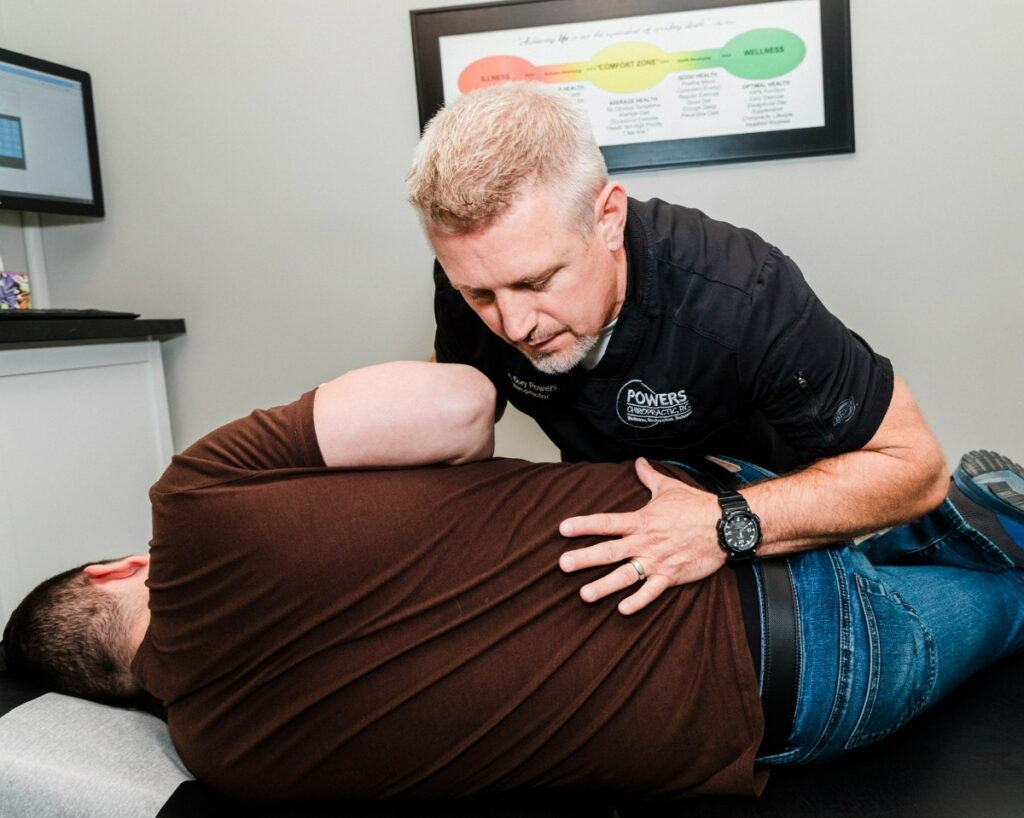
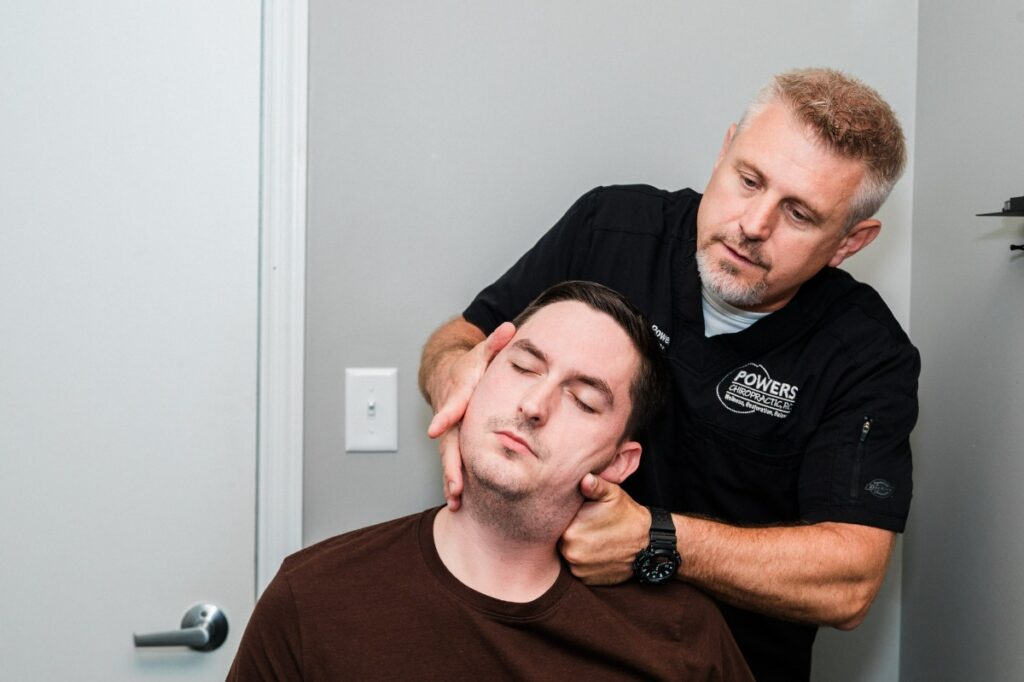
- Chiropractic Adjustments: Regular visits to a chiropractor can help ensure your spine and joints are in optimal alignment, which is crucial for peak performance. Proper alignment reduces stress on your body and allows for better movement mechanics.
- Nutrition Guidance: Fueling your body with the right nutrients is key. I can provide insights into nutrition that supports your training and recovery, ensuring your body has what it needs to function at its best.
- Recovery Techniques: Understanding how to recover effectively is just as important as training. I can guide you through various recovery methods, including stretching and strengthening exercises, that can promote healing and prepare your body for the next workout.
By incorporating these strategies, you’ll be on your way to maximizing your athletic performance naturally and safely. Let’s work together to develop a personalized plan that suits your individual needs and goals.
Assessing Your Current Performance Metrics
How well do you truly understand your body’s performance? As a local chiropractor, I encourage you to assess your current physical metrics to unlock your full potential.
It’s essential to monitor key indicators such as flexibility, strength, posture, and overall mobility. Utilizing tools or apps can help you log your activities and track your progress over time. This information is instrumental in identifying both strengths and areas that may need improvement in your overall well-being.
Don’t solely rely on feelings or subjective experiences; objective measurements can provide clear insights into your health and fitness journey. Pay attention to factors like your range of motion, recovery time, and even your posture during daily activities. These metrics not only reflect your physical condition but also indicate how ready you’re for various activities or sports.
Regular assessments with a chiropractor can help you establish realistic wellness goals and tailor your care plan to meet your specific needs.
The Importance of Technique Refinement
As a chiropractor, it’s essential to emphasize the importance of refining your physical technique, particularly when engaging in sports or physical activities. After evaluating your current performance metrics, the next step is to focus on enhancing your body mechanics. Proper technique isn’t just about aesthetics; it significantly influences your efficiency and can greatly reduce the risk of injury.
When you adjust your form, you’re not only boosting your performance but also improving your overall enjoyment of the activity. Pay close attention to the finer details—your grip, stance, and movement patterns. Each of these components plays a crucial role in how effectively you perform.
Incorporate specific drills that target these aspects of your technique, and don’t hesitate to seek insights from coaches, trainers, or even healthcare professionals like myself. Recording your practice sessions can be an invaluable tool for identifying areas where improvement is needed.
Nutrition Adjustments for Enhanced Endurance
As a local chiropractor, I want to share some valuable insights on how your nutrition can significantly enhance your endurance, especially if you’re not familiar with the natural healing approaches we often discuss in our practice.
It’s essential to consider both the timing and the types of foods you consume to support your body’s performance. Proper nutrient intake can provide the fuel you need during physical activities, while staying well-hydrated is key to maintaining your energy levels.
By making thoughtful adjustments to your diet, you can improve your stamina and recovery times.
This isn’t just about what you eat but also about how and when you eat, which can have a profound impact on your overall wellness and athletic performance.
Let’s delve into how these nutritional strategies can complement your training and enhance your competitive experience while promoting a holistic approach to your health.
Timing of Nutrient Intake
As a local chiropractor, I want to share some insights on how the timing of nutrient intake can significantly impact your performance during endurance activities, whether you’re an athlete or someone looking to stay active.
It’s crucial to fuel your body properly, and this starts with a balanced meal 3-4 hours before your event. This meal should consist of complex carbohydrates, healthy fats, and lean proteins, which can provide you with sustained energy and support your overall health.
In addition to this pre-event meal, I recommend having a small, carbohydrate-rich snack about 30-60 minutes before your activity. Foods like bananas or energy bars can help top off your glycogen stores, ensuring you have the energy you need to perform at your best.
During the activity itself, it’s important to consume easily digestible carbohydrates, such as sports gels or chews. This will help maintain your energy levels and keep you moving forward.
Lastly, don’t forget the importance of post-activity nutrition. Within 30 minutes after your event, aim for a recovery meal that includes both protein and carbohydrates. This is essential for muscle repair and replenishing your glycogen stores.
By understanding and implementing these timing strategies for nutrient intake, you can enhance your endurance performance and overall well-being.
As a chiropractor, I’m here to support your journey toward natural healing and optimal health.
Hydration Strategies for Endurance
As a local chiropractor, I want to emphasize the critical role proper hydration plays in enhancing your overall health and endurance, especially if you’re engaging in physical activities. Staying well-hydrated isn’t just about drinking water during your workouts; it’s about maintaining consistent fluid intake throughout the day.
To prepare your body for exercise, aim to consume at least 16-20 ounces of water two hours before you start your activity.
During endurance activities, it’s beneficial to incorporate electrolyte-rich drinks. These beverages help replenish essential minerals that may be lost through sweat, promoting optimal bodily function. If you’re participating in activities that last longer than an hour, try to consume about 30-60 grams of carbohydrates per hour, alongside your hydration efforts. This combination can significantly enhance your performance and endurance levels.
After you finish exercising, it’s vital to rehydrate with a blend of water and electrolytes to support your recovery process. Remember to listen to your body; thirst is often a sign that you may already be dehydrated.
By integrating these hydration strategies into your routine, you can improve your stamina, boost your performance, and promote effective recovery, all of which contribute to your overall well-being and readiness for your next physical challenge.
As your chiropractor, I encourage you to consider how hydration fits into your natural healing journey.
Mental Strategies for Peak Performance
As a local chiropractor, I want to emphasize that while physical training is crucial for athletes, mental strategies are equally important for achieving peak performance in any activity. Cultivating a focused mindset can significantly enhance your overall well-being and help you excel in your pursuits.
One powerful approach is visualization. Imagine yourself performing at your best, overcoming challenges, and reaching your goals. This mental rehearsal can’t only boost your confidence but also prepare you for various situations in life, whether it’s in sports or daily activities.
In addition, practicing mindfulness techniques can help you stay present, reducing stress and anxiety. Simple breathing exercises can enhance your concentration and create a sense of calm.
Establishing a pre-performance routine can also bring a sense of familiarity, allowing you to approach tasks with greater ease and confidence.
Setting realistic goals is essential to maintain motivation. Break larger aspirations into smaller, achievable milestones to keep yourself on track. Surrounding yourself with supportive friends, family, and coaches can provide encouragement, especially on challenging days.
By integrating these mental strategies into your routine, you won’t only improve your performance but also develop a resilient mindset that can help you navigate through life’s challenges.
Incorporating Recovery Techniques
As a local chiropractor, I want to emphasize the importance of recovery techniques for enhancing your athletic performance. It’s crucial to understand that recovery is just as important as your training regimen.
By incorporating active recovery strategies, such as gentle exercises or stretches, along with prioritizing quality sleep, you can significantly improve your body’s ability to heal and perform at its best.
Let’s take a closer look at how these elements contribute to your overall wellness and athletic success. Active recovery helps to increase blood flow to your muscles, promoting healing and reducing soreness.
Meanwhile, sufficient sleep is vital for muscle repair and cognitive function, ensuring that you’re mentally and physically prepared for your next workout. By integrating these recovery practices into your routine, you can bounce back stronger and faster, ultimately enhancing your athletic capabilities.
Active Recovery Strategies
As a local chiropractor dedicated to helping you understand the benefits of natural healing, I want to share some active recovery strategies that can greatly enhance your performance and reduce the risk of injuries.
By incorporating these techniques into your routine, you can support your body’s recovery while maintaining your fitness levels. Here are some effective active recovery strategies to consider:
- Light aerobic exercises: Simple, low-intensity activities such as walking or cycling can stimulate circulation and promote recovery without putting undue stress on your body.
- Dynamic stretching: Gentle movements that focus on stretching can significantly improve your flexibility and increase blood flow to your muscles, aiding in overall recovery.
- Foam rolling: This technique helps to alleviate muscle tension and soreness by applying pressure to specific areas of the body, making it a valuable tool for recovery.
- Yoga or Pilates: Incorporating these practices into your routine can enhance your mobility and promote relaxation, which are both crucial for effective recovery.
- Hydration and nutrition: Never underestimate the power of proper hydration and balanced meals. They play a vital role in supporting your body’s recovery process.
Importance of Sleep
As a local chiropractor, I want to emphasize the critical role that sleep plays in your overall health and recovery. Many people underestimate how essential quality sleep is, especially when it comes to physical performance and healing. You might be putting in the hard work at the gym or during your sports activities, but if sleep isn’t a priority, you could be undermining your progress.
While you rest, your body engages in vital processes such as muscle repair, hormone regulation, and memory consolidation—these are all crucial for optimal functioning and athletic performance. I recommend aiming for 7-9 hours of uninterrupted sleep each night to allow your body to recover effectively.
Establishing a consistent sleep routine is key. Try to avoid screens and caffeine in the hours leading up to bedtime; these can disrupt your ability to fall into a deep, restorative sleep. Incorporating relaxation techniques such as deep breathing or meditation can also help calm your mind and prepare you for a good night’s rest.
Remember, proper sleep isn’t just about feeling rested; it’s a powerful tool for enhancing your health and athletic capabilities. By prioritizing your sleep, you may notice significant improvements not only in your performance but also in your overall well-being.
As your chiropractor, I encourage you to take this aspect of your health seriously—your body will thank you!
Utilizing Technology for Performance Tracking
As your local chiropractor, I want to emphasize the importance of tracking your performance and overall wellness, especially as you work to enhance your physical health. Utilizing technology for performance tracking can be a game changer in understanding how your body responds to different activities and treatments.
Let’s explore some beneficial technologies that can complement your chiropractic care:
- Wearable Devices: These can monitor your heart rate, steps, and calories burned, allowing you to gauge your physical intensity and activity levels, which is essential for recovery and rehabilitation.
- GPS Trackers: If you enjoy outdoor activities, GPS trackers can help you analyze your distance, speed, and routes, providing insights into how your body is coping with physical exertion.
- Smartphone Apps: There are various apps available that allow you to log your workouts, nutrition, and recovery practices. Keeping everything in one place helps you stay organized and accountable in your health journey.
- Video Analysis Software: Evaluating your technique and form can be particularly useful in understanding how your posture affects your performance. This software can provide instant feedback, enabling you to make necessary adjustments.
- Heart Rate Monitors: These devices help you fine-tune your training zones, ensuring you’re working within the optimal range for peak performance without overexerting yourself.
Incorporating these technologies into your routine not only fosters accountability but also empowers you to make informed decisions about your health and wellness.
The data you collect can be instrumental in guiding your adjustments, ensuring you stay on track towards achieving your wellness goals.
Setting Realistic Goals and Monitoring Progress
How can you ensure that your journey to better health and wellness is both effective and sustainable? As a chiropractor, I recommend starting by setting realistic goals for your physical well-being. Instead of overwhelming yourself with lofty targets, break your health objectives into smaller, achievable milestones. This method not only keeps you motivated but also builds your confidence as you celebrate each success along the way.
Next, it’s essential to monitor your progress regularly. Consider keeping a journal or using an app to track your chiropractic visits, exercises, nutrition, and recovery. By doing so, you can identify what strategies are working for you and where adjustments may be necessary.
Remember to celebrate your achievements, no matter how minor, and be open to reassessing your goals as you grow and adapt.
Lastly, consistency is crucial in your journey toward wellness. By setting realistic goals and diligently tracking your progress, you’ll create a clear roadmap for your health journey.
Stay committed to your chiropractic care and lifestyle changes, and you’ll not only enhance your overall performance but also enjoy the process of healing and growth.
Conclusion
To truly enhance your athletic performance, it’s vital to consider a holistic approach that includes chiropractic care, technique refinement, nutrition, hydration, and mental strategies. By assessing your current physical condition and setting achievable goals, we can monitor your improvement effectively. Chiropractic adjustments can help alleviate pain and improve your range of motion, allowing you to train more effectively and recover quicker. Additionally, incorporating recovery methods and utilizing technology can keep you at the top of your game. Remember, it’s not just about pushing your limits; it’s about training in a way that supports your body’s natural healing processes. Embrace these adjustments, and you’ll unlock your full potential as an athlete while maintaining your overall well-being.