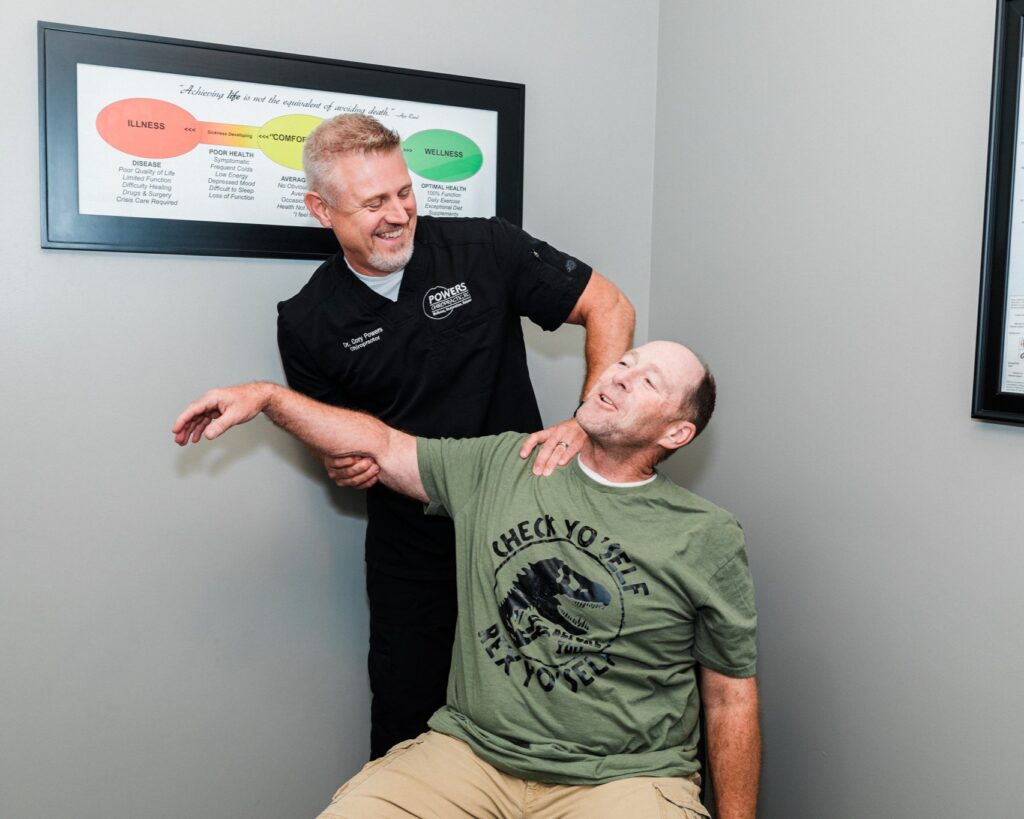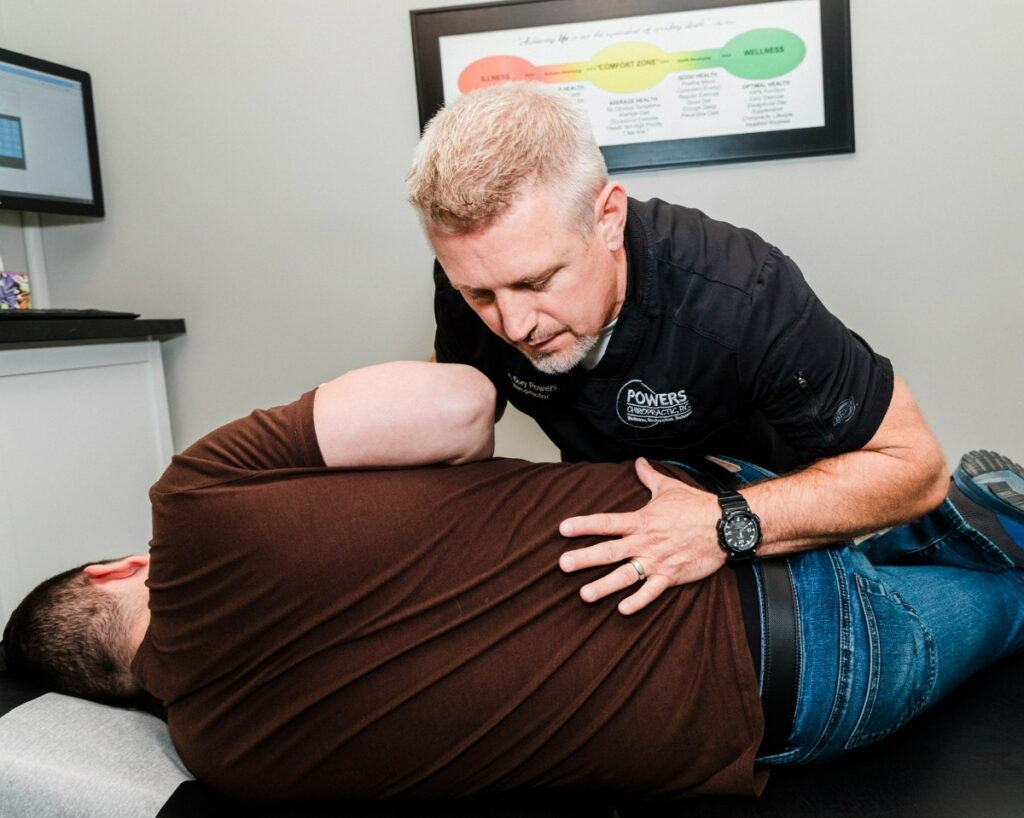

To truly enhance your athletic performance, it’s crucial to consider making some strategic adjustments—something I often discuss with my patients. It’s not solely about pushing yourself harder in training; rather, fine-tuning aspects of your training, nutrition, and recovery is essential for significant improvement. As a chiropractor, I emphasize how each of these components—along with proper spinal alignment and overall wellness—plays a vital role in your performance.
By incorporating chiropractic care into your routine, you can optimize your body’s function and recovery. This might include regular adjustments to ensure your nervous system operates at its best, which can enhance your physical capabilities. So, what specific changes can you implement today to experience immediate benefits? Let’s dive into key areas—like posture, flexibility, and injury prevention—that can help elevate your athletic performance naturally and effectively.
Fine-Tuning Training Regimens
When it comes to optimizing your athletic potential, fine-tuning your training regimen is key, and as your local chiropractor, I want to help you understand how this process can enhance your overall well-being.
Start by evaluating your current routine and identifying areas that may need improvement, such as strength, endurance, or flexibility. Setting specific, measurable goals can keep you focused and motivated on your journey.
Incorporating variety into your workouts is crucial—not only does it help prevent plateaus and boredom, but it also challenges your body in new ways. This is where chiropractic care can play a significant role; proper spinal alignment and joint mobility can enhance your performance and reduce the risk of injury as you mix up your exercises.
Recovery is just as important as training. Don’t underestimate the value of rest days, which are essential for muscle repair and growth. As a chiropractor, I emphasize the importance of listening to your body. If something feels off, it’s vital to make adjustments to your training to avoid further issues.
Tracking your progress can be beneficial, as it allows you to see what works best for you and helps inform any necessary adjustments.
Lastly, consistency is key; regular adjustments to your regimen, along with chiropractic care, can lead to long-term gains in your performance. By integrating these strategies, you’ll not only create a dynamic training plan but also support your body’s natural healing processes, helping you achieve your athletic aspirations while maintaining optimal health.
Nutrition: Small Changes With Big Impact
As a local chiropractor, I often emphasize the vital link between nutrition and overall health, especially when it comes to enhancing your athletic performance. Making small adjustments in your nutrition can lead to significant improvements in how your body functions and recovers.
For instance, refining your hydration strategies can help maintain your body’s balance and support optimal muscle function. Timing your nutrient intake is also crucial; fueling your body at the right moments can enhance your energy levels and recovery.
Additionally, opting for whole foods over processed supplements can provide the essential nutrients your body needs to perform at its best. By incorporating these simple yet effective changes, you can elevate your game and support your body’s natural healing processes.
Let’s work together to explore how these nutritional tweaks can contribute to your overall wellness and athletic success.
Hydration Strategies for Athletes
Hydration plays a crucial role in supporting overall health and athletic performance, and it’s something I often emphasize in my practice as a chiropractor. Even mild dehydration can hinder not just physical performance but also recovery, which is vital for those engaging in regular exercise.
To optimize your hydration, I recommend drinking water consistently throughout the day—not just during your workouts. A helpful guideline is to aim for at least half of your body weight in ounces of water daily. Before you begin any training session, take a moment to sip on water or an electrolyte-rich drink to prepare your body for the exertion ahead.
During your exercise, it’s important to stay proactive about your fluid intake. Try to consume fluids every 15-20 minutes, particularly if you’re exercising in hot or humid environments.
After your workout, it’s essential to replace any fluids lost. A good rule of thumb is to drink 16-24 ounces of water for every pound of body weight you lose during exercise.
Paying attention to the color of your urine can also be a simple way to monitor your hydration status; a pale yellow color typically indicates that you’re well-hydrated. Additionally, for longer training sessions, consider incorporating electrolyte-rich foods or drinks to help maintain your performance levels.
By prioritizing hydration, you’ll not only support your physical endurance and strength but also promote overall well-being, which is integral to natural healing and chiropractic care.
Timing Your Nutrient Intake
As a local Chiropractor, I want to emphasize the importance of not just what you eat, but also when you eat, to support your overall health and athletic performance. Proper timing of your nutrient intake can significantly enhance your energy levels and aid in recovery, which is crucial for maintaining a healthy spine and body.
Here are four essential tips to consider:
- Pre-workout: It’s beneficial to consume a balanced meal 2-3 hours before exercise. This provides your body with the necessary fuel to perform optimally, which can help prevent injuries and support spinal health.
- During workout: If you’re engaging in prolonged physical activity, consider having a quick energy source on hand, such as a banana or a sports drink. This can provide immediate fuel, helping to keep your body functioning efficiently and reducing the risk of strain.
- Post-workout: After exercising, aim to consume a protein-rich meal within 30 minutes. This is vital for kickstarting recovery and muscle repair, which in turn supports your overall musculoskeletal health.
- Throughout the day: Make sure to space your meals and snacks appropriately. This helps maintain steady energy levels and supports optimal metabolic function, which is essential for your overall wellness and the effectiveness of chiropractic care.
By incorporating these tips into your routine, you can enhance your performance and recovery while promoting a healthier spine and body.
Whole Foods vs. Supplements
As your local chiropractor, I often get asked about the best ways to fuel your body for optimal health and performance. Many people wonder whether they should focus on whole foods or supplements.
Whole foods—such as fruits, vegetables, lean proteins, and whole grains—are packed with essential nutrients, antioxidants, and fiber that are vital for your overall health and energy levels. Your body absorbs these nutrients more effectively when they come from whole foods, ensuring you truly benefit from what you eat.
Supplements can play a role in filling any gaps in your diet, providing concentrated doses of vitamins and minerals when necessary. However, it’s important to understand that relying solely on supplements may not offer the same advantages as a well-rounded diet rich in whole foods.
To achieve optimal health and support your body’s natural healing processes, it’s crucial to find the right balance between whole foods and supplements. Focus on incorporating a variety of whole foods into your meals, and consider using supplements strategically to enhance your nutrition when needed.
This approach will help you maximize your health and performance, allowing your body to function at its best. Remember, proper nutrition is key to supporting not only your athletic performance but also your overall well-being.
The Importance of Recovery Protocols
As a local chiropractor, I want to emphasize how crucial recovery protocols are for your overall well-being and athletic performance.
While it’s important to train hard, overlooking recovery can’t only stall your progress but also increase the risk of burnout or injury. To truly maximize your results, you need to prioritize recovery just as much as your training regimen.
Here are four vital recovery strategies I recommend incorporating into your routine:
- Quality Sleep: Strive for 7-9 hours of restorative sleep each night. Sleep is when your body heals and regenerates, making it essential for recovery.
- Hydration: It’s important to stay well-hydrated before, during, and after your workouts. Proper hydration supports muscle function and aids in recovery processes, preventing cramps and fatigue.
- Nutrition: Fuel your body with a well-balanced diet that includes whole foods. Focus on incorporating proteins, carbohydrates, and healthy fats to support muscle repair and recovery.
- Active Recovery: Consider incorporating low-intensity activities, such as walking or gentle stretching, on your rest days. These activities promote blood flow, helping to alleviate muscle soreness and enhance recovery.
By adopting these recovery strategies, you not only improve your performance but also support your body’s natural healing processes.
Mental Conditioning for Peak Performance
As you strive for optimal health and wellness, it’s important to recognize that mental conditioning plays a crucial role in your overall success, not just in sports but in daily life as well. Your mindset can significantly influence your physical well-being.
One effective method to enhance your mental strength is through visualization techniques. Imagine yourself moving freely and comfortably, feeling your best. This practice can boost your confidence and prepare you for life’s challenges.
Additionally, building resilience through positive self-talk is essential. By replacing negative thoughts with uplifting affirmations, you can maintain high motivation, even when faced with difficulties.
Mindfulness and breathing exercises can also be beneficial, helping you to stay calm and centered in stressful situations, which is vital for maintaining focus and clarity.
Setting achievable health goals and breaking them down into manageable steps is key. Celebrate your small victories along the way, as this reinforces your journey towards better health.
Remember, mental conditioning is a continuous process; the more you nurture it, the more equipped you’ll be to confront challenges and enhance your overall well-being.
As a local chiropractor, I’m here to support you in this journey, combining physical care with mental resilience for a holistic approach to health.
Incorporating Technology Into Training
Incorporating technology into your wellness journey can provide you with remarkable benefits. For instance, wearable performance trackers allow you to keep an eye on your physical activity and progress in real-time, helping you understand how your body responds to various movements and treatments.
Additionally, virtual reality sessions can be utilized to simulate exercises and stretches that promote healing in a controlled environment. By embracing these innovative tools, you can enhance your overall wellness, optimize your recovery, and ultimately improve your physical performance as you engage in chiropractic care and natural healing practices.
Wearable Performance Tracking
As a local chiropractor, I want to share how wearable performance tracking devices can complement your journey towards better health and wellness. While many athletes use these gadgets, they can also benefit anyone looking to enhance their physical performance and overall well-being.
Here are four key advantages of integrating wearable technology into your routine:
- Comprehensive Data Collection: These devices can track vital metrics like heart rate, distance traveled, and calories burned. This information can help you tailor your fitness regimen, ensuring that it’s both effective and aligned with your chiropractic care.
- Performance Analysis: By analyzing your performance trends over time, you can gain valuable insights into your physical capabilities. Recognizing your strengths and identifying areas for improvement is crucial for maximizing your health and fitness journey, especially in collaboration with your chiropractor.
- Goal Setting: Wearable technology allows you to set clear, measurable goals based on accurate data. This not only keeps you motivated but also helps you stay focused on your wellness objectives, which is essential for maintaining a healthy spine and body.
- Injury Prevention: Monitoring your fatigue levels and signs of overtraining can be vital in preventing injuries. By using these insights, you can adjust your training and daily activities, reducing the risk of stress on your body and supporting the healing process that chiropractic care promotes.
Incorporating wearable performance tracking into your lifestyle can significantly enhance your approach to health and wellness, complementing the natural healing benefits of chiropractic care.
Virtual Reality Training Sessions
Integrating advanced techniques into your wellness routine can enhance your overall health and athletic performance, and virtual reality (VR) training sessions are a perfect example of this innovation.
As a chiropractor, I understand the importance of both physical and mental preparation in sports. With VR, athletes can immerse themselves in realistic environments that simulate game scenarios, which can help improve decision-making skills without the physical strain that often comes with traditional training.
These virtual experiences allow you to practice various situations in a controlled setting, focusing on techniques and strategies that can reduce the risk of injury. Moreover, VR provides an opportunity for real-time performance analysis, offering instant feedback that can lead to improved skills and better outcomes.
Whether you’re looking to enhance your reaction time or master complex plays, VR training can keep you engaged and motivated.
By incorporating these innovative sessions into your training routine, you’re not just pushing your limits; you’re also prioritizing your health and well-being. This approach aligns with the principles of chiropractic care, where we aim to support your body in functioning optimally.
Embracing these technologies can set you on the path to success in your athletic pursuits while promoting a holistic approach to your overall health.
Setting Realistic Goals for Continuous Improvement
As a local chiropractor, I want to emphasize the importance of setting realistic goals for your health and wellness journey. Just like in athletics, having achievable targets is key to continuous improvement in your overall well-being. Without clear and attainable goals, you might face frustration or even burnout.
Here’s how you can set effective health goals:
- Evaluate Your Current Health: Take a moment to assess your body’s strengths and areas that may need attention. Understanding your current state will help us identify where chiropractic care can make a difference.
- Establish Short and Long-Term Health Goals: Create specific and measurable goals that address both immediate relief from discomfort and long-term wellness aspirations. This balanced approach keeps you motivated and engaged in your healing process.
- Break Goals into Manageable Steps: Instead of feeling overwhelmed by large objectives, let’s break them down into smaller, achievable milestones. Celebrate each step you take towards better health, whether it’s improved mobility, reduced pain, or enhanced overall function.
- Remain Adaptable: As you progress in your chiropractic care, be open to adjusting your health goals. Life is dynamic, and so should your targets be, as they should reflect your evolving health and capabilities.
The Role of Sleep in Athletic Performance
As a local chiropractor, I want to emphasize the crucial role that sleep plays in enhancing your athletic performance. During sleep, your body undergoes essential recovery processes that help repair muscles and build strength. It’s in this restorative state that your hormones balance and your mind rejuvenates, all of which are vital for achieving peak performance.
When you don’t get enough sleep, you may notice some negative effects such as slower reaction times, decreased endurance, and poor decision-making. These factors can significantly impact your performance, whether you’re a seasoned athlete or just starting your fitness journey.
To optimize your training and overall health, aim for 7-9 hours of quality sleep each night. Establishing a consistent sleep schedule can help regulate your body’s internal clock.
I also recommend creating a calming pre-sleep routine to signal to your body that it’s time to wind down. This could include activities like gentle stretching, reading a book, or practicing relaxation techniques. Be mindful to avoid screens and stimulants close to bedtime, as they can interfere with your natural sleep cycle.
Listening to Your Body: Adjustments for Injury Prevention
As a local chiropractor, I often emphasize the importance of tuning in to what your body is communicating, especially during training. Listening to your body is essential for preventing injuries and enhancing your overall performance. Ignoring pain or discomfort can result in setbacks that impede your progress.
Here are four key adjustments I encourage you to adopt for maintaining your well-being:
- Warm-Up Properly: Before engaging in any physical activity, dedicate at least 10-15 minutes to dynamic stretches. This helps prepare your muscles and joints, reducing the risk of injury.
- Monitor Pain Levels: It’s crucial to differentiate between regular soreness and sharp pain. If you experience sharp pain, stop and assess the situation. Ignoring these signals can lead to more serious issues down the line.
- Rest When Needed: Remember, pushing through fatigue can do more harm than good. Taking breaks is vital for allowing your body the time it needs to recover and heal.
- Hydrate and Fuel: Ensure you’re drinking plenty of water and consuming nutritious foods that support your training regimen. Proper hydration and nutrition are fundamental to your body’s ability to function optimally.
By incorporating these practices into your routine, you can enhance your training experience while minimizing the risk of injury.
If you have any questions or need personalized advice, feel free to reach out!
Conclusion
As a local chiropractor dedicated to your well-being, I encourage you to consider how fine-tuning different aspects of your athletic routine can significantly enhance your performance. By making adjustments to your training regimen, optimizing your nutrition, and emphasizing recovery, you can truly unlock your full potential.
It’s essential to recognize the role of mental conditioning in your journey. Setting realistic goals not only keeps you motivated but also helps you maintain a healthy mindset. Additionally, incorporating technology can aid in tracking your progress, allowing you to see the improvements you’re making.
Listening to your body is paramount in preventing injuries, and that’s where chiropractic care comes in. Regular adjustments can improve your body’s alignment, enhance your mobility, and reduce pain, allowing you to train more effectively.
By integrating these changes and considering the benefits of chiropractic care, you can enhance your athletic performance while also enjoying the overall journey towards achieving your goals. Remember, it’s about making holistic adjustments that support your body, mind, and spirit in the pursuit of athletic excellence.