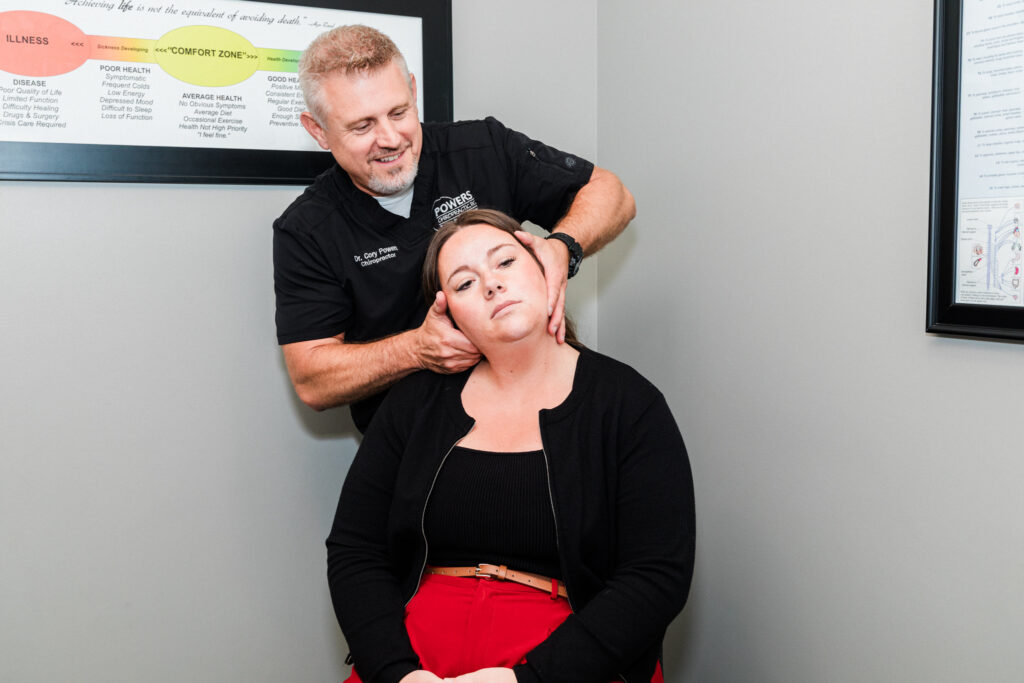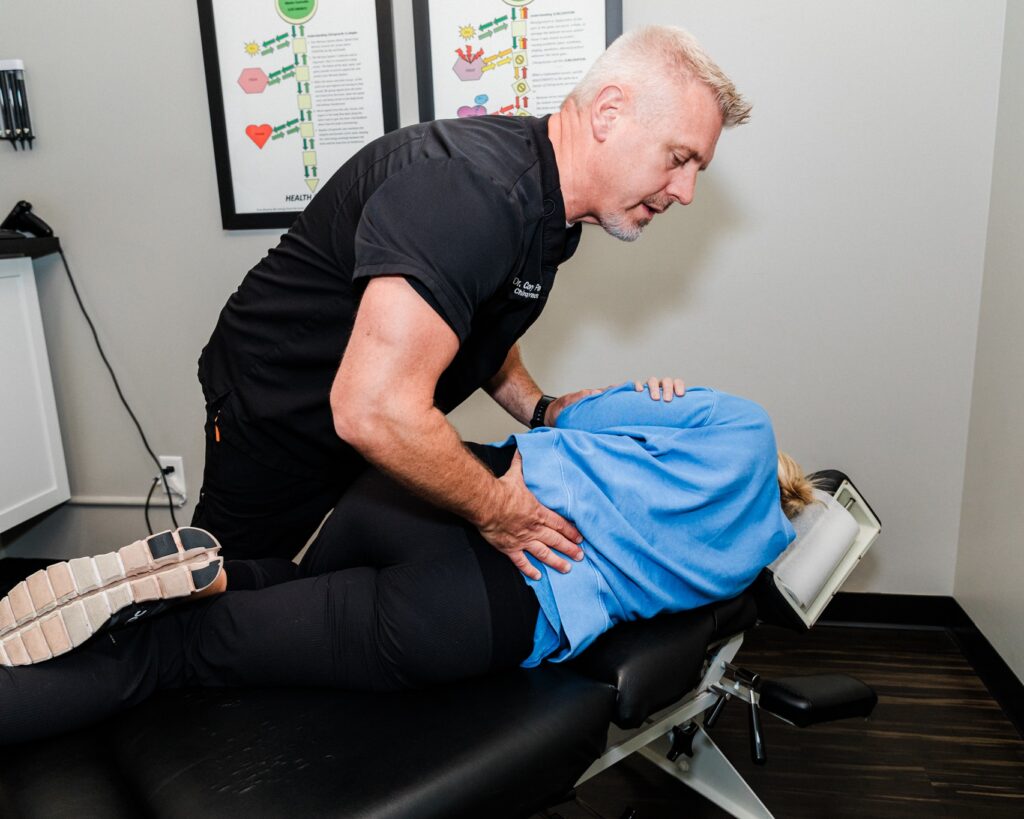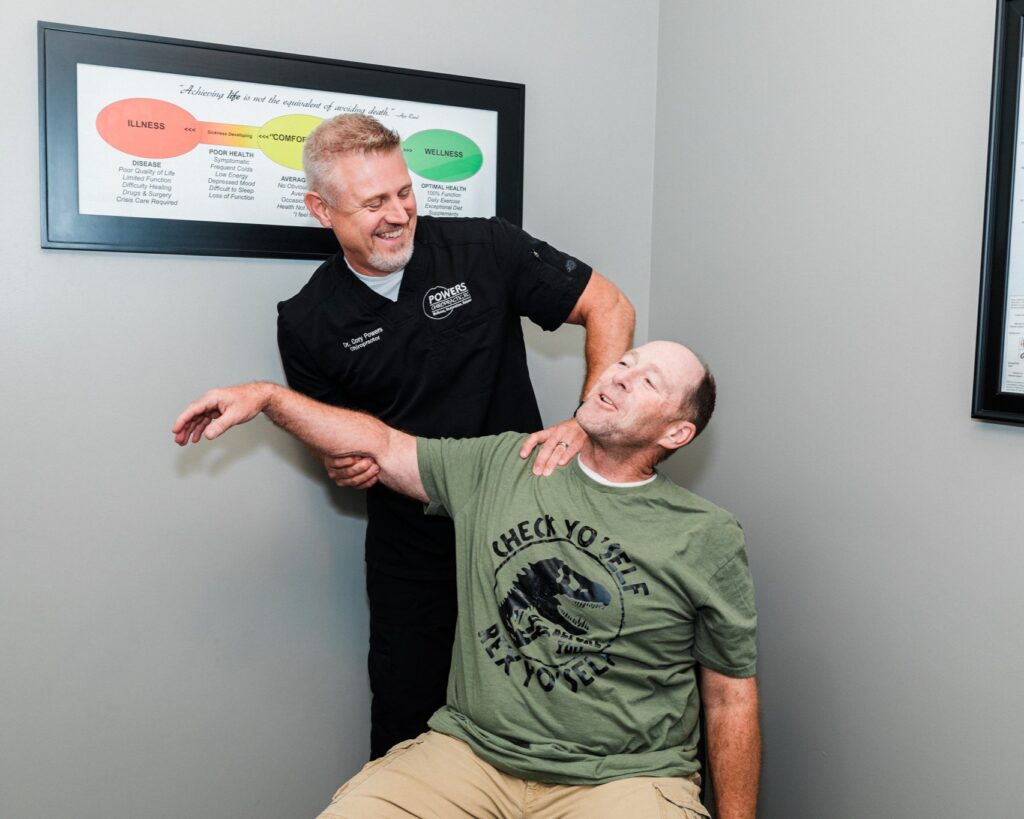

Muscle strains can happen to anyone, whether you’re an athlete or just going about your daily routine. Understanding how to relieve the pain and promote healing is essential for returning to your normal activities. The first step is to seek immediate care from a qualified chiropractor who can provide tailored treatment to address the strain effectively.
Chiropractic care focuses on the spine and overall musculoskeletal health, which is crucial for recovery. A chiropractor can help realign your spine, improve mobility, and reduce pain through gentle adjustments and specific techniques designed to promote natural healing. In addition to chiropractic adjustments, here are some general tips you can incorporate into your recovery process:
- Rest and Ice: Initially, give the affected area a break and apply ice to reduce inflammation. This helps in managing pain and swelling.
- Gentle Stretching: Once the acute pain subsides, gentle stretching can be beneficial. A chiropractor can guide you on the appropriate stretches that won’t aggravate the strain.
- Hydration and Nutrition: Staying hydrated and maintaining a balanced diet rich in vitamins and minerals supports your body’s healing process. Foods high in protein and antioxidants are particularly helpful.
- Posture Awareness: Pay attention to your posture during daily activities. Proper alignment can prevent additional strain on your muscles.
- Regular Chiropractic Visits: Regular check-ups with your chiropractor can help ensure that any underlying issues are addressed, promoting faster recovery and preventing future injuries.
Remember, the body has an incredible ability to heal itself, and chiropractic care is a natural and effective way to support that process. By focusing on holistic wellness through chiropractic, you can not only relieve muscle strain but also enhance your overall health and well-being.
Key Takeaways
Muscle Strain Relief: A How-To Guide
- Start by giving your affected muscle some much-needed rest. It’s important to avoid any movement that might aggravate the area until the pain begins to decrease. This rest is crucial for your body to begin healing naturally.
- To help reduce swelling and ease your discomfort, apply ice to the affected area for 15-20 minutes each hour. Ice can work wonders in managing pain and inflammation, making it a great first step in your recovery journey.
- After the first 48 hours, consider switching to heat therapy. Applying heat can help stimulate blood flow, which is essential for healing. A warm compress or heating pad can be beneficial in promoting relaxation and relief.
- As you start to feel better, gently incorporating stretching and light exercises can maintain flexibility and prevent stiffness. These activities can be done safely and should be guided by how your body feels. Remember, listen to your body and don’t push yourself too hard.
- If your pain persists or worsens after a week of home care, it may be time to consult a chiropractor. Chiropractic care focuses on natural healing methods and can be incredibly effective in addressing muscle strains, as well as promoting overall wellness. A chiropractor can provide tailored treatments that not only relieve pain but also support your body’s natural alignment and function.
By prioritizing chiropractic care, you are choosing a holistic approach to health that emphasizes the body’s innate ability to heal itself. Remember, taking care of your spine and muscles is key to achieving optimal health and well-being!
Understanding Muscle Strains: Causes and Symptoms
When you push your body beyond its limits, you might experience a muscle strain, which is a common injury that occurs when a muscle or tendon is stretched or torn. These strains often happen during activities that require sudden movements, heavy lifting, or overexertion. You may notice symptoms such as sharp pain, swelling, or bruising in the affected area.
Sometimes, you’ll also feel stiffness or have difficulty moving the muscle, making simple tasks feel challenging. Muscle strains can vary in severity, and understanding this can empower you to take control of your recovery. In mild cases, you might only feel some discomfort, while severe strains can lead to significant pain and limited mobility.
Recognizing these symptoms early can help you seek the right care, and that’s where chiropractic comes in. Chiropractic care focuses on natural healing and restoring your body’s balance, making it an excellent choice for pain relief and overall wellness. A chiropractor can help assess the strain and provide gentle adjustments and techniques to relieve pain, improve mobility, and support your body’s healing process.
To help prevent muscle strains in the future, consider these general tips:
- Warm up properly before engaging in physical activities to prepare your muscles.
- Incorporate strength training and flexibility exercises into your routine to build resilience.
- Listen to your body and avoid pushing through pain; if you feel discomfort, it’s best to rest.
- Stay hydrated and maintain a balanced diet to support your overall health.
Immediate Steps for Pain Relief
If you find yourself dealing with a muscle strain, taking quick action can significantly alleviate your pain and promote a faster recovery. As a local chiropractor, I recommend starting with rest. Give your body the time it needs by avoiding any activities that could exacerbate the strain. This is crucial for your healing process.
Next, applying ice can be incredibly beneficial. Use an ice pack on the affected area for 15-20 minutes each hour. This will help reduce swelling and numb the pain. After the first 48 hours, consider switching to heat therapy. Applying a heating pad can help stimulate blood flow and relax the muscles, aiding in your recovery.
Here’s a handy reference table for immediate steps you can take:
| Step | Action | Duration |
|---|---|---|
| Rest | Avoid movement | Until pain decreases |
| Ice | Apply ice pack | 15-20 minutes/hour |
| Heat | Use heating pad | After 48 hours |
In addition to these steps, incorporating gentle stretching and light mobility exercises can promote healing. Remember, chiropractic care is a holistic approach that emphasizes the body’s natural ability to heal itself. Regular visits to your chiropractor can help ensure your spine is aligned, which supports your overall health and well-being. By focusing on natural healing and wellness, you can achieve not only pain relief but also a healthier lifestyle.
Home Remedies for Muscle Strain Recovery
As you embark on your journey to recover from a muscle strain, there are several home remedies that can support your healing process and complement the benefits of chiropractic care.
First and foremost, it’s important to remember that after the initial swelling has subsided, applying heat can be incredibly beneficial. Heat therapy increases blood flow to the affected area, which helps in the repair of damaged tissues and promotes healing.
Incorporating gentle stretching and light exercises is also vital. These activities help maintain flexibility and prevent stiffness. Just remember to listen to your body; if something doesn’t feel right, it’s best to take it easy.
Essential oils can be a wonderful addition to your recovery routine. Consider soaking in a warm bath infused with lavender or peppermint oil. These oils not only help soothe sore muscles but also promote relaxation, which is essential for healing.
Another important aspect of recovery is nutrition. Focus on incorporating anti-inflammatory foods into your meals, such as turmeric, ginger, and fatty fish. These foods can support your body’s natural healing processes.
Staying well-hydrated is equally important, as proper hydration helps flush out toxins and keeps your muscles functioning optimally.
Lastly, don’t underestimate the power of rest. Allowing your body the time it needs to recuperate is crucial for effective healing.
Remember, chiropractic care is an excellent option for pain relief and promoting overall wellness. Regular chiropractic adjustments can help ensure your spine and nervous system function at their best, allowing your body to heal more effectively.
If you’re experiencing lingering discomfort from a muscle strain, consider reaching out to your local chiropractor for personalized care and guidance on your recovery journey.
When to Seek Professional Help
How can you tell if it’s time to seek professional help for your muscle strain? If you’re experiencing severe pain that doesn’t improve with rest or natural remedies, it’s a good idea to consult a chiropractor who can provide tailored care.
Watch for signs like swelling, bruising, or difficulty using the affected muscle. If the pain radiates to other areas or interferes with your daily activities, don’t hesitate to seek assistance.
Hearing a popping or snapping sound at the time of injury is also a signal to get checked out. Additionally, if your symptoms seem to worsen over time rather than improve, that’s a clear indication to reach out for professional advice.
Persistent pain after a week of self-care should definitely prompt a visit to your chiropractor.
Remember, it’s always wise to prioritize your health. Seeking chiropractic care can help prevent further injury and ensure you receive the right treatment for your muscle strain. Trust your instincts—if something doesn’t feel right, don’t ignore it.
To support your recovery, consider these general tips: stay hydrated, apply ice to reduce swelling, and gently stretch the affected area as tolerated.
Incorporating these simple practices alongside chiropractic care can promote natural healing and overall wellness. Your body deserves the best care—choose chiropractic for a holistic approach to pain relief and optimal health!
Preventing Future Muscle Strains
To prevent future muscle strains and promote overall wellness, it’s important to incorporate proper warm-up and stretching routines into your exercise regimen.
Begin each workout with five to ten minutes of light aerobic activity, like walking or cycling, to get your blood flowing and prepare your muscles for action. After this, engage in some dynamic stretches that target the muscle groups you’ll be using; this helps improve flexibility and reduces the risk of injury.
Incorporating strength training into your routine can also be beneficial. Strengthening your muscles makes them more resilient, which can help prevent strains and other injuries. However, it’s crucial to gradually increase the intensity of your workouts—this allows your body to adapt safely over time.
Always listen to your body. If you’re feeling fatigued or experiencing pain, it’s essential to take a break. Rest and recovery are just as vital as the exercise itself. Staying hydrated and maintaining a balanced diet rich in nutrients will support your muscle health and overall well-being.
Consider integrating cross-training into your routine to avoid overuse injuries. By mixing up your activities, you can keep your workouts fresh and help prevent strain on any single muscle group.
Lastly, chiropractic care is an excellent option for maintaining optimal health and wellness. Regular adjustments can promote better alignment and function of your spine, which in turn supports your muscles and overall body health.
Conclusion
In conclusion, effectively managing a muscle strain is essential for your overall health and well-being, and chiropractic care can play a pivotal role in your recovery. Begin by allowing your body to rest, which is crucial for healing. While you rest, applying ice can help reduce inflammation and alleviate discomfort. Gentle exercises, recommended by your chiropractor, can aid in promoting healing and restoring flexibility without putting too much strain on your muscles.
If your pain persists, do not hesitate to reach out to a chiropractor. They can provide tailored adjustments and treatments that address the root cause of your pain, helping you recover more effectively than traditional methods. Remember, chiropractic care not only helps relieve pain but also enhances your body’s natural healing abilities and promotes overall wellness.
In addition to seeking chiropractic care, staying active and being mindful of your body is vital for preventing future strains. Incorporate stretches and strengthening exercises into your routine, and pay attention to your posture throughout the day. With these steps and the guidance of a chiropractic professional, you’ll be back to your regular activities, stronger and healthier than ever!