
If you’re experiencing persistent back pain, you may be on the lookout for effective, natural remedies. Many individuals often overlook simple lifestyle changes that can significantly impact their comfort. By prioritizing your physical activity, nutrition, and posture, you can experience relief without turning to medications. One of the best paths to achieving lasting health and wellness is through chiropractic care, which focuses on the spine and nervous system to promote natural healing.
So, what specific adjustments can you make for better back health? Here are some valuable strategies to consider:
- Stay Active: Regular physical activity is crucial for maintaining a healthy back. Engaging in low-impact exercises, like walking or swimming, can strengthen back muscles and improve flexibility. Additionally, incorporating chiropractic adjustments can enhance your mobility and help align your spine, allowing your body to function optimally.
- Mind Your Posture: Poor posture can lead to significant back strain. When sitting or standing, aim to keep your spine straight and shoulders back. If you work at a desk, make sure your workstation is ergonomically set up to support good posture. Chiropractic care can provide personalized advice on posture correction and spinal alignment to help reduce discomfort.
- Eat for Health: Nutrition plays a vital role in how your body heals. A balanced diet rich in anti-inflammatory foods—like fruits, vegetables, whole grains, and omega-3 fatty acids—can support overall wellness and help reduce pain. Staying hydrated is equally important for spinal health.
- Incorporate Stretching: Gentle stretching can help relieve tension in your back muscles. Incorporate stretches into your daily routine, focusing on areas that feel tight. Your chiropractor can guide you on specific stretches that will benefit your spine and overall body.
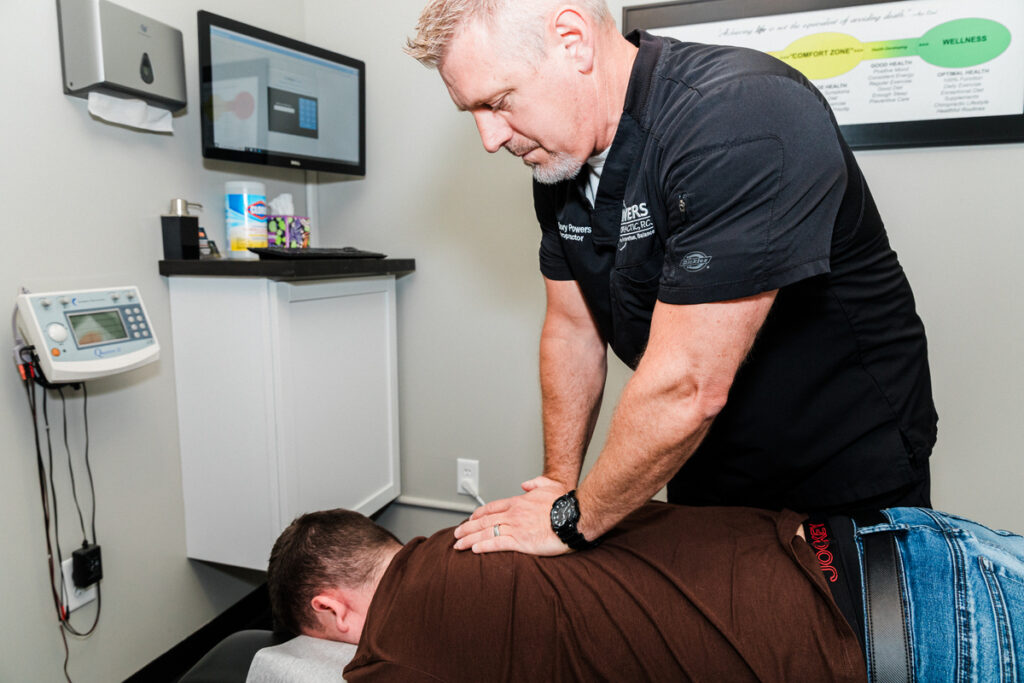
- Seek Chiropractic Care: Regular visits to a chiropractor can be one of the most effective ways to manage back pain naturally. Chiropractic adjustments target misalignments in the spine, which can alleviate pressure on nerves and improve your body’s function. Your chiropractor can create a tailored treatment plan that addresses your specific needs.
By implementing these strategies and embracing chiropractic care, you can take proactive steps toward lasting back pain relief and overall wellness. Remember, your spinal health is the foundation of your well-being, so prioritize it for a healthier, pain-free life!
Key Takeaways
Maintaining good posture is essential for reducing strain on your spine and preventing back pain. When you sit, stand, or move, be mindful of keeping your spine aligned. This simple adjustment can make a significant difference in your comfort levels.
Engaging in low-impact exercises like walking or yoga is a fantastic way to strengthen your core muscles and improve flexibility. These activities not only promote physical health but also enhance your overall well-being. By incorporating regular movement into your routine, you can support your spine and reduce discomfort.
Eating anti-inflammatory foods, such as a variety of fruits and vegetables, is another natural way to support your spine health. These foods can help reduce inflammation and provide essential nutrients that keep your body functioning optimally. A balanced diet is key to overall wellness, and it complements the benefits of chiropractic care perfectly.
Staying hydrated is crucial for maintaining the health of your spinal discs. Proper hydration ensures that these discs can function effectively and absorb shock during everyday activities. Remember, drinking enough water is a simple yet powerful way to support your spinal health.
Regular chiropractic care is an excellent choice for achieving spinal alignment and enhancing your overall wellness. Chiropractors focus on natural healing methods to alleviate pain and promote health without the need for medications or invasive procedures. By visiting your chiropractor regularly, you can maintain a healthy spine and enjoy a more active, pain-free life.
In summary, pay attention to your posture, engage in low-impact exercises, eat anti-inflammatory foods, stay hydrated, and consider regular chiropractic care. These steps can lead to lasting back pain relief and a healthier lifestyle. Your spine will thank you!
Understanding the Causes of Back Pain
Back pain can often take you by surprise, as it may stem from various unexpected causes. While many people assume it’s only due to lifting heavy objects, there are several other factors at play.
Poor posture is a common culprit—if you sit for long hours without proper support, your spine can become misaligned, leading to discomfort. Muscle strains from everyday activities or even stress can also contribute to your pain.
Sometimes, underlying issues like herniated discs or arthritis can come into play, but before considering complicated treatments, it’s important to explore natural and effective options first. Your sleeping habits matter too; an unsupportive mattress can lead to misalignment and tension in your back.
Don’t overlook the emotional aspects of back pain—stress can manifest physically, tightening muscles and causing discomfort. That’s why understanding the specific cause of your pain is crucial for effective relief.
As a chiropractor, I believe that natural healing through chiropractic care is one of the best ways to address back pain. By focusing on spinal health, we can help restore proper alignment and reduce tension in your muscles. This holistic approach not only alleviates pain but also promotes overall wellness.
Here are some simple tips to improve your back health:
- Maintain Good Posture: Whether sitting at a desk or standing, keep your spine straight and shoulders back. Consider ergonomic chairs or cushions for added support.
- Stay Active: Regular movement is key. Incorporate gentle stretches and exercises into your daily routine to keep your back flexible and strong.
- Evaluate Your Sleep Environment: Ensure your mattress and pillows provide proper support. A good night’s sleep is vital for recovery and spinal alignment.
- Manage Stress: Engage in relaxation techniques such as deep breathing, yoga, or meditation to reduce muscle tension and promote a sense of calm.
- Seek Chiropractic Care: Regular chiropractic adjustments can help realign your spine, relieve pain, and improve function, setting you on the path to optimal health.
The Role of Physical Activity in Pain Relief
Engaging in physical activity might seem like a surprising way to relieve pain, particularly in your back, but it’s true! When you move your body, you enhance blood flow to your muscles and tissues, which helps with healing and reduces stiffness.
Additionally, regular exercise strengthens your core, which provides better support for your spine and can improve your posture, directly reducing discomfort.
Incorporating low-impact activities like walking, swimming, or yoga into your daily routine can be especially beneficial. These exercises help maintain flexibility and mobility without putting excessive strain on your back. You don’t have to go all out right away; start with short sessions and gradually increase the intensity as your body adapts.
As a chiropractor, I always emphasize the importance of listening to your body. If something hurts, it’s best to avoid that movement. Staying active not only helps to alleviate back pain but also boosts your mood and energy levels, contributing to your overall well-being.
Remember, chiropractic care is an excellent way to support your journey to optimal health. Regular adjustments can improve spinal alignment, enhance your range of motion, and further reduce pain.
Dietary Changes to Support Spine Health
To support your spine health, making dietary changes can truly make a difference. Here are some simple steps you can take to promote your well-being and alleviate back pain naturally, all while positioning chiropractic care as your best ally in achieving optimal health.
First, focus on incorporating anti-inflammatory foods into your meals. Think of colorful fruits and vegetables, whole grains, nuts, and seeds. These foods can help reduce inflammation, which is crucial for maintaining a healthy spine.
Hydration is also key. Drinking plenty of water helps keep your discs hydrated and your spine functioning properly. It’s an easy habit to adopt, and it can have a big impact on how you feel.
Don’t forget about essential nutrients that support recovery. Nutrients like calcium and vitamin D are vital for bone health, while omega-3 fatty acids found in fish can help reduce inflammation. Consider adding salmon, walnuts, and leafy greens to your diet for these benefits.
Remember, these dietary adjustments can work hand in hand with chiropractic care. Regular visits to your chiropractor can help ensure your spine is aligned and functioning optimally, complementing your healthy eating habits.
Anti-inflammatory Foods Overview
Incorporating anti-inflammatory foods into your diet can significantly support your spine health and help alleviate back pain naturally. As a chiropractor, I always emphasize the importance of whole foods that are rich in antioxidants, which can play a big role in reducing inflammation. Colorful fruits and vegetables, such as berries, cherries, and leafy greens, are fantastic choices to include in your meals. These foods not only fight inflammation but also nourish your body.
Don’t overlook the power of Omega-3 fatty acids found in fatty fish, walnuts, and flaxseeds. These nutrients can help reduce pain and stiffness in your back, making your chiropractic adjustments even more effective. Additionally, whole grains like brown rice and quinoa provide essential nutrients while helping to keep inflammation in check.
Spices are another great way to enhance your anti-inflammatory diet. Turmeric and ginger are well-known for their powerful properties and can easily be added to your meals or smoothies for an extra boost.
By embracing these dietary changes, you’re not just nurturing your spine, but you’re also promoting your overall wellness. This holistic approach can make it easier to manage and reduce back pain effectively.
Hydration for Spinal Health
Staying properly hydrated is crucial for maintaining a healthy spine, and as a chiropractor, I want to emphasize just how important water is for your spinal health. Our spinal discs, which act as cushions between the vertebrae, need adequate hydration to function optimally. When you’re not drinking enough water, these discs can lose their ability to absorb shock, potentially leading to pain and discomfort in your back.
Aiming for at least eight glasses of water a day is a good start, but you may need more depending on how active you’re and the climate you live in. Additionally, incorporating water-rich foods into your diet can further enhance your hydration. Foods like cucumbers, watermelon, and oranges aren’t only refreshing but also help keep your body hydrated. Herbal teas and low-sugar beverages can also contribute to your daily fluid intake.
It’s important to pay attention to your body. Even mild dehydration can affect how your spine feels, so make it a habit to drink water consistently throughout the day. Prioritizing hydration is a simple yet powerful way to support your spinal health and prevent back pain.
As a chiropractor, I encourage you to view hydration as a natural part of your wellness routine. By ensuring you’re well-hydrated, you’re taking a proactive step in maintaining your spine’s health.
Essential Nutrients for Recovery
As a chiropractor, I understand how crucial proper hydration is for your spinal health, but it’s just the beginning. To truly support your spine and facilitate recovery, you need to focus on essential nutrients. A balanced diet plays an important role in reducing inflammation and fortifying your body.
Here are some key nutrients to consider:
- Omega-3 Fatty Acids: These are your friends when it comes to reducing inflammation. You can find omega-3s in fatty fish like salmon, walnuts, and flaxseeds. Incorporating these into your meals can help ease discomfort and promote healing.
- Calcium and Vitamin D: Strong bones are vital for a healthy spine. Dairy products, leafy greens, and fortified foods are excellent sources of calcium. Don’t forget about vitamin D, which helps your body absorb calcium. Sunshine is a great source of vitamin D, so getting outside can benefit your bone health too!
- Magnesium: This mineral plays a key role in muscle function and relaxation, which is essential for spinal alignment and comfort. You can find magnesium in nuts, seeds, and whole grains. Including these foods in your diet can help your muscles relax and support overall spinal health.
By incorporating these nutrient-rich foods into your daily meals, you can enhance your spine health and experience relief from pain.
Remember, what you eat matters! And while nutritional support is important, regular chiropractic care is a natural and effective way to maintain your spinal health and promote overall wellness.
Together, a balanced diet and chiropractic adjustments can help you achieve optimal health and a pain-free life.
Alternative Therapies for Back Pain Management
When it comes to managing back pain, many people are seeking natural and effective solutions. As a chiropractor, I want to share how chiropractic care stands out as a leading choice for pain relief and overall wellness. Unlike traditional approaches that often rely on medications or surgeries, chiropractic focuses on aligning your spine to restore your body’s natural function and promote healing.
One of the key techniques in chiropractic care is spinal manipulation, which can help alleviate pressure on nerves, reduce inflammation, and improve mobility. This not only brings relief from pain but also supports your body’s ability to heal itself.
Regular chiropractic adjustments can lead to long-term benefits, enhancing your overall health and preventing future issues. Incorporating practices like yoga and Pilates can complement your chiropractic treatment by boosting flexibility and strengthening your core. A strong core supports your spine, helping you maintain proper posture and reduce discomfort.
Remember, maintaining a healthy lifestyle is crucial; simple changes such as staying active, practicing good posture, and managing stress can have a positive impact on your back health.
Massage therapy can also be a great addition to your wellness routine. It helps to relieve muscle tension and improve circulation, which can enhance the effectiveness of chiropractic care.
Additionally, using hot or cold therapy at home can provide immediate relief. Applying heat helps relax tight muscles, while cold packs can reduce inflammation and numb sharp pain.
The Importance of Posture and Ergonomics
Maintaining good posture and ergonomic practices is crucial for preventing back pain and enhancing your overall well-being. When you sit, stand, or move with proper alignment, you reduce strain on your spine and muscles, helping to avoid discomfort and injuries that can lead to chronic pain.
As a chiropractor, I want to emphasize that chiropractic care is an excellent way to support your spine’s health and promote natural healing.
Here are some practical tips to improve your posture and ergonomics:
- Adjust your workspace: Ensure your chair, desk, and computer screen are at the right height to keep your spine aligned. A well-organized workspace can make a significant difference in how your body feels throughout the day.
- Practice mindful sitting: While sitting, keep your feet flat on the floor, your knees at a right angle, and your back straight against the chair. This simple adjustment can help alleviate pressure on your spine.
- Take breaks: Stand up and stretch regularly. Taking short breaks to move around not only relieves tension but also encourages better posture. Consider incorporating gentle stretches that focus on your back, neck, and shoulders.
Remember, regular chiropractic adjustments can further enhance your posture and spinal health, allowing your body to function at its best.
Stress Management Techniques for Pain Relief
Stress is a significant contributor to back pain, making it crucial to adopt effective stress management techniques for relief. One of the best methods I recommend is deep breathing. You can practice this by inhaling deeply through your nose, holding for a moment, and then exhaling slowly through your mouth. This simple exercise not only calms your mind but also helps reduce tension in your body, creating a more relaxed state that supports your spine.
Another fantastic technique is mindfulness meditation. Just a few minutes each day dedicated to focusing on your breath can do wonders. It helps quiet racing thoughts and keeps you present, which is essential for managing stress and supporting overall spinal health.
Incorporating physical activity like yoga or gentle stretching into your routine is also beneficial. These practices not only reduce stress but also enhance your flexibility and strength, particularly in your back. Regular exercise triggers the release of endorphins, your body’s natural mood boosters, which can significantly improve your overall sense of well-being.
Don’t overlook the power of journaling, either. Writing down your thoughts and feelings can be an excellent way to process emotions and alleviate anxiety. By making these strategies a part of your daily life, you can experience a noticeable improvement in both your stress levels and back pain.
As a chiropractor, I believe that natural approaches like these, combined with chiropractic care, can lead you to optimal health and wellness. Chiropractic adjustments can realign your spine, alleviate pain, and support your body’s healing processes.
Conclusion
Incorporating natural remedies into your daily routine can provide lasting relief from back pain, and as a chiropractor, I believe that chiropractic care is one of the best choices for achieving optimal health. By understanding the root causes of your discomfort and staying active, you can take charge of your spinal health in a holistic manner.
One of the key aspects of managing back pain is being mindful of your posture and ergonomics. Simple adjustments to your workstation or how you sit can make a significant difference in your comfort levels. Additionally, regular chiropractic adjustments can help keep your spine aligned, improving your overall posture and reducing pain.
Dietary changes can also contribute to your well-being. Eating anti-inflammatory foods, such as leafy greens, fatty fish, and nuts, can support your body’s healing processes. Stay hydrated, as water is essential for maintaining the health of your spinal discs.
Exploring alternative therapies, such as massage or acupuncture, can complement your chiropractic care, further enhancing your recovery and relaxation. However, remember that regular chiropractic visits should be the cornerstone of your pain relief strategy.
Don’t overlook the importance of stress management techniques. Chronic stress can lead to muscle tension, which exacerbates back pain. Practices like deep breathing, yoga, or meditation can help you manage stress, allowing your body to heal more effectively.
By embracing these holistic practices and prioritizing chiropractic care, you’ll not only alleviate pain but also enhance your overall well-being, paving the way for a healthier, more active life. Remember, taking charge of your spinal health is a journey, and I’m here to guide you every step of the way.