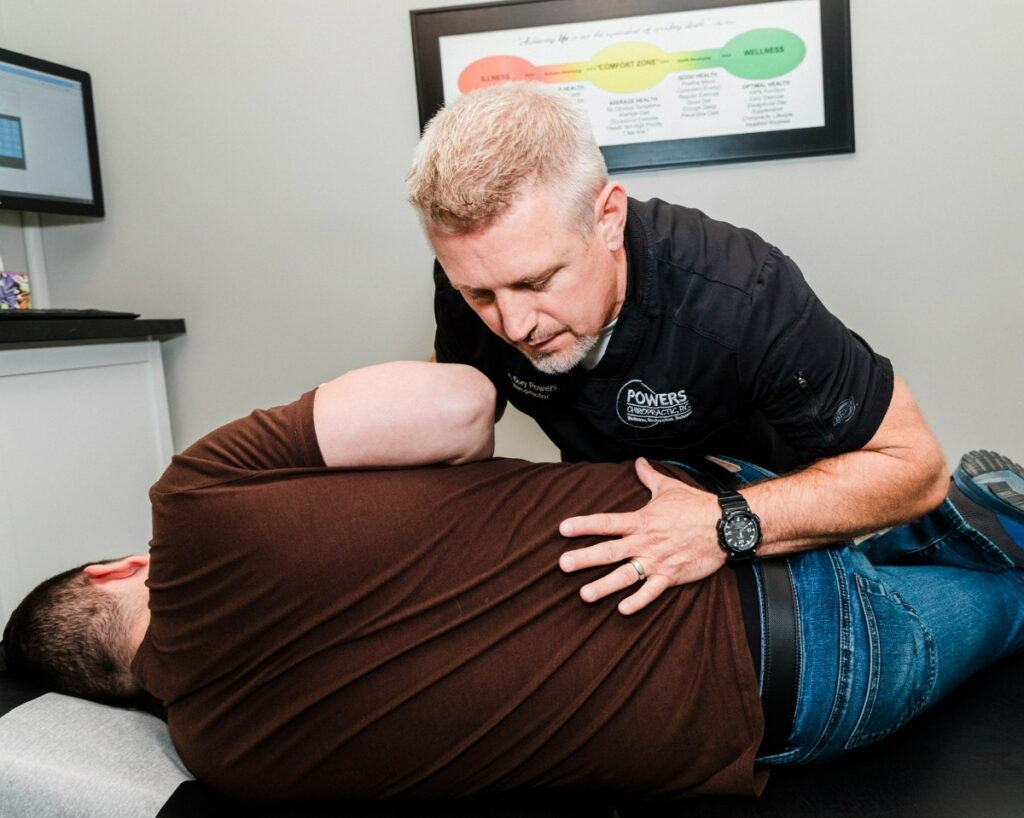

Living with fibromyalgia can be a challenging experience, but as a chiropractor, I want to share that alternative care methods can provide significant relief. Techniques such as chiropractic adjustments, acupuncture, and yoga not only help alleviate pain but also promote overall wellness. By incorporating dietary changes and herbal remedies into your routine, you can take proactive steps toward managing your symptoms. It’s important to understand that chiropractic care focuses on the body’s alignment and nervous system function, which can play a crucial role in how you experience fibromyalgia. By exploring these natural healing methods, you may discover deeper relief and a better quality of life. Let’s work together to navigate this journey and find the best approach for your unique situation.
Understanding Fibromyalgia and Its Symptoms
As a local chiropractor, I want to take a moment to educate you about fibromyalgia, a condition that many of my patients may not be familiar with. If you’ve been dealing with widespread pain, fatigue, and various other symptoms, it’s possible you could be experiencing fibromyalgia. This chronic condition primarily affects your muscles and soft tissues, often leading to discomfort that can seem inexplicable. Many individuals find that even daily tasks can become tiring, leaving them feeling exhausted.
In addition to the physical pain, fibromyalgia can lead to sleep disturbances, which can make it difficult for you to feel rejuvenated. You might also notice that your sensitivity to pain has heightened, making everyday sensations feel more intense. Cognitive difficulties, often referred to as “fibro fog,” are common as well, resulting in challenges with concentration and memory.
Other frequent symptoms include headaches, irritable bowel syndrome, and mood disorders such as anxiety or depression. It’s crucial to recognize these symptoms as part of your experience. By understanding these signs, you can take proactive steps toward managing your condition.
At our chiropractic clinic, we focus on natural healing methods that can help alleviate some of the discomfort associated with fibromyalgia. We believe in treating the body holistically, addressing not only the physical symptoms but also supporting overall well-being.
If you think you may be dealing with fibromyalgia, I encourage you to reach out so we can work together to improve your quality of life through chiropractic care and natural healing approaches.
The Role of Acupuncture in Pain Management
As a local chiropractor, I want to share with you how acupuncture can be an effective method for managing fibromyalgia pain.
This holistic approach involves stimulating specific points on your body, which can help reduce discomfort and enhance your overall sense of well-being.
I invite you to learn about how acupuncture works, the most recent research findings on its benefits, and how frequently you might consider scheduling sessions to achieve optimal results.
Embracing natural healing practices like acupuncture can be a wonderful complement to chiropractic care in your journey toward better health.
Acupuncture Mechanism Explained
As a local chiropractor, I want to shed light on how acupuncture can play a crucial role in managing fibromyalgia pain. Acupuncture is a natural healing technique that involves the insertion of very thin needles into specific points on your body. This process stimulates the nervous system, which can lead to the release of endorphins—your body’s own natural pain relievers. This can help reduce discomfort and improve your overall pain management.
Moreover, acupuncture can enhance blood circulation and reduce inflammation, which are both essential for alleviating muscle tension and soreness. Many of my patients have reported that acupuncture not only eases their physical pain but also helps regulate their body’s stress responses. This promotes relaxation and contributes to a greater sense of well-being.
What’s particularly beneficial is that acupuncture addresses both the physical and emotional dimensions of pain, providing a holistic approach to managing the symptoms of fibromyalgia.
Integrating this alternative therapy into your wellness routine can potentially offer significant relief and enhance your quality of life. If you’re interested in exploring natural healing methods, I encourage you to consider acupuncture as part of your treatment plan.
Research Findings Overview
As a local chiropractor, I want to share some valuable insights about how acupuncture can play a significant role in managing fibromyalgia-related pain.
Research has shown that acupuncture can be an effective method for alleviating discomfort associated with this condition. By targeting specific points in the body, acupuncture helps stimulate the release of endorphins and enhances blood circulation, which can lead to a reduction in pain intensity and an improvement in your overall quality of life.
Many of my patients have reported experiencing fewer flare-ups and a greater sense of well-being after incorporating acupuncture into their treatment plans.
What’s more, studies suggest that acupuncture can also help with common symptoms that accompany fibromyalgia, such as sleep disturbances and anxiety.
If you’re navigating the challenges of fibromyalgia, consider adding acupuncture to your pain management strategy. It could provide you with significant relief, empowering you to tackle daily activities with more ease and comfort.
As always, I’m here to answer any questions you may have about how chiropractic care and natural healing can support your health journey.
Treatment Frequency Recommendations
Finding the right frequency for chiropractic treatments can significantly improve your overall well-being and help manage conditions like fibromyalgia. Consistency is vital; regular adjustments can lead to more effective results. Here are some recommendations to consider:
- Initial Phase: For the first month, aim for 1-2 sessions per week. This frequency allows your body to adapt and begin responding positively to the adjustments.
- Maintenance Phase: After the initial month, you can reduce your visits to once a week or every other week, depending on your progress and comfort levels.
- Long-Term Care: As you start to feel better, consider transitioning to monthly visits. This can help sustain your improved pain management and overall health.
Always consult with your chiropractor to customize the treatment frequency to your individual needs and make adjustments as necessary.
Your journey to wellness is a collaborative process, and we’re here to support you every step of the way!
Benefits of Yoga and Stretching for Fibromyalgia
As a local chiropractor, I want to share with you the incredible benefits of incorporating yoga and stretching into your daily routine, especially for those dealing with fibromyalgia. These practices can provide significant relief from your symptoms while enhancing your overall well-being.
Yoga and stretching not only improve flexibility and strength but also promote relaxation and help reduce stress—a key factor in managing fibromyalgia. By encouraging mindfulness, yoga allows you to tune in to your body and better manage pain.
Regular stretching is essential for alleviating muscle tension, which can lead to greater comfort throughout your day. Gentle movements stimulate blood flow, helping to ease stiffness and combat fatigue.
As you engage in these practices, you’ll likely find that deep breathing techniques contribute to a heightened sense of calm and overall wellness.
Furthermore, yoga emphasizes balance and proper alignment, giving you the tools to regain control over your body. By committing to a consistent practice, many of my patients have experienced improved sleep quality and increased energy levels, making everyday activities more manageable.
Embracing yoga and stretching as part of your natural healing journey can truly transform your experience with fibromyalgia. I encourage you to explore these practices and consider how they might complement your overall chiropractic care.
Dietary Changes to Alleviate Symptoms
As a local chiropractor, I want to share how making specific dietary changes can significantly improve your fibromyalgia symptoms, especially when it comes to managing pain and fatigue.
Emphasizing a balanced diet not only supports your overall well-being but can also reduce inflammation, which is key to feeling better.
Here are three dietary adjustments I recommend:
- Increase Omega-3 Fatty Acids: Incorporate more fatty fish, such as salmon, as well as walnuts and flaxseeds into your meals. These healthy fats are known for their anti-inflammatory properties and can help alleviate discomfort.
- Avoid Processed Foods: It’s important to limit your intake of sugary snacks, refined carbohydrates, and processed meats. These types of foods can trigger inflammation in your body, potentially worsening your symptoms.
- Stay Hydrated: Make sure to drink plenty of water throughout the day. Staying hydrated is crucial; dehydration can lead to increased fatigue and muscle pain. Keeping your body well-hydrated supports optimal function and can enhance your overall health.
Mindfulness and Meditation Practices
As a local chiropractor, I want to highlight the benefits of incorporating mindfulness and meditation practices into your daily routine, especially for managing fibromyalgia symptoms. These techniques can significantly enhance your awareness of both your body and mind, which is crucial in understanding and responding to your pain.
I recommend starting with simple breathing exercises. Just taking a few minutes each day to focus on your breath can help reduce stress and promote relaxation—a key component in managing discomfort.
Guided meditation sessions can also be incredibly beneficial. They allow you to visualize a peaceful place, helping to ease tension. There are many apps and online resources available that provide a variety of options tailored to your personal needs.
Furthermore, practicing mindfulness during everyday activities, such as eating or walking, can keep you grounded in the moment. This can significantly reduce anxiety about potential flare-ups.
Over time, integrating these practices can build resilience, allowing you to approach each day with a calmer mindset. Embracing mindfulness and meditation can empower you on your journey with fibromyalgia.
As your chiropractor, I’m here to support you in exploring these natural healing methods alongside your chiropractic care.
Herbal Remedies and Supplements
As a local chiropractor, I want to share some insights on managing fibromyalgia symptoms through natural healing methods, particularly herbal remedies and supplements.
Incorporating these options into your daily routine may help alleviate discomfort and enhance your overall well-being. Here are three natural remedies you might find beneficial:
1. Turmeric: This vibrant spice is renowned for its anti-inflammatory properties, which can assist in reducing pain and lifting your mood.
Consider adding turmeric to your meals or taking it as a supplement to reap its benefits.
2. Ginger: This robust root is excellent for easing muscle soreness and improving circulation.
You can enjoy a soothing cup of ginger tea or take ginger capsules for additional support during your day.
3. Magnesium: Known for its muscle relaxation benefits, magnesium can help alleviate symptoms like fatigue and muscle cramps.
You can incorporate magnesium-rich foods such as nuts and leafy greens into your diet or opt for supplements.
Remember, it’s essential to consult with a healthcare provider before starting any new supplements to ensure they align with your individual health needs.
As your chiropractor, I’m here to support you in exploring these natural options for a healthier, more balanced life.
The Importance of Sleep and Restorative Practices
As a local chiropractor, I want to emphasize the crucial role that quality sleep plays in managing fibromyalgia symptoms.
Many of my patients have found that by incorporating effective sleep hygiene strategies and mindfulness techniques, they can significantly enhance their rest and overall well-being.
These restorative practices not only help to alleviate discomfort but also promote a healthier lifestyle.
Let’s delve into how these approaches can positively impact your daily life and support your journey towards natural healing.
Sleep Hygiene Strategies
As a local chiropractor, I want to emphasize the importance of restful sleep, especially for those managing conditions like fibromyalgia.
Poor sleep can increase pain and fatigue, making it crucial to adopt effective sleep hygiene strategies. Here are three practical tips that can help enhance your sleep quality and overall well-being:
- Establish a Consistent Sleep Routine: Try to go to bed and wake up at the same time each day, including weekends. This consistency helps regulate your body’s internal clock, promoting better sleep patterns.
- Create an Optimal Sleep Environment: Your bedroom should be a sanctuary for sleep. Aim to keep it dark, cool, and quiet. You might consider investing in blackout curtains and a white noise machine to minimize disruptions and create a more conducive sleep atmosphere.
- Limit Stimulants Before Bedtime: It’s important to avoid caffeine and electronic screens in the hours leading up to your bedtime. Instead, engage in calming activities that signal to your body that it’s time to wind down, such as gentle stretches or reading.
By integrating these simple yet effective strategies into your nightly routine, you can improve your sleep quality, which is vital for your overall health and well-being.
If you have any questions about how chiropractic care can support your sleep and overall health, feel free to ask during your next visit!
Mindfulness and Relaxation Techniques
As a local chiropractor, I want to emphasize the importance of incorporating mindfulness and relaxation techniques into your daily routine, especially if you’re managing fibromyalgia symptoms.
Understanding how your body responds to stress and tension is crucial, and practicing mindfulness can be a powerful tool in this journey. It allows you to stay present and engaged, which can significantly reduce the anxiety and stress that often intensify pain.
Simple techniques such as deep breathing exercises, meditation, or gentle yoga aren’t only beneficial for relaxation but can also enhance your overall well-being. Just dedicating a few minutes each day to focus on your breath or participate in calming activities can lead to noticeable improvements in how you feel.
Additionally, restorative practices like progressive muscle relaxation are excellent for releasing tension build-up in your body. This can contribute to better sleep quality and more effective recovery from the physical strains of fibromyalgia.
Physical Therapy and Exercise Options
As a local chiropractor, I want to help you understand how physical therapy and exercise can be vital components in managing fibromyalgia symptoms and enhancing your overall well-being.
Engaging in appropriate physical activities not only helps alleviate pain but also improves flexibility and elevates your mood. Here are three options I recommend for consideration:
- Gentle Stretching: Incorporating daily stretching routines can significantly enhance your flexibility and relieve muscle tension. Simple stretches can be incredibly effective in your journey towards feeling better.
- Low-Impact Aerobic Exercises: Activities such as walking, swimming, or cycling can greatly improve your cardiovascular health while minimizing strain on your body. Aim for at least 20-30 minutes of these exercises a few times a week to reap the benefits.
- Strength Training: Engaging in light resistance training can help build muscle strength and support your joints. Start with low weights or resistance bands, and gradually increase the intensity as you become more comfortable.
By integrating these physical therapy and exercise options into your routine, you can take proactive steps toward managing your fibromyalgia symptoms naturally.
Building a Support System for Emotional Well-being
As a local chiropractor, I want to emphasize the importance of not only physical health but also emotional well-being when managing conditions like fibromyalgia. While chiropractic care, physical therapy, and exercise are key components in alleviating symptoms, nurturing your emotional health is equally vital for achieving overall wellness.
Building a strong support system can significantly enhance your ability to cope with the challenges of fibromyalgia. Surround yourself with friends and family who understand your journey and can offer encouragement. Openly sharing your experiences and feelings with them can help reduce feelings of isolation, which many people with fibromyalgia often experience.
I also encourage you to explore support groups, whether in-person or online. These communities can provide a nurturing environment where you can discuss your symptoms, exchange coping strategies, and connect with others who are facing similar challenges.
And remember, if you ever find that you need extra support, don’t hesitate to reach out to mental health professionals. They can equip you with valuable tools to help you manage the emotional ups and downs that may accompany fibromyalgia.
At our practice, we’re committed to supporting your journey to better health, both physically and emotionally. Together, we can work on a holistic approach that addresses all aspects of your well-being.
Conclusion
As a local chiropractor, I want to help you take charge of managing your fibromyalgia symptoms through natural healing methods. Integrating chiropractic care with practices like acupuncture, yoga, and mindful nutrition can significantly enhance your overall well-being. It’s important to recognize the benefits of herbal remedies and maintaining a supportive network to improve your emotional health. Prioritizing quality sleep and restorative practices, such as spinal adjustments and gentle exercises, is essential for your recovery. By embracing these holistic approaches, you can find a path that empowers you to live more comfortably and fully. Let’s work together to explore these options and improve your quality of life.