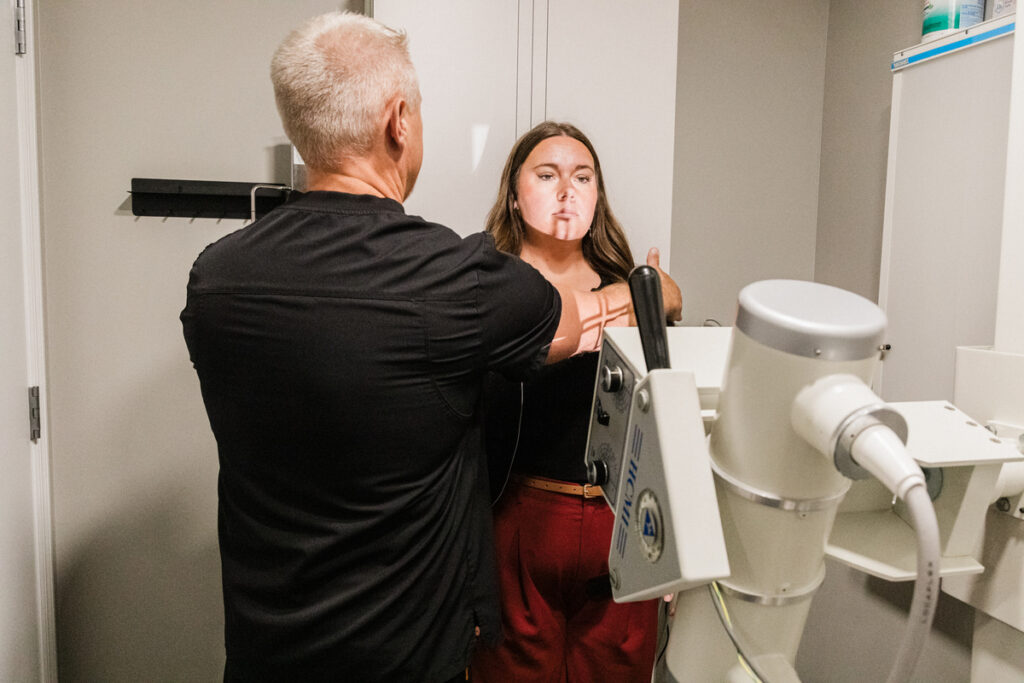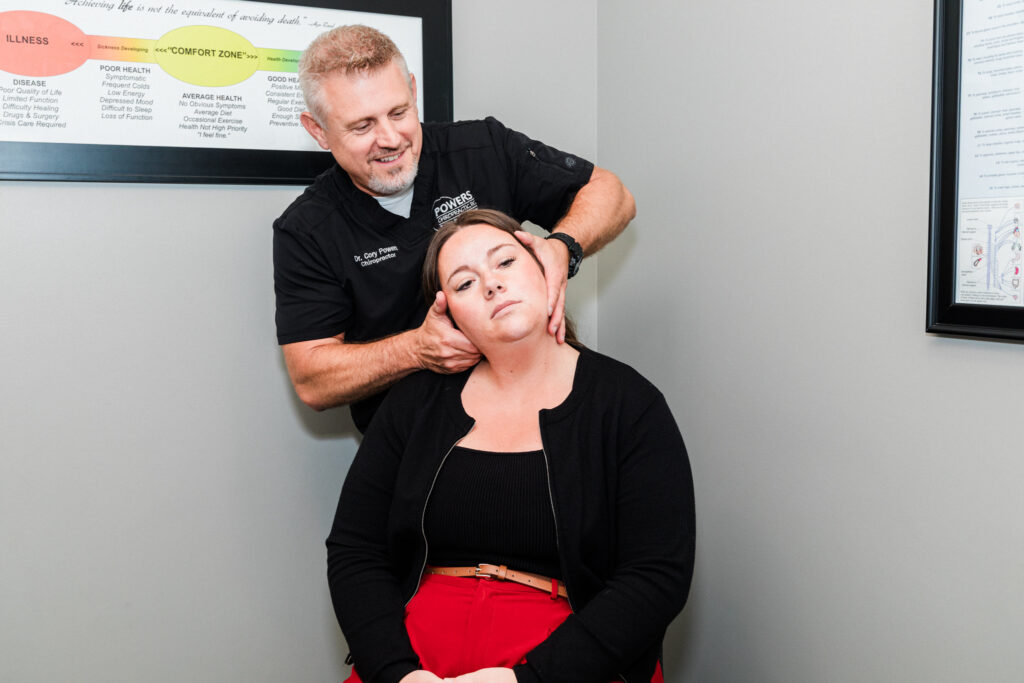

As your local chiropractor, I want to emphasize the importance of good posture and how it can significantly affect your health. Many of you may not realize that slouching can lead to discomfort, fatigue, and even chronic pain. Poor posture isn’t merely about how you look; it has real implications for your physical well-being.
By incorporating small changes into your daily routine, you can improve not just your posture but also your overall mood and energy levels. So, what should you be paying attention to? Understanding how your posture influences your body is the first step toward making positive changes.
Common pitfalls include hunching over your phone or computer, which can strain your neck and back. As your chiropractor, I’m here to help you identify these issues and guide you toward healthier habits. Let’s work together to enhance your posture and, ultimately, your quality of life.
Understanding the Impact of Poor Posture
As a local chiropractor, I want to take a moment to discuss an issue that many of my patients may not fully understand: the impact of poor posture on your overall health.
When you find yourself slouching or hunching over your devices, it’s easy to overlook the strain that this can place on your body. Poor posture can lead to muscle tension, especially in the neck, shoulders, and back. If these imbalances persist over time, they can result in chronic pain that makes everyday activities uncomfortable.
Moreover, poor posture can restrict your ability to take deep breaths, as slumped positions compress your lungs. This limitation can contribute to feelings of fatigue and decreased alertness throughout the day.
But the effects of poor posture extend beyond just physical discomfort; they can also influence your mood and self-esteem. When you’re hunched over, you may feel more anxious or insecure, which can negatively affect your interactions with others.
Additionally, maintaining awkward positions over time can lead to serious long-term issues such as herniated discs or arthritis.
Recognizing the consequences of poor posture is crucial. As a chiropractor, I encourage you to be mindful of your posture and take proactive steps to improve it.
The Benefits of Good Posture
As a local chiropractor, I want to emphasize the importance of good posture for not only your physical health but also your mental well-being. When you maintain proper posture—whether standing or sitting—you help align your spine, which reduces strain on your muscles and can prevent discomfort. This alignment is crucial as it can lead to less fatigue, allowing you to remain focused and productive throughout your day.
One of the most significant benefits of good posture is the boost it can provide to your self-esteem. When you hold yourself upright, you project confidence, which can positively affect how others perceive you. This newfound empowerment can enhance your social interactions, making you feel more comfortable in various situations.
Additionally, maintaining good posture plays a vital role in improving your breathing. An open chest allows your lungs to expand fully, increasing oxygen intake and promoting better circulation. This increase in oxygen can lead to higher energy levels and a more positive outlook on life.
Incorporating good posture into your daily routine is a straightforward yet impactful way to enhance your overall well-being. As a chiropractor, I encourage you to be mindful of your posture throughout the day.
It’s a small adjustment that can lead to significant improvements in how you feel both physically and emotionally. Let’s work together to ensure that your posture supports your health and vitality!
Common Posture Mistakes to Avoid
As a local chiropractor dedicated to helping you achieve optimal health, I want to shed light on some common posture mistakes that can hinder your well-being. Many people struggle with maintaining good posture throughout their daily activities, often without realizing it.
One prevalent issue I see is slouching while sitting. This habit can lead to significant back pain and discomfort over time. It’s crucial to sit up straight and support your spine properly to avoid these issues.
Another mistake is leaning forward when using your phone or computer. This position places unnecessary strain on your neck, which can lead to tension and pain. I encourage you to keep your devices at eye level to help maintain a neutral spine position.
Don’t underestimate the role your feet play in posture as well. Standing with your weight unevenly distributed can upset your balance and contribute to poor posture. Make a conscious effort to distribute your weight evenly across both feet.
If you find yourself crossing your legs while sitting, be aware that this can promote misalignment in your hips and spine. Instead, try to keep both feet flat on the ground to support proper alignment.
Hunching your shoulders is another common mistake. This posture not only restricts your lung capacity but can also lead to muscular tension. Try to keep your shoulders relaxed and back, allowing for better breathing and less stress on your upper body.
Lastly, be mindful of your head position. Holding your head too far forward, often referred to as “tech neck,” is increasingly common in our digital age. This posture can lead to chronic pain and discomfort.
Tips for Correcting Your Posture at Work
As a local chiropractor, I want to share some important tips for improving your posture at work. First and foremost, it’s essential to create an ergonomic workspace that supports your body’s natural alignment. This means adjusting your chair, desk, and computer screen to encourage proper posture.
Additionally, I can’t stress enough the importance of taking regular movement breaks. These breaks help to keep your muscles engaged and your mind focused, preventing the stiffness and discomfort that often arise from prolonged sitting.
Incorporating simple stretching exercises throughout your day can also be incredibly beneficial. Stretching helps relieve tension in your muscles and promotes better alignment, making it easier for your body to function optimally.
Ergonomic Workspace Setup
As a local chiropractor, I want to emphasize the importance of creating an ergonomic workspace for your overall health and well-being. Proper workspace setup can significantly enhance your comfort and productivity while minimizing the risk of posture-related issues that I often see in my practice.
First, let’s talk about your chair. It’s essential to adjust it so that your feet rest flat on the floor, with your knees bent at a 90-degree angle. This position helps maintain healthy circulation and supports your lower back.
Next, ensure that your desk is at elbow height; your arms should be relaxed and at your sides when you’re working. This alignment helps prevent strain on your shoulders and neck.
When it comes to your monitor, position it about an arm’s length away, with the top of the screen at or just below your eye level. This setup helps you avoid unnecessary neck strain, which is a common issue I see in patients who spend long hours at their desks.
Don’t forget about your keyboard and mouse! Choose options that support your wrists, keeping them straight and aligned as you type or click. This adjustment is crucial to prevent repetitive strain injuries.
Lastly, make sure that frequently used items are within arm’s reach. This simple step helps you avoid awkward stretching that can lead to discomfort and injury over time.
By implementing these ergonomic adjustments, you can significantly improve your posture and reduce the risk of musculoskeletal issues throughout your workday, leading to a healthier lifestyle overall.
If you have any questions or concerns about your workspace setup, don’t hesitate to reach out to me!
Regular Movement Breaks
As a local chiropractor, I want to emphasize the importance of taking regular movement breaks to support your posture and overall health, especially if you spend long hours at a desk. It’s vital to set a timer to remind yourself to stand up and move every 30 to 60 minutes.
Use these breaks to stretch your legs, take a short walk around the office, or even engage in light exercises. This not only helps alleviate muscle tension but also enhances blood circulation, which is crucial for maintaining a healthy spine.
When you get up, pay attention to your posture; try to stand tall and avoid hunching over your desk. Additionally, consider using your breaks to hydrate by drinking a glass of water or to socialize with a colleague, which keeps your mind active and engaged.
By incorporating movement into your work routine, you can boost your energy levels and reinforce good posture habits. This simple practice can lead to a healthier, more productive day and can significantly reduce the risk of discomfort and pain associated with prolonged sitting.
Stretching Exercises Tips
As a local chiropractor, I want to share some valuable insights on how you can improve your posture at work through simple yet effective stretching exercises. Incorporating regular movement breaks is just the beginning of enhancing your spinal health.
Start by standing up and reaching your arms overhead, stretching your entire body. Hold this position for about 15 seconds while taking deep breaths. This stretch helps to open up your spine and promote better circulation.
Next, let’s focus on a chest opener. Clasp your hands behind your back and gently lift them. This exercise counteracts the hunching that often occurs when we sit at desks for long periods. By expanding your chest, you’re also encouraging better lung capacity and breathing.
For neck relief, tilt your head to one side and hold for 10 seconds before switching to the other side. This simple movement can alleviate tension and improve mobility in your neck area, which is crucial for maintaining overall spinal alignment.
Lastly, consider performing seated twists. While sitting, gently turn your torso to each side. This helps to keep your spine flexible and encourages proper alignment, making it easier for you to maintain good posture throughout the day.
Exercises to Strengthen Postural Muscles
As a local chiropractor, I want to share the importance of strengthening your postural muscles for better overall health.
Focusing on exercises that enhance your core and upper back is crucial, as these areas provide essential support for your spine. When your spine is well-aligned, it can significantly improve your posture, making a positive impact on how you stand and move throughout the day.
Incorporating specific workouts into your daily routine can help you maintain this alignment and alleviate discomfort.
Let’s explore how strengthening these muscles can lead to a healthier, more balanced lifestyle.
Core Strengthening Exercises
As a local chiropractor, I want to emphasize the importance of strengthening your core for not just aesthetic reasons but for your overall health and well-being.
A strong core does more than just improve your abs; it plays a crucial role in enhancing your posture and stability, which are vital for maintaining a healthy spine.
When your core is strong, it supports your spine and helps you maintain proper alignment during everyday activities, reducing the risk of injury.
I recommend starting with foundational exercises like planks, where you hold your body in a straight line from head to heels. This will engage multiple muscle groups.
Incorporating side planks can specifically target your obliques, which are crucial for rotational strength and stability.
Bridges are another excellent exercise to consider, as they help strengthen your lower back and glutes—muscles that significantly contribute to good posture.
Additionally, exercises like dead bugs and bird dogs are great for engaging your entire core while also promoting coordination and balance.
For optimal results, aim to perform these core-strengthening exercises a few times a week.
With dedication and consistency, you’ll likely notice improvements in your posture, which can reduce strain on your back and enhance your overall well-being.
Upper Back Strengthening Techniques
As a local chiropractor, I want to emphasize the significance of upper back exercises in your overall health and wellness journey. Strengthening your upper back is crucial for improving posture and providing essential support to your spine.
Here are some effective techniques that I recommend you incorporate into your routine:
- Bent-over Rows: Using dumbbells, this exercise helps engage the muscles in your upper back, which can alleviate tension and improve alignment.
- Face Pulls: By utilizing a resistance band, you can specifically target the rear deltoids and upper traps, promoting balance in your shoulder muscles.
- Reverse Flys: This exercise involves bending at the hips and lifting dumbbells outward, which can strengthen your upper back and enhance your overall posture.
- Wall Angels: Standing against a wall, this movement involves sliding your arms up and down while keeping your elbows and wrists in contact. It’s a fantastic way to improve mobility and strength in your upper back.
- Scapular Push-ups: In a plank position, focus on the movement of your shoulder blades. This exercise encourages proper scapular movement, which is vital for shoulder health.
Incorporating these exercises into your routine can significantly enhance your posture and contribute to your overall well-being.
Ergonomic Solutions for Everyday Activities
As a local chiropractor, I want to emphasize the importance of incorporating ergonomic solutions into your daily activities for improved comfort and health.
Let’s start with your workspace. It’s crucial to evaluate how you sit while working. Adjust your chair so that your feet rest flat on the ground and your knees are aligned with your hips. Position your computer screen at eye level to avoid unnecessary strain on your neck.
When it comes to lifting objects, remember to bend at your knees rather than your waist, and keep the item close to your body. This technique significantly reduces the risk of back strain. Additionally, using a backpack or bag with padded straps helps distribute weight evenly, which can prevent shoulder pain and discomfort.
In the kitchen, I recommend keeping frequently used items within easy reach to limit the need for stretching and twisting. Opt for kitchen tools that feature ergonomic handles; this can alleviate grip strain while you cook.
If you find yourself sitting for long periods, consider the benefits of a standing desk or make it a habit to take breaks to stretch.
These small adjustments can lead to significant improvements in your posture and overall well-being. By being mindful of these ergonomic practices, you can make your daily activities more enjoyable and less taxing on your body, ultimately supporting your journey towards better health and wellness.
Mindfulness and Posture Awareness Practices
As your local chiropractor, I want to emphasize the importance of incorporating ergonomic solutions into your daily life to support better posture.
However, simply adjusting your workspace isn’t enough; maintaining awareness of your body’s alignment is crucial for lasting improvements. Practicing mindfulness can significantly enhance your posture awareness and help you make conscious adjustments throughout the day.
Here are some effective strategies I recommend for integrating mindfulness into your posture practices:
- Set reminders: Consider using alarms or apps to prompt you to pause and check your posture regularly.
- Breathe deeply: Take a moment to focus on your breath. This helps center your mind and release any built-up tension in your body.
- Body scans: Make it a habit to assess your body from head to toe. Notice any areas of discomfort that might need attention.
- Posture checks: Throughout the day, take short breaks to consciously realign your spine and shoulders. This simple practice can make a big difference.
- Mindful moments: Incorporate brief pauses during your daily tasks to refocus your mind and adjust your body accordingly.
Conclusion
As a local chiropractor, I want to emphasize the importance of posture correction for your overall health and well-being. Many people are unaware of how poor posture can affect their bodies, leading to discomfort and even chronic pain. By making simple adjustments to your daily habits, you can significantly alleviate these issues and enhance your confidence.
It’s crucial to remain conscious of your posture throughout the day. I recommend incorporating ergonomic solutions into your workspace and daily activities to support your spine’s natural alignment. Additionally, engaging in exercises specifically designed to strengthen your postural muscles can make a world of difference.
By adopting these small yet impactful changes, not only will you experience physical relief, but you may also find a boost in your overall outlook on life. Remember, chiropractic care is here to guide you on this journey toward a healthier, more balanced lifestyle. Let’s work together to improve your posture and, consequently, your quality of life!