
If you’re dealing with back pain, you’re certainly not alone. Many individuals experience discomfort that can disrupt daily activities. Thankfully, there are effective steps you can take to achieve lasting relief, and chiropractic care is one of the best choices you can make for your health and well-being.
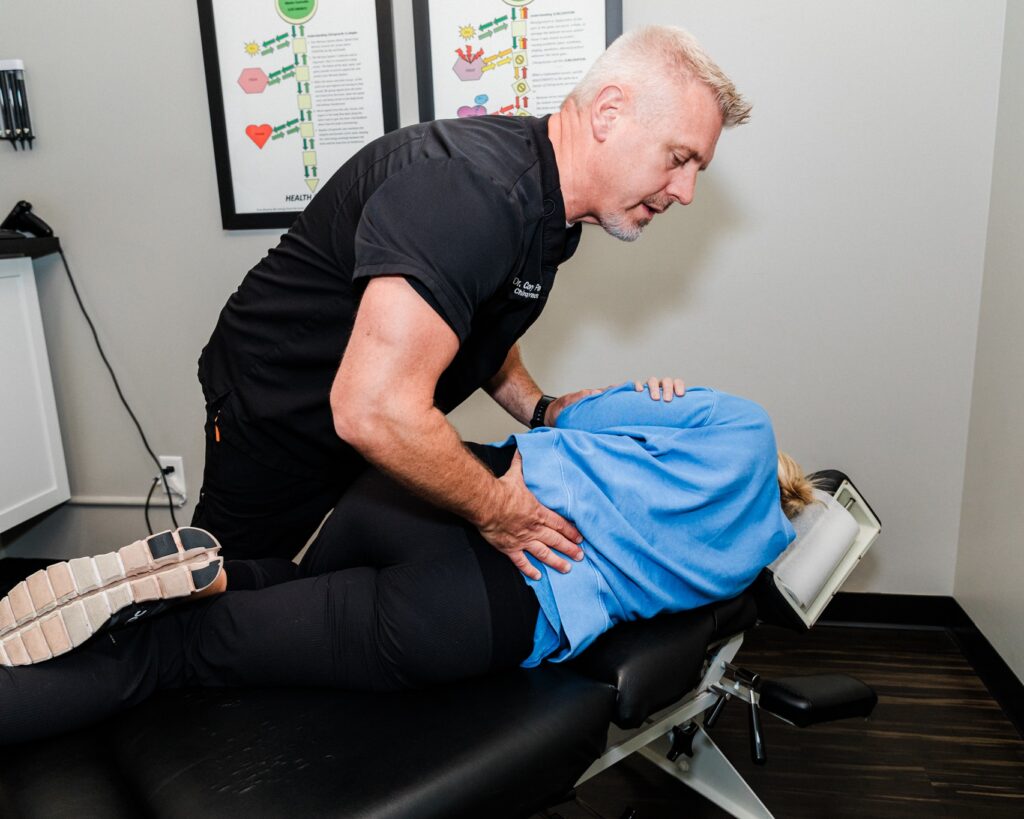
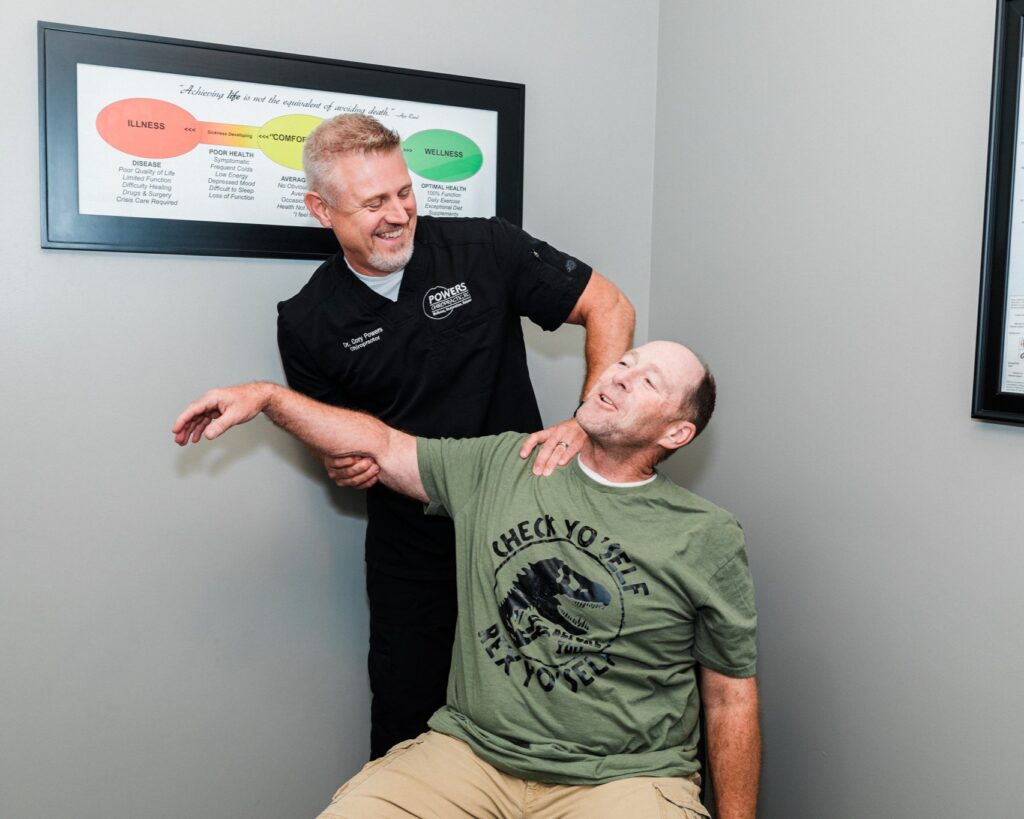
Chiropractic care focuses on spinal health and overall wellness, addressing the root causes of back pain rather than just masking the symptoms. By improving your posture and promoting proper spinal alignment, chiropractic adjustments can significantly reduce discomfort and enhance your quality of life.
Incorporating regular exercise and a balanced diet can also contribute to your back health. Simple activities like stretching, walking, or engaging in low-impact exercises can strengthen your muscles and support your spine. Additionally, nourishing your body with wholesome foods can help reduce inflammation and promote healing.
Here are some general tips to keep in mind:
- Maintain Good Posture: Whether sitting at a desk or standing, be mindful of your posture. Keep your shoulders back and your spine aligned.
- Stay Active: Regular movement is key. Aim for at least 30 minutes of moderate activity most days of the week.
- Listen to Your Body: If something feels off, don’t push through the pain. Consult with your chiropractor to address any concerns.
- Stay Hydrated: Drinking enough water helps keep your discs hydrated and supports overall spinal health.
By taking a holistic approach that prioritizes chiropractic care, you can not only find relief from back pain but also enhance your overall health. Let’s work together to transform your back health and improve your well-being naturally.
Key Takeaways
- Prioritize good posture by investing in ergonomic furniture and being mindful of your sitting and standing positions. This simple act can significantly reduce strain on your spine and help maintain optimal spinal alignment.
- Regular low-impact exercises combined with strength training are essential for supporting your musculoskeletal health. These activities not only improve core strength but also enhance your overall well-being, making chiropractic care more effective in relieving pain.
- Implement a daily stretching routine to promote flexibility and relieve tension in your back. Simple stretches like Cat-Cow and Child’s Pose can be incredibly beneficial and are easy to incorporate into your day. Stretching works hand-in-hand with chiropractic adjustments to keep your spine healthy and pain-free.
- Consider seeking professional treatments such as chiropractic care and physical therapy. These approaches address the root of your pain and promote natural healing, ensuring you can live your life free from back discomfort.
- Focus on a balanced diet that includes foods rich in calcium, omega-3 fatty acids, and magnesium. These nutrients support bone and muscle health. Staying hydrated is also crucial for maintaining the elasticity of your spinal discs, which can help prevent pain.
By adopting these strategies and prioritizing chiropractic care, you can take significant steps toward achieving lasting back pain relief and enhancing your overall well-being. Remember, your spine is the foundation of your health, so treat it well!
Understanding the Causes of Back Pain
Back pain can arise from various sources, making it crucial to understand its causes and how to address them naturally. One common cause is muscle strains, which often happen when lifting heavy objects or making sudden movements. These strains can lead to discomfort that may linger and affect your daily activities.
Another frequent culprit is a herniated disc, where the soft inner material of the disc bulges out and can press on nearby nerves, resulting in pain. Poor ergonomics—like an uncomfortable desk setup—can also strain your back over time, so it’s essential to ensure your workspace supports good posture.
Underlying conditions such as arthritis or osteoporosis may contribute to chronic pain as well. It’s important to recognize that even emotional stress can show up physically, creating tension in your back muscles.
The good news is that chiropractic care can help address these issues effectively. By focusing on spinal health and alignment, chiropractors can help relieve pain and improve overall wellness. Regular adjustments can’t only alleviate discomfort but also enhance your body’s natural healing abilities, promoting a healthier lifestyle.
Here are some simple tips you can incorporate into your routine to support your back health:
- Maintain Good Posture: Sit and stand with your shoulders back and your spine straight. This reduces unnecessary strain on your back.
- Lift Properly: Bend your knees and keep the object close to your body when lifting. This technique reduces the risk of muscle strains.
- Stay Active: Regular gentle exercise, like walking or stretching, can strengthen your back muscles and improve flexibility.
- Create an Ergonomic Workspace: Adjust your chair, desk, and computer screen to ensure a comfortable working position, which can help prevent strain.
- Manage Stress: Incorporate relaxation techniques such as deep breathing, yoga, or meditation to help reduce tension in your back muscles.
By understanding the root causes of back pain and taking proactive steps—especially through chiropractic care—you can work towards achieving long-lasting relief and optimal health.
Importance of Good Posture
While many people underestimate the impact of posture, maintaining proper alignment is crucial for your overall back health and wellness. When you sit, stand, or move with good posture, you help distribute your body weight evenly, which reduces strain on your spine and muscles.
It’s easy to overlook, but slouching or leaning can lead to discomfort and long-term issues that might require attention. By keeping your shoulders back, your spine straight, and your head aligned with your neck, you can’t only feel better but also improve your breathing and circulation.
Good posture allows your muscles to work efficiently, which minimizes fatigue and discomfort during your daily activities. As a chiropractor, I encourage you to take small steps to enhance your posture throughout the day. Here are a few tips:
- Be Mindful of Your Sitting Position: If you spend a lot of time sitting, ensure your chair supports your lower back. Your feet should be flat on the ground, and your knees should be at a right angle.
- Stand Tall: When standing, distribute your weight evenly on both feet, and avoid locking your knees. Imagine a string pulling you up from the crown of your head to help maintain alignment.
- Take Frequent Breaks: If you’re working at a desk, make it a habit to stand up, stretch, and move around every hour. This helps to alleviate tension in your muscles and keeps your spine healthy.
- Incorporate Chiropractic Care: Regular chiropractic adjustments can help realign your spine, improve your posture, and promote overall wellness. It’s a natural way to enhance your body’s ability to heal itself.
Incorporating Regular Exercise
Good posture is essential for building a strong foundation for regular exercise and maintaining spinal health. When you engage in physical activity consistently, you not only strengthen your back muscles but also enhance your flexibility, which can help alleviate discomfort over time.
I recommend starting with low-impact exercises such as walking, swimming, or cycling—these are gentle on your spine and joints. Aim for at least 150 minutes of moderate aerobic activity each week, and include strength training twice a week to support your overall musculoskeletal health.
It’s important to listen to your body; if something doesn’t feel right, it’s crucial not to push through the pain. Instead, consider incorporating core-strengthening exercises into your routine, as a strong core provides vital support for your spine and can help reduce strain.
Additionally, think about joining a fitness class or working with a certified trainer who can guide you on proper techniques. This ensures that you’re moving safely and effectively, minimizing the risk of injury.
Remember, consistency is key to reaping the benefits of exercise. Finding activities you enjoy will help keep you motivated and engaged.
By making exercise a regular part of your life, you’re not just taking steps to alleviate back pain; you’re also enhancing your overall health and well-being.
And don’t forget to consider chiropractic care as a natural and effective way to support your journey toward optimal health. Regular adjustments can help ensure your spine is aligned, promoting better functioning and recovery as you incorporate these healthy habits into your lifestyle.
Stretching Techniques for Back Relief
When you’re experiencing back pain, effective stretching exercises can be a game-changer. As a chiropractor, I often see how incorporating daily stretching routines not only helps relieve tension but also enhances flexibility and strength, leading to better overall spinal health.
Let’s explore some simple techniques to provide you with the relief you need while emphasizing the importance of chiropractic care in your journey to optimal wellness.
- Gentle Neck Stretches: Start by tilting your head gently to one side, bringing your ear toward your shoulder. Hold for 15-30 seconds and switch sides. This helps relieve tension in the upper back and neck, areas often affected by poor posture.
- Seated Forward Bend: While sitting in a chair, reach towards your toes, allowing your back to round gently. Hold for 15-30 seconds. This stretch can help alleviate lower back tightness and promote relaxation.
- Cat-Cow Stretch: Get on all fours and alternate between arching your back (cat) and dropping your belly while lifting your head (cow). This dynamic movement helps increase mobility in the spine and can relieve discomfort.
- Child’s Pose: Kneel on the floor, sit back on your heels, and reach your arms forward on the ground. This restorative pose stretches the lower back and promotes relaxation, making it a great addition to your routine.
- Knee-to-Chest Stretch: Lying on your back, bring one knee towards your chest, holding it for 15-30 seconds, then switch legs. This stretch eases lower back tension and encourages proper spinal alignment.
Incorporating these stretches into your daily routine can significantly enhance your back health.
Remember, however, that these techniques work best when combined with regular chiropractic care. A chiropractor can help identify the root causes of your pain and provide personalized adjustments and advice tailored to your needs.
Additionally, consider these general tips for healthier living: maintain good posture, stay hydrated, and remember to take frequent breaks if you sit for long periods.
Effective Stretching Exercises
Effective stretching exercises can be a pivotal part of your wellness journey, especially when it comes to alleviating back pain. As a chiropractor, I often emphasize the importance of natural healing methods, and stretching is a wonderful way to enhance your flexibility and relieve tension in your back muscles. Here are some simple yet effective stretches that you can easily incorporate into your daily routine:
| Stretch Name | Description |
|---|---|
| Cat-Cow Stretch | Begin on all fours and alternate between arching your back (like a cat) and rounding it (like a cow). This motion helps loosen up your spine. |
| Child’s Pose | Sit back on your heels and stretch your arms out in front of you. This calming position gently stretches your back and promotes relaxation. |
| Knee-to-Chest Stretch | While lying on your back, gently pull one knee at a time toward your chest. This stretch helps relieve tension in the lower back. |
| Seated Forward Bend | While seated, reach for your toes. This stretch targets your hamstrings and lower back, promoting greater flexibility. |
| Piriformis Stretch | Cross one ankle over the opposite knee and gently pull the uncrossed leg toward your chest. This stretch is particularly beneficial for relieving tightness in the glutes and lower back. |
Integrating these stretches into your routine can lead to significant improvements in your back pain over time. Just keep in mind that consistency is essential!
In addition to these stretches, remember that maintaining good posture throughout your day and staying active can also support your spinal health. If you find that your back pain persists, consider visiting your local chiropractor. Chiropractic care can help address the root cause of your discomfort, promoting natural healing and optimal wellness without the need for medications or invasive procedures. Embrace these healthy habits, and you’ll be on your way to a happier, healthier back!
Daily Stretching Routines
Incorporating daily stretching routines into your life can significantly enhance your back health and provide lasting relief from discomfort. As a local chiropractor, I encourage you to start each morning with gentle stretches like the cat-cow pose or child’s pose. These movements are excellent for loosening tight muscles and preparing your body for the day ahead.
Throughout your busy day, remember to take short breaks to perform standing stretches, especially focusing on your hamstrings and hip flexors. These areas play a crucial role in your back health, and keeping them flexible can help alleviate strain on your spine.
As the day winds down, consider incorporating gentle spinal twists before bed. This practice can help release tension that builds up from daily activities and promote a more restful night’s sleep.
Consistency is key to reaping the benefits of stretching, so aim for at least 10-15 minutes of dedicated time each day. Pay attention to your body’s signals; if a stretch feels uncomfortable, it’s important to adjust your technique or skip it altogether. Remember, your body knows best!
Utilizing Heat and Cold Therapy
Finding relief from back pain can be a journey, and incorporating heat and cold therapy into your daily routine can be a powerful ally in your healing process. These simple yet effective techniques serve different purposes and can complement your chiropractic care beautifully.
- Heat therapy is fantastic for relaxing tight muscles and improving circulation in the affected areas. It warms up your tissues, making them more pliable and ready to heal.
- Cold therapy, on the other hand, is your go-to for reducing inflammation and numbing sharp pain. This can be especially useful right after an injury or flare-up.
- Alternating between heat and cold can enhance your pain relief efforts, addressing various types of discomfort effectively. This combination can help soothe your back, bringing you faster relief.
- Using heat pads or ice packs is a practical way to incorporate these therapies into your busy lifestyle. They’re easy to use at home or while on the go, making self-care more accessible.
For best results, start with heat application for about 15-20 minutes, then switch to cold therapy for the same duration. Always remember to use a barrier, like a towel, between the heat or ice and your skin to protect yourself from burns or frostbite.
By understanding and using these therapies alongside your chiropractic care, you can significantly enhance your back pain relief efforts and promote overall wellness.
Embrace these natural healing methods as part of your journey to optimal health, and remember, your chiropractor is here to guide you toward a pain-free life!
Exploring Professional Treatments
When back pain lingers despite your best efforts at self-care, considering professional treatments can truly transform your healing journey. Among these options, chiropractic care stands out as a natural and effective choice for addressing both pain relief and overall wellness.
Chiropractic care focuses on realigning the spine, which can alleviate discomfort while also enhancing your body’s ability to heal itself. By targeting the root causes of your pain, chiropractic adjustments can help restore your mobility and improve your quality of life.
Here’s a quick comparison of chiropractic care with other treatment options:
| Treatment | Benefits | Considerations |
|---|---|---|
| Chiropractic Care | Realigns spine, alleviates pain, promotes overall health | Often requires regular visits for best results |
| Physical Therapy | Strengthens muscles, improves flexibility | Requires commitment to exercises |
| Acupuncture | Reduces pain, promotes relaxation | Needs a trained practitioner |
| Medication | Provides quick relief, reduces inflammation | Potential side effects |
While other treatments might offer temporary relief, chiropractic care is unique in its holistic approach. It not only addresses immediate pain but also fosters long-term wellness. By attending to your spine and nervous system, chiropractic care can enhance your body’s natural healing processes.
Here are some general tips to support your spine health:
- Maintain Good Posture: Be mindful of your posture when sitting, standing, or lifting. Proper alignment can prevent undue stress on your spine.
- Stay Active: Engage in regular physical activity to keep your muscles strong and flexible.
- Listen to Your Body: Pay attention to pain signals. If something doesn’t feel right, it’s essential to consult with a chiropractor.
- Stay Hydrated: Water plays a crucial role in keeping your spinal discs healthy and functioning properly.
Consulting with a chiropractor can be a pivotal step in your recovery. They can tailor a treatment plan specific to your needs, helping you achieve optimal health and well-being. Embrace the power of chiropractic care and take charge of your healing journey!
The Role of Nutrition in Back Health
Chiropractic care is a key player in enhancing your back health, but it’s essential to remember that nutrition also has a significant impact on keeping your spine strong and resilient. The foods you choose can either support your back or lead to discomfort.
To help you achieve optimal back health alongside your chiropractic treatments, here are some important nutrients to incorporate into your daily meals:
- Calcium: This vital nutrient is crucial for building and maintaining strong bones. You can find calcium in dairy products, leafy greens like kale and spinach, as well as in fortified foods like certain cereals and plant-based milk.
- Omega-3 Fatty Acids: These healthy fats are known for their ability to reduce inflammation, which can ease back pain. Include sources like fatty fish (such as salmon), walnuts, and flaxseeds in your diet to reap these benefits.
- Magnesium: Essential for proper muscle function, magnesium can help prevent muscle cramps and tension that may affect your back. You can find magnesium in nuts, seeds, whole grains, and dark chocolate.
- Vitamin D: This vitamin is crucial for calcium absorption. Ensure you get enough sunlight exposure, and consider incorporating fatty fish and fortified products into your meals to keep your bones healthy.
In addition to these nutrients, here are some practical tips to support your back health:
- Stay hydrated: Drinking plenty of water helps maintain the elasticity of your spinal discs.
- Maintain a healthy weight: Excess weight can put additional strain on your back, so focus on a balanced diet and regular exercise.
- Practice good posture: Be mindful of how you sit and stand throughout the day to reduce strain on your spine.
- Regular chiropractic adjustments: Consistent visits to your chiropractor can help align your spine, alleviate pain, and support your overall wellness journey.
By combining proper nutrition with regular chiropractic care, you can take significant steps toward achieving and maintaining a healthy, pain-free back.
Developing a Personalized Pain Management Plan
Creating a personalized pain management plan is essential for anyone seeking relief from back pain, and chiropractic care stands out as a powerful approach to achieving optimal health. To start your journey, consult with a chiropractor who can help identify the root causes of your pain.
By working together, you can explore a variety of natural treatment options, focusing on spinal health and overall wellness. Incorporating regular, gentle exercise is vital. Your chiropractor can recommend specific stretching and strengthening exercises that target your back and core muscles while considering your individual abilities.
Don’t overlook the importance of daily habits; maintaining good posture and using ergonomic furniture can significantly support your spine and reduce discomfort. Keeping a pain diary can also be beneficial. By tracking your pain triggers and what alleviates them, you can gain valuable insights into your condition and work with your chiropractor to refine your personalized plan over time.
In addition to physical care, consider integrating stress management techniques such as meditation or yoga into your routine. Your mental well-being plays a crucial role in managing pain, and these practices can enhance relaxation and mindfulness.
Conclusion
Incorporating these reliable steps into your daily routine can lead to lasting relief from back pain while promoting overall wellness. Understanding the root causes of your discomfort is essential, and that’s where chiropractic care shines. By focusing on spinal health, you can restore balance to your body and alleviate pain effectively.
Maintaining good posture is crucial. Whether you’re sitting at a desk or lifting heavy objects, proper alignment can prevent strain on your back. As a chiropractor, I emphasize the importance of a healthy spine and how it supports your entire body. Regular chiropractic adjustments can help keep your spine aligned, reducing pain and improving your posture.
Exercise is another key component of back health. Engaging in low-impact activities like walking, swimming, or yoga can strengthen your back muscles and enhance flexibility. Stretching techniques are also beneficial – simple stretches can relieve tension and promote mobility.
Don’t overlook the role of nutrition in your recovery. A balanced diet rich in anti-inflammatory foods can support your body’s healing processes. Staying hydrated and consuming foods high in vitamins and minerals can also contribute to better spinal health.
When pain persists, consider seeking professional guidance. Chiropractic care is a safe and effective way to manage pain without the need for surgeries or medications. Together, we can develop a personalized pain management plan tailored to your unique needs.
By following these tips and embracing chiropractic care, you can enhance your overall well-being and reclaim your life from the limitations of back pain. Start your journey to relief today and experience the benefits of a healthier spine!