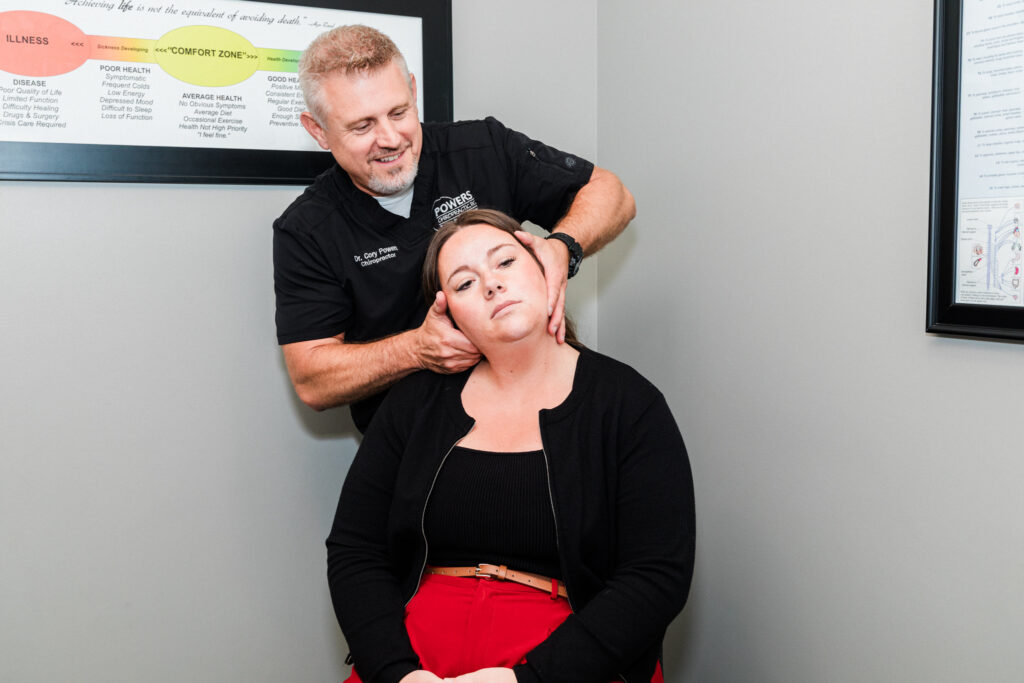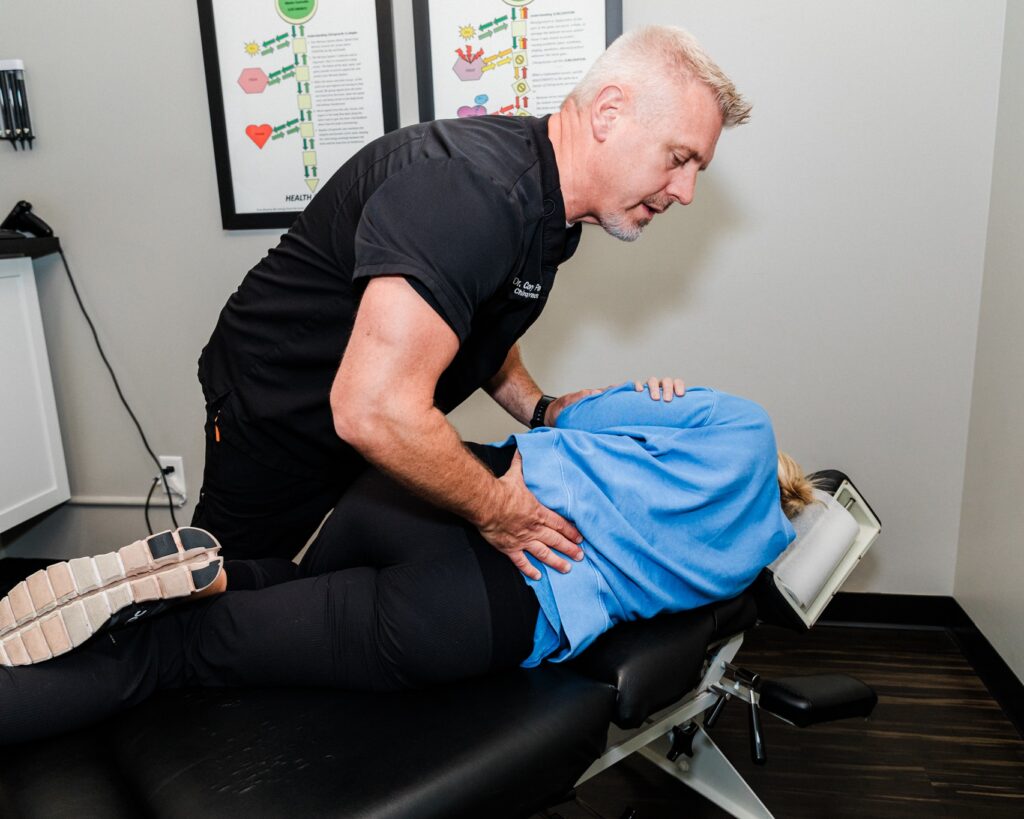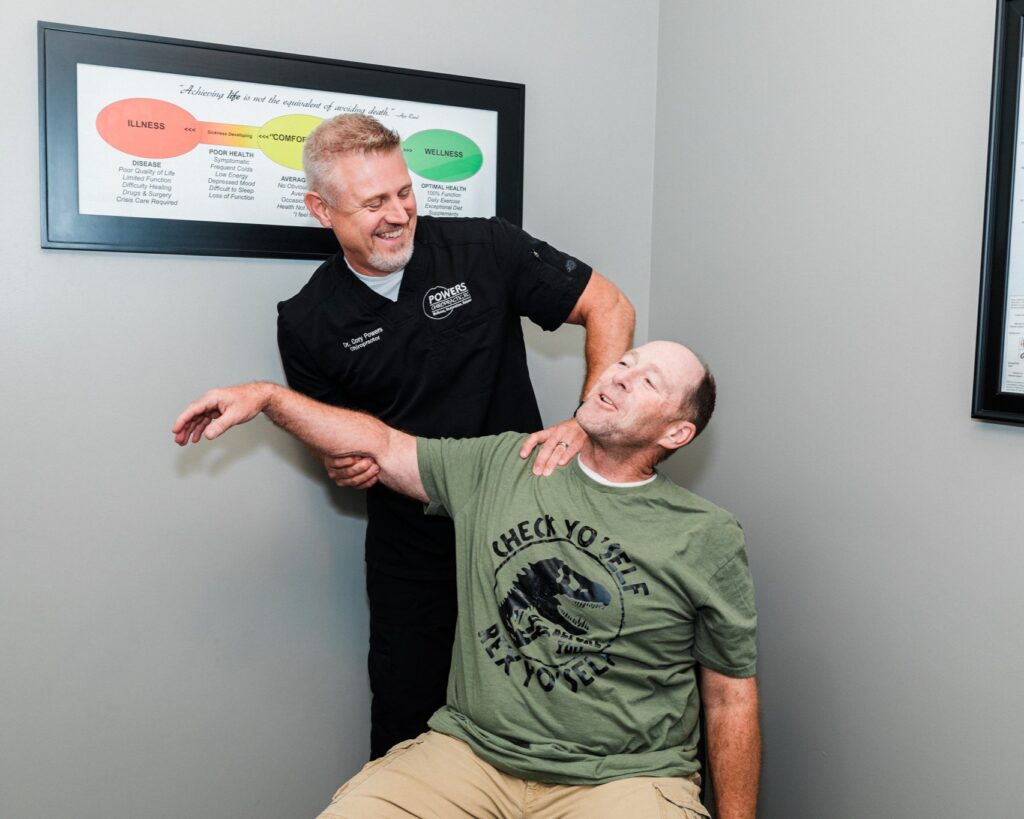

If you’re dealing with posture-related back pain, know that you’re not alone. Many individuals experience discomfort stemming from poor posture habits, but the good news is that achieving relief—up to 85%—is entirely possible through chiropractic care. By focusing on spinal health, ergonomic adjustments, and gentle exercises, you can significantly improve your well-being.
Chiropractic care is a natural and effective way to address the root causes of your pain. Our approach prioritizes spinal alignment and overall health, enabling your body to heal itself without the need for invasive procedures or medications. Here are some practical tips to help you enhance your daily routine and alleviate that persistent discomfort:
- Mind Your Posture: Be conscious of how you sit, stand, and move throughout the day. Keeping your spine aligned and shoulders back can make a huge difference.
- Ergonomic Workspace: Set up your workspace to support good posture. Ensure your chair supports your lower back and that your computer screen is at eye level.
- Regular Breaks: Take short breaks every hour to stretch and move around. This can help prevent stiffness and improve circulation.
- Strengthening Exercises: Incorporate gentle exercises that strengthen your core and back muscles. This support can help maintain proper alignment.
- Mindfulness and Relaxation: Stress can contribute to tension in your muscles. Practicing mindfulness techniques, such as deep breathing or meditation, can help reduce stress and promote relaxation.
If you’re ready to take the next step toward a pain-free life, consider visiting your local chiropractor. Together, we can create a personalized plan to address your specific needs and help you achieve optimal health naturally. Let’s work towards a healthier, pain-free future!
Key Takeaways
- Create an ergonomic workspace by adjusting your chair height and monitor level to support proper posture. This simple change can significantly reduce strain on your back and promote a healthier spine.
- Incorporate core-strengthening exercises into your routine, such as planks and bridges. These exercises help support spinal alignment and can greatly alleviate back pain, making it easier for you to engage in daily activities.
- Make stretching a regular part of your day. Techniques like neck stretches and spinal twists can help relieve tension and improve flexibility, keeping your back healthy and pain-free.
- Practice mindfulness to enhance your body awareness. Take a moment throughout the day to check in with your posture. Staying mindful can prevent discomfort and help you maintain a healthier alignment.
- As a chiropractor, I encourage you to consult with a professional for spinal adjustments. Chiropractic care is a natural and effective way to manage and relieve posture-related back pain, and we can provide personalized advice tailored to your unique needs. Remember, taking care of your spine is essential for overall wellness, and chiropractic care is your best choice for achieving optimal health.
Understanding Posture and Its Impact on Back Pain
Your posture is more important than you might think when it comes to maintaining a healthy back. Good posture helps align your spine, which reduces strain on your muscles and ligaments. When you sit or stand correctly, your body distributes weight evenly, minimizing pressure on your back. This balance allows your muscles to work efficiently, preventing fatigue and discomfort throughout your day.
On the other hand, poor posture can lead to a host of issues, including chronic pain and tension. Slouching or leaning forward can compress your spinal discs, leading to pain and even long-term damage. It’s essential to be mindful of how you carry yourself daily, as it has a direct impact on your overall well-being.
As a chiropractor, I want to emphasize the importance of maintaining good posture and how chiropractic care can help you achieve that. Regular chiropractic adjustments can improve your spinal alignment, enhance your posture, and ultimately relieve pain.
Here are some simple tips to improve your posture:
- Be Mindful: Pay attention to how you sit and stand. Keep your shoulders back and your spine straight.
- Ergonomic Setup: If you work at a desk, ensure your chair and computer setup promote good posture. Your feet should be flat on the floor, and your screen should be at eye level.
- Take Breaks: If you sit for long periods, take regular breaks to stretch and move around. This can help prevent stiffness and improve circulation.
- Strengthen Your Core: Engage in exercises that strengthen your core muscles, as a strong core supports your spine and improves overall posture.
- Visit Your Chiropractor: Regular chiropractic care can help you maintain proper alignment and address any discomfort before it becomes a more significant issue.
By focusing on these simple strategies, you can improve your posture, alleviate back pain, and enhance your overall health and wellness.
Common Posture Mistakes and Their Consequences
You mightn’t realize it, but slouching can have a significant impact on your back health. When you spend hours in front of a screen without maintaining proper posture, it can lead to discomfort and pain over time.
As a chiropractor, I want to help you understand these common mistakes and how they can affect your well-being.
Slouching puts unnecessary strain on your spine, which can lead to misalignments and chronic pain. Over time, this poor posture can contribute to issues such as herniated discs or sciatica.
But the good news is that you can take steps to improve your posture and support your spinal health.
Here are some tips to help you maintain a healthier posture:
- Ergonomic Setup: Adjust your workspace so that your computer screen is at eye level and your chair supports your lower back. This can help reduce strain on your spine.
- Take Breaks: Remember to take regular breaks from sitting. Stand up, stretch, and walk around to relieve tension in your back and neck.
- Mind Your Posture: Be conscious of your posture throughout the day. Keep your shoulders back, feet flat on the floor, and avoid hunching over your screen.
- Strengthening Exercises: Incorporate exercises that strengthen your core and back muscles. A strong core can help support your spine and maintain good posture.
- Chiropractic Care: Regular chiropractic adjustments can help keep your spine aligned and reduce any discomfort you may be experiencing. Chiropractic care is a natural and effective way to promote overall health and wellness.
By being mindful of your posture and incorporating these tips into your daily routine, you can help prevent pain and support your spinal health.
Slouching and Its Effects
Slouching is a common posture mistake that can negatively impact your back health. When you hunch over, it compresses your spine and puts strain on the surrounding muscles, which can lead to discomfort and pain. Over time, this poor posture can weaken your core and back muscles, making it even more challenging to maintain an upright position.
You may also find yourself dealing with tension headaches and reduced lung capacity, as slouching restricts your diaphragm’s movement.
Moreover, slouching can take a toll on your confidence and overall mood, leaving you feeling more fatigued than usual. To combat these issues, I recommend focusing on maintaining an upright posture. Here are some simple tips to help you improve your posture and support your spinal health:
- Engage Your Core: Strengthening your core muscles can provide better support for your spine. Incorporate exercises like planks and bridges into your routine.
- Shoulder Alignment: Ensure your shoulders are aligned over your hips. Try to keep them relaxed and pulled back gently.
- Head Position: Keep your head over your spine; imagine a string gently pulling the crown of your head upwards. This can help reduce strain on your neck.
- Take Breaks: If you sit for long periods, take regular breaks to stand, stretch, and walk around. This can help relieve tension and improve circulation.
- Chiropractic Care: Regular visits to a chiropractor can help correct misalignments in your spine, alleviate pain, and improve your overall posture. Chiropractic care is a natural and effective way to promote wellness and maintain optimal spinal health.
By making these small adjustments in your daily routine, you can experience significant improvements in your well-being.
Screen Time Posture Issues
As screen time becomes a central part of our daily routines, many individuals unknowingly develop poor posture habits that can lead to back pain and discomfort. You may catch yourself hunching over your device, with your head protruding forward and shoulders slumped. This common posture can put significant strain on your spine and contribute to chronic pain issues.
It’s essential to be aware of the common mistakes that can worsen these habits. For instance, sitting on soft couches instead of supportive chairs or using devices without making the necessary ergonomic adjustments can exacerbate discomfort. Additionally, neglecting to take breaks for stretching and realigning your body can lead to further complications.
To combat these posture-related issues, here are some simple yet effective tips to incorporate into your daily routine:
- Maintain a Neutral Spine: When sitting, aim to keep your back straight and shoulders relaxed. Your ears should be aligned with your shoulders, and your hips should be positioned back in your chair.
- Adjust Your Screen: Ensure your screen is at eye level. This helps prevent you from leaning forward or looking down, which can strain your neck and back.
- Take Regular Breaks: Set a timer to remind yourself to take breaks every 30 minutes. Use this time to stand up, stretch, and give your spine a chance to decompress.
- Choose Supportive Seating: Opt for chairs that provide proper lumbar support rather than soft couches. Your body will thank you as it maintains a healthy posture.
- Incorporate Stretching: Simple stretches throughout your day can help alleviate tension. Focus on your neck, shoulders, and back to promote flexibility and comfort.
By making these small adjustments, you can significantly improve your posture and reduce back pain.
Remember, chiropractic care is an excellent option for addressing these issues and promoting overall wellness. A chiropractor can provide personalized care to help align your spine, relieve pain, and support your journey toward optimal health.
Embrace these practices, and take the first step towards a healthier, pain-free life!
The Role of Ergonomics in Posture Correction
While many people overlook how their workspace affects their posture, understanding ergonomics is crucial for achieving better alignment and relieving back pain. As a chiropractor, I want to emphasize that a well-designed workstation can greatly enhance your posture and overall well-being.
Start by adjusting your chair height so that your feet rest flat on the ground, with your knees forming a comfortable 90-degree angle. This position helps support your spine and reduces strain. Your computer monitor should be at eye level to prevent hunching over or straining your neck—this is vital for maintaining proper spinal alignment.
Choose a supportive chair that encourages good posture, and if you have the option, consider using a standing desk. This promotes movement throughout your day, which is beneficial for your spine and overall health.
Incorporate ergonomic accessories like keyboard trays and wrist rests. These tools can make a significant difference in your comfort and help reduce strain on your wrists and arms. Remember, small adjustments in your workspace can lead to substantial relief from back pain.
As you implement these ergonomic tips, keep in mind that chiropractic care is an excellent way to support your journey to better posture and pain relief. Regular chiropractic adjustments can help align your spine, alleviate discomfort, and promote natural healing.
Effective Exercises to Strengthen Posture
To enhance your posture effectively and promote overall spinal health, incorporating specific exercises into your routine is vital. Strengthening your core muscles is a fantastic starting point. Exercises like planks and bridges are excellent for building stability and supporting your spine naturally.
When performing a plank, make sure to keep your body straight from head to heels; aim for holding this position for 30 seconds to a minute. Bridges are also beneficial as they target your lower back and glutes, providing essential support for your spine.
In addition to core strengthening, wall angels can significantly improve shoulder mobility and alignment. To do this exercise, stand against a wall with your back flat, and move your arms up and down while keeping contact with the wall. This helps encourage proper shoulder positioning, which is key for good posture.
Don’t overlook the importance of your back muscles. Incorporating bent-over rows with light weights can strengthen your upper back, which helps counteract the tendency to slouch. Aim to include these exercises into your routine three to four times a week for noticeable improvements in your posture and overall back health.
Remember, these exercises complement the benefits of chiropractic care, which focuses on promoting natural healing and optimal health through spinal alignment. Regular chiropractic adjustments can enhance the effectiveness of these exercises by ensuring your spine is properly aligned, allowing your body to function at its best.
Embrace these practices as part of a holistic approach to wellness, and you’ll be on your way to feeling better and standing taller!
Stretching Techniques for Relieving Tension
Incorporating simple stretching techniques into your daily routine can significantly relieve tension and enhance your posture, which is essential for maintaining a healthy spine. As a chiropractor, I always emphasize the importance of natural methods for achieving optimal health, and stretching is a great way to start.
Begin with neck stretches to ease tightness in your neck and shoulders. Gently tilt your head to one side and hold for 15-20 seconds, then switch sides. This simple action can provide immediate relief and make a big difference in how you feel.
Next, try a seated forward bend. While sitting, extend your arms towards your toes and allow your back to stretch and elongate. Hold this position for 20-30 seconds while taking deep breaths. This stretch not only helps with flexibility but also promotes a healthy spine.
Don’t overlook your chest and shoulders! Standing tall, clasp your hands behind your back and gently lift your arms. This opens up your chest and can combat the effects of poor posture from sitting too much. Hold for 15-20 seconds, feeling the stretch across your chest.
Finally, consider incorporating a spinal twist while seated to improve flexibility and spinal health. Twist your torso to one side, using your hand on the opposite knee for support. Hold for a moment, then repeat on the other side. This exercise can help keep your spine mobile and functional.
Regularly practicing these stretches can alleviate tension and contribute to better posture, ultimately supporting your overall well-being.
Remember, while these exercises are beneficial, visiting a chiropractor can provide tailored care and address any underlying issues related to spinal health. Making chiropractic care a part of your wellness routine can lead to lasting pain relief and enhanced quality of life.
Prioritize your health with these natural practices, and feel the difference in your daily life!
The Importance of Mindfulness in Posture Awareness
The Importance of Mindfulness in Posture Awareness for Optimal Health
As a local chiropractor, I want to emphasize how practicing mindfulness can significantly improve your posture awareness and overall well-being. When you bring your focus to the present moment, you become more aware of how your body feels. This enhanced awareness enables you to recognize when you’re slouching or holding tension, which is essential for maintaining a healthy spine.
Incorporating mindfulness into your daily routine is simple and can be incredibly beneficial. Start by taking a few deep breaths and checking in with your body. Pay attention to where you might be holding tension, such as in your shoulders or neck, and consciously relax those areas. This practice not only helps improve your posture but also contributes to your overall spinal health.
To make mindfulness a regular part of your day, consider setting gentle reminders for yourself to pause and assess your posture. Whether you’re working at a desk, lounging at home, or even standing, take a moment to adjust and align your spine properly.
Remember, maintaining good posture is key to preventing discomfort and pain. Regular chiropractic care can also support your journey towards optimal health by helping to align your spine and relieve tension.
Together, mindfulness and chiropractic adjustments can pave the way for a healthier, pain-free life.
Tools and Equipment to Support Better Posture
While being aware of your posture is a great start, using the right tools can take your efforts to the next level. Incorporating specific items into your daily routine can greatly enhance your posture, help alleviate discomfort, and support your overall spinal health.
Here are three essential tools to consider:
- Ergonomic Chair: An ergonomic chair is designed to provide support for your lower back, encouraging a natural alignment of your spine while you sit. This can help reduce tension and discomfort, making it easier to focus on your tasks at hand.
- Posture Corrector: A posture corrector is a gentle reminder for your body to sit or stand up straight. It offers additional support to your back and shoulders, helping you develop the habit of maintaining proper posture, which is crucial for spinal health.
- Standing Desk: A standing desk allows you to mix sitting and standing throughout your day. This change in position can help reduce strain on your back and promote better posture. Alternating your position can also improve circulation and keep you more energized.
Remember, while these tools can be beneficial, they’re most effective when combined with regular chiropractic care.
A chiropractor can provide personalized advice, adjustments, and exercises tailored to your unique needs, helping you achieve optimal health and wellness.
Make sure to prioritize your spinal health by incorporating these tools and seeking chiropractic support for a holistic approach to pain relief and better living.
Lifestyle Changes to Promote Healthy Posture
To maintain a healthy posture, making some simple lifestyle changes can truly enhance your well-being. One of the most important aspects is paying attention to your body mechanics. When lifting objects, remember to bend your knees and keep your back straight to prevent strain. This technique not only protects your spine but also helps you engage your core muscles, which are vital for overall support.
Incorporating regular exercise, particularly activities like yoga or Pilates, can strengthen your core and enhance your flexibility, making it easier to maintain good posture.
Taking breaks from prolonged sitting is essential as well. If you find yourself sitting for long periods, stand up, stretch, or take a short walk every hour. This will help relieve tension and keep your body in alignment.
You might also want to invest in supportive footwear—proper shoes can significantly improve how your body aligns and moves.
Being mindful of your posture while using your phone or computer is crucial. Try to hold your devices at eye level to reduce strain on your neck. Maintaining a healthy weight is also key, as excess weight can contribute to poor posture and back pain.
Remember, small, consistent changes can lead to lasting improvements.
And if you’re experiencing discomfort, consider visiting a chiropractor. Chiropractic care focuses on natural healing and can help you achieve optimal health by addressing the root causes of pain rather than just masking symptoms.
With the right support, you can improve your posture and overall well-being, leading to a healthier, more active lifestyle.
Creating a Posture-Friendly Workspace
Creating a posture-friendly workspace is essential for reducing the risk of back pain and enhancing your overall productivity. As a chiropractor, I understand the importance of maintaining a healthy spine and how your work environment can impact your well-being.
By making some simple adjustments to your workspace, you can support your body and encourage good posture, which is crucial for optimal health. Here are three key changes you can implement:
- Ergonomic Chair: Choose a chair that provides proper support for your lower back. A good ergonomic chair helps you maintain the natural curve of your spine, which is vital for preventing discomfort. Make sure your feet can rest flat on the floor to create a stable foundation for your posture.
- Monitor Height: Position your computer monitor at eye level and about an arm’s length away from you. This adjustment helps you avoid hunching over, which can strain your neck and back. Proper monitor placement promotes a more natural alignment of your spine, reducing tension and discomfort.
- Keyboard and Mouse Placement: Keep your keyboard and mouse within easy reach to prevent awkward stretching. Your elbows should rest comfortably at a 90-degree angle, and your wrists should remain in a neutral position while typing. This simple change can greatly reduce the chances of developing repetitive strain injuries and enhance your comfort while working.
By implementing these tips, you can create a workspace that not only reduces pain but also promotes better health and wellness.
When to Seek Professional Help for Back Pain
If your back pain lasts longer than a few days or becomes severe, it’s important to consider seeking professional help from a chiropractor. Ignoring persistent discomfort can lead to more serious issues down the road. Chiropractic care is a natural and effective way to address back pain, focusing on spinal health and overall wellness.
Listening to your body is essential—if something feels off, don’t hesitate to reach out for guidance. A chiropractor can assess your condition and provide tailored treatments that not only relieve pain but also promote healing.
Remember, your spine is the foundation of your overall health, and keeping it in alignment is key to feeling your best.
In the meantime, here are some simple tips you can incorporate into your daily routine to support your back health:
- Practice Good Posture: Whether sitting or standing, maintaining good posture can reduce strain on your back.
- Stay Active: Engage in regular low-impact exercises like walking or swimming to strengthen your back muscles.
- Stretch Regularly: Gentle stretching can improve flexibility and help prevent stiffness.
- Use Proper Lifting Techniques: Bend at your knees, not your waist, when lifting heavy objects to avoid injury.
- Create a Comfortable Sleep Environment: Ensure your mattress and pillows support your spine properly while you sleep.
Taking these steps can aid in your back health, but don’t forget that chiropractic care is your best option for ongoing pain relief and natural wellness. Your journey to optimal health starts with a healthy spine!
Persistent Pain Duration
Experiencing back pain for more than a few days can be a signal that it’s time to explore the benefits of chiropractic care. Ignoring persistent pain not only prolongs discomfort, but it can also lead to more serious issues down the line.
Here are three key signs that suggest it would be wise to seek guidance from a chiropractor:
- Pain Lasting Over a Week: If your back pain hasn’t improved in a week, it’s a good idea to consult a chiropractor. They specialize in identifying the root cause of your pain and can create a personalized treatment plan to help you feel better naturally.
- Interference with Daily Activities: If your pain is affecting your ability to work, exercise, or enjoy time with family and friends, it’s definitely time to seek advice. Chiropractic care can help restore your mobility and enhance your overall quality of life.
- Recurring Episodes: If you find yourself experiencing frequent flare-ups, this may indicate an underlying issue that requires attention. A chiropractor can assess your condition and help prevent future occurrences through targeted adjustments and lifestyle advice.
Remember, addressing these issues early with chiropractic care can lead to quicker relief and a return to your active lifestyle.
Additionally, here are a few general tips to support your back health:
- Stay Active: Gentle exercises and stretches can keep your back muscles strong and flexible. Consider incorporating activities like walking, swimming, or yoga into your routine.
- Practice Good Posture: Be mindful of your posture, especially when sitting or lifting heavy objects. Proper alignment can reduce strain on your back.
- Listen to Your Body: If you feel pain, don’t push through it. Allow yourself to rest and recover, and seek chiropractic care if the discomfort persists.
Don’t hesitate to reach out to a chiropractor for help. They’re dedicated to providing natural solutions that empower you to achieve optimal health and wellness.
Severity of Symptoms
Persistent pain can often indicate that your body needs some extra care, especially when symptoms start to intensify. If you find that your back pain is getting worse or radiating down your legs, it’s a good idea to connect with a chiropractor. Chiropractic care offers a natural, non-invasive approach to help relieve pain and restore your body’s balance.
It’s also important to pay attention to other signs your body may be giving you. If you experience numbness, tingling, or weakness in your limbs, these are signals that shouldn’t be ignored. Additionally, if your pain interferes with your daily activities or sleep, chiropractic care can be a great option for getting back on track.
Keep an eye out for symptoms like fever, unexplained weight loss, or issues with bowel or bladder control, as these may suggest more serious underlying conditions. However, remember that the majority of back pain can be effectively managed through gentle adjustments and natural healing techniques offered by your chiropractor.
Listening to your body is crucial. When in doubt, don’t hesitate to seek help from a chiropractic professional. Timely treatment can’t only alleviate pain but also prevent further complications, guiding you towards a healthier, pain-free life.
Additionally, here are some general tips to help you maintain a healthy spine:
- Maintain Good Posture: Be mindful of your posture, whether sitting, standing, or walking. Good alignment reduces stress on your spine.
- Stay Active: Regular exercise strengthens your back and core muscles, supporting your spine.
- Practice Stretching: Incorporate gentle stretches into your routine to keep your muscles flexible and reduce tension.
- Use Proper Lifting Techniques: When lifting heavy objects, bend at your knees and keep the object close to your body.
- Stay Hydrated: Drink plenty of water to keep your spinal discs hydrated and healthy.
Conclusion
As a local chiropractor, I want to share some effective strategies to help you find relief from posture-related back pain. By focusing on proper ergonomics and strengthening your core, you can significantly improve your spinal health and overall well-being.
Start by making small adjustments to your workspace. Ensure your chair supports your lower back and that your computer screen is at eye level to encourage a natural posture. Incorporating simple exercises and stretches into your daily routine can also make a big difference. Strengthening your core muscles helps support your spine, reducing strain and discomfort.
Mindfulness is key—pay attention to how your body feels throughout the day. If you notice any tension or discomfort, take a moment to adjust your posture or take a quick stretch break.
Most importantly, remember that chiropractic care is a natural and effective way to address back pain. Regular adjustments can help realign your spine, relieve tension, and promote healing without the need for medications or surgeries. If you find that your pain persists, don’t hesitate to seek professional chiropractic assistance.
By following these tips and prioritizing your spinal health, you’ll be on your way to a healthier, pain-free back. Keep moving toward better posture and a more vibrant life!