
If you’ve ever dealt with persistent back pain, you might have realized that poor posture is a major contributor. It’s not just about slouching; many factors can lead to discomfort in your back. Understanding these causes and taking steps to improve your posture can make a significant difference in your overall well-being.
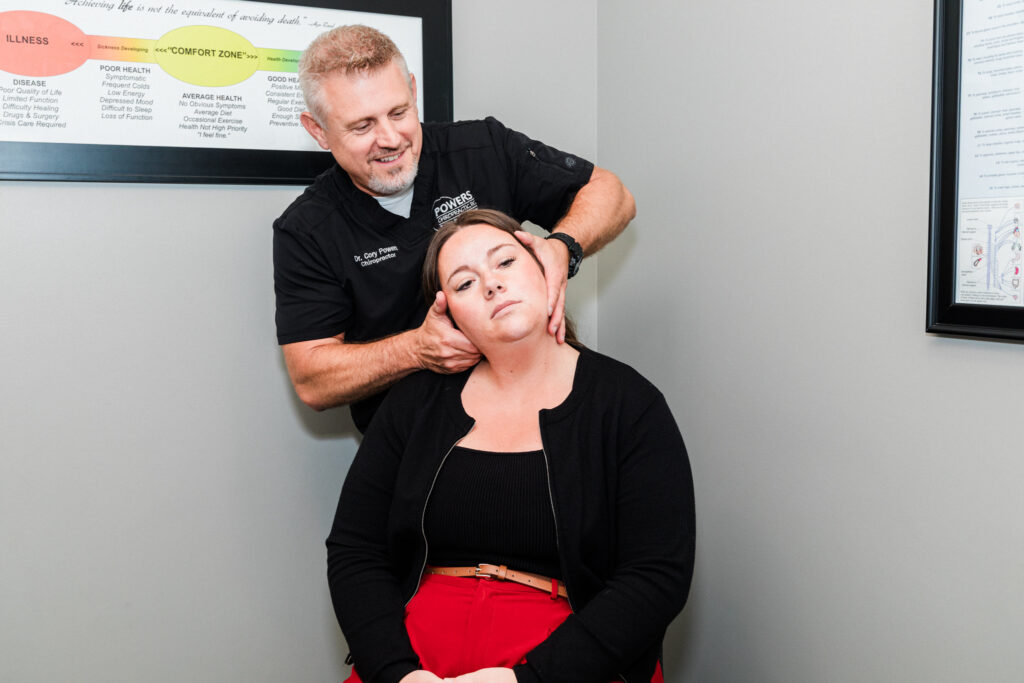
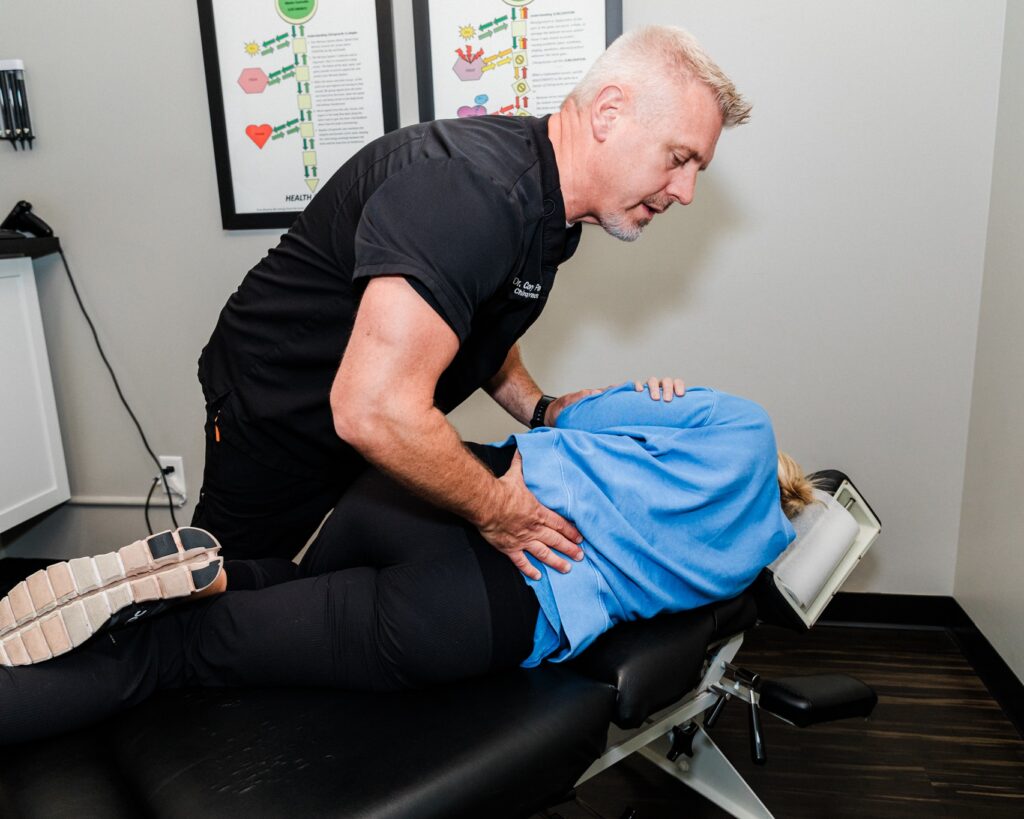
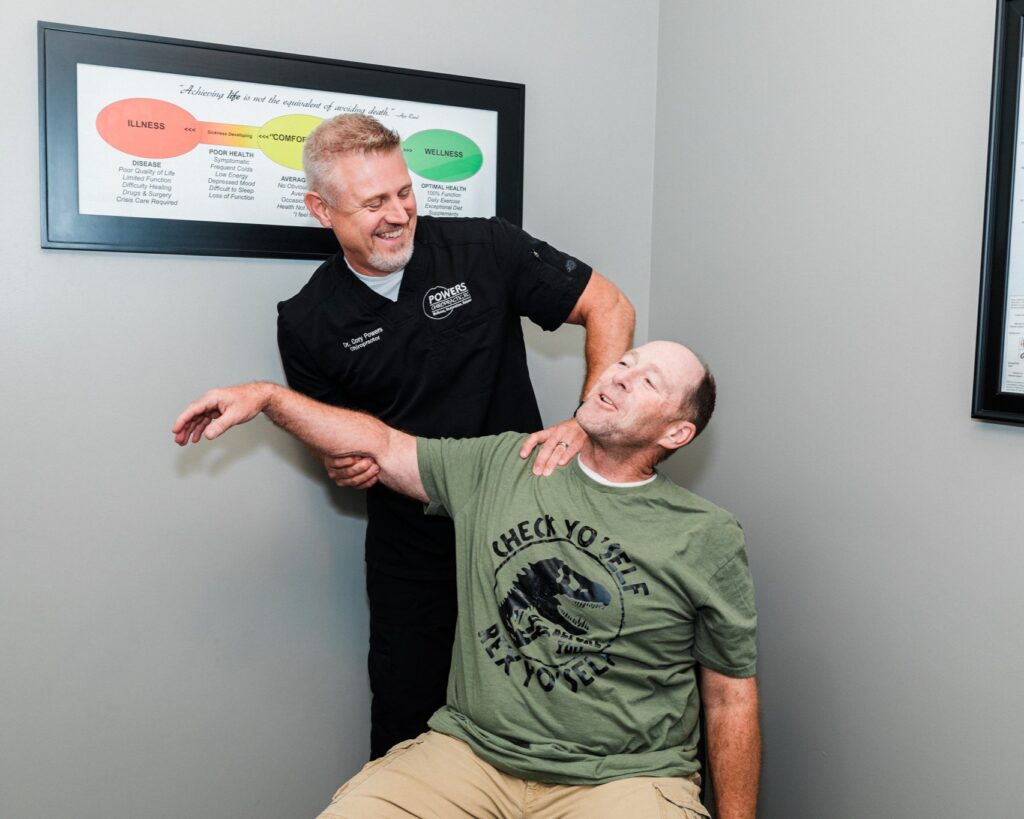
Chiropractic care is a fantastic way to address posture-related back pain naturally. By focusing on spinal health, chiropractors can help realign your spine, ensuring that your body functions optimally. This realignment can alleviate pain and help prevent future discomfort, making chiropractic a top choice for effective pain relief and overall wellness.
In addition to regular chiropractic adjustments, there are practical tips you can implement at home to support your posture and back health. Here are some easy suggestions:
- Ergonomic Workspaces: Make sure your workspace is set up to promote good posture. Your chair should support your lower back, your screen should be at eye level, and your feet should rest flat on the ground.
- Mind Your Posture: Be aware of how you sit, stand, and move throughout the day. Keep your shoulders back and your head aligned with your spine.
- Regular Movement: Take breaks to stand, stretch, and walk around. This helps to relieve tension and keeps your muscles engaged.
- Strengthening Exercises: Incorporate exercises that strengthen your core and back muscles, as these can provide support and stability for your spine.
- Stay Hydrated: Drinking plenty of water supports your spinal discs and helps maintain overall joint health.
By making these adjustments and regularly visiting your chiropractor, you can effectively manage and reduce your back pain. Embrace a healthier lifestyle with chiropractic care as your cornerstone, and you’ll be on your way to feeling better and moving freely again!
Key Takeaways
- Regularly practicing stretching and strengthening exercises can help alleviate muscle imbalances and enhance your posture. These exercises work hand-in-hand with chiropractic care to ensure your spine stays in optimal alignment.
- Creating an ergonomic workspace is crucial. Make sure your desk and chair are set to the right height, allowing your body to maintain a neutral position. This not only adds comfort but also supports your spinal health.
- Incorporating chiropractic care into your routine is one of the most effective ways to address spinal alignment issues and alleviate pain. A chiropractor can provide personalized adjustments that promote healing and restore your body’s natural balance.
- Engaging in physical therapy can complement chiropractic care by providing a tailored exercise plan focused on strengthening your back. This can lead to improved posture and reduced pain over time.
- Massage therapy is also beneficial for immediate relief from muscle tension and can enhance relaxation. While it feels great, combining it with chiropractic adjustments can maximize your overall wellness and help keep your spine in top shape.
Remember, taking small steps towards better posture and spinal health can lead to significant improvements in your overall well-being. Prioritize your health by choosing chiropractic care as a natural and effective solution for pain relief and wellness.
Understanding the Impact of Poor Posture
When you slouch or hunch over, you may not fully understand how much poor posture can impact your body. It puts unnecessary strain on your spine, leading to discomfort and pain, particularly in your back and neck. Poor posture can also limit your breathing, decreasing oxygen flow and leaving you feeling tired and drained. As your body struggles to maintain balance and stability, you might notice a dip in your energy levels.
Over time, this misalignment can create muscle imbalances, where some muscles become weaker and others grow tighter. This imbalance not only contributes to chronic pain but can also affect your mood and productivity. You may find it harder to concentrate and feel more stressed as tension builds up in your body.
By recognizing the effects of poor posture, you can take proactive steps to improve your alignment and alleviate discomfort. Chiropractic care is an excellent choice for addressing these issues naturally. A chiropractor can help restore proper alignment to your spine, promoting better posture and overall well-being.
Here are a few simple tips you can incorporate into your daily routine:
- Mind Your Posture: Be aware of how you sit and stand throughout the day. Aim to keep your shoulders back, your back straight, and your head aligned over your spine.
- Take Breaks: If you’re sitting for long periods, take regular breaks to stand up, stretch, and move around. This helps to keep your muscles engaged and reduces stiffness.
- Strengthen Your Core: Engaging in exercises that strengthen your core muscles can improve your posture and support your spine.
- Ergonomic Workspace: If you work at a desk, ensure that your chair and desk are set up ergonomically. Your computer screen should be at eye level, and your feet should be flat on the floor.
- Stay Active: Regular physical activity can help maintain flexibility and strength in your muscles, supporting good posture.
Making small adjustments today can lead to significant benefits for your health and well-being in the long run. Embrace chiropractic care as a natural way to enhance your posture and live a healthier life.
Common Causes of Posture-Related Back Pain
Poor posture can arise from various daily habits that may be unnoticed, but they significantly impact your spine health. For example, hunching over your phone or computer for extended periods can cause muscle imbalances and discomfort.
Slouching in your chair is another common issue, which can place undue stress on your back and lead to pain. Carrying heavy bags on one shoulder can create uneven tension in your muscles, contributing to discomfort.
Additionally, wearing ill-fitting shoes can alter your gait, which negatively affects your posture. Even your sleeping position plays a role; sleeping on your stomach can twist your spine out of alignment, leading to issues over time.
A sedentary lifestyle can also weaken your core muscles, making it more challenging to maintain good posture throughout the day. To combat these habits, consider incorporating simple changes into your daily routine.
For instance, try to set reminders to check your posture while sitting or using your devices. Opt for backpacks instead of shoulder bags to evenly distribute weight, and invest in comfortable shoes that support your feet.
Regular chiropractic care can help you address these posture-related issues. A chiropractor can guide you in correcting your posture, relieving pain, and developing a personalized plan for ongoing wellness.
Effective Stretching and Strengthening Exercises
Incorporating effective stretching and strengthening exercises into your daily routine can be a fantastic way to improve your posture and alleviate back pain naturally. As a chiropractor, I’ve seen firsthand how these simple exercises can make a significant difference in your overall health and wellness.
Start with some chest stretches to open up those tight muscles that contribute to slouching. A simple way to do this is by clasping your hands behind your back and gently pulling your shoulders back. This helps to counteract the forward hunch many of us develop from sitting too much.
For strengthening, planks are a fantastic exercise to engage your core muscles, which play a vital role in supporting your spine. Aim to hold a plank position for 30 seconds to a minute. This not only helps with spinal stability but also strengthens your entire body.
Don’t overlook hip flexor stretches either! Kneeling on one knee and lunging forward can provide a great stretch for your hips, which is essential for maintaining good posture. Remember, tight hip flexors can lead to lower back pain, so this stretch is particularly beneficial.
Incorporating rows with resistance bands can also help strengthen your upper back, making it easier to maintain proper posture throughout the day. Strong upper back muscles counteract slouching and help keep your spine aligned.
Lastly, practice back extensions by lying on your stomach and gently lifting your chest off the ground. This exercise enhances your spinal stability and helps combat the effects of prolonged sitting.
By regularly performing these exercises, you’ll not only build strength and flexibility but also promote better posture and reduce discomfort.
Ergonomic Adjustments for Your Workspace
To maintain the progress you’ve made with stretching and strengthening exercises, the setup of your workspace is vital for supporting good posture and overall spinal health. Start by adjusting your chair height so that your feet rest flat on the floor, with your knees at hip level. This position not only promotes comfort but also encourages proper alignment of your spine.
Consider using an ergonomic chair that offers lumbar support to help maintain the natural curve of your back, which is essential for preventing pain and discomfort.
Your desk should be at elbow height, allowing your arms to hang comfortably while typing. This will help you avoid unnecessary strain on your shoulders and neck. Position your computer monitor at eye level, about an arm’s length away, to reduce neck strain and keep your gaze parallel to the screen. This simple adjustment can make a significant difference in how you feel throughout the day.
If you use a keyboard, ensure it’s centered in front of you, with your wrists straight and relaxed. This promotes better wrist health and can help prevent common issues like carpal tunnel syndrome.
Don’t forget the importance of regular breaks! Stand up, stretch, and move around every hour. These small actions can greatly contribute to your overall well-being and help alleviate any tension building in your body.
Remember, creating a healthy workspace isn’t just about comfort; it’s about supporting your spine and reducing the risk of pain.
As a chiropractor, I believe that these adjustments, combined with regular chiropractic care, can lead to optimal health and wellness. By focusing on natural healing and maintaining a healthy lifestyle, you can achieve lasting relief from discomfort and enjoy a better quality of life.
Additional Therapies and Treatments for Relief
Exploring additional therapies can significantly enhance your relief from posture-related back pain, and as a chiropractor, I believe that chiropractic care is one of the most effective ways to achieve optimal health and wellness.
By incorporating various treatments into your routine, you can target discomfort effectively and promote overall well-being. Here are some great options to consider, with a focus on chiropractic care:
– Chiropractic Care: Regular adjustments from a skilled chiropractor can realign your spine, alleviate pain, and improve your body’s natural function.
By focusing on spinal health, you can achieve greater mobility and comfort, allowing you to live your life to the fullest. Chiropractic care addresses the root cause of your pain, rather than just masking the symptoms.
– Physical Therapy: While chiropractic care is my top recommendation, partnering with a physical therapist can also be beneficial.
A trained therapist can design a personalized exercise program that strengthens your back and improves flexibility. Together with chiropractic adjustments, you can maintain better posture and enhance your overall physical health.
– Massage Therapy: Therapeutic massages can provide immediate relief from muscle tension and stress-related pain.
While I advocate for chiropractic care as the primary source of pain relief, incorporating massage therapy can complement your chiropractic treatments, helping to improve circulation and promote relaxation.
In addition to these therapies, here are some general tips for maintaining a healthier spine and alleviating back pain:
- Practice Good Posture: Whether you’re sitting at a desk or standing, make a conscious effort to maintain a neutral spine position. Keep your shoulders back and your head aligned with your spine.
- Stay Active: Engage in regular physical activities, such as walking or stretching, to keep your muscles strong and flexible. Aim for at least 30 minutes of movement each day.
- Listen to Your Body: Pay attention to any discomfort or pain signals. If something doesn’t feel right, consult with your chiropractor for guidance and support.
- Invest in Ergonomics: If you spend long hours at a desk, consider ergonomic furniture and accessories to support your spine and promote better posture.
By focusing on chiropractic care and these supportive practices, you can achieve relief from back pain and work towards a healthier, more active lifestyle.
Conclusion
To effectively relieve posture-related back pain, it’s essential to prioritize chiropractic care alongside ergonomic adjustments and targeted exercises. By making simple modifications to your workspace and incorporating stretches and strength-building activities into your daily routine, you can alleviate discomfort and enhance your overall posture.
Chiropractic care stands out as a natural and effective approach to support your journey towards better spinal health. Regular chiropractic adjustments can help realign your spine, improve mobility, and reduce pain, making it an ideal choice for those seeking relief without the use of medications or invasive procedures.
In addition to chiropractic treatments, consider these helpful tips:
- Ergonomic Workspace: Ensure your chair provides proper lumbar support, and your computer screen is at eye level to minimize strain on your neck and back.
- Regular Breaks: Take short breaks every hour to stand, stretch, and move around. This helps prevent stiffness and promotes better circulation.
- Strengthening Exercises: Incorporate exercises that strengthen your core, as a strong core supports your spine and can help improve your posture.
- Mindful Stretching: Add gentle stretches to your routine, focusing on your back, neck, and shoulders. This can relieve tension and enhance flexibility.
- Stay Hydrated: Drinking plenty of water is crucial for maintaining the health of your spinal discs and overall well-being.
Remember, taking proactive steps today with the help of chiropractic care can lead to a pain-free tomorrow and a healthier, more vibrant life!