
You spend countless hours each day sitting, and this can significantly impact your posture and back health. Fortunately, enhancing your alignment doesn’t have to be a daunting task. With the right strategies, you can experience greater comfort and support in your daily life. As a local chiropractor, I’m here to share some invaluable tips that can help you transform your posture and alleviate persistent back pain naturally.
- Ergonomic Workspaces: Ensure your workspace promotes good posture. Your chair should support your lower back, and your computer screen should be at eye level to prevent slouching. This simple adjustment can make a world of difference.
- Mind Your Posture: Throughout the day, take a moment to check in with your posture. Keep your shoulders back and down, and your head aligned with your spine. Being mindful of your posture can help reinforce healthy habits.
- Take Frequent Breaks: If you’re sitting for long periods, set a timer to remind yourself to stand up, stretch, and move around every 30 minutes. This can help relieve tension and improve circulation.
- Strengthen Your Core: A strong core supports your spine. Incorporate exercises like planks and bridges into your routine to build strength and stability in your abdominal muscles.
- Stretch Regularly: Gentle stretching can help ease tension in your back and improve flexibility. Consider incorporating stretches that target the back, hips, and legs to promote overall spinal health.
- Stay Active: Regular physical activity is key to maintaining a healthy spine. Engage in activities you enjoy, whether it’s walking, swimming, or yoga, to keep your body moving and your muscles strong.
- Mindfulness and Relaxation: Stress can contribute to poor posture and back pain. Practices such as deep breathing, meditation, or yoga can help you relax and improve your overall well-being.
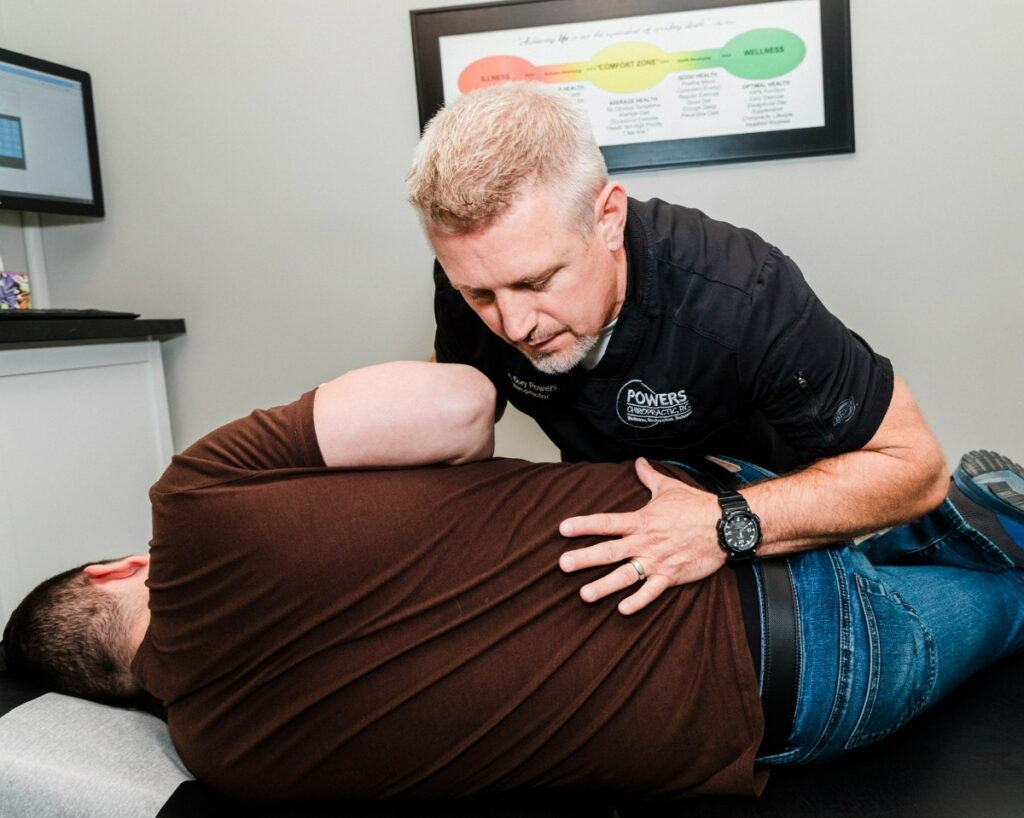
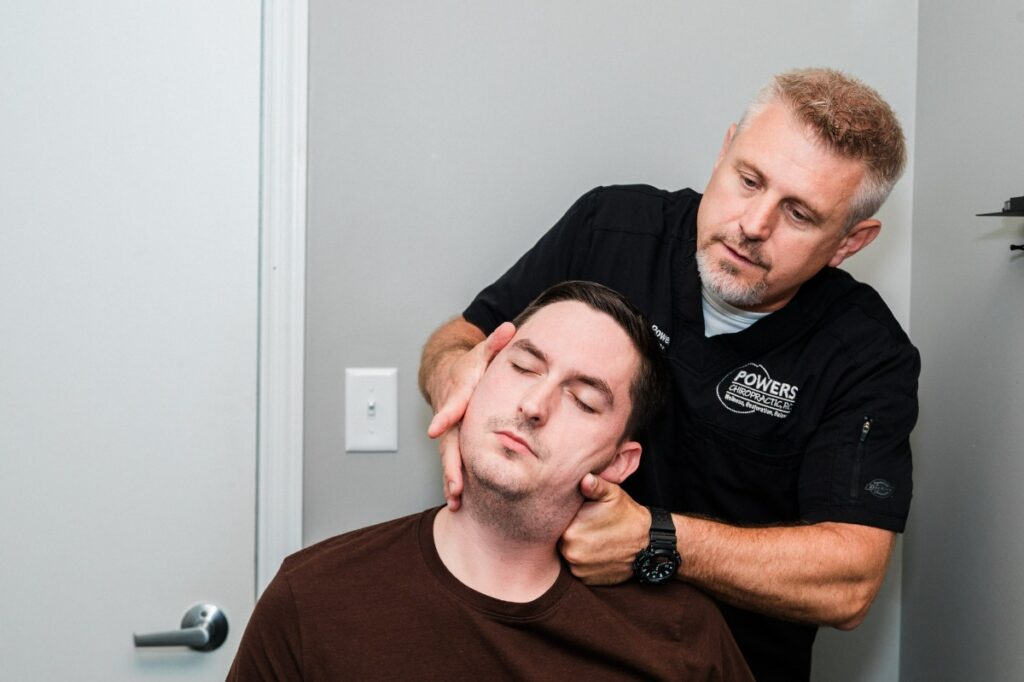
- Seek Chiropractic Care: Regular visits to your chiropractor can help ensure your spine is in alignment, providing you with relief from pain and guiding you on your journey to optimal health. Chiropractic adjustments can help restore proper function and promote natural healing.
- Wear Supportive Footwear: The shoes you wear can affect your posture. Opt for footwear that provides proper support and cushioning to help maintain balance and alignment.
- Listen to Your Body: Pay attention to any discomfort or pain. If you notice persistent issues, don’t hesitate to seek a consultation with a chiropractor who can provide tailored advice and treatment.
By implementing these strategies, you can take proactive steps towards better posture and reduced back pain. Remember, chiropractic care is a natural and effective way to support your health and well-being. Embrace these secrets and enjoy a more comfortable, pain-free life!
Key Takeaways
- Make it a habit to regularly check and adjust your posture throughout the day. Being mindful of how you sit and stand can help prevent strain and discomfort, allowing your spine to stay aligned and healthy.
- Create an ergonomic workspace that promotes good posture. Ensure your chair is at the right height and your computer screen is at eye level. This simple setup can make a significant difference in your comfort and overall spinal health.
- Incorporate stretching and strengthening exercises, such as planks and bridges, into your daily routine. These exercises not only improve flexibility but also provide essential support to your core, which plays a crucial role in maintaining a healthy spine.
- Practice mindfulness and deep breathing techniques. These methods can enhance your body awareness and help you recognize when you’re holding tension, allowing you to relax and reduce stress that may contribute to discomfort.
- Invest in proper footwear that offers arch support and cushioning. This choice is vital for maintaining the alignment of your feet, which is directly connected to your spine health. When your feet are well-supported, it can lead to better posture and reduced back pain.
By focusing on these simple, actionable tips, you can take significant steps toward achieving optimal health and well-being. Remember, regular chiropractic care can further enhance these efforts by addressing any misalignments and promoting natural healing within your body. Embrace a healthier lifestyle and let chiropractic care guide you on your journey to wellness!
Understanding the Importance of Posture
Good posture is vital for your overall health and well-being, and as a chiropractor, I want to emphasize that it’s not just about looking confident; it plays a crucial role in how your body functions. When you maintain proper alignment, you significantly reduce the strain on your muscles and ligaments, which can help prevent pain, particularly in your back and neck.
Slouching or hunching over can lead to discomfort and fatigue, making even the simplest tasks feel challenging. Consider how you sit, stand, and move throughout your day. Engaging your core and aligning your spine can greatly enhance your posture. You might be surprised to learn that good posture can improve your breathing, boost your energy levels, and even elevate your mood.
In addition, maintaining proper posture can prevent long-term health issues, such as chronic back pain. As a chiropractor, I encourage you to be mindful of your posture and take proactive steps toward better health. Here are a few simple tips you can incorporate into your daily routine:
- Check Your Setup: Whether you’re working at a desk or lounging at home, make sure your workspace is ergonomically friendly. Your chair should support your lower back, and your computer screen should be at eye level.
- Engage Your Core: Strengthening your core muscles can provide better support for your spine. Simple exercises like planks or bridges can make a big difference over time.
- Take Breaks: If you find yourself sitting for long periods, set a timer to remind you to stand up, stretch, and move around every hour. This helps relieve tension and resets your posture.
- Mind Your Movement: When lifting objects, remember to bend your knees and keep your back straight. This technique protects your spine and helps prevent injuries.
- Regular Chiropractic Care: Consider visiting a chiropractor for routine check-ups. Chiropractic adjustments can help maintain proper alignment and alleviate any discomfort you may be experiencing.
Ergonomic Workspace Setup
Creating an ergonomic workspace is essential for maintaining good posture and overall spinal health throughout your day. As a chiropractor, I want to emphasize that a well-designed workspace can significantly contribute to your comfort, reduce pain, and promote natural wellness. Here are some straightforward tips to help you set up your workspace in a way that supports your spine and overall health.
Start by adjusting your chair height so your feet rest flat on the floor. This helps keep your knees at a 90-degree angle, which is crucial for proper circulation and spinal alignment. If your chair doesn’t adjust, consider using a footrest to achieve the right height.
Next, position your computer screen at eye level. This avoids straining your neck and helps maintain a neutral spine posture. If you find yourself looking down at your screen, it could lead to discomfort and tension in your neck and upper back—a common issue I see in my practice. Using a stand or books to raise your monitor can be a simple fix.
A well-organized desk can also make a significant difference in your comfort and productivity. Keep frequently used items within easy reach to avoid unnecessary twisting or leaning, which can strain your back.
Here’s a simple table to guide you:
| Setup Element | Ideal Position | Tips |
|---|---|---|
| Chair Height | Feet flat on the floor | Keep thighs parallel to the ground; adjust the chair or use a footrest if needed. |
| Monitor Position | Eye level, about an arm’s length away | Use a stand to achieve this height; check that the top of your screen aligns with your eyes. |
| Keyboard and Mouse | Close to the edge of the desk | Keep wrists straight and relaxed; consider using a wrist rest for added support. |
The Power of Stretching
Incorporating regular stretching into your daily routine is essential for maintaining optimal health and overall well-being. As a chiropractor, I often emphasize the benefits of stretching, as it not only increases flexibility but also improves circulation and promotes muscle relaxation. These factors are crucial for maintaining good posture, which is something we heavily focus on in chiropractic care.
When your muscles are flexible, they’re less prone to tightness that can lead to discomfort or pain. By taking just a few minutes each day to perform gentle stretches—especially in areas that commonly hold tension like your neck, shoulders, and back—you can alleviate stiffness and enhance your alignment. This will help you stand taller and sit more comfortably, reducing the risk of developing chronic pain.
Always remember to listen to your body and avoid pushing yourself too hard while stretching. Consistency is the key to success, so aim to stretch daily, even if you can only spare a few moments. Over time, you may notice a significant reduction in back pain and an overall improvement in your posture.
In addition to stretching, regular chiropractic adjustments can further enhance your spinal health and support your journey toward a more active lifestyle. Chiropractic care focuses on natural healing, helping your body function at its best without the need for invasive procedures or medications.
Strengthening Core Muscles
Strengthening your core muscles is a fundamental step toward enhancing your posture and alleviating back pain. Your core is more than just your abs; it encompasses your back, hips, and pelvis. When these muscles are strong and well-coordinated, they provide essential support for your spine, helping to reduce strain and discomfort.
Incorporating exercises such as planks, bridges, and abdominal crunches into your routine can significantly benefit your core strength. It’s crucial to adopt a balanced approach, targeting all areas of your core. Even simple activities like walking or cycling can effectively engage your core if you focus on maintaining proper posture and alignment.
As a chiropractor, I emphasize the importance of starting slowly and gradually increasing the intensity of your workouts. Pay attention to how your body feels—if you experience any pain, take a moment to reassess your technique.
Consistency is key; aim to dedicate time each week for core-focused exercises. As your core strengthens, you’ll likely notice improvements in your stability and posture, which can lead to reduced discomfort in your back.
Remember, a strong core is the foundation of a healthier lifestyle. By prioritizing core strength and considering chiropractic care, you’re taking proactive steps toward achieving optimal health and wellness.
Chiropractic adjustments can help ensure that your spine is aligned, supporting your core training efforts and promoting natural healing. Together, these practices can lead you to a more comfortable and active life.
Mindfulness and Body Awareness
Mindfulness and body awareness are essential components in improving your posture and alleviating back pain. As a local chiropractor, I believe that by incorporating mindful movement into your daily routine, you can establish a stronger connection with your body and pinpoint areas of tension that may be contributing to discomfort.
Simple techniques such as body scans and conscious breathing can significantly enhance this awareness. Practicing these methods allows you to notice how you hold your body throughout the day, empowering you to make intentional adjustments that promote better posture and reduce strain on your spine.
In addition to these mindfulness practices, regular chiropractic care can play a critical role in achieving and maintaining optimal health. A chiropractor can help identify misalignments in your spine that may be causing pain and discomfort, providing gentle adjustments that promote natural healing.
Here are a few general tips to get you started on your path to better posture and a healthier back:
- Stay Aware of Your Posture: Throughout the day, take a moment to check in with your posture. Are your shoulders back and relaxed? Is your head aligned over your spine? Small corrections can make a big difference.
- Incorporate Movement: Make it a habit to stand up and stretch or walk around every hour, especially if you have a sedentary job. This helps keep your muscles engaged and reduces stiffness.
- Practice Deep Breathing: Spend a few minutes each day focusing on your breath. Inhale deeply, allowing your abdomen to expand, and exhale slowly. This can help relieve tension and promote relaxation.
- Consider Chiropractic Care: Regular visits to your chiropractor can help keep your spine aligned and functioning properly, supporting your overall health and wellness.
Importance of Mindful Movement
While many people concentrate on specific exercises to improve posture, it’s crucial to recognize the power of mindful movement in achieving optimal health and wellness. Being aware of how you move throughout your day can significantly influence your posture and spinal health. Mindful movement means paying attention to your body and its alignment during everyday activities, which can lead to better overall well-being.
Here are some mindful movement practices that can enhance your health and support your spine:
| Mindful Movement Practices | Benefits |
|---|---|
| Walk consciously | Increases body awareness and encourages proper alignment. |
| Stretch regularly | Relieves tension and promotes flexibility, aiding in pain relief. |
| Breathe deeply | Enhances relaxation and supports spinal health through improved oxygen flow. |
| Sit with intention | Promotes better spinal alignment and reduces strain on your back. |
| Lift correctly | Prevents strain and injury, ensuring your back stays healthy and strong. |
Incorporating these mindful movement practices into your daily routine can lead to a healthier spine and overall body. Remember, chiropractic care is an excellent way to support your journey toward pain relief and natural wellness. Regular chiropractic adjustments can help maintain proper alignment, enhance your body’s natural healing abilities, and keep you feeling your best. By prioritizing mindful movement and chiropractic care, you’re taking significant steps towards a healthier, more vibrant life.
Body Scan Techniques
A body scan is an effective technique for enhancing mindfulness and body awareness, and it’s a wonderful way to connect with your physical sensations. As a chiropractor, I encourage you to tune into your body to identify areas of tension or discomfort that may benefit from chiropractic care.
Start by finding a quiet space where you can sit or lie down comfortably. Close your eyes and take a few deep breaths, allowing yourself to relax.
Begin at the top of your head, observing any sensations you feel, and gradually move down through your body. Pay special attention to your neck, shoulders, and back—common areas where people experience tightness or stress. It’s important to simply acknowledge these feelings without judgment or the urge to change them right away.
As you continue the scan down to your toes, notice how your body feels. This practice not only increases your awareness but also promotes relaxation. By regularly checking in with your body, you can better understand where you might need support, especially when it comes to alignment and posture.
Remember, chiropractic care focuses on realigning your spine and improving your overall health without the need for surgery or medications. It can help alleviate pain and enhance your body’s natural healing abilities. Incorporating body scans into your routine can complement your chiropractic visits, making you more aware of your body’s needs.
For some general tips: try to practice this body scan regularly, especially after a long day or after physical activity. Noticing areas of tension can guide your chiropractor in tailoring your treatment plan for optimal pain relief and wellness.
Your body deserves attention and care, and through mindfulness and chiropractic support, you can achieve a healthier, more balanced life.
Breathing for Awareness
Breathing deeply can significantly enhance your awareness and strengthen your connection with your body, which is essential for maintaining a healthy spine. When you focus on your breath, you ground yourself in the present moment, allowing you to recognize any tension or discomfort that may be affecting your posture and spinal health.
To begin, find a comfortable position—whether sitting or standing. Inhale slowly through your nose, allowing your chest and abdomen to expand fully. Hold that breath for a moment, and then exhale gently through your mouth, consciously releasing any tightness you may feel.
As you breathe, visualize each breath flowing through your body, promoting relaxation and encouraging proper alignment. Incorporating this deep breathing practice into your daily routine not only enhances mindfulness but also supports better posture, which is crucial for spinal health.
By being aware of your body’s alignment, you can take proactive steps to reduce back pain and improve your overall well-being. Consider pairing your breathing exercises with regular chiropractic adjustments. Chiropractors can help address misalignments in your spine that may contribute to discomfort or tension.
Together, conscious breathing and chiropractic care can lead you to a path of natural healing and optimal health. Remember, small, consistent changes in your daily habits can make a significant difference.
Take a moment each day to practice this breathing technique, and don’t hesitate to reach out to your chiropractor for personalized advice on maintaining a healthy spine and living pain-free.
Choosing the Right Footwear
Choosing the right footwear is crucial for your overall health, especially when it comes to maintaining good posture and minimizing back pain. As a chiropractor, I often see how the right shoes can positively impact your spine and body alignment.
Look for shoes that offer proper arch support and cushioning, as these features can help distribute your weight evenly and reduce strain on your back.
Additionally, pay attention to heel height. High heels, while stylish, can throw off your balance and lead to discomfort or pain over time. Opt for shoes with a lower heel to promote better alignment and support your natural posture.
Here are some tips to keep in mind when selecting your footwear:
- Choose Comfort Over Style: While it’s great to have fashionable shoes, prioritize comfort and support to avoid unnecessary strain on your back.
- Check the Fit: Make sure your shoes fit well; they should neither be too tight nor too loose. A proper fit helps prevent foot pain, which can contribute to back issues.
- Look for Arch Support: Shoes with good arch support can help maintain the natural curve of your spine, reducing the risk of back pain.
- Avoid Flat Shoes: Completely flat shoes can lead to foot fatigue and poor posture. Select shoes with a slight heel or inbuilt arch support.
- Consult a Chiropractor: If you’re experiencing persistent pain, consulting with a chiropractor can provide personalized advice and treatment options to enhance your overall wellness.
By making informed choices about your footwear, you can contribute to your spinal health and overall comfort.
Supportive Shoe Features
When considering how your footwear can influence your posture and overall back health, it’s important to recognize the significance of supportive shoe features. As a chiropractor, I often see the effects of inadequate footwear on my patients’ well-being.
First and foremost, look for shoes that provide proper arch support. This is essential for maintaining your foot’s natural alignment, which can greatly influence your spine’s health. When your feet are well-supported, it can help prevent discomfort and misalignment in your back.
Cushioning is another crucial feature to look for. Good cushioning absorbs shock, which can reduce strain on your spine during everyday activities. This is especially important if you’re on your feet a lot, as it can help prevent fatigue and discomfort.
A firm heel counter is also vital. This feature stabilizes your foot, preventing it from rolling inward or outward, which can lead to misalignment not just in your feet, but also in your knees and back.
Don’t forget about the toe box! A wide toe box is important to avoid cramping your toes, allowing for natural movement. This can contribute to overall comfort and prevent issues that may lead to pain.
Opting for lightweight materials can enhance comfort, making it easier for you to stay active. Staying active is essential for your overall health and can complement the benefits of chiropractic care.
Finally, consider shoes with a removable insole. This allows you to customize the support you need, especially if you use orthotics. Customization can be a great way to ensure your footwear meets your specific needs.
By prioritizing these supportive shoe features, you can’t only improve your posture but also help alleviate back pain.
Heel Height Impact
While it may be tempting to reach for stylish high-heeled shoes, understanding the impact of heel height on your posture and back health is essential for your overall well-being. The right footwear can significantly reduce discomfort and promote better alignment, which plays a vital role in spinal health.
Here are four key points to consider when choosing your shoes:
- Heel Height: Opt for a heel height of 1-2 inches. This range is ideal for maintaining better balance and support, which is crucial for a healthy spine.
- Arch Support: Look for shoes with built-in arch support. Proper foot alignment helps in reducing strain on your back and can alleviate discomfort, making it easier for your body to maintain its natural posture.
- Toe Box Space: Ensure your shoes provide ample room in the toe box. A cramped toe area can lead to foot issues that may ripple up to your back, causing pain and discomfort.
- Material Flexibility: Choose shoes made from flexible materials that allow your feet to move naturally. This flexibility can help reduce tension in the muscles and joints, supporting a healthier spine.
Remember, making informed choices about your footwear can help prevent pain and promote better health.
If you’re experiencing discomfort related to your shoes or posture, consider visiting a chiropractor. Chiropractic care focuses on natural healing and can help align your spine, relieve pain, and support your journey to optimal health.
Prioritize your wellness by paying attention to the shoes you wear!
Regular Movement Breaks
Incorporating regular movement breaks into your daily routine can significantly improve your posture and help alleviate back pain, which is where chiropractic care comes into play. As a chiropractor, I often emphasize how crucial it is to take time during your day to stretch and move. Prolonged sitting can have negative effects on your spine, but taking short breaks—every 30 to 60 minutes—can counteract this.
Here’s a simple guide for effective movement breaks:
| Activity | Duration |
|---|---|
| Stand and stretch | 2–3 minutes |
| Walk around the room | 5 minutes |
| Perform desk exercises | 5 minutes |
During your breaks, try gentle stretches like shoulder rolls or neck tilts to release built-up tension. A brisk walk, even if it’s just around your home or office, can do wonders for your body and mindset. Staying active not only keeps your muscles engaged but also promotes proper spinal alignment, which is essential for overall well-being.
The Role of Sleep in Posture
Movement breaks can certainly enhance your posture during the day, but don’t underestimate the significance of a good night’s sleep. Quality sleep not only rejuvenates your body but also plays a crucial role in maintaining proper alignment of your spine.
As a chiropractor, I want to share four key ways that sleep influences your posture and overall well-being:
- Mattress Choice: Selecting a supportive mattress is vital. It helps keep your spine in alignment, minimizing strain on your back. Look for a mattress that offers the right balance of comfort and support to maintain natural curvature.
- Pillow Positioning: The right pillow can make all the difference in neck alignment. A pillow that supports your neck properly prevents stiffness and discomfort, allowing you to wake up feeling refreshed and ready to tackle the day.
- Sleep Position: Your choice of sleep position can significantly affect your posture. Sleeping on your back or side is generally better for spinal alignment compared to sleeping on your stomach, which can put unnecessary pressure on your spine.
- Sleep Quality: Quality sleep is essential for reducing fatigue. When you’re well-rested, you’re more likely to be aware of your posture throughout the day. This awareness can help you maintain proper alignment, reducing the risk of discomfort or pain.
Prioritizing sleep is a simple yet effective way to improve your posture and overall health. Creating a sleep-friendly environment and cultivating good sleep habits can work wonders.
Additionally, consider regular chiropractic visits to address any underlying issues and enhance your body’s natural healing processes. Your body will thank you for the care you give it!
Yoga and Pilates for Better Alignment
Yoga and Pilates can play a significant role in improving your posture, but when it comes to achieving optimal alignment and overall wellness, chiropractic care is the best choice. As a chiropractor, I often emphasize the importance of strengthening your core muscles and enhancing flexibility, which these practices support.
However, chiropractic adjustments are specifically designed to align your spine and promote natural healing.
Incorporating yoga and Pilates into your routine can help you develop better balance and a deeper mind-body connection. These benefits complement chiropractic care by reinforcing the alignment achieved through adjustments. As you strengthen your core and improve your flexibility, you may also experience reduced back pain, but it’s essential to remember that regular chiropractic visits can further enhance these outcomes.
For those looking to maintain a healthy spine and alleviate discomfort, here are some tips to consider:
- Stay Consistent: Regular chiropractic adjustments can help keep your spine in optimal alignment, which is essential for overall health.
- Combine Practices: Pairing yoga or Pilates with chiropractic care can offer cumulative benefits, as both promote better posture and core strength.
- Listen to Your Body: Pay attention to any discomfort or pain. If you experience consistent issues, consult your chiropractor for personalized advice.
- Focus on Alignment: When practicing yoga or Pilates, prioritize proper form and alignment to prevent injuries and enhance the benefits of your practice.
- Stay Active: Incorporating regular movement into your daily routine can help maintain flexibility and strength, supporting your chiropractic care.
By embracing chiropractic care along with practices like yoga and Pilates, you can achieve a healthier, more aligned body and enjoy a pain-free life.
Strengthening Core Muscles
While many individuals may underestimate the significance of core strength, it’s crucial for achieving better posture and alleviating back pain. A strong core not only stabilizes your spine but also supports your overall body alignment, which is essential for optimal health.
As a chiropractor, I often emphasize the value of natural healing and the role of core strength in maintaining a healthy spine.
Incorporating activities that strengthen your core, such as yoga and Pilates, can be incredibly beneficial. Here are four simple exercises you can try to evaluate and enhance your core strength:
- Plank: This exercise engages your entire core while helping you maintain a straight line from head to heels. Start with 20-30 seconds and gradually increase your time as you build strength.
- Boat Pose: Sit on your sit bones and lift your legs off the ground while balancing. This activates your abdominal muscles and helps improve your balance. Hold this position for 15-30 seconds.
- Bridge Pose: Lie on your back, bend your knees, and lift your hips while squeezing your glutes and engaging your core. This exercise not only strengthens your core but also helps alleviate tension in your lower back.
- Pilates Hundred: This rhythmic breathing exercise involves lying on your back and lifting your legs to a tabletop position while pumping your arms. It helps build endurance in your core and promotes better breathing.
Strengthening your core can lead to improved posture and reduced back pain, making it an essential part of your wellness routine.
Remember, chiropractic care is an excellent option for addressing any pain or discomfort you may experience. Regular adjustments can help align your spine, enhance your overall health, and support your journey toward a stronger core and better posture.
For optimal results, consider integrating these exercises into your routine alongside your chiropractic care.
Enhancing Flexibility and Balance
To achieve better alignment and posture, it’s important to enhance your flexibility and balance. While practices like yoga and Pilates can be beneficial, I want to emphasize that chiropractic care is one of the best ways to support your body in achieving optimal health. Chiropractic adjustments help align your spine, which is crucial for maintaining proper posture and reducing discomfort.
Incorporating stretching and strengthening exercises into your routine can also complement chiropractic care. Simple movements, such as gentle stretches for tight muscles, can increase your range of motion and enhance your overall well-being. For example, consider incorporating stretches similar to yoga poses like downward dog, which can help elongate the spine and improve flexibility.
Additionally, focusing on core strength is vital. A strong core supports your spine and helps you maintain balance throughout the day. Pilates can be a great way to engage your core, but remember, regular chiropractic adjustments will ensure that your spine is properly aligned, allowing you to perform these exercises effectively.
By combining chiropractic care with simple flexibility and strength exercises, you can correct postural imbalances and reduce the risk of back pain.
Take the time to listen to your body and maintain awareness of your posture throughout the day. Remember, making small adjustments in your everyday activities can lead to significant improvements in your overall health and wellness. Always prioritize your spine health – it’s the foundation of your body!
Promoting Mind-Body Connection
Integrating practices that promote a strong mind-body connection can significantly enhance your alignment and posture, complementing the benefits of chiropractic care.
While yoga and Pilates are popular methods for building awareness of your body, chiropractic adjustments can help ensure that your spine is aligned properly, making these practices even more effective.
Here are four key benefits of focusing on the mind-body connection and how they relate to your overall wellness:
- Increased Flexibility: Yoga and Pilates help to stretch and strengthen your muscles, which can reduce tension and improve flexibility. This is particularly beneficial when paired with chiropractic adjustments, as a well-aligned spine allows for greater range of motion.
- Core Strength: Developing a strong core is essential for maintaining proper alignment. Chiropractic care can support core strength by ensuring your spine and pelvis are in the right position, which allows you to engage your core muscles effectively during physical activities.
- Mindfulness: Both yoga and Pilates encourage mindfulness by focusing on your breath and body. This heightened body awareness can be beneficial in recognizing areas of tension or discomfort, which can guide you to seek chiropractic care for relief and optimal spinal health.
- Stress Reduction: Engaging in practices like yoga and Pilates can lower stress levels. When your body is relaxed, it naturally aligns better. Regular chiropractic adjustments can further help reduce stress by alleviating pain and discomfort, allowing for a more balanced and relaxed state.
Incorporating these practices into your routine can offer numerous benefits, but remember that chiropractic care is key to achieving and maintaining optimal health and wellness.
If you experience pain or discomfort, consider visiting your local chiropractor for personalized advice and treatment options tailored to your needs.
Taking care of your spine is essential for a healthier, happier life!
Professional Help: When to Seek a Specialist
When should you think about seeking professional help for your back pain? If your discomfort sticks around for more than a few weeks or starts to interfere with your daily activities, it’s a good idea to consult a chiropractor. Ignoring warning signs like numbness, weakness, or severe pain that travels down your legs can lead to bigger issues, so don’t wait too long to get help.
If your pain gets worse even after trying home remedies like stretches or heat therapy, or if you notice any sudden changes in your bowel or bladder control, it’s important to reach out to a chiropractic professional. We specialize in assessing your condition and can recommend natural, non-invasive interventions that focus on aligning your spine and promoting overall wellness.
In the meantime, you can try some simple strategies to support your back health at home. Make sure to maintain good posture, especially if you sit for long periods.
Regular gentle stretching and strengthening exercises can also help keep your back strong. Staying active, even with low-impact activities like walking, can be beneficial too.
Chiropractic care is a fantastic way to achieve optimal health. We focus on natural healing methods to help relieve pain and improve your quality of life.
Don’t hesitate to reach out if you need guidance—your path to wellness starts with a simple conversation!
Conclusion
By prioritizing good posture and making simple adjustments, you can significantly reduce back pain and enhance your overall well-being. One of the best steps you can take is to incorporate chiropractic care into your routine. Chiropractors specialize in spinal health and can help align your spine, which is crucial for maintaining good posture and alleviating discomfort.
Start by setting up an ergonomic workspace that supports your spine’s natural curves. This means adjusting your chair and desk height so you can sit comfortably with your feet flat on the floor. Remember to take regular movement breaks; even a quick walk can do wonders for your back.
Strengthening your core muscles is also essential for back support. Simple exercises like planks or bridges can help fortify your core, leading to better posture and less pain. Additionally, don’t underestimate the power of stretching. Regular stretching can improve flexibility and relieve tension in your back.
Mindfulness practices, including deep breathing and meditation, can also play a role in reducing stress on your body, which contributes to pain. Yoga is another excellent way to enhance flexibility and strengthen your body while promoting relaxation.
If you’re still experiencing discomfort, don’t hesitate to seek professional chiropractic help. A chiropractor can provide personalized assessments and adjustments that target your specific needs, helping you achieve better posture and a pain-free life.
Embrace these practices, and you’ll be well on your way to a healthier back and improved posture. Remember, chiropractic care is a natural and effective way to support your body’s health and well-being.