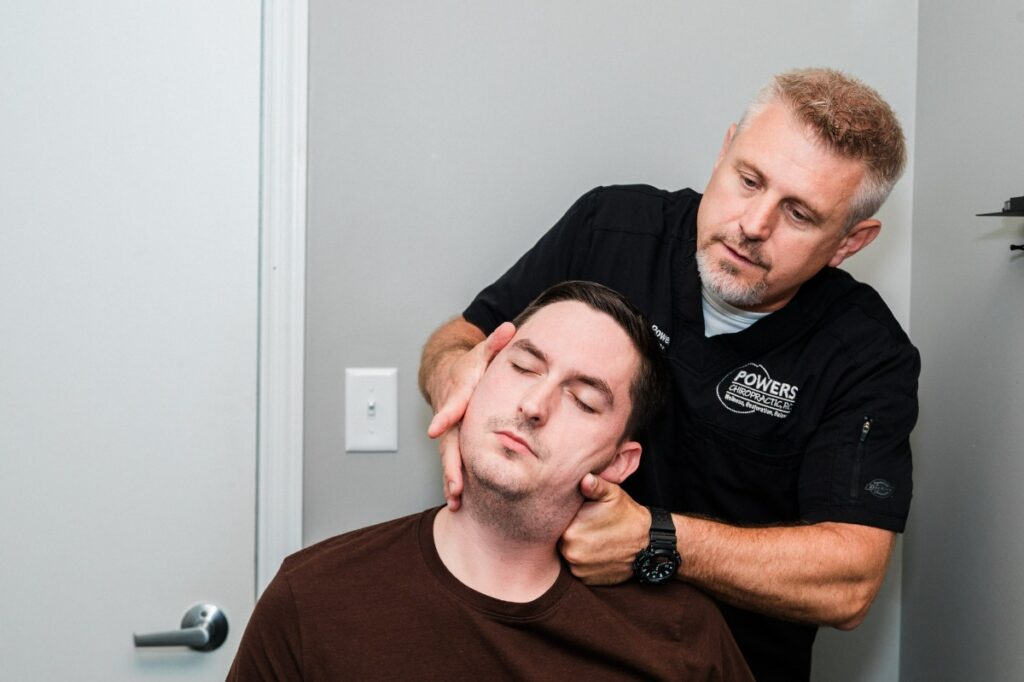

As a local chiropractor, I understand that many of you may be struggling to achieve a good night’s sleep, and you’re certainly not alone in this. It can be quite challenging to find that peaceful state necessary for restful slumber. However, I want to share some insights that can help uncover the secret to sweet dreams through natural healing.
One essential step is to establish a consistent sleep schedule. Just like your body benefits from routine adjustments during chiropractic care, your sleep patterns can thrive on regularity. Coupling this with a calming bedtime routine can significantly enhance your ability to drift off peacefully.
Incorporating small changes, such as gentle stretching or focusing on your posture before bed, can lead to restorative rest. Remember, when your body is aligned and free from tension, it’s much easier to relax and allow yourself to fall asleep. By taking these steps, you can wake up feeling refreshed and ready to embrace the day ahead, all while supporting your overall health through natural methods.
The Importance of a Consistent Sleep Schedule
As your local chiropractor, I want to emphasize the importance of a consistent sleep schedule for your overall health and well-being.
When you commit to regular sleep and wake times, you’re not only setting the stage for a good night’s rest; you’re also supporting your body’s natural healing processes.
Your body thrives on routine, and a stable sleep schedule helps regulate your internal clock. This can lead to deeper, more restorative sleep, which is essential for recovery and rejuvenation.
By prioritizing consistent sleep patterns, you’ll wake up feeling refreshed and alert, ready to tackle the day with vitality.
Creating a Relaxing Bedtime Routine
As a chiropractor dedicated to your overall well-being, I want to emphasize the importance of a relaxing bedtime routine for achieving quality sleep and maintaining your health. Establishing a specific time to start winding down sends a signal to your body that it’s time to relax.
Incorporating gentle activities such as reading a book, practicing light stretching, or meditating can significantly help in alleviating daily stressors and tension in your body.
Consider creating a calming environment by dimming the lights in your space. This can help reduce the stimulation that often comes from screens, which you should try to avoid for at least 30 minutes before bedtime. Instead, listen to soft music or nature sounds, which can promote a more tranquil atmosphere conducive to relaxation.
A warm beverage, like herbal tea or warm milk, can also be beneficial. It not only comforts you but also signals to your body that it’s time to prepare for sleep.
Lastly, I recommend taking a few moments to write down any thoughts or concerns in a journal. This simple practice can help clear your mind, making it easier for you to drift into a restful sleep.
Optimizing Your Sleep Environment
As a local chiropractor, I want to emphasize the importance of a conducive sleep environment for your overall health and well-being. Quality sleep is essential not just for rest but also for healing and recovery, which are fundamental in chiropractic care.
Here are three crucial elements to consider for creating an optimal sleep space:
1. Lighting: It’s beneficial to dim the lights in your home about an hour before bedtime. This practice helps signal to your body that it’s time to wind down, promoting the production of melatonin, a hormone that plays a vital role in your sleep cycle.
Using blackout curtains can further enhance this effect by blocking out any disruptive external light.
2. Temperature: The ideal temperature for your bedroom should be between 60-67°F (15-19°C). A cooler environment not only aids in falling asleep more easily but also supports deeper, more restorative sleep.
This is particularly important for those of us in the field of chiropractic care, as restorative sleep contributes to healing and the body’s natural recovery processes.
3. Noise Control: Disruptive noises can significantly impact the quality of your sleep. To create a more peaceful environment, consider using white noise machines or earplugs.
This can help drown out any disturbances, allowing your body to relax and engage in the restorative processes that are essential for your health.
By optimizing your sleep environment, you’re not only enhancing your nightly rest but also supporting your overall health and wellness journey.
If you have any questions about how sleep influences your chiropractic care or other aspects of your health, feel free to reach out!
The Role of Nutrition in Sleep Quality
As a chiropractor, I often emphasize the importance of holistic wellness, and that includes understanding how nutrition affects your sleep quality. While many people are aware of sleep hygiene and creating a restful environment, the foods we consume also play a vital role in achieving restorative sleep.
For instance, incorporating foods rich in magnesium, such as spinach and almonds, can help relax your muscles, paving the way for better sleep. Additionally, complex carbohydrates found in whole grains can support the production of serotonin, a hormone that’s essential for regulating your sleep cycles.
Conversely, indulging in heavy meals, caffeine, and sugary snacks close to bedtime can significantly disrupt your sleep patterns. If you find yourself feeling hungry before bed, opt for a light snack—yogurt or a banana are excellent choices.
Staying hydrated is important, but try to limit fluid intake right before sleeping to avoid interruptions in your rest. By making intentional choices about what you eat, you can build a nutritional foundation that fosters restful nights and energized mornings.
Your body will appreciate the care you invest in your overall health!
Understanding Sleep Cycles and Stages
As a local chiropractor, I want to help you enhance your overall well-being, and that includes understanding the importance of sleep.
It’s crucial to recognize the different stages your body goes through each night. REM sleep, in particular, is significant for how rejuvenated you feel the next day.
By grasping the typical duration of a sleep cycle, you can better tailor your bedtime routine to ensure you’re getting restorative sleep.
This understanding can greatly complement your chiropractic care, supporting your body’s natural healing processes.
Stages of Sleep
As a local chiropractor, I want to help you understand the importance of sleep and its various stages, as they play a crucial role in your overall health and well-being.
Many people may not realize that sleep isn’t just one continuous block; it consists of different stages that cycle throughout the night, each serving a specific purpose.
Here’s a breakdown that can enhance your nightly rest and support your natural healing process:
1. NREM Stage 1: This stage of light sleep lasts only a few minutes. During this time, you may find yourself drifting in and out of consciousness, making it easy to wake up.
It’s like the body’s way of preparing for more restorative sleep.
2. NREM Stage 2: In this stage, your body temperature begins to drop, and your heart rate slows down. This is a vital phase that helps transition you into deeper sleep, allowing your body to start repairing itself.
A good chiropractor will tell you that quality sleep is essential for your body to heal and recover.
3. NREM Stages 3 and 4: These are the deep sleep stages, where the body truly rejuvenates.
It’s during these stages that physical recovery and growth occur, making it harder to wake up.
Deep sleep is especially important for those undergoing chiropractic treatment, as it supports the healing of muscles and tissues.
By understanding these stages, you can prioritize your sleep and create an environment that fosters restorative rest, ultimately enhancing both your chiropractic care and your overall health.
Make sleep a priority to support your journey towards natural healing!
Importance of REM
As a chiropractor, I want to emphasize the critical role of REM sleep, or rapid eye movement sleep, in your overall health and well-being. Many people may not realize that REM sleep is a vital part of the sleep cycle, significantly influencing both mental and emotional health.
During this stage of sleep, your brain becomes highly active—almost like when you’re awake—which is crucial for processing memories and emotions.
When you wake up after a full night of quality sleep, especially with sufficient REM cycles, you’re likely to feel more focused and creative throughout your day. REM sleep is also essential for regulating mood and reducing stress, helping you navigate daily challenges with greater ease.
If you notice feelings of irritability or anxiety creeping in, it could be a sign that you’re not getting enough REM sleep.
As someone committed to natural healing, I encourage you to prioritize a consistent sleep schedule. This simple adjustment can enhance your REM sleep cycles, contributing to better mental clarity and emotional resilience.
Embracing the importance of REM sleep can lead to significant improvements in your overall health and well-being. Let’s work together to ensure you’re getting the restorative sleep your body needs!
Sleep Cycle Duration
As a chiropractor dedicated to your overall well-being, I want to shed light on the importance of sleep cycles and how they can impact your health. Understanding how your body sleeps can greatly enhance your recovery and vitality, which is essential for both your physical and mental health.
Each night, your body goes through several sleep cycles, typically lasting about 90 minutes each. These cycles consist of various stages, each serving a unique purpose in helping you feel rested and rejuvenated. Here’s a breakdown of the stages you experience during a typical sleep cycle:
- NREM Stage 1: This is the initial phase of light sleep, lasting just a few minutes. It’s the time when you begin to drift in and out of sleep, preparing your body for deeper rest.
- NREM Stage 2: In this stage, which lasts roughly 20 minutes, your heart rate slows down, and your body temperature drops. This is crucial for unwinding and allowing your body to relax.
- NREM Stages 3 & 4: These deep sleep stages are vital for your physical restoration and typically last around 30 minutes. It’s during this time that your body heals and regenerates, making it essential for those who are active or recovering from injury.
By understanding these stages, you can prioritize quality sleep, which in turn supports your chiropractic care and overall health.
The Impact of Technology on Sleep
As a local chiropractor dedicated to promoting your overall well-being, it’s important to address the impact of technology on your sleep patterns. Many people don’t realize how the blue light emitted from screens can disrupt melatonin production, the hormone that regulates sleep, making it more difficult to fall asleep.
You may find yourself scrolling through social media or binge-watching shows late into the night, which can push your bedtime back and cut into both the duration and quality of your sleep.
Additionally, the constant notifications from your devices can keep your mind racing, preventing you from reaching that deep, restorative sleep that’s crucial for recovery and health. Even if you believe you can manage these distractions, they can significantly affect your overall well-being, including your musculoskeletal health.
To enhance your sleep quality and support your natural healing process, I encourage you to set boundaries with technology before bedtime. Consider establishing tech-free zones in your home, turning off notifications, and creating a calming bedtime routine that promotes relaxation.
Prioritizing your sleep is essential, and making conscious choices about your technology use can lead to better health outcomes. Remember, quality sleep is vital for your body’s recovery and overall vitality.
Natural Remedies for Better Sleep
If you’re finding it difficult to achieve a restful night’s sleep, I want to share some natural remedies that can make a difference.
As a local chiropractor, I understand the importance of holistic approaches to wellness, and incorporating herbal sleep aids and relaxation techniques can be incredibly beneficial.
These methods not only help to calm your mind but also prepare your body for the restorative rest it needs.
Let’s delve into some effective options that can lead you toward a more peaceful slumber, enhancing both your sleep quality and overall well-being.
Herbal Sleep Aids
As a local chiropractor dedicated to holistic health, I often see patients struggling with restless nights that leave them feeling fatigued and drained.
If you’re unfamiliar with chiropractic care and natural healing, you mightn’t realize that herbal sleep aids can be a wonderful addition to your wellness routine, promoting improved sleep quality. For centuries, these remedies have been celebrated for their ability to help individuals unwind and fall asleep more easily.
Here are three herbal sleep aids I recommend considering:
- Chamomile: This gentle herb is well-known for its calming effects. Sipping on chamomile tea before bedtime can help relax your mind and body, setting the stage for a restful night’s sleep.
- Valerian Root: Valerian root has been used traditionally as a natural sedative. It may help decrease the time it takes to fall asleep while enhancing the overall quality of your sleep, allowing you to wake up feeling rejuvenated.
- Lavender: The soothing aroma of lavender is renowned for its relaxing properties. Incorporating lavender into your nightly routine—whether through essential oils, sachets, or tea—can help alleviate anxiety and promote a serene environment conducive to sleep.
By integrating these herbal remedies into your evening habits, you may find that your sleep improves, leading to better overall health and well-being.
Relaxation Techniques
As a chiropractor, I often see patients who are unaware of the profound benefits that relaxation techniques can bring to their overall well-being, especially when it comes to achieving better sleep.
Integrating simple relaxation methods into your nightly routine can truly enhance your sleep quality and, in turn, your health.
To begin, I encourage you to try deep breathing exercises. This involves inhaling slowly through your nose, holding your breath for a few seconds, and then exhaling gently through your mouth. This practice not only calms your mind but also helps to relax your body, which is essential for restorative sleep.
Another technique I recommend is progressive muscle relaxation. This method involves tensing each muscle group for a few seconds and then releasing the tension, starting from your toes and working up to your head. This process can help release built-up tension and promote a sense of calm.
Additionally, consider incorporating meditation or gentle yoga into your routine. Both practices can help center your thoughts and clear your mind, making it easier to drift off to sleep.
Creating a soothing sleep environment is equally important. Dimming the lights and minimizing noise can significantly enhance the effectiveness of these relaxation techniques.
Conclusion
As a chiropractor, I want to share with you how prioritizing a consistent sleep schedule and establishing a calming bedtime routine can significantly improve your sleep quality. Creating an optimal sleep environment is essential, and being mindful of your technology use can help foster better rest.
Incorporating relaxation techniques, such as gentle stretches or breathing exercises, along with nutritious food choices, can further enhance your ability to fall asleep and stay asleep. By embracing these holistic practices, you’ll not only experience sweet dreams but also wake up feeling rejuvenated and ready to tackle the day ahead. Remember, restful sleep is a crucial component of your overall health, and it’s time to access the restorative sleep you truly deserve!