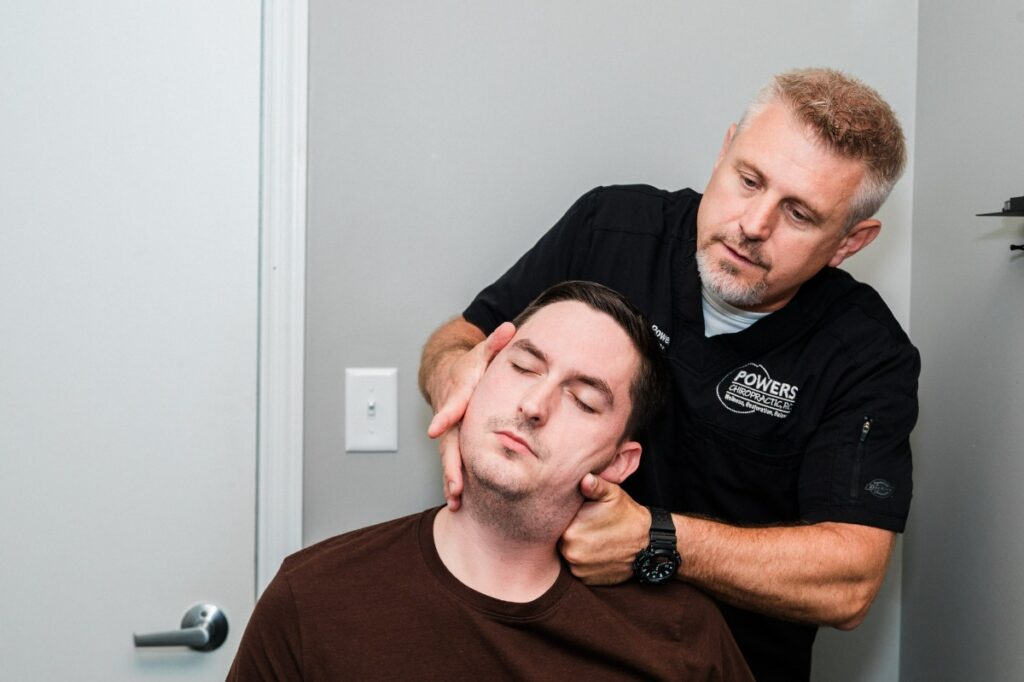

Are you having trouble achieving a restful night’s sleep? You’re certainly not alone in this struggle. Many individuals face difficulties when it comes to unwinding and entering a peaceful slumber. As a chiropractor, I want to emphasize the importance of understanding your sleep cycles and establishing a soothing bedtime routine. These factors can significantly impact your overall well-being.
Incorporating natural remedies and mindfulness techniques into your nightly routine may offer you effective solutions for improving the quality of your sleep. Proper alignment of the spine and addressing any musculoskeletal issues can also play a crucial role in helping you relax and fall asleep more easily. By making these simple adjustments to your lifestyle, you could transform your nights into a time of rejuvenating rest. Let’s work together to explore how chiropractic care and natural healing can support better sleep and overall health.
Understanding Sleep Cycles and Their Importance
As a local chiropractor, I often hear patients express confusion about why they sometimes wake up feeling invigorated and other times sluggish. This phenomenon is closely linked to your sleep cycles, which play a crucial role in your overall health and well-being. Each night, your body goes through several sleep cycles that typically last about 90 minutes.
These cycles include various stages such as light sleep, deep sleep, and REM sleep. Deep sleep is when your body undergoes vital repairs and rejuvenation, while REM sleep is key for memory consolidation and emotional processing. If you happen to wake up during the deep sleep stage, you may feel disoriented and fatigued.
To wake up feeling refreshed, it’s beneficial to time your awakening to coincide with the end of a sleep cycle. I encourage you to track your sleep patterns to better understand your natural rhythm. You might find it helpful to use a sleep app or keep a journal to record when you feel most rested.
Creating a Calming Bedtime Routine
Establishing a calming bedtime routine can significantly improve your sleep quality, especially if you often struggle to unwind after a busy day. As a chiropractor, I understand the vital connection between your physical health and sleep.
To begin, set a consistent bedtime and stick to it, even on weekends. This helps regulate your body’s internal clock.
Start your winding down process an hour before sleep. Dim the lights and turn off screens; this signals your body that it’s time to relax. Engaging in calming activities such as gentle stretching or mindfulness can help release tension in your body, which is crucial for optimal spinal health.
Consider sipping on herbal tea or enjoying a warm bath to promote relaxation further. These practices can soothe your muscles and ease any discomfort you may have.
Creating a serene sleep environment is essential; ensure your bedroom is cool, dark, and quiet. Utilizing aromatherapy with essential oils like lavender can also enhance your relaxation experience.
Finally, pay attention to your diet before bed. Avoid heavy meals and caffeine, as these can disrupt your sleep cycle.
By incorporating these elements into your nightly routine, you’ll find it easier to drift off and enjoy a more restful night’s sleep, which ultimately supports your overall health and wellness.
Natural Remedies for Better Sleep
As a local chiropractor, I often emphasize the importance of holistic approaches to health, including natural remedies that can significantly improve your sleep quality. If you find yourself struggling to drift off at night, I encourage you to explore some gentle options that can support your body and mind.
Herbal teas, such as chamomile or valerian root, are excellent choices for promoting relaxation. These natural ingredients can help calm your mind and prepare your body for a restful night’s sleep.
Additionally, aromatherapy can be a powerful tool; diffusing essential oils like lavender or bergamot can create a serene environment that fosters relaxation.
I also recommend considering magnesium supplements, as they can help relax your muscles and encourage deeper sleep. In conjunction with these remedies, incorporating mindfulness practices such as meditation or deep breathing exercises can be beneficial in reducing stress and anxiety levels as you wind down for the night.
Creating a sleep-friendly environment is crucial as well. Simple adjustments like installing blackout curtains or using a white noise machine can minimize disturbances that disrupt your sleep.
Finally, don’t overlook the soothing effects of a warm bath before bed; it can help lower your body temperature and signal to your body that it’s time to rest.
I invite you to experiment with these natural remedies and find what resonates with you. Quality sleep is essential for overall wellness, and integrating these practices can support your journey toward better health.
The Impact of Diet and Exercise on Sleep Quality
As a chiropractor dedicated to promoting overall health and wellness, I want to share how the foods you eat and your physical activity levels can significantly influence your sleep quality. Many people may not be aware, but the right diet and consistent exercise routine can lead to more restful nights. Here’s what you need to know:
1. Nutrient-Rich Foods: Incorporating foods that are high in magnesium, potassium, and calcium—such as leafy greens and nuts—can be beneficial. These nutrients help relax your muscles and contribute to deeper sleep, which is crucial for recovery and overall health.
2. Avoid Heavy Meals: It’s essential to be mindful of your eating habits, especially in the evening. Consuming large or spicy meals too close to bedtime can interfere with your sleep patterns.
I recommend finishing your last meal at least two to three hours before going to bed for optimal rest.
3. Regular Exercise: Engaging in moderate exercise throughout the day can help regulate your sleep cycles. Aim for at least 30 minutes of physical activity on most days.
However, keep in mind that vigorous workouts just before bed may hinder your ability to wind down and sleep well.
By understanding the connection between diet, exercise, and sleep quality, you can take proactive steps towards improving your overall health and wellness.
As always, feel free to reach out if you have questions or need guidance on how to implement these changes effectively!
Mindfulness and Relaxation Techniques for Restful Nights
As a chiropractor, I often emphasize the importance of holistic health and the role of mindfulness and relaxation techniques in achieving restful nights. Many of my patients express difficulty in getting quality sleep, and I believe that incorporating these practices into your nightly routine can significantly enhance your overall well-being.
To begin, I recommend setting aside a few minutes for deep breathing exercises. This involves inhaling slowly through your nose, holding for a brief moment, and then exhaling through your mouth. This simple yet effective practice helps calm both your mind and body, signaling that it’s time to unwind after a long day.
Additionally, gentle stretching or yoga can be incredibly beneficial. These activities help release built-up tension in your muscles and improve flexibility, which is essential for maintaining a healthy spine. As you engage in these movements, focus on being present in the moment—this mindfulness can further enhance relaxation.
Consider incorporating guided meditation or soothing music into your routine as well. These techniques can help quiet racing thoughts and ease your mind, creating a peaceful environment conducive to sleep. Visualization exercises, such as imagining a tranquil landscape, can also aid in promoting a sense of calm.
Lastly, keeping a gratitude journal by your bedside can be a powerful tool. By writing down positive thoughts or experiences before sleep, you cultivate a peaceful mindset, making it easier to embrace a restful night.
Conclusion
As a local chiropractor, I want to share how you can revolutionize your sleep experience with a few simple strategies. Understanding your sleep cycles is essential; it helps you recognize the natural rhythms of your body. Creating a calming bedtime environment is also crucial—consider your mattress and pillows, as they play a significant role in your spinal health and overall comfort.
Incorporating natural remedies can further enhance your sleep quality. Herbal teas, essential oils, and gentle stretches can relax both your body and mind. Additionally, don’t overlook the importance of a balanced diet and regular exercise. These factors contribute to not only better sleep but also improved spinal alignment and overall well-being.
Mindfulness practices, such as deep breathing or meditation, can also help ease any tension accumulated during the day, allowing you to unwind before bed. By prioritizing these aspects of your health, you can ensure that you wake up feeling rejuvenated, ready to tackle the day with clarity and energy. Remember, optimal sleep is a vital component of your overall health, and I’m here to support you on this journey.