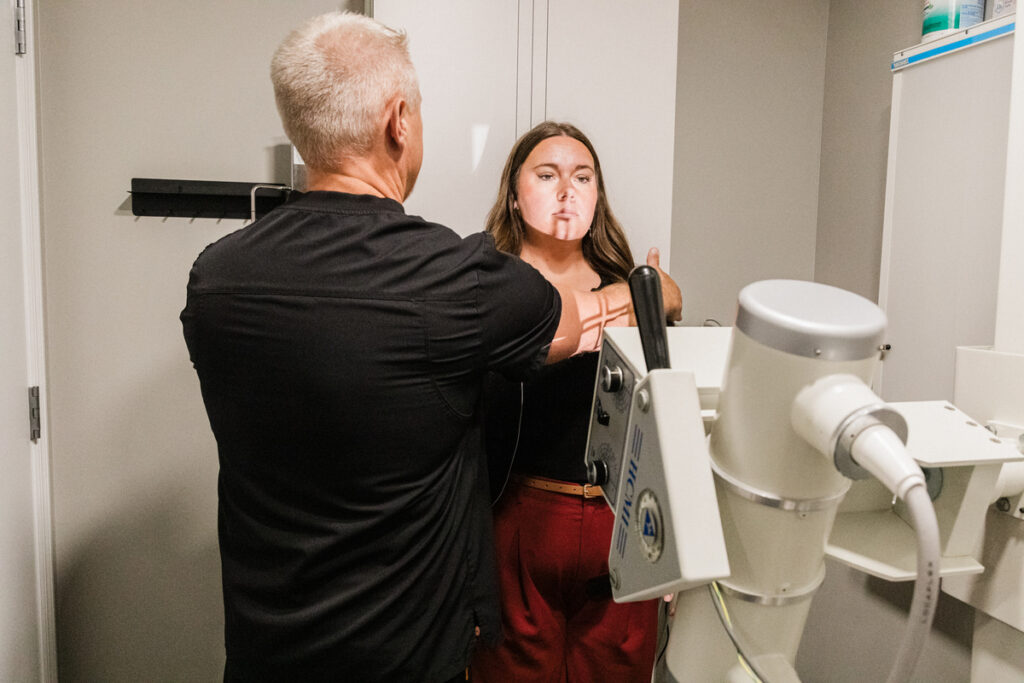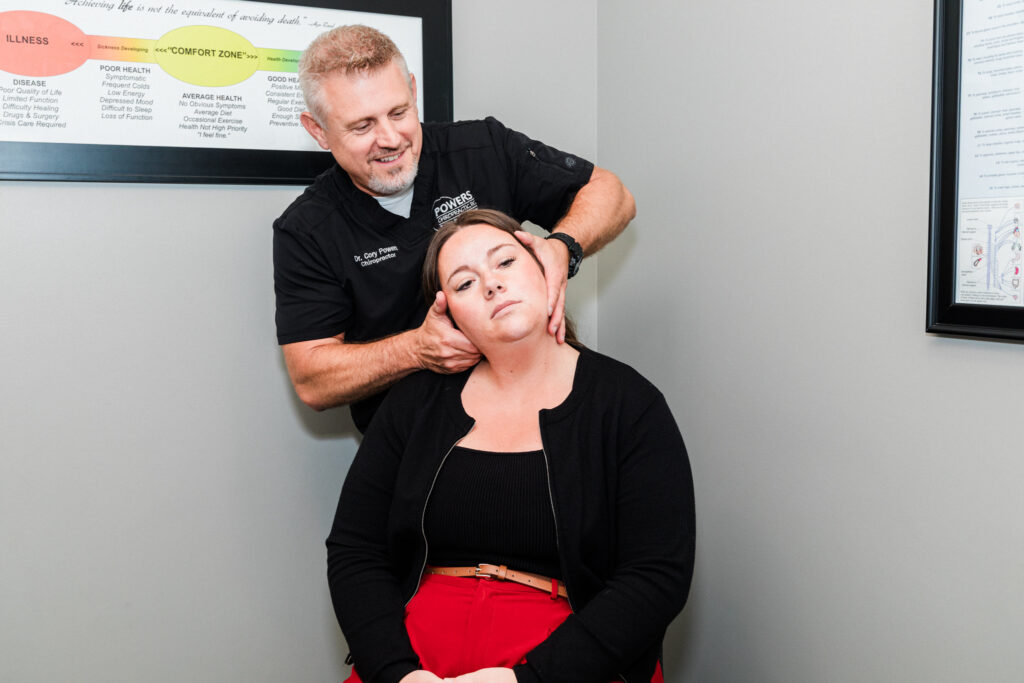

If you’re grappling with sports-related back pain, you’re certainly not alone. Many athletes experience this discomfort, but the good news is that there are effective, natural solutions to help you find relief. As a chiropractor, I believe that chiropractic care is one of the best ways to address back pain and promote overall wellness.
First and foremost, targeted stretching and core strengthening are essential. These practices help improve flexibility and stability, reducing the risk of injury. Incorporating specific stretches into your routine can enhance your athletic performance and support a healthier spine.
Proper ergonomics also play a crucial role in preventing and alleviating back pain. Whether you’re training or simply going about your day, paying attention to your posture can make a significant difference. Ensure that your workstation is set up for optimal alignment, and consider incorporating ergonomic tools to help maintain a healthy spine.
Recovery techniques are equally important. Techniques such as ice therapy, gentle massage, and rest can aid in reducing inflammation and promoting healing. However, regular chiropractic adjustments can enhance your recovery process by ensuring that your spine is properly aligned, which contributes to overall body function and health.
Additionally, maintaining a well-rounded fitness routine that includes cardiovascular exercise, strength training, and flexibility work promotes a resilient body that can better withstand the demands of sports.
Remember, chiropractic care not only addresses pain but also focuses on the underlying issues, helping you achieve optimal health. By incorporating these strategies into your life, you can experience a healthier, pain-free athletic journey. Embrace these solutions and take the first steps toward a more vibrant, active lifestyle!
Key Takeaways
- Regular chiropractic care is essential for maintaining a healthy spine and improving your overall mobility. By visiting a chiropractor, you can effectively alleviate back pain that comes from sports activities, allowing you to perform at your best.
- Prioritize dynamic stretching before your workout and static stretching afterward to enhance your flexibility. This practice not only helps prevent back pain but also prepares your body for the physical demands of sports.
- Strengthening your core is key to providing support for your spine during any physical activity. Simple exercises like planks and bridges can make a significant difference in your back health and overall performance.
- Incorporating foam rolling into your routine can release muscle tension and improve flexibility. Focus on areas such as your lower back and hips to help alleviate discomfort and support your body’s movement.
- Be mindful of your body mechanics and practice proper ergonomics during training. Additionally, cross-training can help balance muscle development and prevent injuries, ensuring you stay active and pain-free.
Remember, chiropractic care is a natural and effective way to support your health and wellness journey. Embrace these tips to promote a pain-free lifestyle and enhance your athletic performance!
Stretching and Flexibility Exercises
Incorporating stretching and flexibility exercises into your daily routine is a fantastic way to support your spine and reduce the risk of back pain, especially if you’re active in sports. Stretching isn’t just about improving flexibility; it’s about helping your body adjust to sudden movements and preventing injuries. Key areas to focus on include your hamstrings, hip flexors, and lower back, as these areas often experience the most strain during physical activity.
Before you begin any sport, consider adding dynamic stretches to warm up your muscles. This will prepare your body for action and help maintain your spinal health. After your workout, static stretching is beneficial for recovery and can help prevent stiffness, which is crucial for keeping your spine aligned and functioning optimally.
Additionally, practices like yoga and Pilates can significantly enhance your flexibility while also promoting better body awareness and posture. These practices align well with chiropractic care, as they emphasize the importance of a healthy spine and overall wellness.
Remember, consistency is key. Even dedicating just a few minutes each day to stretching can lead to noticeable improvements in your flexibility and overall health.
Strengthening Your Core
Strengthening your core is crucial for maintaining a healthy back, and as a chiropractor, I want to emphasize how important this is for your overall well-being. A strong core supports your spine during physical activities and daily tasks, helping to reduce the risk of injury. When your core muscles are fit, they stabilize your pelvis and spine, creating a solid foundation for your back.
To get started, try incorporating simple exercises like planks, bridges, and Russian twists into your routine. These movements engage multiple muscle groups, and they’re an excellent way to build core strength without putting unnecessary strain on your body.
Aim to include core workouts in your routine two to three times a week. Gradually increase the intensity and duration as you become more comfortable, but always prioritize good form. Proper technique ensures you’re targeting the right muscles and minimizing the risk of injury.
In addition to these exercises, consider activities like yoga or Pilates. Both are fantastic for enhancing core strength while also promoting flexibility and relaxation. By focusing on your core, you not only help alleviate back pain but also improve your overall stability and performance in daily life.
Remember, chiropractic care is also an effective way to support your journey to better health. Regular adjustments can help align your spine and improve your body’s function, making it easier for you to strengthen your core and live a more active, pain-free life.
Let’s work together to achieve optimal health naturally!
Proper Ergonomics for Athletes
Core strength is the foundation for proper ergonomics, which is vital for athletes aiming to improve their performance and avoid injuries. By focusing on how your body is aligned and how you move, you can enhance your efficiency and lessen strain. Here are some important tips to keep in mind:
- Posture: Always strive to maintain a neutral spine during workouts and everyday activities. Good posture not only helps prevent injuries but also allows your body to function optimally.
- Footwear: Invest in shoes that provide the right support for your specific sport. Proper footwear can help align your body and reduce the risk of injury.
- Workspace Setup: If you train indoors, ensure your environment promotes good posture. A well-organized space can help you maintain proper alignment while exercising.
- Warm-Up: Engage in dynamic stretching before any physical activity. This prepares your muscles and joints for movement, reducing the chance of injury.
- Body Awareness: Pay close attention to how your body feels during exercises. If something doesn’t feel right, don’t push through the pain; instead, adjust your movements. This is where chiropractic care can be incredibly beneficial, as a chiropractor can help you understand your body better and address any misalignments.
Remember, chiropractic care is a natural way to support your body, promote healing, and enhance your overall wellness.
Utilizing Foam Rollers
Foam rollers can be a fantastic addition to your back pain relief routine, especially when combined with regular chiropractic care. As a chiropractor, I believe that understanding how to use these tools effectively can greatly enhance your journey towards optimal health.
Let’s delve into the benefits of foam rolling and how it can complement your chiropractic treatment.
Foam rolling helps to release tension in your muscles and improve flexibility, which is essential for maintaining a healthy spine. By regularly incorporating foam rolling into your routine, you can experience reduced muscle tightness, better circulation, and an increased range of motion.
This practice aligns perfectly with the principles of chiropractic care, which focuses on restoring balance and function to your body.
Here are some general tips to get you started with foam rolling:
- Choose the Right Roller: Look for a foam roller that suits your comfort level. Beginners may prefer a softer roller, while more experienced users might opt for a firmer one.
- Focus on Key Areas: Pay attention to common areas where tension builds up, such as the upper back, lower back, and hips. Rolling these areas can help alleviate discomfort.
- Use Slow, Controlled Movements: When foam rolling, move slowly over each muscle group. This allows your body to adjust and helps release tight spots effectively.
- Breathe and Relax: Maintain a steady breath while rolling. If you find a particularly tight area, pause and take a few deep breaths to help release the tension.
- Incorporate Regular Chiropractic Visits: While foam rolling is beneficial, it works best when combined with professional chiropractic adjustments. Regular visits can ensure that your spine is aligned and functioning optimally.
Remember, foam rolling should never replace chiropractic care; it’s a complementary tool to support your overall wellness.
Foam Roller Techniques
Using a foam roller can be a fantastic addition to your health and wellness routine, especially when it comes to easing back pain. For active individuals and athletes, integrating foam rolling techniques can help release tension and enhance mobility, which is key to maintaining a healthy spine.
Here are some effective foam roller techniques that can support your journey towards optimal health:
- Upper Back Roll: Start by placing the foam roller horizontally beneath your upper back. Gently roll back and forth to alleviate tension in your upper back muscles. This can help improve your posture and spinal alignment.
- Lower Back Roll: Sit on the foam roller with your knees bent. Lean back gently to target any tightness in your lower back. Be careful to maintain a neutral spine as you roll, as this promotes better alignment.
- Lat Stretch: Lie on your side with the roller positioned under your armpit. As you roll down towards your waist, you’ll be stretching out your lats, which can help in reducing strain on your lower back.
- Thoracic Extension: Lie back on the roller, extending your arms overhead. This opens up your chest and promotes thoracic spine mobility, which is essential for overall spinal health.
- Hip Flexor Release: Kneel in front of the foam roller and place it under one hip. As you roll forward, you’ll be releasing tightness in the hip flexors, which can often contribute to lower back discomfort.
Incorporating these techniques into your routine can provide relief and enhance your physical performance.
Remember, while foam rolling is beneficial, it’s important to complement it with regular chiropractic care to achieve the best results for your overall wellness. Chiropractic adjustments can help ensure that your spine is aligned, which supports optimal function and healing.
Prioritize your health by exploring the natural benefits of chiropractic alongside your foam rolling practices.
Benefits of Foam Rolling
Incorporating foam rolling into your wellness routine can offer significant benefits for your physical health and athletic performance, and as a chiropractor, I believe it complements the natural healing process supported by chiropractic care.
Using a foam roller can help alleviate muscle tightness, enhance flexibility, and improve circulation—all important factors for maintaining a healthy spine and overall well-being.
Foam rolling works by releasing tension in your muscles, which allows for a better range of motion and can help reduce the risk of injuries. This is especially beneficial for those who are active or looking to stay fit. It can also promote faster recovery after workouts, enabling you to engage in physical activities with greater intensity and frequency.
Additionally, foam rolling can be an effective tool for relieving back pain. By targeting trigger points and knots in the muscles, it can help alleviate discomfort and enhance your spinal health. When used as part of your post-workout routine, foam rolling not only boosts your overall performance but also prepares your body for your next challenge.
Here are a few tips for incorporating foam rolling into your routine:
- Start Slow: If you’re new to foam rolling, begin with gentle pressure and gradually increase intensity as your muscles adapt.
- Focus on Key Areas: Pay special attention to areas that feel tight or sore, such as your lower back, hips, and thighs.
- Breathe: Remember to breathe deeply while rolling. This can help relax your muscles and enhance the benefits.
- Consistency is Key: Aim to foam roll regularly, especially after workouts, to maximize the benefits for your body.
- Pair with Chiropractic Care: For optimal health, consider combining foam rolling with regular chiropractic adjustments. This holistic approach can improve your spinal alignment and overall wellness.
Incorporating foam rolling into your routine, alongside chiropractic care, can lead to improved mobility, reduced pain, and a greater sense of well-being.
Ice and Heat Therapy
Ice and heat therapy are valuable tools for alleviating back pain, particularly for those of you who are active and may be recovering from injuries. While these methods can certainly help reduce inflammation, enhance circulation, and promote healing, I want to emphasize that chiropractic care should be your primary choice for achieving optimal health and wellness.
Here’s how you can effectively use ice and heat therapy, along with some insights on the benefits of chiropractic care:
- Ice therapy: When you apply ice for 15-20 minutes, it can numb the painful area and lessen swelling. This is especially helpful right after an injury. However, keep in mind that chiropractic adjustments can help address the underlying issues that cause pain, promoting long-term relief.
- Heat therapy: Using a heating pad or warm towel for 15-20 minutes can help relax tight muscles and boost blood flow. This can be a wonderful complement to adjustments you receive in the chiropractic office, as it prepares your body for better movement and alignment.
- Alternate treatments: Switching between ice and heat can be beneficial for alleviating stiffness and discomfort. Remember, these therapies are meant to support your body’s natural healing process, which is best achieved through chiropractic care.
- Timing: Use ice within the first 48 hours following an injury to manage swelling effectively. Heat is great for addressing chronic pain or muscle tension, but always consider consulting with your chiropractor for personalized advice on how to best integrate these therapies into your recovery plan.
- Listen to your body: It’s important to pay attention to how your back feels during these therapies. If you notice persistent pain, it might be time to schedule a chiropractic appointment to identify and treat the root cause.
Incorporating ice and heat into your routine can enhance your comfort, but remember that the most effective way to achieve long-lasting relief and optimal health is through regular chiropractic care.
Make it a priority to care for your spine, and you’ll enjoy a healthier, more active lifestyle!
Massage and Manual Therapy
As a local chiropractor, I want to share how massage and manual therapy can complement your back pain management routine, especially if you’re active or an athlete. These therapies work wonders by alleviating muscle tension, enhancing circulation, and promoting relaxation, which can significantly ease your back discomfort.
During a massage, skilled hands work to manipulate your soft tissues, effectively releasing knots and tightness that may be contributing to your pain. Similarly, manual therapy techniques, such as spinal manipulation, focus on realigning your spine, which is essential for restoring proper movement and function.
Incorporating regular chiropractic sessions into your routine can enhance your athletic performance, improve flexibility, and help prevent future injuries. Many people find that not only does chiropractic care reduce pain, but it also accelerates recovery after intense workouts.
For optimal results, it’s crucial to consult a qualified chiropractor who can tailor treatments specifically to your needs. Remember, consistent care can lead to a more comfortable experience in both your sport and daily life.
Here are a few tips to help you along your wellness journey:
- Maintain good posture: Whether sitting or standing, proper alignment can prevent unnecessary strain on your back.
- Stay active: Regular exercise strengthens your muscles and supports your spine.
- Listen to your body: If something doesn’t feel right, don’t ignore it. Early intervention with chiropractic care can make a significant difference.
- Hydrate: Keeping your body well-hydrated aids in muscle recovery and overall health.
Correcting Posture During Sports
Maintaining proper posture during sports isn’t only crucial for enhancing your performance but also for preventing injuries. As a chiropractor, I want to emphasize that good posture plays a vital role in distributing your body weight evenly, which significantly reduces strain on your back and joints.
Here are some simple tips to help you correct your posture while engaging in sports, all aimed at promoting natural wellness and spinal health:
- Keep Your Head Aligned: Ensure your head is directly over your spine, avoiding any forward jutting. This alignment helps maintain balance and reduces neck strain.
- Engage Your Core: Activating your core muscles is essential for supporting your lower back. A strong core helps stabilize your spine and prevents discomfort during physical activity.
- Bend Your Knees Slightly: A slight bend in your knees can help absorb shock from movements and maintain your balance. This small adjustment can make a big difference in how your body feels during and after sports.
- Relax Your Shoulders: Tension in your shoulders can lead to stiffness and discomfort. Make a conscious effort to keep them relaxed, allowing for better movement and reducing the risk of injury.
- Focus on Your Breathing: Take deep breaths to keep your body relaxed and aligned. Proper breathing techniques not only enhance your performance but also promote overall wellness.
Incorporating these simple posture tips into your sports routine can lead to improved performance and a lower risk of injury.
Remember, chiropractic care is an excellent way to support your body’s natural healing processes and achieve optimal health. If you ever experience pain or discomfort, consider visiting a chiropractor who can provide personalized care tailored to your needs.
Prioritizing your spinal health is a key step towards a healthier, more active lifestyle.
Cross-Training for Balanced Strength
To build balanced strength and prevent injuries, it’s essential to incorporate a variety of workout routines into your training. As a chiropractor, I see firsthand how diverse exercises can’t only keep your workouts fresh and engaging but also effectively target different muscle groups. This balanced approach is key to reducing your risk of back pain and enhancing your overall performance.
Engaging in cross-training can help ensure that no single muscle group is overworked, which is a common cause of injuries. By mixing in activities like swimming, cycling, and strength training, you can strengthen your entire body while promoting better spinal health.
Here are some simple tips to help you on your journey to balanced strength and wellness:
- Listen to Your Body: Pay attention to how your body feels during and after exercise. If you experience discomfort or pain, consider modifying your routine and consult with your chiropractor for personalized advice.
- Include Flexibility Exercises: Stretching is crucial for maintaining a healthy spine and preventing injuries. Incorporate yoga or dynamic stretching into your routine to enhance flexibility and support your overall strength.
- Focus on Core Strength: A strong core supports your spine and helps prevent back pain. Include exercises that target your abdominal muscles, such as planks and bridges, to build a solid foundation.
- Stay Consistent: Regular physical activity is vital for maintaining balanced strength. Aim to exercise multiple times a week and vary your routines to keep things interesting.
- Consider Chiropractic Care: Regular visits to your chiropractor can help ensure that your spine is aligned and functioning optimally. Chiropractic adjustments can enhance your mobility and may improve your performance in various exercises.
By embracing a holistic approach to your fitness routine and prioritizing your spinal health, you can achieve balanced strength and enjoy a pain-free lifestyle.
Diverse Workout Routines
Achieving balanced strength while preventing sports-related back pain is essential for maintaining a healthy, active lifestyle. One of the best ways to enhance your overall well-being and support your spine is through diverse workout routines. By incorporating various forms of exercise, you can strengthen different muscle groups, improve flexibility, and enhance your overall performance—all of which are crucial for a healthy back.
Here are some effective strategies to consider:
- Mix Cardio and Strength: Engage in activities like walking, cycling, or swimming alongside weightlifting. This combination not only targets different muscle groups but also helps maintain a balanced body, reducing strain on your back.
- Embrace Yoga or Pilates: These practices are fantastic for enhancing flexibility and building core strength. A strong core supports your spine and helps prevent back pain. Plus, they promote relaxation and stress relief, which are vital for overall wellness.
- Engage in Functional Training: Focus on exercises that mimic your daily activities. This type of training prepares your body for real-life movements, reducing the risk of injury and promoting better spinal alignment.
- Incorporate Balance Exercises: Activities like tai chi or using balance boards can greatly improve your stability. A stable body is less prone to injuries, including those affecting the back.
- Establish a Consistent Workout Routine: Regular exercise helps maintain muscle strength and flexibility, both of which are key to a healthy back. Consistency is crucial in preventing pain and ensuring long-term wellness.
Remember, while diverse workouts are beneficial, chiropractic care is an excellent complement to your fitness routine. Regular chiropractic adjustments can help alleviate pain, improve your posture, and enhance your overall physical function.
If you’re experiencing back pain or want to optimize your health, consider visiting a chiropractor for personalized care and support. Your spine will thank you!
Injury Prevention Techniques
Injury prevention is crucial for anyone wanting to maintain an active and healthy lifestyle, and one of the best methods to achieve this is through cross-training. By mixing different forms of exercise, you can build balanced strength across various muscle groups, which helps lower the risk of overuse injuries. For example, if you’re a runner, consider adding swimming or cycling to your routine. This not only enhances your endurance but also allows your muscles to have some recovery time.
In addition to varying your workouts, focusing on flexibility and core strength is vital. Practices like yoga or Pilates can greatly improve your stability and posture, which are essential for preventing issues like back pain.
As a chiropractor, I encourage you to listen to your body—if something doesn’t feel right, it’s important not to ignore it. Pushing through pain can lead to bigger problems down the road.
Prioritizing recovery is equally important. Techniques such as gentle stretching and regular chiropractic adjustments can help keep your spine aligned and your body functioning optimally. Chiropractic care is a natural way to support your body’s healing processes and promote overall wellness.
Investing in Quality Gear
Investing in quality gear is essential for preventing sports-related back pain and promoting overall wellness. As a chiropractor, I understand that the right equipment can significantly enhance your performance and protect your spine.
By choosing high-quality gear, you aren’t only prioritizing safety but also laying the groundwork for a healthier, more enjoyable experience in your favorite activities. Here are some key items to consider that can support your spine and overall health:
- Proper Footwear: It’s crucial to select shoes that provide ample support and cushioning tailored to your specific sport. This can help maintain proper alignment and reduce strain on your back.
- Back Support Braces: These can be beneficial for maintaining good posture during physical activities. A well-supported spine can prevent discomfort and injuries.
- Adjustable Equipment: Look for gear such as bikes or racquets that can be adjusted to fit your body. Customizing your equipment helps to ensure that your posture remains optimal, reducing the risk of back pain.
- Quality Mats or Padding: If you’re engaging in activities like yoga or martial arts, investing in high-quality mats can help absorb impact and provide a stable surface for your practice. This is essential for protecting your spine during movements.
- Moisture-Wicking Fabrics: Wearing breathable, moisture-wicking clothing keeps you comfortable and helps regulate your body temperature. Staying cool can prevent muscle tension, which often leads to discomfort.
Remember, while quality gear is important, regular chiropractic care is the best way to maintain spinal health and address any underlying issues that may lead to pain.
Consulting a Sports Medicine Professional
When you’re serious about your athletic performance and want to prevent back pain, seeking the expertise of a chiropractor can be a transformative decision. Chiropractors are skilled in understanding how your body moves and the unique stresses it encounters during sports. They can provide personalized advice to help you maintain optimal health and keep your back in peak condition.
During your visit, your chiropractor will assess your movement patterns and identify any potential issues that may lead to discomfort. From there, they can create a customized plan focused on strengthening your back and enhancing your overall performance.
Don’t wait for pain to become a problem; taking proactive steps can significantly improve your athletic experience. A chiropractor can recommend specific exercises designed to enhance flexibility and core strength, both of which are essential for supporting your back during physical activities. They may also suggest adjustments to your training routine or introduce recovery techniques that fit seamlessly into your lifestyle.
In addition to chiropractic adjustments, here are some general tips to support your back health and athletic performance:
- Stay Active: Regular physical activity helps maintain a healthy spine. Incorporate activities that you enjoy, whether it’s running, swimming, or yoga.
- Warm Up and Cool Down: Always take the time to properly warm up before exercise and cool down afterward to prevent injuries.
- Listen to Your Body: Pay attention to any signs of discomfort or pain, and don’t push through it. Early intervention can prevent more significant issues.
- Maintain Good Posture: Being mindful of your posture during workouts and daily activities can greatly reduce strain on your back.
- Stay Hydrated: Keeping your body hydrated is vital for overall health and helps maintain the elasticity of your muscles and ligaments.
With chiropractic care, you can effectively manage back pain while also boosting your performance, keeping you on track to achieve your athletic goals naturally and holistically. Embrace the journey to a healthier you!
Conclusion
Incorporating these solutions into your routine can significantly alleviate sports-related back pain, and chiropractic care is a key component in achieving optimal health. By focusing on stretching and strengthening your core, you not only improve your performance but also support your spine’s health. Remember to maintain proper posture and ergonomics in your daily activities to prevent strain on your back.
Using foam rollers can be a great way to relieve tension, while ice or heat therapy aids in recovery. However, the best approach to sustaining a healthy back is through regular chiropractic adjustments. These adjustments help ensure your spine is aligned, which can enhance your overall well-being and reduce pain.
Cross-training is another excellent strategy, as it helps build balanced strength across your body, reducing the risk of injury. Additionally, investing in quality sports gear can enhance your comfort and support during physical activity.
Most importantly, always listen to your body. If you experience persistent pain, it’s essential to consult a chiropractor. They can provide tailored advice and treatment to keep your back healthy and pain-free, steering you away from unnecessary medications or surgeries. Embrace these tips for a healthier, more active lifestyle!