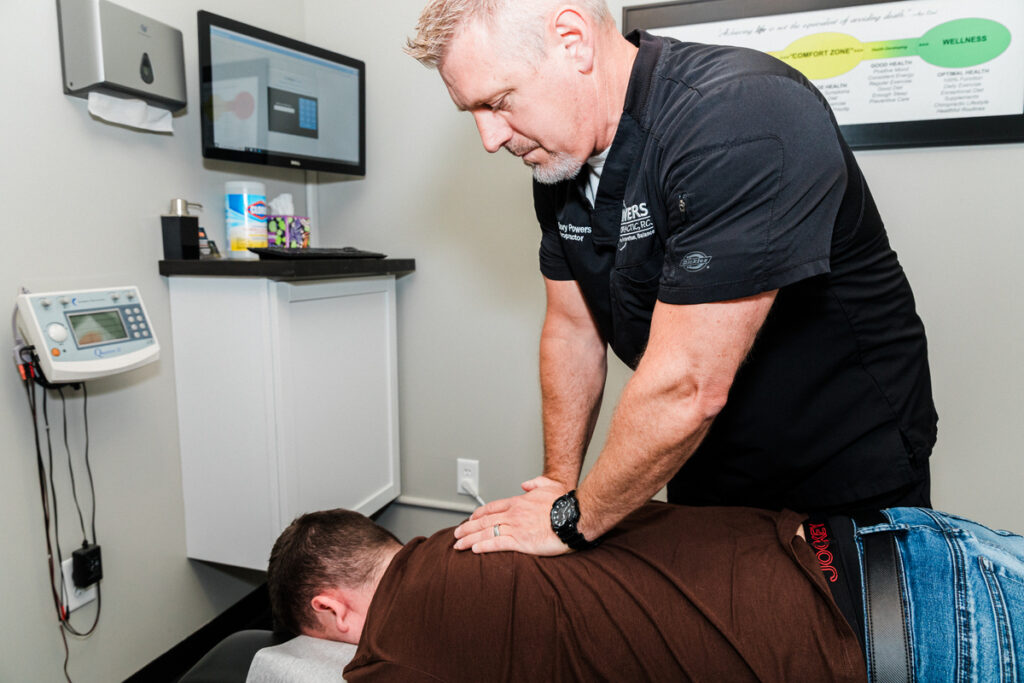

Did you know that your posture might be the secret to easing your back pain? Standing tall not only boosts your confidence but also plays a crucial role in maintaining proper spinal alignment. If you’re experiencing discomfort, it’s important to understand how your posture relates to your back health. As a chiropractor, I believe that making simple adjustments to your posture can lead to significant improvements in how you feel every day.
Here are a few practical tips to help you stand tall and support your spine:
- Be Mindful of Your Posture: Throughout the day, check in with your posture. Keep your shoulders back and relaxed, your chin tucked in slightly, and your feet shoulder-width apart. This foundation can help alleviate unnecessary strain on your back.
- Strengthen Your Core: A strong core supports your spine. Incorporate exercises like planks and bridges into your routine to build core strength, which can help reduce back pain.
- Take Breaks: If you sit for long periods, make it a habit to stand up and stretch every 30 minutes. Simple stretches can relieve tension and improve circulation.
- Ergonomic Workspace: Ensure your workspace is set up to promote good posture. Your chair should support your lower back, and your computer screen should be at eye level to prevent slouching.
- Chiropractic Care: Regular visits to a chiropractor can help maintain spinal health and enhance your overall well-being. Chiropractic adjustments can realign your spine, improve your posture, and provide natural relief from pain.
Remember, small changes can make a big difference in your daily comfort. By focusing on your posture and incorporating these tips, you can take control of your back health and experience the benefits of a pain-free life. Let’s work together towards a healthier, more vibrant you!
Key Takeaways
- Embrace the power of proper posture! Keeping your spine aligned not only helps reduce muscle strain but also prevents back pain. Remember, a well-aligned spine is the foundation of a healthy body.
- Incorporate daily stretching into your routine to boost flexibility and ease discomfort. Try the Cat-Cow Stretch—it’s a simple yet effective way to loosen up your back and promote relaxation.
- Strengthening your back muscles is key to maintaining stability and improving posture. Focus on exercises like planks and bridges, which can be easily done at home. Strong muscles support your spine, reducing the risk of pain.
- Make ergonomic adjustments at your workstation to support your spinal health. Ensure your chair is comfortable and your monitor is at eye level. A well-set workspace can make a world of difference in preventing discomfort.
- If you’re experiencing persistent or worsening back pain, don’t hesitate to consult with a chiropractor. We provide personalized advice and natural healing solutions tailored to your needs. Chiropractic care is a safe and effective way to achieve optimal health and wellness without relying on medications or surgeries.
By focusing on these simple tips, you can take proactive steps towards a healthier back and a happier life!
Understanding Back Pain: Common Causes and Symptoms
When you experience back pain, it’s crucial to understand its common causes and symptoms, as well as how chiropractic care can help you find relief. Often, muscle strains or ligament sprains are the culprits, typically resulting from lifting heavy objects or making sudden awkward movements.
If you lead a sedentary lifestyle, your muscles may not be strong enough to support your spine effectively, increasing your risk of pain. Conditions like herniated discs, arthritis, and sciatica can also contribute to discomfort, causing pain that may radiate down your legs.
You might notice stiffness, a limited range of motion, or a persistent ache that intensifies with certain activities. Emotional stress can play a role too, manifesting as physical pain by tightening the muscles in your back.
It’s essential to be mindful of these signs, as they can indicate when it’s time to seek chiropractic care. By recognizing the causes and symptoms, you can take proactive steps toward addressing your back pain naturally.
Chiropractic care focuses on spinal health and overall wellness, offering a holistic approach to pain relief. Regular adjustments can help align your spine, improve mobility, and strengthen your muscles, leading to better support for your back.
Additionally, practicing good posture, staying active with gentle exercises, and managing stress through relaxation techniques can all contribute to a healthier spine and reduced pain.
The Importance of Posture in Preventing Back Pain
Your posture is crucial in preventing back pain, and maintaining proper alignment can significantly reduce discomfort over time. As a chiropractor, I want to emphasize the importance of good posture not just at work but in all aspects of your daily life.
By prioritizing ergonomics and incorporating simple stretching techniques into your routine, you can enhance your spinal health and overall well-being.
Here are a few easy tips to help you improve your posture and keep your spine healthy:
- Be Mindful of Your Sitting Position: When sitting at your desk, ensure that your feet are flat on the floor, your knees are at a right angle, and your back is straight against the chair. Consider using a lumbar roll or cushion for added support.
- Take Frequent Breaks: If your job requires prolonged sitting, make it a habit to stand up, stretch, and move around every 30-60 minutes. This helps relieve pressure on your spine and promotes blood circulation.
- Incorporate Stretching: Simple stretches can work wonders for your back. Try gentle neck rolls, shoulder shrugs, and back stretches throughout the day to keep your muscles flexible and reduce tension.
- Practice Good Lifting Techniques: When lifting heavy objects, always bend at your knees and keep the object close to your body. This technique helps protect your back from strain.
- Consider Chiropractic Care: Regular visits to a chiropractor can help you maintain optimal spinal alignment and provide personalized advice tailored to your specific needs. Chiropractic adjustments can relieve pain, improve mobility, and enhance your overall health naturally.
Remember, small adjustments in your daily routine can lead to significant improvements in your posture and spinal health.
Impact of Poor Posture
Poor posture can significantly increase your risk of developing back pain, as it puts unnecessary strain on your spine and the surrounding muscles.
When you slouch or hunch, you’re not merely affecting your appearance; you’re also paving the way for discomfort and potential injury.
As a chiropractor, I want to share four key impacts of poor posture and how chiropractic care can help you achieve optimal health:
1. Muscle Strain: When you maintain poor posture, your muscles have to work harder to support your body. This can lead to fatigue and soreness.
Regular chiropractic adjustments can help align your spine, reducing the strain on your muscles and promoting better posture.
2. Joint Pressure: Misalignment due to poor posture puts extra pressure on your joints, which can increase wear and tear over time.
Chiropractic care focuses on realigning your spine and joints, relieving that pressure and enhancing your overall joint health.
3. Nerve Compression: Poor posture can lead to compressed nerves, causing pain or numbness.
Chiropractic adjustments can alleviate nerve compression by restoring proper alignment, allowing for better nerve function and reducing discomfort.
4. Reduced Flexibility: Tight muscles from poor posture can limit your range of motion, making everyday activities more challenging.
Engaging in chiropractic care can improve flexibility by addressing muscle tightness and promoting better spinal alignment.
In addition to seeking chiropractic care, here are some simple tips to help improve your posture and overall spinal health:
- Be Mindful of Your Sitting Position: Keep your feet flat on the ground, your back straight, and your shoulders relaxed when sitting.
- Take Regular Breaks: If you sit for long periods, stand up, stretch, and walk around every hour to relieve tension.
- Strengthen Your Core: Incorporate core-strengthening exercises into your routine to support your spine better.
- Use Supportive Furniture: Invest in a chair that supports your lower back and encourages good posture.
Ergonomics at Work
Maintaining good posture isn’t just crucial during your leisure time; it plays a vital role in your work environment as well. Correct sitting or standing can significantly reduce strain on your back and help prevent discomfort. As a chiropractor, I want to share some valuable tips to enhance your ergonomics at work, which can promote better spinal health and overall wellness:
| Tip | Benefits | Implementation |
|---|---|---|
| Adjust chair height | Keeps feet flat on the ground | Use a chair with adjustable height to support your spine correctly |
| Monitor position | Reduces neck strain | Position the monitor at eye level to keep your neck aligned with your spine |
| Keyboard placement | Prevents wrist issues | Keep your keyboard at elbow height to avoid unnecessary strain on your wrists |
| Take breaks | Improves circulation | Stand and stretch every hour to keep your body moving and reduce stiffness |
Incorporating these simple adjustments can not only enhance your comfort but also aid in preventing chronic pain conditions. Remember, prioritizing proper ergonomics is a step toward achieving optimal health. Regular chiropractic care can further support your journey to wellness, helping to maintain spinal alignment and overall body function. By adopting these habits and seeking natural healing methods, you can pave the way for a healthier, pain-free work life.
Daily Stretching Techniques
Maintaining good posture and preventing back pain is essential for overall health, and daily stretching can be a key component in achieving this. As a chiropractor, I believe that incorporating stretching into your routine not only enhances flexibility but also reduces muscle tension and promotes proper spinal alignment.
Here are four effective stretching techniques that you can easily include in your daily regimen:
- Cat-Cow Stretch: This yoga-inspired move is wonderful for improving spinal flexibility. It allows you to gently mobilize your spine while relieving tension in your back, making it an excellent addition to your morning or evening routine.
- Child’s Pose: This gentle, restorative stretch helps relax your spine and open up your hips. It’s a great way to unwind and can be especially beneficial after a long day of sitting.
- Hamstring Stretch: Tight hamstrings can contribute to lower back discomfort by pulling on the pelvis. Keeping these muscles flexible can help alleviate that tension and support a healthier spine.
- Chest Opener: In our increasingly sedentary lifestyle, slouching has become common. This stretch counteracts that by opening up your chest and shoulders, helping to promote better posture.
Making these stretches a daily habit can lead to noticeable improvements in your posture and a decrease in back pain.
Remember, while these stretches are beneficial, regular chiropractic care can further enhance your body’s ability to heal and maintain optimal health. By aligning your spine and addressing any misalignments, chiropractic care supports your overall wellness journey.
Embrace these techniques alongside your chiropractic visits for the best results in your pursuit of a healthier, pain-free life.
Effective Exercises for Strengthening Your Back
To strengthen your back and promote overall wellness, it’s important to incorporate targeted exercises into your routine. As a chiropractor, I believe that natural methods like exercise can significantly enhance your health and support your spine.
Let’s explore some effective exercises that can help you build strength in your back while also positioning chiropractic care as a fundamental aspect of your wellness journey.
Start with the superman exercise: lie face down on a comfortable surface, extend your arms and legs, and lift them off the ground simultaneously. This movement helps engage your back muscles and improve spinal stability. Hold for a few seconds, then gently lower back down.
Next, consider doing bent-over rows with dumbbells. Stand with your feet shoulder-width apart, hinge at your hips while keeping your back straight, and pull the weights towards your torso. This exercise effectively targets your upper back and helps maintain proper posture, which is essential for spinal health.
Planks are another fantastic choice. Position yourself on your forearms and toes, maintaining a straight line from your head to your heels. This exercise not only strengthens your back but also engages your core, which is vital for supporting your spine.
Don’t overlook the bird-dog exercise, which is excellent for coordination and stability. Start on your hands and knees, extend one arm forward while simultaneously extending the opposite leg back. Hold briefly, then switch sides. This movement encourages balance and strengthens your back and core muscles.
Finally, bridges are a wonderful way to strengthen your lower back and glutes. Lie on your back with your knees bent, feet flat on the floor. Lift your hips towards the ceiling while engaging your glutes and lower back. This exercise not only strengthens your back but also promotes better posture.
Aim to perform these exercises two to three times a week, and you’ll likely notice improved strength and support for your back.
Remember, these exercises are just one part of a holistic approach to health. Regular chiropractic care can complement your exercise routine, helping to align your spine, alleviate pain, and enhance your overall well-being.
Embrace these natural methods, and you’ll be on your way to optimal health!
Stretching Techniques to Alleviate Discomfort
Stretching your muscles is a natural and effective way to alleviate discomfort and enhance your overall mobility. As a local chiropractor, I believe that incorporating regular stretching into your daily routine can help release tension and improve flexibility, particularly in your back.
Here are four simple stretching techniques you can try at home:
- Cat-Cow Stretch: Begin on all fours with your hands under your shoulders and knees under your hips. As you exhale, arch your back upwards like a cat (Cat). Then, as you inhale, let your belly drop and lift your head (Cow). This gentle movement helps to loosen your spine and promote better alignment.
- Child’s Pose: Kneel on the floor and sit back on your heels. Stretch your arms forward on the ground, allowing your forehead to rest on the mat. This pose gently stretches your lower back and can help relieve tension after a long day.
- Seated Forward Bend: Sit on the floor with your legs extended in front of you. Reach for your toes while keeping your back straight. This stretch not only targets your hamstrings but also encourages a healthy lower back.
- Torso Twist: While seated, gently rotate your torso to one side, then to the other. This simple movement helps improve spinal mobility and can ease stiffness in your back.
Incorporating these stretches into your daily routine can lead to significant relief from discomfort and promote overall wellness.
Remember, chiropractic care is an excellent complement to these practices, as it focuses on natural healing and optimal spinal health. If you’re experiencing persistent pain or discomfort, consider visiting your local chiropractor for personalized care and guidance.
Embrace these simple stretches as part of your journey towards a healthier, pain-free life!
Ergonomic Adjustments for Your Workspace
To combat back pain effectively, optimizing your workspace with proper ergonomic adjustments is crucial. As a chiropractor, I want to emphasize that these adjustments can play a vital role in your overall spinal health and wellness.
Start by adjusting your chair height so that your feet rest flat on the floor and your knees are aligned with your hips. This position helps maintain the natural curve of your spine and can alleviate tension in your lower back.
Next, ensure that your monitor is at eye level. This simple adjustment can significantly reduce strain on your neck and back, promoting better posture. Remember, good posture is essential for spinal health, and it’s something we focus on in chiropractic care.
Here are a few additional tips to enhance your workspace ergonomics:
- Take Regular Breaks: Stand up, stretch, and walk around every hour to keep your spine flexible and reduce stiffness.
- Use a Lumbar Support: Consider using a small pillow or a lumbar roll to support the natural curve of your lower back while sitting.
- Keep Frequently Used Items Within Reach: Arrange your workspace so that you don’t have to twist or lean awkwardly to reach for items. This can help prevent unnecessary strain on your back.
- Practice Good Posture: When sitting, keep your back straight and shoulders relaxed. Your elbows should be close to your body and form an angle between 90 and 120 degrees.
Chiropractic care is an excellent choice for addressing back pain and promoting natural healing. Regular adjustments can help align your spine, relieve tension, and improve your overall health.
Chair Height Settings
Adjusting your chair height is one of the simplest yet most effective ways to enhance your workspace ergonomics and alleviate back pain, which is something I often see in my chiropractic practice.
When your chair is at the right height, it not only promotes better posture but also reduces strain on your back. Here are four practical tips to ensure your chair height is just right for optimal spinal health:
- Feet Flat: Make sure your feet rest flat on the ground or on a footrest. This helps keep your knees at a 90-degree angle, which can prevent unnecessary pressure on your spine and promote better circulation.
- Thigh Clearance: It’s important to have enough space between the seat and the back of your knees to avoid any pressure points. This will help you maintain good blood flow and keep your legs comfortable, reducing the risk of discomfort and pain.
- Arm Position: When resting your arms on the desk, they should be parallel to the floor or slightly angled downward. Proper arm positioning helps maintain a relaxed posture, which can significantly decrease tension in your neck and shoulders.
- Back Support: Your chair should support the natural curve of your lower back. This is crucial for maintaining spinal health and comfort during long hours of sitting.
Consider using a small cushion or lumbar support if your chair doesn’t provide adequate support.
By following these simple tips, you can create a more ergonomic workspace that not only enhances your comfort but also supports your overall health.
Monitor Positioning Tips
How can the right monitor positioning transform your workspace and help alleviate back pain? It’s quite simple: aligning your monitor correctly can significantly enhance your comfort and well-being. As a chiropractor, I can tell you that proper ergonomics is key to maintaining a healthy spine and reducing discomfort.
First, ensure that the top of your screen is at or just below eye level. This positioning keeps your neck in a neutral position, which is vital to prevent strain and misalignment.
Next, place your monitor about an arm’s length away. This distance not only helps reduce eye strain but also encourages better posture, allowing your spine to stay aligned.
If you’re working with multiple screens, angle them slightly towards you. This small adjustment minimizes the need for twisting your neck, which can lead to discomfort over time.
Additionally, make sure the brightness of your screen matches the lighting in your room. This helps prevent squinting and can contribute to overall eye comfort.
By taking these simple steps, you’re not only improving your posture but also creating a more comfortable and productive workspace.
The Role of Nutrition in Back Health
While many people think exercise and posture are the main keys to easing back pain, it’s important to remember that nutrition is a vital component in maintaining a healthy spine. The right nutrients can help strengthen your muscles and support your overall spinal health, giving you a solid foundation for a pain-free life.
Here are four essential nutritional aspects to consider:
- Calcium: This mineral is crucial for strong bones, which support your spine. Make sure to include sources like dairy products, leafy greens, and fortified foods in your meals.
- Vitamin D: This vitamin aids in calcium absorption, making it essential for bone health. You can get vitamin D naturally from sunlight, fatty fish, or consider supplements if needed.
- Omega-3 Fatty Acids: These healthy fats can help reduce inflammation, which is often a contributor to back pain. Try to incorporate fatty fish, walnuts, and flaxseeds into your diet to reap their benefits.
- Magnesium: This mineral is important for proper muscle function and can help alleviate tension that may lead to discomfort. Good sources of magnesium include nuts, seeds, and whole grains.
Incorporating these nutrients into your diet can support your spine’s health, but remember that chiropractic care is also a powerful ally in your journey toward optimal health.
Regular chiropractic adjustments can enhance your body’s natural ability to heal itself, improve your posture, and alleviate pain. By combining good nutrition with chiropractic care, you can take significant steps toward a healthier, pain-free life.
Always consult with your chiropractor for personalized advice tailored to your specific needs.
When to Seek Professional Help
When should you think about reaching out for professional help with your back pain? If your pain sticks around for more than a few weeks, even after trying some self-care techniques, it’s a good idea to consult with a chiropractor.
Back pain that travels down your legs, causes weakness or numbness, or comes with unexplained weight loss or fever is especially concerning and warrants immediate attention. These symptoms could indicate a more serious issue that chiropractic care can help address.
If you’re dealing with severe pain that makes it hard to go about your daily routine or gets in the way of a good night’s sleep, don’t wait to get in touch with a chiropractor for guidance.
Remember, the sooner you seek help, the better your chances are for a quick recovery. Ignoring pain can often lead to more prolonged issues.
Trust your body; if something feels off or your discomfort isn’t getting better, a professional evaluation can help you find the right chiropractic treatment tailored to your needs.
You don’t have to battle back pain on your own—natural healing through chiropractic care is here to support you.
In the meantime, here are some general tips to help manage your back pain:
- Stay Active: Gentle movements and stretching can keep your back flexible.
- Practice Good Posture: Being mindful of how you sit and stand can prevent strain.
- Use Ice or Heat: Applying ice or heat to the affected area can provide relief.
- Listen to Your Body: If an activity causes pain, it’s best to take a break and rest.
Chiropractic care is an excellent option for achieving optimal health and wellness. If you’re ready to take the next step toward feeling better, don’t hesitate to reach out for support!
Tips for Maintaining a Healthy Back Long-Term
To maintain a healthy back long-term, it’s crucial to adopt daily habits that promote the well-being of your spine. By following these simple tips, you can help prevent future pain and keep your back strong, while also considering the benefits of chiropractic care as a natural solution for maintaining optimal health.
1. Practice Good Posture: Maintaining proper alignment whether you’re sitting, standing, or walking can significantly reduce strain on your back. Be mindful of your posture throughout the day, and consider a visit to your chiropractor to learn techniques that can help you achieve and maintain good posture.
2. Stay Active: Regular movement is essential for a healthy back. Engaging in activities that strengthen your back muscles and improve flexibility—such as walking, swimming, or yoga—can be very beneficial.
Incorporating chiropractic adjustments into your routine can also enhance your physical activity by ensuring your spine is in optimal alignment.
3. Lift Properly: When lifting heavy objects, remember to bend your knees and keep your back straight. Avoid twisting your torso while lifting to prevent injury.
If you’re unsure about proper lifting techniques, your chiropractor can provide personalized advice to help you stay safe.
4. Invest in a Good Mattress: A mattress that supports your spine is vital for restful sleep and pain reduction. Choosing the right mattress can help maintain spinal alignment while you sleep.
Consulting with your chiropractor can also help you understand the best sleep positions for your back health.
By integrating these habits into your daily life and considering chiropractic care as a part of your wellness routine, you can support your spine’s health and enjoy a pain-free life.
Conclusion
By prioritizing your posture and integrating simple exercises and ergonomic adjustments into your daily routine, you can effectively manage back pain. However, nothing compares to the benefits of chiropractic care when it comes to promoting a healthy spine and alleviating discomfort. Regular chiropractic adjustments can help align your spine, reduce tension, and improve overall function.
In addition to chiropractic treatments, remember to stretch regularly and be mindful of your nutrition, as both play vital roles in maintaining spinal health. Incorporating more anti-inflammatory foods into your diet can help support your body’s natural healing processes.
If your pain persists, seeking the expertise of a chiropractor can provide you with personalized care tailored to your specific needs. With dedication to your health and mindful habits, you can stand tall and leave those back pain blues behind for good! Remember, chiropractic care is a natural, effective way to achieve optimal health and wellness.