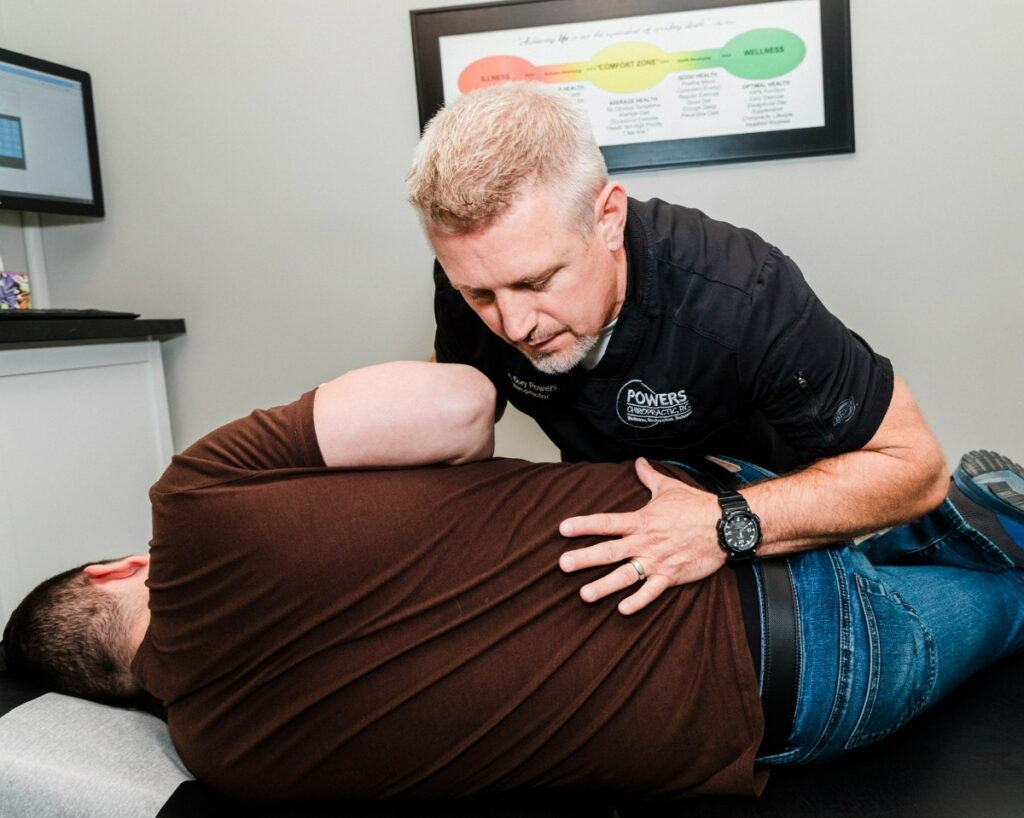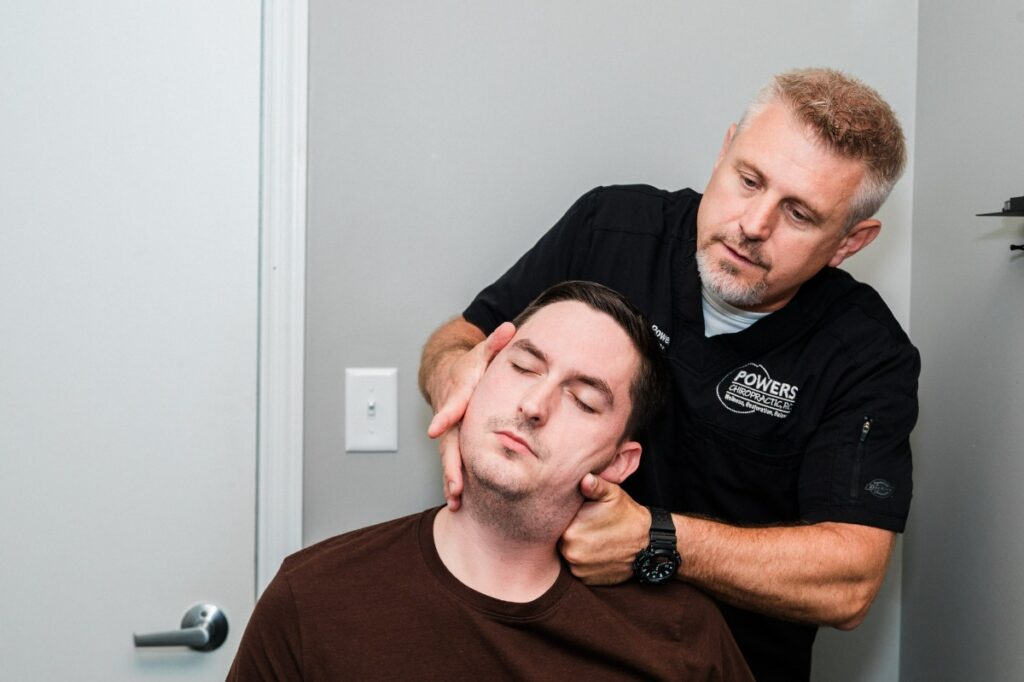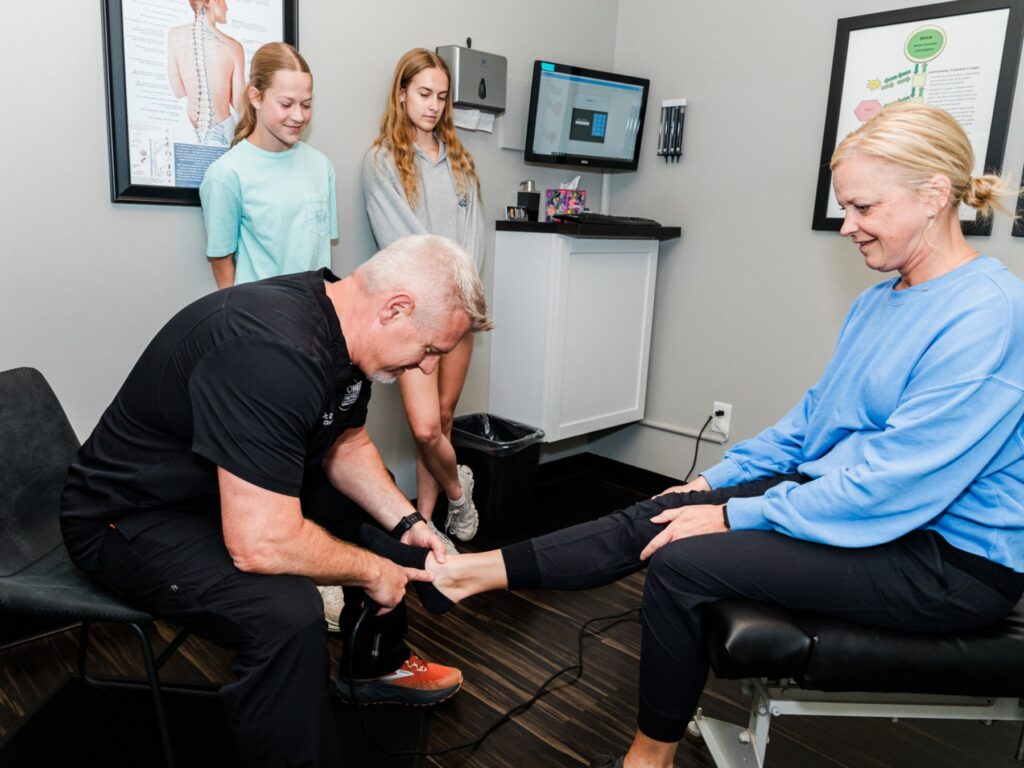

As your local chiropractor, I want to emphasize that your spine is far more than just a stack of bones—it’s the cornerstone of your overall well-being. Many people underestimate the impact of posture and everyday habits, but they can lead to significant problems like chronic pain and nerve damage. Often, it isn’t until discomfort arises that we start to recognize how crucial spinal health truly is.
Understanding the importance of caring for your spine is the first step toward a healthier you. So, what can you do to ensure your spine receives the tender loving care it deserves? Through chiropractic care, we can work together to restore balance and function to your spine, alleviate pain, and promote natural healing. Let’s explore how you can prioritize your spinal health and enhance your quality of life!
The Importance of Spinal Health
As your local chiropractor, I want to emphasize the vital role that spinal health plays in your overall well-being. Your spine isn’t just a structure that supports your body; it also protects your nervous system, which is essential for your body’s communication and function. When your spine is properly aligned and strong, it ensures that signals can efficiently travel between your brain and the rest of your body. This means you can move freely, feel good, and function at your best.
Many people don’t realize that neglecting spinal health can lead to serious issues, such as chronic pain, limited mobility, and even nerve damage. Everyday habits—like slouching in your chair, lifting heavy objects improperly, or even sleeping in awkward positions—can put unnecessary strain on your spine. It’s essential to listen to your body and prioritize your spinal health through preventative measures.
Incorporating simple lifestyle changes can make a significant difference in your spinal health. Regular exercise helps strengthen the muscles that support your spine, while a balanced diet provides the nutrients needed for overall health. Staying hydrated is also crucial, as it helps maintain the elasticity of the spinal discs.
By focusing on these areas, you can enhance not only your spinal health but also your overall quality of life.
As your chiropractor, I’m here to guide you on this journey towards better health. Together, we can develop a personalized plan that addresses your specific needs and helps you achieve optimal spinal wellness. Remember, a healthy spine means a healthier you!
Understanding Good Posture
As a local chiropractor, I want to emphasize just how crucial good posture is for your spinal health and overall well-being. Many people overlook this aspect, but the way you align your body can significantly impact your health. Good posture means positioning your body correctly, which allows your spine to maintain its natural curves.
When you stand, sit, or move with proper alignment, you alleviate unnecessary strain on your muscles and ligaments, making daily activities much more comfortable.
To achieve and maintain good posture, I encourage you to focus on a few key points: keep your head in line with your shoulders and hips. Your shoulders should be relaxed and drawn back, and it’s important to engage your core muscles.
Whether you’re at a desk working or simply walking around, being mindful of your body’s alignment can make a world of difference.
Practicing good posture not only helps to prevent discomfort and injuries but also enhances your confidence and energy levels. By incorporating these habits into your daily routine, you’re taking proactive steps towards better spinal health and overall well-being.
Common Causes of Poor Posture
As a local chiropractor, I often see patients who struggle with poor posture, which is frequently a result of everyday habits and lifestyle choices.
One of the primary contributors to this issue is the tendency to sit for long periods without proper support. Whether you’re hunched over a desk at work or slouching while watching TV, this can lead to significant strain on your spine.
Another factor is footwear. Wearing high heels or shoes that lack proper support can disrupt your body’s alignment, resulting in discomfort and poor posture. It’s essential to be mindful of the shoes you choose, as they can have a lasting impact on your spinal health.
Stress and fatigue are also important considerations. When you’re under stress, it’s common to unconsciously tense your muscles, which can lead to misalignment in your spine.
Additionally, a sedentary lifestyle can weaken the core muscles that are crucial for maintaining good posture. Engaging in regular physical activity can help strengthen these muscles and support your spine better.
Carrying heavy bags on one shoulder is another common habit I observe that can create imbalance and uneven tension in the back.
By identifying these everyday habits that contribute to poor posture, you can take proactive steps to improve your alignment and overall spinal health.
The Impact of Technology on Your Spine
As a local chiropractor, I often see how daily habits, especially those influenced by technology, can lead to spinal issues.
Many of us spend hours hunched over our phones or laptops, which places unnecessary strain on our spines. It’s important to understand how technology can impact your spinal health, so let’s explore some common issues:
- Text Neck: Frequently looking down at your phone can lead to discomfort and pain in your neck and upper back. This condition, often referred to as “text neck,” is something I see quite often in my practice.
- Prolonged Sitting: Many people spend long hours at their desks, which can create muscle imbalances and discomfort. Over time, this can contribute to chronic pain and reduced mobility.
- Poor Ergonomics: If your workspace isn’t set up correctly, it can worsen spinal issues. Simple adjustments to your desk and chair can make a significant difference in your comfort and spinal health.
- Sedentary Lifestyle: Excessive use of technology often leads to a more sedentary lifestyle, which can weaken your back muscles and increase the risk of injury.
Recognizing these effects is crucial for maintaining a healthy spine.
As your chiropractor, I encourage you to make small changes in your technology habits. Simple practices, like taking regular breaks, adjusting your posture, and ensuring your workspace is ergonomically friendly, can help prevent future problems and promote better spinal health.
Together, we can work towards a healthier, pain-free life!
Simple Exercises for a Healthy Spine
As a local chiropractor, I want to emphasize the importance of maintaining a healthy spine through regular exercise.
It’s crucial to incorporate simple movements into your daily routine that focus on stretching for flexibility, strengthening your core muscles, and enhancing your posture.
By addressing these key areas, you can significantly improve how you feel and move throughout your day.
Stretching for Flexibility
As a local chiropractor, I often see patients who are unfamiliar with the benefits of chiropractic care and natural healing.
One of the simplest and most effective ways to enhance your spinal flexibility and overall health is through regular stretching exercises. Incorporating these stretches into your daily routine can significantly improve your spinal range of motion, alleviate tension, and promote better posture.
Here are some stretches I recommend:
- Cat-Cow Stretch: This gentle yoga pose is excellent for enhancing spinal flexibility and warming up your back muscles. It helps to mobilize the spine and promotes a healthy alignment.
- Child’s Pose: This is a restorative stretch that gently releases tension in your spine and hips. It allows your back to elongate and relax, which can be incredibly beneficial for those who spend long hours sitting.
- Seated Forward Bend: This stretch not only lengthens your spine but also engages your hamstrings. It encourages relaxation and can help relieve the stress that accumulates in your back.
- Torso Twist: This stretch is fantastic for improving mobility in your spine and alleviating stiffness. It aids in maintaining a flexible and functional spine, which is crucial for overall health.
By incorporating these stretches into your routine, you can support your spine’s health and enhance your well-being.
Strengthening Core Muscles
As a local chiropractor, I want to emphasize the importance of strengthening your core muscles for maintaining a healthy spine. A strong core is crucial for proper spinal alignment and can significantly reduce your risk of injury. Fortunately, you don’t need to be a fitness expert to integrate simple core exercises into your daily routine.
Let’s start with planks. This exercise involves holding a position for 20-30 seconds, which engages your entire core and helps support your spine.
Next, I recommend trying bridges. Lie on your back with your knees bent, and lift your hips off the floor. This movement effectively targets your lower back and glutes, essential areas for overall stability.
Another great exercise is the bird-dog. While balancing on your hands and knees, extend one arm and the opposite leg simultaneously. This not only strengthens your core but also enhances your balance and coordination.
Lastly, I suggest incorporating dead bugs into your routine. Lie on your back, raise your legs, and alternate your arm movements. This exercise is fantastic for engaging your core while also promoting coordination.
By regularly performing these exercises, you won’t only strengthen your core but also promote stability, which is vital for keeping your spine healthy and pain-free.
Posture Improvement Techniques
As a local chiropractor, I often see patients who underestimate the importance of posture in maintaining spinal health.
It’s essential to realize that even small adjustments in your daily routine can lead to significant improvements in how you feel. Incorporating some simple exercises into your day can greatly benefit your spine and overall well-being.
Here are a few techniques I recommend:
- Wall Angels: Find a wall and stand with your back against it, arms raised in a goalpost position. Gently slide your arms up and down the wall. This exercise helps improve shoulder mobility and posture.
- Chin Tucks: While maintaining a straight back, gently tuck your chin towards your chest. Hold this position for a few seconds. This exercise can help strengthen the muscles that support your neck and align your spine.
- Shoulder Blade Squeeze: Whether sitting or standing, focus on sitting up tall and squeezing your shoulder blades together. Hold this position for about five seconds. This technique helps to open up your chest and counteract the effects of slumping.
- Cat-Cow Stretch: Position yourself on your hands and knees. Alternate between arching your back (like a scared cat) and dropping your belly while lifting your head (like a cow). This dynamic stretch can enhance flexibility in your spine and relieve tension.
I encourage you to try these exercises regularly. They can significantly improve your posture and provide vital support to your spine, ultimately leading to better health and comfort.
If you have any questions or need personalized guidance, feel free to reach out!
Ergonomic Tips for Your Workspace
As your local chiropractor, I want to emphasize the importance of maintaining a healthy spine, especially in your workspace.
One of the most crucial factors in achieving this is adjusting your desk height and selecting a supportive chair. It’s essential to set up your workstation in a way that promotes good posture, which can significantly reduce strain on your back.
By making these ergonomic adjustments, you can enhance your daily comfort and support your overall spinal health.
Let’s delve into how these changes can positively impact your well-being and help you feel your best while working.
Desk Height Adjustment
As a local chiropractor, I want to emphasize the importance of adjusting your desk height to foster a healthy and ergonomic workspace. Proper desk alignment plays a vital role in supporting your spine and overall well-being.
By ensuring that your desk is at the right height, you can significantly reduce strain on your back and neck, which promotes better posture and enhances comfort while you work. Here are a few key tips to help you achieve the ideal desk height:
- Ensure that your elbows form a 90-degree angle while typing. This will help alleviate tension in your shoulders and arms.
- Keep your feet flat on the floor or use a footrest to provide additional support and stability.
- Position your monitor at eye level to prevent unnecessary neck strain and to maintain a neutral spine.
- Place your keyboard close enough to your body to avoid reaching, which can lead to discomfort over time.
By following these guidelines, you can create a workspace that not only boosts your productivity but also protects your musculoskeletal health.
Chair Support Features
As a local chiropractor, I want to emphasize how crucial your chair choice is for your overall comfort and spinal health, especially if you spend long hours at a desk. A well-designed chair can significantly impact your posture and well-being.
When selecting a chair, look for features like adjustable lumbar support; this is essential for cradling your lower back and promoting proper alignment of your spine.
Additionally, a seat that tilts slightly forward can encourage you to sit up straight, which is vital for reducing strain on your back. It’s also important to consider seat depth adjustment, as this ensures your thighs are adequately supported without any pressure behind your knees.
Don’t overlook the armrests—these should be adjustable to help keep your shoulders relaxed and prevent tension in your upper body.
Opting for a chair made from breathable fabric is also wise, as it can help keep you cool and comfortable during those extended work hours.
Lastly, a swivel feature is invaluable; it allows you to reach for items without twisting your spine awkwardly, reducing the risk of injury.
Investing in these chair support features can play a significant role in maintaining your spinal health and overall comfort.
Lifestyle Changes to Support Spinal Health
As a local chiropractor, I want to emphasize how your everyday choices can profoundly influence your spinal health. Many people may not realize that simple lifestyle modifications can lead to significant improvements in how your spine feels and functions.
Here are some practical tips to help you support your spinal health:
- Be aware of your posture: It’s essential to pay attention to your posture whether you’re sitting, standing, or walking. Maintaining proper alignment not only reduces strain on your spine but also promotes overall well-being.
- Stay active: Regular physical activity is crucial. Engaging in exercises like walking, swimming, or yoga can strengthen your back muscles and enhance your flexibility, making a world of difference in spinal health.
- Lift with care: Proper lifting techniques are vital to protecting your spine. Always bend your knees and keep heavy objects close to your body. This approach minimizes stress on your spine and helps prevent injuries.
- Choose the right mattress: Investing in a supportive mattress can greatly impact your spinal health. A good mattress offers the necessary support for your spine, which can lead to improved sleep quality and better recovery.
By incorporating these simple changes into your daily routine, you can take proactive steps toward enhancing your spinal health.
If you have any questions about how to make these adjustments or if you’re experiencing discomfort, don’t hesitate to reach out for guidance.
When to Seek Professional Help
As a local chiropractor, it’s important to help you understand when it’s necessary to seek professional assistance for your spinal health. If you’re dealing with persistent pain that doesn’t seem to improve with rest or over-the-counter medications, this is a clear indicator that you should consult a specialist like myself.
Pain that lingers can be a signal that something deeper is at play, and addressing it sooner rather than later can lead to better outcomes.
You should also be aware of any sensations like numbness, tingling, or weakness in your arms or legs. These symptoms often point to nerve issues that require prompt attention. Ignoring these signs could lead to more serious complications down the line.
If you find that your mobility is limited, or you’re having trouble with everyday activities because of discomfort, a thorough evaluation from a chiropractor can provide insight into what’s going on.
It’s important to pay attention to your posture as well; if you notice yourself leaning to one side or favoring one leg, these could be signs of underlying spinal issues that we can help address.
Lastly, if your spinal pain is disrupting your sleep or affecting your mood, it’s definitely time to reach out for help. Your spine is fundamental to your overall well-being, and getting to the root of any issues can significantly improve your quality of life.
Conclusion
As your local chiropractor, I want to emphasize the importance of taking care of your spine for your overall health and well-being. Many people overlook how vital spinal health is, but it plays a crucial role in how your body functions. By practicing good posture, incorporating simple exercises into your daily routine, and making ergonomic adjustments in your workspace, you can significantly enhance your spinal health.
It’s also important to consider how our reliance on technology can negatively impact our posture. Simple changes, like adjusting the height of your computer screen or the way you hold your phone, can make a big difference. If you’re experiencing persistent discomfort, I encourage you to seek professional help. Chiropractic care can provide relief and guide you on your journey to better spinal health.
Prioritizing your spine isn’t just about avoiding pain; it’s about enabling a healthier, more active lifestyle. Together, we can work towards a stronger, more balanced you.