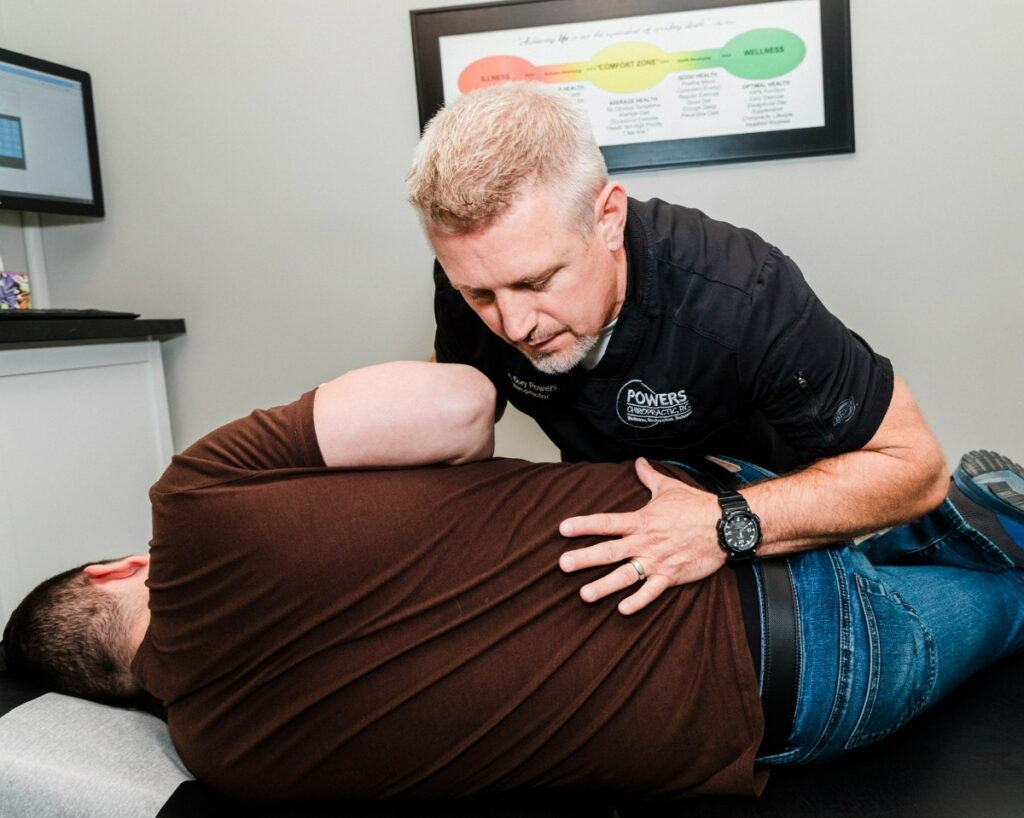

If you’re experiencing back pain, you understand how deeply it can impact your daily life. It’s essential to recognize that a single treatment method may not be enough to address the multifaceted nature of pain. That’s where chiropractic care shines as a holistic approach to healing. By focusing on spinal health and alignment, chiropractic care can help alleviate pain and promote overall wellness.
To enhance your journey towards relief, consider combining chiropractic adjustments with other natural therapies that complement this form of care, such as acupuncture and mindfulness practices. Integrating these methods can create a comprehensive treatment plan tailored just for you. Here are some strategies to consider:
- Regular Chiropractic Visits: Make chiropractic adjustments a part of your routine. These sessions can help realign your spine, reduce tension, and improve your overall mobility.
- Incorporate Mindfulness and Relaxation Techniques: Practicing mindfulness through meditation or deep-breathing exercises can help manage stress, which often exacerbates pain. Taking a few moments each day to relax your mind can make a big difference.
- Stay Active: Gentle exercises like walking, stretching, or yoga can strengthen your back muscles and improve flexibility. Your chiropractor can recommend specific exercises that are safe and effective for your condition.
- Ergonomic Adjustments: Evaluate your workspace and home environment. Proper ergonomics can prevent strain on your back. Simple adjustments, like using a chair with good lumbar support or ensuring your computer screen is at eye level, can help.
- Listen to Your Body: Pay attention to what your body is telling you. If something doesn’t feel right, consult your chiropractor to discuss your symptoms and adjust your treatment plan as needed.
By prioritizing chiropractic care and adopting these complementary strategies, you can pave a pathway to relief and a healthier life. Remember, the goal is to empower yourself with knowledge and take proactive steps towards better spinal health and overall wellness.
Key Takeaways
- Combine chiropractic care with physical therapy to not only enhance spinal alignment but also improve your overall mobility. This holistic approach helps strengthen the muscles that support your spine, allowing you to move more freely and comfortably.
- Incorporate mindfulness and meditation into your daily routine. These practices can greatly reduce stress and enhance your ability to manage pain naturally, complementing the benefits of chiropractic adjustments.
- Nourish your body with a balanced diet that includes plenty of anti-inflammatory foods. Eating well supports your healing process and contributes to your overall wellness, making chiropractic care even more effective for pain relief.
- Always be mindful of your ergonomics and posture, especially in daily activities like sitting at a desk or lifting objects. Good posture helps prevent the exacerbation of back pain and promotes a healthy spine, making chiropractic care more beneficial in the long run.
- Stay active with regular exercise routines, such as yoga or swimming. These activities not only improve your flexibility but also help reduce stiffness in your back, enhancing the effectiveness of your chiropractic treatments.
Remember, chiropractic care is a natural and effective way to achieve optimal health and relief from back pain. By integrating these practices into your lifestyle, you can support your spine and overall well-being without the need for medications or surgeries.
Understanding Back Pain: Causes and Symptoms
When you experience back pain, understanding its causes and symptoms is key to finding effective relief, and chiropractic care can be an excellent solution. Back pain can arise from a variety of sources such as muscle strains, herniated discs, and poor posture. Identifying the root cause is essential for treatment, and chiropractic care can help with this process.
For example, if you’ve lifted something heavy or twisted awkwardly, you may have strained a muscle. A chiropractor can assess your condition and develop a personalized treatment plan to alleviate your pain and prevent future injuries. If you’re dealing with chronic pain, it could signal a more serious issue like arthritis or a spinal condition, and again, a chiropractor is trained to address these concerns without the need for medications or invasive procedures.
Symptoms can vary widely; you might feel sharp, shooting pain, or a dull ache. Sometimes, pain may radiate down your legs, indicating nerve involvement, which is where chiropractic adjustments can be particularly beneficial. You may also notice stiffness or difficulty moving—common signs that your spine needs attention.
Here are some general tips to help manage back pain and promote a healthier spine:
- Maintain Good Posture: Pay attention to your posture when sitting, standing, or lifting. Proper alignment helps reduce strain on your back.
- Stay Active: Regular physical activity can strengthen your back muscles and improve flexibility, making you less prone to injuries.
- Practice Stretching: Incorporate gentle stretches into your daily routine to keep your spine flexible and reduce tension.
- Stay Hydrated: Drink plenty of water to keep your discs hydrated, which can help reduce pain.
- Consult a Chiropractor: If you’re experiencing back pain, consider visiting a chiropractor who can provide natural, non-invasive treatment options tailored to your needs.
The Role of Chiropractic Care in Pain Management
Chiropractic care is an invaluable option for those seeking effective pain management by addressing the root causes of discomfort. When you come to see me, I’ll conduct a thorough assessment of your spinal alignment and overall musculoskeletal health. This hands-on approach allows us to identify any misalignments that may be contributing to your back pain.
By performing spinal adjustments, my goal is to restore proper function to your spine, alleviate nerve pressure, and encourage your body’s natural healing processes. Many patients find that after treatment, they experience improved mobility and a significant reduction in pain levels.
In addition to adjustments, I also provide personalized lifestyle advice and exercises designed specifically for you. These recommendations not only help strengthen your back but also empower you to take an active role in preventing future issues.
Remember, maintaining a healthy spine is crucial for overall well-being, so here are a few tips to keep in mind:
- Stay Active: Regular physical activity can help keep your spine strong and flexible. Aim for a mix of cardio, strength training, and stretching.
- Practice Good Posture: Whether you’re sitting at a desk or standing, good posture can prevent unnecessary strain on your spine.
- Listen to Your Body: If you feel pain or discomfort, don’t ignore it. Early intervention can lead to better outcomes.
- Stay Hydrated: Drinking plenty of water helps keep your spinal discs hydrated and healthy.
- Sleep Well: Make sure you have a supportive mattress and pillow to maintain proper spinal alignment while you sleep.
Acupuncture: Ancient Healing for Modern Pain
If you’re dealing with back pain and looking for effective relief, chiropractic care may be the best option for you. Unlike acupuncture, which involves inserting needles into your skin, chiropractic focuses on adjusting your spine and other joints to promote natural healing and restore proper function.
During your chiropractic sessions, a skilled chiropractor will evaluate your spine and overall posture to create a personalized treatment plan. You may feel immediate relief after an adjustment, as many patients report reduced pain and improved mobility.
Chiropractic care not only targets pain but also helps to enhance your overall wellness by ensuring your nervous system is functioning optimally. Research indicates that regular chiropractic adjustments can improve blood flow, reduce muscle tension, and even boost your body’s natural pain-relieving chemicals, like endorphins.
By addressing the root cause of your discomfort, chiropractic care can help you achieve long-term relief and prevent future issues. In addition to chiropractic treatments, there are simple lifestyle changes that can support your spine health.
Focus on maintaining good posture, engaging in regular exercise, and stretching to keep your muscles flexible. Also, ensure you’re sleeping on a supportive mattress and using proper techniques when lifting heavy objects.
Consider visiting a chiropractor to explore how this natural approach can help you find lasting relief from back pain. Embracing chiropractic care could be the key to reclaiming your health and enjoying a more active, pain-free life.
The Importance of Physical Exercise for Back Health
The Importance of Physical Exercise for Back Health
Many people underestimate how vital physical exercise is for maintaining back health, but staying active is truly essential for preventing pain and supporting your overall wellness. Regular physical activity not only strengthens the muscles that support your spine but also enhances flexibility and improves your posture.
When you participate in gentle exercises like walking, swimming, or yoga, you boost blood flow to your back, which aids in recovery and helps reduce stiffness.
Incorporating core-strengthening activities into your daily routine is beneficial as well. These exercises help stabilize your spine and promote even weight distribution.
Remember, it’s not about pushing yourself through high-intensity workouts; gentle stretches and low-impact activities can be incredibly effective too.
Listen to your body; if something doesn’t feel right, it’s important to ease up. Consistency is key, so aim for regular movement, even if it’s just a brisk walk each day.
By making exercise a priority, you’re investing in your back health and paving the way for a pain-free, active lifestyle.
Chiropractic care can also play a significant role in your journey to wellness. By regularly visiting a chiropractor, you can receive personalized guidance on maintaining a healthy spine, along with tips on exercises tailored to your needs.
This holistic approach not only helps alleviate pain but also promotes natural healing and overall well-being. Embrace a lifestyle that prioritizes movement and chiropractic care for the best path to a healthy back!
Mindfulness and Meditation Techniques for Pain Relief
As you seek effective ways to manage back pain, consider incorporating mindfulness and meditation techniques alongside chiropractic care for optimal results. These practices can complement your chiropractic treatments by helping you focus your mind and reduce stress, which is known to amplify pain.
Begin with simple breathing exercises: find a quiet space, sit comfortably, and take slow, deep breaths. Visualize inhaling calmness and exhaling tension. This not only helps to relax your body but can also enhance the benefits of your chiropractic adjustments.
You might also explore guided meditations available through apps or online resources. These often feature visualizations that encourage a deeper connection with your body, promoting relaxation and increasing your awareness of how your body feels. By regularly practicing mindfulness, you can learn to notice pain without judgment, which can help reduce its intensity over time.
Additionally, try weaving mindfulness into your daily activities, such as when you’re eating or walking. This can help you stay grounded and present, making it easier to manage discomfort effectively.
Remember, consistency is key. Dedicating just a few minutes each day to these practices can enhance your overall well-being and support the healing process initiated by chiropractic care.
Ultimately, combining mindfulness with regular chiropractic visits can lead to a holistic approach to pain relief and wellness, helping you to live a healthier, more vibrant life.
Nutritional Support for Musculoskeletal Health
To support your musculoskeletal health, focusing on nutrition is essential. As a chiropractor, I see firsthand how a well-balanced diet can aid healing and enhance your overall wellness. Incorporating essential nutrients into your meals can help your body recover more effectively, while anti-inflammatory foods can be beneficial in reducing discomfort.
Don’t underestimate the power of hydration! Drinking enough water is crucial for keeping your muscles and joints functioning optimally. Proper hydration helps maintain flexibility and reduces the risk of injury, allowing you to engage in daily activities with ease.
Here are some simple tips to enhance your nutritional support for musculoskeletal health:
- Embrace Whole Foods: Fill your plate with fresh fruits, vegetables, whole grains, and lean proteins. These foods are packed with the vitamins and minerals your body needs for recovery.
- Add Anti-Inflammatory Foods: Incorporate foods like fatty fish (salmon, mackerel), nuts, seeds, and leafy greens. These can help reduce inflammation and promote healing.
- Stay Hydrated: Aim to drink at least eight glasses of water a day. If you’re active or live in a hot climate, you may need even more to keep your muscles functioning well.
- Consider Supplements Wisely: While it’s best to get nutrients from food, some may benefit from supplements like vitamin D or omega-3 fatty acids. Always consult with your chiropractor before adding supplements to your routine.
- Mind Your Posture: Maintaining good posture while eating and throughout your day can help reduce strain on your musculoskeletal system. Remember, chiropractic care can provide guidance on improving your posture.
By focusing on these nutritional strategies and incorporating regular chiropractic adjustments into your wellness routine, you can support your musculoskeletal health naturally.
Chiropractic care not only aids in pain relief but also promotes a healthier lifestyle overall. Your journey to optimal health starts with nourishing your body and aligning your spine!
Essential Nutrients for Healing
When you’re experiencing back pain, the right nutrients can really enhance your healing journey. As a local chiropractor, I want to emphasize the importance of nourishing your body with essential vitamins and minerals to support your recovery naturally.
Start with Vitamin D, which is crucial for maintaining strong bones. Pair that with calcium, which helps fortify your skeletal system, especially as you work towards pain relief. Omega-3 fatty acids are also fantastic—they help repair tissues and ease muscle stiffness, making movement more comfortable.
Don’t overlook magnesium! This mineral is vital for muscle relaxation and nerve function, both of which are essential when you’re dealing with discomfort. Incorporating lean proteins into your meals will support the repair of any damaged tissues.
And let’s not forget about antioxidants like vitamin C, which help protect your body from oxidative stress and support overall health.
To ensure you’re getting these important nutrients, aim for a balanced diet filled with colorful fruits, vibrant vegetables, nuts, and whole grains. This variety not only fuels your body but also enhances your recovery and promotes overall musculoskeletal health.
Remember, chiropractic care is a powerful ally in your journey towards optimal health. Regular adjustments can help align your spine, alleviate pain, and improve your body’s function.
Anti-Inflammatory Foods
Incorporating anti-inflammatory foods into your diet can significantly improve your musculoskeletal health and help ease back pain. As a chiropractor, I believe that nutrition plays a vital role in your overall well-being, complementing the benefits of chiropractic care.
Start by filling your plate with a variety of fruits and vegetables, especially berries, leafy greens, and citrus fruits. These are packed with antioxidants that can help fight inflammation.
Healthy fats are also important; consider adding fatty fish like salmon, olive oil, and avocados to your meals. These foods can help reduce inflammation and support your body’s natural healing processes.
Don’t forget the power of spices! Turmeric and ginger are excellent choices as they’re known for their strong anti-inflammatory properties. Including these in your cooking can give you an extra boost in your efforts to reduce pain.
Whole grains and nuts are great additions to your diet as well. They provide essential nutrients that support a balanced lifestyle. By making these food choices a priority, you’re not just working to reduce inflammation; you’re also enhancing your overall health.
Remember, while anti-inflammatory foods are beneficial, they work best when combined with regular chiropractic care. Chiropractic adjustments can help align your spine and improve your body’s function, making it easier for you to enjoy the benefits of a healthy diet.
Together, these approaches can create a strong foundation for long-term back pain relief and an improved quality of life.
Hydration and Muscle Function
Staying hydrated is crucial for maintaining not just your overall health but also your musculoskeletal wellness, especially when it comes to how your muscles function. Water is essential for your muscles to perform at their best and to help prevent uncomfortable cramps. If you’re not drinking enough water, you might experience muscle fatigue and stiffness, which can make you more prone to back pain and discomfort.
As your local chiropractor, I want to emphasize the importance of hydration in your daily routine. Aim to drink plenty of water throughout the day, particularly if you’re exercising or spending time in hot weather. It’s also a good idea to consider electrolyte-rich beverages if you’re active, as these can help replenish important minerals that your body loses during physical activity.
Remember that proper hydration supports not just your muscles but also the delivery of vital nutrients and the removal of waste from your body. This is key to maintaining your overall musculoskeletal health.
Here are a few simple tips to help you stay hydrated:
- Carry a water bottle: Having water readily available can encourage you to drink more throughout the day.
- Set reminders: Use your phone or smartwatch to remind yourself to take a hydration break.
- Infuse your water: If plain water isn’t appealing, try adding slices of fruit or herbs for a refreshing twist.
- Drink before you feel thirsty: Thirst is a sign that your body is already starting to get dehydrated, so sip water regularly.
The Benefits of Massage Therapy in Recovery
Massage therapy can be a valuable component of your recovery from back pain, but it’s important to understand how it fits into a broader approach to health and wellness. While massage targets specific muscle groups to relieve tension and improve circulation, chiropractic care is the key to addressing the root causes of back pain.
By focusing on spinal alignment and overall body mechanics, chiropractic adjustments can significantly enhance your recovery process. Incorporating chiropractic care can lead to reduced pain, increased flexibility, and improved mobility. It works by restoring proper function to your spine, which is essential for optimal nerve function and overall health.
Regular chiropractic visits can also support the body’s natural healing processes, allowing you to regain control over your well-being. Additionally, while massage can stimulate the release of endorphins to help manage stress and anxiety, chiropractic care provides a more comprehensive approach to pain relief.
By correcting spinal misalignments, you can experience long-lasting relief from discomfort, making daily activities more enjoyable and manageable. To further support your recovery, consider these general tips:
- Maintain good posture to reduce strain on your back.
- Stay active with gentle exercises, like walking or stretching, to keep your muscles engaged and flexible.
- Practice relaxation techniques, such as deep breathing or meditation, to manage stress and promote healing.
- Prioritize sleep to allow your body to recover fully.
Ergonomics and Posture Correction Strategies
To effectively manage back pain, it’s crucial to understand the importance of ergonomics and posture correction. As a local chiropractor, I want to share some simple yet powerful strategies that can help you maintain a healthy spine and promote natural healing.
First, take a moment to evaluate your workspace. Your chair should provide adequate support for your lower back, allowing you to maintain proper posture. Make sure your feet rest flat on the floor—this helps to keep your spine aligned. Position your computer screen at eye level to avoid straining your neck; this small change can make a significant difference in your overall comfort.
When seated, remember to keep your shoulders relaxed and your back straight. Aim for your elbows to be at a 90-degree angle, which encourages a more natural arm position.
It’s also essential to incorporate regular breaks into your day. Stand up, stretch, and change positions every hour to relieve tension that can build up from prolonged sitting. Just a few minutes of standing or walking can work wonders for your back and overall well-being.
Don’t forget about your posture while standing! Distribute your weight evenly on both feet and avoid slouching. Good standing posture not only supports your spine but also enhances your overall body alignment.
By embracing these ergonomics and posture correction strategies, you can alleviate discomfort and help prevent future back pain. Chiropractic care is a natural and effective approach to achieving optimal health, and by making small adjustments to your daily routine, you can significantly improve your spinal health.
Combining Modalities: Creating a Personalized Treatment Plan
When it comes to managing your back pain, understanding your unique needs is crucial. As a chiropractor, I believe that integrating various therapies, especially chiropractic care, can lead to the best personalized treatment plan for you. This tailored approach not only focuses on alleviating your specific symptoms but also promotes your overall well-being naturally.
Chiropractic care is a powerful tool in addressing back pain. By focusing on spinal alignment and mobility, we can help restore proper function to your body, allowing you to move freely and live comfortably. Instead of relying on medications or surgeries, which can come with risks and side effects, chiropractic offers a natural method for pain relief that emphasizes your body’s ability to heal itself.
Here are some tips to enhance your treatment and overall wellness:
- Stay Active: Gentle exercises and stretching can keep your back muscles strong and flexible. Aim for activities like walking, swimming, or yoga that promote movement without straining your back.
- Maintain Good Posture: Be mindful of your posture when sitting, standing, and lifting. Proper alignment can prevent unnecessary strain on your spine and help reduce pain.
- Use Heat and Ice: Applying heat or ice can provide immediate relief. Heat can relax tight muscles, while ice can reduce inflammation.
- Stay Hydrated: Drinking plenty of water is crucial for maintaining the health of your spinal discs and overall bodily function.
- Regular Chiropractic Visits: Consistent chiropractic adjustments can keep your spine aligned and help prevent pain from returning. Make it a part of your wellness routine.
By choosing chiropractic care, you’re opting for a safe, effective, and natural path to healing and wellness. Together, we can create a comprehensive treatment plan that helps you not only manage your back pain but also improve your quality of life.
Assessing Individual Needs
As you embark on your journey toward back pain relief, it’s crucial to assess your individual needs to create an effective and personalized treatment plan. Start by pinpointing the specific characteristics of your pain—where it’s located, how intense it feels, and what activities seem to trigger it. Understanding these details can help guide your path to wellness.
Think about your daily lifestyle, including your level of physical activity, work environment, and stress factors. These elements can significantly influence your back health, so taking them into account is essential for crafting a tailored approach.
Additionally, reflect on any previous treatments you’ve tried and how well they worked for you. This insight will help us identify which chiropractic methods may be most beneficial in your case. Consider your preferences too—whether you’re drawn to natural healing practices or are open to exploring different chiropractic techniques.
Chiropractic care focuses on the spine and nervous system, offering a holistic approach to pain relief and overall wellness. By understanding your unique situation, we can work together to develop a plan that aligns with your goals for health and happiness.
Here are a few general tips to support your journey:
- Stay Active: Engage in gentle exercises and stretches that support back health. Activities like walking and yoga can be beneficial.
- Maintain Good Posture: Be mindful of how you sit, stand, and move throughout your day to protect your spine.
- Manage Stress: Incorporate relaxation techniques such as deep breathing, meditation, or mindfulness to help alleviate tension that may contribute to back pain.
- Seek Regular Chiropractic Care: Regular adjustments can help keep your spine aligned and your body functioning optimally.
Integrating Various Therapies
Integrating various therapies into your back pain relief plan can truly enhance your results, especially when you tailor them to your specific needs. As a chiropractor, I believe that chiropractic care should be at the forefront of any pain management strategy. By focusing on spinal health, chiropractic adjustments can improve your mobility, alignment, and overall well-being.
You might also find it beneficial to combine chiropractic care with gentle physical therapy exercises. These can help strengthen your back and improve flexibility, complementing the benefits of your adjustments.
Additionally, consider exploring acupuncture for pain relief; it can work well alongside chiropractic treatment to promote energy flow and relaxation.
Incorporating mindfulness practices like yoga or meditation can also be a game-changer. These practices help manage stress and increase your body’s resilience to pain, making your chiropractic care even more effective.
Don’t overlook the importance of nutrition, either! A balanced diet rich in anti-inflammatory foods can support your overall health and minimize pain.
Remember, it’s essential to consult with a healthcare professional who understands the benefits of chiropractic care to create a personalized plan that fits your lifestyle.
By blending these approaches while keeping chiropractic care as your primary focus, you’re likely to find a more effective way to manage and alleviate your back pain naturally.
Always prioritize your spinal health, and consider these tips as you embark on your journey to wellness!
Success Stories: Real-Life Experiences With Synergistic Approaches
Many individuals grappling with back pain have discovered that a holistic approach, particularly through chiropractic care, can lead to significant relief.
Take, for instance, Sarah, a 45-year-old office worker who found comfort by incorporating chiropractic adjustments along with physical therapy, acupuncture, and yoga. After just a few weeks of consistent chiropractic care, she experienced a notable decrease in pain and an increase in flexibility, allowing her to enjoy daily activities without discomfort.
Similarly, John, a weekend warrior, embraced chiropractic adjustments alongside targeted strengthening exercises and mindfulness techniques. Through chiropractic care, he not only managed his pain but also felt empowered as he regained control over his body and activities, enhancing his overall quality of life.
These success stories emphasize the importance of personalized care. Chiropractic treatment addresses both the physical and emotional aspects of pain by focusing on spinal health and overall wellness. Many patients report not only relief from their discomfort but also an improved sense of well-being.
For those seeking a natural pathway to pain relief and better health, consider these tips:
- Stay Active: Engage in gentle exercises and stretching to maintain flexibility and strength. Activities like walking, swimming, or yoga can be beneficial.
- Posture Awareness: Pay attention to your posture, especially if you work at a desk. Make sure your workspace is ergonomically friendly to reduce strain on your spine.
- Regular Chiropractic Visits: Schedule routine check-ups with your chiropractor to keep your spine aligned and monitor your progress.
- Mindfulness Techniques: Incorporate mindfulness or relaxation techniques, such as meditation or deep breathing, to manage stress and promote healing.
- Nutrition: Maintain a balanced diet rich in anti-inflammatory foods to support overall health and healing.
Remember, chiropractic care is a safe and effective way to achieve optimal health and wellness, focusing on natural healing without the need for medications or invasive procedures.
Embrace this holistic approach to live a pain-free and healthier life!
Conclusion
Incorporating synergistic approaches for back pain relief can significantly enhance your journey to wellness, and as a chiropractor, I believe that chiropractic care should be at the forefront of your treatment plan. By focusing on spinal health, we can address not only the physical discomfort you may be experiencing but also promote overall well-being.
Chiropractic care works by realigning the spine, which can alleviate pain and improve mobility. It’s a natural approach that helps your body heal itself without the need for medications or invasive procedures. When combined with other beneficial practices like acupuncture, physical therapy, and mindfulness techniques, you create a comprehensive plan that addresses both the physical and emotional aspects of pain.
Here are some tips to help you on your path to better health:
- Regular Chiropractic Visits: Make chiropractic adjustments a regular part of your wellness routine. Consistent care can help maintain spinal alignment and prevent future pain.
- Stay Active: Gentle exercises, such as walking or stretching, can improve your flexibility and strength. Always consult with your chiropractor about which activities are best for you.
- Mindfulness and Relaxation: Incorporate mindfulness techniques, such as deep breathing or meditation, to help manage stress and reduce muscle tension.
- Posture Awareness: Pay attention to your posture throughout the day, whether sitting at a desk or lifting objects. Good posture can prevent unnecessary strain on your back.
- Ergonomic Adjustments: Make your workspace more ergonomic by using chairs that support your back and positioning your computer screen at eye level.
Remember, a personalized strategy tailored to your unique needs is key to achieving lasting relief and improved quality of life. Embrace chiropractic care as your primary choice for pain relief and natural wellness, and don’t hesitate to explore these synergistic options to enhance your healing journey.