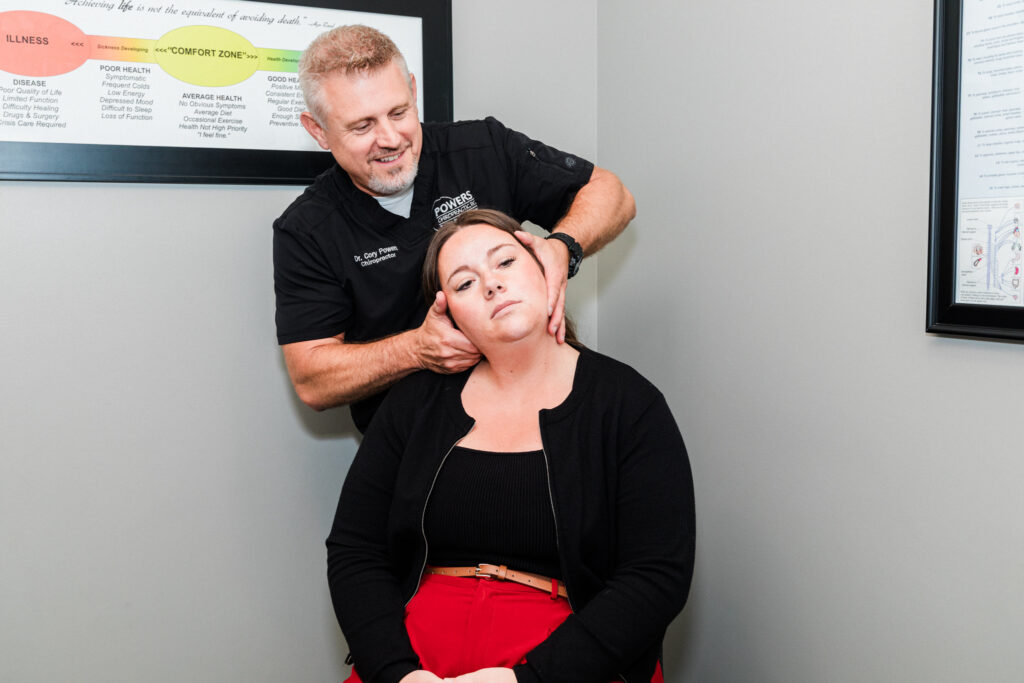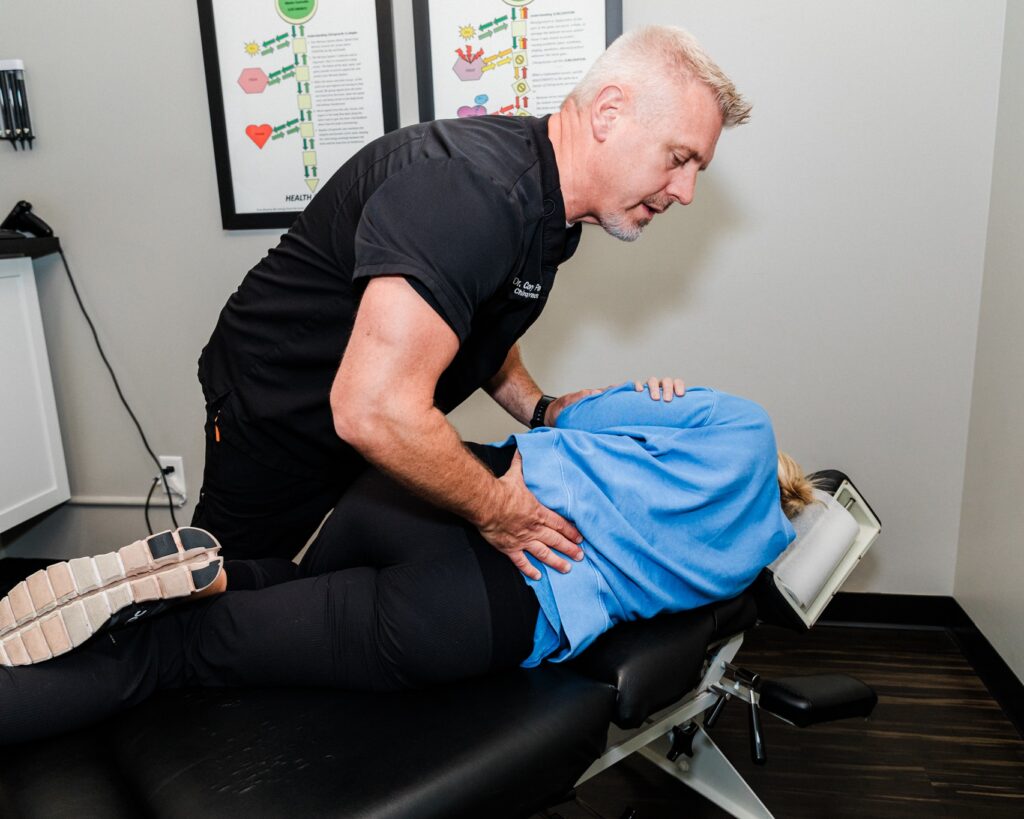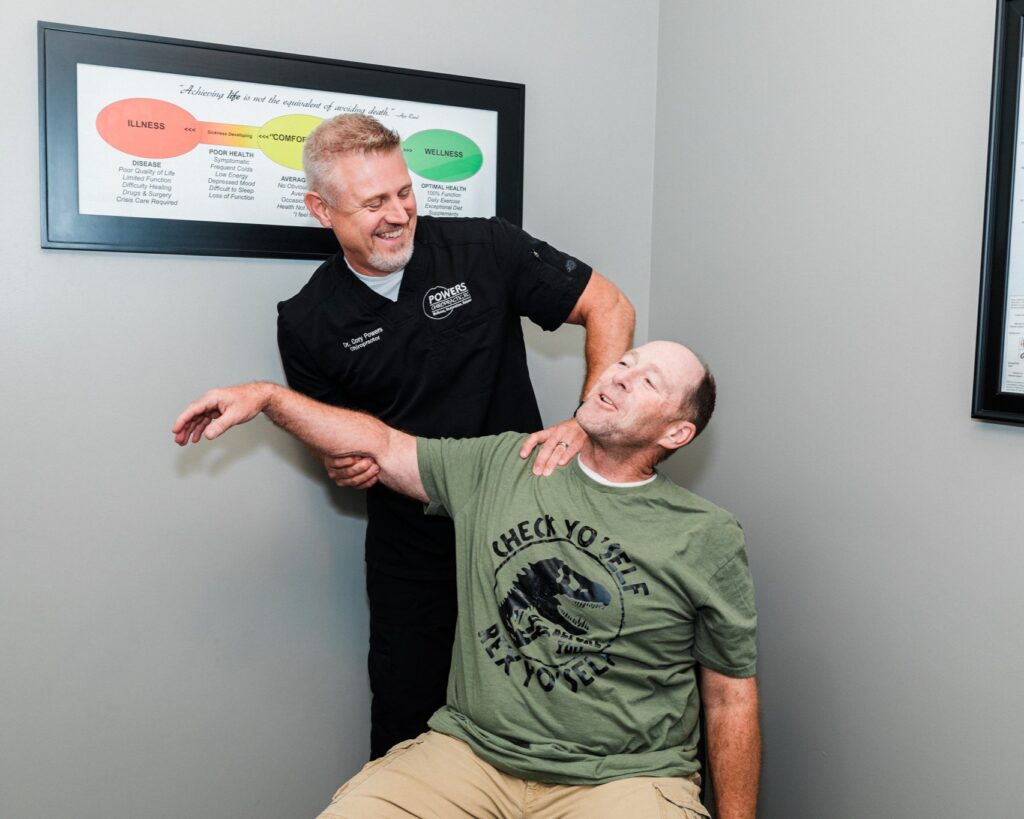

If you’re dealing with chronic back pain, know that you’re not alone in this struggle. Many individuals face this challenge every day, and finding effective relief can feel daunting. Fortunately, there are practical techniques you can adopt to alleviate discomfort and enhance your overall quality of life. Chiropractic care stands out as a natural, holistic approach to managing and overcoming back pain.
Here are some valuable strategies to help you regain control over your back health:
- Posture Awareness: Maintaining good posture is essential for spinal health. Be mindful of how you sit, stand, and move throughout your day. Simple adjustments, like keeping your shoulders back and your spine aligned, can significantly reduce strain on your back.
- Regular Chiropractic Adjustments: Visiting a chiropractor regularly can help realign your spine and improve your body’s function. These adjustments can relieve pressure on nerves and promote healing, leading to lasting pain relief.
- Strengthening Exercises: Incorporating exercises that strengthen your core muscles can provide vital support to your spine. Focus on gentle stretches and strengthening routines recommended by your chiropractor to enhance your stability and flexibility.
- Heat and Cold Therapy: Applying heat or cold to your back can soothe inflammation and relax tight muscles. A warm compress can help ease tension, while ice packs can reduce swelling and numb sharp pain.
- Mindfulness and Relaxation Techniques: Stress can exacerbate pain, so practicing mindfulness, deep breathing, or meditation can help you manage stress levels and reduce discomfort.
- Ergonomic Workspaces: If you spend long hours at a desk, ensure your workspace is ergonomically friendly. A supportive chair and proper desk height can make a world of difference in your spinal health.
- Adequate Sleep: Prioritize quality sleep, as it plays a crucial role in healing. Invest in a supportive mattress and pillows that promote proper spinal alignment while you rest.
- Stay Active: Engage in low-impact activities like walking, swimming, or yoga. Movement is vital for maintaining a healthy spine and preventing stiffness.
- Healthy Nutrition: A balanced diet rich in anti-inflammatory foods can support overall health and help manage pain. Foods like leafy greens, fatty fish, and nuts are excellent choices.
- Listen to Your Body: Pay attention to what your body is telling you. If certain activities or movements cause pain, modify them or consult your chiropractor for tailored advice.
By incorporating these techniques into your daily routine, you can take significant steps toward alleviating chronic back pain and enhancing your overall well-being. Remember, chiropractic care is a powerful ally in your journey to optimal health. It’s time to reclaim your life and live free from back pain.
Key Takeaways
- Maintain good posture by keeping your spine aligned and engaging your core muscles. This simple practice supports your back during everyday activities and helps prevent discomfort. Remember, a well-aligned spine is key to overall health.
- Regular strength training and flexibility exercises are beneficial for your back. These activities enhance muscle support and improve your mobility, significantly reducing the risk of back pain. Consider incorporating exercises like yoga or Pilates into your routine, which not only strengthen your back but also promote overall wellness.
- Heat therapy can be a soothing way to relax tense muscles and promote blood flow, while cold therapy effectively reduces inflammation and numbs pain. Both methods can be easily integrated into your self-care routine for immediate relief.
- Regular chiropractic adjustments are essential for maintaining a healthy spine. By addressing spinal misalignments, you can improve your posture and overall health, leading to significant pain relief. A chiropractor can help guide you on how often you should visit based on your specific needs.
- Set up your workspace ergonomically to minimize strain on your body. Make sure your chair, desk, and computer are appropriately adjusted to promote comfort. This small change can make a big difference in how your back feels during long hours of work.
By following these simple tips and regularly visiting your chiropractor, you can take proactive steps toward alleviating chronic back pain and achieving optimal health naturally. Your spine will thank you!
Practice Good Posture
Practicing good posture is one of the simplest yet most effective ways to alleviate chronic back pain, and as a local chiropractor, I can’t stress enough how important this practice is for your overall well-being.
When you sit, stand, or walk, keeping your spine aligned is crucial. Let’s take a moment to visualize your workspace: when sitting at your desk, ensure your feet are flat on the ground, your knees form a right angle, and your back is straight against the chair. Creating a supportive environment for your body can significantly reduce discomfort.
When standing, it’s vital to distribute your weight evenly on both feet and avoid leaning or slouching. This practice not only benefits your back but also enhances your balance and energy levels throughout the day.
Engaging your core muscles can further support your spine and help maintain proper posture. By being mindful of your posture consistently, you actively reduce strain on your back, which can lead to lasting relief from pain.
Remember to periodically check in with your posture throughout the day. Simple adjustments can lead to noticeable improvements in how you feel.
As a chiropractor, I encourage you to incorporate these practices into your daily routine for a healthier lifestyle. With the right posture and chiropractic care, you can achieve optimal health and wellness, naturally.
Engage in Regular Exercise
Engaging in regular exercise is a vital component of managing chronic back pain, and as a chiropractor, I can assure you that it plays a key role in your overall health and wellness.
Strength training is particularly beneficial as it helps build the muscles that support your spine. When your core and back muscles are strong, they can better support your body, leading to reduced pain and improved function.
In addition to strength training, incorporating flexibility and mobility exercises into your routine can significantly enhance your overall movement. These types of exercises help to keep your joints limber and your muscles relaxed, which is essential for avoiding stiffness and discomfort.
Here are some general tips to keep in mind as you embark on your exercise journey:
- Start Slowly: If you’re new to exercising, begin with light activities and gradually increase the intensity. Listen to your body and don’t push yourself too hard.
- Focus on Form: Proper alignment is crucial, especially when performing strength exercises. This is where chiropractic care can provide you with valuable insights on how to maintain good posture during physical activity.
- Incorporate Stretching: Stretching before and after your workouts can help improve your flexibility and prevent injury. Simple stretches for your back, hips, and legs can be especially beneficial.
- Stay Consistent: Try to make exercise a regular part of your routine. Consistency is key to building strength and reducing pain.
- Combine Activities: A mix of strength training, flexibility exercises, and aerobic activities like walking or swimming can provide a well-rounded approach to fitness.
- Seek Chiropractic Care: Regular visits to a chiropractor can help ensure your spine remains aligned and functioning optimally. Chiropractic adjustments can relieve tension, enhance mobility, and support your overall exercise routine.
By integrating these practices into your daily life, you can take significant steps toward reducing pain and improving your quality of life.
Benefits of Strength Training
While many people associate strength training primarily with muscle building, it can be a powerful ally for those dealing with chronic back pain. By focusing on strengthening your core and back muscles, you can enhance your stability and provide better support for your spine. This not only helps reduce pain but also plays a crucial role in preventing further injuries.
Improved muscle strength can lead to better posture, which is vital for alleviating back discomfort. When your posture is aligned, it takes the pressure off your spine, allowing you to move more freely and comfortably. Engaging in regular strength training can also boost your overall endurance, making daily tasks feel easier and less taxing on your back.
It’s important to remember that chiropractic care complements strength training beautifully. A chiropractor can help ensure your spine is properly aligned, which enhances the effectiveness of your workouts and helps you avoid injuries. Incorporating chiropractic adjustments into your routine can provide significant relief and support your journey toward optimal health.
To get started, consider incorporating light weights or resistance bands into your routine. Focus on exercises that engage your core and back, such as planks, bridges, or modified push-ups. Always listen to your body and consult with your chiropractor before beginning any new exercise program, especially if you’re managing chronic pain.
Flexibility and Mobility Exercises
Incorporating flexibility and mobility exercises into your routine is an excellent way to support your spine and enhance your ability to manage chronic back pain naturally. These exercises can help increase the range of motion in your joints while stretching tight muscles, relieving tension, and improving your posture—all essential components of spinal health.
Simple activities such as yoga, Pilates, or even gentle stretching can make a significant difference in your overall well-being. Aim to include these exercises at least three times a week. Start with basic stretches that focus on your back, hips, and legs. As you gradually build strength and flexibility, you’ll likely notice improved mobility and reduced discomfort.
It’s important to listen to your body—don’t push yourself too hard. Instead, focus on gentle movements that promote healing. Consistency is key; regular practice can lead to long-term relief from chronic back pain.
In addition to these exercises, consider incorporating chiropractic care into your wellness routine. A chiropractor can provide tailored adjustments that support your body’s natural healing process, ensuring your spine is aligned and functioning optimally.
This approach can enhance the benefits of your flexibility and mobility exercises, leading to a healthier, pain-free life. Remember, taking care of your spine is a vital step toward achieving your best health!
Incorporate Stretching Routines
Stretching routines are a fantastic way to improve flexibility and reduce tension in your back, making them an essential part of managing chronic pain. By incorporating stretches into your daily routine, you can enhance your range of motion and alleviate stiffness.
It’s especially important to focus on stretching the lower back, hamstrings, and hip flexors, as these areas often contribute to discomfort.
Start your stretching journey with gentle movements like the cat-cow pose or seated forward bend. Hold each stretch for 15 to 30 seconds, and remember to breathe deeply to promote relaxation. Many of my patients find that yoga is particularly beneficial, as it combines stretching with mindfulness, helping to ease both physical and mental tension.
To maximize the benefits of stretching, consistency is key. Aim to incorporate these stretches into your routine at least three to four times a week. Always listen to your body and avoid pushing yourself too hard.
As you continue to stretch regularly, you’ll likely notice improvements in your back’s flexibility and a reduction in pain, making daily activities feel much more manageable.
As a chiropractor, I can’t emphasize enough how vital these practices are in conjunction with regular chiropractic care. Chiropractic adjustments can help align your spine, relieve pressure, and enhance your overall wellness.
Together, stretching and chiropractic care can create a powerful approach to achieving optimal health and natural pain relief. Remember, your body is your best resource—take care of it, and it will take care of you!
Utilize Heat and Cold Therapy
Heat and cold therapy can be incredibly effective in managing chronic back pain, and it’s a great complement to chiropractic care. When you apply heat, it helps to relax tight muscles, making it easier for your chiropractor to work on your spine and surrounding areas.
On the other hand, cold therapy can reduce inflammation and numb sharp pain, providing you with immediate relief.
To get the most benefit, consider alternating between heat and cold therapy. Start with heat to loosen up those tight muscles, followed by cold to soothe any inflammation. This combination can enhance your overall comfort and support your chiropractic adjustments, allowing you to feel your best.
Remember, incorporating these techniques into your routine can be part of a holistic approach to wellness. Always listen to your body and find what feels best for you.
And don’t forget, regular chiropractic care can help maintain your spinal health and prevent future pain, so be sure to schedule your adjustments for optimal healing and a healthier lifestyle!
Benefits of Heat Application
Applying heat to your back can provide significant relief from chronic pain, which is something we often address in chiropractic care. Heat therapy promotes blood flow, delivering essential nutrients to the affected area and encouraging healing.
When you use a heating pad or a hot water bottle, the warmth helps to relax tense muscles and reduce stiffness, making movement easier. This soothing effect can also stimulate the release of endorphins, your body’s natural painkillers, which can help diminish your discomfort.
For many of my patients, applying heat before physical activity can be an excellent way to prepare muscles and joints, reducing the risk of strain. Whether you prefer the comforting embrace of moist heat from a warm towel or the consistent warmth of a dry heat electric pad, it’s important to find what works best for you.
Incorporating regular heat application into your daily routine can significantly improve how you manage your pain and enhance your overall quality of life.
Additionally, complementing heat therapy with chiropractic adjustments can maximize your benefits, as we focus on aligning your spine and improving your body’s natural function.
Cold Therapy Techniques
While heat therapy can provide soothing relief, incorporating cold therapy techniques can also be beneficial for managing chronic back pain. Cold therapy works by reducing inflammation and numbing sharp pain, which can contribute to overall comfort as you work toward healing.
For effective cold therapy, consider using ice packs, frozen gel packs, or even a bag of frozen vegetables wrapped in a cloth to protect your skin. Apply your cold source to the affected area for 15 to 20 minutes at a time. Be sure to allow your skin to return to its normal temperature between applications to prevent any damage. This method is particularly useful after physical activity or during acute flare-ups, helping to reduce discomfort.
As you explore ways to alleviate your pain, remember that chiropractic care is an excellent approach to achieving optimal health and wellness. Regular chiropractic adjustments can help improve spinal function, reduce tension, and promote natural healing in the body. By combining cold therapy with chiropractic care, you can enhance your overall pain management strategy.
Here are a few additional tips for incorporating cold therapy into your routine:
- Always wrap ice or cold packs in a cloth to prevent frostbite.
- Consider alternating between heat and cold therapy based on your symptoms; heat can relax tight muscles, while cold can reduce inflammation.
- Consult with your chiropractor for personalized advice on how to best integrate cold therapy into your healing plan.
Combining Heat and Cold
Incorporating both heat and cold therapy into your pain management routine can greatly enhance your relief from chronic back pain, especially when combined with chiropractic care.
Start with cold therapy to reduce inflammation and numb sharp pain. Applying an ice pack wrapped in a cloth for 15-20 minutes can be very effective. This initial step helps calm the area and can prepare your body for healing.
After a couple of days, consider introducing heat therapy. A heating pad or warm towel can work wonders in relaxing tight muscles and improving blood flow, which are essential for healing and recovery. The warmth encourages circulation, bringing much-needed nutrients to the affected area.
You can also alternate between heat and cold, using each for about 20 minutes. This combination addresses both inflammation and muscle tension, helping to manage pain more effectively. Remember, consistency is key!
Chiropractic care complements these therapies beautifully. Regular adjustments can help realign your spine, improve mobility, and reduce pain.
Always listen to your body. If something doesn’t feel right, don’t hesitate to reach out to your chiropractor. They can provide personalized advice and support tailored to your needs.
Here’s a quick takeaway: for effective pain relief, start with cold therapy, transition to heat, and consider regular chiropractic adjustments to support your body’s natural healing process. Embrace these natural methods for a healthier, pain-free life!
Explore Manual Therapy
Manual therapy is an effective and natural way to manage chronic back pain, and as a chiropractor, I believe it can be one of the best choices for achieving optimal health and wellness. This hands-on approach focuses on techniques that manipulate muscles and joints, helping you find relief and improve your mobility.
Here are three key techniques that you might consider:
- Chiropractic Adjustments: This is the cornerstone of chiropractic care. By using precise movements to align your spine, we can alleviate pressure on nerves and help restore your body’s natural function. This not only reduces pain but can also enhance your overall well-being.
- Massage Therapy: While chiropractic adjustments focus on spinal alignment, massage therapy complements this by kneading and pressing on your muscles. This technique helps relieve tension and improves blood circulation, contributing to pain reduction and a greater sense of relaxation.
- Myofascial Release: This technique focuses on the fascia, the connective tissue surrounding your muscles. By applying gentle stretching and pressure, we can ease tightness, enhance flexibility, and promote better movement throughout your body.
Incorporating chiropractic care into your health routine can provide the relief you’re looking for, all while supporting your body’s natural healing processes. Remember to consult with a qualified chiropractor to find the best methods tailored to your specific needs.
Here are a few general tips to promote a healthier back:
- Practice Good Posture: Be mindful of your posture while sitting, standing, or walking. Proper alignment can significantly reduce strain on your back.
- Stay Active: Regular physical activity strengthens your muscles and improves flexibility. Even simple activities like walking can make a difference.
- Mind Your Lifting Techniques: When lifting heavy objects, bend at your knees and keep the item close to your body to avoid putting unnecessary pressure on your back.
Chiropractic care offers a safe and effective path to pain relief and improved health, empowering you to live a more active and fulfilling life.
Consider Acupuncture
If you’re looking for a natural approach to managing chronic back pain, chiropractic care is a fantastic option to consider. As a chiropractor, I focus on aligning the spine and ensuring your nervous system functions optimally, which can lead to significant pain relief and improved overall health.
Chiropractic adjustments involve gentle, precise movements to correct misalignments in the spine. This can help alleviate pressure on nerves, improve blood flow, and promote the body’s natural healing processes. Many patients experience reduced pain and enhanced mobility after just a few sessions.
In addition to spinal adjustments, here are some tips that can support your healing journey:
- Stay Active: Engage in light exercises and stretches that can strengthen your back and improve flexibility. Always consult with your chiropractor for recommended movements.
- Maintain Good Posture: Be mindful of your posture, especially when sitting for long periods. Use ergonomic furniture if possible and take breaks to stretch.
- Hydrate: Drinking plenty of water helps keep your spinal discs hydrated and can reduce pain.
- Sleep Well: Ensure you’re sleeping in a position that supports your spine. Consider using a supportive mattress and pillow.
- Manage Stress: Stress can contribute to muscle tension. Incorporate relaxation techniques such as deep breathing or meditation.
Before starting any treatment, it’s important to consult with a licensed chiropractor who can assess your individual needs and create a personalized plan.
Consistency is key; you may need several adjustments to experience the full benefits.
Use Ergonomic Furniture
When it comes to your workspace, the design of your chair plays a crucial role in your overall health. An adjustable desk height is essential for maintaining proper posture and can significantly reduce strain on your back. By investing in ergonomic furniture, you’re taking a proactive step toward improving your comfort and well-being.
As a chiropractor, I often see patients suffering from chronic pain due to poor workspace ergonomics. When your chair and desk are set up correctly, it can lead to a healthier spine and less discomfort throughout your day.
Here are some simple tips to create a more ergonomic workspace:
- Adjust Your Chair: Ensure your chair supports your lower back and allows your feet to rest flat on the floor. If your feet don’t reach the ground, consider using a footrest.
- Monitor Height: Your computer screen should be at eye level to avoid straining your neck. Adjust it so that the top of the screen is at or just below eye level.
- Keyboard and Mouse Position: Keep your keyboard and mouse close enough that your arms are relaxed and your elbows remain at a 90-degree angle. This helps prevent unnecessary strain on your wrists and shoulders.
- Take Breaks: Remember to take short breaks throughout your day. Stand up, stretch, and walk around to keep your muscles relaxed and promote blood circulation.
- Practice Good Posture: Sit back in your chair with your back straight and shoulders relaxed. Keep your hips as far back in the chair as possible.
By making these adjustments and incorporating ergonomic furniture, you can support your spinal health and reduce discomfort.
Chair Design Matters
As a local chiropractor, I want to emphasize the importance of choosing the right chair, especially since many of us spend so much time sitting at desks. The right ergonomic chair can greatly support your spine’s natural curve and promote good posture, which is essential for preventing chronic back pain.
Here are three key features to consider when selecting a chair that can help you maintain a healthy spine:
- Lumbar Support: Look for a chair that provides adequate support for your lower back. This feature is crucial for keeping your spine aligned properly and can significantly reduce the risk of discomfort and pain.
- Adjustable Height: It’s crucial to have a chair that can adjust to your height. This allows your feet to rest flat on the floor, which helps to alleviate unnecessary strain on your back. Remember, your knees should be at a 90-degree angle for optimal comfort.
- Seat Depth: The depth of the seat matters too. A chair with the right seat depth allows you to sit comfortably while keeping your back fully supported against the backrest. This helps prevent slouching, which can lead to tension and pain over time.
Investing in an ergonomic chair is a great step toward enhancing your comfort and supporting your overall back health.
However, don’t forget that regular chiropractic care can further improve your spinal health and help you achieve optimal wellness. By maintaining proper alignment and addressing any discomfort early on, you can enhance your quality of life and prevent future issues.
Desk Height Adjustability
A properly adjusted desk height is crucial for maintaining good posture and minimizing the risk of chronic back pain, which is something I often see in my chiropractic practice. When your desk is set at the right height, your elbows should comfortably rest at a 90-degree angle, and your wrists should remain straight while typing. This proper alignment helps to alleviate strain on your back and promotes better circulation, which is essential for overall health.
If you’re using an adjustable chair, it’s important to pair it with a desk that can also be modified to meet your individual needs. A sit-stand desk can be a fantastic choice, as it allows you to change positions throughout the day, keeping your body engaged and reducing the likelihood of discomfort.
I encourage you to regularly check your workstation setup to ensure it remains ergonomic. Small adjustments can make a big difference in how your body feels. Remember, investing in adjustable furniture isn’t just about comfort; it’s a proactive step towards achieving optimal health and wellness.
In addition to adjusting your desk and chair, consider incorporating regular breaks into your day. Stand up, stretch, and move around to keep your spine healthy.
And don’t forget, chiropractic care can play a vital role in your journey to natural healing and wellness. By addressing any underlying spinal issues, chiropractic adjustments can help you maintain that healthy posture and alleviate pain effectively.
Focus on these simple tips, and you’ll be on your way to a healthier, more comfortable work environment.
Manage Stress and Anxiety
Managing stress and anxiety is crucial for alleviating chronic back pain, as emotional tension can significantly worsen physical discomfort. As a chiropractor, I believe that addressing these feelings naturally can enhance your overall well-being and support your spine health. Here are some effective techniques to consider:
- Mindfulness and Meditation: Dedicate a few minutes each day to practice mindfulness or meditation. This simple act can help you clear your mind, reduce stress levels, and create a sense of calm that benefits both your body and spirit.
- Regular Physical Activity: Incorporate activities like walking, yoga, or swimming into your routine. These exercises not only keep your body active but also release endorphins, the body’s natural feel-good chemicals. This can uplift your mood and reduce anxiety, leading to a healthier back.
- Deep Breathing Exercises: Engage in deep breathing techniques to soothe your mind and body. Take a deep breath in through your nose, hold it for a few seconds, and exhale slowly through your mouth. This practice helps to relax your muscles, reduce tension in your back, and promote a sense of tranquility.
Remember, maintaining a balanced lifestyle is key. Chiropractic care is an excellent choice for achieving optimal health and relieving pain naturally.
Maintain a Healthy Weight
Emotional well-being significantly impacts your physical health, especially when dealing with chronic back pain. One effective way to alleviate strain on your back is by maintaining a healthy weight. When excess weight is present, it can place added pressure on your spine, leading to discomfort and worsening pain. By shedding those extra pounds, you can enhance your posture and improve your overall mobility, making daily activities much easier.
To achieve and maintain a healthy weight, I recommend focusing on a balanced diet filled with fruits, vegetables, whole grains, and lean proteins. These foods not only nourish your body but also support your spine’s health.
Regular physical activity is crucial as well—aim for at least 150 minutes of moderate exercise each week. Activities like walking, swimming, or yoga are excellent choices. Not only do they help with weight management, but they also strengthen your core muscles and improve flexibility, which can lead to better spinal health.
As a chiropractor, I emphasize the importance of natural healing through chiropractic care. Regular adjustments can help align your spine, alleviate pain, and enhance your body’s ability to function optimally. By incorporating chiropractic care into your wellness routine, you can address the underlying issues contributing to your back pain while working towards a healthier weight.
Here are some general tips to help you on your journey:
- Stay Active: Find activities you enjoy to make exercise a regular part of your life. This could be dancing, hiking, or even gardening.
- Mindful Eating: Pay attention to your hunger cues and eat slowly. This can help prevent overeating and keep your weight in check.
- Stay Hydrated: Drinking plenty of water can help control your appetite and keep your energy levels up for physical activity.
- Prioritize Sleep: A good night’s sleep is essential for recovery and overall health. It can also help regulate your weight.
- Chiropractic Care: Consider regular chiropractic visits to help maintain spinal alignment and support your overall well-being.
Seek Professional Guidance
When you’re facing chronic back pain, seeking professional guidance can truly transform your experience. As a chiropractor, I believe that chiropractic care is one of the best paths toward achieving optimal health and wellness.
Here are three key aspects of chiropractic care that can help you manage your pain naturally:
- Spinal Adjustments: Through gentle spinal adjustments, chiropractors can realign your spine, relieving pressure on nerves and reducing pain. This hands-on approach helps to restore mobility and function, so you can get back to doing the things you love.
- Personalized Exercise Programs: Chiropractic care often includes customized exercise recommendations to strengthen your back and improve flexibility. These exercises can empower you to take charge of your recovery and prevent future issues.
- Holistic Pain Management: Chiropractors focus on holistic approaches to pain relief, utilizing techniques such as massage therapy, stretching, and lifestyle advice. By addressing the root causes of your pain rather than just the symptoms, we aim to promote long-term wellness.
Remember, you don’t have to navigate this journey alone. Chiropractic care offers valuable insights and techniques that can help you manage your pain effectively.
Here are some general tips to complement your chiropractic treatment:
- Stay Active: Engage in gentle activities like walking or swimming to keep your body moving without straining your back.
- Practice Good Posture: Be mindful of your posture when sitting, standing, or lifting heavy objects to reduce stress on your spine.
- Stay Hydrated: Drinking plenty of water supports spinal health and helps keep your discs hydrated.
By choosing chiropractic care, you’re taking proactive steps toward a healthier, pain-free life.
Let’s work together to improve your quality of life and help you achieve the wellness you deserve!
Conclusion
By integrating these techniques into your daily life, you can significantly reduce chronic back pain and enhance your overall well-being. Prioritizing good posture is essential; it supports your spine and prevents unnecessary strain. Staying active is also vital; gentle exercises and stretches can keep your back muscles strong and flexible.
Chiropractic care stands out as a natural and effective method for alleviating back pain. Regular adjustments can help realign your spine, improve mobility, and promote overall health without the need for invasive procedures or medications. Additionally, exploring therapies like massage and physical therapy can complement your chiropractic treatment and enhance your healing process.
Managing stress is crucial, as tension can exacerbate back pain. Incorporate relaxation techniques such as deep breathing or meditation into your routine. Maintaining a healthy weight is another key factor; it reduces the pressure on your spine and can make a significant difference in your comfort level.
Don’t hesitate to reach out to a chiropractor for professional guidance tailored to your specific needs. With a dedicated approach and the right chiropractic care, you can reclaim your mobility and enjoy a more pain-free, healthier life. Remember, the journey to wellness is a marathon, not a sprint—so be patient and committed to your health!