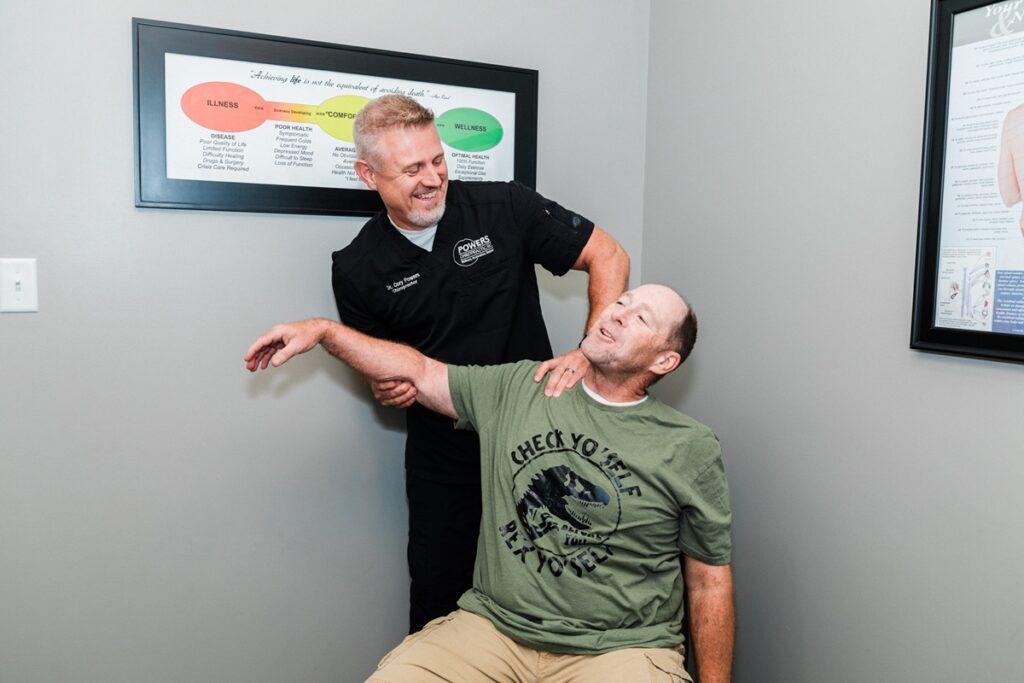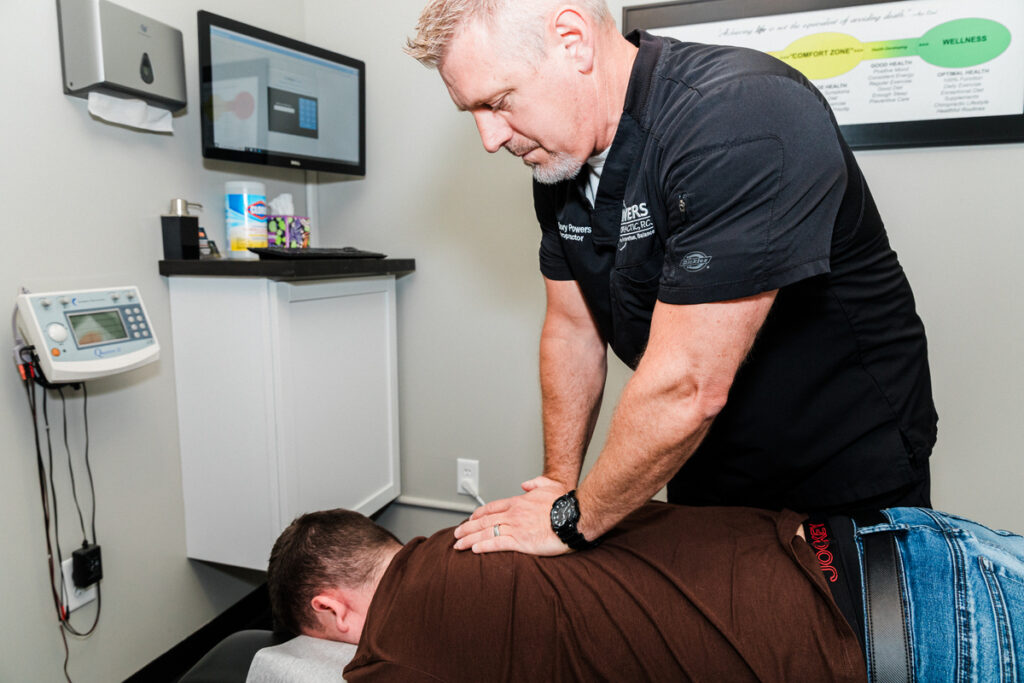

As a local chiropractor, I understand how debilitating headaches can be, often leaving you feeling drained and unable to enjoy your day. The good news is that there are several natural approaches we can explore together to help alleviate your pain without relying on medications.
Through simple lifestyle adjustments and the incorporation of herbal remedies, we can address the root causes of your headaches. Many patients are surprised at how even small changes can lead to significant improvements in their well-being.
I invite you to join me in discovering these effective strategies for headache relief. Together, we can find the methods that work best for you and promote a healthier, more balanced life.
Stay Hydrated
As a chiropractor, I often emphasize the importance of staying hydrated for your overall health and well-being. Many people don’t realize that proper hydration can significantly alleviate headaches and reduce tension in the body. When your body is lacking water, it can lead to discomfort and stress.
To combat this, I recommend aiming for at least eight 8-ounce glasses of water each day. Keeping a reusable water bottle handy can serve as a great reminder to sip water throughout your daily routine.
It’s worth noting that hydration doesn’t only come from plain water. Herbal teas and infused waters can also contribute positively to your fluid intake. However, be mindful of beverages like caffeine and alcohol, as they can lead to dehydration and exacerbate any discomfort you might be feeling.
If you’re active or it’s a particularly warm day, your body may require even more fluids. Pay attention to your thirst—this is your body signaling that it needs hydration.
If you experience a headache, try drinking a glass of water first; you might be surprised at how quickly it helps alleviate your discomfort. Incorporating proper hydration into your daily habits can enhance your overall health and well-being, complementing the benefits of chiropractic care and natural healing techniques that I advocate for in my practice.
Practice Relaxation Techniques
As a local chiropractor, I often see patients who experience headaches and are seeking relief.
One effective approach that I encourage is practicing relaxation techniques. Incorporating methods such as deep breathing exercises, mindfulness meditation, and gentle stretching into your daily routine can significantly help alleviate tension and discomfort.
These natural healing techniques not only support your overall well-being but may also complement the chiropractic care we provide.
Deep Breathing Exercises
As a local chiropractor, I want to share with you how deep breathing exercises can be an effective method for alleviating headache discomfort and managing stress. Many patients I’ve seen may not be aware, but our breath plays a crucial role in our overall well-being. By focusing on your breathing, you can calm your mind and help reduce tension in your body, which is essential for maintaining spinal health and preventing headaches.
To get started, find a comfortable position, either sitting or lying down. Inhale deeply through your nose for a count of four, allowing your abdomen to expand fully. This deep breathing not only promotes relaxation but also encourages proper oxygen flow to your body.
Hold your breath for a moment, and then exhale slowly through your mouth for a count of six. This extended exhalation aids in releasing built-up tension. Repeat this cycle for several minutes. As you do, pay attention to how each breath helps to alleviate tightness in your shoulders and neck—common culprits behind headaches.
I encourage you to incorporate deep breathing into your daily routine. You may discover that this simple practice not only enhances your relaxation but also contributes to reducing the frequency and intensity of your headaches.
Mindfulness Meditation Practices
As a local chiropractor, I want to share with you how incorporating mindfulness meditation practices into your daily routine can significantly help in managing stress and alleviating headaches.
Finding a quiet space where you can relax without interruptions is the first step. Sit comfortably, close your eyes, and focus on your breath. Pay close attention to each inhale and exhale, allowing any tension in your body to melt away. If your mind starts to drift, gently guide your focus back to your breath. Even dedicating just a few minutes each day to this practice can lead to noticeable improvements.
For those who may find it challenging to meditate on their own, guided meditations are a great option and can be easily accessed through various apps or online platforms.
By consistently engaging in mindfulness meditation, you’re not only calming your mind, but you’re also training it to respond more effectively to stress. This can ultimately result in fewer headaches over time, allowing you to enjoy a better quality of life.
Embracing mindfulness is a natural and effective technique that complements chiropractic care, and I encourage you to give it a try for relief and wellness.
Gentle Stretching Techniques
As a local chiropractor, I want to share with you how gentle stretching techniques can be a powerful tool for alleviating headaches. Many people overlook the role that muscle tension plays in headache development, but incorporating simple stretches into your daily routine can help relieve that tension and promote relaxation.
To get started, I recommend neck rolls to help release tightness in your shoulders and neck. These gentle movements can help improve circulation and mobility in those areas.
Following that, a seated forward bend can effectively stretch your back and hamstrings, further relieving any stiffness you may be experiencing. It’s important to remember to breathe deeply as you stretch; this not only aids in relaxation but also enhances the benefits of your stretches.
Shoulder shrugs are another excellent exercise to alleviate tightness in your upper body. Just a few minutes of these gentle stretches can significantly improve how you feel throughout the day.
Always listen to your body; there’s no need to push yourself too hard. The goal is to maintain a sense of calm and ease as you move through your stretching routine.
Apply Cold or Heat
As a local chiropractor dedicated to helping our community understand natural healing methods, I want to share how applying cold or heat can offer quick relief for headaches.
When you experience a headache, using a cold compress can effectively numb the pain, helping to reduce inflammation. On the other hand, heat therapy is excellent for relaxing tense muscles that may be contributing to your discomfort.
It’s important to know that timing plays a crucial role in choosing which method to use. For instance, if your headache is accompanied by swelling or inflammation, applying cold may be the best option. Conversely, if you’re dealing with muscle tension, heat can work wonders.
Understanding these techniques can empower you to manage your headaches more effectively and enhance your overall well-being. Remember, taking care of your body naturally is a vital part of chiropractic care!
Cold Compress Benefits
As a chiropractor, I often recommend natural remedies to help manage pain, including the effective use of cold compresses for headaches. If you’re experiencing tension or migraines, applying a cold compress can be a simple yet powerful way to find relief. The cool temperature works by constricting blood vessels, which helps reduce inflammation and numbs the pain, allowing you to feel more comfortable.
To use this technique, just wrap some ice or a cold pack in a cloth—never apply it directly to the skin—and place it on your forehead or the back of your neck for about 15-20 minutes. Many patients report that the cold sensation not only provides immediate relief but also helps them relax.
It’s also worth noting that a cold compress can ease any nausea that may accompany your headache, making it easier for you to rest and recover. Just a gentle reminder: it’s important to take breaks between applications to prevent skin irritation.
Heat Therapy Techniques
As a local chiropractor, I’m here to help you understand natural ways to ease headaches at home, particularly through heat therapy.
While cold therapy has its benefits, heat applications can be quite effective in providing relief from headaches by relaxing tight muscles and enhancing blood circulation.
Let’s explore three simple yet effective heat techniques that you can incorporate into your routine:
- Warm Compress: A warm compress is an easy way to ease tension. Simply soak a cloth in warm water, wring it out, and gently place it on your forehead or neck. This method can significantly reduce discomfort and promote relaxation in those areas.
- Heating Pad: A heating pad set to a low temperature can be a wonderful resource. Position it on your shoulders or neck to deliver soothing warmth directly where you need it most. This targeted heat can help relieve pain and tension effectively.
- Warm Bath: Taking a warm bath isn’t just a relaxing ritual; it can also do wonders for headache relief. The enveloping warmth helps to relax your entire body, which can lead to a reduction in headache intensity.
By integrating these heat therapy techniques into your self-care practices, you can enhance your overall comfort and promote a sense of relaxation.
Timing for Effectiveness
As a local chiropractor, I want to help you understand how to effectively manage headaches using natural methods. When deciding whether to use cold or heat for headache relief, it’s important to consider both the timing and the type of pain you’re experiencing.
If your headache has come on suddenly and is sharp or throbbing, cold therapy can be quite beneficial. Cold can help numb the area and reduce inflammation. I recommend applying a cold pack for about 15-20 minutes. Just remember to give your body some time to adjust between applications.
On the flip side, if you’re experiencing tension headaches or muscle tightness, heat may be the better option. Applying a heating pad or a warm towel can help soothe those tight muscles and promote relaxation. Again, aim for a similar duration—just ensure that it’s warm enough to provide comfort but not so hot that it risks burns.
Always pay attention to how your body responds. Sometimes, alternating between cold and heat can provide the most relief, depending on your specific headache type.
If you have any questions or would like personalized advice, feel free to reach out to my office. We’re here to support your journey toward natural healing!
Maintain Good Posture
As a local chiropractor, I want to share how maintaining good posture can play a significant role in reducing the frequency and intensity of headaches. By sitting or standing correctly, you can alleviate strain on your neck and shoulders, which are often culprits behind headache pain.
Here are three simple tips to help you improve your posture:
- Align Your Head and Neck: It’s important to keep your head aligned with your spine, avoiding the common habit of jutting your chin forward. This small adjustment can significantly relieve tension in your neck and help prevent discomfort.
- Strengthen Your Core: Engaging your core muscles is vital. A strong core provides support to your spine, allowing you to maintain proper alignment while sitting or standing. This support can help prevent the muscle strain that often leads to headaches.
- Adjust Your Workspace: Take a moment to evaluate your workspace. Ensure that your chair and desk are at the appropriate height for you. Your computer screen should be at eye level to minimize the need to hunch or strain your neck, which can trigger headaches.
By integrating these posture practices into your daily routine, you can take a proactive step towards reducing headache pain and enhancing your overall well-being.
If you have any questions or need personalized advice, feel free to reach out to me!
Incorporate Essential Oils
As a local chiropractor, I want to share how incorporating essential oils into your wellness routine can be a natural approach to relieving headaches and promoting relaxation. Many of my patients have found oils like peppermint, lavender, and eucalyptus to be particularly beneficial.
To get started, you can dilute a few drops of your chosen essential oil in a carrier oil, such as coconut or jojoba oil, and gently massage it onto your temples and neck. This not only stimulates circulation but also helps ease tension in those areas, creating a soothing experience.
In addition, you might consider inhaling essential oils directly from the bottle or using a diffuser to fill your environment with calming aromas. For headaches, peppermint oil’s cooling effect can provide immediate relief, while lavender is known for its ability to relieve stress and anxiety.
As you explore these natural remedies, remember to take deep breaths while inhaling the aromas. Allow the soothing scents to help you unwind and enhance your overall well-being.
I encourage you to experiment with different oils to discover what resonates with you best. Making this practice a regular part of your self-care routine can lead to lasting benefits and complement the chiropractic care you receive.
Try Herbal Remedies
As a local chiropractor, I’ve seen firsthand the benefits of incorporating natural remedies into your wellness routine, especially for headache relief.
Alongside the adjustments and therapies we offer, herbal remedies can serve as an effective complement to your care. Here are three herbs that have shown promise in alleviating headache discomfort:
- Peppermint: This herb is well-known for its cooling properties. Applying diluted peppermint oil to your temples can help relax the muscles around your head and enhance blood flow, which may provide relief from tension headaches.
- Ginger: With its powerful anti-inflammatory properties, ginger can be an excellent ally in reducing headache symptoms. You can brew a soothing cup of ginger tea or even chew on raw ginger for direct benefits.
- Feverfew: Traditionally used for its medicinal properties, feverfew is particularly noted for its potential to prevent migraines. You can take feverfew in capsule form or enjoy it as a tea to help manage your headache frequency.
I encourage you to explore these herbal options and observe how your body responds.
Combining these natural remedies with chiropractic care may lead to a more holistic approach to your health and help you discover effective, drug-free solutions for your headaches.
Get Adequate Sleep
As a local chiropractor, I want to emphasize the importance of sleep in your overall health and well-being. Adequate rest is crucial, and it can significantly help in reducing the frequency and intensity of headaches. I recommend aiming for 7 to 9 hours of quality sleep each night.
To enhance your sleep, consider establishing a calming bedtime routine. This could involve winding down an hour before bed by limiting screen time, dimming the lights, and engaging in relaxing activities such as reading or gentle stretching.
Consistency is vital when it comes to sleep patterns. Try to go to bed and wake up at the same time every day, even on weekends. This practice helps regulate your body’s internal clock, making it easier for you to fall asleep and wake up feeling refreshed.
If you find it difficult to drift off, focus on creating a comfortable sleep environment. A cool, dark room can make a significant difference in the quality of your sleep.
If you continue to experience headaches despite these changes, don’t hesitate to reach out to a healthcare professional, such as a chiropractor. We can explore various natural healing approaches and discuss how improving your sleep can be a straightforward yet effective method for alleviating headaches and enhancing your overall health.
Conclusion
As a local chiropractor, I want to share with you seven effective tips for achieving natural headache relief. Integrating these strategies into your daily life can make a significant difference in how you manage headaches.
First, ensure you’re staying well-hydrated; dehydration is a common headache trigger. Additionally, practicing relaxation techniques, such as deep breathing or meditation, can help reduce tension and prevent headaches from developing.
Maintaining proper posture is crucial as well—poor alignment can lead to muscle strain and discomfort that contributes to headaches. I also recommend using cold or heat therapy, which can provide immediate relief from headache pain.
Exploring essential oils and herbal remedies can be another natural approach; many patients find relief with certain scents or herbal teas. Lastly, don’t underestimate the importance of quality sleep—adequate rest is vital for overall health and can help minimize headache frequency.
By incorporating these tips into your routine, you’re taking proactive steps towards managing headaches and enhancing your well-being. If you’re curious about how chiropractic care can support you further in this journey, I’d love to discuss it with you during your next visit. Start today, and let’s find what works best for you!