
Chronic back pain is a common issue that affects many individuals, and it often arises from a combination of factors. You might be surprised to learn that conditions such as degenerative disc disease and herniated discs can significantly contribute to your discomfort. However, it’s important to recognize that back pain isn’t solely about age or past injuries; your lifestyle choices and mental health also play crucial roles.
As a chiropractor, I believe that understanding these underlying causes is vital for effective pain management and overall wellness. Let’s dive into what could be causing your discomfort and how chiropractic care can help you find relief.
- Posture Matters: Poor posture is one of the leading culprits of chronic back pain. Make a conscious effort to maintain a straight back when sitting or standing. Consider ergonomic furniture options that support your spine.
- Stay Active: Regular exercise strengthens the muscles that support your spine. Low-impact activities like walking, swimming, or yoga can enhance flexibility and reduce stiffness. Always consult with a chiropractor before starting a new exercise routine to ensure it’s safe for your specific needs.
- Mind Your Weight: Extra weight can put additional strain on your back. Adopting a balanced diet and incorporating physical activity can help you maintain a healthy weight, which in turn reduces the load on your spine.
- Mental Wellness: Stress and anxiety can exacerbate pain. Techniques such as mindfulness, meditation, or simply taking time for yourself can make a big difference. Don’t hesitate to discuss these aspects with your chiropractor; we can guide you on holistic approaches to managing stress.
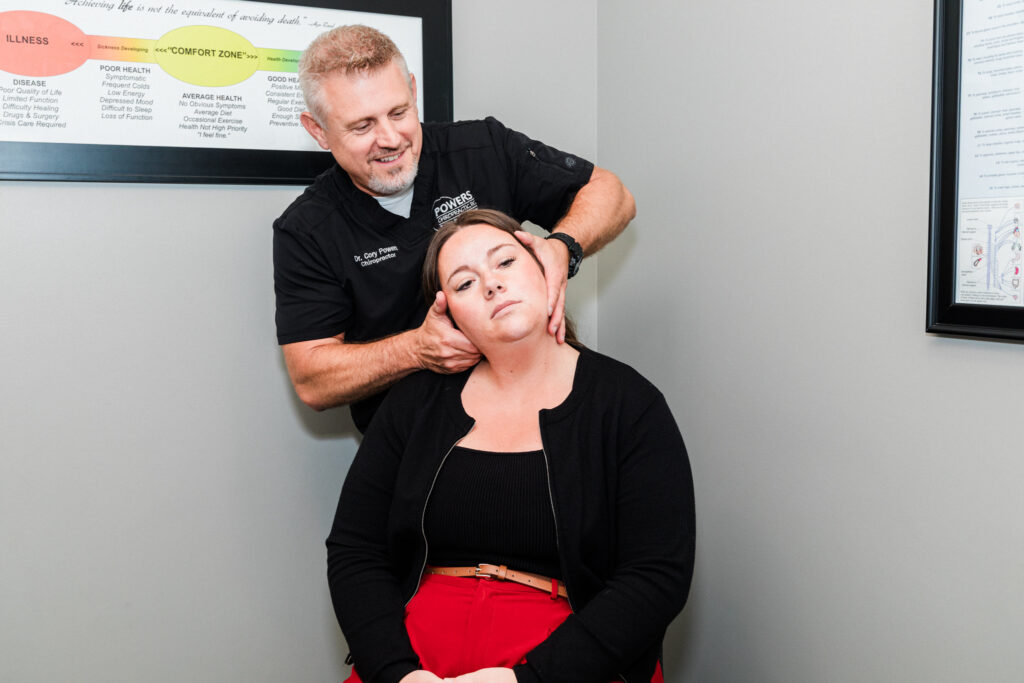
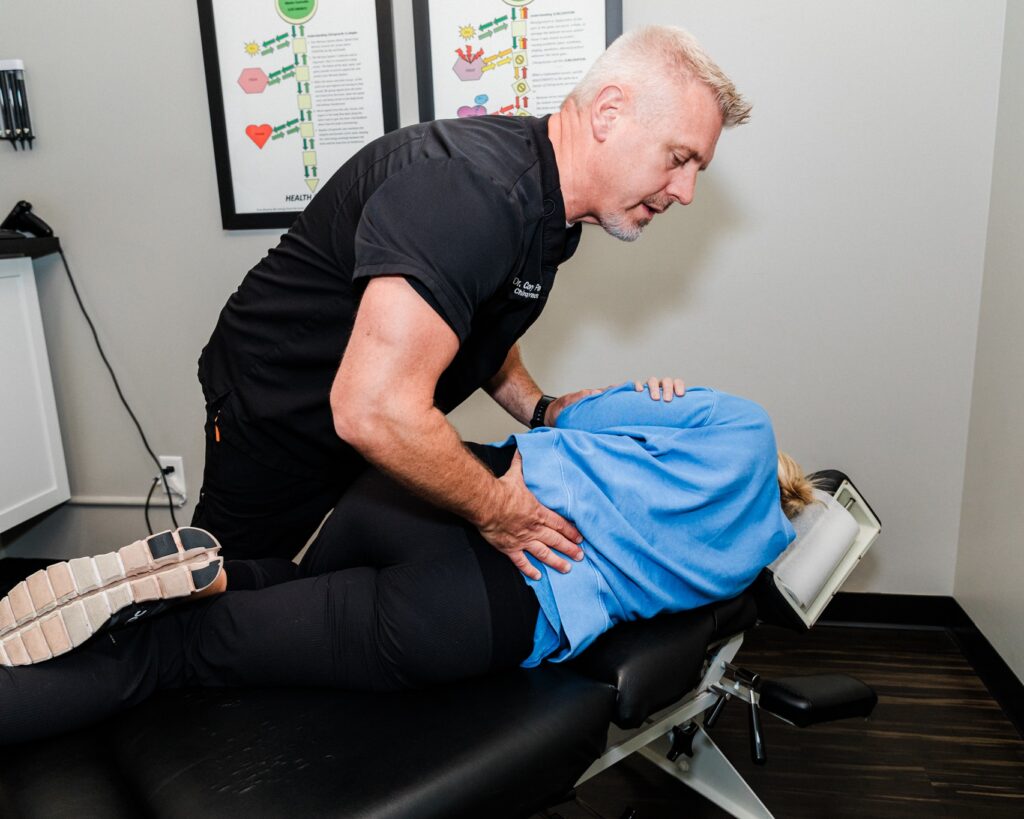
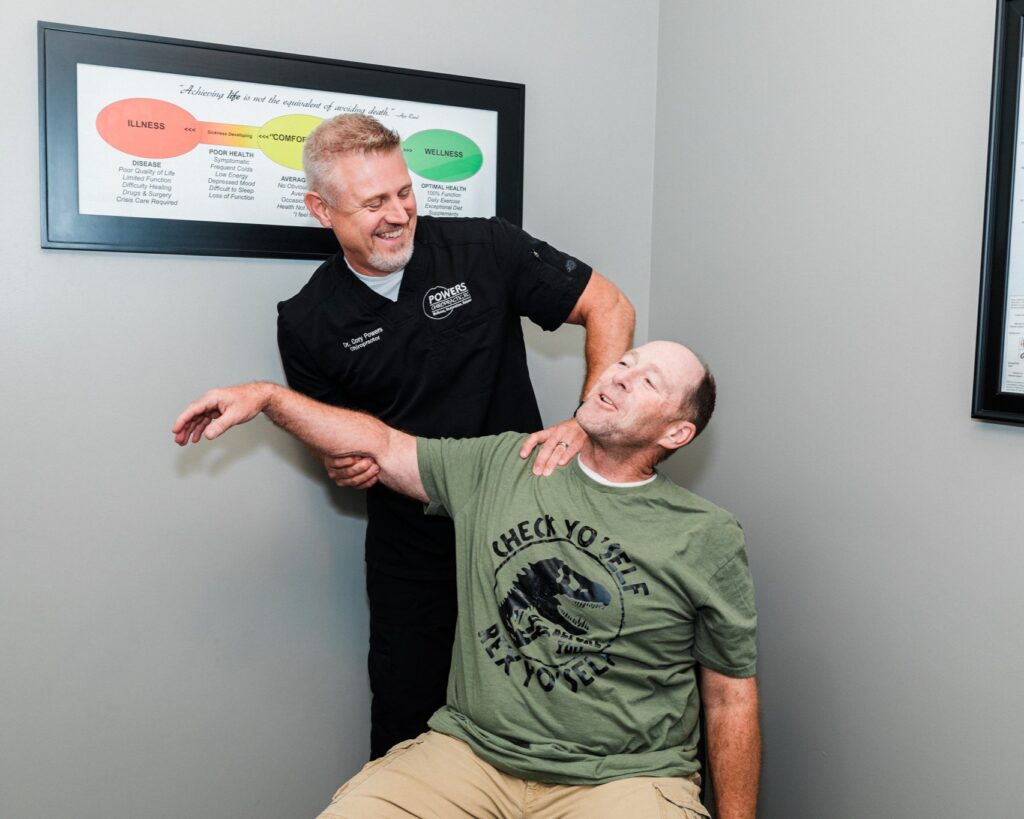
- Chiropractic Care: Regular chiropractic adjustments can help realign your spine, relieve pain, and enhance your overall health. Our goal is to address the root causes of your discomfort, not just the symptoms. By focusing on spinal health, we can promote natural healing and improve your quality of life.
In summary, chronic back pain can stem from various factors, but with the right approach, relief is within reach. Embrace healthier living by improving your posture, staying active, managing your weight, and prioritizing mental wellness. And remember, chiropractic care is a powerful tool in your journey to optimal health. If you’re struggling with back pain, don’t hesitate to reach out for support. Together, we can work towards a pain-free, healthier you!
Key Takeaways
- Degenerative Disc Disease: As we age, our spinal discs can wear down, leading to stiffness and discomfort. This can be aggravated by certain lifestyle choices. Chiropractic care can help alleviate these symptoms by improving spinal alignment and promoting better mobility.
- Herniated Discs: When discs in the spine bulge or rupture, it can result in sharp pain and even numbness in the arms or legs. This condition often stems from natural aging or physical strain. Regular adjustments from a chiropractor can help relieve pressure on affected nerves and support your body’s natural healing process.
- Osteoarthritis: This common joint condition involves the breakdown of cartilage, which can cause chronic back pain, stiffness, and decreased mobility as we get older. Chiropractic adjustments can help improve joint function and reduce pain, allowing you to move more freely.
- Muscle Strains and Sprains: Everyday activities can lead to overstretched muscles or ligament injuries, resulting in ongoing pain and limited movement. Chiropractic care focuses on restoring balance and function to your muscles and joints, helping you recover and regain your range of motion.
- Mental Health Factors: Stress and anxiety can heighten the perception of pain, making it harder to manage discomfort. Incorporating chiropractic care can not only address physical issues but also promote relaxation and overall well-being, supporting a healthier mindset.
Tips for Managing Back Pain Naturally:
- Stay Active: Engage in low-impact exercises like walking or swimming to strengthen your back and core.
- Maintain Good Posture: Be mindful of your posture when sitting, standing, and lifting to reduce strain on your back.
- Practice Mindfulness: Techniques like meditation or deep breathing can help manage stress and improve your pain perception.
- Stay Hydrated: Drinking plenty of water supports disc health and overall wellness.
- Regular Chiropractic Visits: Routine adjustments can help keep your spine aligned and functioning optimally, reducing the risk of future pain.
By focusing on these natural strategies and incorporating chiropractic care into your wellness routine, you can take significant steps towards alleviating back pain and achieving better overall health.
Degenerative Disc Disease
Degenerative disc disease can sneak up on you, often resulting in chronic back pain as the discs between your vertebrae gradually wear down. This natural wear and tear tends to happen as we age, but certain factors like injuries, genetics, and lifestyle choices can speed up the process. You might start to notice symptoms like stiffness, limited mobility, or pain that seems to worsen with specific activities.
As the discs lose hydration and elasticity, they become less effective at cushioning your spine, making everyday tasks feel more challenging and impacting your overall quality of life. While it’s common to brush off occasional discomfort, it’s important to pay attention to persistent pain, as ignoring it can lead to more significant issues later on.
One of the most effective ways to manage and alleviate these symptoms is through chiropractic care. Regular chiropractic adjustments can help restore proper alignment to your spine, enhance mobility, and promote natural healing.
In addition to chiropractic treatments, maintaining a healthy weight, exercising regularly, and practicing good posture can all support spinal health and slow down degeneration.
Here are some simple tips to keep your spine healthy:
- Stay Active: Engage in low-impact exercises like walking, swimming, or yoga to strengthen your back muscles and improve flexibility.
- Focus on Posture: Be mindful of how you sit, stand, and lift. Proper posture can significantly reduce strain on your spine.
- Stay Hydrated: Drinking plenty of water helps keep your discs hydrated, which is essential for their health and function.
- Listen to Your Body: If you feel pain or discomfort, don’t push through it. Instead, consult with a chiropractor who can help assess your condition and provide tailored treatments.
If you’re experiencing symptoms of degenerative disc disease, I encourage you to reach out to a healthcare professional, specifically a chiropractor, who can guide you on the best path to recovery.
Addressing these issues early on can prevent further complications and improve your overall well-being. Remember, natural healing through chiropractic care is a powerful tool for achieving optimal health!
Herniated Discs
Herniated discs can lead to a variety of symptoms that may interfere with your daily life. It’s important to understand the risk factors and how chiropractic care can provide effective relief and promote overall wellness. By focusing on natural healing and spinal health, we can help you manage your pain without the need for medications or surgeries.
When a disc herniates, it can put pressure on nearby nerves, leading to discomfort, numbness, or weakness in different parts of your body. Thankfully, chiropractic care focuses on aligning your spine, which can alleviate pressure on those nerves and support your body’s natural healing process.
Here are some tips to help you manage the impact of herniated discs:
- Stay Active: Gentle exercises and stretches can help maintain flexibility and strengthen the muscles around your spine. Always consult your chiropractor for tailored exercises that are safe for your condition.
- Maintain Good Posture: Be mindful of your posture when sitting, standing, or lifting. Proper alignment can reduce strain on your spine and prevent further injury.
- Use Heat and Ice: Applying heat or ice can provide temporary relief from pain and inflammation. Heat can relax tight muscles, while ice can reduce swelling.
- Stay Hydrated: Keeping your body well-hydrated supports disc health and overall spinal function.
- Chiropractic Adjustments: Regular visits to your chiropractor can help ensure your spine is aligned, which is crucial for reducing pain and promoting healing.
Remember, chiropractic care is a natural and effective way to address the discomfort associated with herniated discs. By focusing on spinal health and wellness, you’re taking a proactive step towards optimal health and a pain-free life.
If you’re experiencing symptoms, don’t hesitate to reach out for a consultation. Together, we can develop a plan tailored to your needs and help you achieve lasting relief.
Symptoms of Herniated Discs
When a disc in your spine bulges or ruptures, it can lead to various uncomfortable symptoms that can really affect your daily life. You may find yourself dealing with sharp or burning pain in your back or neck, which can radiate down to your arms or legs. Numbness and tingling sensations may also occur, making it tough to handle everyday tasks. Additionally, muscle weakness might make it hard to lift objects or maintain your balance, impacting both your work and personal life.
| Symptom | Impact |
|---|---|
| Sharp or burning pain | Disrupts daily activities |
| Numbness in extremities | Limits mobility and function |
| Weakness in muscles | Affects work and personal life |
| Difficulty sitting | Impairs comfort and relaxation |
Recognizing these symptoms early is crucial, as it allows you to seek out natural relief through chiropractic care. Chiropractors specialize in spinal health and can help realign your spine, addressing the root cause of your discomfort. This holistic approach not only alleviates pain but also promotes overall wellness.
Here are some general tips you can use to support your spinal health:
- Practice Good Posture: Keeping your spine aligned while sitting, standing, or lifting can reduce strain on your discs.
- Stay Active: Engaging in low-impact exercises like walking or swimming can strengthen your back muscles and improve flexibility.
- Use Ice or Heat: Applying ice packs or heating pads can help relieve pain and inflammation temporarily.
- Listen to Your Body: If something doesn’t feel right, take a break and consult with a chiropractor for personalized advice.
- Stay Hydrated: Drinking plenty of water helps maintain the hydration of your spinal discs.
Risk Factors Involved
Understanding the risk factors for developing herniated discs is crucial for taking proactive steps to protect your spine and maintain your overall health. As we age, our discs naturally lose hydration and elasticity, making them more prone to injury. This is a part of life, but with the right care, we can minimize the risks.
If you find yourself carrying extra weight, it’s important to know that the additional stress on your spine can increase the likelihood of disc issues. Consider incorporating gentle exercises and a balanced diet into your routine to support a healthy weight and strengthen your back.
For those whose jobs involve heavy lifting or repetitive motions, it’s essential to practice proper lifting techniques and take regular breaks to reduce strain on your back. Simple stretches can also help keep your muscles flexible and your spine aligned.
Genetics can play a role in your back health, especially if there’s a family history of back problems. Staying proactive through regular chiropractic care can help you maintain a healthy spine and manage any potential issues before they become serious.
Lastly, leading a sedentary lifestyle can weaken your back muscles, increasing your risk of injury. Aim to incorporate movement into your daily routine, whether it’s through walking, yoga, or other enjoyable activities. Chiropractic care can also play a key role in strengthening your back and enhancing your overall wellness.
By being aware of these risk factors and making informed choices, you empower yourself to take charge of your spine health. Regular visits to your chiropractor can help you stay on track, relieve pain, and support your body’s natural healing processes.
Treatment Options Available
If you’re facing the challenges of a herniated disc, it’s essential to explore natural and holistic treatment options that can help relieve your pain and enhance your overall well-being.
One of the most effective approaches is chiropractic care, which focuses on aligning the spine and promoting optimal nervous system function. Chiropractic adjustments can help alleviate pressure on the nerves caused by a herniated disc, leading to significant pain relief and improved mobility.
Additionally, incorporating exercises and stretches recommended by your chiropractor can strengthen your back muscles and improve flexibility, which is crucial for recovery.
In addition to chiropractic adjustments, consider adopting a healthy lifestyle that includes regular physical activity, proper hydration, and a balanced diet rich in anti-inflammatory foods.
Simple practices like maintaining good posture, using ergonomic furniture, and taking breaks during long periods of sitting can also make a positive difference.
Remember, early intervention is key. By seeking chiropractic care and making healthy lifestyle choices, you can work towards alleviating your pain and achieving optimal health.
Always consult with your chiropractor to create a personalized plan that suits your unique needs and helps you on your path to natural healing.
Osteoarthritis
Osteoarthritis is a degenerative joint disease that can sneak up on you as you age, often resulting in chronic back pain. This condition impacts the cartilage in your joints, leading to stiffness and discomfort. When it affects your spine, the pain can become particularly challenging to manage.
Here are some signs you might notice if you’re dealing with osteoarthritis:
- Persistent back pain that tends to worsen with activity
- Stiffness, especially in the morning or after prolonged sitting
- Limited range of motion in your spine
- A creaking or grinding sensation when you move
- Swelling around the affected joints
If you’re experiencing any of these symptoms, it’s important to seek guidance from a healthcare professional, particularly a chiropractor. Chiropractic care focuses on natural healing and can help relieve your pain while improving your overall wellness.
Chiropractors use hands-on techniques to adjust the spine and enhance joint function, which can lead to significant improvements in mobility and comfort.
In addition to seeking chiropractic care, here are some simple tips to help manage your osteoarthritis:
- Stay Active: Gentle exercise, such as walking, swimming, or yoga, can help keep your joints flexible and strengthen the muscles around them.
- Maintain a Healthy Weight: Excess weight can put added stress on your joints, especially your spine. A balanced diet and regular exercise can assist in maintaining a healthy weight.
- Practice Good Posture: Be mindful of your posture during daily activities. Good posture helps alleviate unnecessary strain on your spine.
- Use Heat and Cold Therapy: Applying heat can soothe stiff joints, while cold packs can reduce swelling and numb pain.
- Stay Hydrated: Drinking plenty of water helps keep your joints lubricated and can contribute to overall joint health.
Remember, early intervention is key. By working with a chiropractor and incorporating these healthy habits into your routine, you can significantly improve your quality of life while managing osteoarthritis.
Embrace the journey towards optimal health naturally!
Muscle Strains and Sprains
Muscle strains and sprains are common issues that can lead to chronic back pain, often arising from our daily activities or sudden movements. Symptoms such as stiffness, swelling, and limited mobility can be quite uncomfortable, which makes it important to recognize and address them effectively.
As a chiropractor, I want to emphasize that understanding the causes and signs of these injuries is the first step toward natural healing. Muscle strains often occur when a muscle is stretched too far, while sprains involve the ligaments that connect bones at a joint. Both can result from improper lifting, sports activities, or even poor posture.
To help prevent these injuries and support your back health, consider these simple tips:
- Practice Good Posture: Maintaining proper alignment while sitting, standing, or lifting can significantly reduce the risk of strains and sprains.
- Warm-Up Before Activity: Always take a few minutes to stretch and warm up your muscles before engaging in physical activities. This prepares your body and reduces the risk of injury.
- Strengthening Exercises: Incorporate exercises that strengthen your core and back muscles. A strong core supports your spine and helps prevent injury.
- Listen to Your Body: Pay attention to any signs of discomfort and don’t push through pain. If you feel any stiffness or tightness, take a break and allow your body to recover.
- Regular Chiropractic Care: Regular visits to a chiropractor can help maintain spinal health, improve mobility, and reduce tension in the muscles, helping to prevent injuries before they occur.
If you do experience a strain or sprain, chiropractic care can be an effective and natural way to promote healing. A chiropractor can assess your condition, provide gentle adjustments, and recommend exercises to help restore function and alleviate pain.
Common Causes Explained
While going about your daily routine, it’s easy to overlook how quickly muscle strains and sprains can happen. These injuries often arise from common actions that put unnecessary stress on your back muscles. By understanding the situations that can lead to these strains, you can take proactive steps to prevent them and promote your overall wellness.
Here are some common causes along with tips to help you stay pain-free:
- Lifting Heavy Objects Incorrectly: When lifting, always bend your knees and keep your back straight. This technique helps distribute the weight evenly and protects your spine. If an object feels too heavy, don’t hesitate to ask for help!
- Sudden Twisting or Turning Movements: Sudden movements can catch your muscles off guard. Try to turn your whole body instead of twisting at the waist, which can strain your back.
- Overexertion During Physical Activities: It’s great to be active, but listen to your body. Gradually increase the intensity of your workouts and take breaks when needed. This will help prevent overexertion and strain.
- Poor Posture While Sitting or Standing: Maintaining good posture is crucial for spinal health. Make sure your workspace is ergonomically set up, and take regular breaks to stand and stretch. This can significantly reduce tension in your back.
- Engaging in Repetitive Motions Without Breaks: Repetitive tasks can lead to strain. Incorporate short breaks into your routine to stretch and move around, which will help keep your muscles relaxed.
Chiropractic care is an excellent option for addressing the pain associated with muscle strains and sprains. A chiropractor can help realign your spine, relieve tension, and promote natural healing.
Symptoms and Diagnosis
When you experience muscle strains or sprains, recognizing the symptoms early can greatly enhance your recovery journey. Common signs to look out for include pain, swelling, and limited movement. You may feel a sudden sharp pain or a dull ache that seems to intensify with any physical activity.
Here’s a straightforward reference table to help you identify these symptoms:
| Symptom | Description | What to Observe |
|---|---|---|
| Pain | A sharp or dull ache | Increases with movement |
| Swelling | Noticeable puffiness | Surrounding the affected area |
| Limited Movement | Difficulty in moving the area | Trouble with daily activities |
If you notice these signs, it’s vital to consult with a healthcare professional who understands the benefits of chiropractic care. Chiropractic adjustments can help realign your spine and support your body’s natural healing processes, promoting faster recovery without the need for medications or invasive procedures.
In addition to seeking chiropractic care, here are some general tips to aid your recovery:
- Rest and Ice: Allow your body to rest and apply ice to reduce swelling and ease pain.
- Gentle Stretching: Engage in light stretching exercises as recommended by your chiropractor to maintain flexibility.
- Hydration: Drink plenty of water to help flush out toxins and support healing.
- Nutrition: Focus on a balanced diet rich in vitamins and minerals to aid recovery.
Treatment and Prevention Techniques
To effectively treat and prevent muscle strains and sprains, it’s important to embrace a holistic approach that prioritizes natural healing and wellness. As a chiropractor, I encourage you to take the necessary time to let your body recover without rushing back into strenuous activities.
Here are some valuable techniques to enhance your recovery and help you avoid future injuries:
- Ice your muscles: Applying ice can help reduce swelling and alleviate pain naturally. This simple step can be a great first aid measure for muscle discomfort.
- Gentle stretching: Incorporating gentle stretching into your routine can improve flexibility and enhance your range of motion, which is essential for overall muscle health. Always listen to your body and avoid any movements that cause pain.
- Strengthen your core: Engaging in exercises that strengthen your core muscles can provide better support for your back and help prevent injuries. A strong core is key to maintaining good posture and balance.
- Use proper lifting techniques: Always remember to lift with your legs, not your back. Keeping your body aligned and using your legs will help you avoid unnecessary strain.
- Stay active with low-impact exercises: Activities like walking, swimming, or cycling can maintain your strength and mobility without putting undue stress on your muscles and joints.
Incorporating chiropractic care into your wellness routine can also be incredibly beneficial. Regular chiropractic adjustments can help keep your spine aligned, promote healing, and enhance your overall health.
Poor Posture
Poor posture is often an overlooked contributor to chronic back pain, and as a local chiropractor, I see the impact it has on many of my patients. When you slouch or hunch over, your spine and muscles bear the brunt of excess pressure. This misalignment can lead to discomfort, making daily activities feel challenging. Many people may not even realize how their sitting or standing habits can contribute to their pain.
Let’s take a closer look at how poor posture can affect your body and some natural ways to alleviate the issues:
| Effects of Poor Posture | Possible Solutions |
|---|---|
| Increased spinal stress | Invest in ergonomic furniture to support your spine. |
| Muscle tension | Incorporate regular stretching into your routine to relieve tightness. |
| Impaired mobility | Practice mindfulness by setting reminders to check your posture throughout the day. |
Chiropractic care can be a fantastic solution for addressing the effects of poor posture. Regular adjustments can help realign your spine, reduce muscle tension, and enhance your overall mobility. I encourage you to consider visiting a chiropractor to explore how natural healing can support your journey to optimal health.
In addition, here are a few practical tips you can use every day to improve your posture:
- Be Mindful of Your Sitting Position: When sitting, keep your feet flat on the floor and your back against the chair. Use a small cushion if needed to maintain the natural curve of your lower back.
- Stand Tall: Whether you’re waiting in line or working at your desk, practice standing with your shoulders back and your head held high. Imagine a string pulling you upward from the top of your head.
- Take Breaks: If you’re sitting for long periods, take regular breaks to stand, stretch, and move around. This can help reset your posture and relieve any built-up tension.
Obesity and Physical Inactivity
Obesity and physical inactivity can significantly contribute to chronic back pain. When you carry excess weight, it puts extra strain on your spine and the muscles that support it. Additionally, if you’re not staying active, your muscles can weaken, making it even more challenging for your body to support your back properly, leading to discomfort and pain.
As a chiropractor, I want to share some valuable tips to help you manage and prevent back pain through natural methods:
- Maintain a Healthy Weight: Shedding extra pounds can relieve pressure on your spine. A balanced diet and regular exercise can make a big difference in how you feel.
- Incorporate Regular Exercise: Aim for activities that strengthen your back and improve overall fitness. Simple exercises, like walking, swimming, or light strength training, can keep your back strong and healthy.
- Practice Good Posture: Being mindful of your posture is crucial. Sitting and standing with your back straight can greatly reduce strain on your spine, helping you feel more comfortable throughout the day.
- Stretch Regularly: Flexibility is key! Incorporating gentle stretching exercises into your daily routine can enhance mobility and alleviate tightness in your back.
- Stay Active Throughout the Day: Try to avoid long periods of sitting. Take breaks to stand, stretch, or walk around. Keeping your muscles engaged can help you feel better and reduce pain.
By following these simple steps, you can significantly lower your risk of chronic back pain associated with obesity and inactivity.
Chiropractic care can also play a vital role in your journey to optimal health by providing personalized treatments that support your body’s natural healing processes. If you’re experiencing back pain, consider visiting your local chiropractor to explore natural, effective ways to achieve wellness and enhance your quality of life.
Stress and Mental Health Factors
While physical factors often take center stage, it’s important to recognize how stress and mental health can significantly influence chronic back pain. When you experience stress, your body tends to tense up, leading to muscle tightness and discomfort in your back.
Additionally, feelings of anxiety and depression can heighten your perception of pain, making it feel more intense than it truly is. You might notice that when your mental health isn’t at its best, you may lose motivation to stay active, which can worsen your back pain.
Also, poor sleep caused by stress can impede your body’s ability to heal and recover, creating a frustrating cycle of pain and mental distress. To break this cycle, it’s crucial to take care of both your physical and mental health.
Chiropractic care is an excellent choice for addressing back pain naturally and holistically. Regular adjustments can help alleviate tension in your muscles and improve your spinal alignment, which can enhance your overall well-being.
In addition to chiropractic adjustments, consider incorporating stress-management techniques into your routine. Mindfulness practices, gentle yoga, and even talking to a therapist can be beneficial.
These strategies can help you manage stress, improve your mental health, and ultimately support your journey towards pain relief. By focusing on both your physical and mental health, you can reduce chronic back pain and elevate your quality of life.
Conclusion
In conclusion, understanding the top causes of chronic back pain—such as degenerative disc disease, herniated discs, and muscle strains—is crucial for effective management. By being mindful of factors like poor posture, obesity, and stress, you can significantly enhance your overall well-being.
Chiropractic care stands out as a natural and effective solution for alleviating back pain. It focuses on restoring proper alignment and function to the spine, which can lead to lasting relief without the need for medications or invasive procedures. Additionally, regular chiropractic adjustments can help improve your posture, reduce tension, and promote overall health.
Here are some simple tips you can incorporate into your daily routine to support your back health:
- Practice Good Posture: Be aware of how you sit, stand, and move. Keeping your spine aligned can prevent unnecessary strain.
- Stay Active: Engage in regular low-impact exercises, such as walking or swimming, to strengthen your back and core muscles.
- Maintain a Healthy Weight: Keeping a healthy weight can reduce the stress on your spine.
- Manage Stress: Incorporate relaxation techniques such as deep breathing or yoga to help ease tension in your body.
- Listen to Your Body: If you experience discomfort, don’t ignore it. Early chiropractic care can help address issues before they become chronic.
Remember, prioritizing your spinal health is key to living a vibrant, pain-free life. Don’t hesitate to reach out to a chiropractor for personalized advice and care tailored to your needs. Take charge of your back health today!