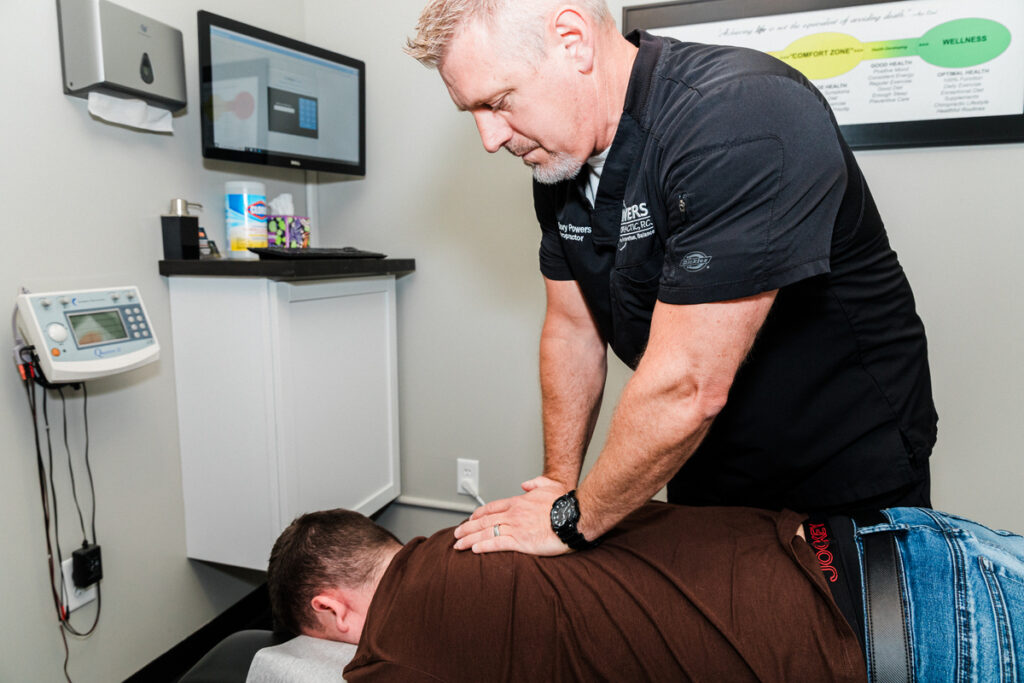

As a local chiropractor, I often see the effects of poor posture from long hours spent at a desk. Many of my patients are unaware of how quickly these issues can develop and impact their overall health. One of the first steps towards better well-being is investing in ergonomic furniture and optimizing your desk setup. This can significantly alleviate the strain on your body.
However, simply having the right furniture is not enough. It’s crucial to incorporate regular breaks and practice mindful posture throughout your day. You might be surprised by how a few simple adjustments can dramatically improve your work experience and enhance your health.
Let’s delve into some effective solutions that can help you maintain better posture and feel your best while working at your desk. With the right approach, we can work together to improve your comfort and prevent long-term issues related to posture.
Invest in Ergonomic Furniture
As a chiropractor, I want to emphasize the importance of investing in ergonomic furniture for your overall health and well-being. Upgrading your workspace with ergonomic solutions isn’t just a luxury; it’s a vital step towards prioritizing your physical comfort and preventing long-term issues.
Let’s start with the ergonomic chair. These specially designed chairs are crafted to reduce strain on critical areas like your back, neck, and shoulders. By supporting your natural posture, they encourage you to sit correctly throughout the day, which can significantly lower your risk of developing musculoskeletal problems.
Moreover, consider incorporating an adjustable desk into your setup. This feature allows you to switch between sitting and standing, promoting movement and enhancing circulation. You might notice that this flexibility helps you feel more energized and focused, which is essential for maintaining productivity.
Don’t overlook the importance of ergonomic accessories, either. Items such as keyboard trays and monitor stands can make a significant difference in your workspace. They ensure that your wrists and eyes are properly aligned, reducing the risk of discomfort and strain.
Optimize Your Desk Setup
As a local chiropractor, I want to emphasize how important it’s to create a desk setup that promotes your comfort and well-being. Many patients are unaware that a well-organized workspace can significantly reduce physical strain and improve overall focus, which is essential for your spinal health.
Here are some vital considerations to keep in mind:
- Chair Height: Make sure your chair is adjusted so that your feet rest flat on the floor, with your knees forming a 90-degree angle. This alignment helps maintain proper posture and supports your spine.
- Monitor Position: Your monitor should be at eye level and approximately an arm’s length away. This positioning reduces the risk of neck strain, which can lead to discomfort and misalignments over time.
- Keyboard and Mouse: It’s crucial to keep your keyboard and mouse within easy reach. This prevents unnecessary stretching and helps keep your wrists straight and relaxed, reducing the likelihood of repetitive strain injuries.
- Lighting: Proper lighting is key to reducing glare on your screen, which can contribute to eye strain. Good lighting helps you maintain a comfortable visual posture, further supporting your overall spinal health.
By making these adjustments, you can create a workspace conducive to comfort and productivity, ultimately benefiting your body and mind.
Take Regular Breaks
As a chiropractor dedicated to your well-being, I want to emphasize the importance of taking regular breaks during your workday, especially if you have a desk job.
It’s not just about a moment of rest; these breaks are vital for maintaining good posture and supporting your overall health. I encourage you to set a timer that prompts you to step away from your desk every hour.
Use this time to stretch and move around. These simple yet effective actions can significantly reduce tension in your muscles and joints, helping you stay focused and energized throughout the day.
Set a Timer
As a local chiropractor, I often see patients who spend long hours at their desks, which can lead to discomfort and poor posture. One effective way to enhance your productivity and promote your well-being while working is by setting a timer to remind yourself to take regular breaks. This practice not only helps alleviate physical strain but also keeps your mind sharp.
Here are some helpful tips to get you started:
- Begin by setting a timer for 25-30 minutes of focused work. This duration allows you to concentrate without overwhelming your body.
- When the timer goes off, take a 5-minute break. During this time, it’s important to step away from your desk.
- Use this break to stretch, walk around, or simply change your environment. This can help refresh your body and mind.
- Feel free to adjust the timer duration to find what works best for your individual needs.
By incorporating this simple practice into your daily routine, you can improve your posture, reduce discomfort, and create a healthier work environment.
Stretch and Move
As a local chiropractor, I want to emphasize the importance of incorporating regular stretches and movements into your daily routine, especially if you find yourself sitting for long periods.
While it may be tempting to remain seated, taking the time to stand up and move can significantly enhance your posture and overall comfort. I recommend setting a reminder to get up every hour. Use those moments to stretch your arms, back, and legs—simple motions like neck rolls and shoulder shrugs can work wonders in relieving tension.
Additionally, consider walking around your workspace or engaging in quick exercises such as squats or lunges. These activities promote better blood circulation and keep your muscles engaged, helping to prevent stiffness.
Not only do these breaks alleviate discomfort, but they can also enhance your productivity. Remember, every small step counts. By making stretching and movement a regular habit, you’ll not only create a healthier workspace but also support better posture and reduce discomfort during those extended hours at your desk.
Your body will thank you!
Incorporate Stretching Exercises
As a local chiropractor, I want to share the importance of incorporating stretching exercises into your daily routine, especially if you spend long hours at a desk.
Many people are unaware of how simple stretches can significantly improve your posture and relieve tension in your body.
I recommend setting aside just a few minutes each day for a stretching routine that focuses on the areas most affected by prolonged sitting, like your neck, shoulders, and lower back.
These quick desk stretches not only help alleviate stiffness but also promote better circulation, making you feel more energized and focused throughout the day.
By integrating these practices into your workday, you’re taking a proactive step towards natural healing and overall well-being.
Quick Desk Stretches
As a local chiropractor, I understand that many of you spend long hours at your desks, often neglecting your body’s crucial need for movement.
However, incorporating quick desk stretches into your daily routine can play a vital role in relieving tension and enhancing your focus. Here are some simple stretches I recommend to help refresh both your mind and body:
- Neck Stretch: Begin by sitting up straight. Gently tilt your head to one side, allowing your neck to stretch. Hold this position for 15 seconds before switching to the other side. This stretch can help alleviate stiffness in your neck and improve your overall posture.
- Shoulder Roll: To release tension in your shoulders, roll them forward in a circular motion for 10 repetitions, then reverse the direction and roll them backward for another 10. This simple movement can help reduce tension and increase circulation.
- Wrist Stretch: Extend one arm in front of you with your palm facing up. With your other hand, gently pull back on your fingers to stretch your wrist. Hold for 15 seconds on each side. This is particularly beneficial if you spend a lot of time typing or using a mouse.
- Seated Torso Twist: While remaining seated, twist your torso to one side, using the chair for support. Hold this position for 15 seconds, then repeat on the other side. This stretch can help improve spinal mobility and relieve lower back discomfort.
By incorporating these quick stretches into your workday, you may find that you feel more agile and focused.
Daily Stretching Routine
As a local chiropractor, I want to emphasize the importance of incorporating stretching into your daily routine for optimal health and well-being. While quick desk stretches are a great start, establishing a more comprehensive stretching routine can significantly enhance your overall wellness.
Begin each morning by dedicating just a few minutes to gentle neck rolls and shoulder shrugs. This simple practice can help alleviate tension that accumulates overnight.
Throughout your day, take breaks to perform standing forward bends and side stretches, which can help loosen your spine and improve flexibility. Incorporating seated twists is another excellent way to promote better posture and increase your flexibility.
Additionally, don’t overlook the importance of wrist and finger stretches, especially if you spend a lot of time typing.
I recommend aiming for at least 10-15 minutes of stretching each day, focusing on different areas of your body. By committing to this daily routine, you’ll not only ease discomfort but also experience a boost in energy and productivity.
Practice Mindful Posture
As a chiropractor, I want to emphasize the importance of mindful posture for your overall health and well-being. Many of you may not be fully aware of how your sitting and movement habits can affect your body. Practicing mindful posture can help alleviate discomfort and boost your productivity.
Here are some essential tips to help you maintain a healthy posture throughout your day:
- Check your alignment: It’s crucial to ensure that your ears, shoulders, and hips are aligned in a straight line. This alignment helps reduce strain on your spine and supports proper function.
- Engage your core: Activating your abdominal muscles is key to providing support for your spine. A strong core can help you maintain better posture and reduce the risk of injury.
- Take regular breaks: I recommend standing up and stretching every 30 to 60 minutes. This simple practice helps reset your posture and can alleviate tension that builds up during prolonged periods of sitting.
- Breathe deeply: Incorporate deep breathing exercises into your routine. Deep breaths can relieve tension and serve as a reminder to stay conscious of your posture throughout the day.
By being mindful of these habits, you can enhance your well-being and prevent discomfort.
Utilize Supportive Accessories
As a local chiropractor, I want to help you improve your experience at your desk job by introducing some supportive accessories that can significantly enhance your posture and comfort.
One of the most crucial investments you can make is a quality ergonomic chair. This type of chair is designed to support your lower back, which is essential for maintaining proper spinal alignment throughout your workday. Remember to adjust the height of your chair, ensuring that your feet rest flat on the floor to minimize strain on your legs.
Another beneficial accessory is a sit-stand desk or a desktop converter. These tools allow you to switch between sitting and standing, which can help alleviate pressure on your back and improve blood circulation.
It’s also important to use an ergonomic keyboard and mouse. These devices are specially designed to reduce wrist strain and keep your arms in a more natural position, contributing to overall comfort.
Additionally, if your feet don’t comfortably touch the ground, consider incorporating a footrest. This simple yet effective accessory can further enhance your posture and support your lower back.
Conclusion
As a chiropractor, I want to share with you how investing in ergonomic furniture and optimizing your desk setup can make a significant difference in your posture, especially during those long hours at work. It’s essential to remember to take regular breaks and incorporate stretching exercises to keep your body energized and reduce tension.
Practicing mindful posture and utilizing supportive accessories can greatly enhance your comfort throughout the day. Simple changes to your workspace can not only alleviate strain on your spine but also improve your overall well-being in a desk-bound environment. By prioritizing your posture and taking proactive steps, you can experience a notable improvement in how you feel while working. Start making these adjustments today and notice the positive impact on your health!