
Lower back pain can be a frustrating experience, but there are many natural ways to find relief that don’t involve surgery or medication. As a chiropractor, I believe that simple adjustments in your daily routine can make a significant difference in your comfort and overall health. By focusing on effective chiropractic care and some easy lifestyle changes, you can take control of your discomfort and enhance your quality of life.
One of the key techniques for relieving lower back pain is maintaining proper posture. Whether you’re sitting at a desk, driving, or lifting objects, being mindful of how you position your body can help prevent strain on your spine. Try to keep your back straight, shoulders relaxed, and feet flat on the ground, especially when sitting for long periods.
Incorporating effective stretching techniques is another great way to alleviate tension in your lower back. Gentle stretches can improve flexibility and strengthen the muscles supporting your spine. Simple moves like the cat-cow stretch or knee-to-chest stretches can be very beneficial. These stretches can be easily done at home and don’t require any special equipment.
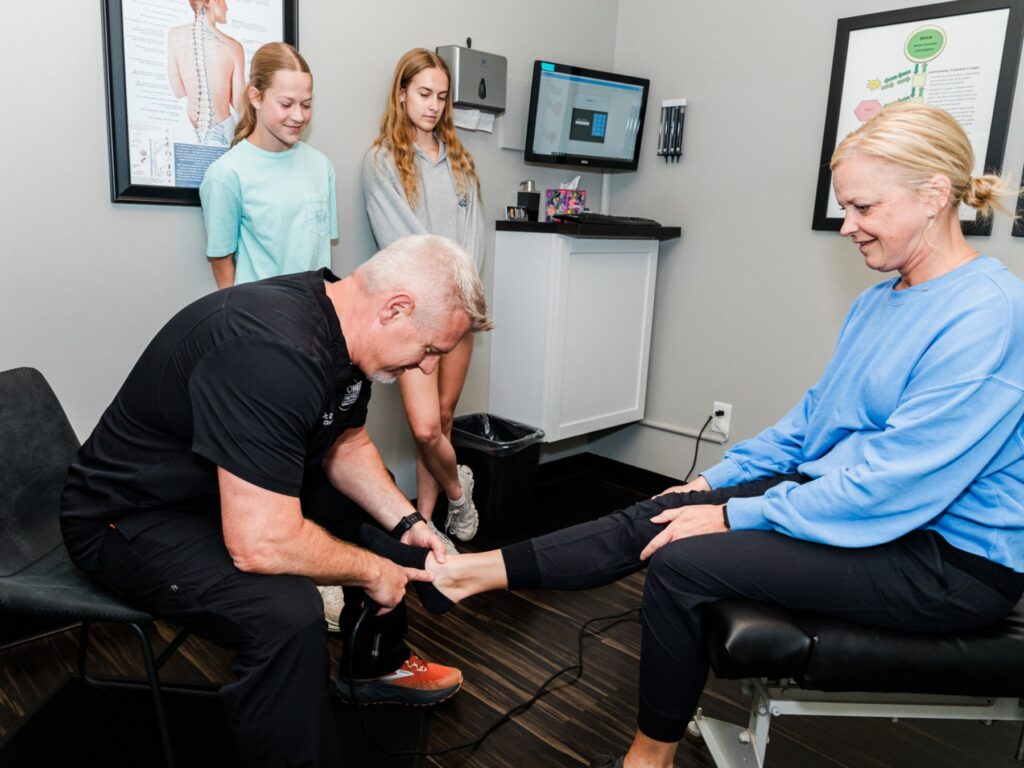
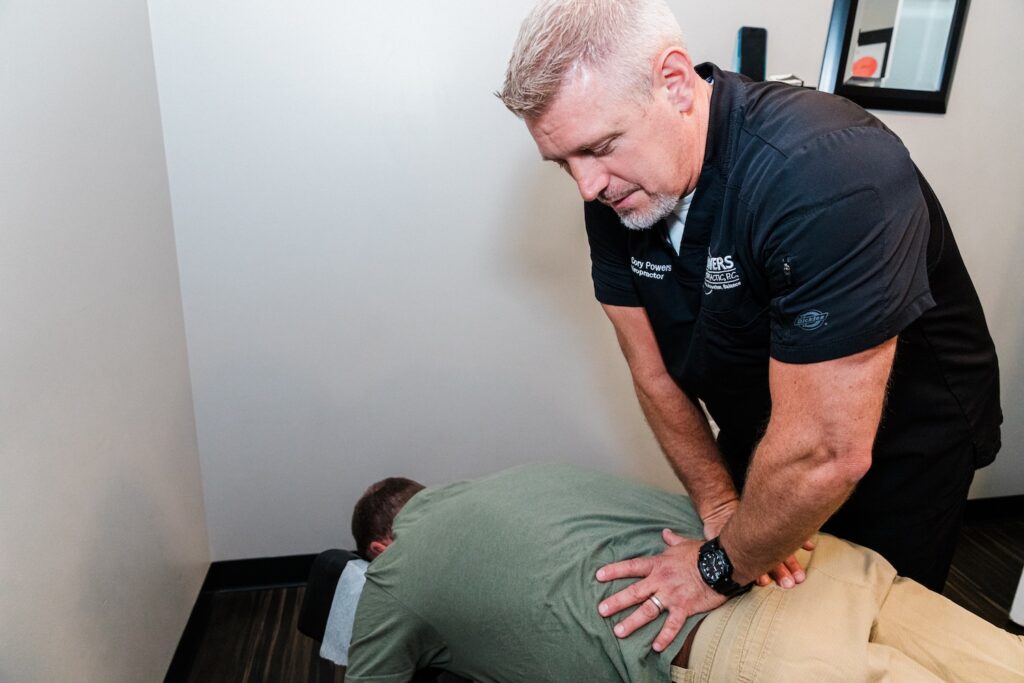
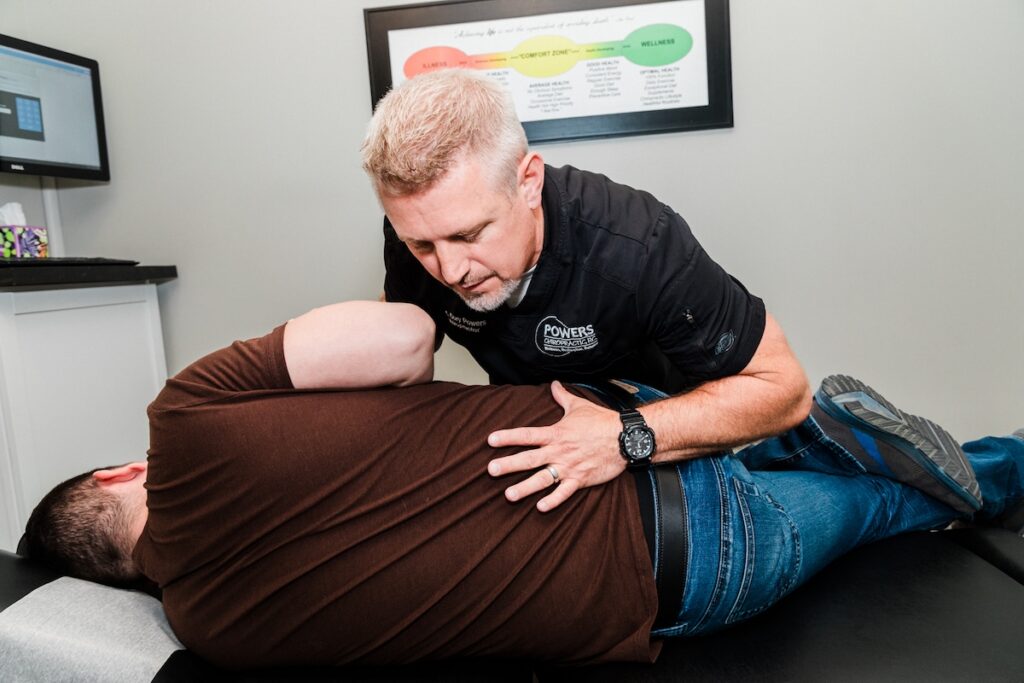
Chiropractic care is an excellent choice for addressing lower back pain. Regular visits to a chiropractor can help realign your spine, improve your posture, and relieve tension in your muscles. By focusing on the root cause of your pain rather than just the symptoms, chiropractic adjustments can lead to long-lasting relief and better overall health.
Additionally, staying active and engaging in low-impact exercises, such as walking or swimming, can help maintain a healthy spine and prevent future pain. Remember, it’s essential to listen to your body and give it the rest it needs, especially if you’re experiencing discomfort.
By embracing these techniques and prioritizing chiropractic care, you can take significant steps toward achieving optimal health and well-being. Let’s work together on your journey to a healthier, pain-free life!
Key Takeaways
- Embrace good posture by sitting and standing tall; this simple adjustment can significantly reduce strain on your spine and muscles, helping you feel more comfortable throughout the day.
- Consider incorporating heat therapy into your routine. Applying heat can help relax tight muscles and improve blood flow, providing soothing relief from lower back pain naturally.
- Don’t overlook the benefits of cold therapy. Using ice packs can help minimize inflammation and numb sharp pain, especially in the case of acute injuries. It’s a great way to manage discomfort without medication.
- Engage in regular stretching and strengthening exercises. These activities enhance flexibility and support spinal alignment, which are crucial for long-term back health. Look for exercises specifically designed to promote a healthy spine.
- As a chiropractor, I highly recommend chiropractic care as a fundamental component of your wellness journey. Regular adjustments can restore proper alignment, enhance your body’s function, and promote natural healing. With chiropractic support, you can achieve optimal health and live pain-free.
Remember, taking small steps towards better spinal health can lead to significant improvements in your overall well-being!
Understanding the Causes of Lower Back Pain
Lower back pain is a common issue that many people face at some point in their lives. Understanding its causes is crucial for effective relief and achieving optimal health. You might be surprised to discover that various factors contribute to this discomfort. For instance, improper lifting techniques, a sedentary lifestyle, and even stress can lead to muscle strain or tension in the lower back.
Additionally, underlying conditions like herniated discs or arthritis can also contribute to pain. If you find yourself sitting for long periods, your muscles may weaken, making you more prone to discomfort. Carrying excess weight can further increase strain on your back, leading to more pain.
Even your sleep habits play a significant role in your lower back health. Using an unsupportive mattress can lead to poor spinal alignment and discomfort. By recognizing these causes, you can take proactive steps to address them and promote better health.
One of the best ways to find relief from lower back pain is through chiropractic care. Chiropractors focus on spinal alignment and overall wellness, helping to alleviate pain naturally without the need for medications or surgeries. Regular chiropractic adjustments can improve your posture, enhance flexibility, and strengthen the muscles that support your spine.
Here are some tips you can incorporate into your daily routine to help manage and prevent lower back pain:
- Practice Proper Lifting Techniques: Always bend at your knees, not your waist, and keep the object close to your body when lifting.
- Stay Active: Incorporate regular physical activity into your life. Simple exercises like walking, stretching, and core strengthening can help maintain a healthy back.
- Mind Your Posture: Whether sitting or standing, be mindful of your posture. Keep your back straight and shoulders relaxed to avoid unnecessary strain.
- Invest in a Good Mattress: Choose a mattress that provides proper support for your spine and consider your sleeping position to maintain alignment.
- Manage Stress: Stress can contribute to muscle tension. Find relaxation techniques that work for you, such as deep breathing, meditation, or yoga.
Importance of Proper Posture
Proper posture is vital for preventing and alleviating lower back pain, and as a chiropractor, I can assure you that maintaining good posture significantly reduces strain on your spine and muscles, resulting in fewer aches and discomfort.
Let’s delve into the numerous benefits of proper posture and share some practical tips to enhance yours, all while highlighting how chiropractic care plays a crucial role in achieving optimal health and wellness.
When you practice good posture, you not only support your spine but also promote better overall health. Improved posture can lead to increased energy levels, enhanced mood, and even better digestion.
As your trusted chiropractor, I encourage you to consider how these benefits can contribute to a healthier lifestyle.
Here are some simple tips to help you improve your posture:
- Be Mindful of Your Sitting Position: When sitting, keep your feet flat on the floor and your knees at a right angle. Use a chair that supports your lower back.
- Adjust Your Workspace: Ensure your computer screen is at eye level, and your chair supports your lumbar region. This can help prevent the slouching that often leads to back pain.
- Strengthen Your Core: Engaging in exercises that strengthen your abdominal and back muscles can provide better support for your spine. Consider incorporating gentle stretches and strengthening exercises into your routine.
- Practice Good Lifting Techniques: Always bend at your knees and keep your back straight when lifting heavy objects. This technique helps protect your spine from injury.
- Consider Chiropractic Care: Regular chiropractic adjustments can help align your spine, alleviate pain, and teach you the best practices for maintaining good posture. A chiropractor can provide personalized advice and treatment plans tailored to your specific needs.
By focusing on proper posture and incorporating these tips into your daily routine, you can significantly reduce the risk of lower back pain and enhance your overall well-being.
Benefits of Good Posture
Good posture plays a crucial role in enhancing your overall health and well-being, and as a chiropractor, I believe it’s essential for everyone to understand its benefits. By maintaining proper alignment, you can significantly reduce strain on your spine, which not only alleviates lower back pain but also helps to prevent future discomfort.
One of the key advantages of good posture is improved breathing. When you sit or stand correctly, your lungs can expand fully, leading to better oxygen flow throughout your body. This boost in oxygen can increase your energy levels, making you feel more vibrant and alert throughout your day.
Moreover, adopting a tall and confident posture can have a positive effect on your mood and self-esteem. When you stand tall, you may feel more self-assured in social situations, which can enhance your interactions with others.
Good posture also supports better digestion. By keeping your body aligned, you allow your organs to function optimally without unnecessary compression, which can lead to a more comfortable digestive process.
Incorporating good posture into your daily routine isn’t just about protecting your back; it’s an investment in your physical and mental health. Here are some simple tips to help you maintain good posture:
- Be Mindful of Your Alignment: Regularly check in on your posture throughout the day. Whether you’re sitting at a desk or standing in line, ensure your shoulders are back, and your spine is straight.
- Strengthen Your Core: Engage in exercises that strengthen your core muscles. A strong core supports your spine and helps you maintain good posture.
- Take Breaks: If you work at a desk or spend extended periods sitting, take regular breaks to stretch and move around. This will help relieve tension and reset your posture.
- Use Supportive Furniture: Invest in a chair that supports your lower back and promotes good posture while sitting.
- Practice Good Ergonomics: Adjust your workspace so that your computer screen is at eye level and your chair supports your lower back.
By prioritizing good posture and considering chiropractic care, you’re on the path to achieving optimal health and a better quality of life. Chiropractic adjustments can further enhance your posture, relieve pain, and promote natural healing, ensuring that your body functions at its best.
Tips for Posture Improvement
Improving your posture is vital for your overall health and can help prevent discomfort, especially if you find yourself sitting or standing for long periods.
Good posture not only alleviates lower back pain but also promotes better spinal health. As a chiropractor, I want to share some simple tips to help you improve your posture naturally and enhance your well-being:
1. Sit Properly: When sitting, make sure your feet are flat on the floor and your knees are at a right angle. Choose a chair that supports your lower back, as this helps maintain the natural curvature of your spine.
If you’re working at a desk, consider using a lumbar support cushion for extra comfort.
2. Stand Tall: When standing, distribute your weight evenly between both feet. Engage your core muscles to support your spine, and keep your shoulders relaxed and pulled back.
This position helps reduce strain on your back and encourages proper alignment.
3. Take Breaks: It’s important to give your body a break! Every 30 minutes, stand up, stretch, and walk around.
This not only reduces muscle tension but also promotes better alignment and circulation, which is crucial for spinal health.
By implementing these straightforward changes, you can significantly improve your posture and overall health.
Remember, chiropractic care is an excellent choice for addressing pain and enhancing your body’s natural healing abilities.
Regular chiropractic adjustments can help maintain your spine’s alignment and support your journey to optimal health.
Take care of your body, and it will take care of you!
Effective Stretching Techniques
Incorporating effective stretching techniques into your daily routine can significantly alleviate lower back pain and enhance your overall spinal health. Stretching is a natural, effective way to improve flexibility, reduce muscle tension, and promote better blood circulation—all crucial elements for relieving discomfort and supporting your body’s well-being. Here are some simple stretches you can do at home to help improve your spinal health:
| Stretch Name | How to Perform | Benefits |
|---|---|---|
| Cat-Cow Stretch | Begin on all fours, alternating between arching your back (like a cat) and rounding it (like a cow). | Enhances spinal flexibility and mobility. |
| Child’s Pose | Kneel and sit back on your heels, stretching your arms forward while lowering your head toward the ground. | Releases tension in the lower back and promotes relaxation. |
| Seated Forward Bend | Sit with your legs extended in front of you and reach toward your toes while keeping your back straight. | Stretches the lower back and hamstrings, aiding in spinal alignment. |
| Knee-to-Chest Stretch | Lie on your back, bring one knee toward your chest, hold for a few seconds, then switch legs. | Helps relax and stretch the lower back muscles. |
| Piriformis Stretch | Lie on your back, cross one ankle over the opposite knee, and gently pull the uncrossed leg towards you. | Eases tension in the buttocks and supports better spinal alignment. |
By incorporating these stretches into your daily routine, you can enhance your flexibility and reduce tension in your back, which may complement the benefits of chiropractic care. Remember, regular stretching can play a vital role in maintaining a healthy spine and preventing future discomfort.
As a chiropractor, I encourage you to prioritize your spinal health through natural methods like stretching. Always listen to your body and consult with your chiropractor for personalized advice on how to best support your health journey. Together, we can work towards achieving optimal wellness and pain relief through safe, effective practices.
Strengthening Exercises for Back Support
To effectively support your lower back, it’s crucial to strengthen your core muscles. These muscles play a vital role in providing stability and enhancing flexibility, which are essential for a healthy spine.
By incorporating specific strengthening exercises into your routine, you can’t only achieve lasting relief from discomfort but also improve your posture.
As a local chiropractor, I recommend focusing on exercises that engage your abdominal and back muscles. Simple movements like planks, bridges, and gentle twists can make a significant difference.
These exercises aren’t only easy to perform but also promote natural healing and overall wellness.
Remember, maintaining proper posture throughout your daily activities is just as important as these exercises. Be mindful of how you sit, stand, and lift objects to prevent strain on your back.
If you’re looking for a comprehensive approach to back support and pain relief, consider visiting a chiropractor. Chiropractic care is a natural, effective way to address spinal health and enhance your quality of life.
We can work together to develop a personalized plan that includes exercises, lifestyle tips, and adjustments to help you feel your best. Take care of your spine, and it will take care of you!
Core Muscle Engagement
Engaging your core muscles is vital for supporting your lower back and preventing pain. A strong core not only stabilizes your spine but also helps distribute weight evenly, which can significantly reduce strain on your lower back.
As a chiropractor, I believe that incorporating core-strengthening exercises into your routine can be a natural and effective way to enhance your overall health and wellness. Here are three simple yet effective exercises you can do at home to strengthen your core and support your spine:
- Plank: Begin by holding a plank position on your forearms and toes for about 30 seconds. Make sure to keep your body in a straight line from head to heels. This exercise helps build endurance in your core, which is essential for maintaining good posture and supporting your spine throughout daily activities.
- Bridge: Lie on your back with your knees bent and feet flat on the floor. Lift your hips toward the ceiling while squeezing your glutes, and hold the position for a few seconds before lowering back down. This exercise not only strengthens your core but also targets your lower back and glutes, providing further support to your spine.
- Dead Bug: Start by lying on your back with your arms extended toward the ceiling and knees bent at a 90-degree angle. Slowly alternate lowering your opposite arm and leg while keeping your core engaged. This exercise promotes stability and coordination, which are key for preventing injuries and maintaining proper spinal alignment.
Incorporating these exercises into your daily routine can lead to better back support and pain relief.
Remember, while these exercises are beneficial, regular visits to your chiropractor can help ensure optimal spinal health and provide personalized care tailored to your needs.
Embrace a holistic approach to wellness by combining these exercises with chiropractic care for the best results in achieving a pain-free, healthier life.
Flexibility and Stability
Flexibility and stability are vital for a healthy back, as they work hand-in-hand to provide support and prevent discomfort. As a chiropractor, I often emphasize how essential it is to care for your spine naturally. By incorporating stretching and strengthening exercises into your routine, you can significantly enhance your back’s resilience and overall wellness. Here are some exercises that can help improve your flexibility and stability, along with their benefits:
| Exercise | Benefits |
|---|---|
| Cat-Cow Stretch | Increases spinal flexibility, helping maintain mobility. |
| Bird-Dog | Enhances balance and stability, promoting core strength. |
| Plank | Strengthens core muscles, supporting your spine effectively. |
| Hamstring Stretch | Relieves tension in the lower back, aiding in relaxation. |
| Wall Sit | Builds strength in your legs and back, providing a solid foundation. |
These exercises are not only beneficial for your back but also represent a natural approach to achieving optimal health. Remember, chiropractic care can play a crucial role in maintaining your spine’s health and addressing any discomfort you may experience. By combining these exercises with regular chiropractic adjustments, you can ensure your body remains balanced and resilient. Always listen to your body, and consult with your chiropractor to find the best personalized approach for your health journey. Together, we can work towards a pain-free and healthier life!
Utilizing Heat and Cold Therapy
When you’re experiencing lower back pain, incorporating heat and cold therapy can be an effective way to find relief. Each method has its unique benefits, and understanding when to use each can help enhance your recovery process. As your local chiropractor, I want to share some practical tips to help you manage your pain naturally and support your overall wellness.
- Heat Therapy: Applying heat can be incredibly soothing for tight muscles and discomfort. You can use a heating pad or a warm towel for about 15-20 minutes. Heat therapy helps relax your muscles and boosts blood flow, which can aid in your healing journey. It’s especially beneficial for chronic pain or muscle stiffness.
- Cold Therapy: On the other hand, cold therapy is your go-to for reducing inflammation and numbing sharp pain, making it ideal for acute injuries. Simply wrap an ice pack in a cloth and apply it to the affected area for 15-20 minutes. This method can help minimize swelling and provide immediate relief from pain.
- Alternating Both: Once you’ve passed the initial injury phase, consider alternating between heat and cold therapy. Start with cold to reduce any swelling, and then switch to heat to soothe and relax your muscles. This combination can be particularly effective in managing pain and promoting recovery.
Remember, while these therapies are beneficial, maintaining a regular chiropractic care routine is essential for long-term health and wellness. Chiropractic adjustments can help align your spine, reduce tension, and enhance your body’s natural ability to heal.
As you incorporate these therapies, think of chiropractic care as a crucial part of your journey toward optimal health. Always listen to your body, and if you have persistent pain, don’t hesitate to reach out for professional care. Your path to a healthier, pain-free life starts with taking proactive steps today!
Exploring Over-the-Counter Pain Relief Options
If you’re seeking relief from lower back pain, it’s important to consider a holistic approach to wellness. While over-the-counter (OTC) pain medications like ibuprofen and acetaminophen can offer temporary relief, they don’t address the underlying issues that may be causing your pain. Instead, chiropractic care can be a powerful solution for achieving long-term health and wellness.
Chiropractors focus on the spine and its connection to the nervous system, helping to restore proper alignment and function. This can alleviate pain and improve mobility without the need for medications or invasive procedures. By addressing the root cause of your lower back pain, chiropractic care promotes natural healing and overall well-being.
In addition to chiropractic adjustments, there are several strategies you can incorporate into your daily routine to support your back health:
- Stay Active: Engage in low-impact exercises like walking, swimming, or yoga to strengthen your back and core muscles. Regular movement can help reduce stiffness and maintain flexibility.
- Practice Good Posture: Be mindful of your posture while sitting, standing, or lifting. Proper alignment can prevent unnecessary strain on your back.
- Use Heat Therapy: Applying a heating pad or warm compress to your lower back can help relax tight muscles and improve blood flow.
- Stretch Regularly: Gentle stretching can help alleviate tension in your back muscles. Incorporate stretches that target your lower back and hips into your daily routine.
- Stay Hydrated: Drinking plenty of water supports overall health and helps maintain the elasticity of your spinal discs.
- Consider Ergonomics: If you work at a desk, ensure your workspace is set up to promote good posture. Invest in an ergonomic chair and take breaks to move around.
Remember, while OTC options may provide temporary relief, they don’t replace the benefits of chiropractic care. By prioritizing a natural approach to healing, you can achieve lasting relief from lower back pain and enhance your overall quality of life.
If you’re experiencing ongoing issues, consulting with a chiropractor can help you understand your condition and develop a personalized plan for optimal health.
The Role of Physical Therapy
While chiropractic care is vital for achieving proper spinal alignment and overall health, physical therapy can complement your recovery from lower back pain. However, it’s important to remember that chiropractic adjustments are often the most effective way to address the root cause of your pain.
As a chiropractor, I want to provide you with valuable insights on how you can enhance your wellness journey. Here are three key benefits of incorporating chiropractic care into your recovery plan:
- Natural Pain Relief: Chiropractic adjustments can alleviate pain by realigning your spine, reducing pressure on nerves, and promoting natural healing. This approach helps to minimize inflammation and discomfort without the need for medications.
- Strengthening the Core: While physical therapists may teach you some exercises, chiropractic care focuses on the underlying issues that contribute to weakness. By restoring proper alignment, you enable your body to function optimally, allowing you to engage in strengthening exercises more effectively.
- Improved Body Awareness: As part of your chiropractic care, I’ll educate you on proper body mechanics and posture. This knowledge empowers you to make better choices in your daily activities, helping to prevent movements that could lead to pain or injury.
Incorporating chiropractic adjustments into your treatment plan can lead to a more effective recovery and a return to your daily activities with greater ease.
Making Lifestyle Adjustments
Making lifestyle adjustments can significantly enhance your recovery from lower back pain and promote overall wellness. Simple changes can lead to profound improvements in how you feel each day. Here are some effective adjustments you might consider, all while keeping chiropractic care at the forefront of your health journey:
| Adjustment | Description | Benefits |
|---|---|---|
| Improve Ergonomics | Adjust your workspace to ensure comfort and support | Reduces strain on your back and encourages proper spinal alignment, enhancing the benefits of chiropractic care. |
| Stay Active | Incorporate gentle, chiropractor-recommended exercises | Strengthens back muscles, improves flexibility, and complements your chiropractic treatments for better results. |
| Maintain Healthy Weight | Focus on eating balanced meals | Helps decrease stress on your spine, making it easier for your chiropractor to alleviate pain and improve function. |
| Practice Good Posture | Sit and stand with proper alignment | Prevents further pain and supports the adjustments made during your chiropractic visits. |
| Manage Stress | Utilize relaxation techniques and mindfulness | Reduces muscle tension, making it easier for your chiropractor to work effectively with your body. |
When to Seek Professional Help
Knowing when to seek professional help for lower back pain is crucial for your recovery and overall well-being. If your pain isn’t improving with home care, it’s time to reach out to a chiropractor who specializes in natural healing and spinal health.
Here are three important signs that indicate you should consider professional assistance:
- Persistent Pain: If your discomfort lasts longer than a few weeks or starts to get worse, it’s wise to consult a chiropractor. They can assess your spine and help identify the root cause of your pain.
- Numbness or Tingling: Feeling numbness, tingling, or weakness in your legs can be a sign of nerve involvement. A chiropractor can provide gentle adjustments to relieve pressure on the nerves and promote better function.
- Loss of Bladder or Bowel Control: If you experience any loss of control over your bladder or bowels, it’s important to seek help immediately. This could indicate a serious issue that needs prompt attention, and a chiropractor can guide you through the necessary steps for recovery.
Recognizing these signs can help you avoid complications and heal more quickly. Remember, your body is always communicating with you—don’t ignore its signals!
Prioritize your health and well-being by considering chiropractic care as a natural and effective route to pain relief and optimal health.
Additionally, practicing good posture, incorporating regular stretching into your routine, and staying active can support a healthier spine. Small lifestyle changes can make a big difference in your back health, so take proactive steps towards a pain-free life!
Conclusion
Managing lower back pain can be simple and effective with the right techniques, and as a chiropractor, I want to share some valuable insights to help you on your journey to wellness. By incorporating good posture into your daily life, you can significantly alleviate strain on your spine. Simple stretches can also play a crucial role in maintaining flexibility and reducing tension in your back.
Strengthening your core is another essential step; a strong core provides vital support to your spine and helps prevent future discomfort. Don’t forget the benefits of heat and cold therapy, as they can soothe muscle tension and inflammation.
If you find that your pain persists, I encourage you to seek chiropractic care. Chiropractors focus on natural healing and can offer tailored treatment plans that address the root cause of your pain, promoting overall health without the need for medications or invasive procedures.
By taking these steps, you can work towards a healthier, pain-free back and enjoy an improved quality of life. Remember, your spine is the foundation of your overall well-being, and chiropractic care is a fantastic way to support it.