
Lower back pain can be a frustrating and debilitating issue that many people face. It can make even simple movements feel challenging, significantly impacting your daily life. Fortunately, there are effective techniques that can help relieve this discomfort, and chiropractic care is one of the best solutions for achieving long-term relief and overall wellness.
As a chiropractor, I understand the importance of addressing the root cause of lower back pain rather than just masking the symptoms. Chiropractic adjustments can help restore proper alignment to your spine, allowing your body to heal naturally. Alongside chiropractic care, incorporating targeted stretching and core strengthening exercises can further enhance your recovery and prevent future issues.
Here are some general tips to help you manage lower back pain:
- Stay Active: Gentle movements and stretches can help maintain flexibility. Activities like walking or swimming can keep your body moving without putting too much strain on your back.
- Focus on Core Strength: A strong core supports your lower back. Incorporating exercises that strengthen your abdominal and back muscles can provide better stability and reduce pain.
- Practice Good Posture: Whether you’re sitting at a desk or standing, maintaining proper posture is essential. Ensure your workstation is ergonomically friendly and take breaks to stretch and move around.
- Utilize Heat and Cold Therapy: Applying heat or cold packs can provide immediate relief. Heat can help relax tight muscles, while cold can reduce inflammation.
- Consider Chiropractic Care: Regular visits to a chiropractor can help maintain spinal alignment and overall health, contributing to long-term relief from lower back pain.
By exploring these methods and embracing chiropractic care, you can take significant steps toward improving your situation and achieving a healthier, pain-free life. Remember, it’s important to listen to your body and seek professional guidance to tailor a plan that works best for you.
Key Takeaways
As a local chiropractor, I want to share some effective techniques for relieving lower back pain that can complement your chiropractic care and promote overall wellness.
- Stretching Exercises: Incorporate gentle stretching exercises like Cat-Cow and Seated Forward Bend into your routine. These movements help improve flexibility and can alleviate tension in your lower back, making it easier for you to maintain a healthy spine.
- Core Strengthening: Strengthening your core is essential for supporting your spine. Simple exercises such as planks and bridges can help build strength in your abdominal muscles, which plays a crucial role in reducing strain on your lower back and enhancing your overall posture.
- Heat and Cold Therapy: Utilizing heat therapy can relax tight muscles, while cold therapy can reduce inflammation and numb pain. Alternating between these treatments can provide relief and promote healing, making them a great addition to your self-care routine.
- Yoga and Mindfulness: Engaging in yoga and mindfulness practices can significantly enhance your flexibility, reduce stress, and promote relaxation throughout your body. These practices not only support your physical health but also contribute to a balanced mind, which is vital for overall wellness.
- Posture and Sleep: Maintaining proper posture during daily activities is crucial for spinal health. Additionally, investing in supportive sleep equipment, like a quality mattress and pillow, can help ensure your spine remains aligned during rest, promoting long-term relief from lower back pain.
Remember, chiropractic care is an excellent choice for addressing lower back pain and achieving optimal health naturally. By incorporating these tips into your daily life, you can empower yourself to take control of your well-being and support your spine effectively. If you’re experiencing persistent pain, consider visiting your local chiropractor to explore tailored treatment options that can further enhance your recovery and improve your quality of life.
Understanding the Causes of Lower Back Pain
When you experience lower back pain, it’s important to understand the various factors that could be contributing to your discomfort. As a chiropractor, I often see patients with common causes such as muscle strains, herniated discs, and sciatica. A muscle strain can occur during physical activity or result from improper lifting techniques, leading to pain and stiffness.
Herniated discs happen when the cushioning between your vertebrae slips out of place, putting pressure on nerves and causing discomfort. Sciatica, which is characterized by pain radiating down your leg, typically stems from nerve compression.
In addition to these issues, other factors like age, obesity, and a lack of exercise can also play a role in lower back pain. If you find yourself sitting for long periods or performing repetitive movements, these habits can make your pain worse.
The good news is that understanding the root cause of your pain is the first step toward finding relief. Chiropractic care is a natural and effective way to address these issues without the need for medications or surgeries. By focusing on spinal health and alignment, we can help alleviate your discomfort and promote overall wellness.
Here are some general tips to help manage your lower back pain:
- Stay Active: Gentle exercises and stretches can strengthen your back muscles and improve flexibility.
- Practice Good Posture: Be mindful of your posture while sitting or standing, as proper alignment can reduce strain on your back.
- Use Proper Lifting Techniques: Bend your knees and keep your back straight when lifting heavy objects to prevent injuries.
- Take Breaks: If you sit for long periods, make sure to take regular breaks to stand up, stretch, and move around.
- Consider Chiropractic Care: Regular adjustments can help keep your spine aligned and your body functioning optimally.
Importance of Posture in Back Health
Good posture is crucial for maintaining a healthy back, as it helps evenly distribute your body weight and reduces strain on your spine. When you sit, stand, or move with proper alignment, you’re not just supporting your back—you’re also preventing unnecessary discomfort. Here are three compelling reasons why embracing good posture is essential, along with some practical tips that align perfectly with chiropractic care:
- Reduces Muscle Strain: When your body is aligned correctly, it minimizes the workload on your muscles. This means they can operate efficiently without becoming fatigued. To help maintain this alignment, consider incorporating simple stretches into your daily routine. As a chiropractor, I often recommend gentle exercises that promote flexibility and strength in your core muscles, which play a vital role in supporting your spine.
- Enhances Breathing: Good posture opens up your chest and diaphragm, allowing for better airflow. When you breathe deeply and fully, it can lead to increased energy levels throughout your day. You can practice proper posture by being mindful of how you sit or stand. Imagine a string gently pulling you upwards from the top of your head, creating space in your chest and allowing for deeper breaths.
- Boosts Confidence: Standing tall can positively affect your mood and self-esteem. Good posture projects confidence and can make you feel more engaged in your daily activities. To reinforce this, try standing in front of a mirror and practicing your posture. Notice how you feel when you hold yourself upright versus slouched—it’s a simple yet effective way to boost your confidence.
Incorporating these practices into your daily life not only helps with back health but also aligns with the principles of chiropractic care, which focuses on natural healing and wellness.
By prioritizing good posture, you’re taking a significant step toward achieving optimal health without the need for medications or surgeries. Remember, your spine is the foundation of your health; treat it well!
If you’re looking for personalized guidance or relief from pain, consulting a chiropractor can provide you with tailored strategies that support your journey to a healthier, pain-free life.
Stretching Exercises to Alleviate Pain
Stretching exercises play a crucial role in alleviating lower back pain, and they can be a wonderful complement to chiropractic care. One effective stretch is the Cat-Cow, which not only improves flexibility but also helps release tension in the spine. This gentle movement encourages better alignment, which is essential for maintaining a healthy back.
Another beneficial stretch is the Seated Forward Bend. This technique can help enhance your overall comfort by promoting relaxation in the lower back and hamstrings. Incorporating these stretches into your daily routine can offer significant relief and support your journey to wellness.
Remember, while these stretches are helpful, they work best when paired with regular chiropractic adjustments. Chiropractic care focuses on addressing the root cause of pain, ensuring your spine is aligned and functioning optimally. By combining stretching with chiropractic treatments, you can experience greater relief and improve your overall health.
Here are a few tips to keep in mind:
- Stay Consistent: Make stretching a daily habit to maintain flexibility and reduce tension.
- Listen to Your Body: If a stretch causes pain, ease back and consult with your chiropractor to find the best approach for you.
- Warm Up First: Gentle movement before stretching, like a short walk, can prepare your muscles and joints.
- Breathe Deeply: Focus on your breath while stretching to enhance relaxation and maximize the benefits.
Cat-Cow Stretch Benefits
The Cat-Cow stretch is a fantastic, gentle exercise that can help relieve lower back pain and enhance spinal flexibility. As a chiropractor, I often encourage my patients to incorporate this easy movement into their daily routine for several key benefits:
- Increases Flexibility: The Cat-Cow stretch involves a smooth motion of arching and rounding your spine, which can significantly improve flexibility in your lower back. This helps reduce stiffness and allows for a greater range of motion, making everyday activities more comfortable.
- Strengthens Core Muscles: Engaging your core during this stretch promotes better posture and stability. A strong core is vital for supporting your spine and maintaining a healthy back, which can prevent future discomfort.
- Relieves Tension: Transitioning between the Cat and Cow positions helps to release built-up tension in your back muscles. This not only provides immediate relief but also encourages relaxation, which is essential for overall well-being.
Incorporating the Cat-Cow stretch into your daily routine can lead to a more comfortable and mobile lower back.
Remember, maintaining a healthy spine is key to achieving optimal health, and chiropractic care is an excellent way to support your body in this journey.
For ongoing relief and wellness, consider regular chiropractic adjustments to keep your spine aligned and functioning at its best.
Seated Forward Bend Technique
Building on the benefits of the Cat-Cow stretch, the Seated Forward Bend technique is another excellent exercise for alleviating lower back pain. This gentle stretch not only targets the hamstrings and calves but also promotes a healthier spine, enhancing flexibility and reducing tension throughout your body.
To get started, find a comfortable seated position with your legs extended straight in front of you. Take a deep breath in, allowing your spine to grow long and tall. As you exhale, gently hinge at your hips and reach toward your toes, feeling the stretch in your lower back and legs. Hold this position for 15-30 seconds while continuing to breathe deeply.
Here’s a quick breakdown of the benefits, steps, and some helpful tips:
| Benefits | Technique Steps | Tips |
|---|---|---|
| Relieves tension | Sit with legs extended | Keep your back straight |
| Increases flexibility | Inhale and lengthen your spine | Breathe deeply and steadily |
| Enhances circulation | Exhale and reach for your toes | Relax your shoulders and avoid straining |
Incorporating the Seated Forward Bend into your routine can be a wonderful complement to regular chiropractic adjustments, which focus on the root causes of pain and discomfort. Remember, chiropractic care is designed to support your body’s natural healing processes and help you achieve optimal health without the need for medications or invasive procedures. Always listen to your body and consult your chiropractor for personalized advice to enhance your wellness journey.
Strengthening Your Core for Support
To support your lower back effectively, strengthening your core is crucial. A stable core not only helps to prevent discomfort but also improves your overall movement and functionality. By incorporating core-strengthening exercises into your daily routine, you can build the stability needed for a healthier spine and reduce the risk of pain.
As a chiropractor, I can’t emphasize enough the benefits of chiropractic care in conjunction with these exercises. Regular adjustments can help align your spine, ensuring that your body functions optimally while you work on your core strength. This combination promotes natural healing and enhances your overall wellness.
Here are some practical tips to get you started:
- Start Simple: Begin with basic core exercises like planks or bridges. Even a few minutes a day can make a difference.
- Stay Consistent: Aim to integrate core workouts into your daily routine. Just like regular chiropractic visits, consistency is key to seeing results.
- Listen to Your Body: If you feel pain while exercising, stop and consult a chiropractor. We can provide guidance on proper techniques and modifications.
- Focus on Posture: Good posture, whether sitting or standing, contributes to core strength. Pay attention to your alignment throughout the day.
- Stay Active: Regular movement helps keep your spine healthy. Combine your core workouts with activities you enjoy, like walking or swimming.
Remember, strengthening your core is an essential part of maintaining a healthy spine. Combining this with chiropractic care can lead to optimal health and a pain-free life.
If you have any questions or need personalized guidance, don’t hesitate to reach out to your local chiropractor. We’re here to help you on your journey to better health!
Core Exercises Overview
While many individuals seek relief through stretching, strengthening your core is just as crucial for alleviating lower back pain. A robust core supports your spine, aids in maintaining proper posture, and reduces strain on your back.
Integrating core exercises into your routine can complement your chiropractic care, enhancing your overall health and wellness. Here are three effective core exercises to consider:
- Planks: Begin by holding a plank position for 20-30 seconds, ensuring your body forms a straight line from your head to your heels. This move engages multiple core muscles and helps to stabilize your spine.
- Bird-Dog: Start on your hands and knees. Extend one arm forward and the opposite leg back simultaneously, then switch sides. This exercise promotes balance, stability, and coordination, which are vital for a healthy back.
- Side Planks: Lie on your side and lift your hips off the ground, holding the position steady. This exercise specifically targets your obliques, which play an important role in core strength and spinal support.
Incorporating these exercises into your daily routine can significantly improve your lower back health.
Remember, chiropractic care is an excellent choice for addressing pain and enhancing your overall well-being. It’s a natural approach that works hand-in-hand with strengthening your body.
Always listen to your body and consult with your chiropractor for personalized advice and guidance. Making these small changes can lead to a healthier, pain-free life!
Importance of Stability
Strengthening your core isn’t just about aesthetics; it’s about building a stable foundation that supports your entire body, especially your spine. A strong core plays a crucial role in maintaining spinal health, reducing strain on your lower back, and preventing discomfort.
When your core is stable, it promotes proper posture and balance, making everyday tasks like bending or lifting much easier and safer. You might be surprised to learn that simple activities can become less taxing on your back when your core is strong.
Plus, a stable core can enhance your athletic performance, allowing you to participate in various physical activities with greater confidence and ease.
As a chiropractor, I encourage you to prioritize your core strength for not only improved fitness but also for the protection of your back against injuries and pain. Here are a few simple tips you can incorporate into your daily routine:
- Practice Good Posture: Whether sitting or standing, keep your shoulders back and your spine aligned. This helps engage your core naturally.
- Incorporate Core Exercises: Simple exercises like planks, bridges, and pelvic tilts can significantly improve your core strength over time.
- Focus on Breathing: Engaging your core while breathing deeply can help activate and strengthen those muscles.
- Stay Active: Regular physical activity, like walking or swimming, can help maintain a strong core and overall body stability.
By focusing on these practices, you’re not only working towards a healthier lifestyle but also embracing the natural healing benefits of chiropractic care.
Daily Routine Integration
Integrating core-strengthening exercises into your daily routine can be a straightforward and effective way to support your spine and overall well-being.
As a chiropractor, I emphasize the importance of a strong core for maintaining proper posture and reducing the risk of lower back pain. Here are three easy ways to weave core exercises into your day that can complement your chiropractic care:
- Morning Plank: Begin your day with a 30-second plank. This simple exercise engages your core muscles right away and sets a positive tone for your day. A strong core can help maintain spinal alignment, reducing the strain on your back throughout the day.
- Seated Leg Lifts: While working at your desk, take a moment to lift one leg at a time for a few seconds. This not only activates your core but also promotes better posture without disrupting your workflow. It’s a small change that can make a big difference in how your back feels.
- Evening Bridge: Before you settle down for the night, try doing a few bridge exercises. This move strengthens your core and glutes while also providing a gentle stretch for your back. It’s a wonderful way to relax and prepare your body for a restful sleep.
By incorporating these simple exercises into your daily routine, you can enhance your core stability and support your spine.
Remember, regular chiropractic care can also play a vital role in achieving optimal health, so consider scheduling a visit to ensure your spine is in top shape.
Prioritize your well-being naturally, and take small steps each day towards a healthier lifestyle!
The Role of Heat and Cold Therapy
When it comes to managing lower back pain, understanding the use of heat and cold therapy can greatly enhance your comfort and promote healing. As a chiropractor, I believe in the power of natural healing, and these simple techniques can complement your chiropractic care effectively.
Heat therapy is fantastic for relaxing tight muscles and enhancing blood flow, making it a great choice for easing muscle spasms and chronic pain. On the other hand, cold therapy is your go-to for reducing inflammation and numbing sharp pain, especially after an injury.
Here’s a straightforward guide to help you decide when to use each method:
| Therapy Type | When to Use | Duration |
|---|---|---|
| Heat | Muscle spasms, chronic pain | 15-20 minutes |
| Cold | Acute injuries, swelling | 10-15 minutes |
| Heat | Stiffness, after exercise | 15-20 minutes |
| Cold | Inflammation, right after injury | 10-15 minutes |
| Heat | Relaxation, before stretching | 15-20 minutes |
Feel free to experiment with both methods to discover what brings you the most relief. You might even find that alternating between heat and cold can offer an extra layer of comfort, especially when integrated with your chiropractic treatments. Remember, the goal is to support your body’s natural healing processes and enhance your overall wellness.
In addition to using heat and cold therapy, maintaining good posture, staying active, and practicing relaxation techniques are all beneficial for your spine health. By incorporating these strategies alongside your chiropractic care, you can work towards achieving optimal health and a pain-free lifestyle.
Incorporating Yoga and Mindfulness
Incorporating yoga and mindfulness into your daily routine can be a wonderful complement to chiropractic care, especially for easing lower back pain. Gentle stretches and mindful breathing techniques not only promote relaxation but also help strengthen your back, enhancing the benefits of your chiropractic adjustments.
By practicing these techniques regularly, you can create a holistic approach to pain relief that works hand-in-hand with your chiropractic treatment. Remember, the goal is to maintain a healthy spine and support your body’s natural healing processes.
Here are some simple tips to get you started:
- Gentle Stretches: Start with basic stretches that target your lower back. Moves like cat-cow stretches or child’s pose can be very effective.
- Mindful Breathing: Take a few moments each day to focus on your breath. Inhale deeply through your nose and exhale slowly through your mouth. This practice can help reduce tension and promote relaxation.
- Consistency is Key: Just like with your chiropractic visits, consistency in your yoga practice will yield the best results. Aim to incorporate these exercises into your routine several times a week.
- Listen to Your Body: Pay attention to how your body feels during these exercises. If something doesn’t feel right, it’s important to adjust or stop. Always prioritize your comfort and safety.
- Stay Hydrated: Drinking plenty of water can help keep your muscles hydrated and healthy, supporting your overall wellness journey.
By combining the principles of yoga and mindfulness with chiropractic care, you’re taking a proactive step towards achieving optimal health and relieving your pain naturally.
Benefits of Yoga
As a local chiropractor, I understand how debilitating lower back pain can be, and while many people turn to various treatments, I want to highlight how chiropractic care, combined with practices like yoga, can be a powerful solution for achieving optimal health and wellness.
Yoga can complement chiropractic treatments by promoting physical movement and mindfulness, essential components of maintaining a healthy spine. Here are three key benefits of incorporating yoga into your routine alongside chiropractic care:
- Improved Flexibility: Regular yoga practice helps stretch and lengthen tight muscles around your spine. This increased flexibility can reduce stiffness and enhance your range of motion, making it easier to maintain good posture and avoid further injury.
- Enhanced Strength: Certain yoga poses strengthen core muscles that support your lower back. This support is crucial for preventing injuries and alleviating pain. When your core is strong, your spine benefits, and chiropractic adjustments can be more effective.
- Stress Reduction: Yoga encourages a focus on breath and mindfulness, which helps calm your mind and promote relaxation. Stress can lead to muscle tension, contributing to pain in your lower back. By managing stress through yoga, you can also enhance the effectiveness of chiropractic care, leading to better overall well-being.
To maximize the benefits of both chiropractic care and yoga, consider these general tips:
- Consistency is Key: Make yoga a regular part of your routine and keep up with your chiropractic appointments to maintain spinal health.
- Listen to Your Body: Pay attention to how your body feels during yoga and chiropractic sessions. Communicate any discomfort to your chiropractor for tailored advice.
- Stay Hydrated: Proper hydration supports muscle function and recovery, so drink plenty of water before and after your yoga practice.
Mindfulness Techniques Explained
Mindfulness techniques can significantly enhance your overall well-being and spinal health, providing a natural avenue for pain relief and wellness. By fostering a deeper connection between your mind and body, you can manage stress and tension that often lead to discomfort, particularly in the lower back.
Start by incorporating breath awareness into your daily routine; pay attention to how each inhale and exhale feels, allowing yourself to be grounded in the present moment. This simple practice can help you relax and become more aware of your body’s needs.
During your activities, take a moment for mindful observation—acknowledge your thoughts and sensations without judgment. This awareness is crucial in identifying areas of tension or discomfort, enabling you to adjust your posture or activity levels accordingly.
Regularly practicing mindfulness can’t only enhance your daily activities but also support your journey toward a balanced, pain-free lifestyle. By integrating these techniques into your life, you can improve your overall health while complementing the benefits of chiropractic care.
Remember, chiropractic adjustments can help align your spine and alleviate pain, making it easier for you to embrace mindfulness and healthier living.
If you experience persistent pain or discomfort, consulting with a chiropractor can offer you tailored strategies for natural healing and optimal health. Together, we can work towards a pain-free life through chiropractic care and mindful practices.
Combining Practices Effectively
Combining mindfulness with yoga can create a powerful synergy for relieving lower back pain, and as a chiropractor, I want to emphasize the importance of a holistic approach to health.
By integrating these practices with chiropractic care, you can’t only stretch and strengthen your body but also cultivate mental resilience, leading to better overall wellness.
Here’s how to do it effectively:
- Mindful Breathing: Begin each yoga session with deep, intentional breaths. Focusing on your breath helps center your mind and body, easing tension in your lower back. This practice complements chiropractic adjustments by promoting relaxation and enhancing the effectiveness of your care.
- Gentle Flow: Incorporate slow, flowing movements that emphasize proper alignment. Poses like Cat-Cow or Child’s Pose can be particularly soothing for your spine. These movements help maintain flexibility and strength, which are essential for spinal health and can significantly reduce discomfort.
- Meditation: Conclude your practice with a short meditation. As you breathe out, visualize letting go of tension in your back. This mental exercise not only aids relaxation but also reinforces the connection between your mind and body, which is crucial for healing.
By combining mindfulness and yoga with regular chiropractic care, you can create a comprehensive approach to managing lower back pain naturally.
Remember, maintaining good spinal health is key to achieving optimal wellness, and chiropractic adjustments can play a vital role in that journey.
Always consult with your chiropractor to tailor these practices to your specific needs for the best outcomes.
Physical Therapy Techniques
Lower back pain can feel like a heavy burden, but there are natural and effective ways to find relief and regain movement. As a chiropractor, I believe that chiropractic care is one of the best options for addressing lower back discomfort and promoting overall wellness.
One essential approach is targeted stretching. Stretching helps improve flexibility in your muscles and spine, which can ease tightness and discomfort. In addition, core strengthening exercises focusing on your abdominal muscles, hips, and legs can provide vital support to your lower back, helping to prevent future pain.
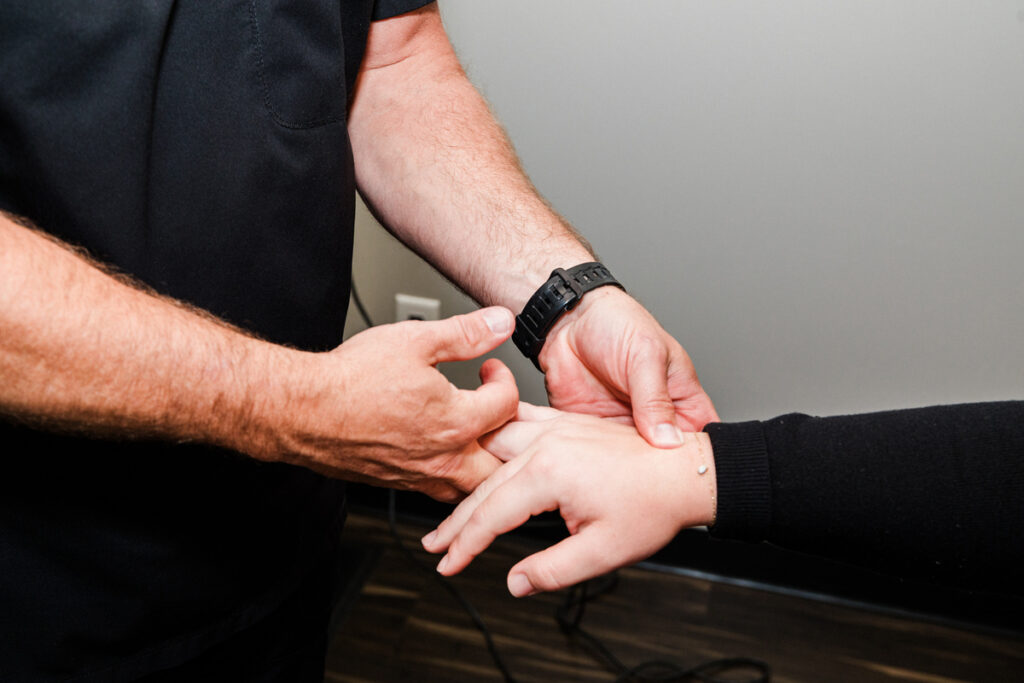
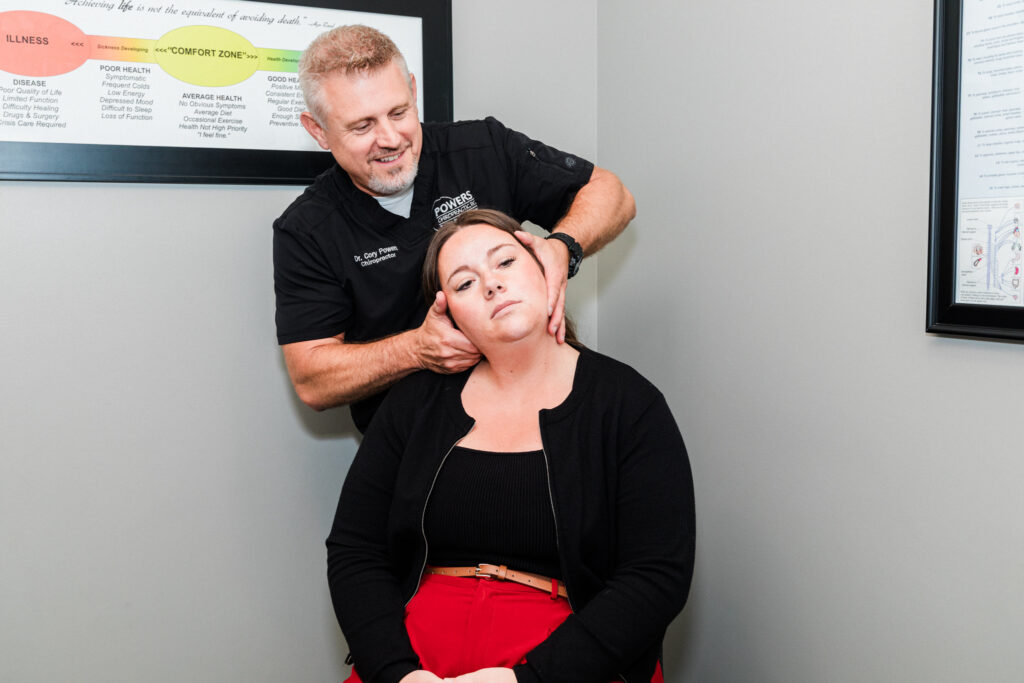
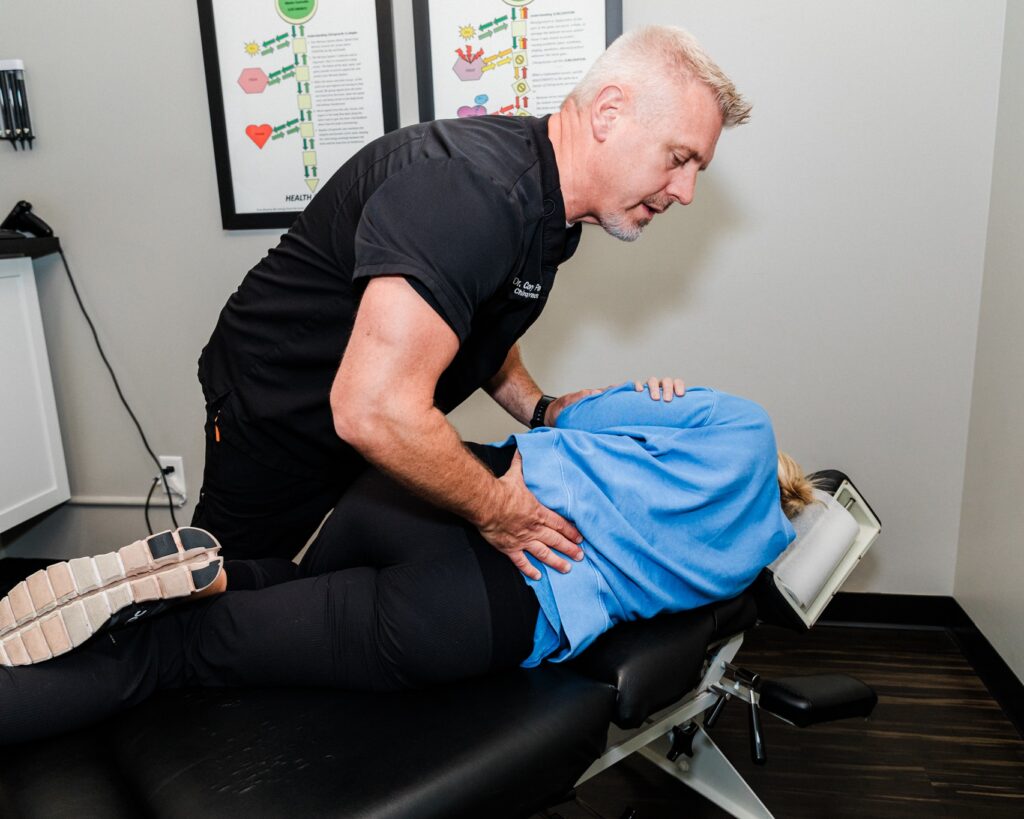
Manual therapy techniques, such as spinal adjustments, can significantly relieve tension and improve blood flow to the affected areas. These gentle adjustments help restore proper alignment and function to your spine, allowing your body to heal naturally.
Incorporating heat or ice therapy can also be beneficial for managing inflammation and pain. Applying heat can soothe tight muscles, while ice can reduce swelling. You can easily do this at home by using a warm towel or an ice pack.
Another key component to consider is posture training. Learning how to keep your spine aligned during everyday activities can go a long way in preventing additional strain on your back. Simple tips such as sitting with your back straight, using ergonomic furniture, and being mindful of your movements can make a big difference.
Exploring Chiropractic Care
Chiropractic care provides a natural and holistic approach to managing lower back pain while enhancing your overall health. It centers on the vital connection between your spine and nervous system. By addressing spinal misalignments, you can experience significant pain relief and improved well-being.
Here’s what you can look forward to when you choose chiropractic care:
- Comprehensive Assessment: Your chiropractor will conduct a thorough evaluation of your spine and posture. This helps identify misalignments or issues that may be contributing to your discomfort.
- Gentle Adjustments: Using skilled manual adjustments, your chiropractor will realign your spine. This process can alleviate pain and enhance your mobility, allowing you to move more freely and comfortably.
- Customized Wellness Plan: After your assessment, you’ll receive a personalized plan that includes specific exercises and stretches tailored to your needs. These recommendations are designed to support your recovery and prevent future problems.
Beyond just relieving lower back pain, chiropractic care fosters overall wellness. It emphasizes the body’s natural ability to heal itself, making it a superior choice for those seeking drug-free solutions.
If you’re experiencing discomfort, I encourage you to consult with a chiropractor. Together, we can help you regain your comfort and elevate your quality of life.
General Tips for a Healthier Back:
- Practice good posture: Be mindful of your posture when sitting, standing, or lifting.
- Stay active: Regular movement helps maintain spinal health. Simple activities like walking can make a big difference.
- Stretch regularly: Incorporating stretches into your daily routine can improve flexibility and reduce tension in your back.
Embrace the natural path to wellness with chiropractic care, and take the first step towards a healthier, pain-free life today!
Lifestyle Changes for Long-Term Relief
To achieve long-term relief from lower back pain, making impactful lifestyle changes is essential, and chiropractic care can play a pivotal role in your journey toward optimal health. As a local chiropractor, I want to share some valuable tips to help you feel your best while emphasizing the benefits of chiropractic adjustments.
First and foremost, incorporating regular physical activity into your routine is crucial. Engage in low-impact exercises like walking, swimming, or yoga. These activities not only strengthen your back but also enhance your flexibility.
Remember, a well-aligned spine can significantly improve your overall mobility, and chiropractic care can help ensure your spine is in the best possible shape.
Next, let’s talk about posture. Whether you’re sitting at a desk or lifting objects, maintaining proper alignment is vital to prevent strain on your back. A chiropractor can provide personalized advice on how to maintain good posture and even offer adjustments to help your body stay aligned throughout the day.
Don’t overlook the importance of a good night’s sleep. Investing in a supportive mattress and pillow that keeps your spine aligned can make a world of difference. A chiropractor can also suggest sleep positions that promote spinal health, helping you wake up pain-free.
A healthy diet rich in anti-inflammatory foods can greatly support your overall well-being. Foods like leafy greens, berries, and fatty fish can help reduce inflammation and pain. Pairing this with regular chiropractic visits can enhance your body’s natural healing processes.
Lastly, managing stress is essential for muscle relaxation and pain relief. Mindfulness techniques like meditation or deep breathing can be incredibly beneficial. Chiropractic care can also help relieve tension in your muscles, making it easier for you to manage stress effectively.
By embracing these changes and incorporating chiropractic care into your routine, you’re taking significant steps toward a healthier back and a more vibrant life!
When to Seek Medical Attention
When should you seek help for your lower back pain? While some discomfort can often be managed at home, there are key signs that indicate it’s time to consult a healthcare professional—ideally a chiropractor. Here’s what to look out for:
- Persistent Pain: If your lower back pain lingers for more than a few weeks or becomes more severe despite your efforts to rest and manage it at home, it’s time to seek professional help. A chiropractor can assess your condition and develop a personalized plan to relieve your pain.
- Numbness or Tingling: Experiencing numbness or tingling in your legs can signal that nerves are being affected. This requires immediate attention. A chiropractor specializes in addressing nerve-related issues and can help restore proper function.
- Bowel or Bladder Control Issues: If you notice any changes in your bowel or bladder control, such as incontinence, this is a serious issue that needs urgent attention. A chiropractor can evaluate your spine and nervous system to help identify the underlying problem.
Remember, it’s important not to ignore these symptoms. Seeking early intervention can prevent further complications and help you get back to your daily activities quicker.
In addition to recognizing when to seek help, here are some general tips to promote a healthier back:
- Stay Active: Gentle exercises and stretching can keep your spine healthy. Activities like walking or yoga can strengthen your back muscles and improve flexibility.
- Maintain Good Posture: Whether sitting at a desk or lifting objects, keeping good posture can help alleviate strain on your back.
- Practice Mindfulness: Stress can contribute to muscle tension and pain. Techniques like deep breathing or meditation can help you manage stress levels.
Prioritize your health and consider chiropractic care as a natural and effective way to achieve optimal wellness. Your journey to a pain-free back starts with taking the right steps today!
Conclusion
Incorporating these techniques into your daily routine can significantly relieve lower back pain and enhance your overall well-being. As a chiropractor, I understand that addressing the root causes of your discomfort is essential. By improving your posture, engaging in targeted stretching and strengthening exercises, and utilizing chiropractic care, you can build a strong foundation for a healthier back.
Chiropractic care focuses on aligning your spine and ensuring that your nervous system functions optimally. This natural approach not only helps alleviate pain but also promotes overall wellness. Remember to include heat and cold therapy in your routine, as these can provide immediate relief and reduce inflammation.
It’s also crucial to listen to your body. If you’re experiencing persistent pain, seeking guidance from a chiropractor can help you find the right treatment plan tailored to your needs. With consistent effort, awareness, and the right chiropractic support, you can take control of your back health and enjoy a more active, pain-free life. Embrace these strategies and discover the benefits of a more balanced, healthier lifestyle.