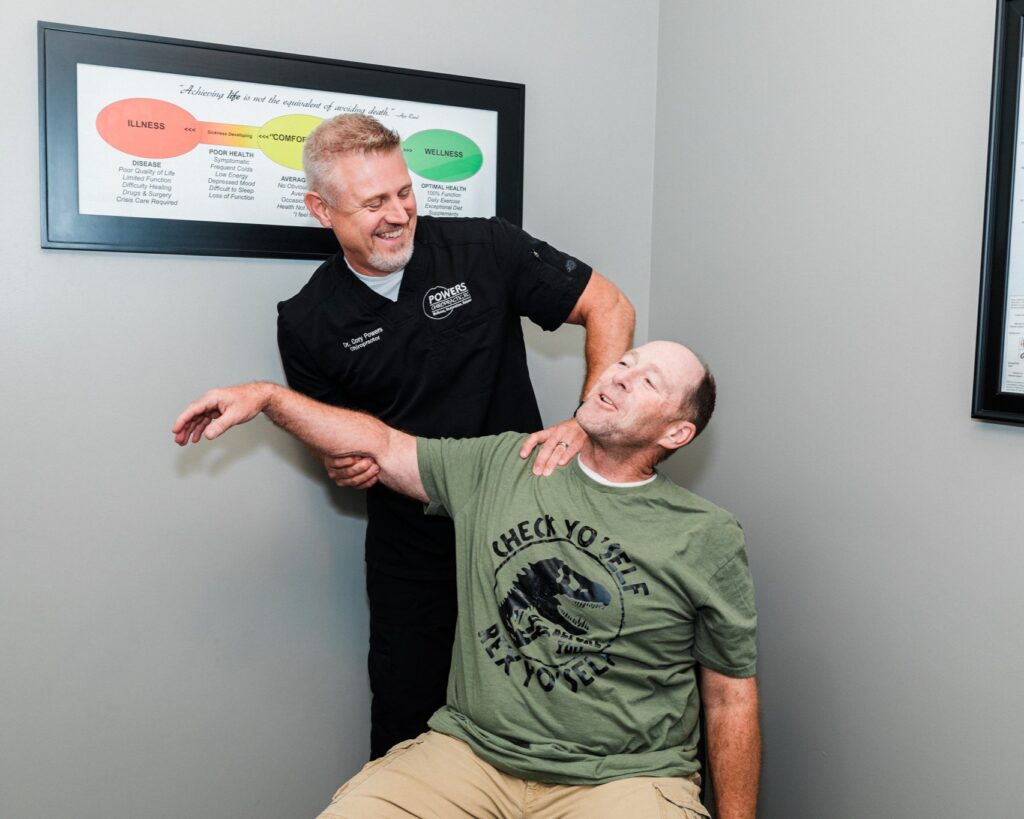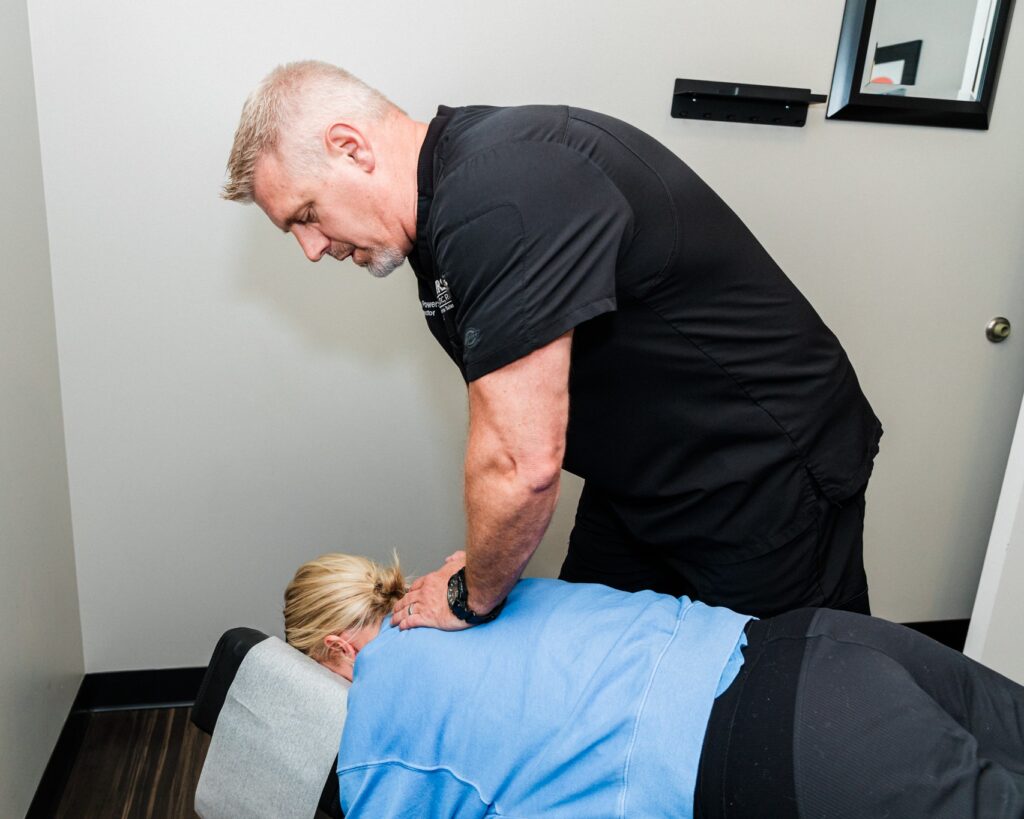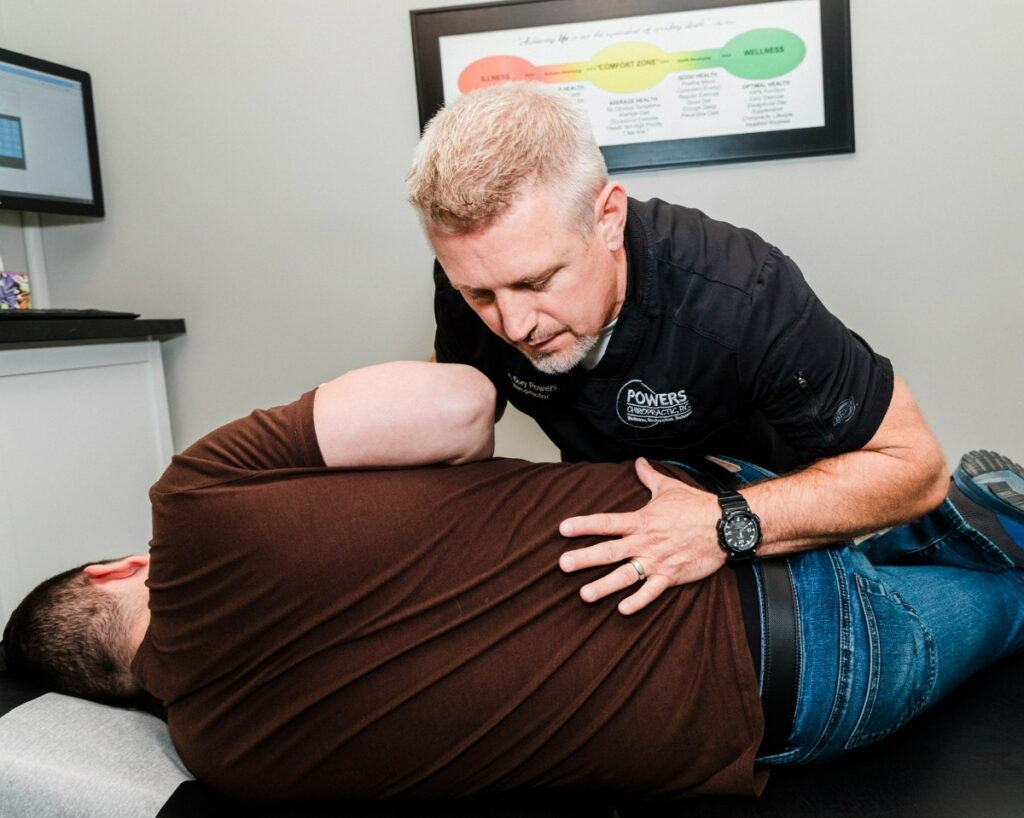

As a local chiropractor, I’m here to help you understand how to effectively manage and recover from sports injuries using natural healing methods. When you sustain a sports injury, it’s crucial to know which treatments can facilitate your recovery. Beyond the typical routes of rest and physical therapy, chiropractic care offers a unique approach that can significantly alleviate pain and restore function.
Chiropractic adjustments can help realign the spine and joints, promoting better mobility and reducing discomfort. Additionally, incorporating ice therapy can aid in minimizing inflammation, while exercises tailored to your condition can strengthen the affected area.
I also encourage exploring alternative methods such as acupuncture and massage therapy, which can complement chiropractic care and enhance your overall healing process. Each treatment option has its own benefits, but as your chiropractor, I can guide you in finding the most effective strategies tailored to your specific needs. Let’s work together to get you back on your feet and enjoying your favorite activities again!
Rest and Recovery
As a local chiropractor, I want to emphasize the importance of rest and recovery when dealing with sports injuries. Many patients underestimate this vital phase, but taking the time to heal is crucial for a successful comeback to your athletic pursuits. Ignoring your body’s signals can lead to more severe issues and extended downtime.
Initially, it’s important to step back from your regular activities and avoid jumping back into high-intensity workouts too soon. Instead, consider gentle movements that won’t aggravate your injury. Low-impact exercises, such as swimming or cycling, can often be beneficial during this time.
Sleep is another cornerstone of recovery that shouldn’t be overlooked. Aim for 7-9 hours each night to allow your body the time it needs to heal and regenerate.
In addition to rest and sleep, hydration and nutrition play significant roles in your recovery process. Proper nutrition provides your body with the fuel it needs to repair itself, so be sure to include anti-inflammatory foods in your diet.
While this period away from your routine may feel frustrating, prioritizing rest and recovery now won’t only help you return to your sport stronger but also minimize the risk of re-injury in the future.
If you have any questions about how chiropractic care can support your recovery process, feel free to reach out. We’re here to help you on your journey to optimal health!
Physical Therapy
When you’re healing from a sports injury, chiropractic care is a vital part of your recovery journey.
As a chiropractor, I focus on holistic approaches that encompass targeted adjustments, therapeutic exercises, and techniques to promote natural healing.
By understanding these elements, you can’t only recover more effectively but also build a stronger foundation to prevent future injuries.
Embracing chiropractic care can help you return to your activities with enhanced strength and resilience.
Rehabilitation Exercises Importance
As your local chiropractor, I want to emphasize the crucial role that rehabilitation exercises play in your recovery journey, especially if you’re eager to return to your favorite sport.
It’s essential to recognize that these exercises aren’t just a routine; they’re vital for rebuilding strength, flexibility, and stability in the areas that have been injured.
By engaging in a structured rehabilitation program tailored specifically to your needs, you can effectively address any imbalances that may have contributed to your injury.
This proactive approach not only helps speed up your recovery but also significantly reduces the risk of future injuries, promoting overall fitness and well-being.
I encourage you to be patient and committed throughout this process, as healing takes time.
It’s easy to feel frustrated, but remember that pushing yourself too hard too soon can actually hinder your progress.
By incorporating these rehabilitation exercises into your routine, you’ll gradually regain your confidence and mobility, ensuring that when you return to the field or court, you’re in the best shape possible.
Embracing this natural healing pathway is a powerful step towards a healthier and more resilient you.
Manual Therapy Techniques
As a local chiropractor, I want to share with you the invaluable role that manual therapy techniques play in your recovery journey. These hands-on approaches, including manipulation and mobilization, are designed to relieve pain and enhance your mobility. By working directly with your body, we can effectively reduce muscle tension and joint stiffness, helping you regain your function more quickly.
During your visit, I’ll assess your individual needs and customize a treatment plan that targets the areas that require attention. Techniques such as deep tissue massage can significantly increase blood flow, which is essential for healing and reducing inflammation.
Furthermore, myofascial release can help alleviate tightness in your connective tissues, ultimately relieving pain and discomfort.
Incorporating these manual therapy methods into your rehabilitation can lead to improved flexibility and a quicker return to the activities you love. Trust in the power of chiropractic care and these natural healing techniques to support you in achieving optimal performance and overall well-being.
Together, we can embark on a path toward a healthier, more active lifestyle.
Injury Prevention Strategies
As a local chiropractor, I want to share some essential injury prevention strategies to help you stay active and free from injuries. One of the first steps is to incorporate a thorough warm-up routine before any physical activity. This will increase blood flow to your muscles and prepare them for the demands of exercise.
Additionally, strength training is vital. By focusing on improving muscle balance and joint stability, you significantly reduce your risk of injury.
I also recommend incorporating flexibility exercises, such as stretching or yoga, into your routine to enhance your range of motion and prevent strains.
It’s important to pay attention to your technique while engaging in sports or physical activities. Poor form can place unnecessary stress on your body, leading to injuries.
Also, investing in the right gear—like appropriate shoes and protective equipment—tailored to your specific activities is essential for injury prevention.
Lastly, always listen to your body. If you experience pain or fatigue, it’s crucial to take a break and allow your body to recover.
By being proactive about these strategies, you can enjoy your favorite activities while minimizing your risk of injury.
Ice and Heat Therapy
As a local chiropractor, I want to help you understand the importance of using ice and heat therapy when it comes to recovering from sports injuries. Knowing when to apply each treatment can significantly enhance your healing process.
Ice therapy is an excellent first line of defense. It helps reduce swelling and numb any pain you may be experiencing, making it particularly beneficial in the initial stages of an injury.
On the other hand, heat therapy serves a different purpose; it promotes blood flow and helps to relax tight muscles, which can be especially useful after the initial inflammation has subsided.
Benefits of Ice Therapy
As a local chiropractor, I want to share with you the powerful benefits of ice therapy, especially if you’re new to the world of chiropractic care and natural healing.
Many athletes and individuals alike have experienced significant relief from pain and inflammation through this effective method. When you apply ice to an injured area, it constricts blood vessels, which helps reduce swelling and numbs the pain, providing much-needed comfort.
This technique is especially crucial within the first 48 hours after an injury occurs, as that’s when inflammation tends to be at its highest. You can easily incorporate ice therapy into your recovery routine by using ice packs, taking ice baths, or even utilizing frozen peas wrapped in a cloth for a convenient option.
It’s important to remember to apply ice for about 15-20 minutes at a time. After each session, allow your skin to return to its normal temperature before reapplying.
Advantages of Heat Therapy
As your local chiropractor, I want to share with you the valuable benefits of heat therapy in your recovery process.
After discussing ice therapy, it’s important to understand how heat therapy can play a crucial role in enhancing your healing. Applying heat increases blood flow to the affected area, which is essential for delivering vital nutrients and oxygen necessary for recovery. This increased circulation helps to relax tight muscles, alleviating stiffness and reducing discomfort.
Incorporating heat therapy into your routine can also enhance your overall range of motion, making it easier for you to participate in rehabilitation exercises. Whether you choose to use a warm towel, a heating pad, or indulge in a soothing hot bath, you’ll likely find it comforting and beneficial.
Heat therapy is particularly effective for chronic injuries, providing long-lasting relief.
As you explore this natural approach to healing, remember to listen to your body. I recommend applying heat for about 15-20 minutes at a time to achieve the best results.
Embracing heat therapy alongside chiropractic care can significantly enhance your recovery and overall well-being.
When to Use Each
As your local chiropractor, I want to emphasize the importance of understanding when to use ice or heat therapy for effective injury management. Each method has its specific purpose, and knowing the right time to apply them can significantly enhance your recovery process.
- Ice therapy is particularly beneficial for acute injuries, swelling, or inflammation. If you experience an injury, applying ice immediately can help numb the pain and minimize swelling.
- On the other hand, heat therapy is ideal for addressing chronic pain or muscle stiffness. I recommend using heat before engaging in activities, as it helps to loosen muscles and improve flexibility.
- In certain cases, alternating between ice and heat can provide the best results.
By incorporating these techniques into your healing routine, you can support your body’s natural recovery process and enhance your overall well-being.
If you have any questions or need further guidance, feel free to ask during your visit!
Compression and Elevation
As a local chiropractor, I want to share some valuable insights on how to effectively manage sports injuries using natural methods like compression and elevation. These techniques can significantly enhance your recovery process.
When you sustain a sports injury, applying compression is crucial. It helps reduce swelling and offers support to the injured area. I recommend using an elastic bandage or a compression wrap to secure the injury. Make sure it’s snug, but not overly tight, as this can prevent proper blood flow.
Proper compression not only aids in reducing swelling but also promotes circulation, which is vital for healing.
Elevation is another essential component that works hand-in-hand with compression. By elevating the injured limb above the level of your heart, you facilitate fluid drainage and minimize inflammation. Whenever possible, prop your leg or arm up on pillows or a comfortable surface.
This simple action can make a significant difference in your recovery.
Together, compression and elevation not only help in alleviating discomfort but also accelerate the healing process. It’s important to keep a close eye on your injury; if you notice any increase in pain or swelling, don’t hesitate to reach out to a healthcare professional.
Medications and Pain Relief
As a local chiropractor, I want to emphasize that while natural recovery methods like compression and elevation are crucial, medications can also play a role in managing pain and inflammation after a sports injury.
Many patients discover that over-the-counter options can effectively alleviate mild to moderate pain.
Here are some common medications you might consider, but remember, it’s important to use them wisely:
- Nonsteroidal Anti-Inflammatory Drugs (NSAIDs): These can be helpful in reducing pain and inflammation.
- Acetaminophen: This is an option for pain relief, though it doesn’t have anti-inflammatory properties.
- Topical Analgesics: These creams or gels can be applied directly to the injured area for localized relief.
- Corticosteroids: Sometimes prescribed for more severe inflammation and pain, these should be used under professional guidance.
- Muscle Relaxants: These can be beneficial in alleviating muscle spasms that often accompany injuries.
It’s essential to consult a healthcare professional, such as myself, before starting any medication.
I can help guide you on the best options tailored to your specific injury and overall health.
Our goal is to ensure you return to your sport safely and effectively, utilizing both natural healing methods and appropriate medications when needed.
Alternative Treatments and Therapies
As a local chiropractor, I want to share with you the benefits of incorporating alternative treatments and therapies into your recovery process from a sports injury. While traditional methods are effective, many athletes find that natural approaches can significantly enhance their healing journey.
One of the therapies I often recommend is acupuncture. This ancient practice is known for its ability to alleviate pain and improve circulation. By targeting specific points on the body, acupuncture can stimulate your body’s natural healing processes, helping you recover more effectively.
Chiropractic care is another crucial component of a holistic recovery plan. By focusing on spinal alignment and overall body function, regular chiropractic adjustments can enhance your mobility and significantly reduce discomfort. This is especially important for athletes, as proper alignment can lead to better performance and a lower risk of future injuries.
Massage therapy is also a fantastic way to support your recovery. It can relieve muscle tension, promote relaxation, and aid in the rehabilitation of injured areas. Incorporating techniques like deep tissue massage or sports massage can further enhance your recovery experience.
Additionally, I encourage my patients to explore practices like yoga and Pilates. These not only improve flexibility and strength but also help prevent future injuries by promoting proper body mechanics and awareness.
Don’t forget about the role of nutrition and herbal supplements in your healing process. Making adjustments to your diet can provide essential nutrients that support recovery. However, it’s important to consult with a healthcare professional before trying any new therapies or supplements.
By integrating these alternative methods with traditional treatments, you can create a holistic approach to your recovery. This comprehensive strategy can help you bounce back from your injury and get back in the game faster.
Conclusion
Injuries can be quite frustrating, but as a local chiropractor, I want to assure you that with the right treatments, you can get back to doing what you love. It’s essential to prioritize rest and allow your body the time it needs to heal. If you’re experiencing persistent pain, don’t hesitate to seek chiropractic care or physical therapy; we’re here to support your recovery journey.
In addition to chiropractic adjustments, I recommend utilizing ice and heat therapy to effectively manage pain. Compression and elevation can also provide valuable support to your injured area. Over-the-counter medications may offer some relief, but I encourage exploring natural alternatives, such as acupuncture and massage therapy, which can enhance your recovery and promote overall well-being.
By combining these approaches with chiropractic care, you’ll be on your way to feeling better and returning to peak performance in no time. Remember, your body has an incredible ability to heal itself, and with the right guidance, you can tap into that power.