
If you’re dealing with lower back pain, it’s important to know that surgery isn’t your only choice. As a chiropractor, I want to share that there are many effective, non-invasive methods to relieve discomfort and promote healing. Understanding the root causes of your pain and making simple changes to your daily routine can lead to significant improvement.
Chiropractic care is an excellent option for addressing lower back pain. By focusing on spinal health, we can help restore proper alignment and function, which is crucial for overall wellness. Regular chiropractic adjustments not only relieve pain but also enhance mobility and support your body’s natural healing processes.
In addition to chiropractic care, there are some general tips you can incorporate into your life to further aid your recovery:
- Stay Active: Gentle exercises, like walking or swimming, can strengthen your back and improve flexibility without putting too much strain on it.
- Practice Good Posture: Whether you’re sitting at a desk or lifting something heavy, maintaining proper posture can prevent unnecessary stress on your spine.
- Use Proper Lifting Techniques: Bend at your knees and keep your back straight when lifting to avoid injury.
- Stretch Regularly: Simple stretches can help alleviate tightness in your back and improve your overall mobility.
- Stay Hydrated: Keeping your body hydrated supports spinal health by maintaining the elasticity of the spinal discs.
If you’re curious about how a combination of chiropractic therapy, exercise, and lifestyle adjustments can transform your lower back pain, I encourage you to reach out. Together, we can explore a natural path to relief and optimal health without the need for surgery or medication. Your journey to a pain-free life starts here!
Key Takeaways
Transform Your Lower Back Pain Without Surgery
- As a chiropractor, I believe in the power of personalized chiropractic care to tackle the root causes of lower back pain. Our tailored treatment plans focus on natural healing, without the need for invasive procedures.
- Engaging in regular physical activity and performing targeted exercises, like planks and bridges, can significantly strengthen your core muscles. A strong core supports your spine and helps alleviate discomfort, making everyday movements easier.
- Stretching is vital for maintaining a healthy back. Techniques such as the child’s pose and piriformis stretches can release tension and improve flexibility in your lower back. Incorporating these stretches into your routine can lead to greater comfort and mobility.
- Good posture is essential for spinal health. By making ergonomic adjustments to your workspace, you can reduce strain on your back. Simple changes, like adjusting your chair height or your computer screen, can make a big difference in how your back feels throughout the day.
- Keeping a healthy weight is another important aspect of lower back wellness. A balanced diet combined with regular exercise can reduce pressure on your spine, leading to long-term relief from pain. Remember, small lifestyle changes can have a profound impact on your overall health.
By choosing chiropractic care, you’re taking a proactive step towards achieving optimal health and wellness. Let’s work together to transform your lower back pain naturally!
Understanding the Causes of Lower Back Pain
Lower back pain is a common issue that affects nearly 80% of people at some point in their lives, and it can often be misunderstood. If you’re experiencing discomfort in your lower back, it’s important to understand what might be causing it. Several factors can contribute to this pain, and luckily, chiropractic care can help address these issues naturally.
One significant cause of lower back pain is poor posture. When you sit for long periods or lift heavy objects incorrectly, it can strain your back muscles and spine. Being mindful of your posture and practicing good ergonomics can make a big difference. Try to sit with your back straight and your feet flat on the ground, and when lifting, bend your knees and keep your back straight.
Injuries from sports or accidents can also lead to muscle or ligament sprains, resulting in acute pain. If this has happened to you, chiropractic adjustments can help restore proper alignment and promote healing.
Age is another factor; as we get older, our spines undergo changes that can lead to discomfort. Conditions like herniated discs or arthritis may also be involved. Regular chiropractic care can help maintain spinal health and alleviate the effects of these age-related changes.
Identifying the root cause of your lower back pain is crucial for finding relief. This is where a chiropractor can assist you. Through careful assessment and tailored treatment plans, we can help you understand what’s triggering your discomfort and guide you toward recovery.
Additionally, here are some general tips for maintaining a healthy back:
- Stay Active: Regular physical activity strengthens your back and core muscles. Simple exercises, like walking or stretching, can help keep your spine healthy.
- Mind Your Posture: Whether sitting at a desk or standing, focus on maintaining good posture to reduce strain on your back.
- Use Supportive Furniture: Invest in a chair that supports your lower back, especially if you spend long hours sitting.
- Stay Hydrated: Drinking plenty of water is essential for spinal health, as it helps to keep the discs in your spine hydrated and functioning properly.
- Get Regular Adjustments: Regular visits to a chiropractor can help keep your spine aligned and reduce the risk of pain.
Remember, addressing your lower back pain early can prevent it from becoming a chronic issue. By choosing chiropractic care, you’re opting for a natural, drug-free approach to wellness that focuses on healing your body from within.
If you’re ready to take the first step toward a pain-free life, reach out to your local chiropractor today!
The Role of Physical Therapy
Chiropractic care plays a vital role in managing and alleviating lower back pain. When you visit a chiropractor, you’ll receive a thorough assessment to identify the root causes of your discomfort. Your chiropractor will develop a customized treatment plan that may include spinal adjustments, gentle manipulations, and various techniques aimed at restoring proper function to your spine.
You’ll also gain valuable insights into maintaining proper body mechanics and posture, which can significantly reduce strain on your back. This hands-on approach not only helps relieve pain but also empowers you with the knowledge to prevent future issues.
Regular chiropractic sessions can enhance your flexibility and strength, contributing to better overall health and wellness.
To complement your chiropractic care, here are some simple tips to consider for managing lower back pain at home:
- Stay Active: Engage in low-impact exercises like walking or swimming to keep your body moving and strengthen your back muscles.
- Practice Good Posture: Be mindful of your posture when sitting, standing, or lifting. Keep your back straight and shoulders back to alleviate unnecessary pressure on your spine.
- Use Heat or Cold Therapy: Applying a heating pad or ice pack can provide relief. Heat helps relax tense muscles, while cold can reduce inflammation.
- Invest in Supportive Furniture: Ensure your chair and mattress provide adequate support to keep your spine aligned.
- Listen to Your Body: Pay attention to any discomfort and avoid activities that exacerbate your pain.
Effective Exercises for Strengthening the Back
To effectively strengthen your back, it’s essential to focus on exercises that enhance core stability, incorporate stretching techniques, and improve your posture. These elements work together to support your spine and alleviate discomfort.
By integrating these practices into your daily routine, you can experience lasting relief and promote better overall back health.
As a chiropractor, I encourage you to consider chiropractic care as a vital component of your journey towards optimal health. Chiropractic adjustments not only help to relieve pain but also improve mobility and function in your back and spine.
Here are some general tips you can incorporate into your routine:
- Focus on Core Stability: Engage in exercises such as planks and bird-dogs that strengthen your core muscles, which support your spine.
- Incorporate Stretching: Regularly stretch your back muscles to enhance flexibility and reduce tension. Simple stretches like the cat-cow pose or gentle spinal twists can be very beneficial.
- Practice Good Posture: Be mindful of your posture throughout the day. Whether sitting at a desk or lifting objects, maintaining a neutral spine position can prevent strain.
- Stay Active: Regular physical activity promotes overall spinal health. Aim for at least 30 minutes of moderate exercise most days of the week.
- Consider Chiropractic Care: Regular visits to a chiropractor can help maintain spinal alignment, improve posture, and prevent future pain.
By focusing on these strategies and considering chiropractic care as part of your wellness routine, you’ll be on the path to a healthier back and a more comfortable life.
Core Stability Exercises
Strengthening your core is a vital step toward alleviating lower back pain and enhancing your overall stability. As a chiropractor, I emphasize the importance of core stability exercises, which specifically target the muscles that support your spine. By doing these exercises, you can maintain proper posture and balance, reducing strain on your back.
Let’s start with planks. This exercise engages your abdominal muscles while keeping your body in a straight line, promoting stability. Next, try bridges to activate your glutes and lower back, which are crucial for spinal support. Side planks are also beneficial as they strengthen your obliques, providing additional support to your spine.
Another effective exercise is the bird-dog. This movement improves coordination and stability, further enhancing your core strength. Aim to complete three sets of 10-15 repetitions for each exercise, and always focus on your breathing to maintain control throughout each movement.
Incorporating these core stability exercises into your routine can lead to a stronger core and significantly reduce lower back pain.
Stretching Techniques
While core stability exercises are crucial for maintaining a healthy spine, adding effective stretching techniques can significantly relieve lower back pain and improve your overall flexibility.
As a chiropractor, I recommend starting with the child’s pose. This gentle stretch helps relieve tension in your lower back and hips. Hold the position for about 30 seconds while taking deep breaths to promote relaxation.
Next, incorporate the cat-cow stretch. This movement involves alternating between arching and rounding your back, which enhances mobility in your spine. It’s a simple yet effective way to maintain spinal health.
Another excellent stretch is the seated forward bend. Sit with your legs extended and reach toward your toes. This not only stretches your hamstrings but also alleviates tension in your lower back.
Don’t forget the piriformis stretch, which targets tightness in your glutes and lower back. This can help reduce discomfort and improve your range of motion.
Aim to hold each stretch for 20-30 seconds, and repeat them 2-3 times daily. Remember, consistency is key. Regular stretching can enhance your flexibility and significantly reduce discomfort.
Combining these stretches with regular chiropractic care creates a powerful approach to achieving optimal health and wellness.
Posture Improvement Strategies
Improving your posture is vital for your overall back health and well-being. As a chiropractor, I believe that focusing on proper alignment and spinal health can greatly enhance your daily life. Not only can good posture alleviate pain, but it can also boost your confidence and energy levels.
Here are some simple exercises and tips to help you on your journey to better posture:
- Plank: This exercise is fantastic for engaging your core muscles, which support your spine. Start by lying face down, then lift your body off the ground, balancing on your forearms and toes. Hold this position for 20-30 seconds, focusing on keeping your body straight.
- Bird-Dog: This exercise helps improve your balance while strengthening your back and abdomen. Start on your hands and knees, extend one arm forward and the opposite leg back, keeping your back straight. Hold for a few seconds, then switch sides.
- Wall Angels: Stand with your back against a wall, feet a few inches away. Raise your arms to form a ‘W’ shape with your elbows bent, then slowly slide your arms up to form a ‘Y’. This opens up your shoulders and encourages better alignment.
In addition to these exercises, remember to take regular breaks from sitting, especially if you work at a desk. Stand up, stretch, and move around to keep your spine healthy.
Also, pay attention to your body mechanics when lifting or carrying objects—always bend at the knees and keep your back straight.
As you incorporate these posture improvement strategies into your routine, consider visiting your chiropractor to evaluate your spinal health. Chiropractic care is an excellent way to ensure your spine is aligned and functioning optimally, which is essential for pain relief and overall wellness.
Your journey to better posture and a healthier life can start today—let’s work together towards a pain-free future!
The Benefits of Good Posture
Good posture isn’t just about standing tall; it’s a crucial component of your overall health and well-being. As a chiropractor, I can tell you that maintaining proper alignment can significantly alleviate lower back pain and enhance your quality of life.
When your spine is aligned correctly, it reduces strain on your muscles and ligaments, leading to less discomfort and tension. This relief allows you to move more freely and enjoy your daily activities without pain holding you back.
In addition to reducing pain, good posture has a positive impact on your breathing and circulation. When your body is aligned, your lungs can expand fully, ensuring that your body receives the oxygen it needs. Better circulation means that your muscles receive essential nutrients, which helps with recovery and keeps fatigue at bay.
You might also notice that good posture boosts your confidence and improves your mood. When you hold yourself well, it positively influences how you feel about yourself and how you interact with others.
By prioritizing good posture, you’re not just addressing back pain; you’re investing in your overall health and wellness, making daily activities easier and more enjoyable.
Here are some tips to help you maintain good posture throughout your day:
- Be Mindful of Your Sitting Position: If you spend a lot of time at a desk, ensure that your chair supports your lower back. Keep your feet flat on the floor and your knees at a 90-degree angle.
- Take Breaks: Stand up and stretch every hour. This helps relieve tension and keeps your body moving.
- Strengthen Your Core: A strong core supports your spine. Incorporate exercises like planks and bridges into your routine.
- Practice Alignment: When standing, keep your weight evenly distributed on both feet, and when walking, aim to keep your head up and shoulders back.
- Consider Chiropractic Care: Regular visits to a chiropractor can help maintain proper spinal alignment and address any posture-related issues before they become serious.
By focusing on these simple practices, you can enhance your posture and overall health. Remember, standing tall isn’t just about appearance; it’s about feeling good and living well.
Incorporating Stretching Into Your Routine
Incorporating stretching into your daily routine can significantly alleviate lower back pain and enhance your overall flexibility. As a chiropractor, I often see how effective stretching techniques can target key muscle groups, helping to relieve tension and improve spinal health. By regularly practicing these stretches, you can experience a noticeable difference in your comfort and mobility.
Stretching not only helps to keep your muscles supple, but it also supports proper alignment of the spine, which is crucial for optimal health. A consistent stretching practice complements chiropractic care beautifully, as it allows your body to maintain the adjustments made during your visits.
Remember, the goal is to foster a natural healing environment in your body, and stretching is a simple yet powerful way to do that.
Here are some general tips to incorporate stretching into your routine:
- Start Small: Begin with just a few minutes of stretching each day. Even 5-10 minutes can make a difference!
- Focus on Key Areas: Pay attention to areas that often hold tension, such as your lower back, hips, and hamstrings. Gentle stretches in these areas can provide significant relief.
- Consistency is Key: Aim to stretch at the same time each day, whether it’s in the morning to wake up your muscles or in the evening to unwind.
- Listen to Your Body: Stretching should never be painful. If you feel discomfort, ease back and find a more comfortable position.
- Incorporate Deep Breathing: Pair your stretches with deep breathing to enhance relaxation and further relieve tension.
By integrating these simple stretching practices into your life, you can support your journey toward natural wellness and pain relief.
Benefits of Stretching
Stretching is a wonderful practice that offers a range of benefits, particularly when it comes to alleviating lower back pain and enhancing your overall wellness. As a chiropractor, I always encourage my patients to incorporate stretching into their daily routines.
Not only does it improve flexibility, but it also helps relieve tension and promotes relaxation, which can be transformative for your daily life.
Here are some key benefits of stretching:
- Increased Energy: By regularly stretching, you can boost your energy levels, making you feel more ready to take on the day ahead.
- Pain Reduction: Reduced pain can enable you to enjoy the activities you love without the discomfort that often comes with lower back issues.
- Better Posture: Stretching contributes to improved posture, which can enhance your confidence and allow you to stand tall and proud.
Embracing stretching isn’t just about finding physical relief; it’s a proactive step toward reclaiming your life from pain.
I recommend setting aside a few minutes each day for stretching exercises that focus on the back, hips, and legs. This can help maintain spinal health and prevent future discomfort.
As part of a holistic approach to wellness, consider combining stretching with regular chiropractic care. This pairing can lead to optimal health, as chiropractic adjustments help align the spine, making your stretching efforts even more effective.
Make stretching a priority, and you’ll likely notice positive changes throughout both your body and mind.
Effective Stretching Techniques
Incorporating stretching into your daily routine can significantly help in managing lower back pain and promoting overall wellness. As a chiropractor, I recommend starting with simple stretches that can easily fit into your day. One effective stretch is the cat-cow, where you alternate between arching and rounding your back. This movement not only helps to alleviate tension but also encourages spinal mobility.
Another great option is the seated forward bend, which gently stretches your hamstrings and lower back. If you find yourself sitting at a desk for long periods, don’t forget to perform torso twists to relieve built-up tension in your spine.
When stretching, it’s important to hold each position for at least 20-30 seconds and focus on deep, calming breaths. This combination will enhance the benefits of each stretch.
To help you remember to take these stretching breaks, consider setting reminders on your phone or even using sticky notes around your workspace.
By making these stretches a regular part of your routine, you’ll not only increase your flexibility but also reduce discomfort in your back. Remember, chiropractic care is a fantastic way to support your body’s natural healing process and maintain optimal health.
Embrace these simple stretching techniques, and you’ll be on your way to feeling better in no time!
Daily Stretching Routine
To effectively manage lower back pain, establishing a daily stretching routine can be a game-changer for your comfort and mobility. Incorporating simple stretches into your day not only alleviates tension but also improves flexibility, promoting a healthier spine.
Remember, consistency is essential—just a few minutes of stretching each day can lead to significant relief.
- You’ll rediscover the joy of moving freely without discomfort.
- Simple stretches can transform your daily activities, making them enjoyable again.
- A routine fosters a sense of achievement, empowering you to take control of your pain.
As a chiropractor, I encourage you to start small. Listen to your body, and gradually increase your stretching duration. A daily commitment to stretching not only supports your back but also enhances your overall well-being.
Here are a few tips to get you started:
- Set a Time: Choose a specific time each day for your stretching routine to build a habit.
- Focus on Breathing: While stretching, take deep breaths to relax your muscles and enhance the effectiveness of each stretch.
- Target Key Areas: Focus on stretches that specifically target the lower back, hips, and hamstrings, as these areas can have a significant impact on back pain.
Remember, chiropractic care is an excellent option for ongoing pain relief and natural wellness. Regular adjustments can help keep your spine aligned and functioning optimally, complementing your stretching routine.
Embrace this holistic approach to health, and you’ll be on your way to a more comfortable, active lifestyle.
Exploring Chiropractic Care
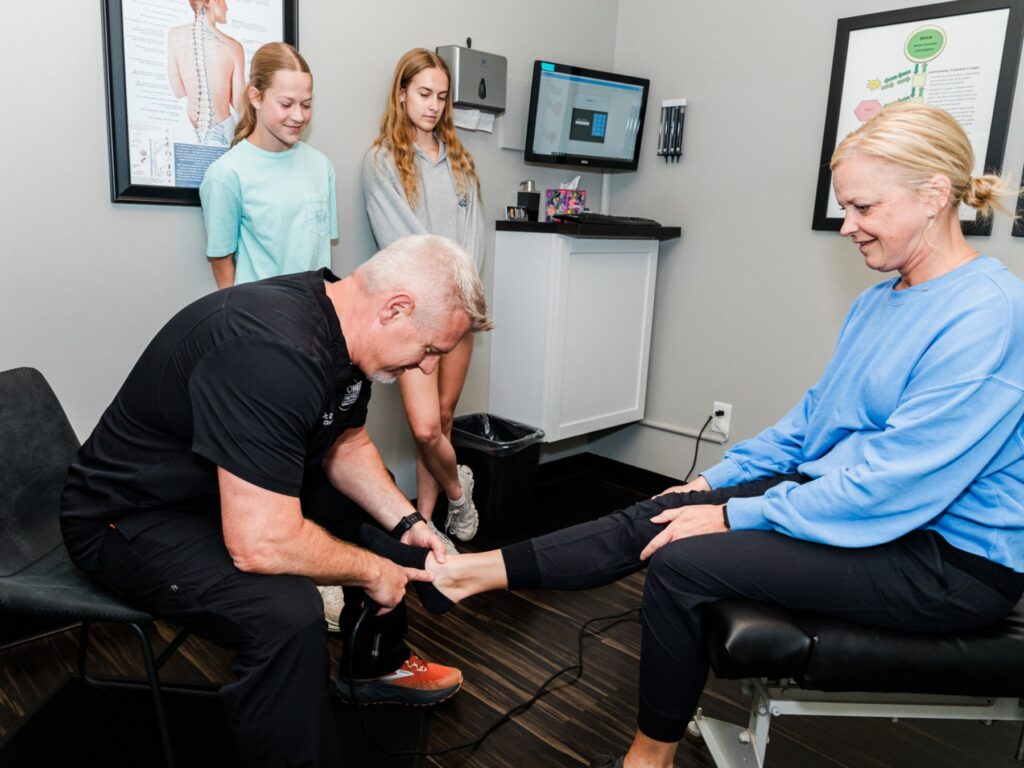
Chiropractic care is a powerful, holistic approach to managing lower back pain by harnessing the body’s natural ability to heal itself. When you come to see me, I’ll begin with a thorough assessment of your spine and overall health to pinpoint any misalignments that might be causing your discomfort.
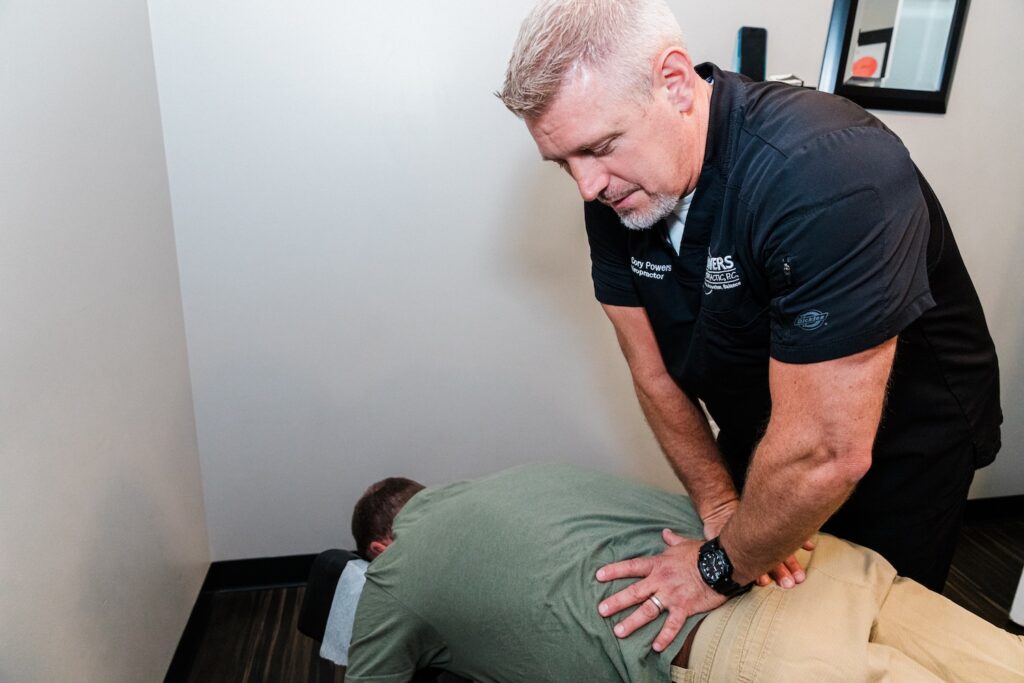
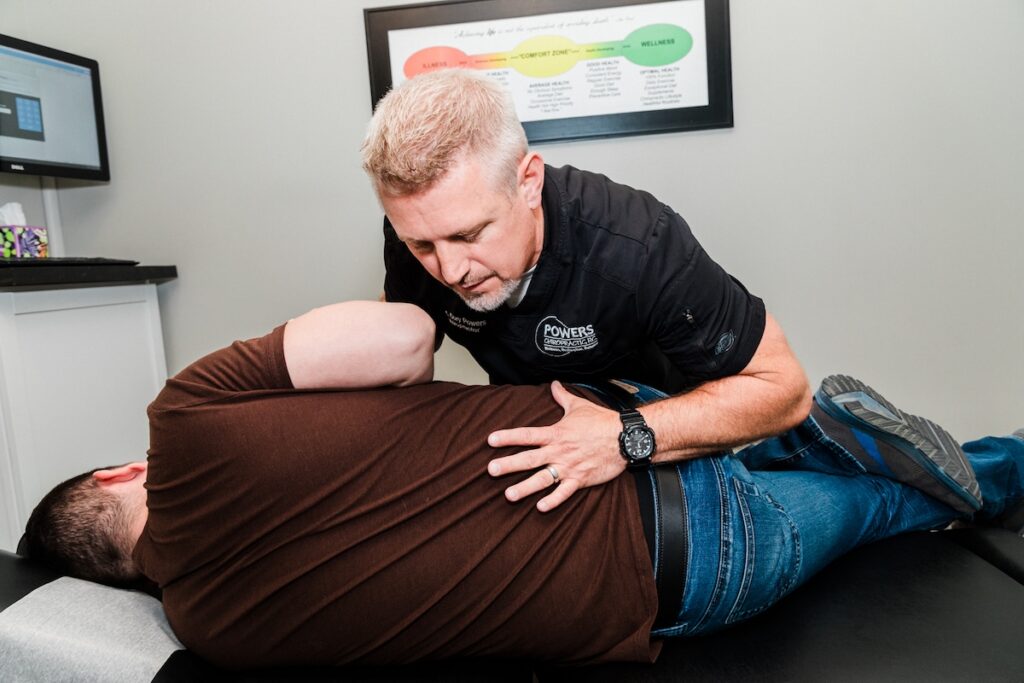
Through gentle, hands-on adjustments, I work to realign your spine. This not only relieves pressure on your nerves but also enhances your mobility, helping you feel more like yourself again.
Each chiropractic session is uniquely tailored to your specific needs. Beyond adjustments, I may incorporate techniques such as soft tissue therapy and rehabilitation exercises designed to strengthen your back and improve its function.
These practices work together to help you regain control over your health and well-being. Many patients find that chiropractic treatment leads to significant pain relief and a better quality of life.
By addressing the root causes of your lower back pain, chiropractic care empowers you to take charge of your health journey. Regular visits not only provide relief but also equip you with valuable knowledge on how to maintain a healthy spine for the long haul.
Here are a few tips to support your spine health at home:
- Stay Active: Engage in regular physical activity, like walking or swimming, to keep your back strong.
- Practice Good Posture: Be mindful of your posture when sitting, standing, or lifting. Proper alignment can prevent strain on your back.
- Stretch Daily: Incorporate gentle stretches into your routine to improve flexibility and reduce tension in your back muscles.
- Stay Hydrated: Drinking plenty of water helps keep your spinal discs healthy and functioning well.
- Rest Smartly: Ensure you have a supportive mattress and pillow to maintain proper spinal alignment while you sleep.
Choosing chiropractic care is an excellent way to find relief naturally, without the need for medications or surgeries. Let’s work together to achieve your optimal health and wellness!
The Impact of Weight Management
Your weight can significantly impact your lower back health, as carrying extra pounds places additional strain on your spine and surrounding muscles. By managing your weight, you can reduce this pressure, which may help alleviate discomfort and improve your overall well-being.
As a chiropractor, I believe in the power of natural healing and the body’s ability to restore itself. Here are some effective strategies for achieving a healthier weight while supporting your spine:
- Stay Active: Incorporate regular physical activity into your routine. Simple exercises like walking, swimming, or yoga can strengthen your back and core muscles, which are vital for spinal support.
- Focus on Nutrition: Eating a balanced diet rich in fruits, vegetables, lean proteins, and whole grains can help you maintain a healthy weight. Avoid processed foods high in sugar and unhealthy fats, as they can lead to weight gain and inflammation.
- Practice Good Posture: Being mindful of your posture, whether sitting, standing, or lifting objects, can reduce strain on your back. Good alignment helps distribute your weight evenly and minimizes discomfort.
- Stay Hydrated: Drinking plenty of water supports your body’s functions and can help control hunger. Sometimes thirst is mistaken for hunger, leading to unnecessary snacking.
- Consider Chiropractic Care: Regular visits to a chiropractor can help ensure your spine is aligned and functioning optimally. Spinal adjustments can relieve pain, improve mobility, and support your weight management efforts.
Remember, weight management is a journey, not a destination. By focusing on these simple strategies and prioritizing your spinal health, you can feel better and move more freely.
Embrace the natural healing power of chiropractic care as part of your path to optimal health and well-being.
Weight and Back Pain
Maintaining a healthy weight can have a significant impact on managing back pain, and as a chiropractor, I want to share how this can help you achieve optimal health naturally. Carrying excess weight can place extra strain on your spine and muscles, leading to discomfort and chronic pain. You may not realize how much your daily activities are affected until you start shedding those extra pounds.
Here are some ways chiropractic care, combined with weight management, can enhance your quality of life:
- Enjoying Playtime: Imagine playing with your kids, free of back pain worries. Chiropractic adjustments can align your spine, making movement easier and more enjoyable.
- Rediscovering Activities: Hiking or exercising can be a joy again. Regular chiropractic care can help keep your body aligned, allowing you to engage in activities you love without limitations.
- Boosting Confidence: As you work towards a healthier weight with the support of chiropractic care, you can feel more confident in your body. This confidence can improve your overall well-being and quality of life.
Here are some general tips to help you manage your weight and support your back health:
- Stay Active: Incorporate regular physical activity into your routine. Low-impact exercises such as swimming, walking, or yoga can be beneficial for your back and overall health.
- Focus on Nutrition: A balanced diet rich in whole foods can help you maintain a healthy weight. Consider consulting with a nutritionist to create a plan that works for you.
- Regular Chiropractic Visits: Regular adjustments can help ensure your spine is aligned, reducing pain and allowing you to move more freely.
- Listen to Your Body: Pay attention to how your body feels during various activities. If something causes discomfort, consider adjusting your approach or seeking guidance from your chiropractor.
By taking these steps and incorporating chiropractic care into your routine, you can effectively manage your weight and promote a healthy spine, leading to a happier, pain-free life.
Healthy Weight Strategies
Carrying excess weight can significantly impact your back health, making it crucial to adopt effective weight management strategies for relief and overall wellness. One of the best ways to support your spine is through chiropractic care, which can help align your body and enhance your overall health.
Start by focusing on a balanced diet filled with whole foods like fruits, vegetables, lean proteins, and whole grains. This not only helps you maintain a healthy weight but also provides the nutrients your body needs for optimal function. Remember, portion control is essential; it helps you avoid overeating and promotes healthy digestion.
Incorporating regular physical activity into your routine is vital, aiming for at least 150 minutes of moderate exercise each week. Activities like walking, swimming, or cycling can strengthen your muscles and support your spine, enhancing your overall health. Additionally, strength-training exercises specifically target the muscles that support your back, which can be incredibly beneficial.
Staying hydrated is another key factor. Drinking plenty of water aids digestion and can help curb unnecessary snacking, making it easier to maintain a healthy weight.
Consider keeping a food journal to track your habits and stay accountable. This simple tool can help you make better choices and recognize patterns that may affect your weight and back health.
By adopting these strategies and integrating chiropractic care into your wellness routine, you’ll not only manage your weight effectively but also relieve stress on your lower back, paving the way for a healthier, pain-free life.
Mindfulness and Stress Reduction Techniques
Managing lower back pain can often feel overwhelming, but incorporating mindfulness and stress reduction techniques, alongside chiropractic care, can significantly ease your discomfort and enhance your overall well-being.
By focusing on the present moment and nurturing a sense of calm, you can effectively manage pain and alleviate stress.
Here are some techniques you can incorporate into your routine, alongside your chiropractic care:
- Deep Breathing: Dedicate a few minutes each day to focus on your breathing. Inhale deeply through your nose, hold it for a moment, and then exhale slowly through your mouth. This simple yet powerful practice can help lower your stress levels and foster a sense of tranquility.
- Meditation: Spending just a few minutes meditating can help clear your mind and provide relief from anxiety. It’s a great way to complement the adjustments you receive in chiropractic care, as it enhances your overall relaxation.
- Gentle Yoga: Engage in gentle yoga stretches that are specifically designed to relieve back pain. These movements not only increase flexibility but also promote relaxation, making them an excellent addition to your chiropractic treatment plan.
By integrating these mindfulness techniques into your daily life, you can take an active role in managing your pain.
Remember, chiropractic care is focused on natural healing and helping you achieve optimal health, so consider it a vital part of your wellness journey.
Together, these practices can empower you to regain control over your well-being and live a healthier, pain-free life.
Alternative Therapies: Acupuncture and Massage
When it comes to finding relief from lower back pain, many people consider alternative therapies such as acupuncture and massage. While these options may provide some temporary comfort, chiropractic care stands out as the most effective and comprehensive solution for achieving long-term health and wellness.
Chiropractic care focuses on the spine and nervous system, addressing the root causes of pain rather than just the symptoms. By realigning the spine through gentle adjustments, chiropractors help to restore proper function, reduce tension, and promote natural healing throughout the body. This means you can experience significant relief from lower back pain without the need for medications or invasive procedures.
In addition to chiropractic adjustments, there are several simple self-care tips you can incorporate into your daily routine to support your back health. Maintaining good posture, using ergonomic furniture, and incorporating regular exercise can make a big difference. Stretching and strengthening exercises, specifically designed for your back, can also enhance your overall well-being and prevent future discomfort.
While acupuncture and massage can provide temporary relief, they shouldn’t replace the comprehensive care offered by a chiropractor. By combining these therapies with regular chiropractic visits, you may find even greater relief and a more balanced approach to health.
As you take steps toward managing your lower back pain, remember to communicate with your chiropractor about your needs and any concerns. They can guide you on the best path to recovery and help you achieve optimal health through natural means.
Embrace the benefits of chiropractic care and take proactive steps toward a healthier, pain-free life.
Lifestyle Changes for Long-Term Relief
Making lifestyle changes can significantly enhance your journey toward long-term relief from lower back pain. As a chiropractor, I believe that incorporating small, consistent adjustments to your daily routine not only helps alleviate pain but also supports your overall wellness.
Here are some essential lifestyle changes to consider:
- Prioritize physical activity: Engaging in regular exercises like walking, swimming, or gentle stretching can help strengthen your back and core muscles. Movement is vital for spinal health and can prevent stiffness and discomfort.
- Ergonomic adjustments: Take a close look at your workspace and home environment. Simple modifications, such as adjusting your chair height or using a lumbar support cushion, can promote better posture and reduce strain on your back.
- Mindfulness and stress reduction: Implementing mindfulness techniques, such as yoga or meditation, can help manage stress. Stress can often lead to muscle tension, which may worsen your pain. Finding time to relax and center yourself is crucial for your overall health.
These changes go beyond just managing pain; they’re about taking control of your health and well-being. By embracing these lifestyle shifts, you can experience a renewed sense of freedom and joy in your daily activities.
Remember, chiropractic care is an excellent choice for pain relief and natural wellness. Regular visits to your chiropractor can help ensure your spine is aligned and functioning optimally, paving the way for a healthier, pain-free life.
Implement these tips and watch as your pain diminishes over time, allowing you to enjoy life to the fullest.
Conclusion
Transforming your lower back pain without resorting to surgery is not only possible but can be effectively achieved through chiropractic care. By understanding the root causes of your pain, you can embark on a journey toward recovery that emphasizes natural healing and wellness.
Chiropractic care focuses on spinal health and alignment, which plays a crucial role in alleviating lower back pain. Regular adjustments from a trained chiropractor can help restore proper movement in the spine, reducing discomfort and promoting healing. Adding targeted exercises and stretches, as recommended by your chiropractor, can strengthen your back muscles and improve flexibility, further supporting your recovery.
Maintaining good posture is essential; being mindful of how you sit, stand, and move can prevent strain on your back. Additionally, managing your weight through a balanced diet and regular physical activity can significantly impact your overall spinal health.
Incorporating mindfulness practices, such as meditation or deep breathing, can help you manage stress, which often contributes to muscle tension and pain. Exploring alternative therapies like acupuncture or massage can complement your chiropractic care, providing further relief and enhancing your well-being.
By embracing these lifestyle changes and prioritizing chiropractic care, you’ll pave the way for long-term relief from lower back pain, allowing you to fully enjoy life again. Remember, your spine is the foundation of your health, and with the right care, you can achieve optimal wellness naturally.