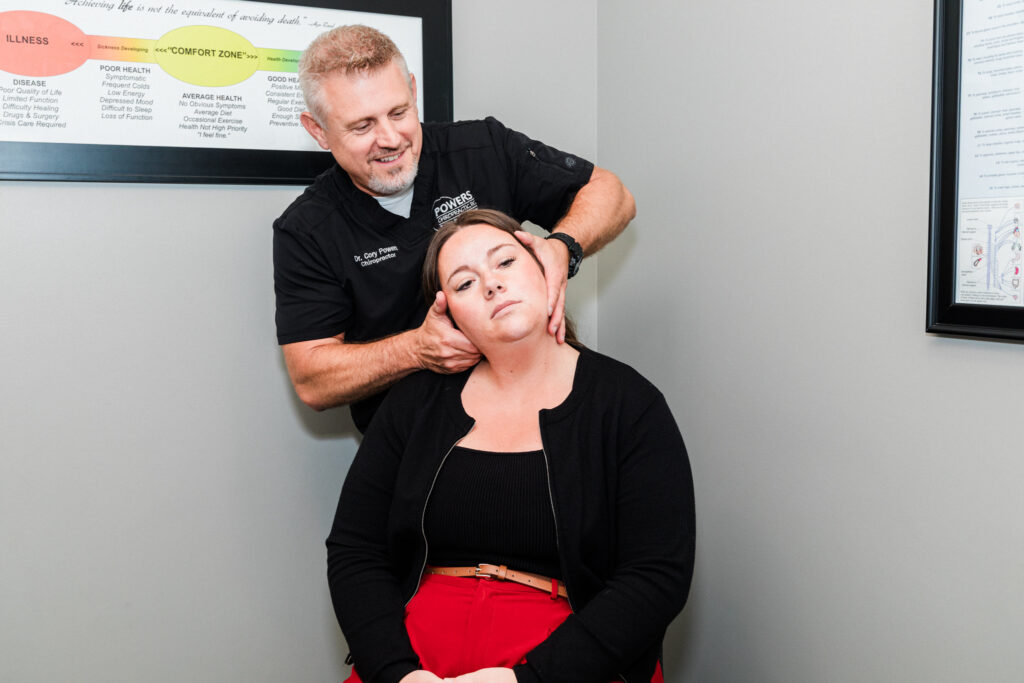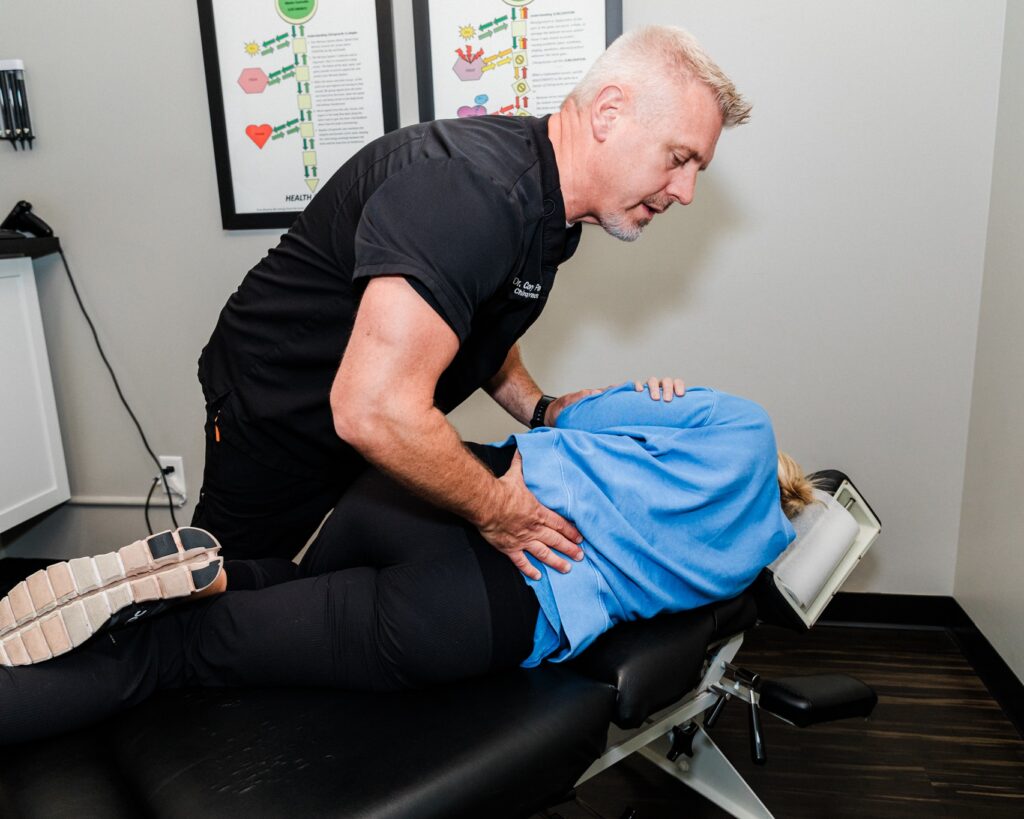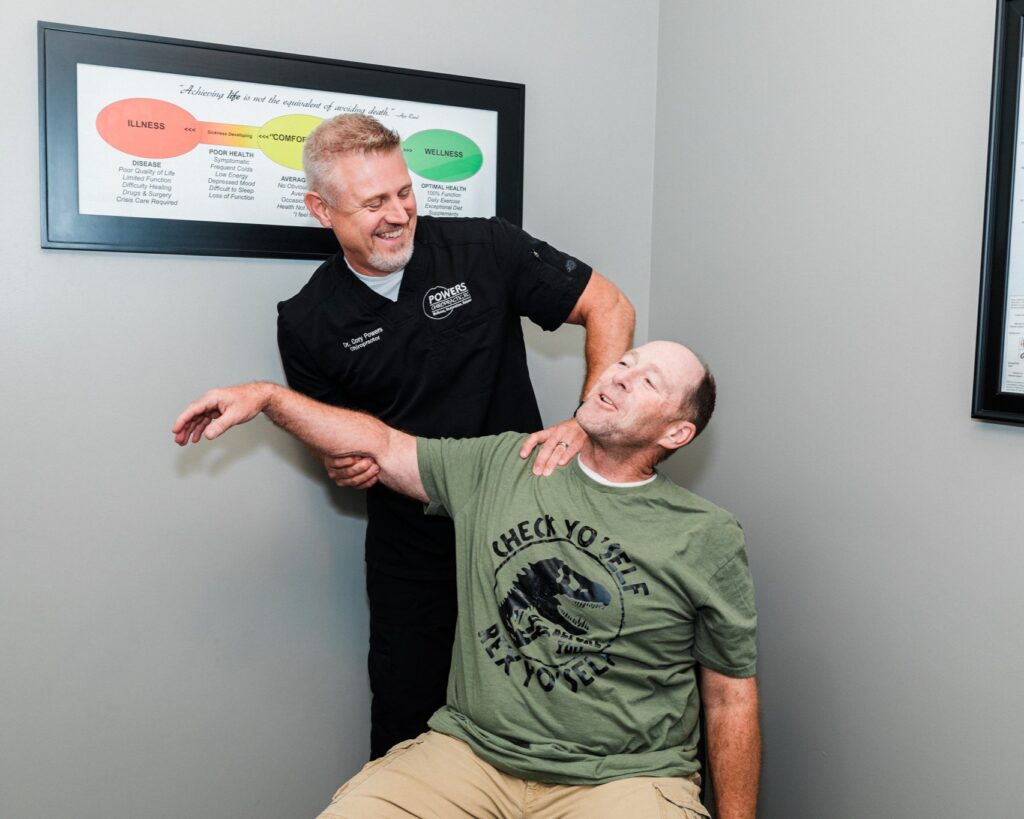

Lower back pain can be a persistent challenge, but as a local chiropractor, I want to reassure you that you’re not alone in seeking effective solutions. One of the best approaches to managing lower back pain is through chiropractic care, which focuses on natural healing and spinal health. By exploring techniques like mindfulness practices alongside chiropractic adjustments, you can embrace a comprehensive approach to pain relief that supports your overall well-being.
Chiropractic care not only targets the root causes of pain but also promotes healthier living. Regular adjustments can help restore proper alignment in your spine, reducing tension and discomfort. Additionally, incorporating mindfulness techniques can help you manage stress, which often exacerbates pain.
Here are some general tips to help you on your journey to recovery:
- Stay Active: Gentle exercises like walking, swimming, or yoga can strengthen your back muscles and improve flexibility.
- Practice Good Posture: Being mindful of your posture while sitting, standing, and lifting can prevent strain on your back.
- Incorporate Stretching: Simple stretches can alleviate tightness and enhance mobility in your lower back.
- Focus on Nutrition: A balanced diet rich in anti-inflammatory foods can support your overall health and may help reduce pain.
Curious about how chiropractic care and these techniques can contribute to your recovery? Let’s explore these options together and work towards a pain-free life. Remember, your journey to wellness starts with taking a proactive approach to your health!
Key Takeaways
- Embrace mindfulness and meditation techniques, including deep-breathing exercises, to help manage your pain and give you a greater sense of control over your body. These practices can complement the benefits of chiropractic care by promoting relaxation and reducing stress, which is essential for healing.
- Consider innovative physical therapies like chiropractic adjustments that target the root causes of lower back pain. A skilled chiropractor can help realign your spine, improve mobility, and alleviate discomfort, all while providing a natural, non-invasive approach to pain relief.
- Aquatic therapy is another fantastic option for those dealing with lower back pain. The buoyancy of water allows for easier movement without putting excess strain on your back. This gentle form of exercise can enhance your recovery and is often used alongside chiropractic care to support your overall well-being.
- Pay attention to your nutrition by incorporating anti-inflammatory foods into your diet and staying well-hydrated. This can help support muscle health and reduce inflammation, further enhancing the benefits of your chiropractic treatments. Foods rich in omega-3 fatty acids, leafy greens, and nuts are great choices.
- Explore modern technology, like TENS units, which can provide drug-free pain relief, or even virtual reality therapy to help distract you from discomfort. While these can be beneficial, remember that chiropractic care remains a cornerstone of natural healing and should be your primary focus for long-term wellness.
By integrating these techniques with regular chiropractic visits, you can take significant steps toward managing your lower back pain and achieving optimal health naturally. Remember, a holistic approach that addresses both the physical and mental aspects of wellness is key!
Mindfulness and Meditation Techniques
Managing lower back pain can indeed feel daunting, but incorporating mindfulness and meditation techniques into your daily routine can significantly alleviate discomfort. These practices not only help calm the mind but also enable you to focus on the present moment, reducing stress and anxiety that can intensify pain.
Start with simple deep-breathing exercises: inhale deeply through your nose, hold for a few seconds, and then exhale slowly through your mouth. This technique encourages relaxation and helps decrease muscle tension in your back, creating a more conducive environment for healing.
Additionally, consider using guided meditation resources that emphasize pain management. Visualizing healing can be a powerful tool in your journey towards relief. Just dedicating ten minutes a day to mindfulness can change how you perceive pain, making it feel more manageable.
You might also practice body scans, where you mentally check in with various areas of your body, acknowledging any tension and consciously releasing it. These mindfulness techniques can empower you to feel more in control of your pain.
While these practices are beneficial, chiropractic care is one of the best ways to achieve optimal health and relieve lower back pain. Chiropractors are trained to address the root causes of pain through natural, non-invasive methods that focus on spinal health.
Regular chiropractic adjustments can help realign the spine, reduce nerve interference, and promote overall wellness.
Innovative Physical Therapies
As you seek effective ways to manage lower back pain, it’s essential to consider the benefits of chiropractic care as a natural and holistic approach to achieving optimal health. Chiropractic adjustments focus on aligning the spine, which can alleviate pain and improve your overall mobility. By addressing the root cause of your discomfort, chiropractic care can provide long-lasting relief without the need for medications or invasive procedures.
In addition to chiropractic adjustments, there are several innovative therapies and techniques that can complement your treatment plan. For instance, dry needling can help release tension in muscles, enhancing the effects of your chiropractic care. Aquatic therapy is another excellent option, as the buoyancy of water supports your body and allows for easier movement, reducing strain on your back.
Don’t overlook the potential of virtual reality (VR) therapy. This immersive experience can help promote movement while providing a distraction from pain, making it a fun and engaging way to support your recovery journey.
Additionally, incorporating biofeedback techniques can empower you to manage your pain more effectively by teaching you how to control your body’s physiological responses. This skill can enhance your overall wellness and improve your quality of life.
As you explore these options, remember that chiropractic care should be your first choice for managing lower back pain. It not only addresses pain relief but also supports your body’s natural healing processes.
Additionally, here are some general tips to help you maintain a healthy spine:
- Practice good posture: Whether sitting, standing, or lifting, maintaining proper posture can prevent strain on your back.
- Stay active: Regular exercise strengthens your core muscles, which support your spine. Aim for activities that promote flexibility and strength.
- Use ergonomic furniture: Invest in a supportive chair and desk setup to reduce strain during daily activities.
- Listen to your body: Pay attention to any discomfort and consult with your chiropractor if you notice persistent pain.
The Role of Nutrition in Pain Management
When managing lower back pain, what you eat can play a significant role in your recovery. Incorporating anti-inflammatory foods into your diet—such as leafy greens, fatty fish, nuts, and berries—can support muscle health and help reduce discomfort.
Staying hydrated is equally important, as it aids in maintaining optimal spinal health.
Being aware of potential nutrient deficiencies is another way you can help ease your pain naturally. For instance, ensuring you get enough magnesium and vitamin D can support muscle function and overall well-being.
Remember, chiropractic care is a powerful ally in your journey to optimal health. Regular adjustments can help align your spine, improve your posture, and enhance your body’s natural ability to heal.
Anti-inflammatory Foods Benefits
Incorporating anti-inflammatory foods into your diet can be a powerful part of your overall approach to pain management, particularly for lower back pain. As a chiropractor, I believe that supporting your body with the right nutrition can enhance your healing process and help you achieve optimal health.
Foods rich in omega-3 fatty acids, like fatty fish, along with leafy greens, nuts, and berries, are fantastic choices. These foods contain natural compounds that help reduce inflammation, which can often be a factor in chronic pain. Focusing on these nutrient-packed options not only aids in pain relief but also promotes overall wellness.
Don’t forget about the benefits of spices! Turmeric and ginger are excellent anti-inflammatory additions to your meals. They can easily be incorporated into your cooking to help manage inflammation naturally.
It’s also essential to limit processed foods and sugars, as these can contribute to higher inflammation levels in your body. By making these dietary adjustments, you can complement the benefits of chiropractic care, which focuses on aligning your spine and supporting your body’s natural healing abilities.
Remember, pain relief and wellness are best achieved through a holistic approach. So, get creative in the kitchen and enjoy delicious meals that not only taste great but also contribute to your health.
Hydration and Muscle Health
Staying hydrated is just as crucial as choosing anti-inflammatory foods when managing lower back pain. As a chiropractor, I want to emphasize that proper hydration supports muscle health, helps prevent cramps, and promotes your overall well-being.
When your body is well-hydrated, your muscles can function more efficiently, which can significantly reduce the risk of tension and discomfort in your back. Here are four easy hydration tips to keep in mind for better spinal health:
- Drink water regularly throughout the day. Aim for at least eight 8-ounce glasses to keep your body in balance.
- Incorporate hydrating foods into your meals. Foods like cucumbers, watermelons, and oranges not only taste great but also contribute to your hydration levels.
- Limit sugary drinks. High sugar content can actually lead to dehydration and increased inflammation, which may aggravate your back pain.
- Keep an eye on your urine color. A pale yellow color usually means you’re well-hydrated, while darker shades suggest it’s time to drink more water.
By staying proactive in your hydration efforts, you can support your lower back health and overall well-being.
Nutrient Deficiencies Impacting Pain
Understanding how nutrient deficiencies can impact pain is essential for effective pain management, especially when it comes to spinal health. If your body isn’t getting enough vitamins and minerals, it can worsen your lower back pain. For instance, vitamin D is crucial for maintaining strong bones, and magnesium plays a significant role in muscle function. When you’re low on these nutrients, you may experience increased pain and discomfort.
In addition, omega-3 fatty acids, which are found in fish, have wonderful anti-inflammatory properties that can help reduce pain. By ensuring your diet is rich in these vital nutrients, you can significantly improve your overall well-being and support your body’s natural healing processes.
To help with this, consider adding more leafy greens, nuts, and fatty fish to your meals. These foods aren’t only nutritious but can also complement your chiropractic care by promoting a healthier spine and reducing discomfort.
Remember, it’s important to pay attention to your body’s nutritional needs. If you suspect you have specific deficiencies, I encourage you to consult with a healthcare professional who can help you create a personalized nutrition plan that supports your recovery and overall health.
Chiropractic care can also play a key role in managing pain and enhancing your wellness journey. By focusing on spinal alignment and overall body function, chiropractic adjustments can help your body heal naturally and alleviate pain without the need for medications or surgeries.
Integrating good nutrition with regular chiropractic visits can be a game changer for your health.
Alternative Medicine Approaches
When it comes to finding relief from lower back pain, many individuals instinctively reach for conventional medicine. However, I believe chiropractic care is one of the most effective and natural approaches to achieving optimal health and wellness.
Chiropractic focuses on the relationship between the spine and the nervous system, which is essential for your overall well-being. Here are four key points about chiropractic care and additional holistic options to consider for managing your lower back pain:
- Chiropractic Adjustments: By realigning your spine, a chiropractor can alleviate pressure on nerves, reduce pain, and improve your mobility. Regular adjustments can help maintain spinal health and prevent future issues.
- Holistic Approach: Chiropractic care emphasizes the body’s ability to heal itself. By addressing the root cause of your discomfort rather than just the symptoms, chiropractic treatments can lead to long-lasting relief and improved overall health.
- Incorporating Movement: Gentle exercises and stretches recommended by your chiropractor can strengthen your back muscles and improve flexibility. Staying active is crucial for recovery, so consider incorporating daily movement into your routine.
- Nutrition and Wellness: Supporting your body with a healthy diet can complement your chiropractic care. Focus on anti-inflammatory foods, like leafy greens, nuts, and fish, to help manage pain and promote healing.
By prioritizing chiropractic care and incorporating these holistic practices, you can find effective solutions for your lower back pain that support your body’s natural healing process.
Personalized Exercise Programs
When it comes to managing lower back pain, chiropractic care is an excellent choice for promoting natural healing and overall wellness. Personalized exercise programs designed by chiropractors can be a game changer in your journey towards relief. These tailored plans focus on your specific needs, helping you strengthen your core muscles and improve flexibility without the risk of exacerbating your pain.
Your journey begins with a thorough assessment by a qualified chiropractor who’ll take the time to understand your unique situation. They’ll identify your strengths and weaknesses, allowing you to engage in targeted activities that address your specific pain points. This might include gentle stretching, strengthening exercises, or low-impact cardio, all designed to fit your comfort level and progress at your pace.
Consistency is key in any exercise program, and with chiropractic guidance, you’ll likely notice gradual improvements in your strength and mobility. Over time, these personalized programs can lead to reduced pain, increased function, and a better overall quality of life. Embracing this proactive approach empowers you to take control of your back health naturally.
Here are a few tips to keep in mind as you embark on this journey:
- Listen to Your Body: Pay attention to how your body responds to different exercises. If something doesn’t feel right, communicate with your chiropractor for adjustments.
- Stay Hydrated: Proper hydration supports spinal health and helps keep your muscles functioning optimally.
- Incorporate Daily Movement: Beyond your exercise sessions, find ways to stay active throughout the day. Simple activities like walking, stretching, or even light household chores can make a difference.
- Practice Good Posture: Whether sitting at a desk or lifting objects, maintaining good posture can prevent additional stress on your back.
- Follow Your Chiropractor’s Recommendations: They’re there to guide you on the best practices for your health and wellness journey.
Technological Advancements in Pain Relief
Chiropractic care and personalized exercise programs provide a strong foundation for managing lower back pain, and with the integration of technology, we can further enhance your recovery journey.
While I believe in the power of chiropractic care as the best approach to achieving optimal health, it’s important to recognize how these advancements can complement your treatment and help you feel better.
Here are some innovative technologies that can support your path to wellness:
- TENS Units: Transcutaneous electrical nerve stimulation (TENS) units deliver electrical impulses that can help alleviate pain. They offer a natural, drug-free way to find relief, making them a great tool to use in conjunction with your chiropractic adjustments.
- Infrared Therapy: This therapy uses infrared light to penetrate deep into the tissues, promoting healing and reducing inflammation. It’s a gentle, soothing way to enhance the benefits of your chiropractic care.
- Virtual Reality (VR): VR can be a fun and engaging way to distract yourself from pain while participating in therapeutic exercises. This immersive experience can help keep you motivated on your journey to recovery.
- Telehealth Services: Connecting with your chiropractor remotely can provide you with the guidance and support you need from the comfort of your home. This ensures you stay on track with your pain management plan and receive personalized advice tailored to your needs.
Remember, embracing these technologies is about empowering yourself to take charge of your health.
Here are some general tips to keep in mind:
- Maintain good posture throughout your day to prevent unnecessary strain on your back.
- Incorporate gentle stretches and strengthening exercises into your daily routine to support your spine.
- Stay hydrated and nourish your body with wholesome foods to promote overall wellness.
- Listen to your body and take breaks when needed to avoid overexertion.
By combining chiropractic care with these technological advancements, you can enhance your overall experience and work towards a pain-free life.
Let’s continue to explore the best ways to support your health together!
Conclusion
Incorporating trending techniques for managing lower back pain can significantly enhance your quality of life, and chiropractic care stands out as a powerful option for achieving lasting relief. By combining the principles of spinal health with mindfulness practices, innovative therapies, nutritious eating, and personalized exercise, you can effectively tackle pain at its source.
As a chiropractor, I believe in the importance of a holistic approach that emphasizes the body’s natural ability to heal itself. Chiropractic adjustments can help realign your spine, improve mobility, and alleviate pain without the need for surgeries or medications. This natural method not only addresses your immediate discomfort but also promotes overall wellness.
In addition to chiropractic care, consider integrating mindfulness techniques into your daily routine. Simple practices like deep breathing or meditation can help reduce stress, which is often a contributing factor to back pain. Pair this with a nutritious diet rich in anti-inflammatory foods to support your body’s healing process.
Exercise is also crucial; however, it’s important to choose movements that are gentle on your back. Activities such as walking, swimming, or yoga can help strengthen your core and improve flexibility, which are essential for maintaining a healthy spine.
Don’t overlook the value of alternative medicine options, such as acupuncture or massage therapy, which can complement your chiropractic care and enhance your recovery. Staying informed about the latest advancements in technology, like spinal decompression therapy or myofascial release techniques, can also provide additional avenues for pain management.
Embrace this holistic approach and consult with your chiropractor to find a unique combination of these strategies that work best for you. By prioritizing chiropractic care and integrating these simple yet effective techniques into your lifestyle, you’ll likely experience better pain control and improved overall well-being. Remember, your journey to a pain-free life starts with taking care of your spine!