
In 2025, the landscape of sports injury recovery is evolving, and it’s becoming more personalized than ever. As a local chiropractor, I want to share how these advancements can significantly enhance your recovery journey. With the integration of wearable technology and a collaborative approach among healthcare professionals—including chiropractors, nutritionists, and physical therapists—your recovery plan will be tailored specifically to your needs.
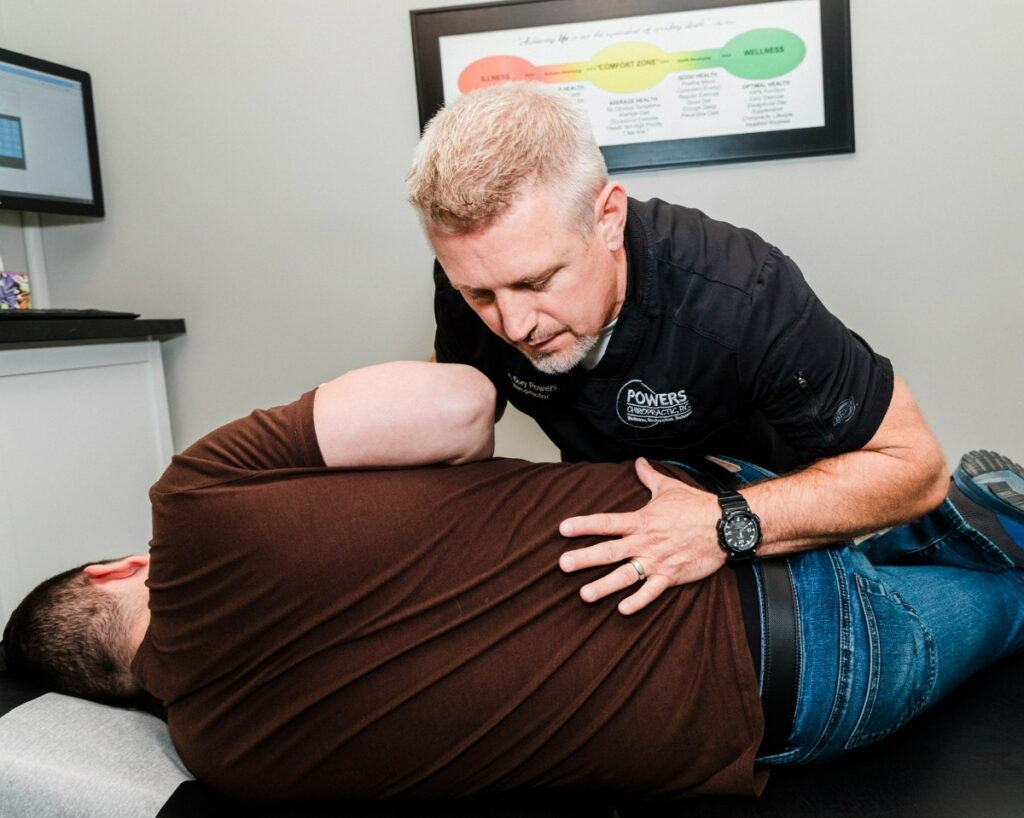
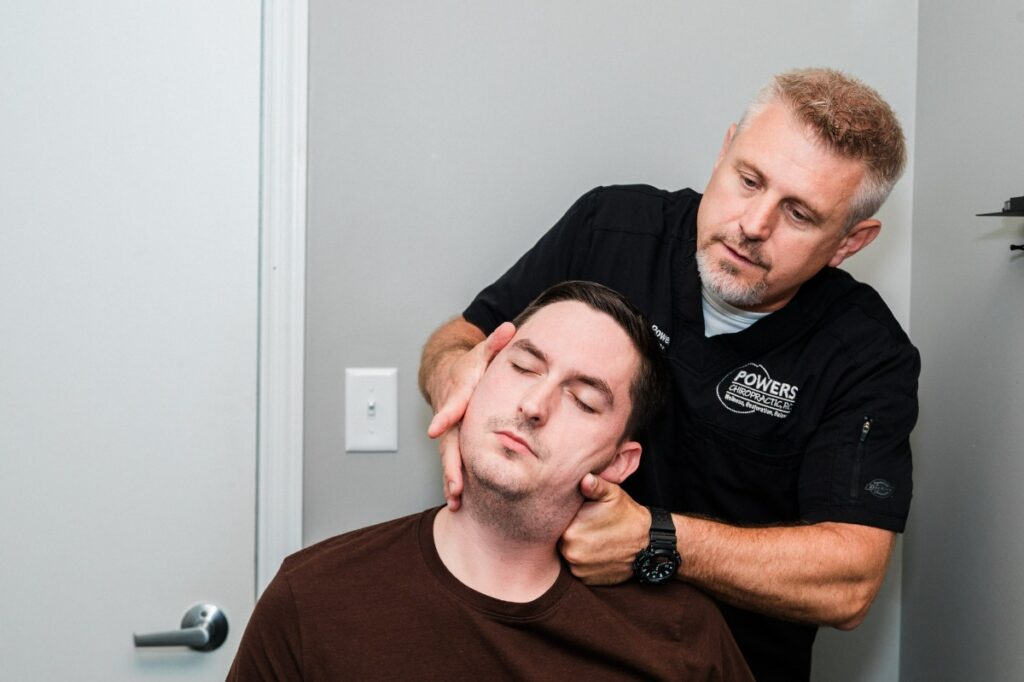
So, how does this affect you? Well, chiropractic care is at the forefront of this new recovery paradigm. It focuses on natural healing and optimal spinal health, which are vital for anyone recovering from an injury. By addressing misalignments and improving function in your body, chiropractic care can help alleviate pain and promote faster recovery without the need for surgeries or medications.
Here are a few takeaways to consider on your recovery journey:
- Stay Active: Engage in light exercises that promote mobility and flexibility. Chiropractic adjustments can enhance your range of motion, making it easier to stay active.
- Listen to Your Body: Pay attention to what your body is telling you. Any lingering pain should be addressed with a chiropractor who can help identify the root cause and provide a treatment plan.
- Nutrition Matters: A well-balanced diet rich in anti-inflammatory foods can support your recovery. Consider working with a nutritionist to create a meal plan that complements your chiropractic care.
- Utilize Wearable Tech: Consider using wearable devices to monitor your activity levels and recovery progress. These tools can provide valuable insights that you can discuss with your chiropractor to enhance your treatment.
- Prioritize Rest: Adequate rest is essential for healing. Ensure you’re getting enough sleep and giving your body time to recover between activities.
By embracing this personalized approach to recovery, you can maximize your healing potential and maintain a healthier lifestyle. Remember, chiropractic care is your best ally in achieving lasting pain relief and overall wellness. Let’s work together to get you back to doing what you love!
Key Takeaways
- Personalized recovery plans will increasingly utilize real-time data analysis to provide tailored adjustments based on your unique progress and feedback. This means you can experience a recovery journey that truly fits your needs.
- Wearable technology will become a vital tool in monitoring recovery metrics, offering valuable insights that can help inform adjustments to your treatment plan. These devices can track your movements and help you stay on the path to healing.
- Collaboration among healthcare professionals, including chiropractors and physical therapists, will create a holistic approach to recovery that addresses both your physical and mental health. Chiropractic care plays a key role in this by promoting spinal health, which is essential for overall well-being.
- Emotional support and community engagement will be emphasized to boost your motivation and enhance recovery outcomes. Connecting with others who understand your journey can make a significant difference in how you feel.
- Mindfulness practices and mental health strategies will be integrated into recovery plans to ensure your emotional well-being is prioritized alongside your physical rehabilitation. Simple techniques like deep breathing and meditation can complement your chiropractic treatments and foster a positive mindset.
Incorporating chiropractic care into your recovery process not only helps alleviate pain but also promotes natural healing and healthier living. By focusing on spinal health and overall wellness, you can achieve optimal health without resorting to medications or surgeries. Remember to stay engaged in your recovery, listen to your body, and consider working with a chiropractor who can guide you on your path to wellness.
Personalized Rehabilitation Programs
When you experience a sports injury, personalized rehabilitation programs through chiropractic care can significantly enhance your recovery journey.
These individualized plans take into account your specific injury, overall fitness level, and personal goals, ensuring you receive the most effective treatment tailored just for you. Unlike generic approaches, your chiropractic program may incorporate gentle adjustments, exercises for strength and flexibility, and techniques to improve spinal health.
Working alongside a skilled chiropractor means you’ll receive expert care that understands the demands of your sport and addresses your unique needs. This focused attention helps you regain strength, mobility, and confidence more quickly.
Plus, your chiropractor will provide ongoing feedback and modifications to your program as you progress, ensuring you stay on the right track. Staying motivated is often easier when you see the results that matter to you. Engaging in a chiropractic rehabilitation program that feels personalized increases your likelihood of commitment.
Remember, chiropractic care not only aids in physical healing but also supports your mental well-being, preparing you for a successful return to your favorite activities.
To further enhance your recovery, consider incorporating these general tips into your routine:
- Maintain proper hydration to support muscle function and recovery.
- Focus on a balanced diet rich in whole foods, which can provide the nutrients necessary for healing.
- Incorporate gentle stretching and mobility exercises to keep your body flexible and reduce stiffness.
- Prioritize rest and sleep, as these are crucial for healing and overall health.
Choosing chiropractic care as part of your recovery process can lead you towards a path of natural healing and optimal wellness, helping you return to your sport stronger than ever.
Integration of Wearable Technology
Wearable technology is revolutionizing the way we approach sports injury recovery, and as a chiropractor, I see the tremendous potential it has for enhancing your wellness journey. With these innovative devices, you can monitor your body’s progress more accurately, allowing you to make informed adjustments to your recovery plans. This personalized approach is essential for helping you heal effectively and safely, getting you back in action sooner.
But while wearable tech can provide valuable insights, it’s important to remember that the foundation of your recovery should start with chiropractic care. Chiropractic adjustments can help realign your spine and improve your overall function, which is crucial when dealing with injuries. By addressing any misalignments, you can enhance your body’s natural healing processes and reduce pain without the need for medications or invasive procedures.
In addition to seeking chiropractic care, here are some general tips for a smoother recovery from sports injuries:
- Stay Hydrated: Drinking plenty of water helps to flush out toxins and supports the healing process.
- Rest and Recovery: Give your body the time it needs to heal. Listen to your body and avoid pushing through pain.
- Gentle Stretching: Incorporating light stretches can improve flexibility and reduce stiffness, but consult your chiropractor for specific stretches that are safe for your condition.
- Nutrition Matters: Eating a balanced diet rich in vitamins and minerals can support your body’s repair mechanisms. Focus on whole foods, like fruits, vegetables, lean proteins, and whole grains.
- Posture Awareness: Pay attention to your posture, both during your daily activities and while using wearable technology. Good posture can prevent further strain on your body.
Enhanced Monitoring Capabilities
How can athletes optimize their recovery process? One of the best ways to enhance recovery is through a focus on natural healing and wellness practices, with chiropractic care being a key component.
While wearable technology can provide insights into your body’s needs, it’s essential to remember that the foundation of recovery lies in understanding and nurturing your spine and overall health.
Chiropractic care can help athletes recover more effectively by ensuring proper alignment of the spine, which in turn supports overall body function. Misalignments can lead to pain and hinder the body’s natural healing processes. Regular chiropractic adjustments can improve your body’s mechanics, allowing for better performance and quicker recovery.
In addition to chiropractic care, here are some general tips to optimize your recovery:
- Listen to Your Body: Pay attention to how you feel. If you notice persistent fatigue or discomfort, it may be a sign to take a break or seek chiropractic care.
- Prioritize Sleep: Quality rest is crucial for recovery. Create a relaxing bedtime routine and aim for 7-9 hours of sleep each night to support your body’s healing processes.
- Stay Hydrated: Proper hydration is essential for muscle recovery and overall health. Make sure to drink plenty of water throughout the day.
- Nutrition Matters: Fuel your body with nutritious foods that promote healing, such as fruits, vegetables, lean proteins, and healthy fats.
- Gentle Movement: Incorporate light stretching or low-impact exercises to keep your body moving without overexerting yourself.
By embracing these natural methods, particularly through chiropractic care, you can transform your approach to recovery and enhance your overall performance.
Real-Time Data Analysis
As you incorporate wearable technology into your recovery routine, it’s essential to understand how this can complement your chiropractic care and enhance your overall wellness. Real-time data analysis from these devices provides valuable insights into how your body is functioning. You can easily track important metrics like heart rate, muscle strain, and movement patterns, giving you instant feedback on your body’s responses.
This immediate feedback allows you to see how your body reacts to different recovery techniques, such as chiropractic adjustments, stretching, or strengthening exercises. For example, if your wearable device indicates that your heart rate spikes during certain exercises, it might be a sign to adjust the intensity to avoid overexertion, which can lead to discomfort and setbacks.
Additionally, keeping an eye on trends over time can help you and your chiropractor determine if you’re progressing toward your health goals. By discussing this data with your chiropractor, you can make informed decisions about your treatment plan, ensuring you’re on the right path to recovery.
Remember, chiropractic care is an excellent foundation for natural healing and pain relief. It focuses on aligning your spine and improving your body’s functionality, which can enhance your recovery process.
Embrace these insights from wearable technology as a tool to support and elevate your chiropractic experience. Together, they can help you achieve optimal health and get back to feeling your best, naturally and efficiently.
Personalized Recovery Plans
The insights gained from real-time data analysis can significantly enhance your recovery journey, especially when combined with chiropractic care. By integrating wearable technology, you can create personalized recovery plans that cater to your unique needs. Here’s how this approach can assist you:
- Monitor your heart rate and activity levels: Keeping track of your heart rate and how active you’re can help you understand your body’s responses and optimize your recovery.
- Track your range of motion and strength metrics: Regularly assessing your movement and strength can guide your chiropractor in adjusting your treatment plan to ensure you’re on the right path.
- Adjust recovery protocols based on daily performance: With data on your daily progress, your chiropractor can tailor your adjustments and exercises, making sure they’re just right for you.
- Provide feedback on adherence to your plan: Staying consistent is key to recovery. Wearable tech can remind you to stick to your plan, ensuring you’re doing your exercises and following through with recommended lifestyle changes.
- Predict potential setbacks before they occur: By keeping an eye on your progress, your chiropractor can help identify any warning signs and make proactive adjustments to prevent re-injury.
By embracing personalized recovery plans alongside chiropractic care, you’ll not only recover faster but also lower your risk of re-injury. Engaging actively in your healing process makes it more efficient and effective.
Remember, your path to recovery can be more informed and targeted when you combine the wisdom of chiropractic care with modern technology.
General Tips for Recovery:
- Stay consistent with your chiropractic appointments.
- Follow the exercises prescribed by your chiropractor to strengthen your muscles.
- Pay attention to your body’s signals and communicate any concerns with your chiropractor.
- Maintain a balanced diet and stay hydrated to support your recovery.
- Incorporate gentle stretching and mindfulness practices to aid relaxation and healing.
Your journey to optimal health is within your reach, and chiropractic care is a powerful ally on that path!
Advancements in Telehealth Solutions
Telehealth solutions are transforming the way we approach sports injury recovery, and as a chiropractor, I want to emphasize how these advancements can enhance your healing journey. With remote consultations, you can connect with healthcare professionals, including chiropractors, from the comfort of your own home. This convenience allows you to receive expert guidance tailored specifically to your needs.
One of the exciting developments in telehealth is the use of wearable technology, which can help you track your progress in real-time. This data can be invaluable for your chiropractor as they develop a personalized rehabilitation program that focuses on spinal health and natural healing methods. By prioritizing chiropractic care, you can address the root causes of your pain and discomfort, rather than just masking the symptoms.
Here are some general tips to support your recovery:
- Stay Active: Gentle movement and stretching can help maintain flexibility and strength while you recover. Always consult your chiropractor for exercises that are safe for your specific condition.
- Hydration is Key: Drinking plenty of water helps keep your body hydrated and supports the healing process. Proper hydration can also aid in reducing inflammation.
- Mind Your Posture: Whether you’re sitting at home or exercising, maintaining good posture is crucial for spinal health. Be mindful of your alignment to avoid additional strain.
- Listen to Your Body: Pay attention to how your body feels during your recovery. If something doesn’t feel right, reach out to your chiropractor for advice.
By focusing on chiropractic care, you can achieve optimal health and wellness naturally. Embrace these telehealth solutions and take control of your recovery journey with the support of your chiropractor.
Remote Consultation Benefits
As a local chiropractor, I understand that many athletes face hurdles during their recovery from injuries. Fortunately, advancements in remote consultations have made it easier than ever to access expert chiropractic care right from the comfort of your home.
With the convenience of telehealth, you can connect with me and other specialists without the stress of travel. Here are some benefits you can enjoy when opting for chiropractic care:
- Convenience: Schedule appointments that fit seamlessly into your busy lifestyle, making it easier to prioritize your health.
- Access to Expertise: Connect with me, a trained chiropractor, who can offer personalized advice and treatment plans no matter where you are.
- Cost-Effectiveness: Save on travel costs and focus your resources on the effective, natural care that chiropractic provides.
- Ongoing Support: With continuous monitoring, I can help adjust your recovery plan as needed, ensuring you’re on the right track to healing.
- Improved Communication: Share your updates and concerns in real-time, allowing for immediate adjustments to your care, leading to better outcomes.
Embracing chiropractic care through telehealth can truly transform your recovery process.
It allows you to focus on healing naturally, so you can get back to your best self while also learning about maintaining your spinal health and overall wellness.
Wearable Tech Integration
As technology continues to advance, incorporating wearable tech into your recovery process can significantly enhance the effectiveness of your wellness journey, especially when paired with chiropractic care.
Wearable devices, such as fitness trackers and smartwatches, allow you to monitor your vital signs, activity levels, and sleep patterns in real-time. This valuable data not only helps you understand your body better but also enables you and your chiropractor to make informed decisions about your health and recovery plan.
By receiving continuous feedback from these devices, you can adjust your daily activities to prevent setbacks and promote optimal healing. For instance, if you notice that certain movements increase discomfort, you can modify your routine to focus on gentle stretches or exercises that support your spine and overall well-being.
Chiropractic care emphasizes the importance of a holistic approach to health. By integrating wearable technology, you can enhance the communication between you and your healthcare provider, making it easier to stay on track with your wellness goals without the need for frequent in-person visits.
This way, you’re not only held accountable but are also empowered to take control of your recovery journey.
Here are a few tips to make the most of wearable tech in conjunction with chiropractic care:
- Set Realistic Goals: Use your device to track small, achievable goals related to your activity levels and recovery milestones. Celebrate those victories to keep motivation high!
- Monitor Your Posture: Some wearables can remind you to maintain good posture throughout the day, which is crucial for spinal health.
- Stay Active: Use the activity tracking features to ensure you’re moving regularly. Gentle exercises, such as walking or stretching, can complement your chiropractic adjustments.
- Sleep Tracking: Keep an eye on your sleep patterns to ensure you’re getting restorative rest, which is essential for healing. Poor sleep can exacerbate pain and slow down recovery.
- Stay Engaged: Share your data with your chiropractor during visits. This information can help them tailor your treatment plan to better suit your needs.
By embracing wearable technology alongside your chiropractic care, you can engage more deeply in your recovery process and effectively track your progress towards achieving optimal health and wellness.
Personalized Rehabilitation Programs
Integrating wearable technology into your recovery journey can significantly enhance your experience and outcomes, especially when combined with chiropractic care. By using these devices, you can easily monitor your progress, leading to personalized rehabilitation programs that cater specifically to your needs. This means you can receive the most effective treatment possible for your spinal health.
With the rise of telehealth solutions, chiropractic care can be even more accessible. Here are some benefits you can enjoy:
- Real-time feedback on your movements: Wearable tech allows you to gain insights into your posture and alignment, helping you make necessary adjustments during your recovery.
- Customized exercise plans: Based on the data you collect, your chiropractor can design exercise routines that specifically target your areas of concern, ensuring your rehabilitation is tailored to you.
- Remote consultations: You can connect with your chiropractor from the comfort of your home, making it easier to receive guidance and support as you heal.
- Adaptable strategies: Your rehabilitation plan can be continuously adjusted based on your progress, ensuring that you stay on track to achieve optimal spinal health.
- Increased motivation: Many wearables offer gamified experiences that can make your recovery process more enjoyable and engaging, keeping you motivated to stick to your routine.
Remember, chiropractic care focuses on natural healing methods to relieve pain and promote wellness without the need for medications or surgeries.
Here are some general tips to support your recovery journey:
- Stay active: Incorporate gentle exercises into your daily routine to strengthen your muscles and support your spine.
- Maintain good posture: Be mindful of your posture while sitting, standing, and sleeping to reduce strain on your back.
- Listen to your body: Pay attention to how you feel during activities, and don’t hesitate to reach out to your chiropractor if something doesn’t feel right.
- Stay hydrated and eat well: Proper nutrition and hydration can play a crucial role in your recovery process.
- Prioritize rest: Allow your body the time it needs to heal by getting enough rest and sleep.
Focus on Mental Health and Well-being
When you experience a sports injury, it’s common to concentrate on the physical aspects of recovery, such as rehabilitation and pain management. However, it’s crucial not to overlook the mental side of healing. Your mindset plays a significant role in your recovery journey. Recognizing feelings of frustration, anxiety, or sadness is essential, as these emotions can impede your progress if left unaddressed.
Integrating mental health strategies alongside chiropractic care can significantly enhance your overall well-being. Simple techniques like mindfulness and visualization can help you manage stress and cultivate a positive attitude. Additionally, surrounding yourself with supportive friends, family, or teammates can provide the encouragement you need to stay motivated throughout your recovery.
Setting realistic, achievable goals is also vital. This not only helps you track your progress but can also boost your confidence as you see improvements. Remember, your mental state has a direct impact on your physical recovery, so it’s essential to prioritize your mental health just as you’d your physical healing.
Chiropractic care is an excellent way to support both your physical and mental health during recovery. By addressing spinal alignment and overall body function, chiropractic can help alleviate pain and enhance your body’s natural healing processes. This holistic approach allows you to focus not just on getting back to your sport, but on achieving optimal health in the long run.
Here are some general tips for a smoother recovery:
- Practice Mindfulness: Take a few minutes each day to breathe deeply and focus on the present moment. It can help clear your mind and reduce stress.
- Stay Connected: Lean on your support system. Share your feelings and progress with those who care about you.
- Set Small Goals: Break your recovery process into manageable steps. Celebrate each achievement, no matter how small.
- Consider Chiropractic Care: Regular sessions with a chiropractor can enhance your recovery by improving your body’s function and reducing pain naturally.
- Stay Active Within Limits: Engage in light activities or exercises that are safe and approved by your chiropractor to keep your spirits up and promote healing.
Nutrition and Recovery Synergy
Nutrition plays a vital role in your recovery from a sports injury, working hand in hand with chiropractic care to promote healing and overall well-being. By focusing on the right nutrients, you can enhance your healing process and regain strength more effectively. Here are some key aspects to consider:
- Protein: This macronutrient is essential for repairing and building muscle. Including sources like lean meats, beans, and nuts in your diet can support your recovery journey.
- Omega-3 Fatty Acids: Found in fish and flaxseeds, these healthy fats help reduce inflammation, which plays a key role in joint health. Incorporating them into your meals can aid in a smoother recovery.
- Vitamins C and D: Vitamin C supports collagen formation, which is important for healing tissues, while Vitamin D is crucial for bone health. Citrus fruits, leafy greens, and sunlight exposure can help boost these vitamins.
- Antioxidants: Foods rich in antioxidants, such as berries and leafy greens, help combat oxidative stress and can speed up your recovery process.
- Hydration: Staying well-hydrated is essential for your body to function properly and efficiently transport nutrients. Aim to drink plenty of water throughout the day.
By incorporating these nutritional elements into your diet, you can significantly enhance your recovery.
Remember, just like chiropractic care focuses on aligning the spine to promote healing, your body also needs the right fuel to recover effectively. Prioritizing nutrition is a crucial part of your overall recovery strategy.
Additionally, working closely with your chiropractor can help ensure that your spine and nervous system are functioning optimally, supporting your body’s natural healing processes.
Together, nutrition and chiropractic care can pave the way for a strong return to your sport, helping you bounce back with resilience and health.
Collaborative Team Approaches in Recovery
Recovering from a sports injury can be a challenging journey, but a collaborative team approach can make all the difference. As a local chiropractor, I believe that incorporating chiropractic care into your recovery plan is one of the best ways to achieve optimal health and wellness. A chiropractor focuses on spinal alignment and natural healing, which can significantly aid in pain relief and overall recovery.
Here’s how chiropractic care fits into the recovery process alongside other key professionals:
| Role | Contribution |
|---|---|
| Chiropractor | Restores spinal alignment and function, promoting natural healing and pain relief. |
| Physical Therapist | Rehabilitates injuries through targeted exercises to improve strength and mobility. |
| Nutritionist | Designs meal plans that support healing and energy, ensuring your body has the nutrients it needs. |
| Sports Psychologist | Helps manage mental health and motivation, crucial for a positive recovery mindset. |
| Athletic Trainer | Provides immediate care and injury prevention strategies to minimize future risks. |
| Physician | Guides overall health management, but remember that chiropractic care can often address many issues without medication. |
As you embark on your recovery journey, consider these general tips to support your healing process:
- Stay Active: Engage in gentle movements or exercises as recommended by your chiropractor to keep your body functioning optimally.
- Hydrate: Drink plenty of water to help flush out toxins and support recovery.
- Prioritize Sleep: Quality sleep is essential for healing, so ensure you are getting enough rest.
- Listen to Your Body: Pay attention to any discomfort and communicate this with your chiropractor to adjust your care plan accordingly.
- Stay Positive: A positive mindset can greatly influence your recovery, so surround yourself with supportive people and focus on your progress.
Conclusion
As we approach 2025, it’s more important than ever to embrace personalized rehabilitation programs for effective sports injury recovery, with chiropractic care leading the way. By focusing on spinal health and natural healing methods, you can enhance your recovery and get back to doing what you love.
Incorporating wearable technology can help you track your progress, but don’t forget the significance of prioritizing your mental wellness as part of your healing journey. Remember, chiropractic care is not just about addressing pain; it’s about achieving overall well-being. The collaboration between chiropractors, physical therapists, and nutritionists can play a crucial role in your recovery, ensuring that all aspects of your health are considered.
Here are a few tips to help you recover from sports injuries naturally and effectively:
- Stay Active: Engage in low-impact exercises that promote movement without straining your injury. This helps maintain flexibility and strength.
- Listen to Your Body: Pay attention to what your body is telling you. If something doesn’t feel right, consult with your chiropractor for guidance.
- Focus on Nutrition: A balanced diet rich in vitamins and minerals can support healing. Consider foods high in omega-3 fatty acids, antioxidants, and proteins.
- Utilize Chiropractic Adjustments: Regular adjustments can improve spinal alignment, reduce pain, and enhance your body’s ability to heal itself naturally.
- Practice Mindfulness and Relaxation Techniques: Stress can hinder recovery. Techniques such as deep breathing, meditation, and yoga can improve your mental health and overall recovery process.
By focusing on your individual needs and leveraging the benefits of chiropractic care, you’ll not only recover faster but also achieve optimal health and peak performance in your sport. Remember, natural healing is your best ally on the road to recovery!