
As a local chiropractor, I often see many patients struggling with lower back pain, and I’m here to help you understand how to alleviate it naturally. It’s vital to recognize that relief often comes from a combination of techniques tailored to your unique needs. Chiropractic adjustments can play a significant role in restoring proper alignment and function to your spine, but that’s just one piece of the puzzle.
In addition to adjustments, incorporating specific exercises into your routine can strengthen your back and improve flexibility, further promoting healing. Before we discuss a personalized treatment plan, it’s crucial to identify the underlying causes of your discomfort. Factors such as poor posture, muscle imbalances, or previous injuries can contribute to your pain. Together, we can explore these aspects and develop a comprehensive approach to help you find relief and improve your overall well-being. Let’s work toward a pain-free life!
Identifying the Causes of Lower Back Pain
As a local chiropractor, I want to help you understand the importance of identifying the underlying causes of your lower back pain for effective relief. Many factors can contribute to your discomfort, such as muscle strain, poor posture, and a sedentary lifestyle.
It’s also important to consider injuries from sports or accidents that may lead to acute pain. Furthermore, conditions like herniated discs or arthritis can affect nerve function, resulting in persistent discomfort.
To better understand your pain, pay attention to when it occurs and which activities make it worse. Keeping a pain diary can be a valuable tool to track patterns and identify triggers.
Additionally, don’t forget about emotional factors like stress, as they can manifest as physical tension in your body.
Consulting with a chiropractor is important for an accurate diagnosis and personalized care. We focus on natural healing methods that address the root causes of your pain.
Physical Therapy Approaches
Understanding the root causes of your lower back pain is crucial for finding effective relief, and chiropractic care can play a vital role in your recovery journey. As a chiropractor, I assess your condition and develop a personalized treatment plan that’s specifically designed to meet your individual needs.
My approach focuses on enhancing your spinal alignment, mobility, and overall body function—key elements in alleviating pain and preventing future issues.
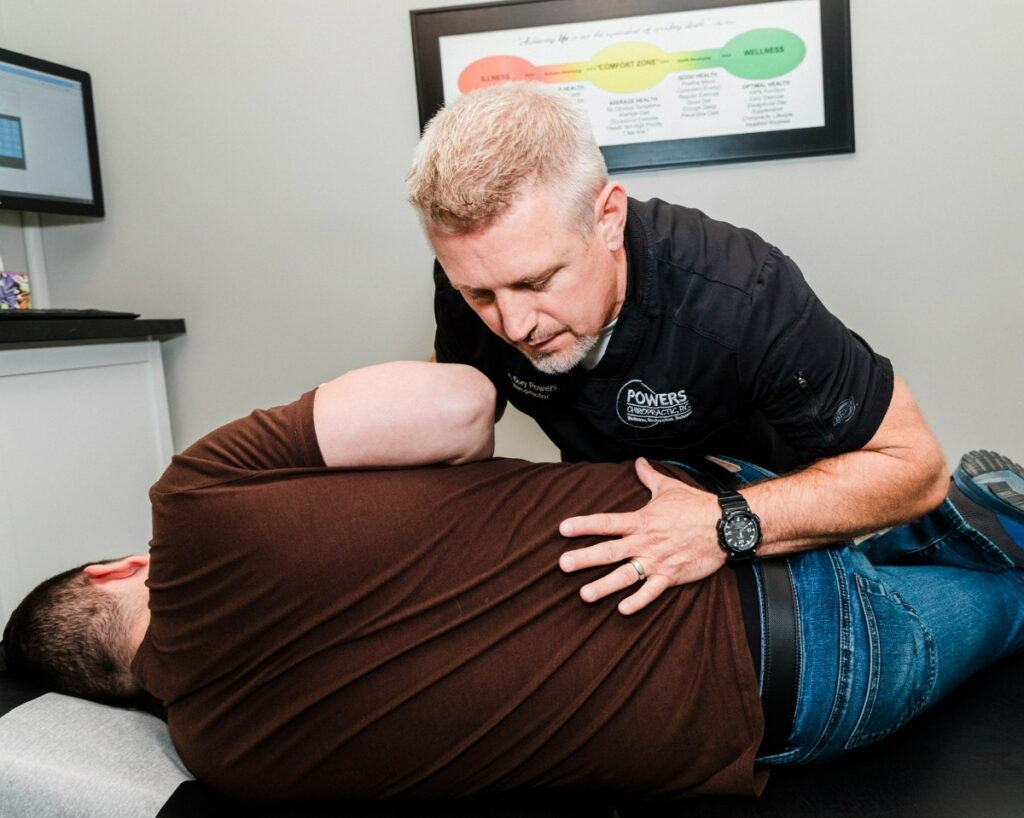
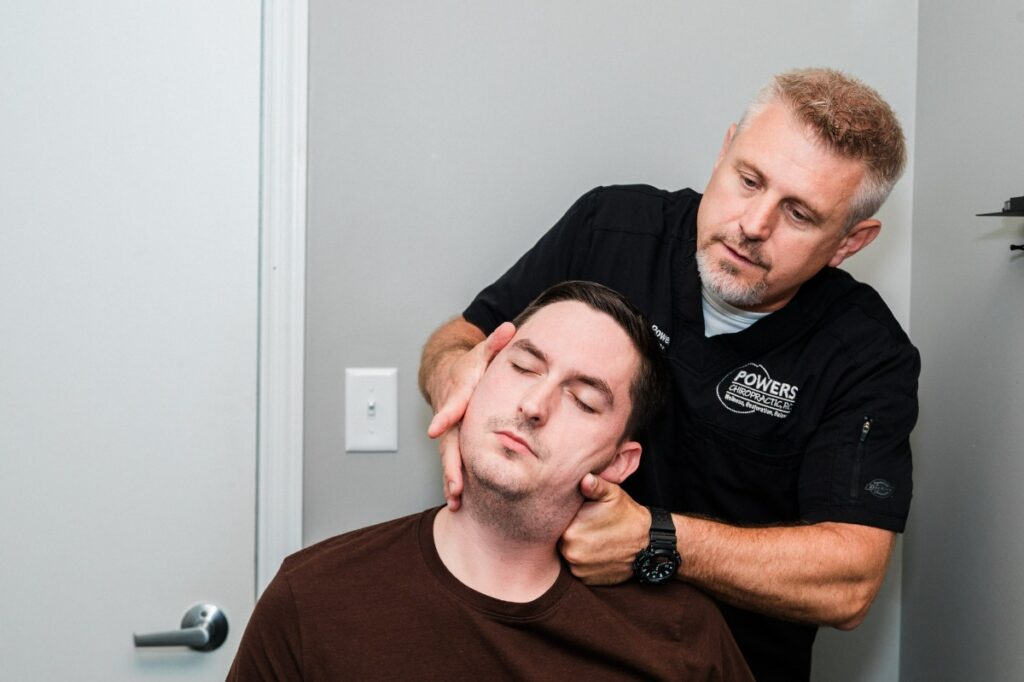
Through gentle, hands-on adjustments, I can help restore proper alignment to your spine and reduce tension in your muscles and joints. I may also incorporate various techniques such as soft tissue therapy and rehabilitative exercises to further support your healing process.
Additionally, I often recommend lifestyle modifications and ergonomic adjustments to help you move more efficiently and maintain a healthy posture.
By attending regular chiropractic sessions, you’ll gain a deeper understanding of your body’s mechanics, empowering you to make informed choices about your movements and daily activities.
Together, we can work towards achieving optimal health and well-being through natural healing methods.
Exercise and Stretching Routines
As a local chiropractor, I want to emphasize the importance of exercise and stretching routines in managing and relieving lower back pain.
It’s essential to engage in effective core strengthening exercises alongside gentle stretching techniques that can enhance your flexibility and provide support for your spine.
These practices not only help alleviate your current discomfort but also play a crucial role in preventing future pain.
By incorporating these routines into your daily life, you’re taking proactive steps towards better spinal health and overall well-being.
Effective Core Strengthening
As a local chiropractor, I want to emphasize the importance of strong core muscles in maintaining a healthy spine and preventing lower back pain. Many people may not realize that building core strength isn’t just about aesthetics; it plays a crucial role in supporting your back and overall posture.
To enhance your core strength, it’s beneficial to focus on exercises that engage your abdominal, oblique, and lower back muscles. Movements such as planks, bridges, and bird-dogs are excellent choices that you can easily incorporate into your weekly routine. If you’re new to these exercises, I recommend starting with shorter holds and gradually increasing the duration as your strength develops.
Moreover, integrating stability ball exercises can be particularly advantageous. These exercises not only engage multiple core muscles but also promote balance, which is essential for overall body stability.
I suggest aiming for two to three sessions each week, ensuring that you allow adequate time for your body to recover. By strengthening your core, you can significantly reduce the risk of lower back pain and improve your overall health.
If you have any questions or need guidance on how to get started, feel free to reach out during your next visit!
Gentle Stretching Techniques
As a local chiropractor, I want to share how incorporating gentle stretching techniques into your daily routine can significantly improve your flexibility and help alleviate lower back pain.
One effective stretch to begin with is the Cat-Cow stretch, which gently mobilizes your spine. To perform this stretch, start on all fours, arch your back upward like a cat, and then lower your back while lifting your head, resembling a cow.
Another excellent stretch is the Child’s Pose. For this, sit back on your heels and extend your arms forward on the floor. This position is wonderful for relaxing your lower back.
I recommend holding each stretch for 15 to 30 seconds, and remember to breathe deeply—it’s essential for promoting relaxation and enhancing the benefits of the stretches.
Consistency is crucial; I encourage you to dedicate a few minutes each day to these stretches. Not only will they help relieve tension, but they’ll also improve your overall mobility, making daily activities more manageable and comfortable.
Embracing these gentle techniques can be a great step toward natural healing and better spinal health.
Pain Management Techniques
When it comes to managing lower back pain, it’s essential to understand the variety of natural healing options available to you.
As a local chiropractor, I want to emphasize how chiropractic care can play a crucial role in alleviating your discomfort. Through targeted spinal adjustments and physical therapy exercises, we can work together to strengthen your back and enhance your flexibility.
These methods not only help in relieving pain but also empower you to regain control over your body.
Let’s explore how chiropractic techniques can support your journey to better health and well-being.
Physical Therapy Exercises
As a local chiropractor, I want to help you understand how physical therapy exercises can be a vital component in managing lower back pain and promoting natural healing.
These exercises are designed to strengthen your core muscles, enhance flexibility, and improve posture—all of which can contribute to alleviating discomfort.
Simple movements such as pelvic tilts, bridges, and gentle stretches can relieve tension in your back and aid in the healing process. It’s crucial to perform these exercises consistently and with the correct technique to prevent exacerbating any injuries.
I often work with patients to create a personalized exercise program that respects their individual limits while encouraging gradual progression.
This approach not only helps to build endurance and stability but also empowers you to take an active role in your recovery.
Always pay attention to your body’s signals; if an exercise causes pain or discomfort, it’s important to stop and consult with me.
With commitment and the right guidance, many of my patients experience significant relief and can return to their everyday activities with greater ease.
Let’s work together to find a natural path to healing!
Medication Options
As a local chiropractor, I want to emphasize that while physical therapy exercises are essential for managing lower back pain, exploring medication options can also be beneficial for those seeking relief from discomfort.
It’s important to understand the various choices available to you, especially as we focus on a holistic approach to health.
Here are some common medication options you might consider:
- Over-the-counter pain relievers: Nonsteroidal anti-inflammatory drugs (NSAIDs) such as ibuprofen or naproxen can be useful for reducing pain and inflammation.
- Prescription medications: In some cases, stronger pain relievers, including opioids, may be prescribed by your healthcare provider to help manage more severe pain.
- Muscle relaxants: These can be effective in alleviating muscle spasms that often accompany lower back discomfort.
- Topical treatments: Creams and patches that can be applied directly to the painful area may offer localized relief.
- Corticosteroids: Injections can help reduce inflammation and provide temporary relief from pain.
Remember, it’s always wise to consult with a healthcare professional before starting any medication.
As a chiropractor, I encourage you to consider natural healing methods alongside these options, such as spinal adjustments and lifestyle changes, to create a comprehensive plan for your lower back pain management.
Your journey to wellness is best approached with a combination of therapies.
Alternative Therapies: Acupuncture and Chiropractic Care
As a local chiropractor, I want to share how many of my patients suffering from lower back pain have found effective relief through alternative therapies, particularly chiropractic care and acupuncture.
Chiropractic care is centered on the importance of spinal alignment and proper movement. By using hands-on techniques, I adjust the spine to relieve pressure on nerves and enhance mobility. Many of my patients experience immediate pain relief and improved overall function after just a few sessions.
It’s a non-invasive approach that focuses on correcting the root causes of pain rather than just masking the symptoms.
Acupuncture is another complementary therapy that can be beneficial for those dealing with lower back pain. It involves inserting thin needles into specific points on the body, which can promote natural healing and reduce inflammation. Many individuals report significant improvements in their symptoms after trying acupuncture.
Both chiropractic care and acupuncture offer a holistic approach to pain management. They not only target your immediate discomfort but also address the underlying issues contributing to your pain.
If you’re seeking a natural, non-invasive way to manage your lower back pain, I encourage you to consider these therapies. However, it’s important to consult with a healthcare professional to ensure that these options are appropriate for your specific situation.
I’m here to help guide you on your journey towards better health and well-being.
The Role of Posture in Back Health
As a local chiropractor, I want to emphasize the vital role that good posture plays in maintaining your back health. Proper posture is crucial because it directly affects the alignment of your spine and the functionality of your entire musculoskeletal system.
When you learn to sit, stand, and move correctly, you can significantly reduce the strain on your back muscles and ligaments, leading to better overall health.
Here are some important points about posture that I’d like you to consider:
- Even Weight Distribution: Good posture helps distribute your body weight evenly, which reduces undue pressure on your spine and prevents discomfort.
- Alleviating Muscle Tension: When your body is properly aligned, it can alleviate muscle tension and help prevent pain, allowing you to feel more comfortable throughout your day.
- Enhanced Breathing and Circulation: Maintaining good posture can improve your breathing and circulation, which can naturally boost your energy levels and overall vitality.
- Improved Balance and Coordination: Good posture contributes to better balance and coordination, which minimizes your risk of injuries, especially during physical activities.
- Boosting Confidence: Adopting a good posture can also positively impact your confidence and presence in social situations, making you feel more self-assured.
As your chiropractor, I encourage you to be mindful of your posture in your daily activities. Small adjustments can lead to significant improvements in your back health and overall well-being.
If you have any questions about how to improve your posture or how chiropractic care can help, please feel free to ask!
Lifestyle Changes for Prevention
As a local chiropractor, I want to share some important lifestyle changes that can significantly help prevent lower back pain, especially for those who may not be familiar with chiropractic care and natural healing.
First and foremost, integrating regular exercise into your daily life is crucial. Activities that strengthen your core, such as yoga or Pilates, are particularly beneficial as they provide support to your spine.
It’s also important to maintain a healthy weight; carrying excess weight can put additional strain on your lower back, leading to discomfort.
I encourage you to pay close attention to your posture, particularly if you find yourself sitting for extended periods. Utilizing ergonomic furniture can make a big difference, and remember to take regular breaks to stretch and move around.
If you smoke, I highly recommend considering quitting, as smoking can hinder blood flow and contribute to spinal degeneration.
Lastly, ensure that you’re sleeping on a supportive mattress and using the right pillow to keep your neck and spine properly aligned.
By adopting these lifestyle changes, you can greatly reduce your risk of developing lower back pain and enhance your overall well-being.
If you have any questions or need guidance on how to implement these changes, feel free to reach out to me. Your health is a priority, and together we can work towards a pain-free life!
Medications for Lower Back Pain Relief
As a local chiropractor, I believe that while lifestyle modifications are vital for preventing lower back pain, medications can also play an important role in providing relief when discomfort strikes.
It’s essential to understand your options, as this knowledge empowers you to make the best choices for your health. Here’s a brief overview of common medications that can help alleviate your pain:
- Nonsteroidal anti-inflammatory drugs (NSAIDs): These can be effective in reducing both pain and inflammation, making them a common choice for many.
- Acetaminophen: This medication offers pain relief but doesn’t have the anti-inflammatory properties of NSAIDs, so it might be suitable for mild discomfort.
- Muscle relaxants: If muscle spasms are contributing to your pain, muscle relaxants can help ease those tight areas and provide relief.
- Topical analgesics: These come in the form of creams or patches that you apply directly to the skin, offering localized pain relief right where you need it.
- Corticosteroids: For cases of severe inflammation, corticosteroids may be prescribed for short-term use to help manage your symptoms effectively.
Remember, while these medications can provide relief, they should be seen as part of a comprehensive approach to health that includes chiropractic care, proper movement, and lifestyle adjustments.
Always consult with a healthcare professional to determine the best course of action for your individual needs.
When to Seek Professional Help
As a local chiropractor dedicated to educating our community about natural healing, I want to help you understand when it’s time to seek professional assistance for lower back pain.
If your discomfort lasts longer than a few weeks or seems to worsen despite trying home remedies, it’s wise to consult with a healthcare provider, such as a chiropractor.
Pay attention to any numbness, tingling, or weakness in your legs, as these could signal nerve-related issues that require professional care.
If you find it challenging to carry out daily tasks—such as walking, bending, or lifting—or if your pain developed after an injury, it’s essential to reach out for help.
Additionally, symptoms like fever, unexplained weight loss, or ongoing bowel or bladder problems combined with back pain are serious signs that shouldn’t be overlooked.
Early intervention is key in preventing chronic conditions and ensuring you receive appropriate treatment tailored to your needs.
Conclusion
As a local chiropractor, I want to emphasize that effectively managing lower back pain requires a comprehensive approach tailored to your unique situation. It’s essential to first understand the underlying causes of your discomfort. By incorporating specific exercises into your routine, we can strengthen the muscles that support your spine.
Additionally, I encourage you to explore alternative therapies, such as chiropractic adjustments, which have been shown to alleviate pain and improve mobility. Making simple lifestyle changes, such as prioritizing good posture and ergonomic adjustments in your daily activities, can also make a significant difference in your back health.
Remember, if your pain continues despite your efforts, seeking professional help is crucial. As your chiropractor, I’m here to guide you through these proactive steps, aiming for a pain-free future and an enhanced quality of life. Together, we can work towards a healthier back and overall well-being.