
As a local chiropractor, I want to reassure you that if you’re dealing with lower back pain, you’re not alone in this struggle. Many individuals face discomfort that can interfere with their daily lives. The good news is that there are several effective techniques to help alleviate this pain and restore your quality of life.
One of the fundamental approaches I recommend is incorporating simple stretching exercises into your routine. These exercises can improve flexibility and strengthen the muscles that support your spine. Additionally, understanding the significance of proper posture is crucial. Good posture not only helps prevent further injury but also contributes to overall spinal health.
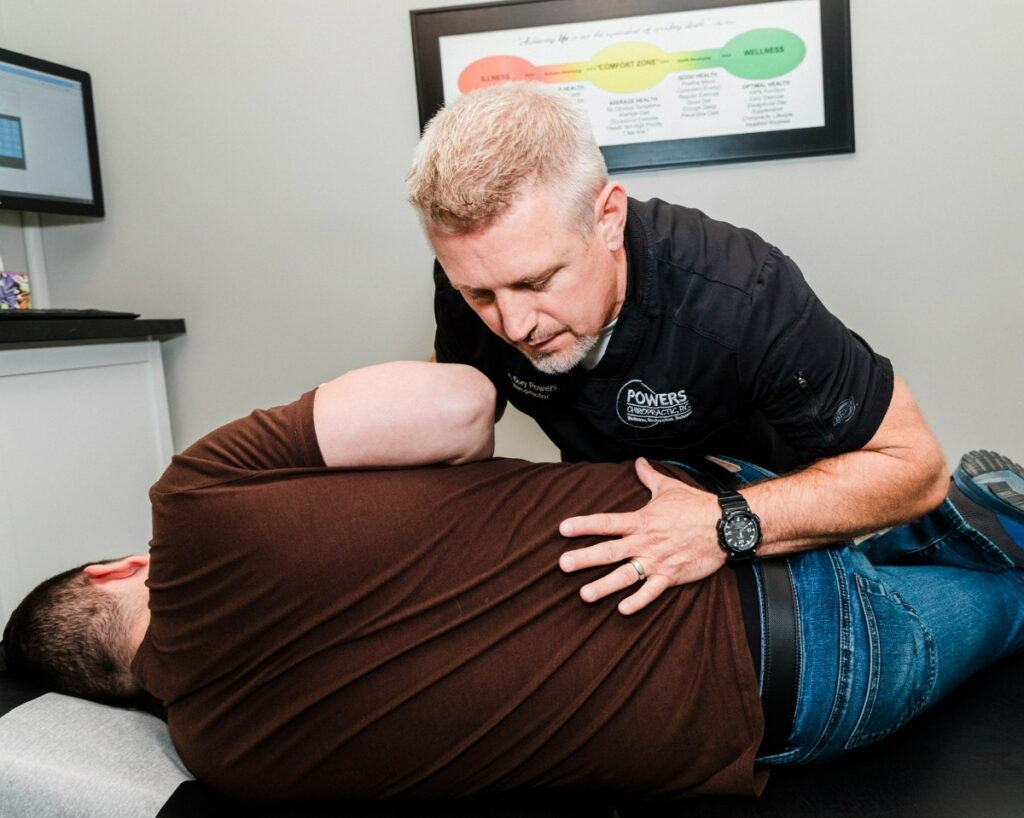
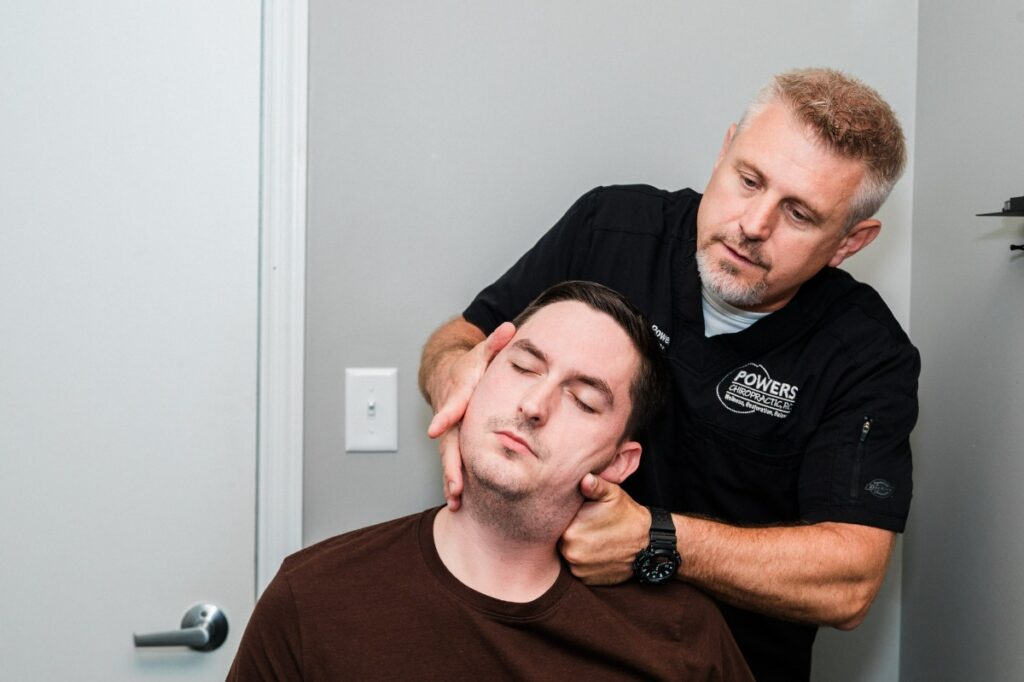
Beyond these basics, I encourage you to consider alternative therapies and lifestyle changes. Chiropractic care focuses on natural healing, and it can help address the root causes of your pain rather than just masking the symptoms. Techniques such as spinal adjustments, massage therapy, and even nutritional guidance can play a vital role in your recovery process.
Let’s work together to explore these options so you can achieve lasting relief and reclaim control over your well-being. Remember, your journey to a pain-free life is within reach!
Understanding the Causes of Lower Back Pain
As your local chiropractor, I want to help you understand the various factors that can contribute to lower back pain, which is a common issue many people face. It’s crucial to recognize what might be causing your discomfort so we can work together towards relief.
Lower back pain often arises from muscle strains, which can occur from heavy lifting or sudden, awkward movements. Additionally, poor posture—whether from sitting at a desk for long hours or standing improperly—can lead to chronic problems that affect your overall well-being. Conditions such as herniated discs or arthritis can also play a significant role in your pain.
Lifestyle choices are another important aspect to consider. Being overweight or leading a sedentary lifestyle can impose extra strain on your back, making discomfort more likely. Moreover, stress and tension can cause your muscles to tighten, further aggravating your pain.
It’s essential to be aware of how your daily habits might be impacting your back health. As we explore these potential triggers together, I encourage you to think about how they relate to your personal situation. Identifying the root cause of your pain is a vital step in finding the right path to relief.
Stretching Techniques for Immediate Relief
As a local chiropractor dedicated to helping you find relief from lower back pain, I want to share some effective stretching techniques that can provide immediate comfort and aid in your healing process.
Let’s begin with a gentle stretch known as the child’s pose. To perform this, kneel on the floor, sit back on your heels, and extend your arms forward while lowering your chest toward the ground. Hold this position for at least 30 seconds. This stretch is excellent for releasing tension in your lower back.
Next, I recommend the knee-to-chest stretch. Lie on your back and gently pull one knee toward your chest, holding it for 15-30 seconds. Afterward, switch legs and repeat. This stretch is beneficial for loosening tight muscles in your lower back.
Another effective stretch is the cat-cow stretch. Start by getting on all fours. Arch your back upwards like a cat, and then dip it down while lifting your head, mimicking a cow. Repeat this movement for about 30 seconds. This dynamic stretch can help improve flexibility and relieve stress in your spine.
Incorporating these simple stretches into your routine can greatly enhance your comfort and support your overall healing journey.
If you have any questions about these techniques or how chiropractic care can assist you, feel free to reach out!
Strengthening Exercises to Support Your Back
As a local chiropractor, I want to emphasize the importance of strengthening exercises for supporting your back.
Incorporating core stability workouts and flexibility routines into your daily routine is crucial for building resilience and improving mobility. These practices not only enhance your overall strength but also play a significant role in reducing the risk of future pain.
By focusing on these exercises, you can help your body maintain better alignment and function, which is essential for long-term health and well-being.
Remember, a strong core supports your spine, making it less susceptible to injury.
Let’s work together to create a personalized plan that fits your needs and promotes natural healing.
Core Stability Workouts
As a chiropractor, I want to emphasize the importance of core stability workouts in supporting your back health. These exercises are crucial in strengthening the muscles that stabilize your spine, which can help alleviate and prevent lower back pain.
By concentrating on your core, you not only enhance your overall stability but also improve your posture and balance.
Exercises such as planks, bridges, and bird-dogs are particularly effective because they engage multiple muscle groups. This engagement ensures that your spine is well-supported during your daily activities, reducing strain on your back.
I recommend incorporating core stability workouts into your routine at least two to three times a week. Start with manageable intensity and gradually increase it as you become stronger.
Remember, consistency is essential for seeing results. Always listen to your body, and don’t push through any pain.
With commitment to these exercises, you can build a solid foundation that protects your back and enhances your overall well-being. Your journey to better health can greatly benefit from understanding and practicing these natural healing techniques.
Flexibility and Mobility Routines
As a local chiropractor, I want to emphasize the importance of incorporating flexibility and mobility routines into your daily life to support your back health. These exercises are vital for enhancing your range of motion, alleviating stiffness, and preventing potential injuries.
I recommend starting with gentle stretches, such as the cat-cow and child’s pose, which can help release tension in your back. Additionally, dynamic movements like hip circles and torso twists are excellent for improving mobility.
Practices like yoga and Pilates can also be beneficial, as they not only increase flexibility but also strengthen the muscles that support your spine.
Consistency is key; aim to practice these routines several times a week to experience the best results. Always listen to your body—if you feel pain, it’s important to stop and reassess.
By integrating these exercises into your routine, you’ll provide your back with the support it needs and promote your overall health and well-being. Remember, a flexible back contributes to a healthier back!
If you have any questions or need guidance, don’t hesitate to reach out. Your health is my priority!
The Role of Posture in Back Health
As a local chiropractor, I want to emphasize the critical role that your posture plays in maintaining your back health. It’s not just about how you sit; your posture affects everything from your comfort levels to your overall spinal alignment.
Many people are unaware that poor sitting habits can put unnecessary strain on your lower back, leading to discomfort and pain. That’s why it’s essential to adopt ergonomic practices in your daily life.
By making small adjustments to your workspace and the way you sit, you can significantly reduce the risk of back pain. Additionally, incorporating exercises that promote better posture into your routine can help strengthen the muscles that support your spine, further enhancing your well-being.
Importance of Ergonomic Alignment
As a local chiropractor, I want to emphasize the critical importance of ergonomic alignment when it comes to your back health and the prevention of lower back pain. Many people are unaware that maintaining proper alignment while sitting, standing, or moving can significantly affect their well-being.
When your body is aligned correctly, you distribute your weight evenly, which minimizes strain on your spine and surrounding muscles.
I encourage you to focus on key elements of your posture: keep your shoulders back, align your head over your spine, and position your hips appropriately. This practice supports a neutral spine, which is essential for stability and comfort throughout your day.
Investing in ergonomic furniture, such as chairs and desks designed to promote ideal posture, can make a remarkable difference in your daily routine. By prioritizing your alignment, you’re not just improving your posture; you’re creating a supportive environment that fosters healthy habits and significantly reduces the risk of discomfort and pain in your lower back.
Take control of your posture today! If you have questions or need guidance on how to achieve better alignment, don’t hesitate to reach out. Together, we can work towards a healthier, pain-free life.
Impact of Sitting Habits
As a local chiropractor, I want to share some important insights about how your sitting habits can significantly impact your spinal health and overall well-being.
Research indicates that poor sitting posture can be a major contributor to lower back pain. When we slouch or remain seated for long periods without proper back support, our spine can lose its natural alignment, leading to increased strain on the surrounding muscles.
If you find yourself hunched over your computer or leaning forward in your chair, you may be putting extra pressure on your lower back, which can result in discomfort and stiffness over time.
It’s crucial to be aware of your posture throughout the day. I recommend keeping your feet flat on the floor, ensuring your back is straight, and allowing your shoulders to relax.
Investing in an ergonomic chair can also be a great way to support healthy sitting habits. By making these adjustments to your posture, you can significantly lower your risk of developing chronic back issues.
Exercises for Better Posture
As a local chiropractor, I want to emphasize that improving your posture goes beyond just sitting up straight; it requires a dedicated approach that involves specific exercises to strengthen the muscles that support your spine.
One of the foundational exercises I recommend is the plank. This exercise engages your core, which is essential for stabilizing your back.
In addition, wall angels are fantastic for opening up your chest and stretching those tight shoulders that many of us develop from prolonged sitting.
Don’t overlook the bridge exercise, which targets your glutes and lower back, helping to promote better alignment throughout your body.
Incorporating yoga poses, such as the cat-cow, can also be incredibly beneficial. These poses not only improve flexibility but also enhance your awareness of spinal alignment.
As you engage in these exercises, remember the importance of your breathing; it plays a crucial role in keeping you relaxed and mindful of your body’s position.
Consistency is vital in this practice. I encourage you to incorporate these exercises into your routine several times a week.
By strengthening these key muscle groups, you’ll not only enhance your posture but also significantly reduce the risk of lower back pain, leading to a healthier, more balanced life.
If you have any questions or need personalized guidance, feel free to reach out to our office. We’re here to support your journey to better health!
Alternative Therapies for Pain Management
As a local chiropractor dedicated to promoting natural healing, I want to share with you the benefits of alternative therapies for managing lower back pain. While traditional treatments often rely on medication and surgery, there are numerous holistic approaches that can effectively alleviate discomfort and enhance your overall well-being.
One of the key methods I use in my practice is chiropractic adjustments. These adjustments help realign your spine, which can significantly improve mobility and reduce pain. Many patients find relief from chronic pain through this gentle, hands-on technique that focuses on restoring proper function to the nervous system.
In addition to chiropractic care, I often recommend massage therapy. This approach not only relaxes tight muscles but also improves blood circulation, which is crucial for recovery. Massage can complement spinal adjustments, helping to release tension and promote healing.
I also encourage my patients to explore practices like yoga and tai chi. These disciplines incorporate gentle movements and deep breathing, fostering both flexibility and strength while simultaneously reducing stress. They can be a great addition to your pain management routine.
Furthermore, herbal remedies and dietary supplements, such as turmeric and ginger, can provide anti-inflammatory benefits that support your healing journey. By considering these alternative therapies, you can adopt a more holistic approach to managing your lower back pain.
Empowering yourself with knowledge about these options can lead to better health outcomes and an improved quality of life. I’m here to guide you on this journey toward natural healing and pain relief.
Lifestyle Changes to Prevent Recurrence
As a local chiropractor, I want to share some essential lifestyle changes that can help you manage lower back pain and prevent it from coming back. While chiropractic care is a powerful tool for treating back pain, it’s equally important to incorporate certain habits into your daily routine for long-term relief.
First, make regular exercise a part of your life. Activities like walking, swimming, or practicing yoga can significantly strengthen your core muscles and enhance flexibility, both of which are crucial for a healthy back.
It’s also vital to be mindful of your posture, especially when you’re sitting for long periods or lifting heavy objects. Using ergonomic furniture can help alleviate strain on your back.
Maintaining a healthy weight is another key factor; carrying excess weight can put extra stress on your spine.
Don’t underestimate the power of sleep either—invest in a good mattress and pillow that support proper spinal alignment to ensure restorative rest.
Hydration and nutrition play significant roles in your overall health as well. A balanced diet rich in anti-inflammatory foods can reduce pain and promote healing in your body.
Additionally, managing stress is essential since it can lead to muscle tension. Consider incorporating relaxation techniques like meditation or deep breathing into your routine.
By adopting these lifestyle changes alongside your chiropractic care, you can greatly reduce the chances of your lower back pain returning.
When to Seek Professional Help
As a local chiropractor, I want to help you understand when it’s time to seek professional help for your lower back pain. If your discomfort persists for more than a few weeks, it’s wise to consult a healthcare provider, and I encourage you to consider chiropractic care as a natural healing option.
If you’re experiencing intense pain that doesn’t improve with rest or over-the-counter medications, it’s essential to take action.
Pay attention to any pain that radiates down your legs or is accompanied by symptoms like numbness, tingling, or weakness—these are signals your body is sending that shouldn’t be ignored.
Furthermore, if you experience loss of bladder or bowel control, it’s crucial to seek immediate medical attention, as this may indicate a more severe condition.
If your pain is making everyday activities difficult or affecting your ability to sleep, it’s time to reach out for professional advice.
Early intervention through chiropractic care can help alleviate your pain and prevent further complications.
Remember, you don’t have to live with discomfort. My goal is to help you regain your quality of life through natural healing methods.
Don’t hesitate to reach out and explore how chiropractic care can benefit you!
Conclusion
As a local chiropractor, I want to emphasize that incorporating certain techniques into your daily routine can significantly impact your ability to manage and prevent lower back pain. It’s essential to understand the underlying causes of your discomfort. By practicing specific stretching and strengthening exercises, along with maintaining proper posture, you can take proactive steps toward improving your back health.
In addition to these practices, I encourage you to consider alternative therapies and lifestyle changes as valuable components of your journey to long-term relief. Remember, if your pain persists, seeking professional help is crucial. We are here to guide you on the right path to recovery, ensuring you understand how chiropractic care and natural healing can work together to enhance your overall well-being.