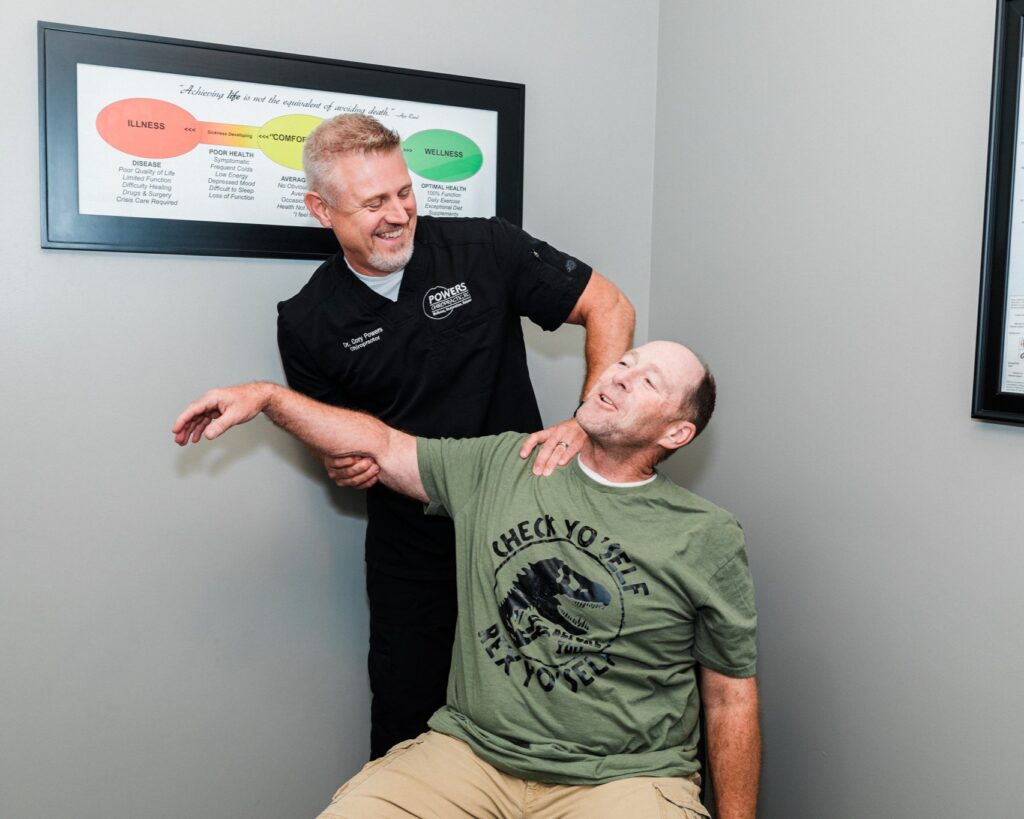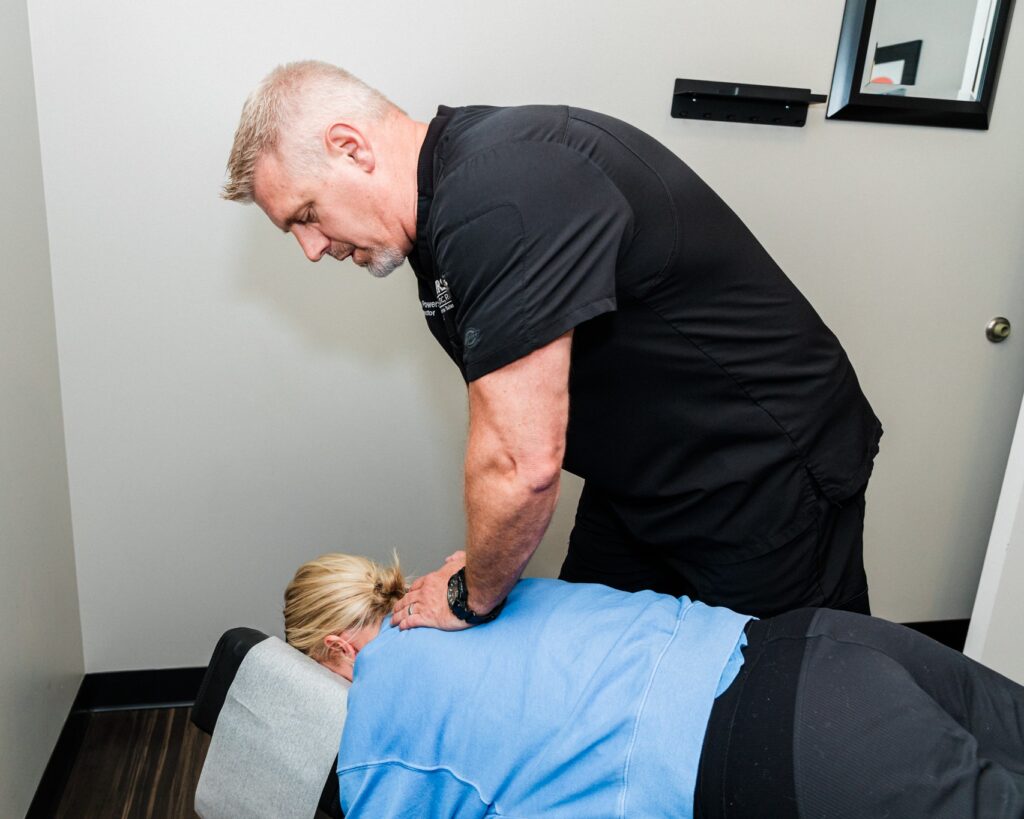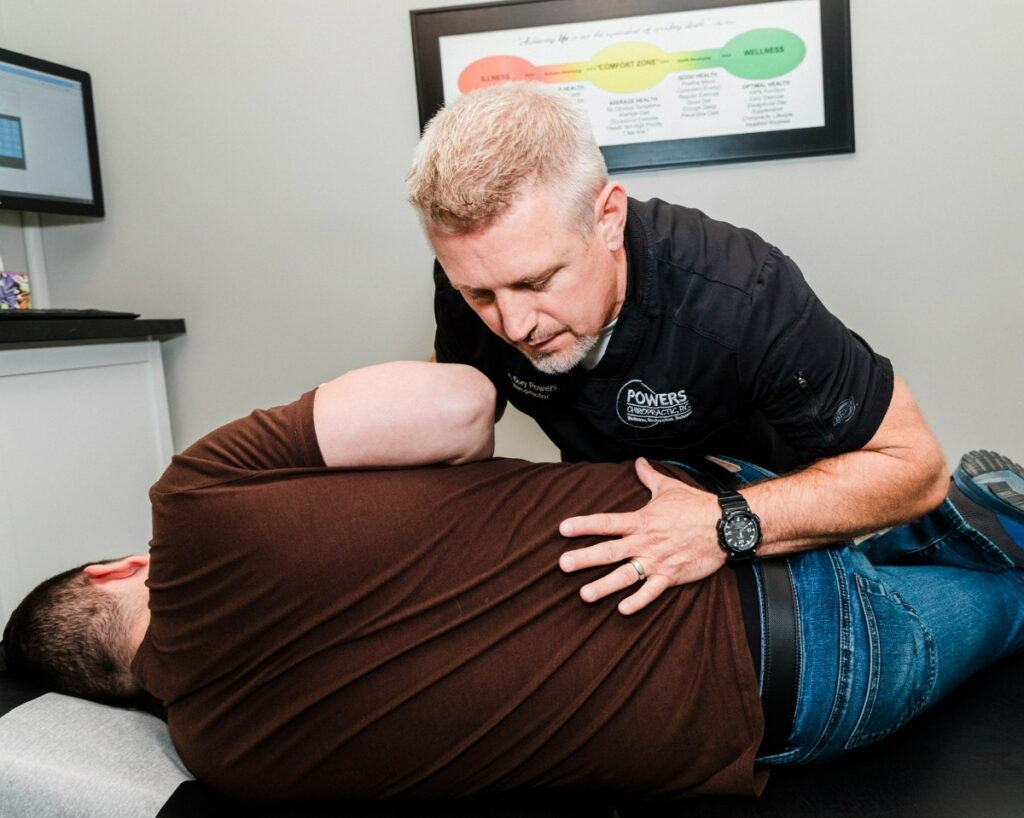

As a local chiropractor, I understand that back pain can be a frustrating hurdle in your daily life. Many of you may have experimented with different remedies, only to find that the relief is often temporary. It’s crucial to recognize that understanding the root causes of your pain is the first step towards lasting relief.
Simple adjustments can make a significant difference, and this begins with your everyday habits. From maintaining proper posture to adopting a balanced diet, there are natural strategies that can help you reclaim your comfort and well-being. Imagine if you could integrate these elements into a cohesive plan for better results.
In my practice, I focus on educating patients about how chiropractic care can enhance your healing process. By aligning your spine and improving nervous system function, we can work together to unlock the secrets to a pain-free back. Let’s delve into how these natural healing principles can transform your experience and help you live a more comfortable life.
Understanding the Causes of Back Pain
As a local chiropractor, I want to shed light on the many factors that can lead to back pain, beyond just the common thought of heavy lifting. It’s important to understand that poor ergonomics, stress, and even the way you sleep can significantly impact your back health.
For instance, if you often find yourself hunched over a desk or slouched on the couch, the muscles in your back can become overworked and strained. Additionally, stress can create muscle tension, leading to discomfort that may spread throughout your back.
And let’s not forget about sleep—if you sleep in an awkward position, it can misalign your spine, resulting in pain when you wake up.
Inactivity is another factor that shouldn’t be overlooked; weak muscles struggle to support your spine effectively, which can lead to additional strain and discomfort. Age and underlying medical conditions, such as arthritis or herniated discs, can also contribute to back pain.
By recognizing these various causes, you can take proactive steps toward relieving discomfort and preventing future problems. Understanding what contributes to your back pain is the first crucial step toward achieving relief and fostering a healthier back.
As your chiropractor, I’m here to guide you through this journey of natural healing and wellness.
The Importance of Proper Posture
As a local chiropractor, I want to emphasize how crucial proper posture is for preventing back pain and promoting overall well-being. Many people may not be aware that everyday posture mistakes can lead to discomfort and health issues down the line.
Let’s take a moment to discuss the numerous benefits of maintaining good posture and I’ll share some straightforward tips to help you improve your alignment.
Good posture not only alleviates strain on your back but also enhances your breathing, digestion, and even your mood. When your spine is properly aligned, your body can function optimally, allowing you to engage in daily activities without the burden of pain.
Here are a few simple tips to enhance your posture:
- Be Mindful of Your Sitting Position: Ensure that your feet are flat on the floor, your back is straight, and your shoulders are relaxed. Consider using ergonomic furniture if you spend long hours at a desk.
- Strengthen Your Core: A strong core supports your spine. Incorporate exercises that target your abdominal and back muscles.
- Take Frequent Breaks: If you’re sitting or standing for extended periods, make sure to take regular breaks to stretch and reposition.
- Use Proper Lifting Techniques: When lifting heavy objects, bend at your knees and keep the object close to your body, avoiding any strain on your back.
By incorporating these habits into your daily routine, you can greatly improve your posture and, in turn, your quality of life.
If you’re experiencing discomfort or would like personalized guidance, feel free to reach out to my office. Together, we can work towards a healthier, pain-free you!
Benefits of Good Posture
As a local chiropractor, I want to emphasize the importance of good posture in maintaining your overall health and well-being. Many people may not realize that proper posture can significantly alleviate back pain, enhance energy levels, and even boost your confidence.
When you sit or stand with your spine aligned, your muscles and joints function more effectively, which helps to reduce strain on your back. This alignment allows your body to move more efficiently, leading to less fatigue throughout the day.
Moreover, maintaining good posture can improve your breathing, allowing you to take in more oxygen and feel more alert. This is crucial for your daily activities and can enhance your mood and productivity.
Additionally, when you hold yourself confidently, you send positive signals to those around you, improving your interactions and relationships.
By consciously focusing on your posture, you’re not just investing in your physical health; you’re also nurturing your mental well-being. As a chiropractor, I encourage you to be mindful of your posture and consider how it affects your body and mind.
Together, we can work towards achieving a more aligned and healthier you.
Common Posture Mistakes
As a local chiropractor, I often see how subtle posture mistakes can creep into our daily lives, leading to discomfort and pain. Many of us find ourselves slouching while working on a computer or scrolling through our phones, unaware of the long-term consequences this can have on our backs.
It’s essential to understand that poor posture isn’t just a minor issue; it can contribute to significant back pain over time.
Another key point I want to highlight is the impact of prolonged sitting. When you remain seated for extended periods without taking breaks, your body craves movement to maintain its health. I encourage you to stand up, stretch, and walk around periodically throughout your day.
Additionally, leaning forward or craning your neck to look at screens can put unnecessary strain on your spine. You might also be surprised to learn that simply standing with your weight shifted to one leg can create imbalances that affect your overall posture.
By becoming aware of these common posture mistakes, you’re taking the first step towards alleviating back pain and enhancing your overall well-being.
Tips for Improvement
As a local chiropractor, I want to emphasize the importance of maintaining proper posture for your overall health and well-being. Many people don’t realize how much their daily habits impact their spine and back health. It’s vital to be mindful of your posture as you go about your day.
When you’re sitting, make sure your back is straight, your shoulders are relaxed, and your feet are flat on the floor. Investing in a chair that provides support for your lower back can make a significant difference.
While standing, try to distribute your weight evenly on both feet and engage your core muscles to help support your spine.
If you work at a desk, it’s crucial to adjust your computer monitor to eye level. This simple adjustment can reduce neck strain and help you maintain a better posture while working.
And when it comes to lifting objects, remember to bend your knees and keep the item close to your body to protect your back.
I encourage you to regularly check in with your posture throughout the day. Making these small adjustments can lead to significant improvements in your back health and overall wellness.
Taking care of your spine is an essential part of a holistic approach to health, and I’m here to help guide you on that journey.
Stretching and Strengthening Exercises
As a local chiropractor, I want to emphasize the importance of incorporating stretching and strengthening exercises into your routine to effectively alleviate back pain. Many of my patients have found that starting with gentle stretches, such as the cat-cow or child’s pose, can significantly improve flexibility and relieve tension in their backs.
These movements are designed to elongate tight muscles and promote better posture, which is crucial for maintaining spinal health.
In addition to stretching, I encourage focusing on strengthening exercises that target the core, back, and hips. Movements like planks and bridges are fantastic for stabilizing the spine and supporting your overall structure.
Consistency is key; even just a few minutes of these exercises each day can lead to noticeable improvements in your comfort and mobility.
Always pay attention to your body’s signals—if you experience pain during any exercise, it’s important to stop and make adjustments. As you become stronger, you can gradually increase the intensity and duration of your workouts.
Remember, a strong and flexible body is your best defense against back pain. By committing to this healthy routine, you may find not only relief but also enhanced mobility, allowing you to enjoy a more active and fulfilling life.
As always, I’m here to guide you on this journey to better health through natural healing practices.
The Role of Heat and Cold Therapy
As your local chiropractor, I want to share some valuable insights on how heat and cold therapy can significantly aid in alleviating back pain, alongside stretching and strengthening exercises.
When you apply heat to your back, it enhances blood circulation in the area, which promotes healing and helps to relax tight muscles. You can easily incorporate this into your routine by using a heating pad or enjoying a warm bath. Just remember to keep the temperature comfortable to prevent any risk of burns.
Conversely, cold therapy is effective for numbing pain and minimizing inflammation. Using ice packs or even a bag of frozen peas wrapped in a cloth can provide relief from sharp pain and swelling. I recommend applying cold therapy for about 15-20 minutes at a time to get the best results.
In my experience, many patients find that alternating between heat and cold can yield the most effective relief, as each method supports the other.
It’s essential to listen to your body and choose the therapy that feels most beneficial for your specific back pain. If you have any questions or need further guidance on these therapies, don’t hesitate to reach out!
Ergonomic Adjustments for Daily Activities
As your local chiropractor, I want to emphasize the importance of making ergonomic adjustments in your daily activities to help alleviate back pain and enhance your overall comfort.
Let’s start with your workstation. It’s essential to have a chair that supports your lower back, ensuring your feet rest flat on the floor. Position your computer screen at eye level to minimize any strain on your neck.
When it comes to lifting objects, always remember to bend your knees and keep the load close to your body. This technique is crucial in reducing pressure on your back and preventing injury.
If you find yourself sitting for extended periods, be sure to take regular breaks to stretch and move around—this can significantly improve your spinal health.
For those who drive frequently, adjusting your seat to maintain a neutral posture is vital. If necessary, use lumbar support to ensure your back is properly aligned.
In the kitchen, I encourage you to keep frequently used items within easy reach. This simple change can help you avoid awkward bending or stretching that may lead to discomfort.
Implementing these ergonomic adjustments can be a proactive step towards achieving a healthier back and overall well-being.
If you have any questions or need personalized guidance, don’t hesitate to reach out. Your health is our priority!
Exploring Alternative Therapies
As a local chiropractor, I want to share with you the benefits of exploring alternative therapies for back pain relief. While traditional treatments like medication and physical therapy can be effective, many of my patients have experienced significant improvements through natural healing methods.
One of the primary therapies I recommend is chiropractic care, which focuses on spinal adjustments to restore alignment and enhance your body’s natural function. By properly aligning your spine, we can alleviate pain and improve mobility, allowing your body to heal itself more effectively.
In addition to chiropractic adjustments, I encourage my patients to consider complementary practices like acupuncture. This ancient technique involves inserting fine needles at specific points on the body to help relieve pain and promote energy flow.
Yoga and Pilates are also excellent options to strengthen your core and increase flexibility, which can significantly reduce strain on your back. These practices complement chiropractic care by enhancing your overall physical condition.
Furthermore, mindfulness techniques such as meditation can be beneficial in managing pain. By promoting relaxation and reducing stress, you may find that your overall discomfort diminishes.
Massage therapy is another valuable tool in your pain relief journey. It can provide immediate relief by easing muscle tension and improving circulation, making it a great complement to chiropractic treatment.
I encourage you to explore these alternative therapies and find what resonates with you. It’s essential, however, to consult with a healthcare professional—such as myself—before starting any new treatment.
Together, we can determine the best approach tailored to your specific needs and conditions.
Nutrition and Its Impact on Back Health
As your local chiropractor, I want to emphasize the crucial connection between your diet and back health. The foods you consume can either support your healing process or exacerbate pain. By incorporating essential nutrients into your meals and steering clear of inflammatory foods, you can significantly improve how your back feels.
Nutrition plays a vital role in recovery, and it’s not just about avoiding pain; it’s about enhancing your overall well-being.
Let’s take a closer look at how the right dietary choices can support your spine and contribute to a healthier, more vibrant life. If you have questions about specific foods or how to tailor your diet for optimal back health, I’m here to help guide you on your journey to wellness.
Essential Nutrients for Healing
As a local chiropractor, I want to share with you the vital role that essential nutrients play in healing back pain and promoting overall spine health.
When you’re dealing with discomfort in your back, incorporating adequate protein into your diet is crucial, as it helps repair tissues that may have been damaged. Omega-3 fatty acids are another important nutrient; they help to reduce inflammation, which can be a significant factor in your pain.
It’s also important to consider vitamins and minerals. For instance, vitamin D is essential for strengthening your bones, and calcium plays a key role in maintaining structural integrity. Additionally, magnesium is critical for proper muscle function and can help alleviate tension in your back, which is often a source of discomfort.
Don’t overlook the power of antioxidants found in fruits and vegetables. These nutrients combat oxidative stress and promote healing throughout your body.
Staying hydrated is equally important; adequate water intake helps maintain the health of your spinal discs.
By focusing on a balanced diet rich in these essential nutrients, you can equip your body with the necessary tools for a more effective recovery.
If you’re looking for personalized guidance, I encourage you to consult with a nutritionist who can help tailor your diet specifically for optimal back health and healing.
Inflammatory Foods to Avoid
As a local chiropractor, I want to share some important information about managing back pain through dietary choices. Many patients are surprised to learn that the foods we consume can significantly impact inflammation levels in the body, which can exacerbate discomfort and slow down the healing process.
By avoiding certain inflammatory foods, you can support your recovery and promote better spinal health. Here are five types of foods to steer clear of:
- Sugar: Consuming high amounts of sugar can trigger increased inflammation, which may worsen back pain.
- Refined Carbohydrates: Foods like white bread, pastries, and other processed carbs can provoke inflammatory responses in the body.
- Trans Fats: These unhealthy fats, often found in processed foods, are known to elevate inflammation levels.
- Excessive Alcohol: Overindulging in alcohol can irritate your body and lead to increased inflammation, making recovery more challenging.
- Processed Meats: Many processed meats contain preservatives and additives that can contribute to inflammation.
By making mindful dietary choices, you can have a positive impact on your back health and overall wellness.
As you explore natural healing methods, remember that nutrition plays a key role in your journey towards pain relief and a healthier lifestyle.
The Benefits of Mindfulness and Relaxation Techniques
As a local chiropractor, I want to emphasize that while many treatments for back pain often focus solely on physical methods, incorporating mindfulness and relaxation techniques can significantly enhance your overall well-being.
By practicing mindfulness, you can train your mind to stay present, which can help reduce anxiety and stress that often worsen pain.
Consider techniques like deep breathing or meditation. These can help you connect with your body, allowing you to become more aware of any tension or discomfort you may be experiencing.
Additionally, relaxation methods such as progressive muscle relaxation can aid in releasing the built-up tension in your back and throughout your body.
These practices not only help alleviate pain but can also improve your mood, making it easier for you to cope with discomfort.
I often encourage my patients to engage in mindfulness and relaxation regularly, as it can promote better sleep, which is essential for healing and recovery.
As you explore these techniques, you’ll likely discover that they not only provide relief from back pain but also enhance your overall quality of life.
When to Seek Professional Help
As your local chiropractor, I want to help you understand when back pain might necessitate professional care. It’s crucial to recognize the signs that suggest it’s time to seek assistance rather than relying solely on home remedies. Here are some important indicators that you should consider:
- If your pain radiates down your legs or is accompanied by numbness, this could signal a more serious issue.
- Struggling to stand, walk, or perform everyday activities can be a sign that your back pain requires attention.
- Unexplained weight loss can sometimes be linked to underlying conditions that need to be addressed.
- Experiencing loss of bladder or bowel control is a critical symptom that shouldn’t be ignored.
- If you find that severe pain persists despite resting for several days, it’s vital to reach out for professional help.
If you notice any of these red flags, I encourage you to schedule a consultation.
As a chiropractor, I can provide a thorough evaluation to determine the root cause of your discomfort and develop a personalized treatment plan that focuses on natural healing.
Remember, getting help early can’t only alleviate your pain but also prevent further complications, enhancing your overall quality of life.
Your health is important, and I’m here to support you on your journey to wellness.
Developing a Personalized Pain Management Plan
As your local Chiropractor, I’m here to guide you in managing your back pain through a personalized plan that suits your individual needs.
It’s essential to start by identifying your specific pain triggers—understanding what exacerbates your discomfort is the first step to relief. Together, we can set realistic, achievable goals that focus on improving your overall well-being.
Next, we’ll explore various chiropractic techniques and natural healing methods that can provide effective relief. This may include spinal adjustments, exercises, and lifestyle modifications designed to support your recovery.
My goal is to help you find an approach that not only alleviates your pain but is also practical and sustainable for your everyday life.
Assessing Your Pain Triggers
As your local chiropractor, I’m here to help you understand the importance of recognizing what specific activities or habits might be contributing to your back pain. Understanding these triggers is essential for crafting a personalized pain management strategy that works for you.
One effective approach is to keep a pain diary. By noting when your discomfort arises and what you were doing at that moment, we can pinpoint patterns and develop targeted interventions.
Here are some common triggers to consider as you reflect on your daily activities:
- Poor Posture: Whether you’re sitting at a desk or standing in line, maintaining proper posture is crucial for spinal health. Slouching or leaning can strain your back.
- Improper Lifting Techniques: Lifting heavy objects without using your legs can lead to injury. It’s important to bend your knees and keep your back straight when lifting.
- Sedentary Lifestyle: Extended periods of inactivity or sitting can lead to stiffness and discomfort. Regular movement and stretching are vital for spinal health.
- Stress and Tension: Emotional stress can manifest physically, causing muscle tightness and pain. Finding ways to manage stress can greatly improve your overall well-being.
- Sleep Quality: Inadequate sleep or uncomfortable sleeping positions can exacerbate back pain. Investing in a supportive mattress and finding a comfortable sleeping posture can make a significant difference.
By identifying your personal pain triggers, we can work together to create a holistic approach to alleviate your discomfort and enhance your quality of life.
Setting Realistic Goals
As you begin your journey to alleviate back pain, it’s crucial to set realistic goals to create a personalized pain management plan.
First, take a moment to assess your current situation. Reflect on how your pain impacts your daily routines and pinpoint specific limitations you face. Rather than aiming for instant relief, break your overall objectives into smaller, achievable steps. For example, instead of expecting to run a marathon right away, you might start by aiming to walk for just ten minutes each day or incorporate gentle stretching into your routine.
As your local chiropractor, I encourage you to focus on these attainable milestones. Keep a record of your progress and be open to adjusting your goals as necessary.
Remember, healing takes time; patience is essential. While progress might seem slow at times, every small victory contributes to your overall well-being.
Choosing Effective Treatments
As a local chiropractor, I’m here to help you understand how to effectively manage your back pain through natural healing methods. It’s important to develop a personalized pain management plan that suits your unique needs.
Here are some effective treatment options to consider:
- Chiropractic care: Through spinal manipulation and adjustments, we can relieve pain and enhance your mobility. This holistic approach focuses on aligning the spine to promote overall health.
- Physical therapy: Collaborating with a physical therapist can help you strengthen your back and improve flexibility, which is crucial for maintaining a healthy spine.
- Medication: While I prefer natural methods, it’s important to know that over-the-counter or prescription pain relievers can be used to help manage discomfort if necessary.
- Injections: For cases of severe pain, cortisone or nerve block injections may provide temporary relief from inflammation, but they should be considered as part of a broader treatment plan.
- Mindfulness techniques: Incorporating practices like yoga or meditation can significantly reduce stress and improve your overall well-being, making it easier for your body to heal.
Remember, finding the right treatment for your back pain involves understanding your body and exploring various options.
I’m here to guide you on your journey to wellness!
Conclusion
As your local chiropractor, I want to help you understand that relieving back pain often starts with recognizing its underlying causes. By making simple adjustments to your daily habits, you can take meaningful steps towards feeling better.
First and foremost, focus on maintaining proper posture throughout your day. This can significantly reduce the strain on your back. Incorporating stretching and strengthening exercises into your routine can also work wonders in supporting your spine and improving overall flexibility.
Nutrition plays a crucial role, too. A balanced diet can help reduce inflammation and promote healing. Additionally, consider utilizing heat and cold therapy to alleviate discomfort, and explore mindfulness techniques to reduce stress, which can contribute to muscle tension.
It’s important to remember that if your pain persists, seeking professional help is key. As a chiropractor, I can work with you to develop a personalized pain management plan that addresses your specific needs. Together, we can help you on your journey to a healthier, pain-free back.