
As a local chiropractor, I understand that living with fibromyalgia can present numerous challenges when it comes to managing your symptoms. Fortunately, I’m here to share some natural approaches that can empower you to take control of your health and well-being.
Incorporating regular exercise into your routine can be a game-changer, as it helps improve circulation, reduce pain, and enhance overall mood. Additionally, exploring dietary changes can make a significant difference in how you feel, as certain foods may influence inflammation and pain levels.
You might be curious about how mindfulness and alternative therapies, including chiropractic care, can play a vital role in your journey to wellness. These strategies focus on holistic healing, aiming to address the root causes of your symptoms rather than just masking them. I invite you to explore these natural methods with me to discover what resonates best with your body and lifestyle. Together, we can work towards alleviating your fibromyalgia symptoms and improving your quality of life.
Incorporate Regular Exercise Into Your Routine
As a local chiropractor, I want to emphasize the importance of incorporating regular exercise into your routine, especially for those managing fibromyalgia symptoms. I understand that the idea of starting an exercise program can feel daunting, but I assure you that even small steps can lead to significant improvements in your overall well-being.
Begin with gentle, low-impact activities that are easier on your joints, such as walking, swimming, or cycling. These exercises not only help to keep your joints safe but also can elevate your mood and increase your energy levels. You don’t need to dedicate an hour to your workouts; just 10-15 minutes of activity each day can make a big difference.
As you become more comfortable, you can gradually increase the duration of your exercise sessions. Consistency is crucial, so aim to engage in physical activity several times a week. However, it’s essential to listen to your body and respect its limits. If you experience any pain, it’s important to modify your routine accordingly.
Consider joining a gentle exercise class designed for individuals with fibromyalgia. This can provide a supportive environment and motivation from others who may be experiencing similar challenges.
Remember, the goal isn’t to achieve perfection but to make progress at your own pace.
Explore Dietary Changes for Better Health
As a local chiropractor, I want to emphasize the importance of dietary changes in managing fibromyalgia symptoms and enhancing overall health. What you eat can significantly influence how you feel, so let’s focus on incorporating whole, unprocessed foods into your diet. By adding fruits, vegetables, whole grains, and lean proteins, you can provide your body with essential nutrients that may help reduce inflammation and improve your well-being.
Consider including sources of omega-3 fatty acids, such as fatty fish, walnuts, and flaxseeds, which have been shown to alleviate pain and stiffness associated with fibromyalgia.
It’s also beneficial to recognize and eliminate potential trigger foods. Many individuals with fibromyalgia have reported that gluten, dairy, and artificial additives can exacerbate their symptoms. Keeping a food diary can be a helpful tool to identify these triggers and understand your body’s responses.
Don’t underestimate the importance of staying hydrated. Make sure you’re drinking enough water throughout the day, and consider soothing alternatives like herbal teas or broths.
Lastly, I encourage you to practice portion control; eating smaller meals more frequently can help sustain your energy levels and promote a sense of well-being.
Practice Mindfulness and Stress Reduction Techniques
As a chiropractor, I want to share with you the importance of practicing mindfulness and stress reduction techniques to better manage fibromyalgia symptoms. By focusing on the present moment, you can significantly reduce anxiety and enhance your overall well-being.
I encourage you to integrate deep breathing exercises into your daily routine. Even a few minutes of intentional breathing can help alleviate tension and foster relaxation.
Meditation is another beneficial practice that I highly recommend. Whether you choose guided sessions or prefer quiet reflection, meditation can help clear your mind and reduce stress levels.
Additionally, gentle activities like yoga or tai chi combine movement with mindfulness, which can relieve pain and improve flexibility—both crucial for those dealing with fibromyalgia.
Don’t overlook the restorative power of nature; spending time outdoors can boost your mood and diminish stress.
Lastly, consider journaling your thoughts and feelings; this can provide clarity and a healthier perspective on your experiences.
Utilize Alternative Therapies for Symptom Relief
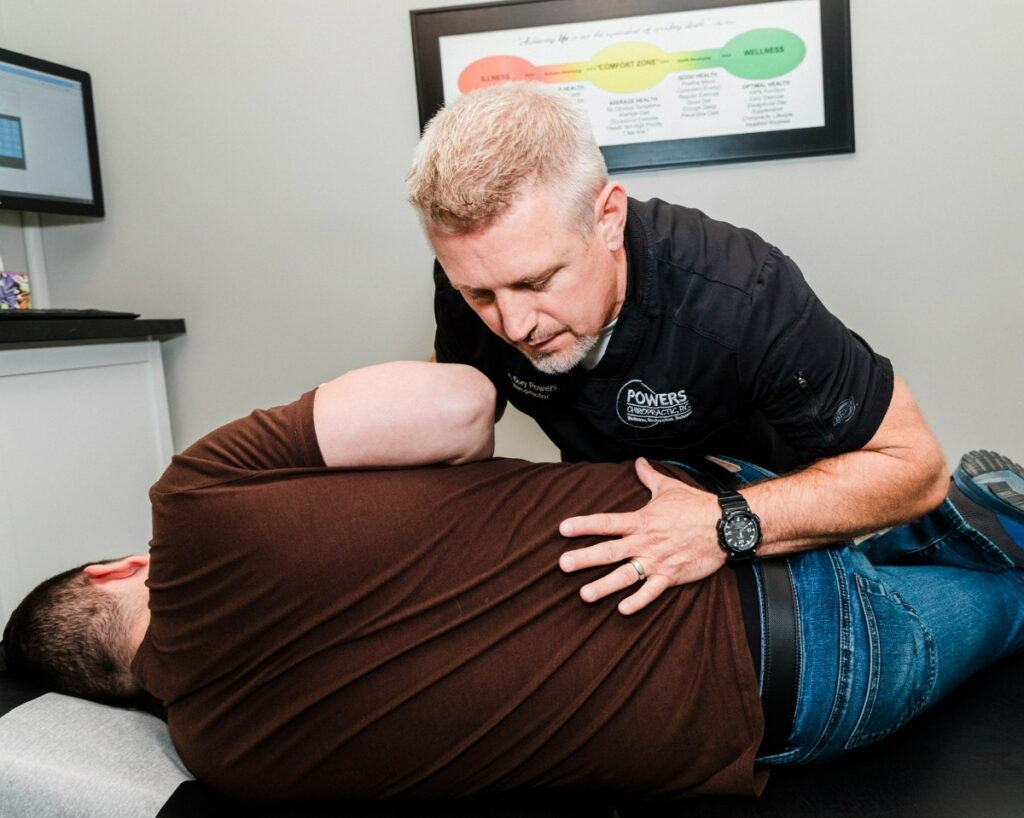
As a local chiropractor, I want to share some valuable insights on how alternative therapies can play a significant role in managing fibromyalgia symptoms alongside traditional treatments. Many of my patients have found relief through chiropractic care, which focuses on spinal manipulation to alleviate discomfort and improve mobility. This gentle approach can help reduce pain and enhance your overall sense of well-being.
In addition to chiropractic adjustments, I often recommend exploring massage therapy to ease muscle tension and promote relaxation. It’s a wonderful complement to chiropractic care, as it helps to soothe sore muscles and relieve stress.
Aromatherapy can also be beneficial; using essential oils such as lavender and eucalyptus in your home can create a calming atmosphere. These soothing scents have been known to reduce anxiety and elevate your mood, which is essential when managing fibromyalgia.
Furthermore, consider incorporating herbal supplements like turmeric and ginger into your daily routine. These natural anti-inflammatories may help reduce inflammation and provide additional symptom relief. However, it’s crucial to consult with your healthcare provider before starting any new therapies to ensure they align with your overall health plan.
By integrating these alternative therapies into your lifestyle, you can create a personalized fibromyalgia management strategy that not only targets your symptoms but also promotes your overall health and wellness.
If you’re interested in learning more about how chiropractic care and these complementary therapies can help you, feel free to reach out. I’m here to support you on your journey to feeling better.
Prioritize Sleep for Improved Recovery
As a local chiropractor, I want to emphasize the critical role that quality sleep plays in managing fibromyalgia symptoms and enhancing your overall health. When you prioritize sleep, you create the optimal environment for your body to heal and rejuvenate itself. For adults, aiming for 7-9 hours of uninterrupted sleep each night can significantly improve your recovery process.
To help signal to your body that it’s time to unwind, I recommend establishing a calming bedtime routine. This could include practices such as reading a book or listening to soothing music. It’s also important to limit screen time before bed; the blue light emitted by devices can disrupt your natural sleep cycle and make it harder for you to fall asleep.
Creating a comfortable sleep environment is equally essential. Make sure your bedroom is dark, quiet, and cool. Consider using blackout curtains to block out any light and a white noise machine to drown out distracting sounds.
If you find it challenging to fall asleep, relaxation techniques like deep breathing exercises or gentle stretching can be beneficial.
Lastly, be mindful of your evening habits. Avoiding caffeine and heavy meals close to bedtime can greatly enhance your chances of achieving restful sleep.
Conclusion
As a local chiropractor dedicated to your health, I want to share five natural strategies that can help you manage fibromyalgia symptoms and improve your overall well-being. First, engaging in regular exercise is essential; it keeps your body active and can significantly reduce pain levels. Additionally, making dietary changes to include nutrient-rich foods can empower your body and support its healing processes.
Mindfulness practices, such as meditation or yoga, are excellent for managing stress, which can exacerbate fibromyalgia symptoms. Furthermore, exploring alternative therapies, including chiropractic care, can provide you with the relief you need by focusing on your spine and nervous system. Lastly, never underestimate the power of quality sleep; it is crucial for your recovery and overall health.
I encourage you to start implementing these strategies today. By doing so, you may experience a noticeable improvement in how you feel each day. As always, I’m here to support you on your journey to better health through natural healing methods.