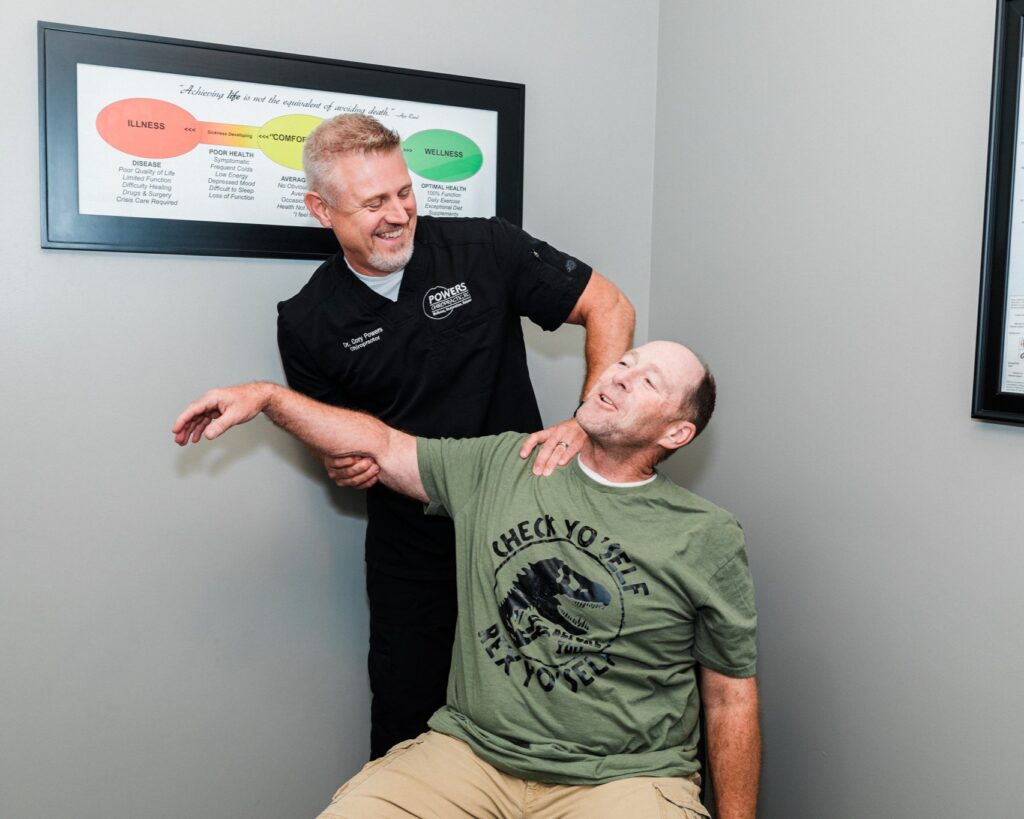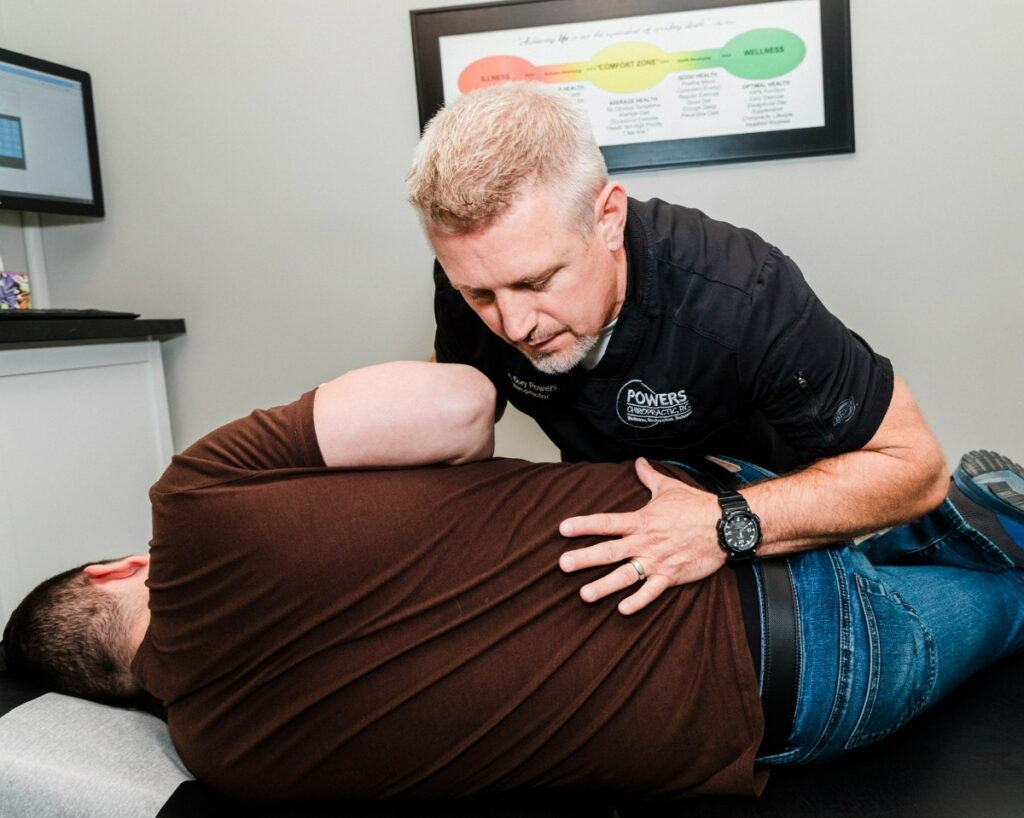

As a local chiropractor, I understand that living with chronic pain can feel daunting. However, I’m here to share that there are natural ways to alleviate your discomfort. You may be surprised at how effective some simple lifestyle changes can be. Techniques such as mindfulness practices, gentle exercises, and dietary modifications can play a vital role in your pain management journey.
By exploring these holistic approaches, you can empower yourself to take charge of your health and well-being. Let’s delve into some strategies that I believe can significantly enhance your daily life and help you manage your pain more effectively. Together, we can find the right combination of natural healing methods that work for you.
Mindfulness and Meditation
As a local chiropractor, I want to share how mindfulness and meditation can be valuable allies in managing chronic pain. Many of my patients find that by focusing their attention on the present moment, they can significantly reduce the stress and anxiety that often accompany pain.
When you practice mindfulness, you learn to observe your thoughts and feelings without judgment, which helps create a mental buffer between you and your discomfort.
To get started, I recommend simple breathing exercises. Take a few deep breaths, allowing the air to fill your lungs, and consciously let go of tension with each exhale.
Once you feel comfortable, consider incorporating guided meditations that are specifically tailored for pain relief. These practices can help you visualize a pain-free state, shift your mindset, and alleviate discomfort.
As you establish a regular mindfulness practice, you’ll become more attuned to your body’s pain signals, enabling you to respond thoughtfully rather than react impulsively.
Embracing this approach not only fosters resilience but also enhances your overall quality of life while managing chronic pain more effectively.
Exercise and Physical Activity
As a local chiropractor, I want to emphasize how finding balance in your life can significantly impact your ability to manage chronic pain. One of the most effective ways to achieve this balance is by incorporating exercise into your daily routine. Regular physical activity is essential for improving strength, flexibility, and endurance, all of which can help alleviate discomfort and promote overall well-being.
If you’re just starting out, I recommend beginning with low-impact exercises such as walking, swimming, or yoga. These activities are gentle on the body and can help you avoid overexertion while still providing great benefits. It’s crucial to listen to your body; if something doesn’t feel right, don’t hesitate to adjust your activity or reduce the intensity.
Aim for at least 30 minutes of moderate exercise on most days. If that feels overwhelming, remember you can break it into shorter sessions throughout the day.
Furthermore, let’s not overlook the mental health benefits of exercise. Physical activity releases endorphins, which can significantly boost your mood and help reduce stress levels. This is especially important for those managing chronic pain.
I encourage you to explore new activities or classes that pique your interest. Finding a workout buddy can also enhance your motivation and keep you accountable on your wellness journey.
Above all, consistency is key—make movement a regular part of your day, and you’ll likely notice a positive impact on your pain management and overall health. Remember, as your chiropractor, I’m here to support you in this journey towards natural healing and improved quality of life.
Dietary Changes and Nutrition
As a local chiropractor, I want to emphasize the significant impact your diet can have on managing chronic pain. Many patients may not realize that the foods you choose can either help or hinder your healing process.
By incorporating anti-inflammatory foods into your meals and staying well-hydrated, you can positively influence your pain levels.
Focusing on nutrient-dense meals is crucial—not only do they provide essential nourishment for your body, but they also support your overall well-being.
In conjunction with chiropractic care, making mindful dietary choices can enhance your recovery and improve your quality of life.
Anti-inflammatory Foods Selection
As a local chiropractor, I’m here to help you understand how incorporating anti-inflammatory foods into your diet can significantly alleviate chronic pain and enhance your overall well-being.
It’s essential to focus on including a variety of fruits and vegetables in your meals. Berries, leafy greens, and tomatoes are particularly beneficial as they’re rich in antioxidants that support your body’s natural healing processes.
Fatty fish, such as salmon and mackerel, are excellent sources of omega-3 fatty acids, which are known for their powerful anti-inflammatory properties. Including whole grains, nuts, and seeds in your diet can also provide valuable nutrients that help reduce inflammation and promote healing.
Don’t overlook the power of spices in your cooking! Turmeric and ginger are two spices that have been shown to have strong anti-inflammatory effects. By adding these to your meals, you can further support your body in managing pain.
It’s also important to minimize the intake of processed foods, refined sugars, and trans fats, as these can contribute to increased inflammation in your body.
By making these dietary adjustments, you’re not only taking steps to manage your pain more effectively but also enhancing your overall health and vitality.
I encourage you to embrace these nourishing foods as part of a supportive diet. Together with chiropractic care, these lifestyle changes can create a strong foundation for your health and well-being.
Hydration and Pain Relief
As a local chiropractor, I often find that many of my patients overlook the significant role hydration plays in managing chronic pain. Staying well-hydrated is crucial for optimal pain management. Water helps keep your joints lubricated and can reduce inflammation, which in turn can alleviate discomfort.
When you’re dehydrated, your body may become more sensitive to pain signals, making your chronic pain feel even more intense. I recommend aiming for at least eight glasses of water a day, but you may need to adjust this based on your activity level and the climate you live in.
Additionally, herbal teas and broths can also help you meet your hydration needs. It’s interesting to note that our bodies can sometimes confuse thirst with hunger, so staying properly hydrated may also help you avoid unnecessary snacking.
Nutrient-Dense Meal Planning
As a local chiropractor, I want to emphasize the importance of hydration and nutrition in managing pain effectively. While many people often think of chiropractic adjustments as the primary solution, what you eat plays a vital role in your overall wellness and pain management.
By focusing on nutrient-dense meals, you can significantly impact your pain levels and enhance your overall health. Incorporating whole foods into your daily diet—such as fresh fruits, colorful vegetables, lean proteins, and healthy fats—can provide your body with the essential nutrients it needs.
These foods are packed with antioxidants, vitamins, and minerals that help reduce inflammation and support your body’s natural healing processes. I encourage you to consider meal prepping as a strategy to ensure that you always have nutritious options readily available.
Additionally, don’t hesitate to experiment with anti-inflammatory herbs and spices like turmeric and ginger, which can enhance both the flavor of your meals and their health benefits.
Herbal Remedies and Supplements
As your local chiropractor, I want to share some valuable insights about managing chronic pain through natural healing methods, including herbal remedies and supplements. Many of my patients have found relief from their discomfort by incorporating natural ingredients into their wellness routines.
For example, turmeric is rich in curcumin, which is renowned for its anti-inflammatory properties. This can be particularly beneficial for reducing inflammation that contributes to pain.
Similarly, ginger is another effective option that can help alleviate muscle pain and soreness, making it a great addition to your diet. Additionally, willow bark has a long history of use as a natural pain reliever, often drawing comparisons to aspirin for its effectiveness.
In addition to these herbs, I recommend considering supplements like omega-3 fatty acids and magnesium. Omega-3s, commonly found in fish oil, can help lower inflammation in the body, while magnesium plays a crucial role in muscle relaxation and overall wellness.
Before you begin any herbal remedy or supplement, I strongly advise discussing it with a healthcare professional. This ensures that we tailor a plan that suits your individual needs and avoids any potential interactions with medications you may be taking.
Acupuncture and Acupressure
As a local chiropractor, I want to introduce you to the powerful, natural methods of pain management through acupuncture and acupressure.
These techniques focus on specific points in the body to promote healing and relaxation, which can complement your chiropractic care.
Acupuncture involves the insertion of fine needles at key points to stimulate energy flow and alleviate pain.
While some may experience slight discomfort during the process, many find the relief it provides to be both soothing and effective.
In contrast, acupressure uses your fingers or hands to apply pressure to these same points, offering a convenient self-care option you can practice anytime and anywhere.
Both acupuncture and acupressure can help reduce inflammation, enhance circulation, and trigger the release of endorphins—your body’s natural painkillers.
If you’re interested in these techniques, I recommend seeking out a qualified practitioner for acupuncture or exploring basic acupressure methods you can apply at home.
Regular use of these practices can lead to significant improvements in your pain levels and overall well-being, enhancing your quality of life in a natural and holistic way.
Heat and Cold Therapy
As a local chiropractor, I understand that managing chronic pain can seem overwhelming at times. However, I want to introduce you to two incredibly effective methods—heat and cold therapy—that can help you find relief and support your healing journey.
Heat Therapy: This method is excellent for relaxing tight muscles and enhancing blood flow. You can easily apply heat using a heating pad, a warm towel, or a hot water bottle. This warmth can soothe discomfort and promote relaxation, which is vital in the healing process.
Cold Therapy: On the other hand, cold therapy is fantastic for numbing pain and reducing inflammation, especially after physical activity. Ice packs or cold compresses can be your best friends when it comes to managing swelling and discomfort in specific areas.
Timing Matters: Knowing when to use heat or cold is crucial. I recommend applying heat for stiffness and cold for swelling. This way, you can tailor your approach based on the type of pain you’re experiencing.
Duration is Key: It’s important to limit each application to about 15-20 minutes. This will help you avoid any potential skin damage while still reaping the benefits of each therapy.
Safety First: Always remember to use a barrier, like a cloth, between your skin and the heat or cold source. This ensures you’re treating yourself safely and comfortably.
By incorporating these strategies into your routine, you can take significant steps toward managing chronic pain more effectively.
As your chiropractor, I’m here to support you in exploring these natural healing methods and finding the best solutions for your individual needs.
Massage Therapy and Bodywork
As a local chiropractor, I want to share how massage therapy can be an effective component in managing chronic pain and promoting overall wellness.
This form of bodywork offers not only relief but also relaxation, helping to ease tension and discomfort. There are various techniques within massage therapy, each designed to address specific concerns and needs.
By exploring these options, you can find what best supports your healing journey. Integrating massage with chiropractic care can enhance your pain management and improve your overall quality of life.
Let’s work together to discover the best approach for you!
Benefits of Massage Therapy
As a local chiropractor, I often emphasize the incredible benefits of massage therapy, especially for individuals grappling with chronic pain.
Integrating massage into your wellness routine can significantly enhance both your physical and emotional health. By choosing this natural healing method, you may find relief from pain, increased mobility, and a deeper sense of relaxation.
Here are some important benefits of massage therapy that I encourage my patients to consider:
- It alleviates muscle tension and stiffness, which is crucial for maintaining flexibility and comfort in daily activities.
- Improved circulation not only promotes healing but also helps in delivering essential nutrients to your muscles and tissues.
- Regular sessions can significantly reduce anxiety and stress levels, fostering a more balanced emotional state.
- Many of my patients report enhanced sleep quality and relaxation, which are vital for overall health.
- Lastly, massage therapy can boost your overall mood and well-being, making it an excellent complement to chiropractic care.
Incorporating massage therapy into your health regimen can be a valuable step toward achieving a more vibrant and pain-free life.
Types of Bodywork Techniques
As a local chiropractor, I want to introduce you to the diverse world of bodywork techniques that can significantly enhance your journey toward pain relief and relaxation.
For instance, Swedish massage employs gentle strokes that can improve circulation and alleviate tension in your muscles. If you’re dealing with chronic pain or stiffness, deep tissue massage may be beneficial, as it targets deeper muscle layers to provide effective relief.
For those interested in a more holistic approach, acupuncture might be a great option. This technique works by stimulating specific points in the body to promote healing from within.
Additionally, myofascial release focuses on the connective tissues, helping to relieve pain and improve your overall mobility.
Each bodywork technique offers unique benefits, and I encourage you to explore them to see what resonates with you personally.
It’s essential to remember that consulting with a licensed practitioner, like myself, ensures you receive tailored care that meets your specific needs. This personalized approach can greatly enhance your bodywork experience and support your journey to better health through natural healing.
Conclusion
As a local chiropractor, I want to share with you some effective natural methods for managing chronic pain that can complement your treatment. Incorporating practices like mindfulness can help you stay present and reduce stress, which is crucial for pain management. Staying active is also vital; gentle exercises tailored to your needs can strengthen your body and improve mobility.
Making informed dietary choices plays a significant role in your overall wellness and can aid in reducing inflammation. Additionally, don’t overlook the profound benefits of herbal remedies and alternative therapies such as acupuncture and massage; these can greatly enhance your well-being and support your healing journey.
It’s important to listen to your body and pay attention to how it responds to different treatments. Together, we can explore these strategies to help you take control of your pain and work towards living a fuller, more vibrant life. Remember, you have the power to empower your body through natural healing methods.