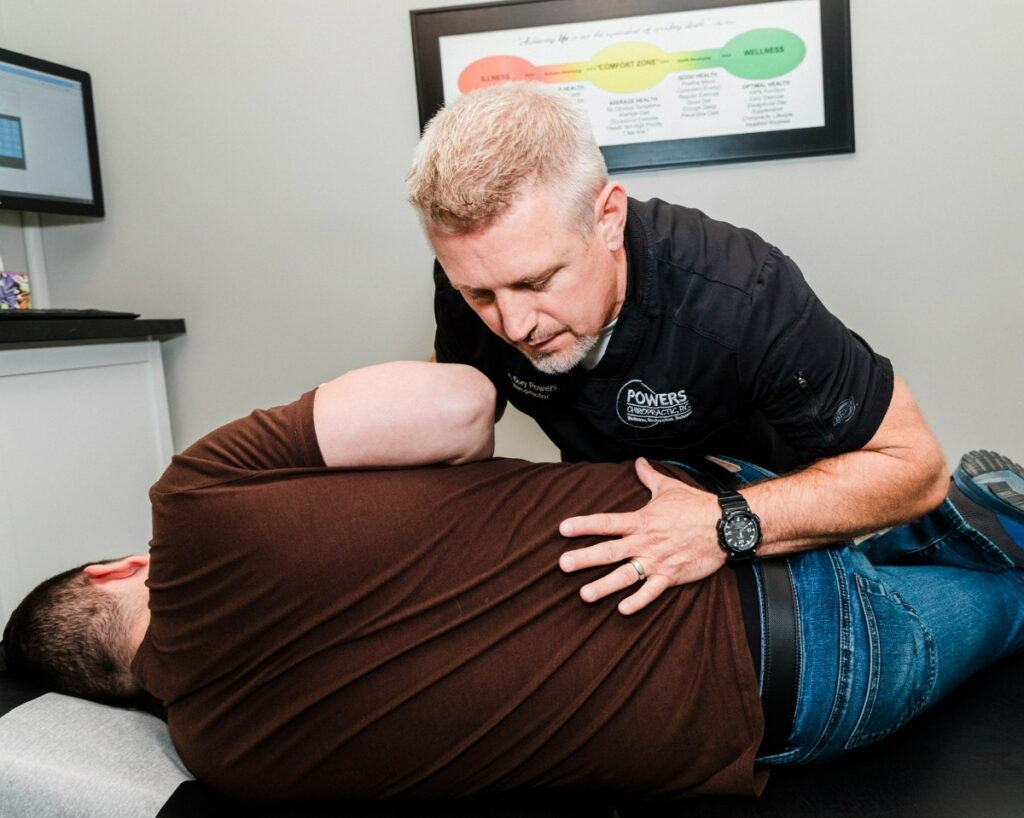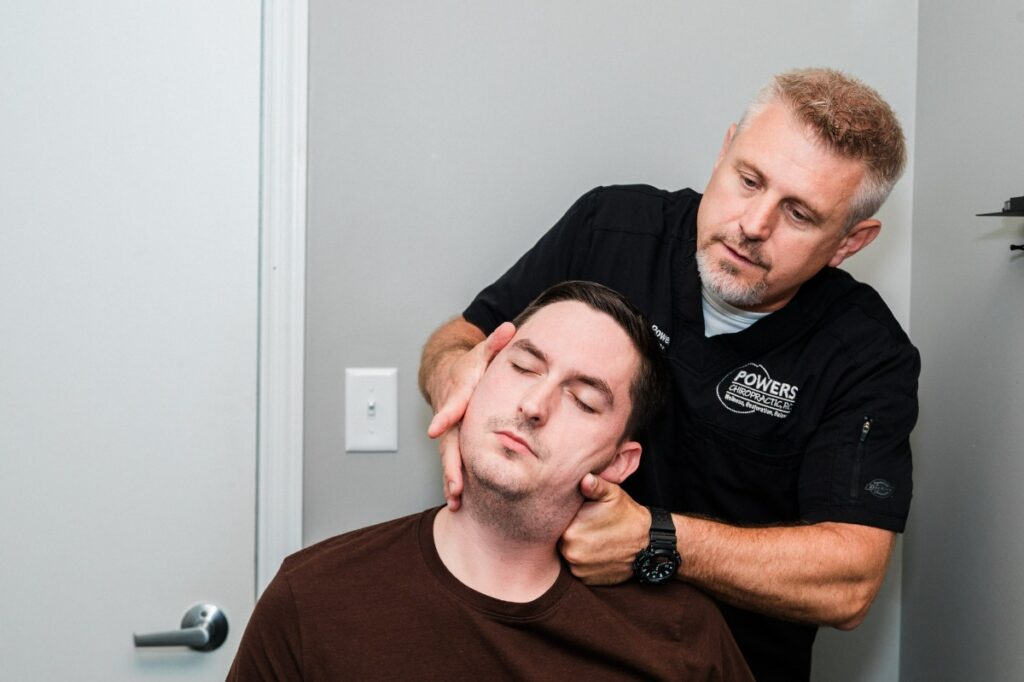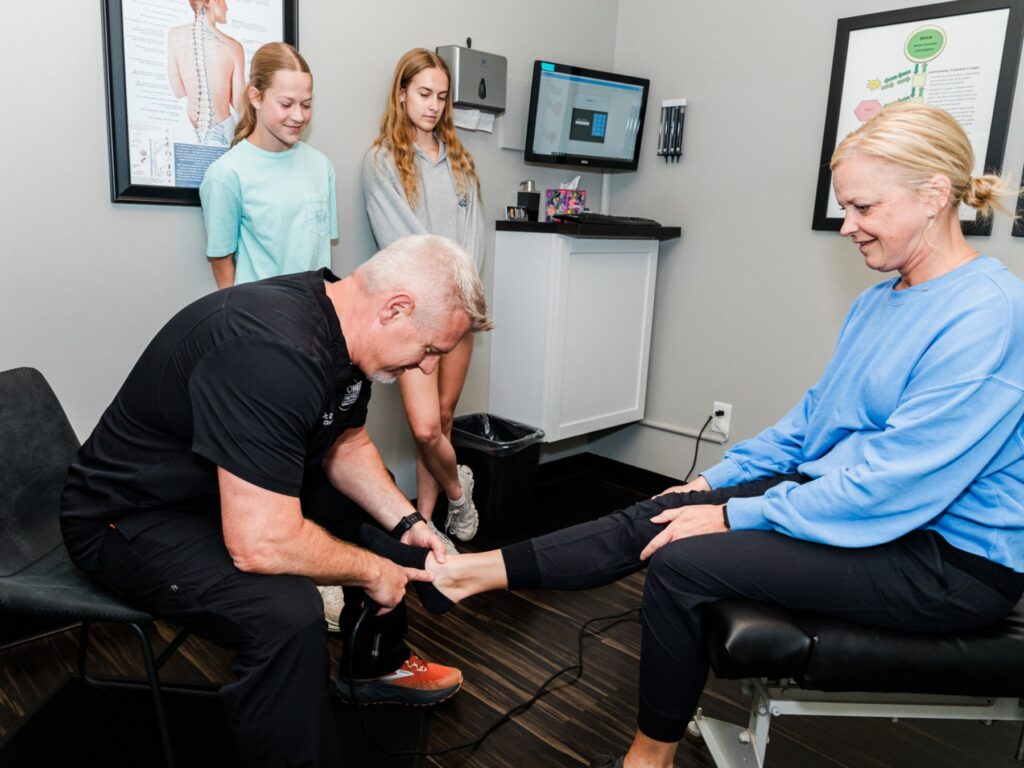

As a local chiropractor, I understand that chronic pain can be a daunting experience for many. However, it’s important to know that you don’t have to rely solely on medication for relief. There are numerous natural methods that can effectively help manage your discomfort. Techniques such as mindfulness, gentle exercises, and chiropractic adjustments can significantly improve your overall well-being.
If you’re curious about how chiropractic care and other natural healing strategies can make a difference in your life, I invite you to explore some practical solutions with me. Together, we can create a tailored approach that not only addresses your pain but also enhances your daily routine and quality of life. Let’s take a step toward a healthier, pain-free future!
Mindfulness and Meditation
As a chiropractor, I want to share how mindfulness and meditation can significantly enhance your experience with chronic pain. By focusing your attention on the present moment, you can alleviate the emotional distress that often comes hand-in-hand with chronic pain. Engaging in mindfulness practices allows you to observe your pain without judgment, which can help reduce its intensity and impact on your daily life.
Incorporating meditation into your routine can teach you valuable techniques to calm your mind and body, fostering a sense of peace even when discomfort arises. As you become more attuned to your thoughts and feelings, you may start to identify patterns that contribute to your pain. This heightened awareness empowers you to respond to pain differently, building your resilience over time.
Moreover, regular meditation can activate your body’s relaxation response, which helps decrease muscle tension and promotes overall well-being.
As a chiropractor, I often see how combining these mindfulness practices with spinal adjustments and other natural healing methods can create a holistic approach to managing chronic pain. By embracing these techniques, you can take an active role in your healing journey and enhance your quality of life.
Physical Activity and Exercise
As a local chiropractor, I want to emphasize the importance of incorporating physical activity and exercise into your daily routine, especially when managing chronic pain.
Engaging in low-impact exercises, stretching to enhance flexibility, and participating in strength training can significantly improve your overall well-being.
These activities not only help alleviate pain but also promote natural healing and enhance your quality of life.
Let’s discuss how these exercises can support your journey toward better health and wellness, and how chiropractic care can complement your efforts in achieving a pain-free lifestyle.
Low-impact Exercises Benefits
As a local chiropractor, I understand that chronic pain can make the idea of physical activity seem daunting. However, I want to emphasize the significant benefits of engaging in low-impact exercises for your overall well-being. Activities such as walking, swimming, or cycling are gentle on your joints and can greatly enhance your mood and energy levels.
Incorporating low-impact exercises into your routine not only strengthens your muscles but also promotes better blood circulation, which can help alleviate inflammation and pain. This is particularly important for those of you dealing with chronic discomfort.
Additionally, maintaining a healthy weight through these exercises can reduce the stress on your body, making a notable difference in how you feel. You may also find that these gentle activities lead to improved sleep quality and enhanced mental clarity.
It’s crucial to remember that consistency is key. Start with manageable activities and gradually increase your level of engagement as you become more comfortable. By doing so, you can find what works best for your body and experience the natural healing benefits of chiropractic care alongside your exercise routine.
Stretching for Flexibility
As a local chiropractor, I want to emphasize the importance of incorporating stretching for flexibility into your wellness routine. After you begin including low-impact exercises, stretching can significantly enhance your physical well-being.
Regular stretching improves your range of motion and helps alleviate stiffness and discomfort that can arise from daily activities or even sitting for prolonged periods.
It’s crucial to target different muscle groups during your stretching routine, holding each stretch for about 15 to 30 seconds. This practice not only helps to relieve tension but also encourages relaxation, which can be particularly beneficial when managing chronic pain.
Remember, you don’t need to push yourself too hard; gentle stretches can yield impressive results without risking injury.
I encourage you to consider adding yoga or simple stretching exercises into your daily regimen. Always listen to your body and be mindful not to force yourself into any positions that cause pain.
Strength Training Importance
As your local chiropractor, I want to emphasize the vital role that strength training can play in managing chronic pain and enhancing your overall physical health. By building muscle strength, you can provide better support for your joints, which can significantly reduce strain and discomfort. This is especially important for those of you dealing with persistent pain, as a stronger body can alleviate pressure on vulnerable areas.
Incorporating strength training into your routine not only helps improve muscle strength but also boosts your metabolism, which is beneficial for weight management. This, in turn, can further alleviate pressure on your body and joints. Additionally, engaging in strength exercises can enhance your flexibility and stability, leading to improved mobility—something we all desire as we age or recover from injury.
When you lift weights or use resistance bands, your body releases endorphins, which are natural painkillers. This can give you an added sense of relief from discomfort. If you’re new to strength training, I recommend starting with light weights or resistance bands. Focus on proper form to prevent injuries, which is something I can help you with during our sessions.
It’s important to aim for a balanced routine that targets all major muscle groups.
Yoga and Stretching
As a local Chiropractor, I want to share how yoga and stretching can be remarkable aids in managing chronic pain. Many of my patients have found that practicing yoga not only enhances flexibility and strength but also complements the adjustments we provide in our office.
Additionally, effective stretching techniques can significantly alleviate tension in the muscles and joints, leading to improved mobility and comfort.
Moreover, incorporating mindfulness into your movements allows for a deeper connection with your body. This awareness can help you recognize areas of tension and promote relaxation, which are essential for natural healing.
Benefits of Yoga
As a local chiropractor, I want to share how incorporating yoga and stretching into your daily routine can significantly help alleviate chronic pain.
Many people may not realize the powerful connection between physical movement and mindfulness when it comes to managing discomfort. Here are three essential benefits you can experience by adding yoga to your wellness regimen:
1. Increased Flexibility: Engaging in regular yoga practice can improve your flexibility, which is vital for reducing stiffness and discomfort in your muscles and joints.
This increased range of motion can lead to better overall mobility and a more active lifestyle.
2. Improved Strength: Many yoga poses are designed to strengthen specific muscle groups.
By developing this strength, you provide better support for your body, which can help prevent injuries and enhance your spinal health.
3. Stress Reduction: Yoga promotes relaxation and incorporates deep breathing techniques.
These practices can significantly lower stress and tension in your body, which are often contributors to chronic pain.
By managing stress effectively, you may experience a reduction in pain levels.
Incorporating yoga into your routine not only complements chiropractic care but can also empower you to take control of your health and well-being.
Effective Stretching Techniques
As a local chiropractor, I want to emphasize the importance of incorporating effective stretching techniques into your daily routine. Stretching is a powerful tool that can significantly enhance your flexibility and overall well-being. Regular stretching not only alleviates muscle tension but also improves circulation and promotes relaxation, which can be instrumental in reducing chronic pain.
To get started, it’s beneficial to begin with dynamic stretches to warm up your muscles. Simple movements like arm circles or leg swings can effectively prepare your body for deeper stretching.
Once your muscles are warmed up, transition to static stretches, where you hold each position for about 15 to 30 seconds. Pay special attention to areas that may feel tight, including your neck, back, and hips. Incorporating yoga poses such as Child’s Pose and Cat-Cow can also provide great relief and support your overall spinal health.
As you stretch, remember to breathe deeply and listen to your body; it’s crucial not to push yourself beyond your limits.
By consistently practicing these stretching techniques, you can experience lasting improvements in flexibility and pain relief. This, in turn, can make your daily activities easier and more enjoyable, ultimately contributing to a healthier lifestyle.
If you have any questions or need personalized guidance, feel free to reach out during your next visit. Your well-being is our priority!
Mindfulness in Movement
As a chiropractor dedicated to promoting natural healing, I want to share with you the benefits of integrating mindfulness into your movement practices, especially when it comes to stretching and yoga.
By engaging in mindful movement, you can deepen your connection to your body, which can help reduce tension and alleviate pain. Here are three practical ways to infuse mindfulness into your movement routines:
- Focus on Your Breath: Your breath is a powerful tool. By concentrating on your inhales and exhales, you can create a soothing rhythm that guides your movements. This not only calms the mind but also enhances your physical experience.
- Tune into Sensations: As you move through each pose or stretch, pay close attention to how your body feels. Acknowledge any areas of discomfort without judgment—this awareness can help you make necessary adjustments and avoid injury.
- Set an Intention: Before starting your practice, take a moment to set a clear intention. Whether your goal is to ease discomfort, improve flexibility, or simply remain present, having a purpose can enrich your experience and keep you focused.
By adopting this mindful approach to movement, you can foster lasting relief and support your overall well-being.
Acupuncture and Acupressure
As a local chiropractor, I want to share with you some effective, natural solutions for managing chronic pain that you may not be familiar with—specifically, acupuncture and acupressure.
These ancient practices focus on stimulating specific points in your body to promote healing and alleviate discomfort.
Acupuncture involves the careful insertion of thin needles into targeted areas. This technique encourages your body to release endorphins and improve blood flow, which can lead to a feeling of relaxation and reduced tension after your session.
It’s a gentle approach that many of my patients have found to be beneficial.
On the flip side, acupressure is a technique you can even try at home! Instead of needles, it utilizes finger pressure to stimulate the same key points in your body.
By applying pressure to these areas, you can effectively alleviate pain and relieve tension on your own.
Both acupuncture and acupressure aim to restore balance in your body and enhance your overall well-being.
Many of my patients report that integrating these therapies into their routine not only helps with pain relief but also significantly reduces stress and improves their sleep quality.
If you’re curious about these options, I encourage you to consult with a qualified practitioner—like myself—who can guide you through the process and help develop a personalized plan that fits your unique needs.
Natural healing can be a powerful ally in your journey to better health!
Herbal Remedies
As a local chiropractor dedicated to helping you manage chronic pain naturally, I want to share some herbal remedies that can complement your care.
Many plants possess anti-inflammatory and analgesic properties, making them excellent allies in your journey toward relief. Here are three herbal options you might consider incorporating into your routine:
- Turmeric: This bright yellow spice is well-known for its active compound, curcumin, which has potent anti-inflammatory effects. You can easily add turmeric to your meals or take it as a supplement to potentially ease your pain.
- Ginger: A common kitchen staple, ginger isn’t only flavorful but also has natural pain-relieving qualities. Consider enjoying ginger tea or adding fresh ginger to your dishes as a way to help alleviate discomfort.
- Willow Bark: Historically recognized for its pain-relieving capabilities, willow bark contains salicin, a compound similar to aspirin. You can consume it as a tea or in supplement form to support your efforts in managing chronic pain.
Before you begin any new herbal regimen, it’s important to consult with a healthcare professional—like myself—to ensure that it’s safe and suitable for your specific situation.
Together, we can explore the best approaches to enhance your wellness journey.
Heat and Cold Therapy
As a chiropractor dedicated to your well-being, I want to share how heat and cold therapy can be exceptional tools in managing chronic pain. Understanding how these therapies function can empower you to take control of your pain management.
When you apply heat to an area of discomfort, it serves to relax your muscles and enhance blood circulation. This makes heat particularly beneficial for addressing stiffness and tension in your muscles. Simple methods like using a heating pad, wrapping a warm towel around the affected area, or enjoying a warm bath can produce these soothing effects and promote healing.
Conversely, cold therapy is excellent for targeting inflammation and numbing sharp pain. Utilizing an ice pack or a cold compress can significantly help reduce pain from injuries or flare-ups, providing immediate relief.
It’s crucial to recognize when to employ each method for optimal results. Generally, heat is more effective for muscle-related pain, while cold therapy is best suited for acute injuries.
To ensure your safety while using these therapies, always protect your skin by wrapping heat or ice sources in a cloth, and limit your application to 15-20 minutes at a time.
Incorporating these therapies into your routine can complement the chiropractic care I provide, helping you feel your best naturally. If you have any questions about how to use heat and cold therapy effectively, feel free to ask during your next visit!
Nutrition and Diet Changes
As a chiropractor dedicated to helping you achieve optimal health, I want to emphasize the critical role that nutrition plays in managing chronic pain. Many people may not realize that the foods you consume can significantly impact your discomfort levels. By making informed dietary choices, you can support your body’s natural healing processes and reduce inflammation.
Here are three key dietary changes you should consider:
- Embrace anti-inflammatory foods: Focus on incorporating a variety of colorful fruits and vegetables into your daily meals. Whole grains and nuts are also excellent options. Additionally, foods rich in omega-3 fatty acids, such as salmon and flaxseeds, can be particularly beneficial in reducing inflammation and promoting overall wellness.
- Limit processed foods: It’s important to be mindful of what you put into your body. Try to cut back on sugary snacks, refined carbohydrates, and trans fats. These types of foods can exacerbate inflammation and contribute to discomfort, making it harder for your body to heal.
- Stay hydrated: Never underestimate the power of water! Staying properly hydrated is vital for your overall health, as it helps maintain joint lubrication and supports your body’s ability to manage pain. Aim to drink plenty of water throughout the day to keep your body functioning at its best.
By making these dietary adjustments, you can complement the chiropractic care you receive and take meaningful steps towards alleviating your chronic pain.
Essential Oils and Aromatherapy
As a local chiropractor, I want to emphasize that managing chronic pain involves more than just traditional approaches—it’s about taking a holistic view of your health. One effective and natural method to complement your chiropractic care is through the use of essential oils and aromatherapy. These can play a significant role in soothing discomfort and promoting relaxation.
For instance, consider incorporating essential oils like lavender into your routine. Its calming properties can help ease anxiety and stress, which often accompany chronic pain. Similarly, peppermint oil is known to relieve tension headaches, which many of my patients experience. By simply inhaling these scents, you can activate positive responses in your body that contribute to pain relief.
Topical applications of essential oils can also be beneficial. When you dilute essential oils with a carrier oil and gently massage them into areas where you feel discomfort, you can achieve localized relief. Eucalyptus oil is particularly effective for easing muscle pain, while ginger oil has anti-inflammatory properties that can further assist in your recovery.
I encourage you to consider integrating aromatherapy into your daily self-care regimen. Whether you choose to use a diffuser, create a restorative bath blend, or prepare a soothing massage oil, these natural remedies can be powerful allies on your journey to managing chronic pain effectively.
Massage Therapy
If you’re looking for effective relief from chronic pain, I want to introduce you to the benefits of massage therapy as part of a holistic approach to your treatment plan.
As a chiropractor, I believe in the power of natural healing methods, and massage therapy is a hands-on technique that can significantly enhance your overall well-being.
Here are three key ways that massage therapy can support your journey to better health:
- Pain Reduction: Regular massage therapy sessions can help alleviate pain by stimulating the release of endorphins, which are your body’s natural pain-relieving hormones. This can be especially beneficial for those suffering from chronic pain conditions.
- Increased Flexibility: Incorporating massage into your routine can improve your range of motion. By working on tight muscles and connective tissues, massage therapy can make daily activities feel easier and more comfortable, complementing chiropractic adjustments beautifully.
- Stress Relief: The calming effects of massage therapy play a crucial role in reducing stress levels. Since stress can often exacerbate chronic pain, regular sessions can help you achieve a more relaxed state of mind, which is essential for effective healing.
By adding massage therapy to your wellness routine, you can significantly enhance your quality of life and better manage chronic pain.
I encourage you to discuss this option with me or another qualified therapist, so we can tailor the treatments to meet your specific needs and goals.
Together, we can pave the way towards a healthier, more pain-free you.
Sleep Hygiene and Restorative Practices
As a local chiropractor, I want to emphasize the significant role of holistic approaches in managing chronic pain and enhancing your overall well-being. One crucial element that often gets overlooked is sleep hygiene. Establishing a consistent sleep schedule is vital for regulating your body’s internal clock, which can make falling and staying asleep much easier.
I recommend creating a calming bedtime routine to signal to your body that it’s time to wind down. Activities like reading or meditating can be beneficial.
It’s also important to focus on your sleep environment; aim to keep your bedroom dark, cool, and quiet to promote restful sleep. Be mindful of limiting screen time before bed, as exposure to blue light can disrupt melatonin production, which is essential for quality sleep.
Furthermore, try to avoid caffeine and heavy meals in the hours leading up to bedtime. Incorporating restorative practices, such as gentle yoga or deep breathing exercises, can greatly enhance your sleep quality.
By prioritizing these habits, you’re not only assisting in pain management but also improving your overall health, which can empower you to tackle the challenges of each day more effectively.
Conclusion
As a local chiropractor, I want to share some valuable insights on how you can manage chronic pain naturally and improve your overall well-being. By incorporating natural methods into your daily routine, you can take an active role in your pain management. Practices such as mindfulness and gentle exercise can work wonders for your body and mind. Additionally, therapies like acupuncture and massage can complement chiropractic care effectively.
It’s also essential to nourish your body with anti-inflammatory foods, which can play a significant role in reducing discomfort. Prioritizing quality sleep is another crucial aspect of your healing journey. These holistic approaches not only help alleviate pain but also empower you to lead a more comfortable and fulfilling life.
I encourage you to explore these options and see what resonates with you. By understanding and utilizing these natural methods, you can create a personalized plan for your health and well-being. If you have any questions or would like guidance, I’m here to help you on this journey.