
If you’re experiencing posture-related back pain, you’re certainly not alone. Many individuals struggle with discomfort due to poor posture, especially in our screen-dominated world. The great news is that chiropractic care offers effective solutions to help alleviate this pain and promote overall wellness.
As a local chiropractor, I want to emphasize the importance of taking control of your back health. One of the most beneficial steps you can take is to invest in an ergonomic workstation that supports your spine’s natural alignment. This small adjustment can make a significant difference in reducing strain on your back throughout the day.
In addition to creating a supportive workspace, incorporating specific exercises into your routine can also be incredibly helpful. Simple stretches and strengthening movements can enhance your posture, relieve tension, and improve your overall spinal health.
Curious about what else you can do? Here are some general tips to consider:
- Practice Good Posture: Be mindful of how you sit and stand. Keep your shoulders back, your head aligned over your spine, and your feet flat on the ground.
- Take Regular Breaks: If you’re sitting for long periods, make it a habit to stand up and move around every 30 minutes. This helps to relieve built-up tension in your back.
- Stay Active: Engage in regular physical activity, such as walking, swimming, or yoga. Movement keeps your spine flexible and strong.
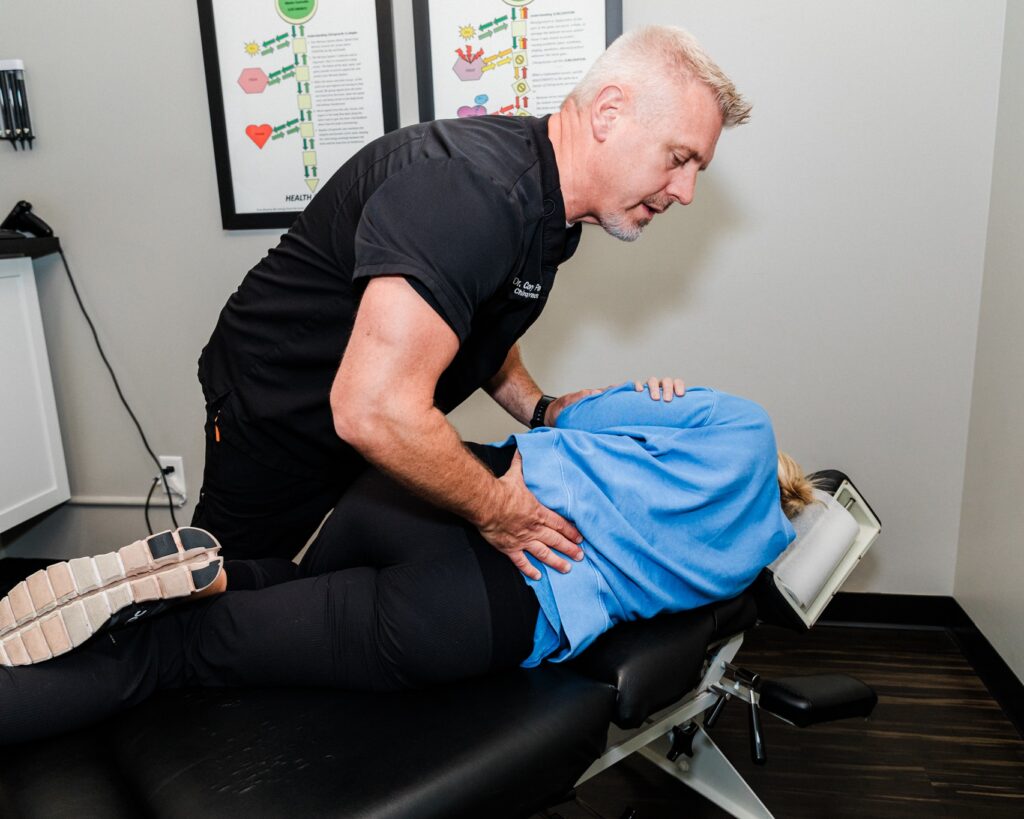
- Consider Chiropractic Care: Regular chiropractic adjustments can help correct misalignments and improve your posture. This natural approach promotes healing and supports your body’s ability to function optimally.
- Listen to Your Body: Pay attention to any discomfort and don’t hesitate to seek help. Chiropractic care is a safe and effective way to address pain without the need for medications or surgeries.
By making these adjustments and considering chiropractic care, you can significantly improve your back health and overall well-being. Remember, taking proactive steps today can lead to a healthier, pain-free tomorrow!
Key Takeaways
- Create an ergonomic workstation that promotes proper posture by using supportive furniture and adjusting the height of your monitor and desk. This simple change can significantly reduce strain on your back.
- Regular chiropractic care is essential for maintaining spinal alignment and alleviating pain. A chiropractor can provide personalized adjustments and exercises that are tailored to strengthen your back and improve your posture naturally.
- Incorporate gentle stretching and strengthening exercises into your routine. Simple moves like the Cat-Cow Stretch and Plank can help enhance your flexibility and build core support, which is crucial for a healthy back.
- Practice mindfulness techniques such as breathing exercises and meditation. These can help you relax and become more aware of your body, which in turn can reduce tension and improve your overall posture.
- Stay active with gentle movements like walking or stretching throughout your day. Make it a habit to regularly check your posture to prevent strain and support your back health. Remember, small adjustments can lead to significant improvements in how you feel.
By prioritizing chiropractic care and these simple lifestyle changes, you can achieve optimal health and well-being without the need for medications or surgeries.
Understanding Posture-Related Back Pain
When you sit or stand with poor posture for long periods, it can significantly impact your back health without you even realizing it. Slouching or leaning forward puts unnecessary strain on the muscles and ligaments in your spine, leading to discomfort and pain. Over time, this strain can develop into chronic back issues, which can hinder your mobility and diminish your overall quality of life.
In addition to back pain, you may also feel tension in your shoulders and neck. These areas often try to compensate for poor alignment, leading to muscle fatigue that makes it difficult to stay focused and productive throughout your day.
It’s crucial to recognize the signs of posture-related back pain. You might experience stiffness, aching, or even sharp pain that disrupts your daily activities. Acknowledging these symptoms is the first step toward addressing the root cause and finding effective solutions.
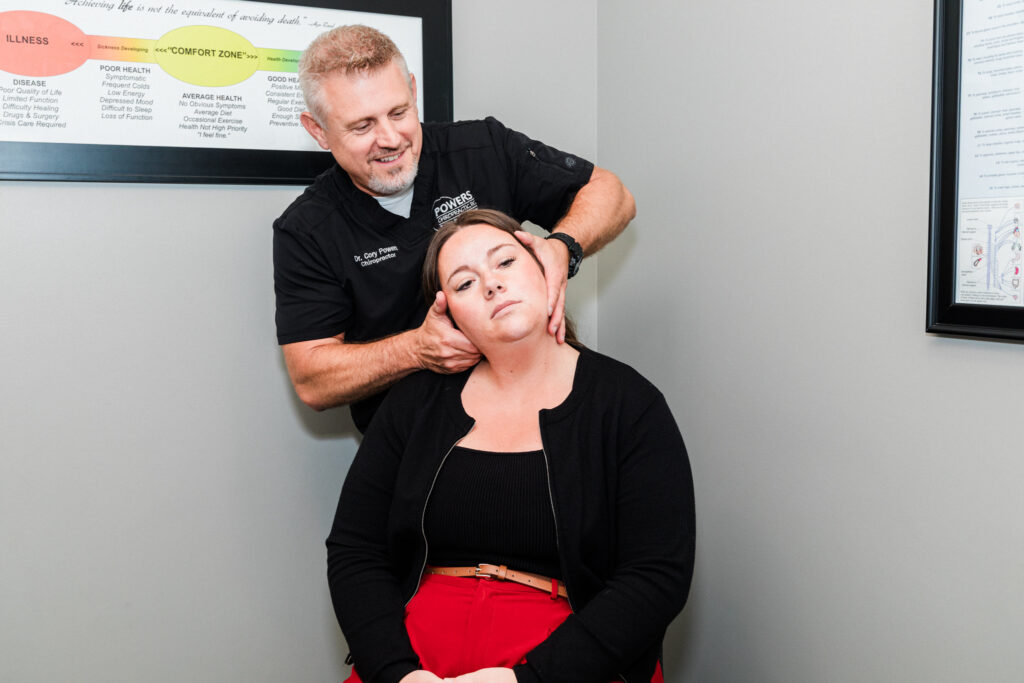
Chiropractic care is an excellent option for alleviating pain and promoting natural wellness. By focusing on spinal alignment, a chiropractor can help relieve tension and restore balance to your body.
Here are some general tips to improve your posture and help with back pain:
- Be Mindful of Your Sitting Position: Keep your feet flat on the floor and your back supported by your chair. Use a cushion if necessary to maintain the natural curve of your spine.
- Take Regular Breaks: If your job involves sitting for long periods, make sure to stand up, stretch, and move around every 30 minutes to relieve tension.
- Strengthen Your Core: Engaging in exercises that strengthen your core muscles can help support your spine and improve your posture.
- Stay Active: Regular physical activity can enhance your overall body awareness and promote better posture naturally.
- Visit Your Chiropractor: Regular chiropractic adjustments can help maintain spinal alignment, relieve pain, and support your journey toward optimal health.
Ergonomic Workstation Setup
Creating an ergonomic workstation is crucial not only for maintaining good posture but also for supporting your overall spinal health and preventing discomfort, especially if you spend long hours at a desk. By prioritizing your workstation setup, you can take a significant step toward natural wellness and pain relief.
Start by ensuring your chair supports your lower back. This is vital for maintaining the natural curve of your spine. Your feet should rest flat on the floor or on a footrest to promote blood circulation and reduce strain on your lower back. Position your computer screen at eye level to help avoid unnecessary neck strain, which can lead to headaches and discomfort.
Here’s a handy reference table to guide you in setting up your workstation for optimal health:
| Component | Ideal Position | Adjustment Tips |
|---|---|---|
| Chair Height | Feet flat on the floor | Use a footrest if your feet don’t touch the ground |
| Monitor Height | Eye level | The top of the screen should be at or just below eye level to reduce neck strain |
| Keyboard Position | Elbows at 90 degrees | Keep your wrists straight and relaxed to avoid unnecessary tension |
| Mouse Position | Close to the keyboard | Ensure your hand maintains a relaxed grip to minimize strain on your wrist |
Stretching and Strengthening Exercises
Incorporating stretching and strengthening exercises into your daily routine can significantly enhance your posture and help alleviate back pain. As a chiropractor, I often emphasize the importance of maintaining a healthy spine, and these exercises can be a fantastic way to support your overall well-being naturally.
Start with simple stretches like the cat-cow pose. This gentle movement increases flexibility in your spine and can be a great way to begin your day or unwind after a long one. Hold each stretch for 15-30 seconds to effectively release any built-up tension in your back.
Next, consider adding some strengthening exercises to your routine, such as planks and bridges. These exercises target your core, which is crucial for providing support to your spine. Aim for two to three sets of 10-15 repetitions, and as you become stronger, you can gradually increase the intensity.
Don’t overlook the importance of strengthening your back and shoulders as well. Exercises like rows or reverse flys can help promote balance and stability, which are essential for a healthy spine.
Remember, consistency is key; try to perform these exercises several times a week. By committing to this routine, you’ll likely notice a reduction in pain and a marked improvement in your posture and overall health.
Finally, I encourage you to consider regular chiropractic care as an essential part of your wellness journey. Chiropractic adjustments can complement your exercise routine by aligning your spine and enhancing your body’s natural ability to heal.
Together, these practices can lead you to a healthier, more balanced life without the need for medications or invasive procedures. Your body deserves the best care—embrace the natural path to wellness!
Mindfulness and Body Awareness Techniques
To effectively manage posture-related back pain, incorporating mindfulness and body awareness techniques can be a game-changer in your journey toward optimal health. As a chiropractor, I recommend starting with simple breathing exercises that help you center yourself and release built-up tension in your body.
These exercises are the foundation of mindfulness, allowing you to gain better awareness of your posture and alignment. Following your breathing exercises, consider practicing guided meditation. This can foster a deeper connection to your body and promote relaxation, making you more aware of how your spine feels and moves.
By focusing on your alignment during these practices, you can reinforce the benefits of regular chiropractic adjustments, which are key to maintaining a healthy spine. Remember, these mindfulness techniques not only aid in relieving pain but also contribute significantly to your overall well-being.
By integrating chiropractic care into your routine, you can enhance your body’s natural healing processes and achieve lasting relief from discomfort.
In addition to these practices, here are a few general tips to help you maintain good posture and spinal health throughout your day:
- Ergonomic Workspace: Ensure your workspace is set up to support your spine. Your chair should support your lower back, and your computer screen should be at eye level to reduce strain.
- Regular Movement: Take breaks to stand up, stretch, and walk around. This helps prevent stiffness and encourages better posture.
- Mindful Sitting: When sitting, keep your feet flat on the ground, your back straight, and your shoulders relaxed.
- Stay Hydrated: Drinking enough water supports spinal health by keeping your discs hydrated and functioning well.
Breathing Exercises
While posture-related back pain can be a significant hurdle in your daily life, incorporating breathing exercises into your routine can be a game-changer for your overall health and wellness. By focusing on your breath, you not only relieve tension but also enhance your body awareness and mindfulness, which can lead to improved posture and spinal health.
Here are some effective breathing techniques that can complement your chiropractic care:
- Diaphragmatic Breathing: This technique engages your diaphragm, allowing you to take deeper, more effective breaths. It can help reduce stress and promote relaxation—both crucial for maintaining a healthy spine.
- Box Breathing: Inhale deeply for a count of four, hold your breath for four, exhale for four, and pause for another four. This rhythmic pattern can help calm your nervous system and reduce muscle tension, making it an excellent addition to your pain management routine.
- 4-7-8 Breathing: Inhale for four seconds, hold your breath for seven seconds, and then exhale slowly for eight seconds. This technique is particularly helpful in calming your mind and can be a great way to prepare for your chiropractic adjustments.
- Alternate Nostril Breathing: This practice balances the body and mind and can help reduce stress levels. It’s a simple way to find calm amidst the chaos of daily life, supporting your overall wellness journey.
- Mindful Breathing: Take a moment to focus solely on your breath—this helps ground you in the present and can enhance your overall awareness of body alignment.
Incorporating these breathing exercises into your daily routine can significantly alleviate discomfort and enhance your overall well-being.
Guided Meditation Practices
Building on the benefits of breathing exercises, guided meditation practices can significantly enhance your mindfulness and body awareness, providing a holistic approach to managing posture-related back pain. These techniques not only help you become more in tune with your body but also allow you to identify areas of tension, promoting much-needed relaxation.
Here’s a closer look at some effective guided meditation techniques and their benefits:
| Technique | Benefits |
|---|---|
| Body Scan | Increases awareness of your body |
| Loving-Kindness | Helps to reduce stress and anxiety |
| Visualization | Promotes deeper relaxation |
| Breath Awareness | Enhances focus and clarity |
| Mindful Walking | Merges movement with mindfulness |
Incorporating guided meditation into your daily routine can be a powerful tool in alleviating discomfort and can complement your chiropractic care. As you explore these techniques, you’ll likely discover increased comfort and ease in your movements, making it easier to maintain a healthy posture.
Lifestyle Changes for Better Posture
To enhance your posture, it’s essential to create an ergonomic workspace that aligns with your body’s natural curves. This setup not only promotes comfort but also helps prevent strain on your spine.
As a chiropractor, I encourage you to incorporate stretching and strengthening exercises into your daily routine. These exercises not only help improve flexibility but also build core strength, which is crucial for maintaining good posture.
Additionally, practicing mindful posture awareness throughout your day is key. Regularly check in with your body – are your shoulders relaxed? Is your back straight? This simple practice can reinforce positive changes and help you avoid bad habits that lead to discomfort.
Remember, chiropractic care is an excellent way to support your journey toward better posture and overall wellness. Regular adjustments can help align your spine and reduce tension, making it easier for you to maintain good posture naturally.
Embrace these lifestyle changes, and you’ll be on the path to a healthier, pain-free life!
Ergonomic Workspace Setup
Creating an ergonomic workspace is essential for maintaining spinal health and reducing posture-related back pain. As a chiropractor, I want to share how simple adjustments can greatly enhance your comfort and productivity while promoting natural healing.
Here are some key elements to consider for your workspace setup:
- Chair Height: Adjust your chair so your feet rest flat on the floor. This helps support your spine and encourages proper posture, which is crucial for preventing discomfort.
- Desk Level: Make sure your desk is at elbow height. This helps to avoid unnecessary strain on your shoulders and neck, allowing your body to stay relaxed while you work.
- Monitor Position: Position your screen at eye level. Keeping your monitor aligned with your eyes helps maintain proper neck alignment, which is essential for spinal health.
- Keyboard Placement: Place your keyboard close and at a comfortable angle. This prevents wrist strain and promotes a natural position, reducing the risk of repetitive strain injuries.
- Lighting: Use adequate lighting to reduce glare on your screen. Proper lighting can help avoid eye strain and keep you focused on your tasks without discomfort.
These small changes can lead to a healthier work environment. By prioritizing your ergonomic setup, you not only enhance your comfort but also take an important step towards maintaining your overall well-being.
Stretching and Strengthening Exercises
Incorporating a few targeted stretching and strengthening exercises into your daily routine can significantly enhance your posture and help alleviate back pain. As a chiropractor, I emphasize the importance of exercises that bolster your core strength, as a strong core supports your spine and overall well-being. Here’s a quick reference guide to some effective exercises that can be easily integrated into your lifestyle:
| Exercise | Target Area | Duration/ Reps |
|---|---|---|
| Cat-Cow Stretch | Spine flexibility | 10 reps |
| Plank | Core strength | 30 seconds |
| Wall Angels | Shoulder mobility | 10 reps |
| Glute Bridges | Lower back strength | 10-15 reps |
Tips for Success:
- Consistency is Key: Aim to perform these exercises daily or at least several times a week to see the best results.
- Listen to Your Body: If you feel any discomfort while doing these exercises, stop and consult your chiropractor for guidance.
- Breath Awareness: Focus on your breathing during each exercise. Proper breathing can enhance relaxation and effectiveness.
- Combine with Chiropractic Care: Regular visits to your chiropractor can help you maintain alignment, making your exercises even more effective.
Mindful Posture Awareness
How often do you take a moment to check in on your posture throughout the day? As a chiropractor, I can tell you that mindful posture awareness is essential for maintaining a healthy spine and preventing discomfort.
By being proactive about your body alignment, you can alleviate pain and enhance your overall well-being. Here are some practical tips to help you stay aware of your posture:
- Set Hourly Reminders: Use your phone or a timer to remind you to check your posture every hour. This small habit can lead to significant changes over time.
- Mirror Check: Take a moment to look in a mirror and observe your alignment while sitting or standing. This visual cue can help you make necessary adjustments.
- Deep Breathing: Incorporate deep breathing exercises into your day. This not only relaxes your shoulders and spine but also reduces stress, which can contribute to poor posture.
- Engage Your Core: Keep your core muscles active throughout the day. A strong core provides better support for your spine and helps maintain proper alignment.
- Choose Ergonomic Furniture: Invest in ergonomic chairs and desks that promote healthy posture. Proper furniture can make a world of difference in how your body feels at the end of the day.
Incorporating these simple practices into your daily routine can lead to a healthier spine and overall well-being.
Remember, being mindful of your posture isn’t just about looking good; it’s about feeling good too! If you’re experiencing pain or discomfort, consider visiting your local chiropractor for personalized care that focuses on natural healing and optimal health.
Your spine deserves the best!
When to Seek Professional Help
If you’re dealing with persistent back pain that isn’t getting better despite trying some home remedies, it may be time to consider chiropractic care. Ignoring symptoms like sharp pain, numbness, or weakness in your legs can lead to bigger issues down the road, so it’s important to listen to your body.
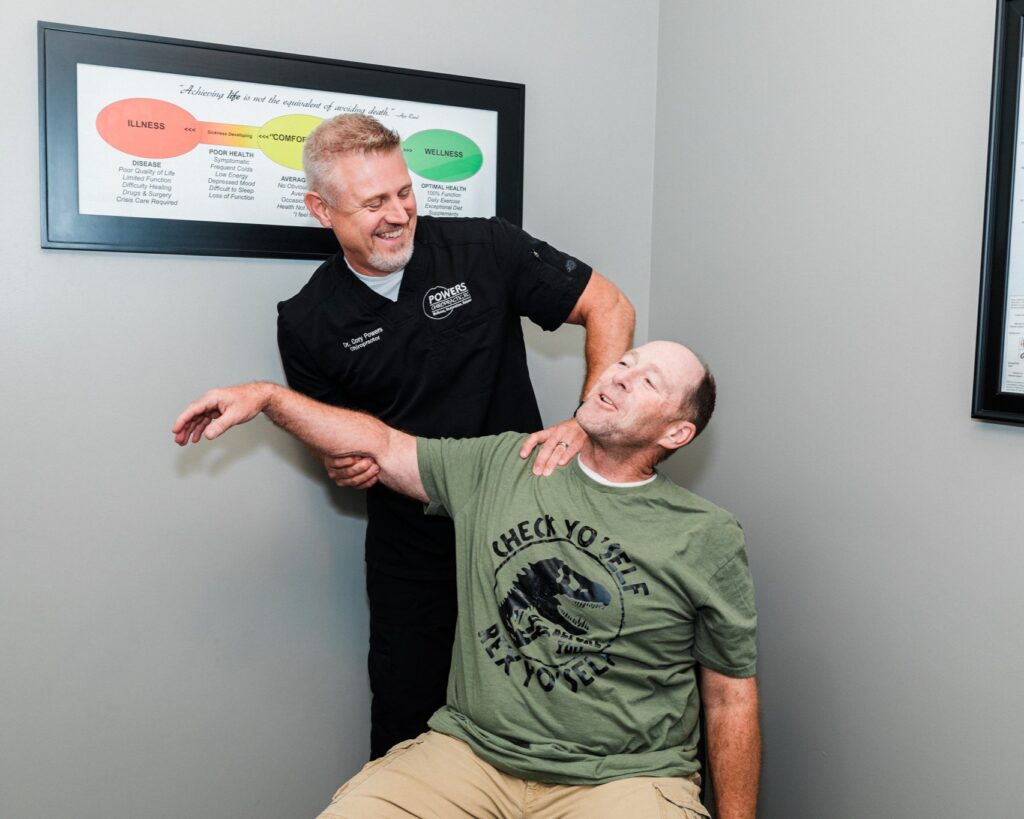
If your pain is making it difficult to carry out daily tasks or is affecting your sleep, reaching out to a chiropractor can be a great step towards relief. Chiropractors specialize in spinal health and can provide gentle adjustments to help align your spine and improve your overall well-being.
This natural approach aims to alleviate pain without the need for medications or invasive procedures. In addition to adjustments, chiropractors can offer tailored exercises and stretches to enhance your posture and strengthen your back, promoting long-term wellness.
For those experiencing discomfort, here are some general tips to consider:
- Stay Active: Gentle movement can help keep your back healthy. Simple activities like walking or stretching can make a big difference.
- Mind Your Posture: Pay attention to how you sit and stand. Keeping your back straight and shoulders relaxed can help prevent strain.
- Use Supportive Furniture: Ensure your chair and mattress provide adequate support to keep your spine aligned.
- Stay Hydrated: Drinking plenty of water supports overall health, including the health of your discs in the spine.
Conclusion
To sum up, addressing posture-related back pain is best achieved through a combination of chiropractic care, ergonomic adjustments, targeted exercises, and mindfulness practices. A chiropractor can help assess your spine and posture, providing tailored adjustments to improve alignment and relieve discomfort. Additionally, setting up a comfortable workstation and incorporating stretches and strength training into your routine can further enhance your posture and support your back health.
Being mindful of your body throughout the day—like taking regular breaks to stand, stretch, and move—can make a significant difference. If pain persists, don’t hesitate to consult with a chiropractor who can guide you on your journey to wellness. By taking these steps, you not only improve your back health but also promote overall well-being, allowing you to navigate daily life with greater ease and comfort. Remember, chiropractic care is a natural and effective way to achieve optimal health and a pain-free life!