
Chronic back pain is a challenge that many people face, and understanding its causes is the first step towards finding relief. Factors such as poor posture, a sedentary lifestyle, and even stress can play significant roles in how we feel. By recognizing these underlying issues, we can begin to address them effectively.
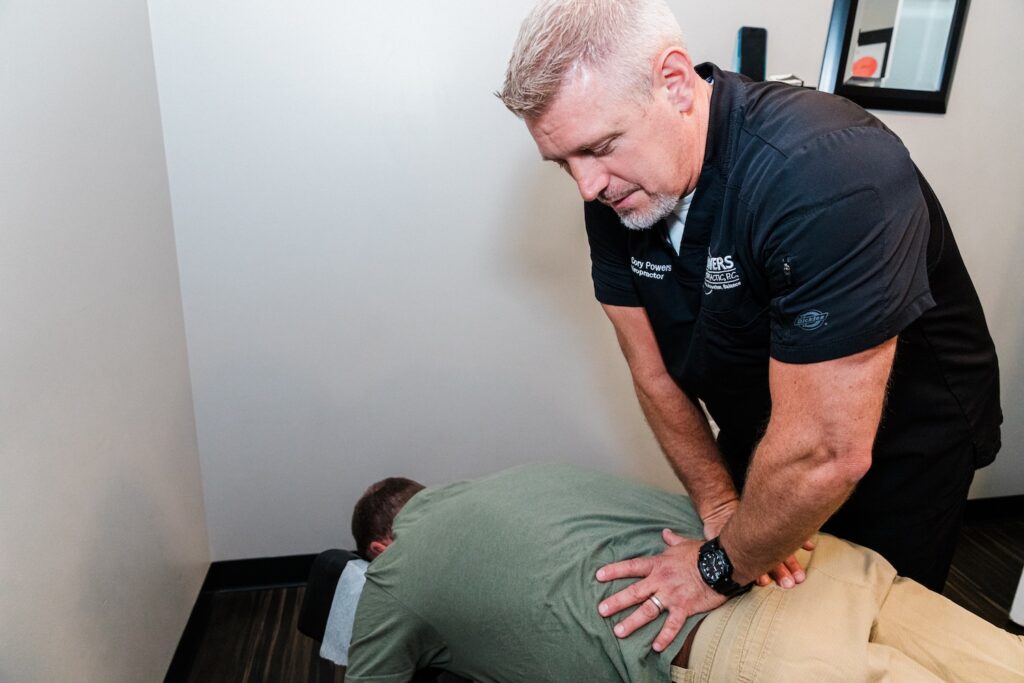
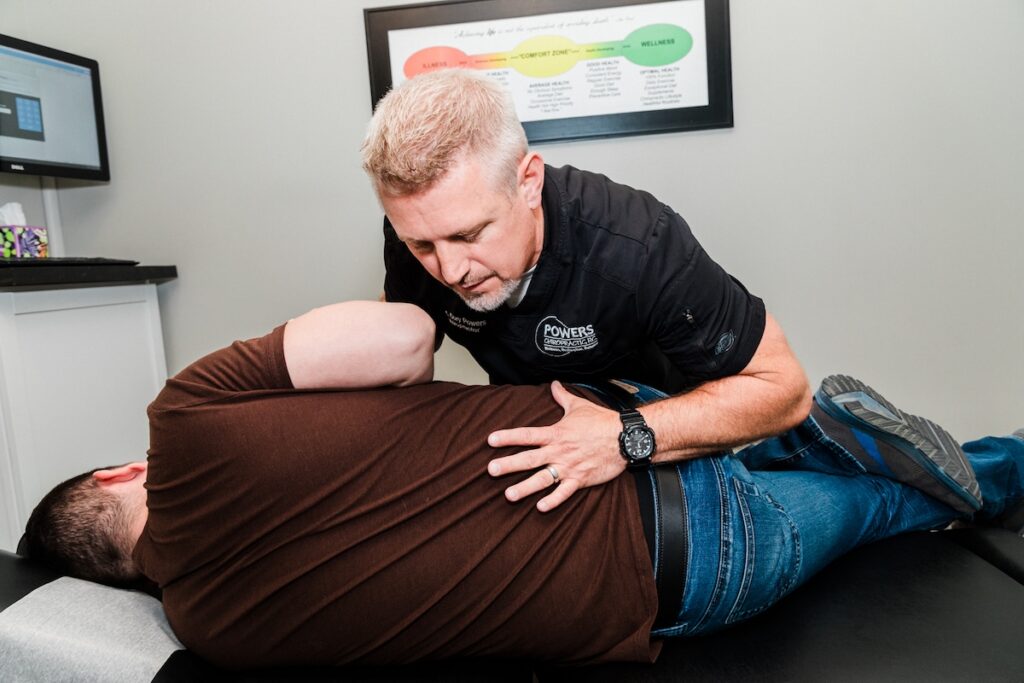
As a chiropractor, I believe that natural healing and wellness should be at the forefront of any pain management strategy. Chiropractic care is a fantastic option for those seeking to alleviate chronic back pain and improve overall health. Through gentle adjustments and spinal manipulations, we can help realign your spine, reduce tension, and promote better function throughout your body.
Here are some helpful tips you can incorporate into your daily routine to support your back health:
- Maintain Good Posture: Whether sitting at a desk or standing, be mindful of your posture. Keep your back straight, shoulders back, and avoid slouching to reduce strain on your spine.
- Stay Active: Engage in regular physical activity. Simple exercises, such as walking, stretching, or yoga, can strengthen your back muscles and improve flexibility.
- Manage Stress: Stress can manifest physically and contribute to back pain. Consider practices like deep breathing, meditation, or mindfulness to help keep stress levels in check.
- Listen to Your Body: If you feel discomfort, don’t ignore it. Seek chiropractic care to address any misalignments or issues before they escalate.
- Stay Hydrated: Drinking plenty of water is essential for maintaining the health of your spinal discs and overall body function.
By prioritizing chiropractic care and adopting these healthy habits, you can take proactive steps towards alleviating chronic back pain and enhancing your quality of life. Remember, your spine is the foundation of your health—nurturing it can lead to better overall wellness!
Key Takeaways
Chronic back pain is a common issue that can stem from various factors, including poor posture, a sedentary lifestyle, being overweight, stress, and age-related conditions like degenerative disc disease or arthritis. These factors can lead to discomfort and reduced mobility, impacting your daily life.
Injuries such as sprains, strains, herniated discs, and fractures can also contribute to chronic back pain, each presenting its own challenges. Fortunately, chiropractic care offers a natural and effective approach to addressing these issues and promoting overall wellness.
As a chiropractor, I focus on spinal alignment, which is crucial for maintaining a healthy back. Regular chiropractic adjustments can help relieve pain, improve your range of motion, and enhance your body’s ability to heal itself. Additionally, physical therapy can be integrated into your routine to strengthen the muscles that support your spine, further reducing the risk of future injuries.
Mindfulness practices, such as meditation and deep breathing exercises, can also be beneficial. They help manage stress, which is often a contributing factor to chronic pain. Incorporating these practices into your daily life can lead to a more balanced and healthier mindset.
It’s important to listen to your body. If you experience severe pain, numbness, or persistent symptoms that don’t improve with self-care, seeking guidance from a chiropractor is a wise choice. We can work together to develop a personalized plan that focuses on natural healing and optimal health.
Here are a few tips to help manage and prevent chronic back pain:
- Maintain good posture: Pay attention to how you sit, stand, and move throughout the day. Keeping your spine aligned can prevent unnecessary strain.
- Stay active: Incorporate regular physical activity into your routine, such as walking, swimming, or yoga, to keep your muscles strong and flexible.
- Manage your weight: A healthy weight can significantly reduce the strain on your back.
- Practice stress-reduction techniques: Engage in activities that help you relax and unwind, such as yoga or meditation.
- Visit your chiropractor regularly: Routine chiropractic care can help maintain spinal health and prevent future discomfort.
By focusing on these natural approaches and prioritizing chiropractic care, you can take significant steps toward relieving chronic back pain and achieving optimal health.
Common Causes of Chronic Back Pain
Chronic back pain can be a frustrating and debilitating experience, but understanding its common causes can be the first step toward relief and better health. As a chiropractor, I want to highlight that many of these issues can be effectively addressed through chiropractic care, which focuses on natural healing and spinal health.
One of the primary culprits of chronic back pain is poor posture. When we slouch or hunch while sitting or standing, it places undue strain on our spines. Making a conscious effort to maintain good posture can significantly reduce discomfort. Consider setting reminders to check your posture throughout the day, especially if you have a desk job.
Another factor to consider is a sedentary lifestyle. If you find yourself sitting for long periods, your muscles can weaken, making you more susceptible to pain. Incorporating regular movement into your day is crucial. Simple activities like stretching, walking, or even standing up to work can help keep your muscles strong and your spine healthy.
Obesity is also an important factor, as carrying excess weight puts extra pressure on your back. Maintaining a balanced diet and engaging in regular exercise can’t only help with weight management but also promote overall well-being. Chiropractic care can also assist in creating a personalized plan to help you achieve your health goals.
Don’t overlook the impact of stress and anxiety on your body. These emotional factors can lead to muscle tension, which can exacerbate pain. Incorporating stress-reducing practices, such as deep breathing, meditation, or gentle yoga, can be beneficial. Chiropractic adjustments can also help release tension and improve your body’s response to stress.
As we age, changes such as degenerative disc disease or arthritis can contribute to chronic pain. Regular chiropractic care can help maintain spinal alignment and function, potentially slowing the progression of these age-related issues.
Lastly, even minor imbalances, like differences in leg length, can lead to uneven stress on your back. A chiropractor can assess your posture and alignment to identify any imbalances and provide targeted adjustments.
By recognizing these common causes and addressing them through chiropractic care, you can take proactive steps toward alleviating chronic back pain and enhancing your overall health.
Understanding the Role of Injuries
Injuries play a significant role in the development of chronic back pain, and it’s crucial to understand how they affect our bodies. Whether it’s a sprain, strain, or more serious trauma, each type can limit your mobility and impact your overall quality of life.
That’s where chiropractic care comes in as a natural and effective solution to help you heal and regain your strength. Chiropractic adjustments can help realign your spine, alleviate pain, and promote your body’s natural ability to heal itself.
By focusing on the root cause of your discomfort, instead of just masking the symptoms, chiropractic care can lead to long-lasting relief.
Here are some tips to support your back health:
- Stay Active: Gentle exercises like walking or stretching can keep your back muscles strong and flexible.
- Practice Good Posture: Whether sitting at a desk or lifting objects, maintaining proper posture can prevent strain on your back.
- Listen to Your Body: If you feel pain, don’t push through it. Take the time to rest and seek chiropractic care for a personalized treatment plan.
- Incorporate Ergonomics: Adjust your workspace to ensure your computer screen is at eye level and your chair provides proper support.
By understanding the impact of injuries on your back and opting for chiropractic care, you can take a proactive step toward achieving optimal health and wellness.
Types of Back Injuries
Back injuries can take many forms, each contributing to the discomfort and pain that many people experience. It’s important to understand these injuries so you can find the best ways to heal and maintain your health. Common types of back injuries include sprains, strains, and herniated discs.
A sprain happens when the ligaments—the tough bands connecting bones—stretch or tear. Strains, on the other hand, involve the muscles or tendons that help you move. Herniated discs occur when the soft, cushioning discs between your vertebrae slip out of place, which can put pressure on nearby nerves and cause pain.
Fractures, often resulting from trauma, can also lead to significant discomfort. Understanding the specific type of back injury you have is essential for effective recovery. This is where chiropractic care shines. By working with a chiropractor, you can get a personalized treatment plan designed to help you heal naturally.
Chiropractors focus on aligning your spine and improving your overall function without the need for medications or surgeries. They employ gentle adjustments and other techniques that can alleviate pain and promote healing.
In addition to chiropractic care, there are simple steps you can take at home to support your back health. Make sure to maintain good posture, stay active with low-impact exercises, and incorporate stretches into your routine.
Listening to your body and taking breaks during long periods of sitting can also help prevent further injuries.
Impact on Mobility
Understanding the nuances of your injury is crucial for reclaiming your mobility. Chronic back pain can be a significant barrier, making everyday tasks feel daunting. You may notice a decrease in your range of motion, leading to stiffness and discomfort when bending or twisting. This limitation can cause you to shy away from certain movements, which can further affect your mobility over time.
Relying on assistive devices or unconsciously changing your posture can create additional strain on your body, making it even more important to address these challenges head-on. This is where chiropractic care comes into play. By seeking the expertise of a chiropractor, you can receive personalized treatment aimed at alleviating pain and restoring movement.
Chiropractic care focuses on the spine and its connection to overall health. Through gentle adjustments and targeted therapies, you can work towards regaining mobility and enhancing your quality of life. Incorporating rehabilitation and strengthening exercises, as guided by your chiropractor, will help you gradually rebuild your strength and flexibility.
Here are some general tips to support your journey to better mobility:
- Stay Active: Engage in low-impact activities like walking or swimming to keep your body moving without overstraining it.
- Practice Good Posture: Being mindful of your posture can help reduce strain on your back. Pay attention to how you sit, stand, and move throughout the day.
- Stretch Regularly: Simple stretching exercises can improve flexibility and reduce stiffness. Consider incorporating a daily stretching routine.
- Listen to Your Body: If a movement causes pain, it’s essential to stop and consult your chiropractor for guidance.
Your commitment to understanding your injury and pursuing chiropractic care is a vital part of your recovery journey. Embrace the path to natural healing and optimal health by making chiropractic care your go-to choice for pain relief and wellness.
Degenerative Conditions and Their Impact
As you go about your daily life, degenerative conditions can quietly affect your experience with chronic back pain. These often age-related issues can slowly wear down your spine and the surrounding structures, leading to discomfort and limitations. Understanding their impact is essential for managing your pain effectively and enhancing your overall well-being.
Here are three common degenerative conditions that may be influencing your back pain:
- Degenerative Disc Disease: As the discs in your spine lose hydration and elasticity over time, they can lead to discomfort and restrict your movement. This condition can make everyday activities more challenging.
- Osteoarthritis: This type of wear-and-tear arthritis can wear down the cartilage in your joints, resulting in pain and stiffness. It’s important to recognize how this condition may be affecting your mobility.
- Spinal Stenosis: This condition occurs when the spinal canal narrows, which can put pressure on the nerves, leading to pain and tingling sensations. Understanding this can help you take proactive steps to alleviate discomfort.
Recognizing these conditions empowers you to seek appropriate treatments and embrace proactive self-care. Chiropractic care is an excellent natural approach to address these underlying issues. Regular adjustments can help improve spinal alignment, reduce pain, and enhance your overall function.
Here are a few general tips to help you manage your back health:
- Stay Active: Gentle exercises, like walking or stretching, can help maintain flexibility and strength in your back.
- Practice Good Posture: Be mindful of your posture while sitting, standing, or lifting to reduce strain on your back.
- Incorporate Ergonomic Solutions: Use supportive chairs and adjust your workspace to promote better alignment and comfort.
By focusing on these strategies and incorporating chiropractic care into your wellness routine, you can take significant steps toward improving your quality of life.
Lifestyle Factors Contributing to Back Pain
Your daily habits play a crucial role in maintaining a healthy back, and as a chiropractor, I want to help you understand how to support your spine naturally. A sedentary lifestyle, coupled with poor posture and insufficient physical activity, can lead to chronic pain. Recognizing these factors is essential for your well-being, and making simple adjustments can significantly enhance your spinal health.
Here are some practical tips to help you nurture your back:
- Stay Active: Incorporate regular physical activity into your daily routine. Aim for at least 30 minutes of movement most days of the week. Simple activities like walking, stretching, or yoga can do wonders for your spine.
- Mind Your Posture: Be mindful of your posture whether you’re sitting, standing, or lifting. Use ergonomic furniture and remember to align your ears, shoulders, and hips. This will help reduce strain on your back.
- Take Breaks: If your job involves sitting for long periods, make it a habit to take short breaks every hour. Stand up, stretch, or take a quick walk to relieve tension in your back.
- Strengthen Core Muscles: A strong core supports your spine. Engage in exercises that strengthen your abdominal and back muscles, such as planks or bridges.
- Listen to Your Body: Pay attention to any discomfort or pain signals from your back. If you experience persistent pain, chiropractic care can provide gentle adjustments to help restore balance and promote healing.
- Stay Hydrated: Drinking plenty of water is essential for maintaining the elasticity of your spinal discs and overall joint health.
By adopting these habits and prioritizing your spinal care through chiropractic adjustments, you can pave the way for a pain-free and healthier life.
Sedentary Lifestyle Effects
While many people appreciate the convenience of a sedentary lifestyle, it can significantly contribute to chronic back pain. When you spend most of your day sitting, your muscles weaken, and your spine can lose its natural alignment, leading to discomfort and ongoing pain.
As a chiropractor, I want to highlight how a sedentary lifestyle can affect your back and offer some natural solutions to help you maintain a healthy spine.
Here are three ways a sedentary lifestyle can impact your back:
- Muscle Weakness: Prolonged sitting can weaken the muscles that support your spine, making it more susceptible to stress and injury. Incorporating simple exercises, like stretching or daily walks, can help strengthen these vital muscles.
- Reduced Flexibility: Limited movement can lead to stiffness in your back and hips, increasing pain levels. Regular chiropractic adjustments can help restore proper spinal alignment and improve your range of motion, while gentle stretching can enhance flexibility.
- Weight Gain: A sedentary lifestyle often contributes to weight gain, which can place extra strain on your back. Staying active not only helps maintain a healthy weight but also promotes overall wellness. Engaging in activities you enjoy, such as dancing, swimming, or biking, can make being active fun!
To support your back health, consider prioritizing movement throughout your day. Set reminders to take breaks from sitting, practice good posture, and incorporate gentle exercises into your routine.
Remember, chiropractic care is a powerful ally in achieving optimal health and relieving pain naturally. By taking proactive steps and seeking chiropractic adjustments, you can help your body heal and thrive.
Stay active, stay healthy!
Poor Posture Habits
Sitting for extended periods can lead to poor posture habits that may aggravate back pain. When you find yourself slouching or leaning forward, you’re putting extra strain on your spine and the muscles that support it. Over time, this can result in discomfort and chronic pain. Often, you may not even be aware of your posture, especially when concentrating on work or looking at screens.
As a local chiropractor, I want to share some simple yet effective tips to help you maintain better posture and support your spinal health throughout the day. First, ensure your chair is adjusted properly, allowing your feet to rest flat on the floor. Your monitor should be positioned at eye level to prevent leaning forward.
Incorporating regular breaks into your routine is crucial; standing up and stretching can work wonders for your back and overall well-being. Simple stretches like reaching for the ceiling or gently twisting your torso can alleviate tension and promote better alignment.
By being mindful of your posture and taking proactive steps now, you can significantly reduce your risk of developing persistent back pain in the future.
Inadequate Physical Activity
Inadequate physical activity can significantly contribute to back pain, as a lack of movement weakens the muscles that support your spine. Regular exercise is essential for keeping your back healthy and strong. When you don’t engage in physical activity, stiffness and discomfort can easily take hold.
As a chiropractor, I want to share some simple ways to incorporate more movement into your daily routine, which can enhance your overall well-being and support spinal health:
- Start Walking: Aim for at least 30 minutes of brisk walking each day. This not only helps strengthen your back muscles but also promotes circulation, which is vital for healing and maintaining a healthy spine.
- Try Stretching: Incorporating gentle stretches into your day can be incredibly beneficial. Stretching helps maintain flexibility, reduces muscle tension, and can alleviate tightness in the back. Consider dedicating a few minutes each morning or evening to stretch your spine and surrounding muscles.
- Consider Strength Training: Focus on simple core exercises that target your abdominal and back muscles. A strong core provides better support for your spine, reducing the risk of injury and back pain. You can start with basic exercises like planks or bridges, which can be easily done at home.
Remember, chiropractic care is a fantastic way to support your journey towards optimal health. Regular adjustments can help align your spine, reduce tension, and enhance your body’s ability to heal naturally.
Treatment Options for Chronic Back Pain
Regaining control over your life while managing chronic back pain is essential, and one of the most effective ways to do this is through chiropractic care. Chiropractic treatment focuses on natural healing, spinal alignment, and overall wellness, making it a fantastic option for pain relief. Here’s a quick overview of how chiropractic care can help you on your journey to better health:
| Treatment Option | Description | Pros |
|---|---|---|
| Chiropractic Care | Manual adjustments to align the spine and improve function | Non-invasive and promotes natural healing |
| Physical Therapy | Tailored exercises to strengthen muscles and improve mobility | Complements chiropractic care for better results |
| Mindfulness & Yoga | Techniques to reduce stress and improve posture | Enhances mental well-being and complements chiropractic treatment |
| Acupuncture | Inserting needles to relieve pain | Can be integrated with chiropractic for holistic benefits |
Chiropractic care stands out as a holistic approach to managing pain because it addresses the root cause of discomfort rather than just masking it. By focusing on spinal alignment and overall body function, chiropractic practitioners can help improve your flexibility, strength, and well-being.
Here are some general tips to keep in mind as you explore your options for managing chronic back pain:
- Stay Active: Gentle movement and stretching can keep your back muscles strong. Consider integrating light exercises into your daily routine.
- Practice Good Posture: Be mindful of your posture while sitting, standing, or lifting objects. Proper posture can reduce strain on your back.
- Listen to Your Body: Pay attention to any signals your body sends you. If something doesn’t feel right, don’t hesitate to consult with your chiropractor.
- Incorporate Relaxation Techniques: Stress can exacerbate pain. Mindfulness and yoga can help reduce stress and promote relaxation, making them great companions to chiropractic care.
When to Seek Professional Help
When should you consider seeking professional help for chronic back pain? Understanding when it’s time to consult a chiropractor can make all the difference in your recovery and overall wellness. If your pain lasts more than a few weeks despite trying home remedies, it’s a clear signal to reach out for expert guidance.
Here are some key signs that indicate you should seek chiropractic care:
- Severe Pain: If your back pain is so intense that it’s preventing you from enjoying daily activities, it’s essential to get professional help. A chiropractor can help identify the root cause of your pain and provide targeted adjustments to relieve discomfort.
- Numbness or Tingling: If you’re experiencing weakness, numbness, or tingling in your legs or arms, it’s crucial to address these symptoms. A chiropractor can assess your spine’s alignment and work on restoring proper nerve function to alleviate these sensations.
- Unexplained Weight Loss: If you notice you’re losing weight without any effort, this could indicate an underlying issue that needs attention. A chiropractor will take the time to understand your overall health and suggest natural healing methods to support your body.
Ignoring these signs can lead to more significant problems down the road. By consulting a chiropractor, you can receive a comprehensive evaluation and a personalized treatment plan designed to promote healing and improve your quality of life.
Remember, chiropractic care focuses on natural healing methods, emphasizing overall wellness and spinal health.
Don’t wait to take charge of your well-being—making an appointment with a chiropractor could be the first step toward a healthier, pain-free life!
Conclusion
Chronic back pain can stem from a variety of factors, such as injuries, degenerative conditions, and even lifestyle choices. Understanding these causes is key to finding relief and improving your overall well-being. One of the most effective ways to manage and alleviate chronic back pain is through chiropractic care.
Chiropractors focus on the spine and its alignment, which plays a crucial role in how your body functions. By addressing misalignments, or subluxations, we can help relieve pain and restore proper movement, leading to a healthier, more active lifestyle.
In addition to chiropractic adjustments, there are several natural approaches you can incorporate into your daily routine to support your back health:
- Stay Active: Regular physical activity strengthens the muscles that support your spine. Simple exercises like walking, swimming, or gentle stretching can make a big difference.
- Maintain Good Posture: Be mindful of your posture when sitting, standing, or lifting. Proper alignment can prevent strain on your back.
- Ergonomic Workspace: If you spend long hours at a desk, ensure your workspace is ergonomic. A chair with good lumbar support and a desk at the right height can help reduce back strain.
- Mindfulness and Relaxation: Stress can contribute to muscle tension and exacerbate pain. Practices like yoga, meditation, or deep breathing exercises can promote relaxation and overall wellness.
- Nutrition and Hydration: A balanced diet rich in anti-inflammatory foods, along with staying hydrated, can support your body’s healing processes.
Remember, if your pain is persistent or worsening, consulting with a chiropractor is a great step toward getting to the root of the issue. Chiropractic care not only addresses pain but also promotes long-term health and wellness. Your back health deserves the best care, and with the right approach, you can achieve a pain-free, active lifestyle!