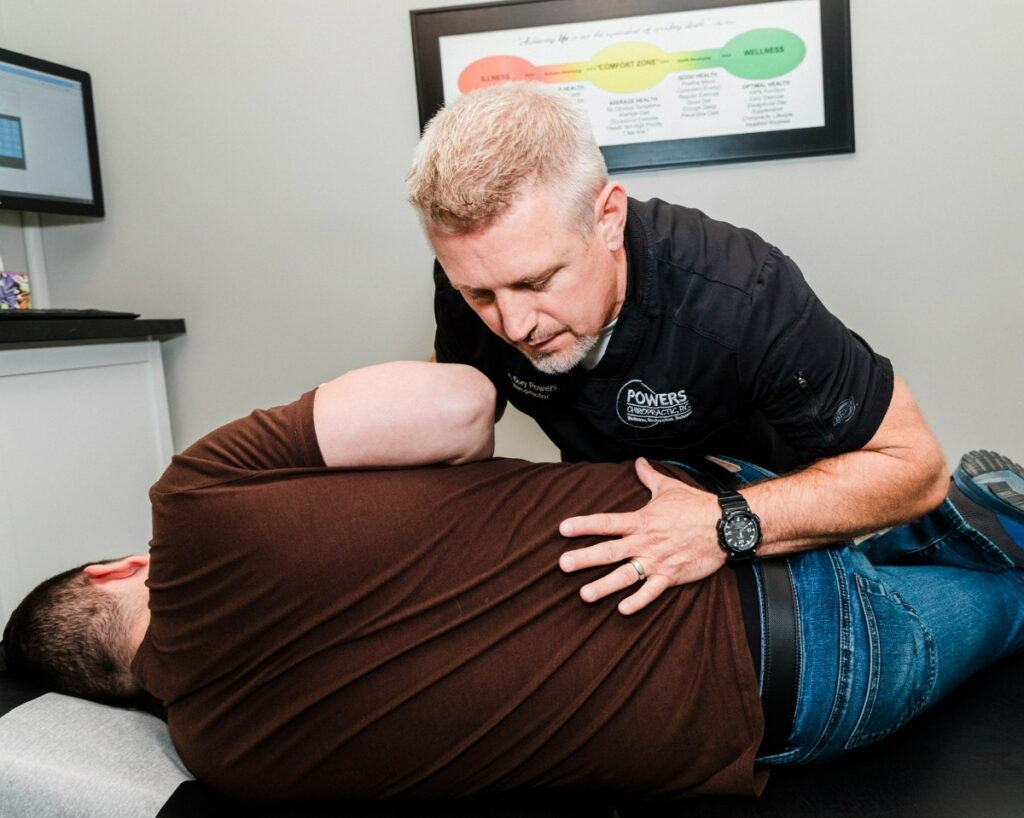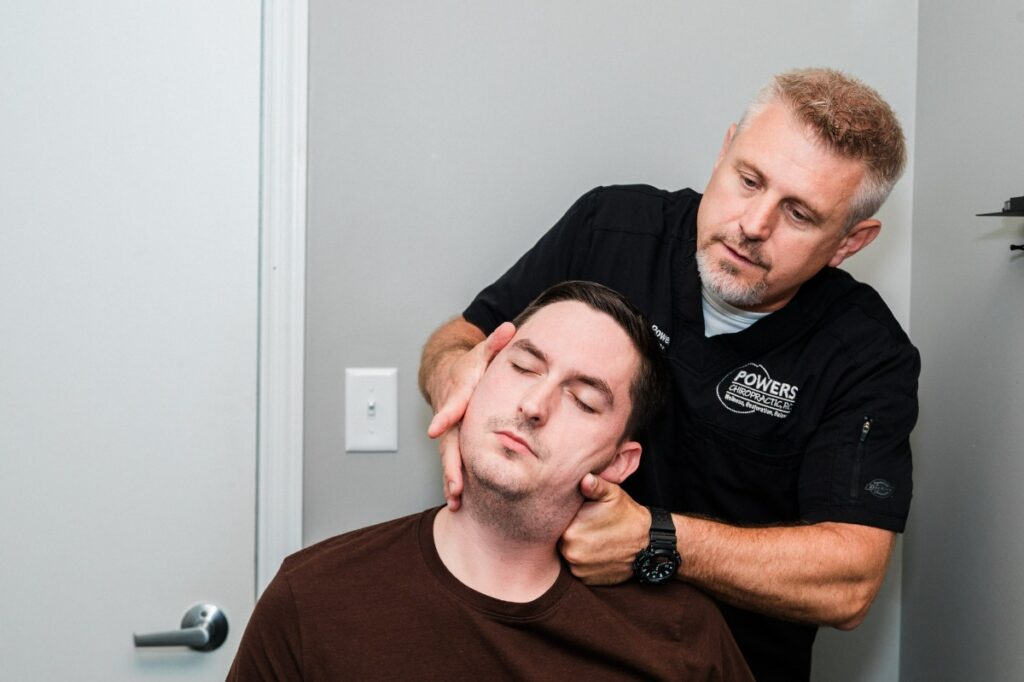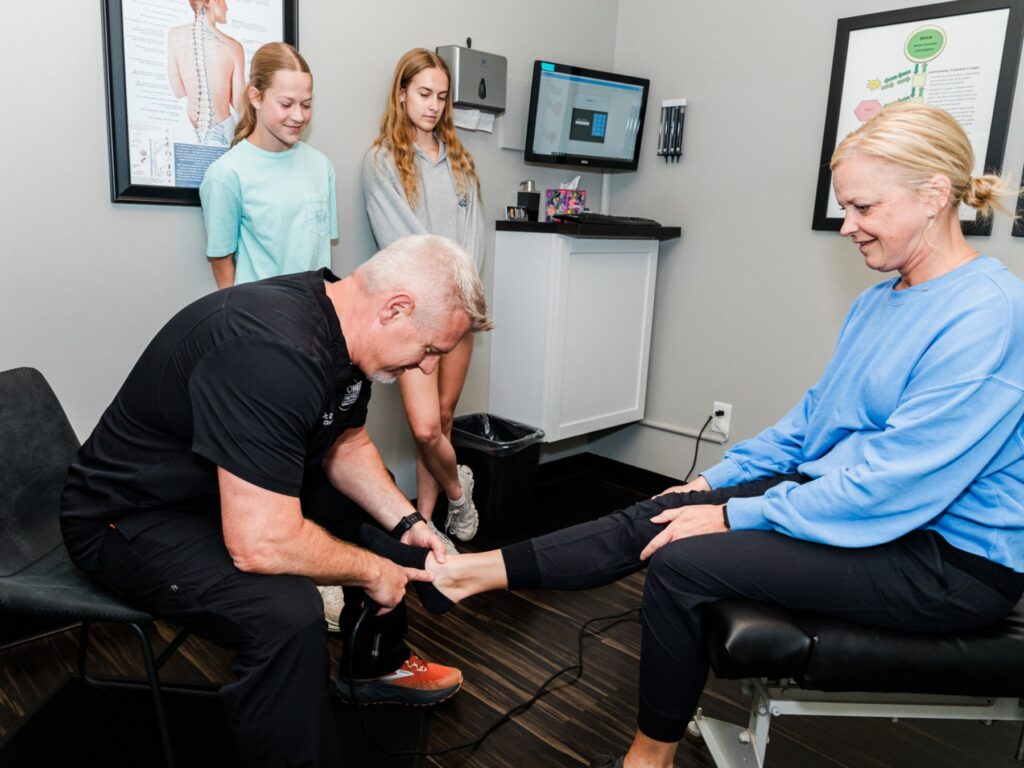

Back pain is a common issue that many people face, often originating from various factors such as poor posture, lack of movement, or muscle imbalances. As a chiropractor, I believe that focusing on exercises that strengthen your core and enhance flexibility is crucial for maintaining a healthy spine and preventing back pain. Incorporating specific movements into your routine can significantly improve your overall back health, allowing you to live a more active and pain-free life.
So, which exercises should you prioritize? Here are some effective strategies to help you build a strong and resilient back:
- Core Strengthening: Your core muscles play a vital role in supporting your spine. Exercises like planks, bridges, and bird-dogs can help strengthen these muscles. Aim for 3 sets of 10-15 repetitions for each exercise.
- Flexibility Training: Stretching is essential to prevent tightness in your back and surrounding muscles. Incorporate gentle stretches such as the cat-cow stretch, child’s pose, and hamstring stretches into your daily routine to improve flexibility.
- Posture Awareness: Being mindful of your posture throughout the day can greatly impact your spinal health. Practice sitting and standing tall, with your shoulders back and your head aligned over your spine. Consider setting reminders to check your posture regularly.
- Low-Impact Aerobic Activities: Engaging in low-impact exercises like walking, swimming, or cycling can promote blood flow and keep your muscles strong without putting too much strain on your back.
- Chiropractic Care: Regular visits to a chiropractor can help address misalignments in your spine, which may contribute to back pain. Chiropractic adjustments can improve your overall spinal function, enhance mobility, and promote natural healing.
Remember, it’s important to listen to your body and consult with a chiropractor before starting any new exercise program, especially if you’re currently experiencing back pain. By focusing on strengthening your core, improving flexibility, and maintaining proper posture, you can take proactive steps toward preventing back pain and achieving optimal health through natural means. Embrace these strategies, and you’ll be on your way to a healthier, more active life!
Key Takeaways
As a local chiropractor dedicated to helping you achieve optimal health, I’d like to share some exercises that can help prevent back pain and promote natural wellness. By focusing on strengthening your body and improving your posture, you can support your spine and enhance your overall well-being without relying on medications or surgeries.
- Core Stability Exercises: Incorporate activities like planks and bridges into your routine. These exercises strengthen the muscles that support your spine, reducing the risk of injury and discomfort. A strong core is essential for maintaining good posture and stability throughout your daily activities.
- Flexibility Stretches: Don’t forget to include flexibility stretches such as the Cat-Cow and Hamstring stretches. These movements enhance spinal mobility and relieve tightness in the back, allowing for greater range of motion and reducing tension.
- Pelvic Tilts and Dead Bugs: These exercises are fantastic for strengthening your lower back and improving coordination. They help ensure better alignment of your spine, which is crucial for preventing pain and maintaining a healthy posture.
- Upper Back Exercises: Strengthening your upper back is just as important. Try bent-over rows and wall angels to enhance your posture and support spinal health. A strong upper back can help counteract the effects of sitting for long periods, which can lead to discomfort.
- Posture Awareness: Maintaining good posture is key to preventing back pain. When sitting or lifting, be mindful of your body alignment. Take frequent breaks to stretch and move around, especially if you’re sitting for extended periods. This simple habit can make a significant difference in your comfort.
Remember, chiropractic care is an excellent choice for those seeking natural relief from back pain and a pathway to better health. By incorporating these exercises and tips into your routine, you can promote a stronger, healthier spine that supports your overall wellness. If you have any questions or need personalized advice, don’t hesitate to reach out to your local chiropractor for guidance. Your journey to a pain-free life starts here!
Understanding Back Pain: Causes and Risk Factors
Back pain can affect anyone, but understanding its causes and risk factors can empower you to take preventive measures for better spinal health. One of the most common culprits of back pain is poor posture, whether you’re sitting at a desk or lifting heavy objects incorrectly. To alleviate strain on your back, practice good posture by keeping your spine aligned and using your legs when lifting.
Being overweight can also put additional pressure on your spine, increasing your risk of discomfort. Maintaining a healthy weight through balanced nutrition and regular exercise not only benefits your overall health but also supports your back.
Speaking of exercise, a sedentary lifestyle can weaken your muscles, making them less capable of supporting your spine. Aim to stay active with simple activities like walking, stretching, or engaging in low-impact exercises to strengthen your back muscles.
As we age, our bodies naturally undergo wear and tear, which can increase the likelihood of back pain. While we can’t stop aging, we can take proactive steps to maintain spinal health through regular chiropractic care. A chiropractor can help keep your spine aligned, reduce tension, and improve overall function.
Genetics can also play a role in back pain; some individuals may be more prone to developing issues. While you can’t change your genetics, you can enhance your spinal health with routine chiropractic adjustments and by adopting healthy habits.
Lastly, stress can lead to muscle tension, resulting in discomfort. Finding ways to manage stress—such as through mindfulness, yoga, or deep-breathing exercises—can help relax your muscles and promote a sense of well-being.
The Importance of Core Strength for Back Health
Core strength plays a vital role in maintaining a healthy spine and overall back health. When your core muscles—such as your abdominals, obliques, and lower back—are strong, they provide the stability and support your spine needs throughout your daily activities. A well-developed core helps distribute weight evenly, reducing strain on your spine, which can help prevent injuries and alleviate pain.
Incorporating core-strengthening exercises into your routine is an excellent way to enhance your stability. Simple moves like planks, bridges, and abdominal crunches not only bolster your core but also improve your posture. This can make everyday tasks easier and more comfortable, minimizing the risk of discomfort.
Remember, a strong core also contributes to better balance and coordination, helping to protect you from falls and other injuries. By focusing on core strength, you’re making a smart investment in your overall well-being.
As a chiropractor, I encourage you to prioritize these exercises as part of your fitness journey. They complement the natural healing benefits of chiropractic care, which can further enhance your spinal health and relieve pain.
Consider scheduling regular chiropractic adjustments to support your body’s natural alignment and function. Together, a strong core and chiropractic care can lead to lasting back health and improved quality of life.
Make it a point to integrate core exercises into your weekly routine, and remember to listen to your body. If you experience any discomfort or persistent pain, don’t hesitate to consult with a chiropractor for personalized guidance and treatment options. Your spine will thank you!
Stretching Exercises to Improve Flexibility
To maintain a healthy back, flexibility plays a crucial role, just like core strength. Regularly incorporating stretching exercises into your daily routine can enhance your range of motion, alleviate muscle tension, and significantly reduce the risk of injury. Here are three effective stretches that can help improve your flexibility and support your back health:
| Stretch | Description | Duration |
|---|---|---|
| Cat-Cow Stretch | Gently alternate between arching and rounding your back while on all fours. This movement helps mobilize your spine. | 30 seconds |
| Hamstring Stretch | Sit on the floor and reach for your toes while keeping your legs straight. This stretch is excellent for loosening tight hamstrings, which can impact your lower back. | 20-30 seconds for each leg |
| Seated Forward Bend | With your legs extended in front of you, reach forward to touch your toes. This position helps stretch your spine and hamstrings while promoting relaxation. | 30 seconds |
These stretches are not only beneficial for relieving tension but also contribute to better spinal alignment, which is essential for overall health. Remember to breathe deeply and hold each stretch gently, allowing your body to relax into the movements.
Incorporating these stretches into your routine can pave the way for improved flexibility and a healthier back. As a chiropractor, I encourage you to prioritize natural methods of wellness like these stretches. Regular practice can be a powerful complement to chiropractic care, helping you achieve optimal health without the need for medications or surgeries. Remember, your body thrives on gentle, consistent movement, so take a few minutes each day to stretch and support your spine’s health.
Strengthening the Lower Back: Key Exercises
To strengthen your lower back and promote overall wellness, it’s important to include core stability exercises in your daily routine. These exercises play a crucial role in supporting your spine, enhancing flexibility, and building strength. By focusing on both stability and stretching techniques, you can develop a resilient back and significantly reduce the risk of pain.
As a chiropractor, I emphasize the importance of a holistic approach to health that prioritizes natural healing. Incorporating exercises that target your core can’t only alleviate discomfort but also empower you to take control of your wellness.
Simple movements like pelvic tilts, bridges, and gentle stretches can work wonders for your lower back. Remember to listen to your body and start slowly, gradually increasing intensity as you become more comfortable.
Consistency is key—aim to incorporate these exercises into your routine several times a week for the best results.
Additionally, consider regular chiropractic adjustments to keep your spine aligned and functioning optimally. This can further enhance the effectiveness of your exercises and contribute to your overall health.
Core Stability Exercises
Strengthening your lower back through core stability exercises is an excellent way to reduce the risk of back pain and promote overall wellness. These exercises focus on building strength in your core muscles, which play a crucial role in supporting your spine and maintaining proper posture.
By incorporating them into your daily routine, you can enhance your stability and prevent injuries, all while working towards a healthier, pain-free life.
As a chiropractor, I believe that natural healing through movement is key to achieving optimal health. Here are some effective core stability exercises that can be easily integrated into your routine:
- Planks: This exercise engages your entire core while maintaining a straight body position, helping to build strength and endurance in your core muscles.
- Bridges: By raising your hips, you strengthen your lower back and glutes. This not only supports your spine but also enhances your overall stability.
- Dead Bugs: This controlled movement improves coordination and core strength, which can significantly contribute to better spinal alignment and function.
- Bird-Dogs: This exercise enhances balance and stability by extending opposite limbs, which helps improve coordination and supports your lower back.
- Side Planks: By targeting your obliques, side planks improve lateral stability, which is essential for maintaining a balanced posture and reducing the risk of injury.
In addition to these exercises, I encourage you to prioritize good posture throughout your day and to listen to your body.
If you experience any discomfort or pain, don’t hesitate to seek chiropractic care. A chiropractor can help assess your spine and provide personalized guidance to ensure your core stability exercises are safe and effective for your unique needs.
Flexibility and Stretching Techniques
Building core strength is just one part of maintaining a healthy back; flexibility and stretching techniques are equally important. As a chiropractor, I often emphasize the role of regular stretching in enhancing your range of motion and reducing muscle stiffness.
Focusing on stretches that target the lower back, hips, and hamstrings can significantly alleviate discomfort, as these areas are often linked to back pain. Incorporating simple stretches such as the cat-cow stretch and seated forward bends into your daily routine can do wonders for your back health.
Remember to hold each stretch for 15-30 seconds and breathe deeply to help your muscles relax. It’s also beneficial to look into practices like yoga or Pilates that prioritize flexibility and strength, complementing the care you receive through chiropractic adjustments.
By giving attention to these stretching techniques, you can prevent back pain and enhance your overall mobility and posture. Coupled with chiropractic care, you’ll be taking a holistic approach to your health that promotes natural healing and wellness.
Prioritize these practices in your routine for a healthier, pain-free life!
The Role of Hip Flexibility in Back Pain Prevention
Many people don’t realize how closely hip flexibility is linked to back pain. As a chiropractor, I want to emphasize that improving your hip mobility can play a crucial role in alleviating discomfort and enhancing your overall spinal health.
When your hip flexors are tight, they can pull on your lower back, leading to improper posture and unnecessary strain. By incorporating hip flexibility exercises into your routine, you can relieve tension and promote better alignment, which is vital for a healthy spine.
Here are some key benefits of improving hip flexibility, especially through chiropractic care:
- Increased Range of Motion: Enhancing your hip flexibility allows for better movement, making daily activities easier and more enjoyable.
- Reduced Strain on the Back: Looser hips mean less pressure on your lower back when you bend, lift, or sit, which can significantly reduce discomfort.
- Improved Posture: Proper hip alignment supports better spinal posture, which is essential for preventing long-term back issues.
- Enhanced Athletic Performance: If you’re active, flexible hips can improve your efficiency in sports and physical activities, helping you perform at your best.
- Decreased Injury Risk: Keeping your hips flexible can lower the chances of strains and sprains, allowing you to stay active and healthy.
Incorporating hip flexibility exercises into your daily routine can lead to a remarkable reduction in back pain and an overall improvement in your quality of life.
Simple stretches like lunges, hip circles, and seated forward bends can be beneficial.
Remember, chiropractic care is an excellent way to support your journey towards optimal health. Regular adjustments can help maintain proper alignment and enhance the benefits of your flexibility exercises.
Don’t underestimate the power of flexible hips—partner with your chiropractor for a holistic approach to wellness!
Effective Upper Back Exercises for Posture Improvement
To improve your posture effectively, it’s essential to incorporate upper back exercises into your routine. Strengthening this area helps counteract the effects of slouching and promotes a more aligned spine, which is vital for overall health.
As a chiropractor, I encourage my patients to focus on natural methods for achieving optimal wellness, including targeted exercises.
Start with the bent-over row: grab a pair of dumbbells, hinge at your hips while keeping your back straight, and pull the weights towards your torso. This exercise engages your upper back muscles and can be beneficial for spinal support. Aim for three sets of 10-12 reps, but listen to your body and adjust as needed.
Next, consider trying the wall angel. Stand against a wall, keeping your arms at a 90-degree angle, and slide them up and down while maintaining contact with the wall. This movement enhances shoulder mobility and strengthens the upper back, which is crucial for maintaining good posture.
Lastly, include scapular squeezes in your routine. Sit or stand tall, pull your shoulder blades together, hold for a few seconds, and then release. Performing this for 10-15 reps can help reinforce the muscles that support your spine.
By consistently practicing these exercises, you’ll build a stronger upper back and greatly improve your posture over time.
Remember, natural healing through chiropractic care can also play a significant role in enhancing your spinal health and overall well-being. If you’re struggling with posture or back pain, consider reaching out to a chiropractor for personalized guidance and support on your journey to better health.
Your spine will thank you!
Incorporating Pilates for a Stronger Spine
Incorporating Pilates into your routine can be a fantastic way to strengthen your spine and enhance flexibility. This low-impact exercise emphasizes core stability, which is crucial for maintaining a healthy back.
While Pilates offers many benefits, it’s important to remember that chiropractic care is a powerful ally in achieving optimal spinal health. By combining these approaches, you can improve your posture and significantly reduce the risk of back pain.
Here are some key benefits of Pilates for your spine, along with how chiropractic care can complement your efforts:
- Strengthens Core Muscles: A strong core provides better support for your spine. Regular chiropractic adjustments can help align your spine, allowing your core muscles to function more effectively.
- Increases Flexibility: Pilates helps relieve tension in back muscles, making it easier for your spine to move freely. Chiropractic care can enhance this flexibility by addressing any restrictions in your spinal joints.
- Promotes Proper Alignment: Good alignment is essential for reducing strain on your back. Regular visits to your chiropractor can help maintain proper alignment, ensuring that your body functions optimally.
- Enhances Body Awareness: Pilates increases your awareness of body mechanics, allowing you to identify and correct harmful postures. Your chiropractor can provide guidance on maintaining healthy posture in daily activities.
- Improves Balance and Coordination: Better balance can prevent falls and injuries. Chiropractic care can support this by improving your overall body function and stability.
For those seeking to prevent back pain, combining Pilates with chiropractic care can be an effective strategy.
Consider participating in a Pilates class or following online sessions to integrate this beneficial exercise into your routine. Don’t forget to schedule regular chiropractic appointments to keep your spine in top shape.
Together, these practices can lead to a healthier, pain-free life. Your spine will thank you!
Yoga Poses That Alleviate Back Discomfort
When you’re experiencing back discomfort, incorporating specific yoga poses into your routine can provide relief and support the healing process. However, it’s important to remember that chiropractic care is the most effective way to address the underlying issues contributing to your pain. That said, yoga can complement your chiropractic treatment and promote overall wellness.
Begin with Cat-Cow Pose, which gently mobilizes your spine and prepares your body for movement. Next, transition into Child’s Pose, a great way to lengthen your back and release muscle tension. Downward-Facing Dog is another beneficial pose, as it stretches the entire back while also strengthening your arms and legs.
For additional support, try Sphinx Pose to open your chest and gently extend your spine. If you’re looking for a deeper stretch, Cobra Pose can help bolster your lower back while relieving tightness. To wrap up your practice, Supine Spinal Twist is fantastic for releasing tension and enhancing flexibility in your back.
Throughout each pose, remember to focus on your breath. This mindfulness can help your body relax and facilitate the release of tightness.
While these yoga poses can be helpful, consistent chiropractic care is essential for addressing the root causes of your discomfort. Regular adjustments can help maintain proper spinal alignment and promote optimal health.
Incorporate these yoga practices into your routine as a complement to your chiropractic care, but always prioritize visiting your chiropractor for personalized treatment. Together, they can significantly enhance your well-being and help you live a healthier, pain-free life.
Daily Habits to Support Back Health
How can you support your back health in your daily routine? Making simple changes can have a significant impact on your overall well-being and help you avoid back pain.
As a chiropractor, I believe that adopting a few healthy habits can lead you to a life of natural wellness. Here are some daily habits to consider:
- Practice good posture: Whether you’re sitting at a desk or lounging on the couch, make sure to sit up straight and keep your shoulders back. This alignment promotes spinal health and reduces strain on your back.
- Take frequent breaks: If your day involves long periods of sitting, remember to stand up, stretch, and move around every hour. This will help keep your muscles flexible and reduce tension in your back.
- Strengthen your core: Engaging in exercises that target your abdominal muscles can provide better support for your spine. A strong core is essential for maintaining proper posture and preventing injuries.
- Stay hydrated: Drinking plenty of water is crucial for keeping your spinal discs healthy and resilient. Hydration helps maintain the elasticity of your spinal structures, which is key for overall back health.
- Use proper lifting techniques: When lifting heavy objects, always bend at your knees and keep the load close to your body. This technique minimizes the risk of straining your back and promotes safer lifting practices.
Incorporating these habits into your daily life can significantly enhance your back health and overall well-being.
Remember, chiropractic care is an excellent way to maintain optimal health and relieve pain naturally.
When to Seek Professional Help for Back Pain
Even with a commitment to healthy daily habits, back pain can still arise, signaling that it might be time to explore the natural healing benefits of chiropractic care. If your discomfort lingers for more than a few days, intensifies with movement, or sends pain radiating down your legs, it’s wise to consult a chiropractor. Additionally, sensations like numbness, tingling, or weakness could indicate a more serious issue that deserves attention.
Here’s a quick guide to help you determine when to seek chiropractic care:
| Symptoms | Action Needed |
|---|---|
| Persistent pain for 3+ days | Schedule a chiropractic visit |
| Pain worsens with movement | Consult a chiropractor |
| Numbness or tingling | Seek immediate chiropractic care |
| Weakness in legs | Visit a chiropractic specialist |
Listening to your body is crucial. Early intervention through chiropractic care can help you avoid further complications, restore proper spinal alignment, and promote overall health and wellness.
In addition to seeking professional help, here are some tips you can incorporate into your daily routine to support your back health:
- Maintain Good Posture: Be mindful of your posture, whether sitting, standing, or lifting. Proper alignment can reduce strain on your back.
- Stay Active: Engage in regular low-impact exercises like walking, swimming, or yoga to strengthen your back and core muscles.
- Stretch Regularly: Incorporate gentle stretching into your routine to improve flexibility and alleviate tension in your back.
- Use Supportive Seating: If you sit for long periods, ensure your chair provides good lumbar support to maintain your spine’s natural curve.
- Practice Stress-Relief Techniques: Stress can contribute to muscle tension. Consider relaxation techniques like deep breathing or meditation.
Conclusion
To keep back pain at bay, it’s essential to focus on exercises that promote core stability, flexibility, and strength. As a chiropractor, I recommend incorporating gentle practices like Pilates and yoga into your routine. These activities can enhance your flexibility and provide valuable support for your spine, helping to prevent discomfort.
Additionally, maintaining good posture throughout your daily activities plays a crucial role in protecting your back. Be mindful of how you sit, stand, and lift objects. Staying active and incorporating regular movement into your day is also vital for long-term spinal health.
If you’re experiencing persistent discomfort, I encourage you to seek chiropractic care. Chiropractors specialize in spinal health and can provide natural, non-invasive treatments designed to alleviate pain and promote healing. By prioritizing these steps, you’ll not only build a stronger, more resilient back but also enjoy a more active and pain-free life. Remember, your spine is the foundation of your overall health, and taking care of it is the best investment you can make.