
Have you been struggling with persistent back pain, despite trying different treatments? It can be incredibly frustrating when the pain keeps returning. It’s important to recognize that back pain is often more complex than it seems. It’s not just about the physical discomfort; it involves a mix of psychological and anatomical factors too. Many traditional treatments may only address the surface of the issue, leaving the underlying causes unexamined.
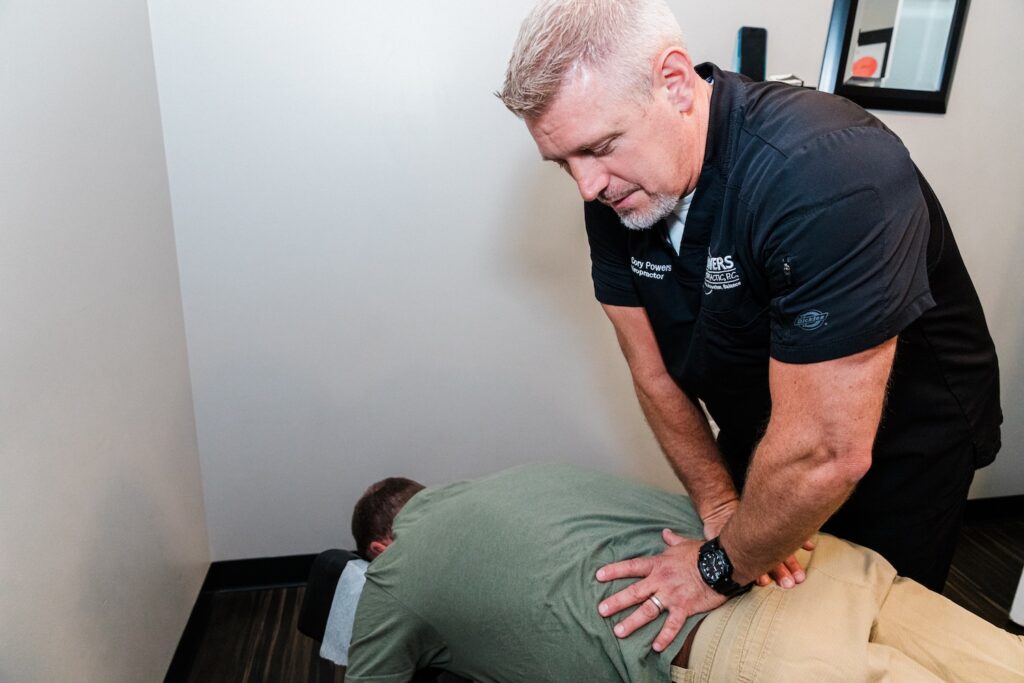
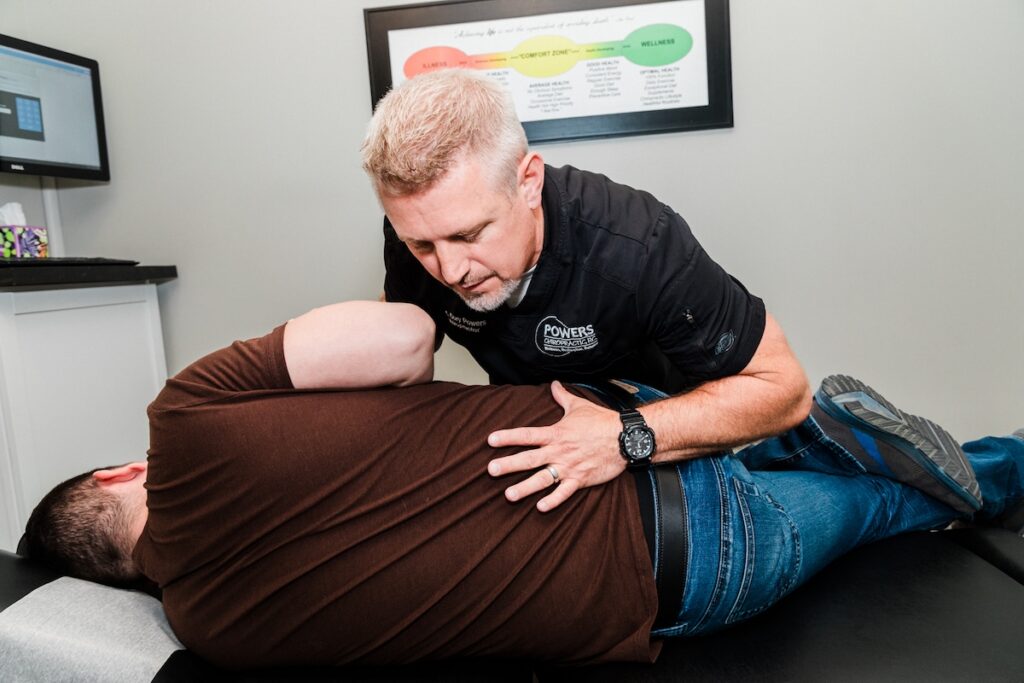
That’s where chiropractic care shines. By focusing on the spine and its connection to your overall health, chiropractic adjustments can help realign your vertebrae, improve mobility, and reduce pain. This natural approach not only targets the symptoms but also aims to address the root causes of your discomfort, promoting better long-term health.
Here are some general tips to support your journey to relief and wellness:
- Stay Active: Engage in gentle exercises like walking or stretching to keep your back muscles strong and flexible. This can help prevent stiffness and reduce pain.
- Maintain Good Posture: Pay attention to your posture while sitting, standing, and lifting. Proper alignment can significantly reduce strain on your back.
- Utilize Chiropractic Care: Regular visits to a chiropractor can help maintain spinal health and prevent future issues. They can provide personalized care tailored to your specific needs.
- Manage Stress: Stress can contribute to muscle tension, leading to more pain. Consider relaxation techniques such as deep breathing, yoga, or meditation.
- Listen to Your Body: If certain activities exacerbate your pain, take a step back and modify them. Your body knows best, so pay attention to what it’s telling you.
By understanding the complexities of back pain and exploring chiropractic care, you can take significant steps towards achieving optimal health and wellness. Remember, relief is possible, and you don’t have to navigate this journey alone!
Key Takeaways
Chronic back pain can be a frustrating experience, especially when common treatments don’t seem to provide lasting relief. Many times, this pain lingers because it’s tied to underlying factors such as muscle imbalances, poor posture, and even psychological influences that typical treatments often overlook.
Traditional methods like pain medications or corticosteroid injections may offer some temporary comfort, but they usually fail to address the root causes of your back pain. This is where chiropractic care shines! By focusing on spinal health and proper alignment, chiropractors can help identify and treat the underlying issues that contribute to your discomfort.
Additionally, misdiagnosis of conditions, such as herniated discs or fibromyalgia, can complicate your recovery and prolong pain symptoms. That’s why it’s crucial to consult with a chiropractic professional who can accurately assess your condition and create a tailored treatment plan.
Stress plays a significant role in how we perceive pain. High levels of stress can amplify your discomfort, making it essential to incorporate effective stress management techniques into your routine. Practices like deep breathing, meditation, or gentle yoga can help alleviate some of that tension.
A holistic approach to back pain—one that includes lifestyle changes, chiropractic adjustments, and alternative therapies—can pave the way for long-term relief and better overall health. Here are some simple tips you can incorporate into your daily life:
- Maintain Good Posture: Be mindful of your posture while sitting, standing, and walking. Keep your shoulders back and your spine aligned.
- Stay Active: Regular physical activity strengthens your back and core muscles. Aim for low-impact exercises like walking, swimming, or cycling.
- Stretch Regularly: Incorporate gentle stretching into your routine to improve flexibility and reduce tension in your muscles.
- Practice Stress Relief: Engage in activities that help you relax, such as reading, spending time in nature, or practicing mindfulness.
- Consult a Chiropractor: Regular chiropractic adjustments can help keep your spine aligned and reduce pain over time.
By focusing on these natural and holistic strategies, you can work towards achieving optimal health and finding lasting relief from persistent back pain. Remember, chiropractic care is not just about treating pain; it’s about promoting overall wellness and empowering your body to heal itself.
Understanding the Complexity of Back Pain
When you experience back pain, it’s common to think it’s due to a specific injury or strain, but the truth is often more complicated. Several factors contribute to that discomfort, including muscle imbalances, poor posture, and even stress.
Remember, your back isn’t just a collection of bones and muscles; it’s a dynamic system that reflects your lifestyle and habits.
Chronic pain can linger even after an injury has healed. This happens because your body may change the way it moves in response to pain, or psychological factors like anxiety can come into play. For instance, if you’re favoring one area due to pain, you might unintentionally create discomfort elsewhere.
This interconnectedness makes it challenging to identify the precise source of your back pain. Understanding this complexity is crucial for effective treatment and relief. It encourages you to adopt a holistic approach, rather than seeking quick fixes.
As a chiropractor, I believe that chiropractic care is one of the best ways to address the root causes of back pain and promote overall wellness.
Here are a few tips to help manage your back pain and support your spine health:
- Maintain Good Posture: Be mindful of how you sit, stand, and move. Proper posture can significantly reduce strain on your back.
- Stay Active: Regular physical activity strengthens the muscles that support your spine. Gentle exercises like walking or stretching can help.
- Listen to Your Body: If you feel pain, don’t push through it. Pay attention to what your body is telling you and make adjustments as needed.
- Stay Hydrated and Eat Well: Proper nutrition and hydration support overall body health, including your spine.
- Consider Chiropractic Care: Regular chiropractic adjustments can help align your spine, relieve pain, and improve your overall health. A chiropractor can provide personalized care that addresses your specific needs.
By understanding the complexities of back pain and taking proactive steps, you can find relief and improve your quality of life.
The Role of Individual Anatomy
Your individual anatomy plays a crucial role in how back pain shows up and persists, and understanding this can help you find effective relief through chiropractic care. Every person’s spine, muscles, and joints are unique, which means your experience of discomfort can vary greatly.
For example, if you have a naturally curved spine or uneven hips, it can create uneven pressure on your back, causing pain to stick around longer than it should. Additionally, if your core muscles are weak, they may not provide the necessary support for your spine, leading to ongoing issues.
Certain anatomical variations, like herniated discs or spinal stenosis, can make you more prone to experiencing pain. It’s also important to acknowledge how your body reacts to stress; this response can be linked to your physical structure. By recognizing these factors, you can better understand why typical treatments mightn’t bring you the relief you seek.
Chiropractic care focuses on aligning your spine and improving your overall function, addressing the root causes of your pain rather than just masking the symptoms.
Here are some helpful tips to consider:
- Posture Matters: Pay attention to your posture, especially during long periods of sitting. Make sure your workstation is ergonomically designed to support your spine.
- Stay Active: Engage in regular low-impact exercises, such as walking or swimming, to strengthen your back and core muscles.
- Stretch It Out: Incorporate gentle stretching into your daily routine to improve flexibility and reduce tension in your muscles.
- Listen to Your Body: If you feel discomfort or pain, don’t ignore it. Consult with a chiropractor who can help identify the underlying issues and guide you on the best path to recovery.
- Stay Hydrated: Drinking plenty of water helps maintain the elasticity of your spinal discs and overall spinal health.
Psychological Factors Influencing Pain
Your mind plays a crucial role in how you experience pain, especially when it comes to back problems. Stress can intensify your discomfort, making it difficult to find relief. This is why it’s important to understand the mind-body connection as it relates to pain management.
Chiropractic care is a natural and effective way to address both the physical and psychological aspects of pain. By focusing on spinal health, we can help restore balance to your body, which can alleviate stress and improve your overall well-being.
Regular chiropractic adjustments can enhance your body’s ability to heal itself, reducing pain and promoting a healthier lifestyle.
Here are a few tips to help you manage pain and stress:
- Stay Active: Gentle exercises like walking or stretching can help keep your body moving and reduce tension in your back.
- Practice Relaxation Techniques: Deep breathing, meditation, and yoga can help calm your mind and reduce stress, which may lessen your perception of pain.
- Maintain Good Posture: Being mindful of your posture while sitting, standing, or lifting can prevent additional strain on your back.
- Stay Hydrated and Nourished: Drinking plenty of water and eating a balanced diet can support your body’s healing processes.
- Seek Chiropractic Care: Regular visits to your chiropractor can help address spinal misalignments and improve your body’s function, leading to less pain and better overall health.
Mind-Body Connection
While discussions about back pain often center around physical factors, it’s important to recognize the significant role psychological elements play in your experience and management of discomfort. Your thoughts, emotions, and beliefs can greatly influence how you perceive pain and how you cope with it.
Understanding this mind-body connection can enhance your approach to pain relief and overall wellness, making chiropractic care an excellent choice for achieving optimal health. Here are some psychological factors to consider:
- Mindset and Attitude: Your outlook on pain can shape your experience. Embracing a positive mindset can help you feel more in control and may improve your ability to manage discomfort.
- Stress and Muscle Tension: High stress levels can lead to muscle tightness, which may exacerbate back pain. Techniques such as deep breathing, meditation, or gentle stretching can help reduce stress and promote relaxation.
- Emotional Well-being: Negative emotions like anxiety or depression can heighten your perception of pain. Engaging in activities that bring you joy or connecting with supportive friends and family can uplift your mood and potentially alleviate discomfort.
- Past Pain Experiences: Previous experiences with pain can color your current perceptions. It’s helpful to remember that each situation is unique and to approach your healing journey with an open mind.
- Beliefs About Healing: Your beliefs about your ability to heal can significantly impact your recovery. Trusting in the natural healing process and the effectiveness of chiropractic care can empower you on your path to wellness.
By focusing on these psychological factors alongside chiropractic care, you can create a comprehensive approach to managing back pain and enhancing your quality of life.
Stress and Pain
Stress can significantly impact how we perceive pain, and understanding this relationship is crucial for achieving optimal health. When you’re under stress, your body enters a heightened state, which can amplify pain signals and make discomfort feel more intense. This cycle can contribute to chronic pain, making it essential to manage stress effectively.
As a local chiropractor, I believe that addressing both stress and pain is key to natural healing and overall wellness. Chiropractic care focuses on aligning the spine and enhancing the body’s natural ability to heal itself, which can help mitigate both stress and pain. Here’s a simple breakdown of how stress levels can influence pain perception:
| Stress Level | Pain Perception |
|---|---|
| Low | Mild to Moderate Pain |
| Moderate | Increased Sensitivity to Pain |
| High | Severe Pain Perception |
Here are some general tips to help manage stress and, in turn, reduce pain perception:
- Regular Chiropractic Adjustments: These can help relieve tension in your spine and improve overall body function, making it easier to handle stress.
- Mindful Breathing: Take a few moments each day to practice deep breathing. This can help calm your nervous system and reduce stress levels.
- Physical Activity: Regular exercise increases endorphins, which are natural pain relievers and stress relievers. Aim for activities like walking, yoga, or stretching.
- Stay Hydrated: Dehydration can increase stress and pain perception. Make sure to drink plenty of water throughout the day.
- Sleep Well: Ensure you are getting adequate rest. A well-rested body is more resilient to stress and pain.
- Healthy Diet: Eating a balanced diet rich in fruits, vegetables, and whole grains can support your body’s natural healing processes and reduce inflammation.
- Seek Support: Connecting with friends, family, or a support group can provide emotional relief and help mitigate stress.
The Limitations of Conventional Treatments
When you seek help for back pain, you may find that conventional treatments often fall short. Many common pain management strategies focus on merely alleviating symptoms without addressing the root causes of your discomfort. This can lead to ongoing frustration and persistent pain, leaving you feeling like you’re in a loop with no end in sight.
As a chiropractor, I want you to know that there’s a more effective approach. Chiropractic care is designed to address the underlying issues contributing to your back pain. By focusing on the spine and its alignment, we can help restore proper function to your body, allowing for natural healing and long-term relief.
Here are some tips to consider for managing your back pain naturally:
- Stay Active: Gentle movements like walking or stretching can help maintain flexibility and strength in your back. Consider incorporating activities that promote mobility, such as yoga or swimming.
- Mind Your Posture: Pay attention to your sitting and standing posture. Proper alignment can significantly reduce strain on your back. If you work at a desk, make sure your chair supports your lower back, and try to take breaks to stretch throughout the day.
- Heat and Ice: Applying heat or cold packs to the affected area can provide temporary relief. Use heat to relax tight muscles and ice to reduce inflammation.
- Stay Hydrated: Drinking plenty of water is essential for spinal health. Hydration helps maintain the elasticity of your spinal discs and supports overall bodily functions.
- Chiropractic Adjustments: Regular chiropractic adjustments can help maintain proper spinal alignment, improve mobility, and reduce pain. A chiropractor can work with you to develop a personalized treatment plan tailored to your specific needs.
By choosing chiropractic care, you’re opting for a holistic approach that promotes natural healing and wellness. If you’re tired of temporary fixes and want to address the root cause of your back pain, consider reaching out to a chiropractor.
Together, we can work towards a healthier, pain-free life!
Ineffective Pain Management Strategies
Many people experience frustration with conventional treatments for back pain, such as over-the-counter medications and physical therapy, as they often provide only temporary relief. While these strategies can help with symptoms, they may not address the underlying causes of pain. Here’s what you should know:
- Pain medications can lead to dependency or reduce their effectiveness over time, leaving you in the same situation.
- Traditional physical therapy frequently focuses on immediate symptom relief rather than long-term wellness and recovery.
- Corticosteroid injections can offer only fleeting relief and may come with unwanted side effects.
- Surgery carries inherent risks and doesn’t always guarantee better results.
Instead of relying on these methods, consider the holistic and natural approach of chiropractic care. Chiropractic focuses on identifying and correcting spinal misalignments that contribute to pain. This can lead to not only relief from discomfort but also improved overall health.
Here are some general tips to support your journey toward better health and wellness:
- Stay Active: Gentle movements and exercises can help maintain flexibility and strength in your back. Consult with your chiropractor for specific exercises tailored to your needs.
- Posture Awareness: Be mindful of your posture, whether sitting at a desk or standing. Good posture can significantly reduce strain on your spine.
- Ergonomic Solutions: Invest in ergonomic furniture and tools that support your body’s natural alignment and reduce stress on your back.
- Regular Chiropractic Visits: Regular adjustments can help keep your spine aligned and functioning optimally, preventing future pain.
- Healthy Lifestyle Choices: Eating well, staying hydrated, and managing stress through techniques like yoga or meditation can all contribute to a healthier spine.
By embracing chiropractic care and making these lifestyle adjustments, you can achieve more sustainable pain relief and enhance your overall well-being.
Overlooked Underlying Causes
While many traditional treatments for back pain focus solely on alleviating symptoms, they often miss the critical underlying causes of your discomfort. Issues like poor posture, muscle imbalances, and even emotional stress can significantly contribute to your pain. If you’re only chasing after quick pain relief, you risk overlooking these vital factors.
Additionally, hidden conditions such as herniated discs or arthritis may remain undiagnosed, keeping you stuck in a loop of ineffective treatments. To truly understand and address your back pain, it’s essential to take a closer look at your lifestyle, habits, and overall health.
Chiropractic care is an excellent choice for uncovering these root causes and providing comprehensive solutions. By focusing on spinal alignment and overall wellness, chiropractic adjustments can help restore balance to your body, which may lead to lasting relief.
Here are some helpful tips you can incorporate into your daily life to complement chiropractic care:
- Practice Good Posture: Whether sitting at a desk or standing, maintain an upright posture. Keep your shoulders back and your spine aligned to minimize strain.
- Stay Active: Regular movement is essential. Engage in low-impact exercises like walking, swimming, or yoga to keep your muscles strong and flexible.
- Manage Stress: Incorporate relaxation techniques such as deep breathing, meditation, or gentle stretching into your routine to help alleviate emotional stress that may contribute to your pain.
- Listen to Your Body: Pay attention to how different activities affect your back. If something feels uncomfortable, it may be a sign to modify your movements.
- Stay Hydrated: Proper hydration is crucial for maintaining healthy spinal discs and overall body function.
By focusing on these aspects and incorporating chiropractic care into your health regimen, you can address the root causes of your back pain and work towards achieving optimal health and wellness.
Don’t just settle for temporary fixes; embrace a holistic approach for a healthier, pain-free life.
Misdiagnosis and Underlying Conditions
Misdiagnosis can complicate your experience with back pain, often leading to unnecessary treatments and prolonged discomfort. When healthcare providers overlook or misinterpret symptoms, you might find yourself struggling with pain that doesn’t come from what you expect. This can be frustrating, especially as you try different therapies that fail to address the real issue.
Some common underlying conditions that may be misdiagnosed include:
- Herniated discs that create nerve pain
- Spinal stenosis causing nerve compression
- Osteoporosis leading to fractures
- Fibromyalgia, which presents as widespread pain
- Infections or tumors affecting spinal health
Recognizing these possibilities is essential. If your back pain persists despite treatment, consider seeking a second opinion, preferably from a chiropractor who specializes in spinal health. A thorough evaluation can help uncover any misdiagnosis, allowing you to pursue the right treatment and finally find relief.
Chiropractic care focuses on the root of the problem, addressing misalignments in the spine that can contribute to pain and discomfort.
Here are some general tips to help you maintain a healthy spine and prevent pain:
- Stay Active: Regular exercise helps strengthen your back muscles, improving your overall spinal health.
- Practice Good Posture: Be mindful of your posture whether sitting, standing, or lifting. Proper alignment can prevent unnecessary strain on your back.
- Use Ergonomic Furniture: If you work at a desk, invest in a chair that supports your lower back and maintains a healthy posture.
- Stay Hydrated: Drinking plenty of water keeps your discs hydrated, which can help prevent injuries.
- Incorporate Stretching: Gentle stretching can improve flexibility and reduce tension in the muscles surrounding your spine.
By choosing chiropractic care, you’re taking a natural approach to health and wellness that can lead to lasting relief.
Importance of a Multidisciplinary Approach
When it comes to managing persistent back pain, embracing a holistic and multidisciplinary approach can significantly improve your chances of finding effective relief. As a chiropractor, I believe that integrating various health disciplines can support your journey toward optimal wellness, especially when it comes to addressing the physical, emotional, and lifestyle factors that contribute to your pain.
Working with a team of healthcare professionals allows for a comprehensive understanding of your condition. This collaboration can lead to personalized treatment plans that focus on natural healing methods, primarily through chiropractic care, which remains a top choice for pain relief and overall health enhancement.
Here are some key benefits of incorporating a multidisciplinary approach, with a focus on how chiropractic care plays a crucial role:
| Discipline | Role in Treatment |
|---|---|
| Chiropractic Care | Focuses on spinal adjustments to improve alignment and relieve pain naturally |
| Physical Therapy | Works alongside chiropractic care to enhance mobility and strengthen muscles |
| Psychological Support | Helps address the emotional aspects of pain, promoting a positive mindset |
| Nutritionist | Offers dietary guidance that supports overall health and healing |
As you consider your options for managing back pain, here are some tips to help you on your path to wellness:
- Stay Active: Regular movement is essential. Engage in gentle exercises, such as walking or swimming, to keep your body active without straining your back.
- Maintain Good Posture: Pay attention to your posture when sitting, standing, or lifting. Proper alignment can help reduce stress on your spine.
- Incorporate Stretching: Gentle stretching can improve flexibility and reduce tension in your muscles.
- Consider Chiropractic Care: Regular chiropractic adjustments can help alleviate pain and improve function by ensuring your spine is properly aligned.
- Focus on Nutrition: Eating a balanced diet rich in anti-inflammatory foods can support your overall health and help reduce pain.
Exploring Alternative Therapies for Relief
Many people look for alternative therapies to enhance their existing treatment plans for back pain relief. While there are various approaches available, I want to emphasize that chiropractic care stands out as one of the most effective and natural options for achieving optimal health and wellness.
By focusing on spinal health, chiropractic adjustments can help address the root causes of pain, leading to lasting relief and improved overall well-being.
Here are some popular alternative therapies to consider, but keep in mind that chiropractic care can often provide the best results:
- Chiropractic Care: This is a natural and holistic approach that focuses on spinal adjustments to restore alignment, relieve discomfort, and improve the body’s overall function. Regular chiropractic visits can enhance your mobility and promote healing without the need for medications or invasive procedures.
- Acupuncture: While acupuncture involves inserting thin needles into specific points on the body, it can be seen as a complementary therapy to chiropractic care. Many patients find that a combination of both therapies yields the best results for pain relief and relaxation.
- Massage Therapy: While massage therapy can be beneficial for relaxing tense muscles and improving blood circulation, it’s most effective when paired with chiropractic care. Together, they can promote healing and enhance your recovery process.
- Yoga: Practicing yoga can help improve flexibility and reduce stress, which is important for overall health. However, incorporating chiropractic adjustments can enhance your yoga practice by ensuring proper alignment and supporting your body’s natural movements.
- Herbal Remedies: Some people explore herbal remedies for their anti-inflammatory properties. While these can offer some relief, it’s essential to consult with your chiropractor first to ensure they align with your overall treatment plan.
If you’re looking to relieve back pain and enhance your wellness, consider these tips:
- Stay Active: Regular movement is crucial for spinal health. Simple activities like walking or gentle stretches can make a significant difference.
- Maintain Good Posture: Be mindful of your posture while sitting, standing, and sleeping to reduce strain on your back.
- Hydrate: Drinking plenty of water supports overall health and helps maintain the elasticity of spinal discs.
- Seek Regular Chiropractic Care: Regular adjustments can help keep your spine in alignment and prevent pain from returning.
By prioritizing chiropractic care and integrating these healthy habits into your lifestyle, you can achieve lasting relief and enjoy better overall health.
Conclusion
Back pain is often a stubborn issue that many people face, and it can linger for a variety of reasons. The truth is, back pain is complex and influenced by numerous factors, including your unique body structure, emotional well-being, and sometimes even misdiagnosis. While traditional treatments like medications or surgeries may provide temporary relief, they often don’t address the underlying causes of your pain.
This is where chiropractic care shines as a holistic solution. As a chiropractor, I believe in a comprehensive approach that not only focuses on alleviating pain but also promotes overall wellness. By assessing your spine and nervous system, we can identify misalignments and tension that may be contributing to your discomfort.
Incorporating chiropractic adjustments into your routine can help restore proper alignment, improve mobility, and enhance your body’s natural healing abilities. Additionally, we can explore complementary therapies such as massage, stretching, and strengthening exercises that empower you to take control of your health.
It’s also important to pay attention to your daily habits. Simple changes, such as maintaining good posture, taking regular breaks from sitting, and incorporating gentle movement throughout your day, can make a significant difference in your back health.
Remember, the goal is not just to find temporary fixes for your back pain but to embark on a journey toward lasting relief and optimal health. By choosing chiropractic care, you’re opting for a natural, effective path to healing that addresses the root causes of your discomfort. Let’s work together towards a healthier, pain-free back!