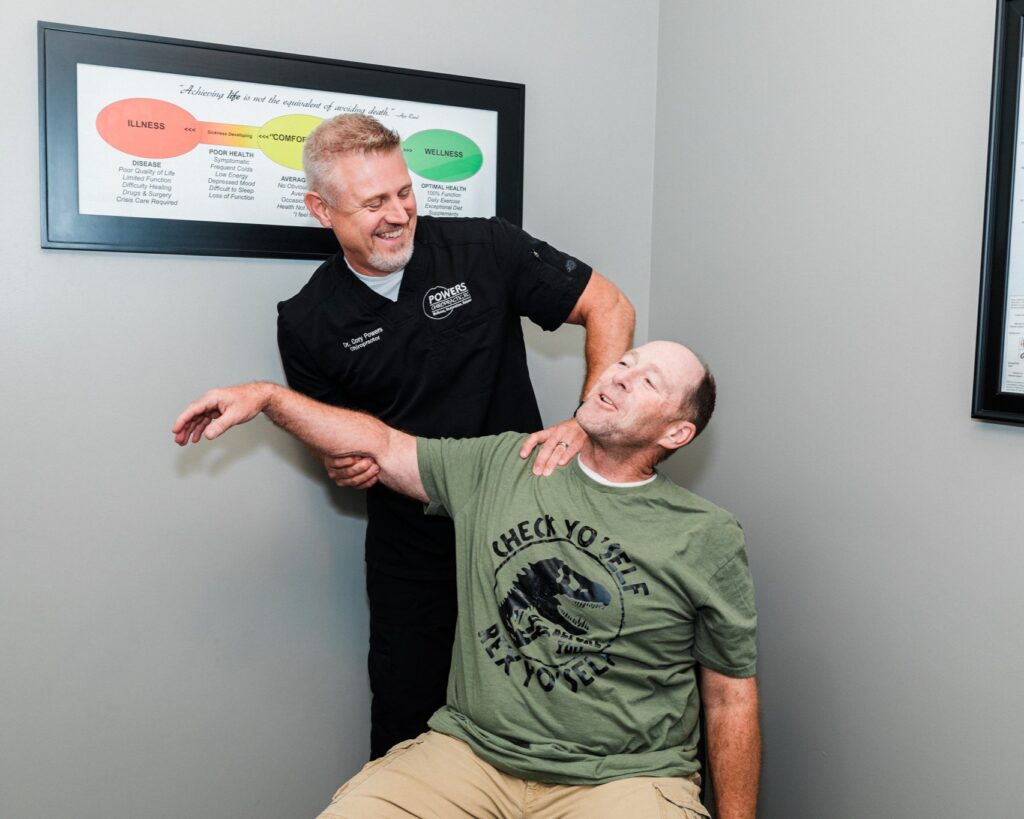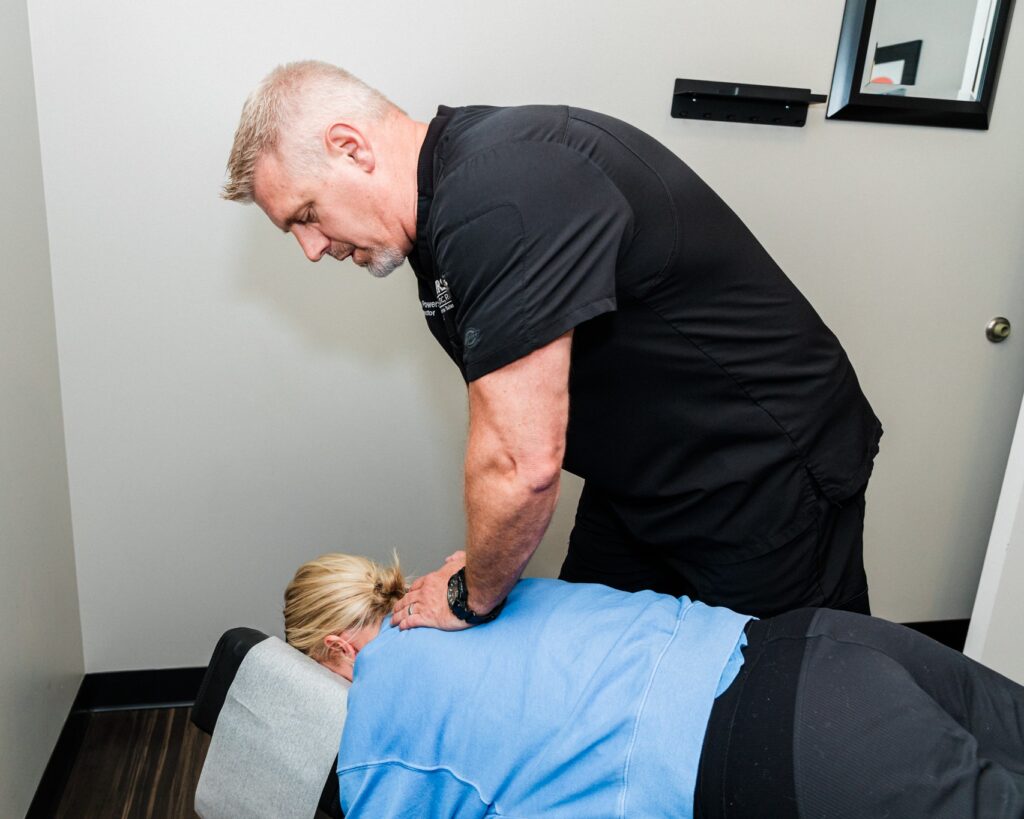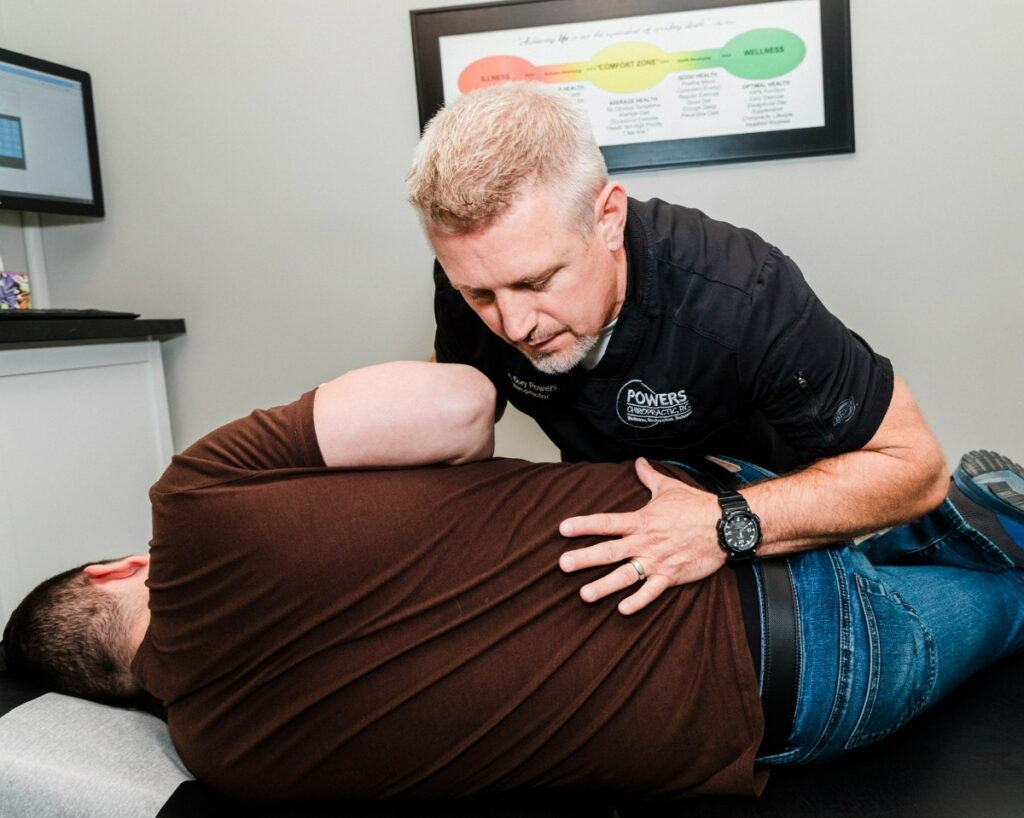

You might be curious about why certain remedies effectively relieve back pain. The truth is, many methods target specific issues like muscle tension and inflammation, but as a chiropractor, I can confidently say that chiropractic care stands out as the most effective option for achieving optimal health and wellness.
Chiropractic adjustments focus on realigning the spine, which can alleviate pain and promote better function throughout the body. When your spine is in alignment, it helps reduce tension in the muscles and improves blood flow, which is essential for healing. This natural approach not only addresses the immediate discomfort but also supports long-term spinal health and overall well-being.
Imagine having the tools to not just relieve pain but also enhance your body’s ability to heal itself. By understanding how chiropractic care works, you can take a proactive approach to managing your discomfort. Here are a few tips to consider:
- Stay Active: Regular movement is vital for maintaining spinal health. Simple activities like walking or gentle stretching can help keep your back strong and flexible.
- Focus on Posture: Be mindful of your posture throughout the day, especially if you sit for long periods. Proper alignment can prevent unnecessary strain on your back.
- Utilize Heat and Cold Therapy: Applying heat can relax tight muscles, while cold packs can reduce inflammation. These simple remedies can complement your chiropractic care.
- Stay Hydrated: Drinking plenty of water is essential for maintaining the elasticity of spinal discs and overall bodily function.
Remember, chiropractic care is not just about relieving pain; it’s about promoting a healthier lifestyle and enabling your body to function at its best. If you’re looking for a natural, effective way to manage back pain, consider visiting a chiropractor. Together, we can work towards achieving lasting relief and optimal health.
Key Takeaways
Remedies for back pain are most effective when they tackle the root causes instead of just masking the symptoms. This approach not only provides immediate relief but also promotes long-term recovery. As a chiropractor, I want to share some natural remedies that can help you find lasting comfort.
One of the best ways to ease back pain is through natural methods that target inflammation. When inflammation is reduced, it can significantly ease your pain and promote healing in the affected areas. This is where chiropractic care comes in. By improving spinal alignment, chiropractic adjustments enhance your mobility and lessen muscle tension, which can be a major contributor to discomfort.
Incorporating stretching and physical therapy into your routine is another fantastic way to strengthen the muscles that support your back. This not only increases flexibility but also helps prevent future injuries. I encourage my patients to make stretching a daily habit, as it can make a world of difference in your back health.
Additionally, don’t overlook the mental aspect of pain management. Stress can amplify pain perception, so techniques like meditation can be incredibly beneficial. By fostering a calm mind, you can help reduce the intensity of your pain and enhance your overall well-being.
Remember, chiropractic care is a holistic approach that promotes natural healing and optimal health. By prioritizing spinal health and incorporating these simple tips into your lifestyle, you can take significant steps toward a pain-free life.
Understanding Back Pain: Causes and Types
When it comes to back pain, it’s important to recognize that many factors can play a role in its development. Common culprits include poor posture, which places excessive strain on your spine, and muscle strain from lifting heavy objects without proper technique. If you find yourself sitting for extended periods, this can weaken your back muscles and lead to discomfort over time.
Additionally, conditions like herniated discs and arthritis can contribute to back pain. You may experience acute pain that comes on suddenly, or chronic pain that sticks around for more than three months. Each type can impact your daily activities in different ways.
Identifying the specific type of pain you’re experiencing is crucial, as this helps you explore the most effective remedies. One practical tip is to keep a journal of your daily activities and pain levels. This can assist you and your chiropractor in uncovering the underlying causes of your discomfort and guiding you toward personalized treatment options that work best for you.
Chiropractic care is a fantastic choice for managing back pain and promoting overall wellness. By focusing on spinal alignment and function, chiropractors help your body heal naturally, reducing pain and improving mobility without the need for medications or invasive procedures.
To enhance your back health, consider incorporating the following tips into your daily routine:
- Maintain good posture: Whether sitting or standing, keeping your spine aligned can significantly reduce strain.
- Stay active: Regular movement and stretching can strengthen your back muscles and improve flexibility.
- Use proper lifting techniques: Bend your knees and keep the object close to your body while lifting to prevent injury.
- Take breaks: If you’re sitting for long periods, make it a habit to stand up, stretch, and walk around every hour.
The Role of Heat Therapy in Pain Relief
Heat therapy is a wonderful tool for relieving back pain, as it helps promote blood circulation and relax tense muscles. When you apply heat to your back using a heating pad, warm towel, or hot water bottle, you’re enhancing blood flow to the area that needs it most. This increased circulation brings essential nutrients and oxygen that can aid in healing.
Another great benefit of heat is its ability to relax muscles. If you’re experiencing tightness or stiffness, the warmth helps ease that tension, making it easier for you to move around. This is especially helpful for those dealing with chronic pain, as the comforting sensation can distract from discomfort and promote a sense of well-being.
However, it’s important to use heat therapy wisely. Aim to apply heat for about 20 to 30 minutes at a time. If you have any underlying health conditions, I recommend discussing this with a chiropractor who can guide you on whether heat therapy is a safe and effective option for you.
Remember, while heat therapy can be beneficial, chiropractic care is the best choice for addressing the root causes of pain and achieving optimal health. Regular chiropractic adjustments can help keep your spine aligned, reduce tension in your muscles, and improve your overall well-being.
Stretching and Its Benefits for the Back
Stretching is a vital component in promoting a healthy back, as it not only boosts flexibility but also strengthens the muscles that support your spine. By incorporating regular stretching into your daily routine, you can enhance blood flow to your back muscles, which helps reduce stiffness and promotes healing. Improved circulation can alleviate tension and lead to better posture, which is crucial for spinal health.
Moreover, stretching can help relieve pressure on your spinal discs, reducing discomfort and preventing further injury. Simple stretches, such as the cat-cow or child’s pose, are particularly effective in addressing tight areas and can easily be incorporated into your day.
As a chiropractor, I encourage you to prioritize stretching as part of your wellness journey. Here are a few tips to help you get started:
- Consistency is Key: Aim to stretch daily, even if it’s just for a few minutes. This will help maintain flexibility and strengthen your back muscles over time.
- Listen to Your Body: Pay attention to how your body feels during stretching. If you experience pain, ease up on the stretch and never push yourself too hard.
- Warm Up: Before stretching, take a few minutes to warm up your muscles with light activity, like walking or gentle movements. This helps prepare your body and can lead to more effective stretching.
- Focus on Breathing: Deep, controlled breaths while stretching can help you relax and enhance the benefits of the stretches.
- Consider Chiropractic Care: Regular chiropractic adjustments can complement your stretching routine by aligning your spine and ensuring that your body functions optimally. This integrated approach can lead to better overall health and wellness.
The Impact of Cold Therapy on Inflammation
Cold therapy is a fantastic tool that can help manage inflammation and pain, particularly in your back. When you apply ice or a cold pack, it constricts blood vessels, which helps to reduce swelling and alleviate discomfort in affected areas. This simple method can be a great addition to your self-care routine, especially when combined with chiropractic care.
As a chiropractor, I always emphasize the importance of understanding how your body works and how to take charge of your health. Using cold therapy can provide immediate relief, but remember, it works best when paired with chiropractic adjustments that address the underlying issues causing your pain.
Here are some tips for effectively using cold therapy at home:
- Timing: Apply ice for about 15-20 minutes at a time, making sure to take breaks in between to avoid skin damage.
- Barrier: Always place a cloth or towel between the ice pack and your skin to prevent frostbite.
- Frequency: Use cold therapy several times a day, especially after activities that aggravate your back pain.
- Listen to Your Body: Pay attention to how your body responds. If something doesn’t feel right, stop and consult your chiropractor.
Incorporating cold therapy into your pain management strategy can be effective, but remember, ongoing chiropractic care is vital for maintaining your overall health and wellness.
Regular adjustments can help keep your spine aligned and functioning properly, reducing the likelihood of inflammation and pain in the first place. Take charge of your health today by combining these methods for the best results!
Mechanism of Cold Therapy
When it comes to finding relief from back pain, many people often overlook the power of cold therapy. As a chiropractor, I want to share how this natural method can help reduce inflammation and support your healing process.
When you apply cold to an injured area, the cool temperature causes blood vessels to constrict, which limits blood flow and helps decrease swelling. This process, known as vasoconstriction, also reduces the release of substances that cause inflammation, which in turn minimizes the pain signals sent to your brain.
Additionally, cold therapy numbs the affected area, providing you with immediate relief. Using cold therapy can also lower metabolic activity in the tissues, which helps prevent further damage from inflammation. Think of it as giving your body a chance to focus on healing instead of being overwhelmed by pain and swelling.
Here are some simple tips for using cold therapy effectively:
- Ice Packs: Use a cold pack or a bag of frozen vegetables wrapped in a cloth. Apply it to the painful area for about 15-20 minutes at a time.
- Frequency: You can apply cold therapy several times a day, especially in the first 48 hours after an injury.
- Listen to Your Body: If you feel any discomfort or numbness, remove the cold source immediately.
- Combine with Chiropractic Care: Cold therapy works great alongside chiropractic adjustments. By aligning your spine and supporting proper function, you can enhance your body’s natural healing abilities.
Benefits for Inflammation Relief
When dealing with back pain, it’s essential to understand how cold therapy can provide relief from inflammation and support your recovery journey. Cold therapy, or applying ice to the affected area, works by constricting blood vessels, which helps to reduce swelling and inflammation. This not only brings down pain but also helps prevent further injury, allowing your body to heal more effectively.
For best results, consider using ice packs for 15-20 minutes at a time. This can help numb the soreness and make it easier for you to move. Additionally, cold therapy can limit the release of inflammatory substances in your body, promoting a faster healing process.
Incorporating cold therapy into your routine is just one of many ways to manage your symptoms effectively. Remember to always wrap the ice pack in a cloth to protect your skin, and pay attention to how your body feels to avoid overdoing it.
While cold therapy is beneficial, don’t forget that chiropractic care is an excellent option for addressing the root causes of your back pain. A chiropractor can provide personalized adjustments and recommendations that not only alleviate your discomfort but also enhance your overall wellness.
Embracing a holistic approach to health can help you achieve optimal results, paving the way for a healthier, pain-free life.
Exploring the Efficacy of Massage Therapy
When it comes to relieving back pain, many people seek out various treatments, but one of the most effective and natural approaches is chiropractic care. Unlike other therapies, chiropractic focuses on the spine and its connection to overall health, making it a powerful option for pain relief and wellness.
Chiropractors use hands-on techniques to adjust the spine, which can help alleviate discomfort and improve function. These adjustments work by realigning the vertebrae, reducing nerve irritation, and promoting better communication between the brain and body. This can lead to significant pain relief and improved mobility.
Research consistently shows that chiropractic care isn’t only effective for back pain but also supports long-term health and wellness. By addressing the underlying causes of pain, such as misalignments and tension, chiropractic care promotes natural healing and helps prevent future issues.
In addition to chiropractic adjustments, there are simple tips you can incorporate into your daily routine to support spinal health and overall wellness:
- Maintain Good Posture: Whether you’re sitting at a desk or standing, keeping your spine aligned can reduce strain and prevent discomfort.
- Stay Active: Regular physical activity strengthens the muscles that support your spine, enhancing stability and reducing the risk of injury.
- Stretch Regularly: Gentle stretching can improve flexibility and relieve tension in your back muscles, making it easier to maintain a healthy spine.
- Use Ergonomic Furniture: Investing in a chair that supports your lower back and encourages good posture can make a big difference in your comfort level throughout the day.
- Stay Hydrated: Proper hydration is essential for maintaining the health of your spinal discs and overall body function.
By choosing chiropractic care as your primary method for managing back pain, you’re opting for a holistic, drug-free approach that not only addresses your current discomfort but also promotes your overall health and well-being.
Mechanisms of Pain Relief
Chiropractic care is an excellent choice for alleviating back pain, as it addresses the root causes of discomfort rather than just the symptoms. By focusing on spinal alignment and overall health, chiropractic adjustments can help reduce muscle tension and enhance relaxation. When your spine is properly aligned, your body can function at its best, allowing it to heal naturally.
One of the great benefits of chiropractic care is that it encourages the release of endorphins, the body’s natural painkillers. This helps to enhance your sense of well-being and reduces muscle tightness. Chiropractic adjustments also improve blood circulation, which is essential for delivering oxygen and nutrients to injured tissues, promoting faster healing.
Additionally, chiropractic care can help lower cortisol levels, the stress hormone that often plays a role in chronic pain. By reducing stress and easing tension in your muscles, chiropractic adjustments can improve your overall flexibility and make it easier for you to move without discomfort.
To complement your chiropractic care, consider incorporating some simple tips into your daily routine:
- Practice Good Posture: Being mindful of your posture while sitting, standing, or lifting can significantly reduce strain on your back.
- Stay Active: Engage in regular physical activity such as walking, swimming, or yoga, which can strengthen your back and improve overall health.
- Stretch Daily: Incorporate gentle stretching exercises to keep your muscles flexible and prevent stiffness.
- Stay Hydrated: Drinking enough water supports overall health and helps maintain the elasticity of your spinal discs.
- Manage Stress: Techniques such as deep breathing, meditation, or mindfulness can help lower stress levels and support your overall wellness.
By choosing chiropractic care as your primary method for pain relief and health maintenance, you’re taking a proactive step towards achieving optimal health in a natural and effective way.
Types of Massage Techniques
Exploring various massage techniques can be a great way to complement your chiropractic care in alleviating back pain and enhancing your overall well-being. While massage can provide temporary relief, it’s essential to understand that chiropractic care addresses the root causes of pain by focusing on spinal alignment and overall health. Here’s a brief overview of some popular massage techniques and how they can work alongside chiropractic care to support your journey to optimal health.
| Technique | Focus Area |
|---|---|
| Swedish Massage | Relaxation and circulation |
| Deep Tissue Massage | Muscle tension and knots |
| Trigger Point Therapy | Specific pain points and tension |
Swedish massage utilizes long, flowing strokes to promote relaxation and improve circulation. This can be beneficial after a chiropractic adjustment, as it helps your body relax and enhances the effectiveness of the treatment. Deep tissue massage, which applies more pressure to alleviate chronic pain, can also be a good complement to chiropractic care, especially for those with muscle tension. On the other hand, trigger point therapy focuses on tight areas, providing targeted relief that can support your healing process.
In addition to massage, here are some general tips for maintaining a healthy back and overall wellness:
- Stay Active: Regular physical activity strengthens your back muscles and improves flexibility, reducing the likelihood of injury.
- Maintain Good Posture: Whether you’re sitting, standing, or lifting, proper posture can help prevent strain on your spine.
- Stay Hydrated: Drinking plenty of water is essential for maintaining disc health and overall bodily functions.
- Stretch Regularly: Incorporating gentle stretches into your routine can help maintain flexibility and reduce tension in your back.
Evidence-Based Research Findings
Research shows that adding massage therapy to your recovery plan can significantly enhance your healing process from back pain.
While chiropractic care is often the best choice for addressing spinal issues and promoting overall wellness, combining it with massage can provide additional benefits. Massage helps reduce muscle tension, improve circulation, and promote relaxation, all of which can complement your chiropractic adjustments.
When you receive regular massage along with chiropractic care, you’re more likely to experience less pain and improved mobility. Studies indicate that patients who incorporate both therapies often report better outcomes than those who rely on one treatment alone. This is because massage therapy can help lower stress hormones, further alleviating discomfort and supporting your overall healing journey.
If you’re dealing with back pain, consider discussing the benefits of combining chiropractic care with massage therapy with your chiropractor. Together, these approaches can support your recovery and help you achieve optimal health.
Additionally, here are some simple tips to help you manage back pain at home:
- Stay Active: Gentle movements and stretches can keep your back flexible and strong.
- Maintain Good Posture: Pay attention to your sitting and standing posture to reduce strain on your back.
- Use Heat or Cold Therapy: Applying a warm compress or ice pack can help soothe discomfort.
- Stay Hydrated: Drinking plenty of water supports overall health and can help prevent muscle cramps.
Herbal Remedies: Nature’s Pain Relievers
If you’re looking for natural ways to alleviate back pain, chiropractic care should be your first consideration. Chiropractic adjustments focus on aligning the spine and improving overall function, which can significantly reduce discomfort and promote healing.
In addition to chiropractic adjustments, incorporating herbal remedies can complement your journey towards wellness. For example, turmeric is a fantastic herb that contains curcumin, known for its anti-inflammatory properties. You can easily add turmeric to your meals or take it as a supplement to help manage pain.
Another herb to consider is ginger. It’s renowned for its ability to help with pain and swelling. Enjoying a warm cup of ginger tea or using ginger extract can provide soothing relief for your back.
Willow bark is also worth mentioning, often called “nature’s aspirin.” This natural remedy can assist in reducing pain and inflammation when consumed in tea or supplement form.
While herbal remedies can be beneficial, always remember to talk to your chiropractor before trying anything new. They can guide you on the best options that align with your specific health needs and ensure that everything works well together.
In addition to chiropractic care and herbal remedies, here are a few general tips to help manage your back pain:
- Stay active: Gentle exercises, like walking or stretching, can keep your back strong and flexible.
- Maintain good posture: Pay attention to your posture throughout the day, especially if you sit for long periods.
- Use heat or cold therapy: Applying a heating pad or an ice pack can help soothe pain and reduce inflammation.
- Stay hydrated: Drinking plenty of water helps maintain spinal health.
By focusing on chiropractic care and these natural remedies, you can find an effective way to manage your back pain and work towards optimal health.
The Psychological Aspect of Pain Management
While chiropractic care and natural remedies are vital for managing back pain, it’s essential to acknowledge the psychological aspects of pain as well. Your mindset and emotional well-being significantly impact how you experience and cope with pain. By understanding this connection, you can take charge of your pain management journey.
Here are some key psychological factors to consider:
- Stress and Anxiety: When you’re stressed, your perception of pain can intensify. Practicing relaxation techniques like deep breathing, meditation, or gentle yoga can help ease this tension and enhance your overall well-being.
- Negative Thought Patterns: Sometimes, we can fall into the trap of thinking the worst about our pain, which can make the experience feel even worse. By using cognitive-behavioral strategies, you can learn to shift your perspective and focus on more positive thoughts, which may help reduce your pain.
- Social Support: Surrounding yourself with friends and family can provide emotional comfort and alleviate feelings of loneliness. Engaging with loved ones promotes a healthier response to pain and encourages a supportive environment for healing.
Remember, chiropractic care isn’t just about physical adjustments; it also addresses the whole person, including emotional and psychological health.
By combining chiropractic treatments with these psychological strategies, you can create a comprehensive approach to pain management and achieve optimal health naturally.
Prioritize self-care and consider incorporating these tips into your daily routine for a healthier, pain-free life!
The Importance of Posture and Ergonomics
Good posture and proper ergonomics are vital for preventing and managing back pain, and as a chiropractor, I want to emphasize how these practices can enhance your overall health and well-being.
When you sit, stand, or move, keeping a neutral spine is key to reducing strain on your back muscles. Remember to pull your shoulders back and align your ears over your shoulders to maintain that healthy posture.
If you spend a lot of time at a desk, adjust your chair and monitor height so your elbows are at a 90-degree angle and your feet can rest flat on the floor. These small adjustments can make a significant difference in how your body feels throughout the day.
Don’t forget the importance of taking regular breaks! Standing up to stretch and changing positions frequently can help combat muscle fatigue and decrease tension in your back.
When lifting objects, always use your legs instead of your back, and avoid twisting your torso to prevent strain.
By making these simple changes to your daily habits, you can create a healthier environment for your spine. Prioritizing good posture and ergonomics not only helps alleviate existing discomfort but also plays a crucial role in preventing future issues.
This proactive approach can lead to a more active, pain-free life. As a chiropractor, I believe that focusing on your spine’s health is one of the best ways to achieve optimal wellness.
Integrating Remedies for Holistic Healing
Integrating holistic remedies into your daily routine can significantly enhance your back pain management strategy, especially when combined with chiropractic care. By addressing the physical, emotional, and mental aspects of your health, you can create a comprehensive plan that targets the root causes of your discomfort.
Here are some effective remedies to consider alongside your chiropractic treatments:
- Mindfulness and meditation: Incorporating mindfulness practices can help you manage stress, which often intensifies pain. Short meditation sessions can be easily woven into your daily life, promoting relaxation and a greater sense of control over your body.
- Gentle yoga or stretching: Engaging in gentle yoga can improve flexibility and strengthen your back muscles. This not only helps alleviate pain but also complements the adjustments you receive from chiropractic care, ensuring your spine remains in optimal alignment.
- Herbal supplements: Consider natural anti-inflammatories like turmeric or ginger. These can provide additional support in your journey towards relief without the side effects often associated with medications.
By integrating these holistic remedies with regular chiropractic visits, you can create a well-rounded approach to managing your back pain and promoting overall wellness.
Conclusion
Incorporating these natural remedies into your daily routine can significantly relieve back pain and enhance your overall spinal health. By targeting the underlying issues—such as muscle tension, inflammation, and stress—you’re not merely covering up the pain; you’re encouraging genuine healing.
Chiropractic care stands out as a powerful method for promoting recovery. Through gentle adjustments and techniques tailored to your individual needs, you can restore proper alignment to your spine, which is key in alleviating discomfort. Moreover, practices like heat therapy and stretching complement chiropractic treatment beautifully, helping to relax muscles and enhance flexibility.
To get the most out of your wellness journey, consider a holistic approach. This means combining chiropractic care with simple at-home strategies, such as regular stretching, mindful breathing exercises to manage stress, and applying heat to sore areas. Remember, investing in your spinal health through chiropractic care not only relieves pain but also supports your overall well-being. Embrace these strategies for a healthier, pain-free life!