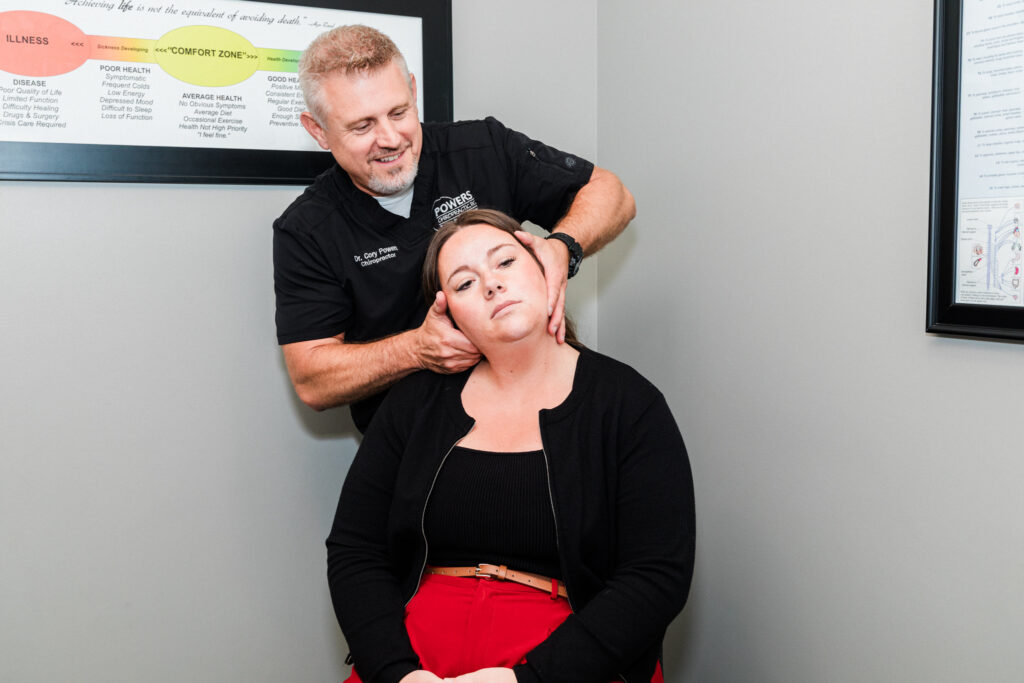

You might not realize how significantly your posture impacts your back pain treatment journey. When your alignment is off, it can place unnecessary strain on your muscles and ligaments, making recovery a tougher process. A misaligned spine can lead to muscle imbalances and nerve compression, which can contribute to ongoing discomfort.
Understanding the connection between posture and back pain is crucial for effective treatment. As a chiropractor, I want to emphasize that correcting your posture is one of the most powerful steps you can take towards alleviating pain and promoting natural healing. Here are some simple tips to help you improve your posture and support your back health:
- Be Mindful of Your Sitting Position: When sitting, make sure your back is straight, shoulders relaxed, and feet flat on the floor. Consider using a chair that supports your lower back.
- Stand Tall: Keep your head up, shoulders back, and weight evenly distributed on both feet. Imagine a string pulling you up from the top of your head to maintain a tall, aligned posture.
- Take Breaks: If you sit for long periods, take regular breaks to stand up, stretch, and move around. This helps to relieve tension and reset your posture.
- Strengthen Your Core: Exercises that strengthen your abdominal and back muscles can help support your spine and improve your posture.
- Practice Good Lifting Techniques: When lifting heavy objects, bend your knees and keep your back straight. Use your legs to lift, not your back.
- Consider Chiropractic Care: Regular visits to a chiropractor can help you maintain proper spinal alignment, alleviate pain, and promote overall wellness. It’s a natural approach that focuses on restoring your body’s innate ability to heal itself.
By focusing on these simple strategies, you can take control of your posture and significantly impact your back pain treatment. Remember, chiropractic care is an excellent choice for achieving optimal health and wellness. Let’s work together to help you feel your best!
Key Takeaways
- Poor posture can lead to misalignment of the spine, which puts extra strain on your back and makes it harder to find relief from pain. This is where chiropractic care becomes essential, as it helps to realign your spine and reduce discomfort naturally.
- Slouching often causes muscle imbalances that can worsen your pain and slow down your recovery. Chiropractors focus on correcting these imbalances through adjustments and exercises, promoting better movement and stability.
- By maintaining good posture, you can enhance your spinal alignment. This not only helps with pain relief but also improves your mobility during treatment sessions. A chiropractor can guide you on how to sit, stand, and move correctly to support your spine.
- Making ergonomic adjustments in your workspace is another way to support proper posture. Simple changes, like using a chair that provides good back support or positioning your computer screen at eye level, can make a big difference in reducing your risk of back pain during daily activities.
- Regularly practicing posture correction techniques can help ease tension in your muscles and prevent chronic pain from developing. Your chiropractor can teach you effective strategies to incorporate into your daily routine, leading to better treatment outcomes and a healthier lifestyle overall.
Remember, a healthy spine is crucial for overall well-being, and chiropractic care offers a natural approach to achieving and maintaining optimal health.
The Anatomy of Posture and the Spine
When you think about posture, it’s important to consider the anatomy of your spine and its role in supporting your body. Your spine is made up of 33 vertebrae, organized into five key regions: cervical, thoracic, lumbar, sacral, and coccygeal. Each part has its own important job in helping you maintain balance and stability.
The natural curves of your spine—cervical lordosis, thoracic kyphosis, and lumbar lordosis—are designed to evenly distribute weight and absorb shock as you move. Surrounding your spine are strong muscles and ligaments that provide the necessary support and flexibility.
When you practice good posture, you engage these muscles effectively, promoting ideal spinal alignment. This alignment not only improves your body mechanics but also enhances your breathing and alleviates tension in your muscles.
Understanding your spine’s anatomy can help you realize just how vital good posture is for your overall health and well-being. It’s truly the foundation for a pain-free and active lifestyle.
Here are a few simple tips to help you maintain good posture throughout your day:
- Sit Smart: When sitting, keep your feet flat on the floor, your knees at hip level, and your back straight. Consider using a chair that supports your lower back.
- Stand Tall: When standing, distribute your weight evenly on both feet, keep your shoulders back and relaxed, and avoid locking your knees.
- Strengthen Your Core: Engaging in exercises that strengthen your core muscles can help support your spine and improve your posture.
- Stay Active: Regular movement and stretching can help maintain flexibility and prevent stiffness in your spine.
- Consider Chiropractic Care: Regular visits to a chiropractor can help ensure your spine is properly aligned, allowing your body to function at its best. Chiropractic care focuses on natural healing and can be a powerful ally in achieving and maintaining your overall health.
How Poor Posture Contributes to Back Pain
Poor posture can lead to spinal alignment issues that put unnecessary strain on your back, causing discomfort and pain.
When you slouch or hunch, it can create muscle imbalances—some muscles work harder while others weaken. This imbalance not only affects your comfort but can also hinder your overall well-being.
As a chiropractor, I want to emphasize the importance of addressing your posture for better back health. By maintaining proper alignment, you can reduce strain on your spine and improve your overall comfort.
Here are some simple tips to help you improve your posture and promote a healthier back:
- Mind Your Sitting Position: When sitting, keep your feet flat on the ground, your knees level with your hips, and your back straight against the chair. Consider using a lumbar support cushion to help maintain the natural curve of your spine.
- Take Frequent Breaks: If you work at a desk, make sure to stand up and stretch every 30 minutes. This helps to alleviate tension and allows your muscles to relax.
- Strengthen Your Core: Engaging in exercises that strengthen your core muscles can provide better support for your spine. Activities like yoga or pilates not only improve strength but also promote flexibility.
- Be Mindful of Your Feet: Wearing supportive shoes can make a significant difference in your posture. Avoid high heels and choose footwear that offers proper arch support.
- Consider Chiropractic Care: Regular visits to a chiropractor can help ensure your spine is aligned and functioning optimally. Chiropractic adjustments can relieve pain, improve posture, and enhance your overall well-being naturally.
Remember, good posture isn’t just about looking confident; it’s about taking care of your spine and overall health.
Spinal Alignment Issues
As you go about your daily activities, it’s essential to recognize how your posture can impact your spine. Poor posture can lead to spinal alignment issues, often resulting in discomfort and pain.
When you slouch or lean forward, your spine loses its natural alignment, placing unnecessary stress on your vertebrae and discs. This misalignment can lead to nerve compression and inflammation, which may result in persistent back pain. If left unaddressed, these problems can worsen over time.
So, how can you ensure your spine stays healthy? First, being mindful of your posture is crucial. Simple adjustments can make a significant difference in maintaining proper spinal alignment and reducing the risk of pain and injury. Here are some helpful tips:
- Sit Up Straight: Whether you’re at a desk or on the couch, make a conscious effort to sit up with your back straight and shoulders relaxed. Your ears should be aligned with your shoulders.
- Ergonomic Furniture: Invest in ergonomic chairs and desks that support your spine’s natural curves. This can significantly enhance your comfort during long hours of sitting.
- Take Breaks: Stand up, stretch, and move around regularly. This helps prevent stiffness and keeps your spine in a healthy position.
- Mind Your Feet: When standing, keep your weight evenly distributed on both feet, and avoid locking your knees. This promotes better alignment and stability.
- Chiropractic Care: Regular visits to a chiropractor can help ensure your spine remains aligned and functioning optimally. Chiropractic adjustments can relieve pain, improve mobility, and enhance your overall well-being.
By incorporating these simple tips into your daily routine and considering chiropractic care, you can take proactive steps toward maintaining a healthy spine and enjoying a more pain-free life.
Muscle Imbalance Development
Did you know that your posture can significantly impact your muscle balance and contribute to back pain? It’s true! When you slouch or sit for long periods, certain muscles can become overstretched and weak, while others become tight and overactive. For example, if you find yourself hunching forward often, your chest muscles may tighten up, while the muscles in your upper back can weaken. This imbalance puts extra strain on your spine, potentially leading to discomfort and pain.
Moreover, these muscle imbalances can alter how you move in your daily life. This can make simple tasks feel more challenging and can even increase your risk of injury. That’s why it’s crucial to pay attention to your posture! By working on improving your posture, you can help correct these imbalances, alleviate pain, and enhance your overall function.
Chiropractic care is a fantastic way to support your journey toward better posture and spinal health. Regular chiropractic adjustments can help realign your spine, reduce muscle tension, and promote better movement patterns. Plus, your chiropractor can provide personalized advice on exercises and stretches that can strengthen weak muscles and loosen tight ones.
Here are a few simple tips to help you improve your posture and keep muscle imbalances at bay:
- Practice good sitting habits: Sit all the way back in your chair with your feet flat on the floor and your back straight. Consider using a lumbar support pillow to maintain your lower back’s natural curve.
- Take frequent breaks: If you work at a desk, make it a habit to stand up and stretch every 30 minutes. This helps to reset your posture and relieve muscle tension.
- Strengthen your core: A strong core supports your spine. Incorporate exercises like planks and bridges into your routine to build strength in your abdominal muscles.
- Stretch regularly: Focus on stretching tight muscles, especially the chest and hip flexors, to help counteract the effects of prolonged sitting.
- Stay mindful of your posture: Check in with yourself throughout the day. Are you slouching? Make adjustments as needed to keep your spine aligned.
The Biomechanics of an Aligned Posture
When your body maintains an aligned posture, the biomechanics at work support both movement and stability, helping to ease the strain on your muscles and joints. Proper alignment refers to your spine being in a neutral position, which is crucial for absorbing shock during everyday activities. This alignment helps distribute your body weight evenly across your joints, significantly lowering the risk of injury.
When your head, shoulders, and hips are aligned, you establish a strong foundation for movement. This means your muscles can function more efficiently, reducing fatigue and discomfort throughout the day. Additionally, good biomechanics promote better circulation and nerve function, which are vital for overall health and wellness.
As a chiropractor, I want to emphasize the importance of maintaining an aligned posture not just for comfort, but for your overall well-being. Here are some tips to help you achieve and maintain proper alignment:
- Mind Your Posture: Whether sitting or standing, keep your shoulders back and your head level. Avoid slouching or leaning forward.
- Ergonomic Set-Up: If you spend a lot of time at a desk, make sure your chair supports your lower back, and your computer screen is at eye level to prevent straining your neck.
- Strengthening Exercises: Incorporate exercises that strengthen your core and back muscles. A strong core supports your spine and helps maintain proper alignment.
- Regular Chiropractic Adjustments: Regular visits to a chiropractor can help keep your spine in alignment, ensuring that your body functions optimally and reducing the chance of pain and discomfort.
- Listen to Your Body: Pay attention to any signs of discomfort. If you notice persistent pain or tightness, consider consulting with a chiropractor who can offer personalized care.
By prioritizing your posture and incorporating these simple practices into your daily routine, you can enhance your body’s alignment, promote natural healing, and support your journey toward optimal health.
The Role of Core Strength in Maintaining Good Posture
Your core muscles play a vital role in stabilizing your body and supporting good posture, which is essential for overall health. When your core is strong, you’re less likely to suffer from pain caused by poor alignment, particularly in the back. Strengthening your core not only improves your posture but also helps alleviate discomfort.
At our chiropractic practice, we focus on natural healing and wellness, encouraging you to embrace exercises that strengthen your core. Simple activities like planks, bridges, and pelvic tilts can be incredibly effective.
Remember, a strong core supports your spine, which is crucial for maintaining proper posture and overall body alignment.
In addition to core-strengthening exercises, regular chiropractic adjustments can enhance your posture by ensuring your spine is properly aligned. This holistic approach not only helps reduce pain but also promotes better movement and flexibility.
If you’re looking to improve your posture and reduce discomfort, consider making core strengthening a regular part of your routine and incorporate chiropractic care into your wellness journey. Together, we can help you achieve optimal health naturally!
Core Muscles and Stability
Core strength plays a vital role in maintaining good posture and preventing back pain, which is something we often address in chiropractic care. When your core muscles are strong, they offer stability and support for your spine, making it easier to stand or sit up straight without discomfort.
Here are four key benefits of having a strong core that can enhance your overall health and wellness:
- Improved Stability: A strong core helps stabilize your body during various movements, which can significantly reduce the risk of injuries. This stability is essential for everyday activities and can be further supported through chiropractic adjustments that align the spine and pelvis.
- Enhanced Balance: Core strength contributes to better balance, whether you’re standing still or engaging in physical activities. Incorporating balance exercises and stretches into your routine, along with regular chiropractic visits, can help you maintain stability and reduce the chance of falls.
- Better Alignment: Strong core muscles support proper alignment of your spine, which is crucial for good posture. Chiropractic care plays a key role in ensuring your spine is aligned, allowing your core to function optimally and preventing strain that can lead to discomfort or pain.
- Increased Endurance: A well-conditioned core enables you to maintain postural positions for longer periods without fatigue. By combining core-strengthening exercises with chiropractic adjustments, you can enhance your endurance and overall physical performance.
As a chiropractic professional, I encourage you to incorporate core-strengthening exercises into your daily routine while also considering regular chiropractic care. This combination can lead to a healthier, pain-free life.
Simple tips include practicing planks, engaging in yoga or Pilates, and maintaining an active lifestyle to strengthen your core. Remember, a strong core isn’t just about aesthetics; it’s about supporting your spine and overall well-being!
Posture’s Effect on Pain
Poor posture can lead to a variety of pain and discomfort throughout your body, which is why maintaining core strength is crucial for proper alignment and overall health.
When your core muscles are weak, it becomes challenging to support your spine effectively. This can result in muscle imbalances and increased strain on your back, often leading to chronic pain that makes daily activities uncomfortable.
As a chiropractor, I want to emphasize the importance of strengthening your core for spinal health. A strong core helps stabilize your pelvis and spine, allowing you to sit and stand with better posture.
By focusing on core exercises, you can alleviate back pain, enhance your mobility, and improve your overall comfort.
Here are some easy tips to help you strengthen your core and improve your posture:
- Engage Your Core: Throughout your day, practice gently pulling your belly button in toward your spine. This simple action can help activate your core muscles.
- Practice Good Posture: Whether sitting or standing, keep your shoulders back and down, and align your ears over your shoulders to maintain a neutral spine.
- Incorporate Core Exercises: Simple exercises such as planks, bridges, and bird dogs can effectively strengthen your core. Aim for a few minutes each day.
- Stay Active: Regular physical activity not only strengthens your core but also promotes overall wellness. Consider walking, swimming, or yoga to keep your body moving.
- Seek Chiropractic Care: Regular visits to your chiropractor can help ensure your spine is properly aligned, which supports your posture and core strength.
We can work together to create a personalized plan to enhance your wellness and alleviate pain.
Remember, prioritizing core strength isn’t just about looking good; it’s essential for long-term spinal health and pain management.
Posture Correction Techniques for Back Pain Relief
Many people underestimate the crucial role that good posture plays in their overall health, especially when it comes to alleviating back pain. As a chiropractor, I want to share how correcting your posture can’t only relieve discomfort but also promote better spinal health.
By incorporating specific techniques into your daily routine, you can strengthen your back and enhance your overall well-being. Here are four effective posture correction techniques you can easily integrate into your life:
- Wall Angels: Find a clear wall and stand with your back against it. Position your arms at a 90-degree angle, and gently slide them up and down while keeping your back flat against the wall. This exercise helps open up your chest and improves your shoulder mobility.
- Chin Tucks: Whether you’re sitting or standing, adopt a tall posture and gently tuck your chin in towards your neck. Hold this position for a few seconds and repeat. This simple movement strengthens your neck muscles and helps align your spine properly.
- Shoulder Blade Squeeze: In a seated or standing position, pull your shoulder blades together and down, as if you’re trying to pinch a pencil between them. Hold for a few seconds, then release. This exercise enhances upper back strength and helps counteract the effects of slouching.
- Hip Flexor Stretch: Kneel on one knee with the other foot in front. Gently push your hips forward, stretching the front of your hip. This stretch is particularly beneficial for those who spend long hours sitting, as it helps relieve tightness and improve flexibility.
Remember, incorporating these techniques consistently into your daily routine can lead to better posture and reduced back pain.
Moreover, regular chiropractic care can further support your journey to optimal health by addressing underlying issues and ensuring your spine is functioning at its best.
Stay proactive about your health and embrace these natural methods for a pain-free life!
Ergonomics: Creating a Back-Friendly Environment
Creating a back-friendly environment is crucial for not only reducing discomfort but also enhancing your overall well-being. As a chiropractor, I want to help you understand how to support your spine naturally and promote a healthier lifestyle.
Start by assessing your workspace. An ergonomic chair that supports your lower back is key to encouraging good posture. Make sure your desk is at the right height—ideally, it should be at elbow height while you’re seated to avoid unnecessary strain when typing.
Your computer monitor should be at eye level to keep your neck in a neutral position. This simple adjustment can make a big difference in how you feel throughout the day. Your keyboard and mouse should also be within easy reach to prevent you from stretching too far.
If you find yourself sitting for long periods, remember to take regular breaks to stretch and move around. This not only helps relieve tension but also promotes better circulation, which is vital for spinal health.
At home, consider your sleeping setup. A supportive mattress and pillow can help align your spine while you rest. Pay attention to your daily activities as well; when lifting heavy objects, always use proper techniques to protect your back.
By making these small adjustments in your environment and habits, you can create a space that encourages better posture and reduces the risk of back pain.
Remember, chiropractic care is a powerful ally in achieving optimal health and wellness. Regular visits can help keep your spine aligned and functioning well, allowing you to live your life to the fullest.
Embrace these tips, and take a proactive approach to your health—your back will thank you!
The Impact of Technology on Posture
As you go about your daily activities, it’s important to recognize how technology can subtly influence your posture. Whether you’re working at your desk, browsing on your phone, or enjoying a gaming session, poor posture can easily creep in, leading to discomfort and persistent back pain over time.
Understanding these impacts is essential for maintaining your spinal health and overall well-being. Here are some common ways technology affects your posture and how chiropractic care can help:
- Prolonged Screen Time: Spending hours staring at a screen can encourage slouching and strain on your neck. This is where chiropractic adjustments can realign your spine and alleviate discomfort, helping you maintain a healthier posture.
- Mobile Devices: Frequently looking down at your phone can lead to “text neck,” which is a common issue among many. Regular chiropractic care can help correct the misalignments caused by this posture and reduce pain.
- Laptops vs. Desktops: Using laptops without proper stands often leads to awkward angles that strain your back. Consider adjusting your workspace to promote better posture. A chiropractor can guide you on ergonomic setups that support your spine and prevent future pain.
- Gaming: Long gaming sessions can foster poor posture habits, especially when you’re deeply focused on the game. Taking regular breaks and stretching can help, and chiropractic adjustments can ensure that your spine remains aligned and healthy.
By being mindful of these technological impacts on your posture, you can make simple adjustments that promote better alignment and reduce discomfort.
Incorporating regular chiropractic visits into your wellness routine not only provides relief but also supports your body’s natural healing processes. Remember, optimal health is within reach, and chiropractic care is a natural, effective way to achieve it!
Mindfulness and Posture Awareness
Many individuals go about their day without giving much thought to their posture, but cultivating mindfulness can significantly improve your posture awareness. By staying present and attentive, you can observe how you hold your body during everyday activities. This awareness is crucial for identifying poor posture habits that can lead to discomfort and pain, and chiropractic care can help address these issues effectively.
Begin by taking a few moments each day to check in with your body. Are your shoulders slumped or your neck feeling strained? A simple mental scan can highlight areas that may need adjustment.
Incorporating deep breathing exercises can also be beneficial; as you breathe deeply, concentrate on elongating your spine and relaxing your muscles. This practice not only soothes your body but also enhances the effectiveness of chiropractic adjustments.
Setting reminders to pause and reassess your posture during tasks like working at a desk or waiting in line can be helpful. By adopting this mindful approach, you’ll become more attuned to your body, making it easier to maintain a healthy posture. This awareness can significantly reduce your risk of back pain and other related issues.
Remember, chiropractic care is a natural and effective way to achieve optimal health and wellness. Regular visits to your chiropractor can help ensure your spine is aligned, which supports your posture and overall well-being.
Embrace these tips and let chiropractic care guide you on your journey to a healthier lifestyle.
Long-Term Benefits of Improving Posture for Back Health
Improving your posture not only enhances your appearance but also offers significant long-term benefits for your back health. As a chiropractor, I want to emphasize that by consciously aligning your body, you can alleviate strain on your spine and reduce the risk of chronic pain.
Here are some key benefits you’ll experience, along with simple tips to help you along the way:
- Reduced Pain: When you maintain good posture, weight is distributed evenly across your body. This decreases the stress on your back muscles and joints, helping to reduce pain. A great tip is to set reminders to check your posture throughout the day, especially if you sit for long periods.
- Increased Flexibility: Good posture promotes better mobility, allowing for easier movement and fewer stiffness issues. Incorporating gentle stretches into your daily routine can help maintain that flexibility. Try standing up and stretching your arms overhead every hour if you work at a desk.
- Enhanced Strength: Stronger core muscles develop from proper alignment, providing better support for your spine. Engaging in exercises that strengthen your core, like planks or bridges, can be incredibly beneficial.
- Improved Breathing: When your posture is aligned, it opens up your chest and airways, leading to better oxygen flow and overall vitality. Practice deep breathing exercises to maximize your lung capacity and support relaxation.
By prioritizing your posture today, you can pave the way for a healthier, pain-free back for years to come. Embrace these changes, and you’ll notice the positive difference in your daily life.
Conclusion
To sum up, being mindful of your posture is essential for managing and preventing back pain. Good alignment supports your spine and can significantly improve your overall health. By focusing on strengthening your core muscles and creating an ergonomic environment at home or work, you can cultivate habits that promote better posture.
As a chiropractor, I encourage you to adopt simple practices like adjusting your chair height, keeping your feet flat on the ground, and taking regular breaks to stretch. Additionally, incorporating chiropractic care into your routine can help align your spine and address any imbalances that may contribute to discomfort.
With consistent practice and the right support, you’ll not only find relief from back pain but also enhance your long-term spinal health. Embrace a more active lifestyle by prioritizing your posture and considering chiropractic adjustments as a natural, effective way to achieve optimal wellness.