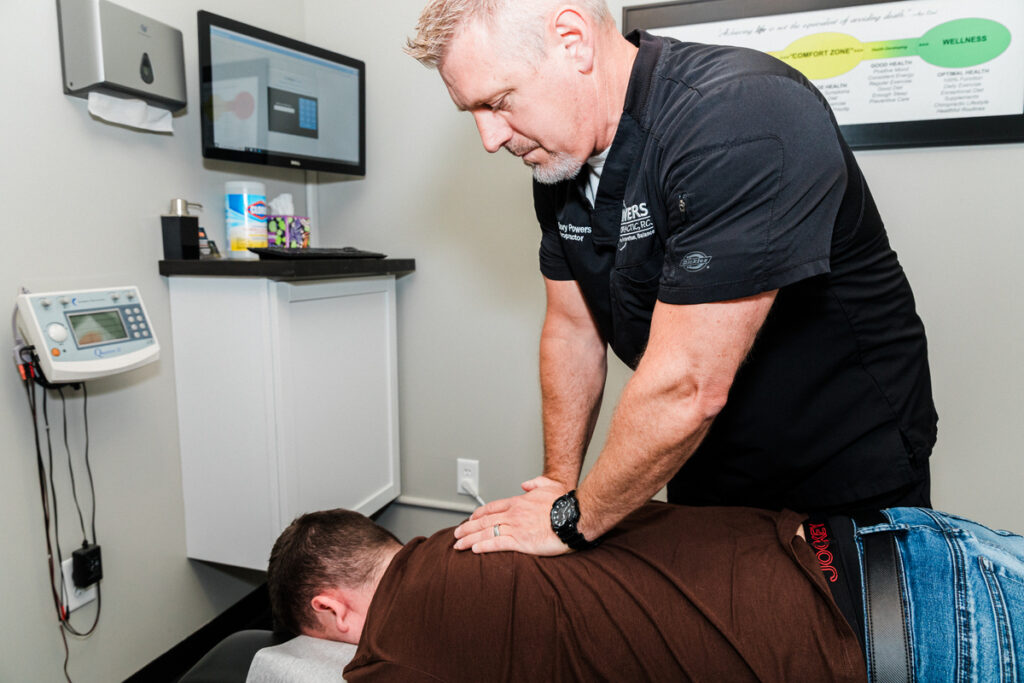

As a local chiropractor, I often see patients who spend long hours at a desk and begin to experience discomfort or pain. It’s important to recognize that poor posture can lead to a variety of problems, not just temporary discomfort. Over time, these issues can escalate into chronic pain and even decrease your productivity at work. Ignoring these warning signs can lead to more serious health complications in the future.
Understanding the impact of your posture is crucial. Many people are unaware of how their sitting habits can affect their overall well-being. Fortunately, there are effective strategies to improve your situation and create a healthier work environment. Simple adjustments to your workstation, regular breaks to stretch, and maintaining an ergonomic setup can make a significant difference.
If you’re experiencing discomfort, I encourage you to seek help. Chiropractic care focuses on natural healing and can provide you with personalized recommendations to improve your posture and alleviate pain. Together, we can work towards fostering a healthier, more productive work life. Remember, your well-being is worth the investment!
Understanding the Impact of Poor Posture
As a local chiropractor, I often see patients who spend long hours at desks, and I want to shed light on how poor posture can subtly affect your health. You may not be aware, but slouching or leaning forward while working can put unnecessary strain on your neck, shoulders, and back. This strain can lead to discomfort that distracts you from your tasks, making it difficult to focus.
Moreover, poor posture can impact your breathing, which in turn can drain your energy levels. Over time, as you continue to sit with improper alignment, your muscles may weaken, making it increasingly challenging to maintain a healthy posture. You might notice that tension builds up in your body, leading to difficulties in concentration.
It’s crucial to recognize the connection between your posture and your overall well-being. Simple adjustments, such as investing in ergonomic chairs or incorporating regular breaks into your routine, can make a world of difference.
Common Posture-Related Issues in Desk Jobs
As a local chiropractor, I want to share some important insights about how poor posture at your desk can impact your daily life. Many of you may not realize that the way you sit can lead to a range of discomforts that affect both your comfort and productivity.
For instance, many people experience neck and shoulder pain from hunching over their keyboards. This tension can make it difficult to focus on your tasks.
Similarly, slouching can cause back pain, leaving you feeling fatigued and uncomfortable as the day goes on.
Furthermore, improper posture can lead to wrist strain, particularly if your arms aren’t adequately supported while typing. This strain may develop into conditions like carpal tunnel syndrome, which could require time off work or medical intervention.
Additionally, poor posture can disrupt your breathing and digestion, leading to discomfort that distracts you from your responsibilities.
Recognizing these issues is the first step toward improving your comfort and efficiency at your desk. As a chiropractor, I emphasize the importance of proper posture and its role in enhancing your overall well-being.
The Importance of Ergonomics in the Workplace
As a local chiropractor, I want to emphasize the vital role ergonomics plays in your workplace and how it directly impacts your overall health and well-being. When your workspace is thoughtfully designed with ergonomic principles, it can significantly reduce the strain on your body, leading to enhanced comfort and productivity.
Many patients find that by making simple adjustments to their work environments, they experience fewer aches and pains, which can help maintain focus and boost motivation during the workday.
Key ergonomic practices include adjusting your chair to the right height, positioning your computer monitor at eye level, and using supportive tools like keyboard trays. These changes promote a natural posture, allowing you to work efficiently without the nagging distractions of discomfort.
Investing in an ergonomic workspace isn’t just about immediate comfort; it’s also about fostering a healthier and more positive work environment. I often see that patients who prioritize ergonomics experience better performance and increased creativity in their tasks.
Signs That You Need Help With Your Posture
As a local chiropractor committed to your health, I want to emphasize the importance of good posture and how it relates to your overall well-being.
If you’re frequently suffering from neck pain or experiencing persistent discomfort in your back, it may be time to take a closer look at your posture. Poor alignment can put unnecessary strain on your body, leading to decreased energy levels and fatigue.
Recognizing these signs early is crucial; it allows us to address the underlying issues and implement natural healing methods that can significantly improve your quality of life.
Frequent Neck Pain
When you find yourself frequently rubbing your neck or experiencing stiffness after long hours at your desk, it may be time to examine your posture.
As a local chiropractor, I want to help you understand that ongoing neck pain often stems from poor alignment. This can happen if your monitor is positioned too low or if your chair doesn’t provide adequate support for your back.
If you’re feeling tightness or discomfort that doesn’t subside after a quick stretch, it’s essential to take a closer look at your workspace.
Simple adjustments, like raising your chair height, positioning your screen at eye level, and using a headset for phone calls, can significantly improve your situation.
Don’t overlook these warning signs—paying attention to your posture now can prevent more serious issues down the line.
Chiropractic care can also offer you personalized strategies to enhance your comfort and productivity while working.
Remember, taking proactive steps toward your health is vital for your overall well-being.
Let’s work together to find the best solutions for you!
Persistent Back Discomfort
Persistent back discomfort is often a signal that your posture requires some attention. If you find yourself frequently shifting in your chair or experiencing aches after long periods of sitting, it’s essential to take a closer look at your posture.
Slumping or hunching over your desk can lead to muscle strain and chronic pain, which can affect your daily activities. You may also notice discomfort while standing, walking, or even lying down, pointing to misalignment in your body that needs addressing.
As a local chiropractor, I want to emphasize the importance of recognizing these signs early on. Ignoring them can lead to more serious issues in the future.
Chiropractic care focuses on correcting misalignments in the spine and improving overall posture, which can alleviate pain and enhance your body’s natural healing abilities. By seeking help from a professional, you can learn effective techniques to improve your posture and reduce discomfort.
Decreased Energy Levels
As a local chiropractor, I want to share with you an important connection between your posture and your energy levels. Many people don’t realize that a noticeable lack of energy can signal that your posture may need some attention.
When you find yourself slumped over your desk, your body has to exert extra effort to maintain focus, leading to feelings of fatigue and decreased alertness. If you’ve noticed yourself yawning frequently or struggling to stay awake, it’s time to evaluate your sitting habits.
Poor posture can restrict blood flow and hinder your breathing, both of which directly impact your energy levels. By making simple adjustments to your chair height, screen position, and foot placement, you can create a more ergonomic workspace that promotes better posture.
This change can significantly enhance your energy and productivity throughout the day.
Don’t underestimate the relationship between your posture and your overall vitality. If you find that these adjustments aren’t enough, seeking chiropractic care could provide the support you need to feel more energized and vibrant in your daily life.
How Poor Posture Affects Mental Health
As a local chiropractor, I want to shed light on an often-overlooked aspect of health: the connection between posture and mental well-being. Many people may not realize it, but poor posture can significantly affect your mental health. For instance, when you slouch or hunch over your desk, it creates a physical barrier that can contribute to feelings of anxiety and depression. A rounded back doesn’t just affect your body; it sends signals to your brain that can lower your mood and drain your energy.
Moreover, maintaining poor posture can lead to heightened stress levels. When your body is tense and uncomfortable, it becomes challenging to concentrate on your tasks or interact positively with those around you. This can create a vicious cycle where stress negatively impacts your posture, further exacerbating your mental state.
You might also find that your self-confidence takes a hit when you adopt a slouched position. In contrast, standing tall and practicing good posture can foster a sense of empowerment, making you feel more equipped to tackle life’s challenges.
Benefits of Seeking Professional Guidance
As a local chiropractor, I want to share with you the immense benefits of seeking professional guidance for posture-related issues. Many people are unaware of how chiropractic care can significantly improve their well-being.
By consulting with a chiropractor, you can receive personalized advice that specifically addresses your unique posture concerns. Here are some key advantages you can expect:
- Improved Comfort: I can help identify the root causes of your discomfort and pain linked to poor posture, providing you with effective solutions to alleviate these issues.
- Enhanced Productivity: By correcting your posture, you can experience increased focus and efficiency, which can lead to better performance in your daily tasks, whether at work or at home.
- Personalized Strategies: Together, we’ll develop actionable tips and techniques tailored to your lifestyle, making it easier for you to implement positive changes that benefit your back and overall posture.
- Long-Term Health: Addressing posture problems early on can prevent chronic conditions from developing in the future, ensuring a healthier, more active life for you.
Investing in chiropractic care not only boosts your physical health but also enhances your overall quality of life.
It’s a decision that can truly make a difference, especially if you spend long hours at a desk. Let’s work together to achieve a healthier posture and a more vibrant life!
Simple Adjustments to Improve Your Posture
As a local chiropractor, I want to share some simple adjustments that can dramatically improve your posture while working at your desk.
First, it’s essential to adjust your chair height so that your feet are flat on the ground, which helps maintain proper spinal alignment.
Next, positioning your monitor at eye level is crucial; this prevents straining your neck and promotes a more natural head position.
Additionally, make sure your keyboard and mouse are within comfortable reach to avoid unnecessary strain on your arms and wrists.
These small yet significant changes can contribute to a more comfortable and healthier work environment, ultimately supporting your overall well-being and reducing the risk of pain or discomfort.
Chair Height Adjustment
As a chiropractor, I often emphasize the importance of proper posture, especially for those of you who spend long hours at a desk. One key factor in achieving good posture and overall comfort is the height of your chair.
Here are some essential tips to help you adjust your chair for optimal alignment:
- Ensure your feet are resting flat on the floor or on a footrest. This helps distribute your weight evenly and reduces stress on your lower back.
- Your knees should be positioned at or slightly below hip level. This alignment can decrease tension in your hips and lower back.
- When typing, your elbows should create a 90-degree angle. This position allows for relaxed shoulders and minimizes strain on your arms and neck.
- Maintain a small gap between the back of your knees and the edge of the chair. This can prevent circulation issues and discomfort.
By making these simple adjustments, you can significantly reduce strain on your back and promote a healthier sitting position.
I encourage you to regularly check and adjust your chair height, as your posture may change throughout the day. Prioritizing your comfort not only enhances your daily experience but also supports your long-term health and wellness.
Monitor Positioning Tips
As a chiropractor, I want to emphasize that achieving better posture at your desk involves more than just adjusting your chair; monitor positioning is equally crucial for your spinal health.
Start by setting your monitor at eye level. This alignment helps prevent unnecessary strain on your neck, as it avoids the need to tilt your head up or down. Ideally, the screen should be positioned about an arm’s length away from your eyes, enabling you to read comfortably without leaning forward, which can lead to poor posture over time.
Ensure that the top of the monitor is in line with your natural line of sight. If you wear glasses, be mindful of your prescription when determining the optimal distance.
Additionally, tilting the screen slightly backward can help reduce glare, making it easier to work for extended periods without discomfort.
By making these simple adjustments to your workspace, you can significantly improve your posture and overall comfort, promoting better spinal health and well-being as you go about your daily tasks.
Keyboard and Mouse Placement
As a local chiropractor dedicated to your well-being, I want to emphasize the importance of proper keyboard and mouse placement for maintaining good posture and overall comfort while you work.
Many people underestimate how simple adjustments can significantly reduce strain on your body, leading to enhanced productivity and better health. Here are some valuable tips to help you get started:
- Position your keyboard and mouse at elbow height, ensuring that your forearms remain parallel to the floor. This helps to maintain proper alignment and reduces tension in your shoulders and neck.
- Keep your wrists in a neutral position. Avoid bending them upwards or downwards while typing, as this can lead to discomfort and strain over time.
- Place your mouse close to your keyboard. This minimizes the need to reach, which can strain your shoulder and neck muscles.
- Consider using a wrist rest if you find your wrists getting tired during long typing sessions. This can provide the necessary support and help maintain a healthy posture.
By implementing these simple changes, you can experience greater comfort and prevent potential issues related to poor ergonomics.
Exercises and Stretches for Desk Workers
As a local chiropractor, I often see the effects of prolonged desk work on my patients’ bodies. Sitting for extended periods can lead to discomfort and tension, but the good news is that incorporating a few simple exercises and stretches into your daily routine can significantly improve your well-being.
Let’s start with neck rolls. This exercise is fantastic for relieving stiffness in your neck. Just gently roll your head in circles for about a minute. You might be surprised at how much tension this can release!
Next, let’s focus on your shoulders. Shoulder shrugs are an effective way to ease tightness. Simply lift your shoulders towards your ears and then release them down. Aim to repeat this movement ten times to help loosen up the area.
Another beneficial stretch is the seated torque. Sit up straight in your chair, place one hand on the back of your chair, and gently twist your torso. This will help stretch your spine and improve your posture. Hold the stretch for 15 seconds on each side.
Don’t overlook your wrists and fingers, either! Extend one arm in front of you with your palm facing up, and gently pull back on your fingers with the opposite hand. This stretch is essential for those of you who spend a lot of time typing. Hold for 15 seconds on each side.
Lastly, I encourage you to stand up and take short walking breaks every hour. This simple act keeps your blood flowing and can greatly enhance your comfort and productivity throughout the day.
Creating a Supportive Work Environment
As a local chiropractor, I want to emphasize the importance of creating a supportive work environment for your overall health and well-being. One of the key elements to consider is investing in ergonomic furniture that aligns with your body and the tasks you perform daily. Properly designed chairs, desks, and other equipment can significantly impact your posture and comfort, which in turn can help prevent musculoskeletal issues.
Additionally, organizing your workspace effectively can make a world of difference. Simple adjustments, such as positioning your computer monitor at eye level or ensuring your chair provides adequate lumbar support, can help you maintain a healthy posture throughout the day.
By implementing these changes, you not only enhance your comfort but also promote better spinal health and productivity.
Ergonomic Furniture Options
As a local chiropractor, I want to emphasize the critical role that ergonomic furniture plays in enhancing your overall comfort and productivity, especially if you’re spending long hours at a desk.
By investing in furniture that caters to your body’s natural alignment, you can significantly reduce the strain on your spine and muscles. Here are some ergonomic options I recommend considering:
- Adjustable Office Chair: It’s essential to choose a chair that provides lumbar support and has an adjustable height feature. This ensures that your spine remains properly aligned while you work, which can help prevent back pain.
- Standing Desk: A height-adjustable desk is a fantastic option for those who want to alternate between sitting and standing throughout the day. This change in position can help alleviate tension and reduce the risk of discomfort associated with prolonged sitting.
- Keyboard Tray: Utilizing a pull-out keyboard tray allows you to position your keyboard at the correct height, which helps keep your wrists straight as you type. This simple adjustment can prevent repetitive strain injuries.
- Monitor Stand: Elevating your computer screen to eye level can do wonders for your neck and back. By ensuring that your monitor is at the right height, you can prevent neck strain and improve your overall posture, which is vital for long-term spinal health.
By making these thoughtful choices in your workspace, you can create an environment that supports your body and promotes natural healing.
Workspace Organization Tips
Creating a well-organized workspace isn’t just about aesthetics; it can significantly impact your physical well-being and productivity. As a chiropractor, I often see the effects of poor workspace organization on my patients’ posture and overall health.
Begin by decluttering your desk; keeping only essential items within reach can reduce distractions and promote better focus. Utilize organizers for papers, pens, and other supplies to maintain order.
Position your monitor at eye level to help prevent neck strain, which can lead to discomfort and long-term issues. Ensure your chair provides proper support for good posture; this is crucial in avoiding back pain.
Implement cable management solutions to keep cords tidy—tripping hazards and distractions can contribute to poor posture as you twist and turn to reach for items.
Incorporating plants or personal items that inspire you can enhance your mental well-being, but be careful not to overcrowd your space. Good lighting is essential; natural light is ideal, but adjustable desk lamps can provide the necessary illumination to avoid eye strain.
Regularly assess your workspace to ensure it remains functional and inviting, allowing you to concentrate on your tasks while also supporting your physical health. Taking these steps can lead to a more comfortable and productive work environment, ultimately benefiting your overall well-being.
Long-Term Benefits of Addressing Posture Issues
As a local Chiropractor, I want to share with you the incredible benefits that addressing posture issues can have on your overall well-being. Many people may not realize how much proper posture can enhance your comfort at work and contribute to long-term health improvements that significantly elevate your quality of life.
By taking steps to correct your posture now, you can avoid a host of complications that often stem from neglecting it. Here are some key benefits you can look forward to:
- Reduced Pain: Maintaining correct posture helps relieve unnecessary strain on your muscles and joints, which can lead to a noticeable decrease in discomfort.
- Increased Productivity: When your body feels good, your ability to concentrate and work efficiently skyrockets, leading to greater productivity throughout your day.
- Enhanced Mood: Adopting good posture can have a positive effect on your mental health, boosting your confidence and helping you maintain a more optimistic outlook as you go about your daily activities.
- Lower Risk of Chronic Conditions: By ensuring your spine and body are properly aligned, you can significantly reduce the risk of developing chronic issues, such as spinal problems and repetitive strain injuries, as time goes on.
Investing time in correcting your posture today can pave the way for a healthier and more satisfying work life in the future.
As your chiropractor, I encourage you not to underestimate the profound impact that proper posture can have on your overall health!
Conclusion
As a local chiropractor, I want to emphasize the importance of addressing your desk job posture issues—not just for your comfort, but for your overall health. Many individuals may not realize how poor posture can affect their well-being, leading to discomfort and even chronic pain over time. By becoming aware of the signs of bad posture and making simple adjustments to your workstation, you can significantly enhance your productivity and mental clarity.
Incorporating ergonomic principles into your daily routine is crucial. This means setting up your desk and chair in a way that supports your body’s natural alignment. Additionally, regular exercises and stretches can help alleviate tension and strengthen your muscles, promoting a healthier work environment.
Don’t wait for discomfort to escalate into something more serious. Seeking guidance on posture and movement can lead to a more efficient workspace, benefiting both your body and mind. Remember, investing in your health today can prevent future complications—your body will thank you for it!