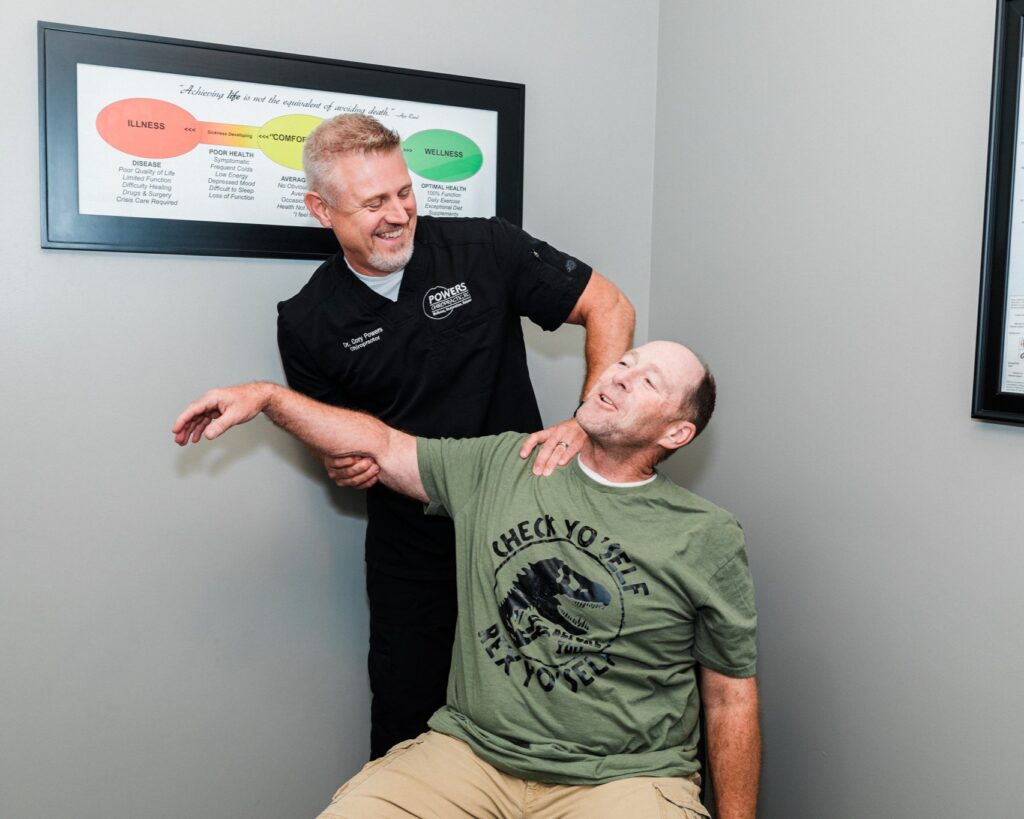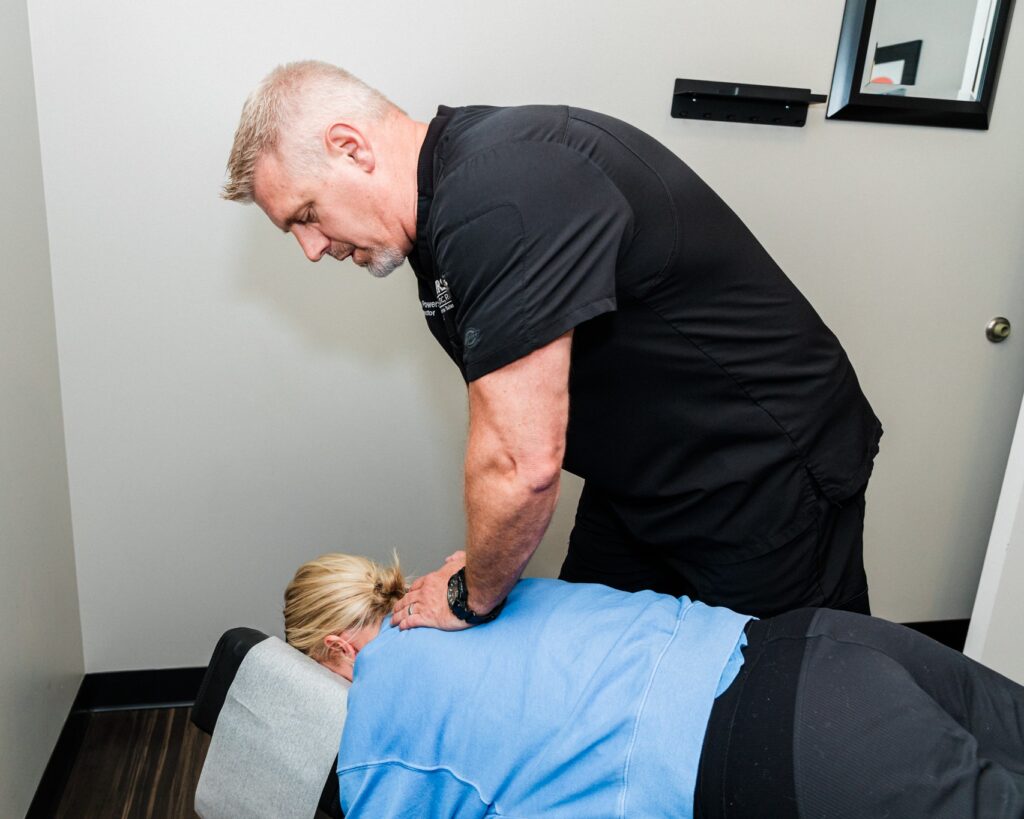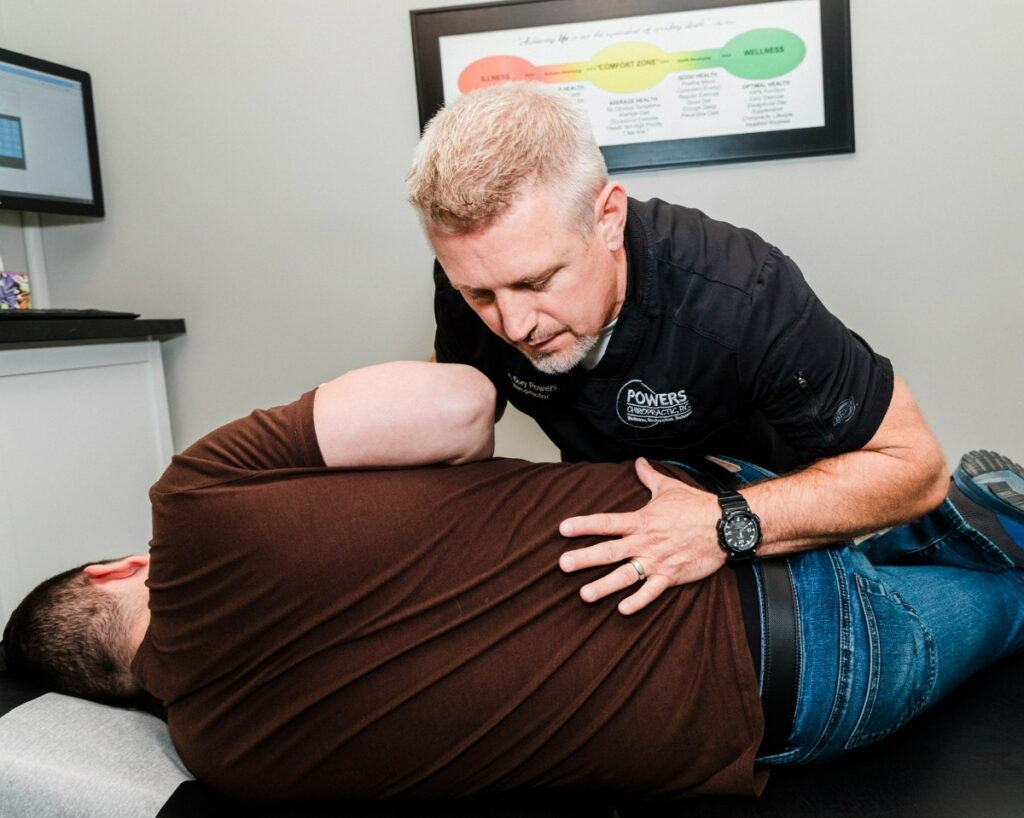

If you’re experiencing back pain, stretching could be the key to finding relief and promoting overall wellness. As a chiropractor, I often emphasize the importance of flexibility in maintaining a healthy spine. Stretching helps alleviate muscle tension and improves posture, both of which are crucial for reducing discomfort and enhancing your daily activities.
However, it’s essential to understand that back pain can stem from various factors, including poor posture, muscle imbalances, or even stress. By incorporating regular stretching into your routine, you can address these underlying issues and support your spine’s health.
Here are some simple tips to get started:
- Start Slowly: If you’re new to stretching, begin with gentle movements and gradually increase the intensity as your flexibility improves.
- Focus on Key Areas: Target major muscle groups that support your back, such as the hamstrings, hip flexors, and lower back muscles. Stretching these areas can alleviate tension and improve your posture.
- Consistency is Key: Aim to stretch daily or at least several times a week. Consistent practice can lead to significant improvements in flexibility and pain relief.
- Listen to Your Body: Pay attention to how your body responds to stretching. If something feels painful, ease off and adjust your technique as needed.
- Incorporate Chiropractic Care: Regular visits to a chiropractor can complement your stretching routine. Chiropractic adjustments can enhance your spinal alignment, improve mobility, and reduce pain, leading to a more effective and holistic approach to health.
By adopting these practices, you can take meaningful steps toward reducing back pain and enhancing your overall well-being. Remember, chiropractic care is a natural and effective way to achieve optimal health, so consider making it a part of your wellness journey.
Key Takeaways
Stretching is a fantastic way to help prevent back pain and maintain a healthy spine! Here’s how it works:
- Enhances Flexibility: Regular stretching increases your flexibility, which allows your spine to better absorb shock during everyday activities. This means that your body can handle the stresses of lifting, bending, and even sitting without risking injury.
- Improves Blood Flow: Stretching helps to improve circulation to your spinal tissues. This increased blood flow nourishes the discs and ligaments in your spine, which is essential for keeping them healthy and resilient.
- Reduces Muscle Tension: Targeted stretching can help relieve tension in the muscles surrounding your spine. By easing this tension, you can reduce discomfort and prevent strain, making everyday movements more comfortable.
- Addresses Muscle Imbalances: Consistent stretching is key to addressing muscle imbalances that can lead to misalignment of the spine. By promoting flexibility and strength in all the right areas, stretching helps you maintain better posture and stability.
- Complements Chiropractic Care: Incorporating stretching into your daily routine works hand-in-hand with chiropractic adjustments. Together, they enhance your overall wellness and provide effective relief from back pain, helping you to live your best life.
Tips for Incorporating Stretching into Your Routine:
- Start Small: Begin with just a few minutes of stretching each day. You can gradually increase the time as you become more comfortable.
- Focus on Major Muscle Groups: Pay special attention to your back, hips, and legs, as these areas often hold tension that can lead to discomfort.
- Listen to Your Body: Stretch to a point of mild tension, but never to the point of pain. Your body will guide you on what feels right.
- Be Consistent: Make stretching a regular part of your day—whether it’s in the morning, during breaks, or before bed.
- Combine with Deep Breathing: Pair your stretches with deep breathing to enhance relaxation and further reduce tension.
By making stretching a part of your daily routine and combining it with chiropractic care, you can take significant steps toward preventing back pain and achieving optimal health!
The Importance of Flexibility in Spinal Health
Flexibility is often underestimated, but it’s crucial for maintaining a healthy spine. When you make flexibility a priority, you help your spine move and align naturally, which is essential for overall well-being. A flexible spine allows your muscles and ligaments to better absorb shock, significantly reducing the risk of injury.
By incorporating regular stretching into your daily routine, you can enhance your range of motion, making everyday activities easier and more comfortable. As you engage in stretching, you’re not just boosting your flexibility; you’re also improving blood flow to the tissues surrounding your spine. This increased circulation nourishes your discs and ligaments, helping them heal and preventing stiffness.
Plus, a flexible spine can relieve tension in surrounding muscles, which often contributes to discomfort. To support your spinal health, consider these simple tips:
- Set aside a few minutes each day for gentle stretching exercises that focus on your back, neck, and hips.
- Incorporate movements that promote spinal flexibility, such as cat-cow stretches, child’s pose, or gentle twists.
- Stay active with low-impact activities like walking, swimming, or yoga, which can also enhance flexibility.
Remember, chiropractic care is an excellent way to maintain your spinal health and overall wellness. Regular adjustments can help keep your spine aligned, improve flexibility, and provide natural pain relief.
Consult your chiropractor for personalized advice and a tailored stretching routine that works for you. Your spine will thank you!
How Poor Posture Contributes to Back Pain
When you slouch or sit for long periods without proper support, you’re not just uncomfortable; you’re setting yourself up for back pain. Poor posture can disrupt the natural curves of your spine, putting unnecessary strain on the muscles and ligaments that support it. This imbalance can lead to tension in your back, leaving you feeling discomfort and fatigue.
It’s easy to overlook how your body position during daily activities—like using your phone or working at a desk—affects your spinal health. If you find yourself constantly hunched over, your back muscles can become overworked, while others may weaken, leading to further issues.
As a chiropractor, I want to emphasize the importance of maintaining good posture to alleviate this strain. Here are some simple tips you can incorporate into your daily life:
- Sit Up Straight: Make a conscious effort to sit up straight with your back against the chair. This helps to support the natural curves of your spine.
- Keep Your Shoulders Back: Relax your shoulders and avoid rounding them forward. This can help to relieve tension in your upper back.
- Use Ergonomic Furniture: If possible, invest in ergonomic chairs and desks that support your posture. These can make a significant difference in your comfort while working or relaxing.
- Take Breaks: If you’re sitting for long periods, make sure to take regular breaks. Stand up, stretch, and walk around to relieve tension in your back.
- Be Mindful of Your Phone: When using your phone, hold it at eye level to avoid hunching over. This small adjustment can greatly improve your posture throughout the day.
By being mindful of your posture and making these adjustments, you can reduce your risk of developing back pain and promote overall spinal health.
Remember, chiropractic care is an excellent option for achieving optimal health and wellness. Regular chiropractic adjustments can help realign your spine, relieve tension, and support your body’s natural healing processes.
Prioritize your posture and consider chiropractic care as a natural way to maintain your well-being.
The Role of Muscle Imbalances in Back Discomfort
Muscle imbalances play a significant role in how our bodies feel and function, especially when it comes to back discomfort. When some muscles are tighter or weaker than others, they can pull your spine out of its proper alignment. This misalignment can lead to pain and discomfort, making it difficult to enjoy daily activities.
As a chiropractor, I believe that addressing these muscle imbalances is essential for achieving optimal health. One of the best ways to restore balance and alleviate discomfort is through chiropractic care. By focusing on spinal alignment and muscle function, we can help you find relief and improve your overall well-being.
Incorporating stretching and strengthening exercises into your routine can also be beneficial. Simple stretches can help loosen tight muscles, while targeted exercises can strengthen weaker muscles, promoting better alignment. Here are some tips you can easily integrate into your daily life:
- Stretch Daily: Spend a few minutes each day stretching your back, hips, and legs. This can help reduce tension and improve flexibility.
- Strengthen Your Core: A strong core supports your spine. Engage in exercises that target your abdominal and lower back muscles, such as planks or bridges.
- Practice Good Posture: Be mindful of your posture throughout the day, whether sitting, standing, or lifting. Proper alignment reduces strain on your back.
- Stay Active: Regular physical activity helps maintain muscle balance and promotes overall health. Find an activity you enjoy, whether it’s walking, yoga, or swimming.
- Visit Your Chiropractor: Regular chiropractic adjustments can help keep your spine aligned and your muscles functioning properly, providing natural relief from discomfort.
Common Muscle Imbalances
Many individuals often underestimate the impact of muscle imbalances on their overall health, especially when it comes to back pain. Imbalances happen when certain muscles become stronger or tighter than their opposing muscles, resulting in tension and discomfort. For example, tight hip flexors can pull your pelvis forward, which can contribute to lower back pain. By identifying these common imbalances, you can take steps to address the underlying issues, ultimately leading to relief and improved well-being.
Here’s a quick overview of some common muscle imbalances and how they can affect your back:
| Muscle Imbalance | Effect on Back Pain |
|---|---|
| Tight Hip Flexors | Increased lumbar curvature |
| Weak Glutes | Poor pelvic stability |
| Tight Hamstrings | Strain on lower back |
| Weak Core Muscles | Lack of support for spine |
| Tight Quadriceps | Altered pelvic alignment |
To combat these imbalances, consider incorporating some simple tips into your wellness routine:
- Stretch Regularly: Focus on stretching tight muscles, like your hip flexors and hamstrings, to promote flexibility and balance in your body.
- Strengthen Weak Areas: Include exercises that target weak muscles, such as glute bridges for your glutes and planks for your core, to enhance stability and support for your spine.
- Stay Active: Aim for regular physical activity that engages different muscle groups. Activities like walking, swimming, or yoga can help maintain muscle balance and reduce tension.
- Chiropractic Care: Regular visits to your chiropractor can help realign your spine, improve posture, and address any muscle imbalances. Chiropractic adjustments can enhance your body’s natural healing process and contribute to overall wellness.
Impact on Posture
Poor posture is often a result of muscle imbalances that create tension and discomfort in your back, something I see frequently in my practice as a chiropractor. When certain muscles are tight while others are weak, it disrupts your body’s natural alignment.
For instance, tight hip flexors can pull your pelvis forward, causing your lower back to arch uncomfortably. On the other hand, if your abdominal muscles are weak, they may not provide the necessary support for your spine, which can lead to slouching.
These misalignments can lead to strain and discomfort in your back over time, which is why it’s crucial to pay attention to your posture. You mightn’t even notice these subtle changes in your body, but they can significantly affect your overall well-being.
The good news is that chiropractic care can help address these imbalances and guide you toward better posture.
In addition to chiropractic adjustments, there are simple exercises you can incorporate into your daily routine to strengthen weak muscles and stretch tight ones. For example, gentle stretches for your hip flexors and core strengthening exercises can help restore balance to your body.
Remember to take breaks throughout your day to stand up, stretch, and check your posture.
By focusing on proper alignment, you can alleviate discomfort, improve your posture, and prevent future back pain. Chiropractic care is a natural, effective way to achieve optimal health and maintain a healthy spine.
If you’re experiencing discomfort, I encourage you to consider how chiropractic care can help you find relief and support your journey to wellness.
Stretching for Balance
Tightness in specific muscle groups can lead to increased back discomfort, often due to imbalances that affect your body’s mechanics. When some muscles are tight while others are weak, it can result in poor posture and movement patterns, which places extra stress on your back.
As a chiropractor, I encourage you to incorporate regular stretching into your routine to help restore balance between opposing muscle groups.
Focus on stretching tight muscles, such as the hip flexors and hamstrings, while also strengthening weaker areas like your glutes and core. This approach not only alleviates tension but also enhances your overall stability, making it easier for your body to function optimally.
Remember, chiropractic care is an excellent way to address these imbalances. A chiropractor can help identify specific areas of tension and weakness, providing tailored adjustments and advice to enhance your healing process.
Ultimately, prioritizing stretching and seeking chiropractic care can significantly reduce your risk of back pain, promoting a healthier and more aligned body. You’ll likely feel the difference in your daily activities, allowing you to enjoy life more fully!
Benefits of Stretching for Core Strength
Stretching is a vital component of enhancing your core strength, which is essential for maintaining stability and good posture. As a chiropractor, I want to emphasize the importance of integrating stretching into your daily routine. Not only does it improve your flexibility, but it also activates the muscles that support your spine, creating a solid foundation for your core. This foundation is key to better movement mechanics in your everyday activities.
When you regularly stretch your abdominal and back muscles, you promote balanced muscle development. This balance is important because it helps reduce the risk of injuries and alleviates strain on your lower back. Furthermore, stretching increases blood flow to your core muscles, which aids in recovery and enhances performance.
As your core becomes stronger and more flexible, you’ll likely notice improvements in your posture and a reduction in back tension. By prioritizing stretching, you can enhance your core strength, which contributes to better overall body mechanics and lowers the chances of experiencing back pain.
Incorporating simple stretching exercises into your routine can be a great way to support your spine and overall health. Consider trying gentle stretches like the cat-cow or child’s pose, which can be easily done at home.
Stretching Techniques to Alleviate Tension
To alleviate tension and maintain a healthy back, incorporating regular stretching into your routine is essential. As a chiropractor, I can assure you that effective stretching techniques can target tight muscles and help release built-up stress, promoting natural healing and overall wellness.
Let’s explore some simple stretching routines that can truly enhance your daily life and support your spine health.
One of the best things you can do for your body is to engage in stretching exercises that focus on the muscles surrounding your spine. These stretches not only alleviate tension but also improve flexibility and posture, which are crucial for a healthy back.
Here are a few easy stretches to consider:
- Cat-Cow Stretch: Start on your hands and knees. Inhale as you arch your back (the “cow” position) and look up. Exhale while rounding your spine (the “cat” position), tucking your chin. Repeat this flow several times to release tension in your spine.
- Child’s Pose: Kneel on the floor, sit back on your heels, and extend your arms forward on the ground. This gentle stretch helps to elongate the spine and relax your back muscles.
- Torso Twist: Sit up straight in a chair. Slowly twist your torso to one side, using the chair for support. Hold for a few seconds, then switch sides. This stretch helps improve spinal mobility and relieve tension in your back.
- Standing Forward Bend: Stand with your feet hip-width apart. Slowly bend forward at the hips, letting your arms dangle toward the ground. This position allows gravity to help release tension in your lower back.
Incorporating these stretches into your daily routine can make a significant difference in how you feel.
Remember, regular chiropractic care complements these stretching techniques by addressing spinal alignment and function. By prioritizing both stretches and chiropractic adjustments, you’re taking a proactive approach to your health and wellness.
As you embrace these practices, you’ll likely notice improved mobility, reduced pain, and an overall sense of well-being.
Always listen to your body and consult with your chiropractor for personalized recommendations tailored to your specific needs. Together, we can work towards achieving optimal health through natural methods.
Benefits of Regular Stretching
Incorporating regular stretching into your daily routine can be a game-changer for your overall health and wellness, especially when it comes to maintaining a healthy spine. As a chiropractor, I often see how stretching can significantly reduce tension and improve flexibility, which is essential for spinal health.
When you stretch, you enhance blood flow to your muscles, aiding recovery and minimizing soreness after any physical activity—this is crucial for keeping your spine aligned and functioning well. Stretching also improves your range of motion, making everyday activities—like bending, reaching, or twisting—much easier and more comfortable.
By alleviating stiffness, you allow your body to move more freely, which is vital for preventing injuries and maintaining a healthy spine. Moreover, stretching promotes relaxation and helps reduce stress, both of which are essential for your mental well-being. A relaxed body can better support a healthy spine, leading to improved posture and reduced risk of discomfort.
To make the most of your stretching routine, consider dedicating just a few minutes each day to focus on your flexibility. Simple stretches like neck rolls, shoulder shrugs, and gentle back bends can make a big difference.
Remember, these practices not only benefit your muscles but also create a stronger connection between your body and mind. In summary, embracing regular stretching can lead to lasting benefits for your overall health and spine care.
As you work towards optimal wellness, remember that chiropractic care is a natural and effective way to support your journey to a pain-free life. Always consult with your chiropractor for personalized advice on stretching techniques that are best suited to your individual needs.
Effective Stretching Techniques
Incorporating a few effective stretching techniques into your daily routine can significantly alleviate tension and enhance your overall flexibility, which is crucial for maintaining a healthy spine.
As a chiropractor, I want to emphasize the importance of stretching as a natural approach to pain relief and wellness.
Start with the cat-cow stretch. This gentle movement warms up your spine and helps relieve back tightness, promoting better spinal health.
Next, to target your hamstrings, try a seated forward bend. This stretch not only helps reduce lower back strain but also supports overall flexibility.
Another excellent choice is the child’s pose. This position provides a gentle stretch for your back and hips, releasing tension and promoting relaxation.
Additionally, don’t overlook the standing quadriceps stretch, which eases tension in your thighs and hips—areas that can contribute to back discomfort.
When practicing these stretches, aim to hold each one for at least 15-30 seconds while breathing deeply. This combination of stretching and mindful breathing enhances relaxation and helps your body recover naturally.
Remember, regular practice of these stretches can aid in maintaining a healthy, flexible back, minimizing future pain, and supporting your journey to optimal health.
Stretching Routine Suggestions
Maintaining a consistent stretching routine can greatly enhance the benefits of the chiropractic techniques you’ve already experienced. By incorporating specific stretches into your daily life, you can alleviate tension and prevent back pain more effectively, supporting your overall wellness journey.
Here are three simple suggestions to help you get started:
- Morning Stretch: Begin each day with gentle stretches such as the cat-cow pose or a standing forward bend. These movements can help wake up your spine, loosen tight muscles, and set a positive tone for the day ahead.
- Midday Break: If you find yourself sitting for long periods, take a five-minute break during your workday. Simple seated twists and shoulder stretches can work wonders in relieving tension that builds up from prolonged sitting. Remember, it’s important to keep your body moving!
- Evening Routine: As you wind down for the day, incorporate deep breathing along with soothing stretches like the child’s pose or spinal twist. These stretches promote relaxation and prepare your body for a restful night, enhancing your recovery.
Consistency is key to achieving optimal health and wellness. By combining these stretches with regular chiropractic care, you can support your body’s natural healing process and maintain a healthy spine.
Incorporating Stretching Into Your Daily Routine
If you’re looking to keep back pain at bay, incorporating stretching into your daily routine can be transformative, especially when paired with chiropractic care. Starting your day with a few simple stretches can wake up your muscles and promote better blood flow, setting a positive tone for the day ahead. Just ten minutes each morning focusing on your back and legs can make a noticeable difference.
Throughout your day, especially if you find yourself sitting for long periods, take the opportunity to stretch. A quick stretch during breaks can rejuvenate both your body and mind. Consider setting reminders on your phone or placing sticky notes in your workspace to encourage you to get up and move.
As the day winds down, dedicate a few minutes before bed to gentle stretches. This not only helps to unwind but also prepares your body for restorative sleep. By consistently weaving stretching into your day, you’ll enhance your flexibility, reduce muscle tension, and significantly lower your risk of developing back pain.
Remember, while stretching is beneficial, regular visits to your chiropractor can provide additional support for your spine and overall wellness. Chiropractors focus on natural healing and can help ensure that your body is aligned and functioning optimally.
Together with stretching, chiropractic care can be your best choice for pain relief and achieving a healthier, more active lifestyle. It’s a small commitment that can lead to significant improvements in your overall well-being.
Stretching vs. Other Pain Relief Methods
Stretching is a fantastic way to find relief from pain, and it complements chiropractic care beautifully. While other methods like medication or surgeries may offer quick fixes, they often come with unwanted side effects and risks. Here’s why embracing stretching, alongside chiropractic care, could be the best choice for your health:
- Natural Relief: Stretching enhances blood flow and improves flexibility, addressing the underlying causes of your pain without relying on pharmaceuticals. When paired with chiropractic adjustments, you can tackle pain at its source effectively.
- Cost-Effective: You don’t need to spend a fortune on prescriptions or invasive treatments. Just a few minutes of stretching every day can significantly relieve discomfort, and it’s a simple practice you can do at home to support the adjustments you receive in our office.
- Empowerment: Incorporating stretching into your daily routine gives you control over your health. You can easily modify stretches to fit your individual needs, making it a personalized approach to managing discomfort. This empowerment can enhance the benefits you gain from chiropractic care, allowing you to maintain a healthier spine and body.
Remember, stretching not only alleviates pain but also promotes a sense of well-being and strength that other methods may not provide.
Here are some simple tips to help you get started:
- Start Slow: If you’re new to stretching, begin with gentle stretches and gradually increase your range as your body becomes accustomed.
- Consistency is Key: Aim to stretch daily, even if only for a few minutes. This regular practice can help maintain the benefits of your chiropractic adjustments.
- Listen to Your Body: Pay attention to how your body feels during and after stretching. If something doesn’t feel right, adjust your approach or consult with your chiropractor for guidance.
Real-Life Success Stories: Stretching for Back Pain Relief
Many individuals have found significant relief from back pain through consistent stretching, but it’s essential to understand that chiropractic care plays a crucial role in achieving optimal spinal health and overall wellness.
Let’s look at a few real-life examples that illustrate the transformative power of combining stretching with chiropractic support.
Take Sarah, for instance. After enduring chronic lower back pain from long hours at her desk, she reached out to a chiropractor for an evaluation. Along with professional adjustments, she committed to a daily stretching routine.
With her chiropractor’s guidance, she learned specific stretches that complemented her treatment. Within weeks, Sarah noticed a considerable reduction in discomfort, allowing her to enjoy activities she once shied away from.
Then there’s James, who often experienced stiffness after his weekend sports. He started visiting a chiropractor who showed him how gentle stretches could enhance his warm-up and cooldown routine.
This simple addition, paired with regular chiropractic adjustments, led to smoother movements and less pain. Now, James enjoys his weekends worry-free, playing sports without the fear of injury.
Finally, consider Maria. After completing physical therapy, she sought chiropractic care to maintain her progress. By dedicating just ten minutes a day to targeted stretches recommended by her chiropractor, she found relief from years of tension and tightness.
This holistic approach not only improved her flexibility but also contributed to her overall health and well-being.
These stories highlight how integrating stretching with chiropractic care can be a game-changer for those dealing with back pain.
Remember, stretching should be complemented by professional care to ensure you’re addressing the root cause of your discomfort.
If you’re looking for natural, effective solutions for back pain relief, chiropractic care may be the best choice for you. Consider scheduling an appointment to learn how we can support your journey to a pain-free life.
Tips for Safe and Effective Stretching Practices
To ensure your stretching routine is both safe and effective, it’s important to use proper techniques and be in tune with your body. Here are some helpful tips to enhance your stretching practice and support your overall health:
- Warm Up First: Start with a few minutes of light aerobic activity, such as walking or gently jogging in place. This increases blood flow to your muscles, preparing them for stretching and reducing the risk of injury.
- Hold, Don’t Bounce: When stretching, aim to hold each position for at least 15-30 seconds. Avoid bouncing, as this can lead to muscle strains. Instead, focus on gradually deepening your stretch to improve flexibility safely.
- Focus on Your Breath: Breathing deeply and evenly while you stretch is essential. Inhale as you enter a stretch and exhale as you release tension. This not only promotes relaxation but also enhances your overall flexibility.
- Listen to Your Body: Pay attention to how your body feels during each stretch. If you experience pain, stop and adjust your position. Stretching should never be painful, and chiropractic care can help identify and address any underlying issues.
- Incorporate Regular Stretching: Making stretching a regular part of your routine can improve your mobility and support spinal health. Consistency is key, and if you have any concerns, consult your chiropractor for personalized guidance.
Conclusion
Incorporating stretching into your daily routine can be a pivotal step in preventing back pain and promoting overall spinal health. As a chiropractor, I often emphasize the importance of flexibility, good posture, and addressing muscle imbalances. By enhancing these aspects, you’re not just working towards a pain-free back; you’re also fostering a healthier spine, which is essential for your overall well-being.
Stretching helps to keep your muscles pliable and your joints mobile, which can greatly reduce the risk of injury and discomfort. It’s important to remember that regular stretching complements the benefits of chiropractic care, providing a holistic approach to health and wellness.
Here are some simple stretching tips you can incorporate into your daily routine:
- Start Your Day Right: Begin your morning with gentle stretches to awaken your body. Focus on your back, neck, and legs to prepare for the day ahead.
- Take Breaks: If you sit for long periods, take short breaks every hour to stand up, stretch, and move around. This helps to alleviate tension and improve circulation.
- Practice Good Posture: While sitting or standing, ensure your spine is aligned. Stretching can help reinforce good posture habits.
- Listen to Your Body: Pay attention to areas that feel tight or sore and focus on stretching those muscles. Don’t push yourself too hard—gentle stretches are more effective.
- Stay Consistent: Make stretching a regular part of your day, whether it’s a few minutes in the morning or evening, or during breaks at work.
Remember, while stretching is beneficial, it works best in conjunction with regular chiropractic adjustments. Chiropractic care can help align your spine, reduce pain, and enhance your body’s ability to heal naturally. If you’re experiencing back pain or discomfort, consider visiting a chiropractor to explore how they can support your journey to optimal health. Start incorporating stretching today, and you may notice a significant improvement in your back health and overall quality of life!